Taffa — History & Analysis
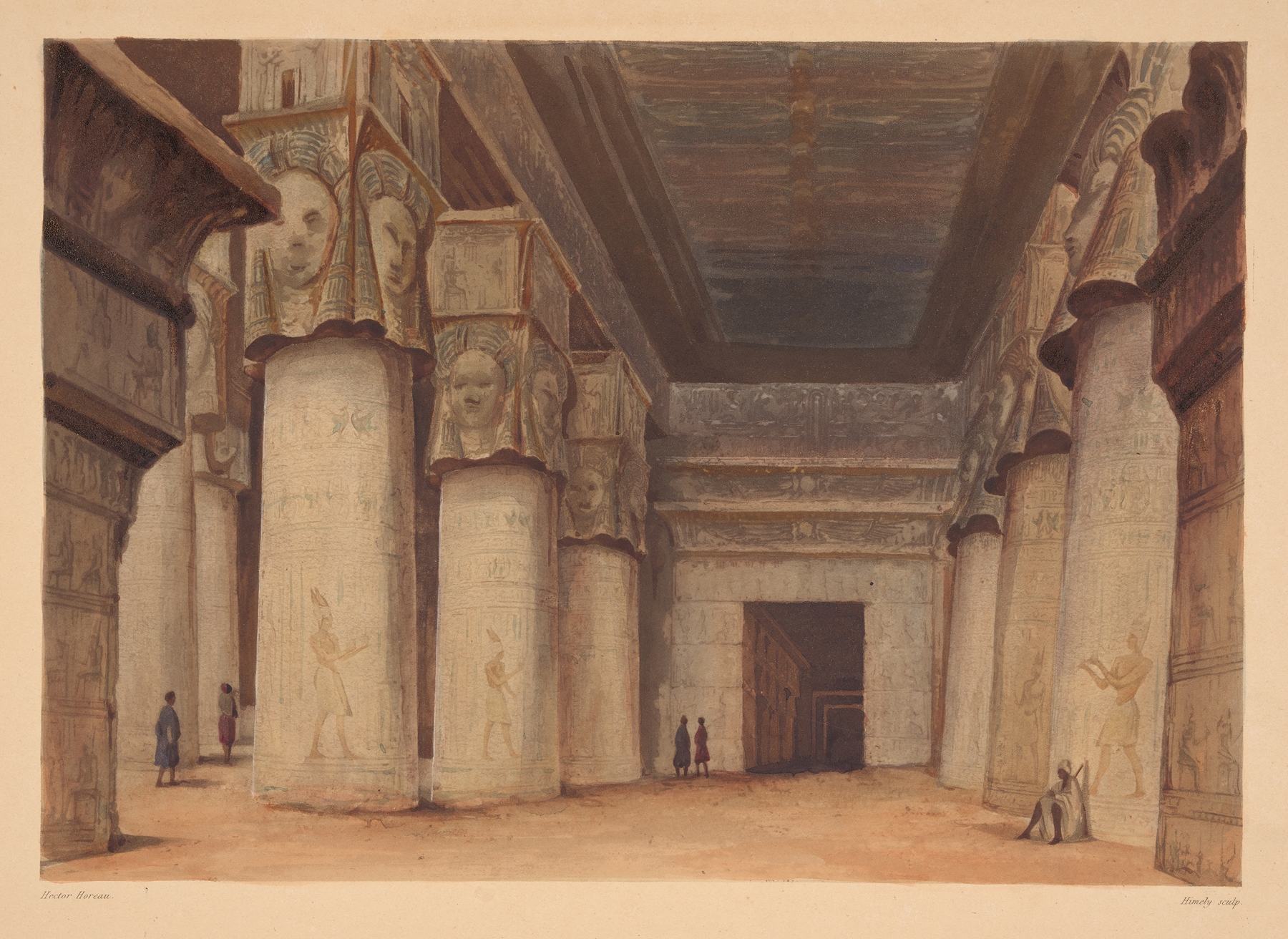
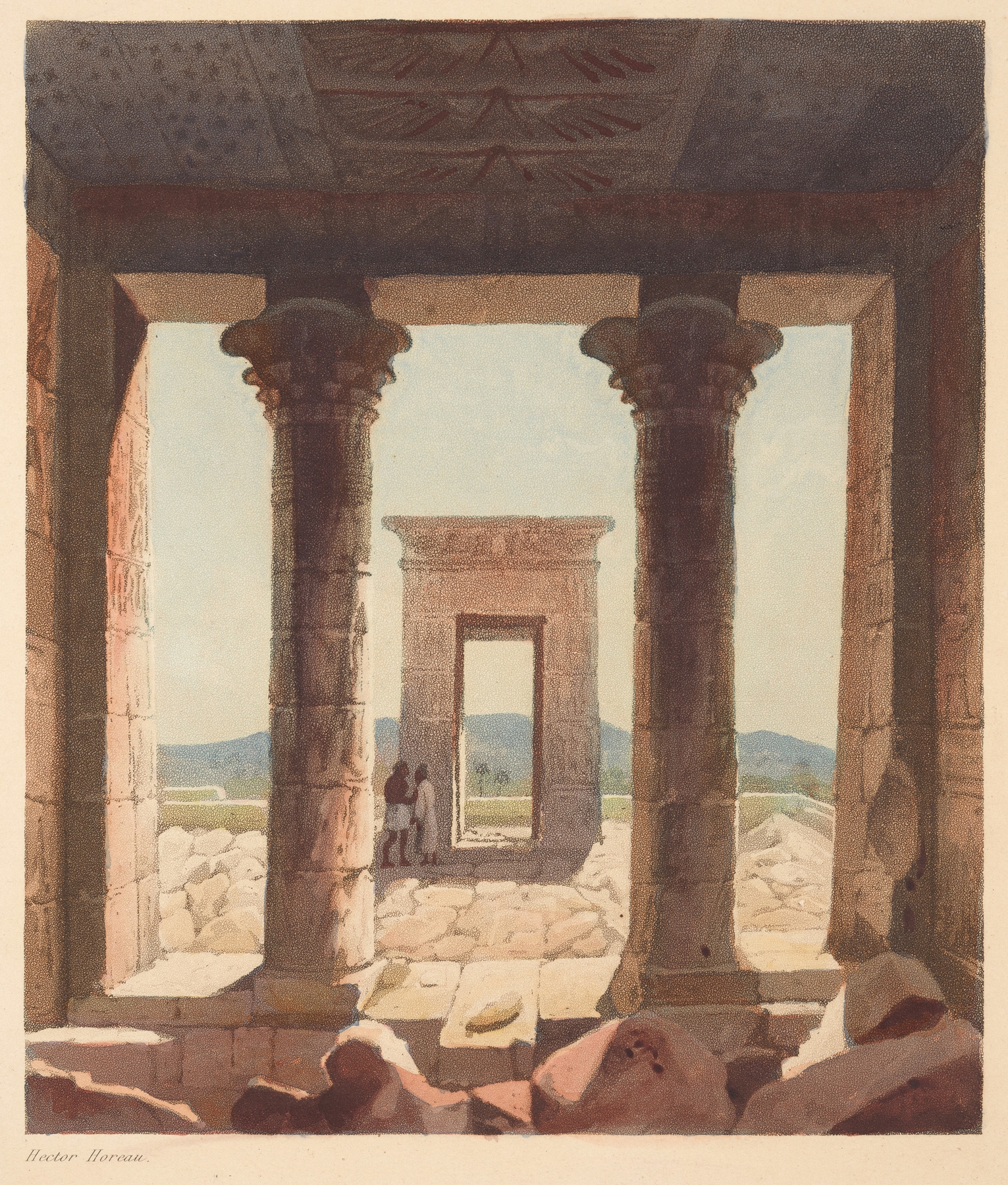
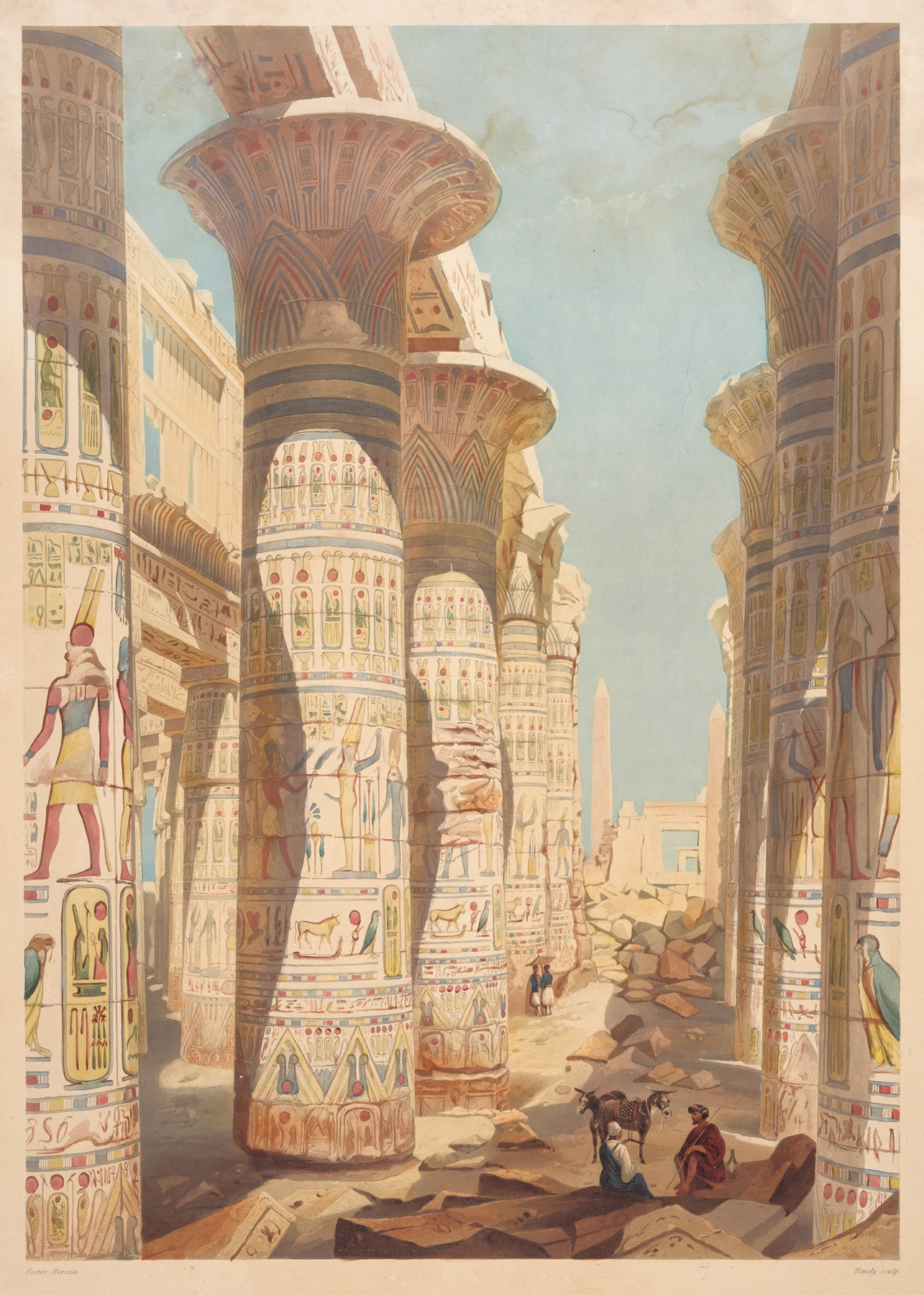
“Art reveals the soul when the world turns away.” In a quiet corner of a tumultuous existence, hope flickers like a candle’s flame, illuminating the most profound aspects of human experience. To grasp the essence of Taffa, first look to the center of the composition, where the figure stands poised amidst a serene landscape. Notice how the delicate strokes of Horeau’s brush create a soft interplay of light and shadow, enveloping the subject in a warm embrace. The palette, dominated by earthy greens and subtle browns, invites the viewer into a world where nature and humanity exist in harmonious balance, reflecting a moment of contemplation and connection.
Yet, beneath this tranquil exterior lies complexity. The figure, with an expression both serene and wistful, embodies resilience, suggesting a narrative of personal struggle and triumph. The surrounding foliage whispers tales of renewal, while the horizon hints at distant possibilities, urging viewers to consider the hope that exists even in solitude. Each meticulously rendered detail serves as a reminder of the enduring human spirit amidst life’s uncertainties.
In 1841, Horeau created Taffa during a period of personal exploration and artistic maturation. Living in Paris, he was influenced by the Romantic movement's celebration of nature and emotion. The artwork reflects his desire to capture the delicate balance between vulnerability and strength, resonating deeply with the evolving sentiments of his time.
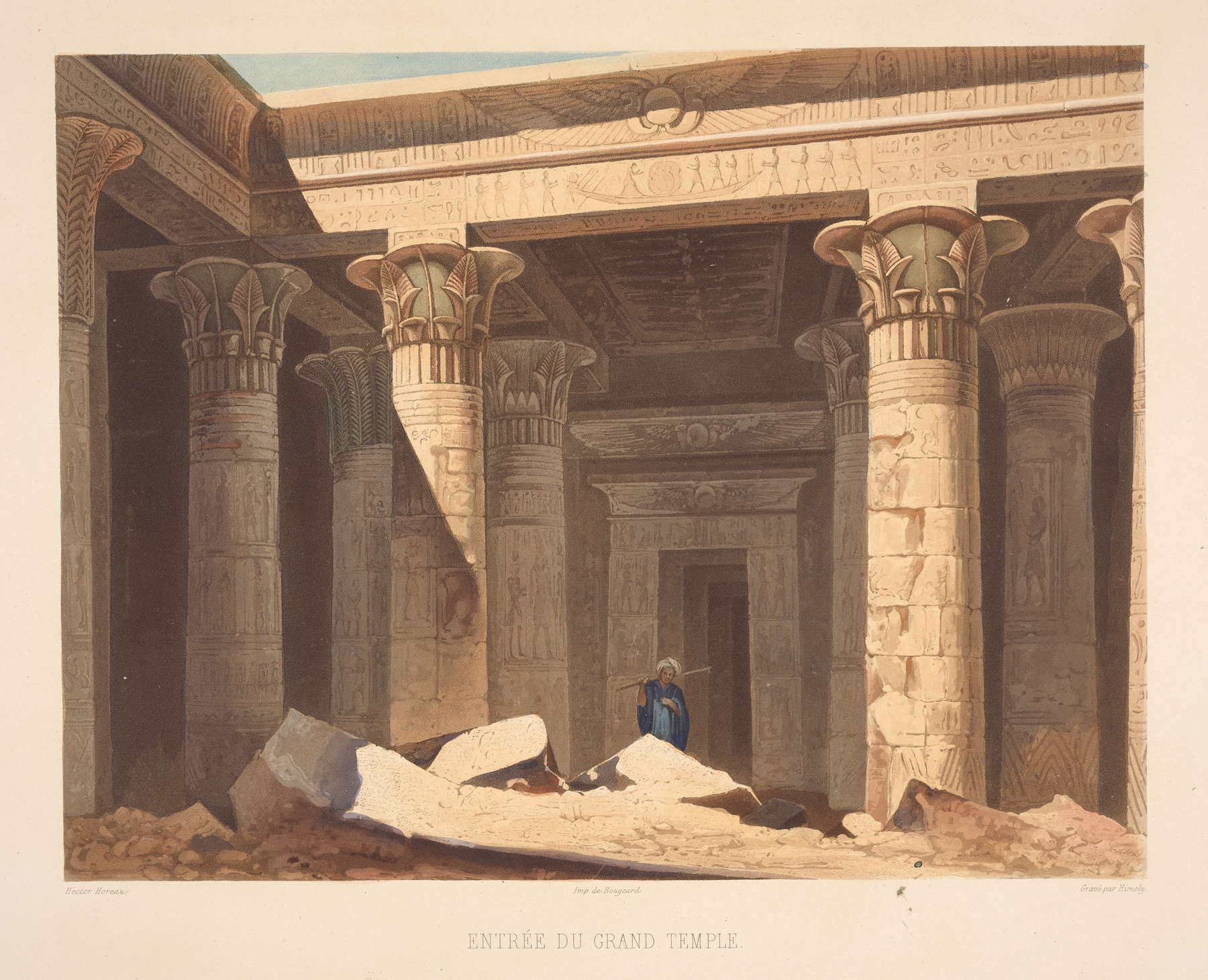
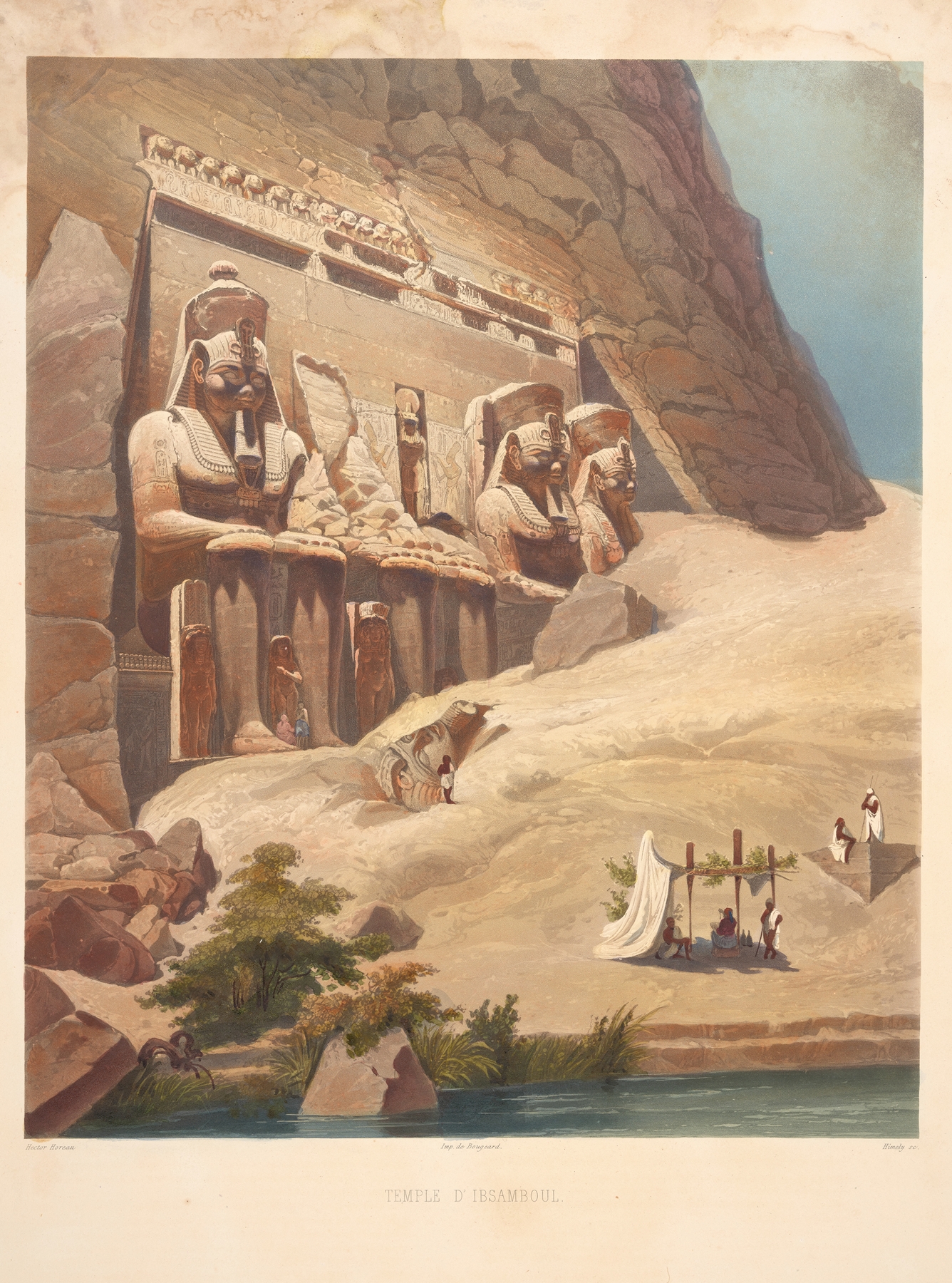
![Temple d’Ibsamboul [Interior view] (Temple of Abu Simbel), by Hector Horeau, public domain](https://froigstrpvutwqtqikzt.supabase.co/storage/v1/object/public/art-images/artworks/3156dbe8015f5681be442de2c2c50af40c84d5e10e8f68f04f9a54d6d857255f.jpg)