Taunton Vale, Somersetshire — History & Analysis
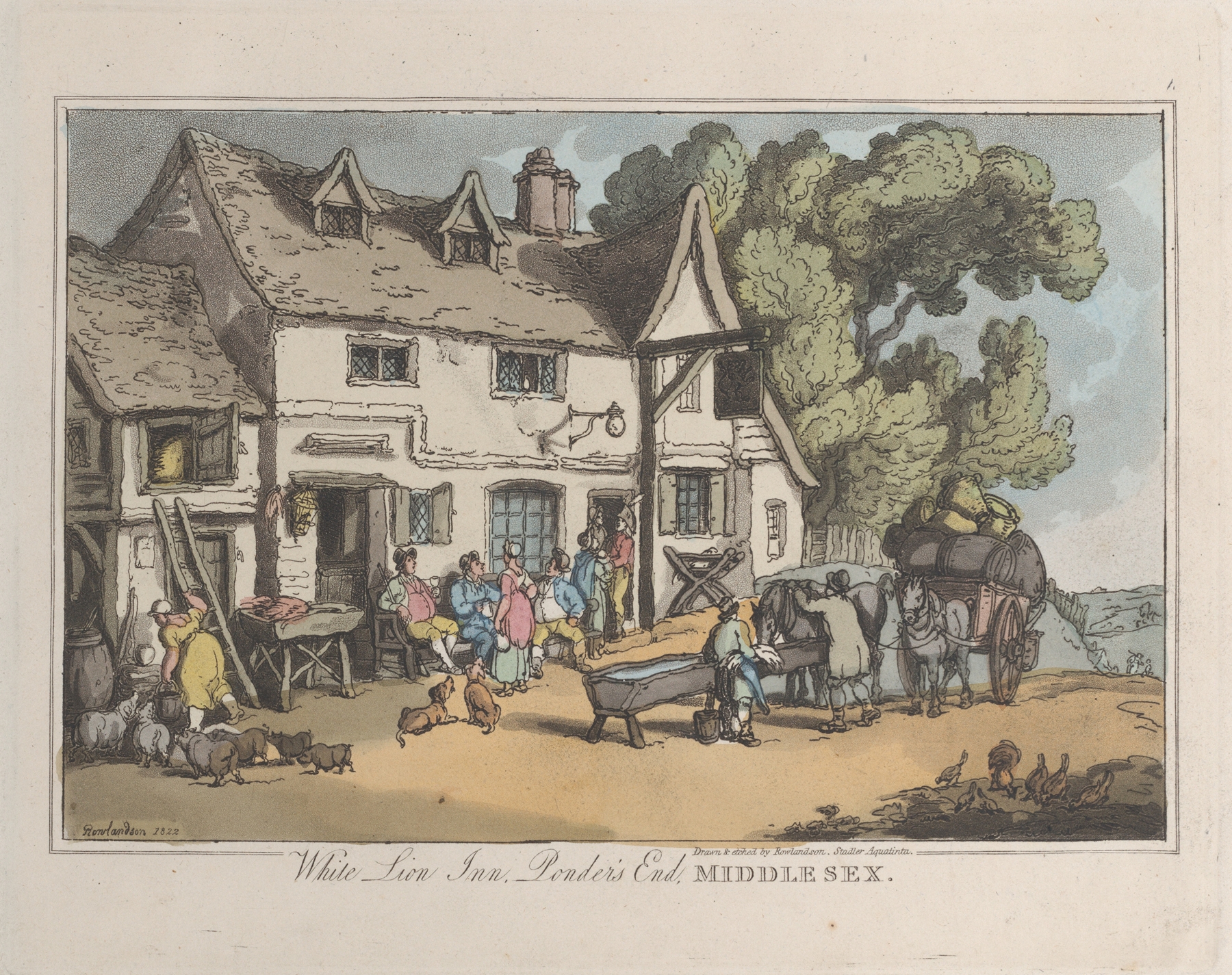
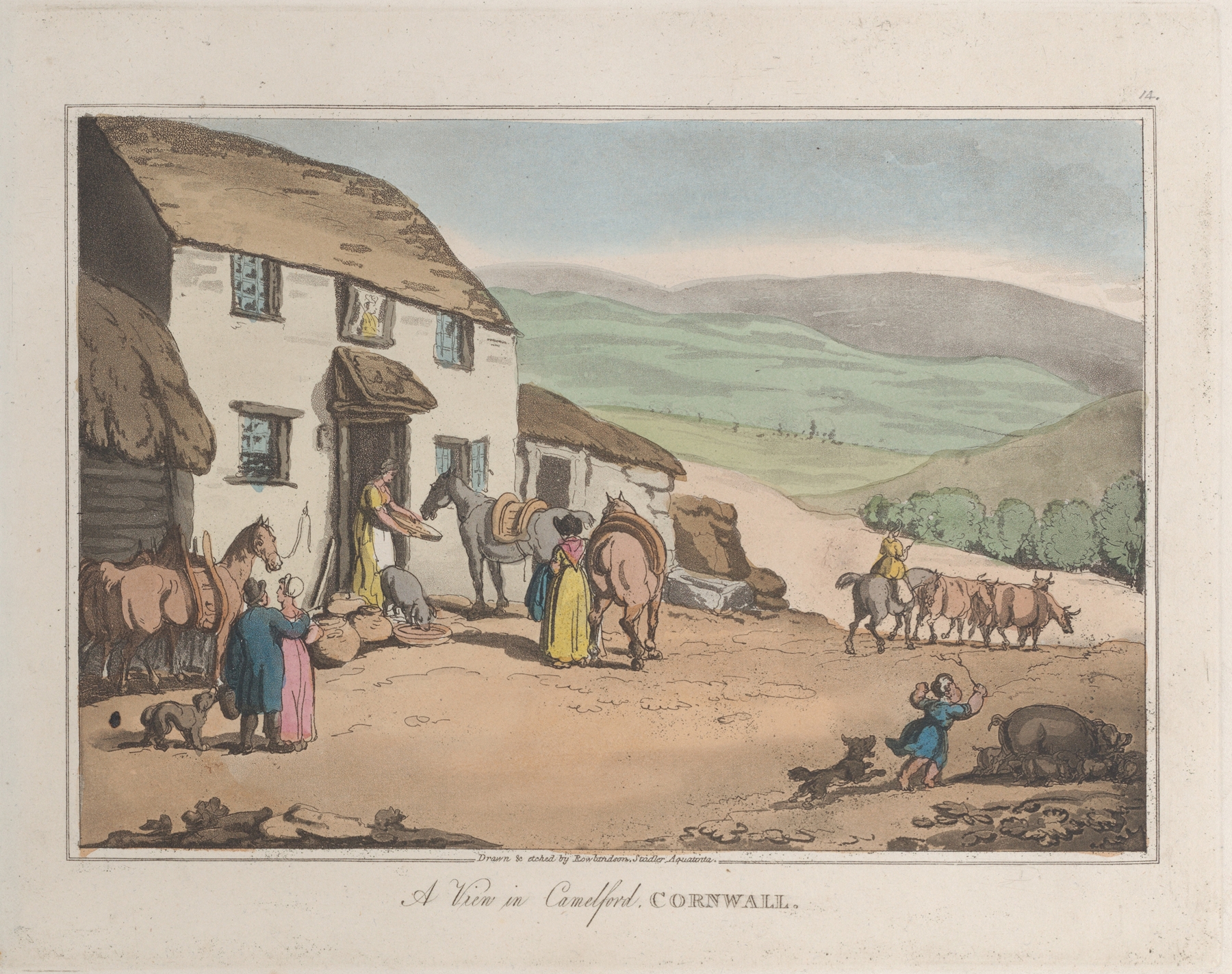
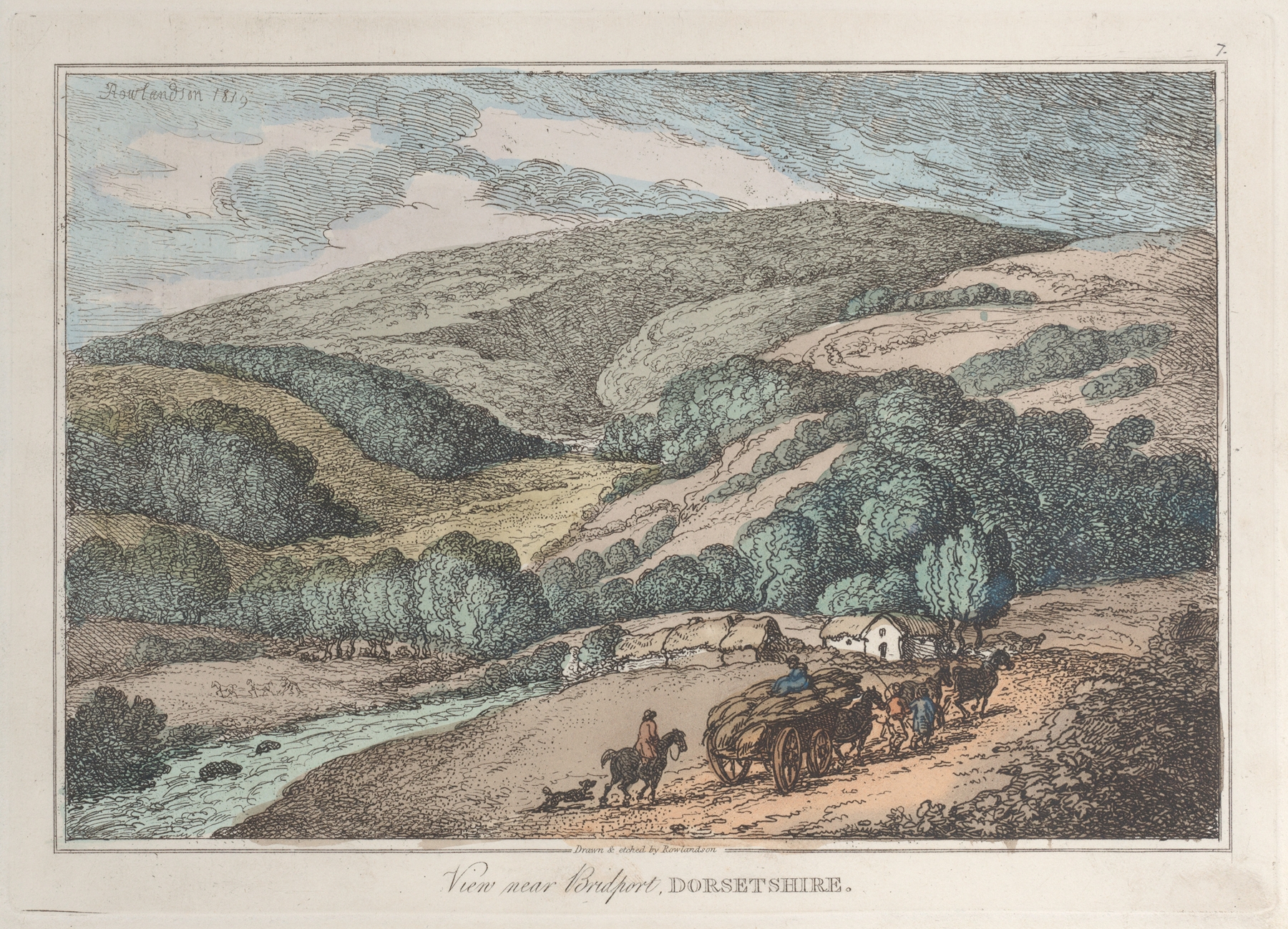
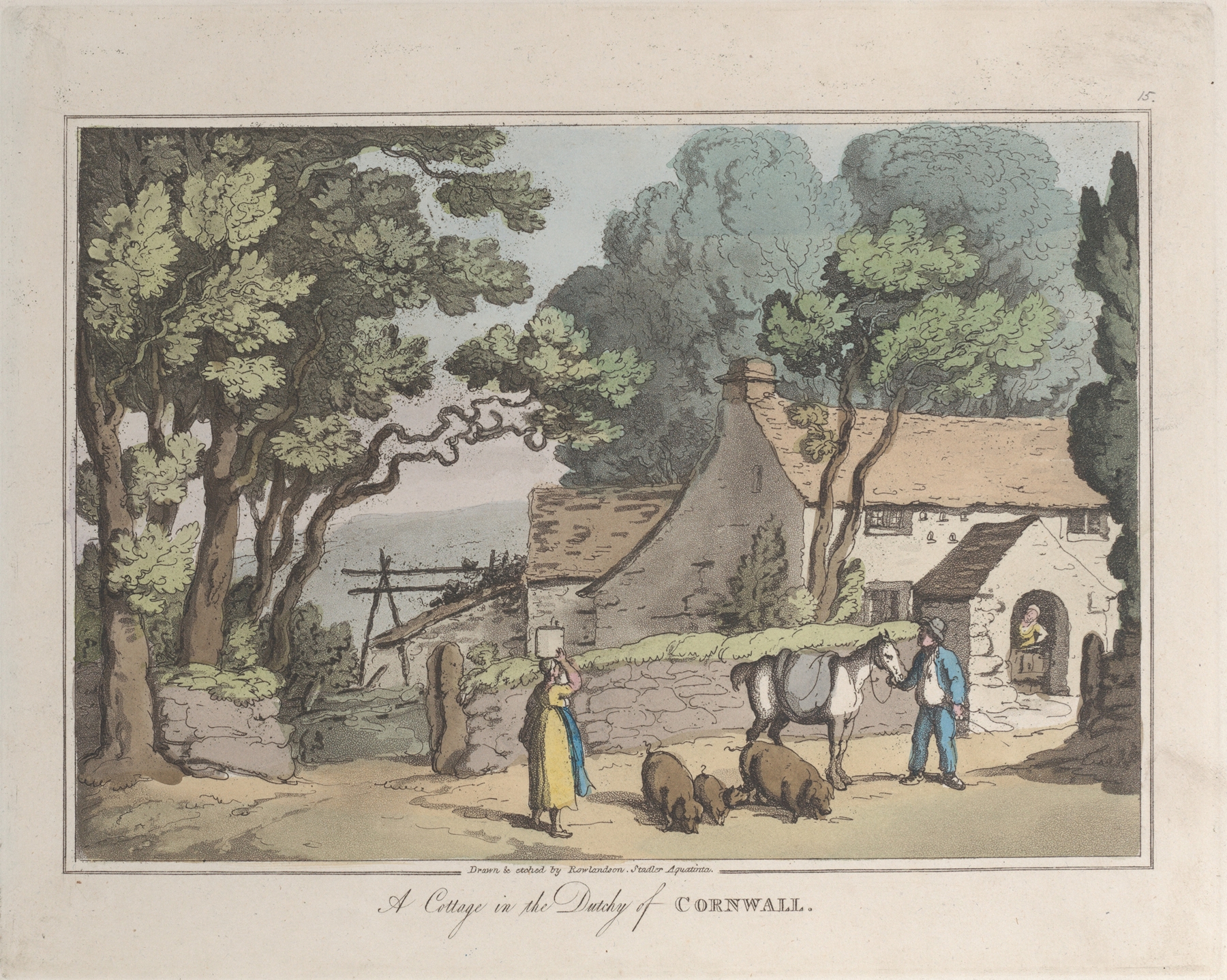
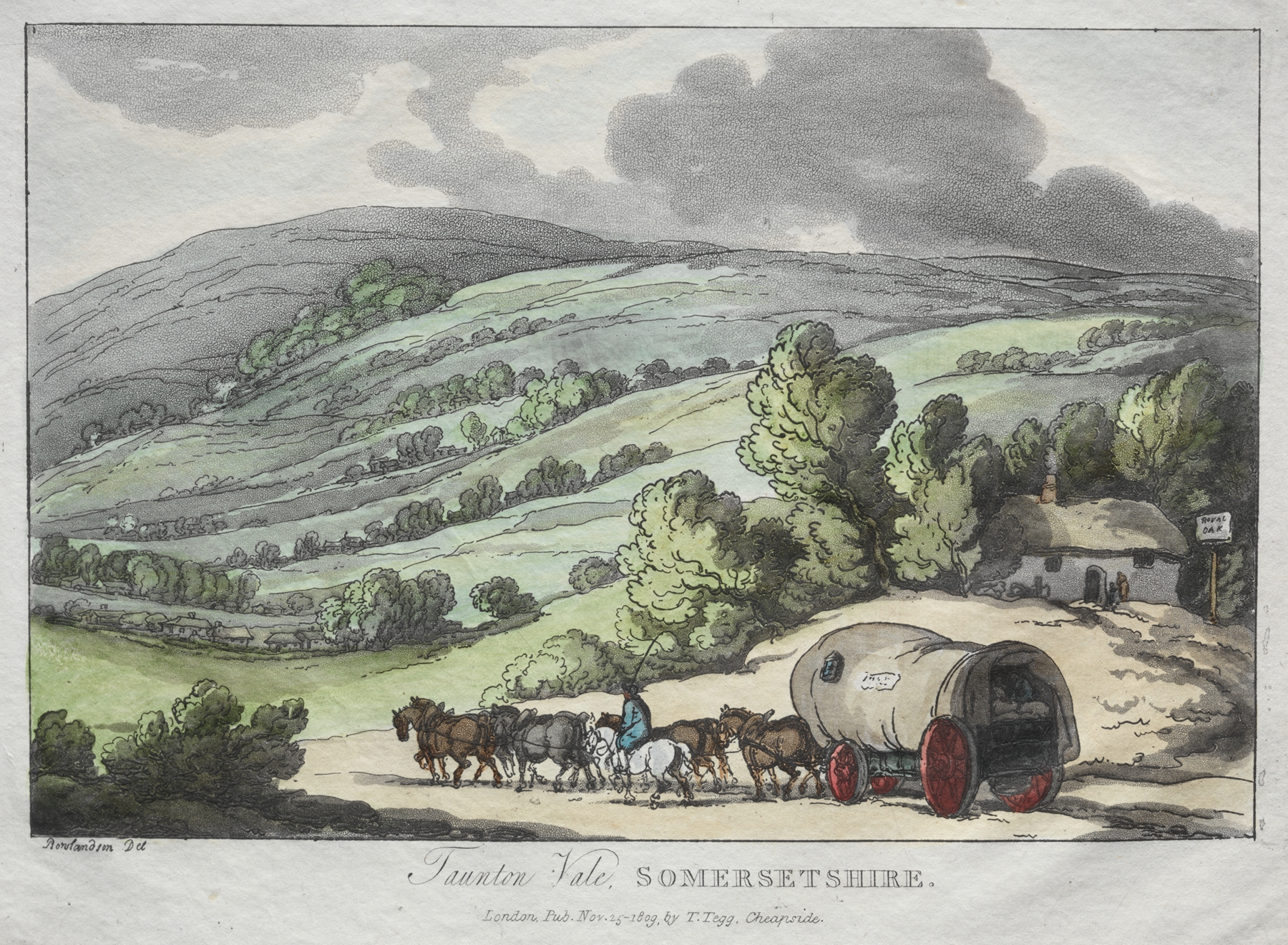
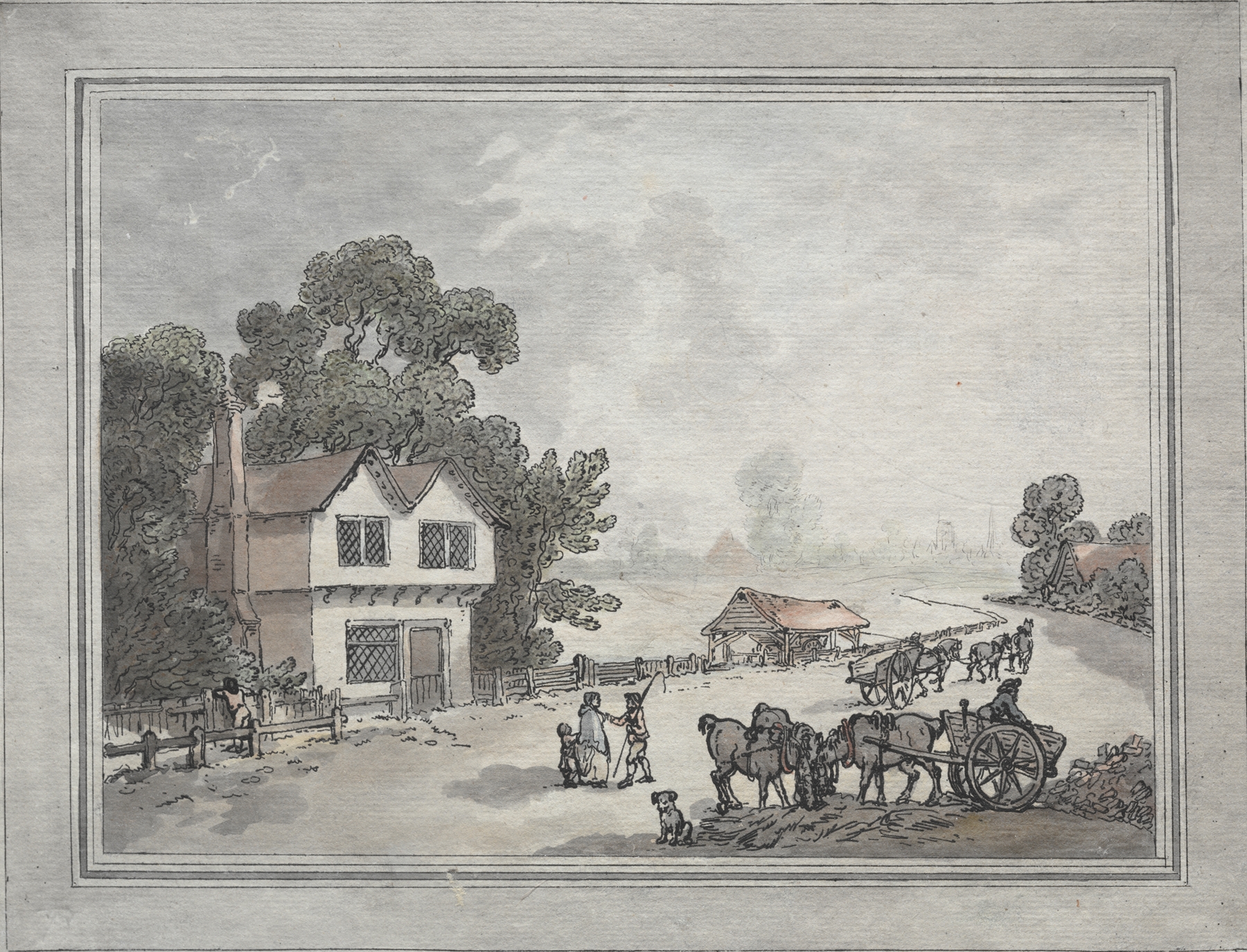
“Sometimes beauty is just pain, disguised in gold.” In Taunton Vale, Somersetshire, the fleeting grace of nature’s rebirth cradles the viewer, inviting a reflection on the ephemeral beauty that surrounds us amid the weight of existence. Focus on the rolling hills steeped in lush green; they cradle the quaint village nestled at the center. The artist masterfully employs watercolor to create soft textures, blending tones that evoke serenity. The sky, painted in hues of azure and gold, seems to stretch infinitely, while the gentle clouds hover like whispers.
Rowlandson’s deft brush strokes capture a moment suspended in time, drawing the viewer’s gaze from the vibrant foreground to the horizon, where the promise of renewal looms. Yet, within this idyllic scene lies a tension between tranquility and upheaval. The village, while picturesque, serves as a reminder of life’s transience, each cottage a testament to stories both told and forgotten. The interplay of light and shadow hints at the struggles that often accompany beauty, suggesting that every blossom of life emerges from the soil of hardship.
In this landscape, rebirth is not merely a celebration; it is coupled with the acknowledgment of past sorrows and the resilience required to forge ahead. In 1822, Rowlandson created this piece during a period marked by shifting social landscapes in England. As the Industrial Revolution began to reshape rural life, artists like him sought to document the vanishing pastoral scenes. At this time, Rowlandson was also grappling with his own artistic identity, moving between caricature and more traditional landscapes, a duality reflected in the tension woven throughout his work.