Temple at Strawberry Hill — History & Analysis
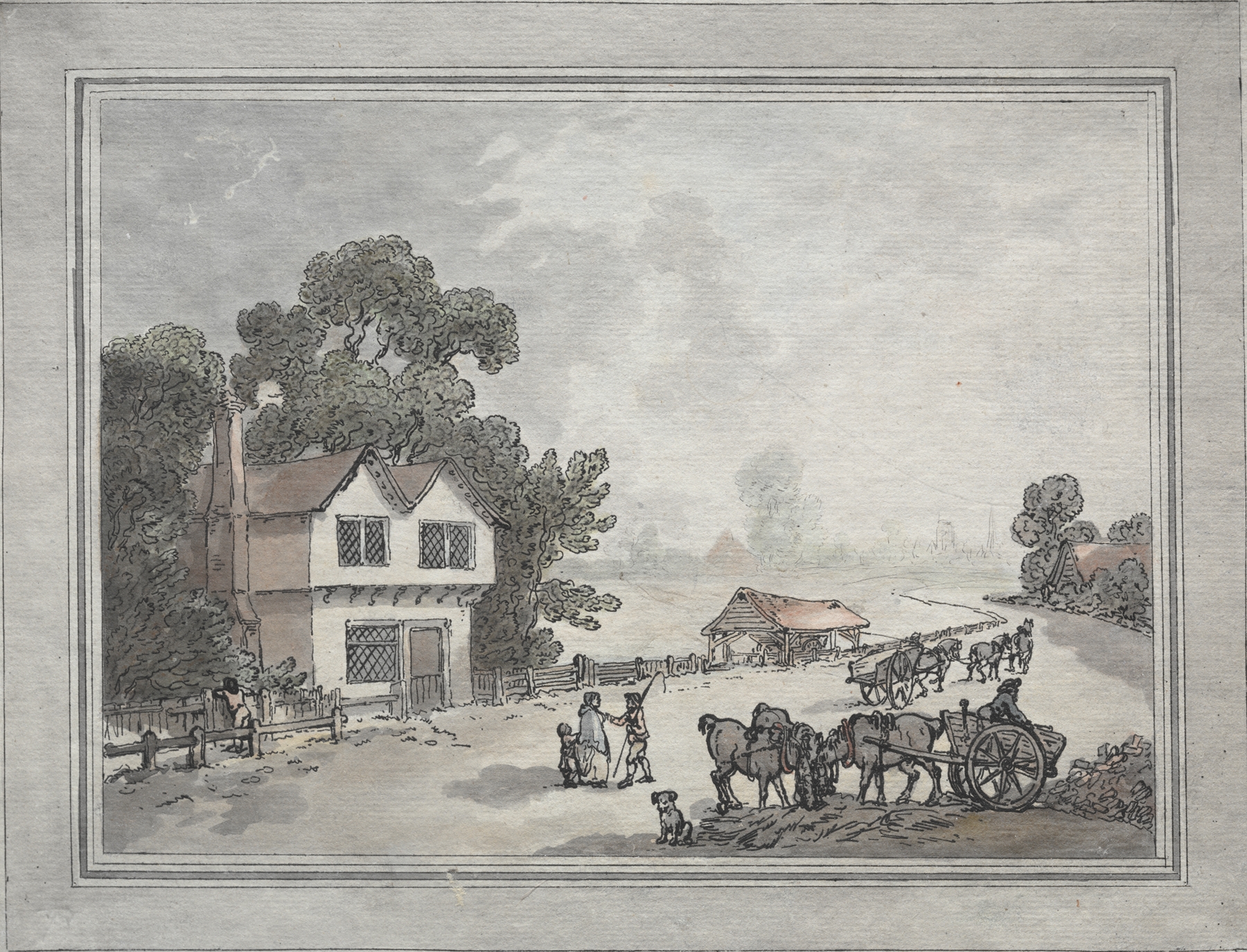
Could a single brushstroke hold eternity? In Temple at Strawberry Hill, faith and imagination intertwine, inviting contemplation of the sacred and the sublime. Look to the center of the canvas, where the temple’s elegant structure rises, a beacon of architectural ingenuity. Notice how the light dances across the delicate details of the façade, illuminating the ornamental motifs that blend classical influence with the romantic essence of the landscape. The verdant surroundings create a lush contrast to the crisp, defined lines of the temple, emphasizing its serene isolation.
A gentle palette of greens and soft earth tones envelops the scene, evoking a sense of peace and quiet reflection. The painting captures not just a physical location but a deeper yearning for transcendence. The juxtaposition of the temple against the natural elements speaks to a harmony between man-made beauty and the divine. Here, the temple represents a refuge for the soul, while the surrounding wilderness suggests the chaotic world outside—an eternal dialogue between civilization and nature.
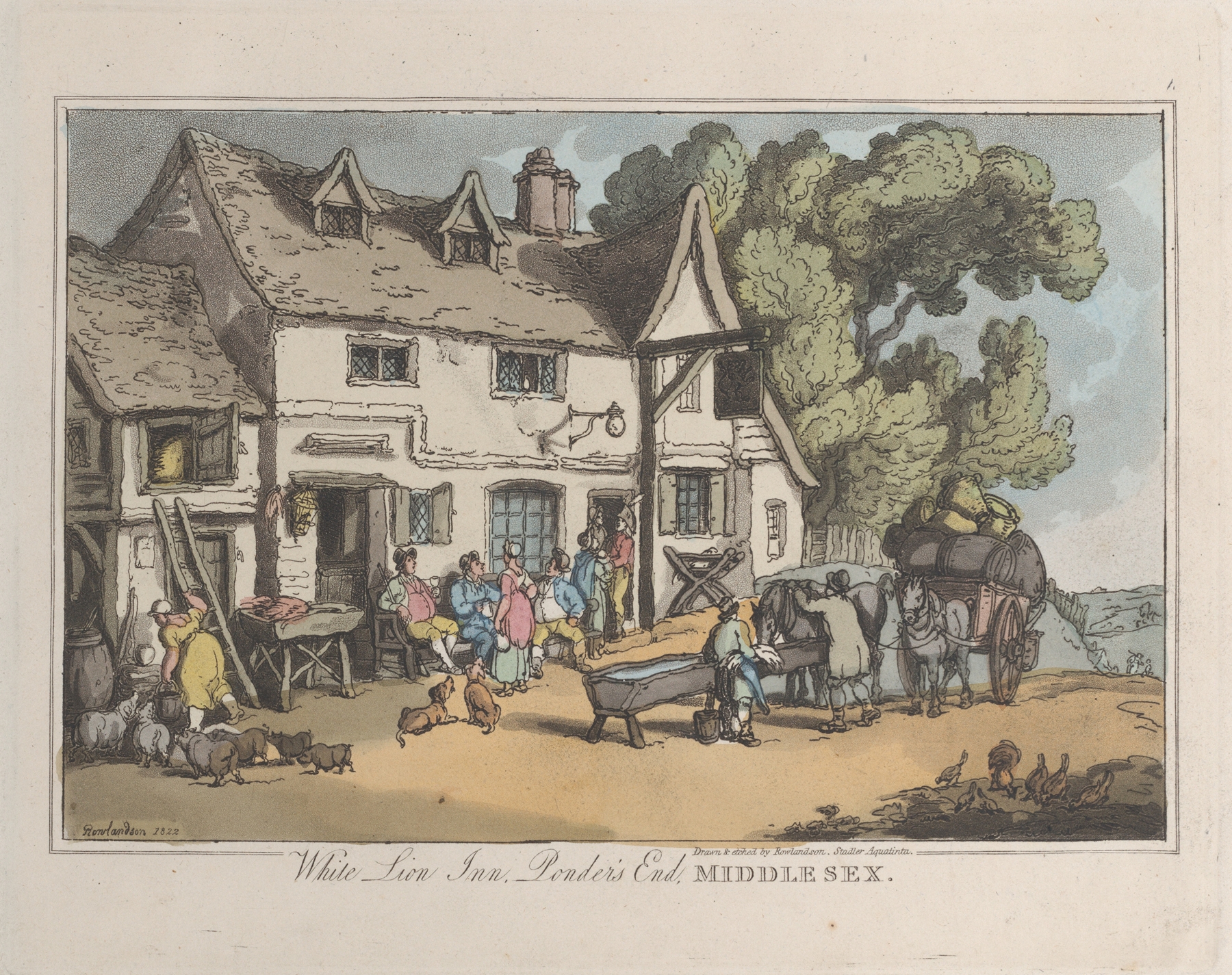
Each stroke carries the weight of aspirations and struggles, inviting viewers to delve into their own relationship with faith and serenity. In 1822, as Rowlandson painted this work, he was navigating a personal evolution amidst the flourishing Romantic movement in Britain. This period witnessed a growing fascination with nature and introspection, challenging traditional artistic conventions. Rowlandson, known for his caricatures and vibrant lithographs, was exploring this landscape genre, reflecting a broader cultural shift toward a more emotional and subjective artistic expression.