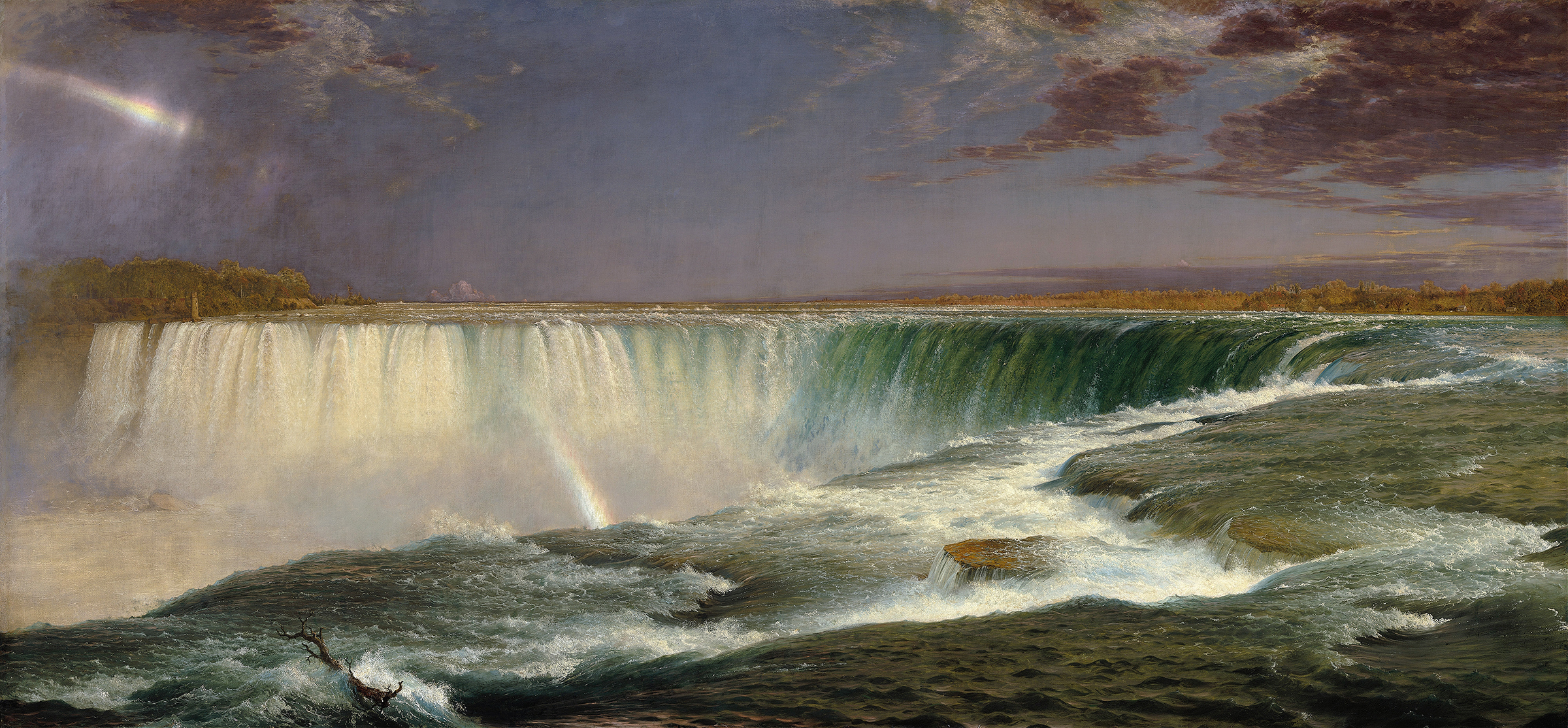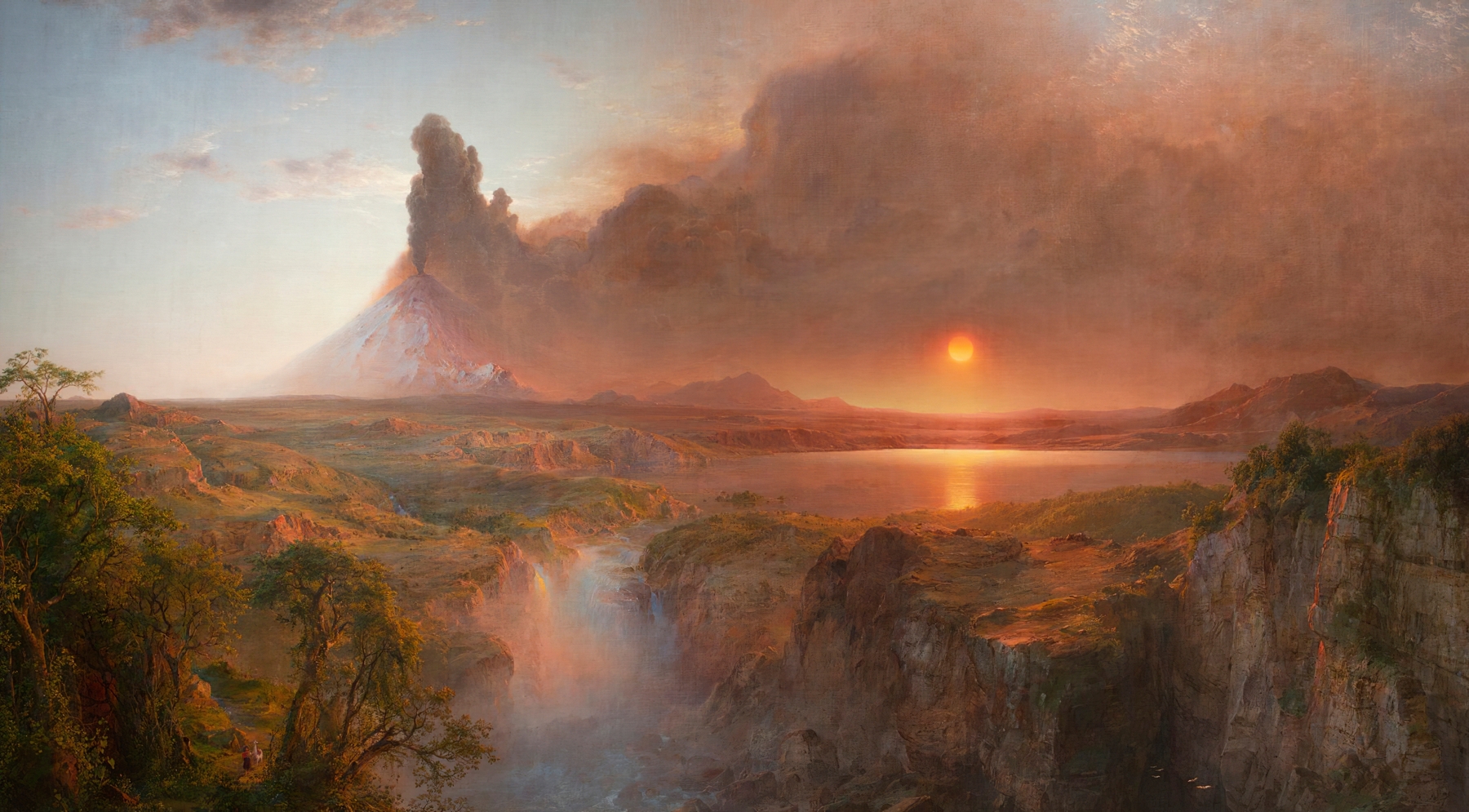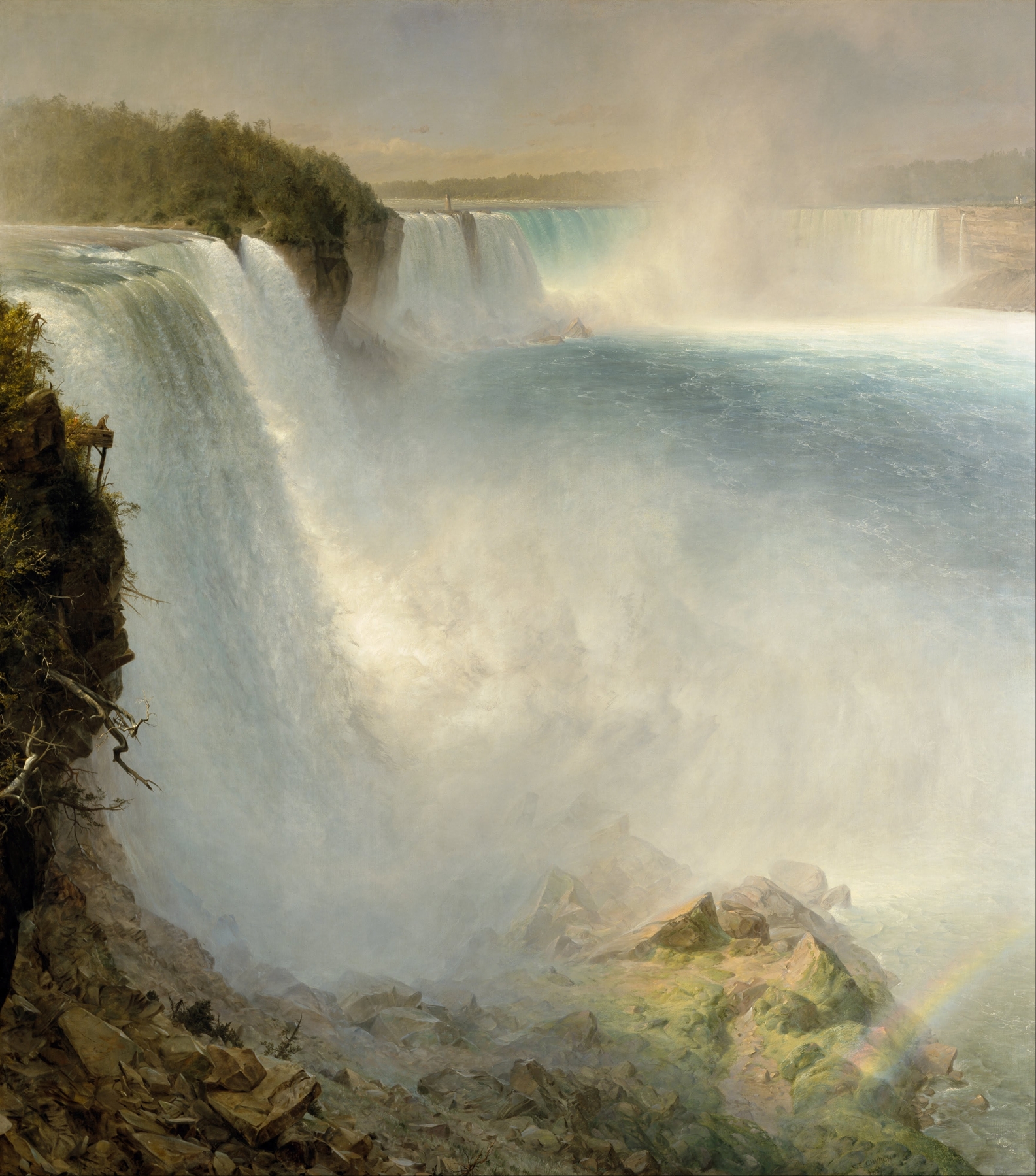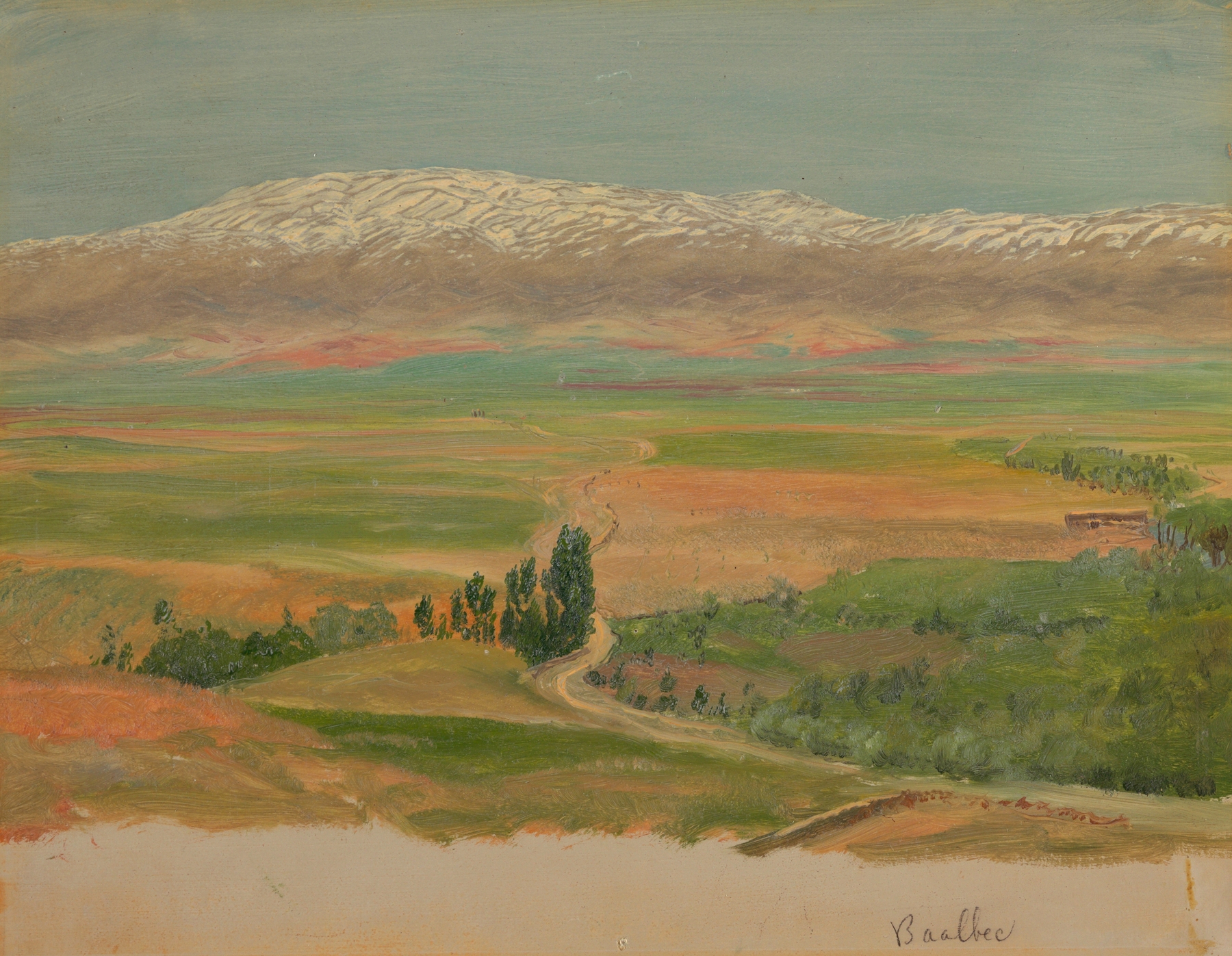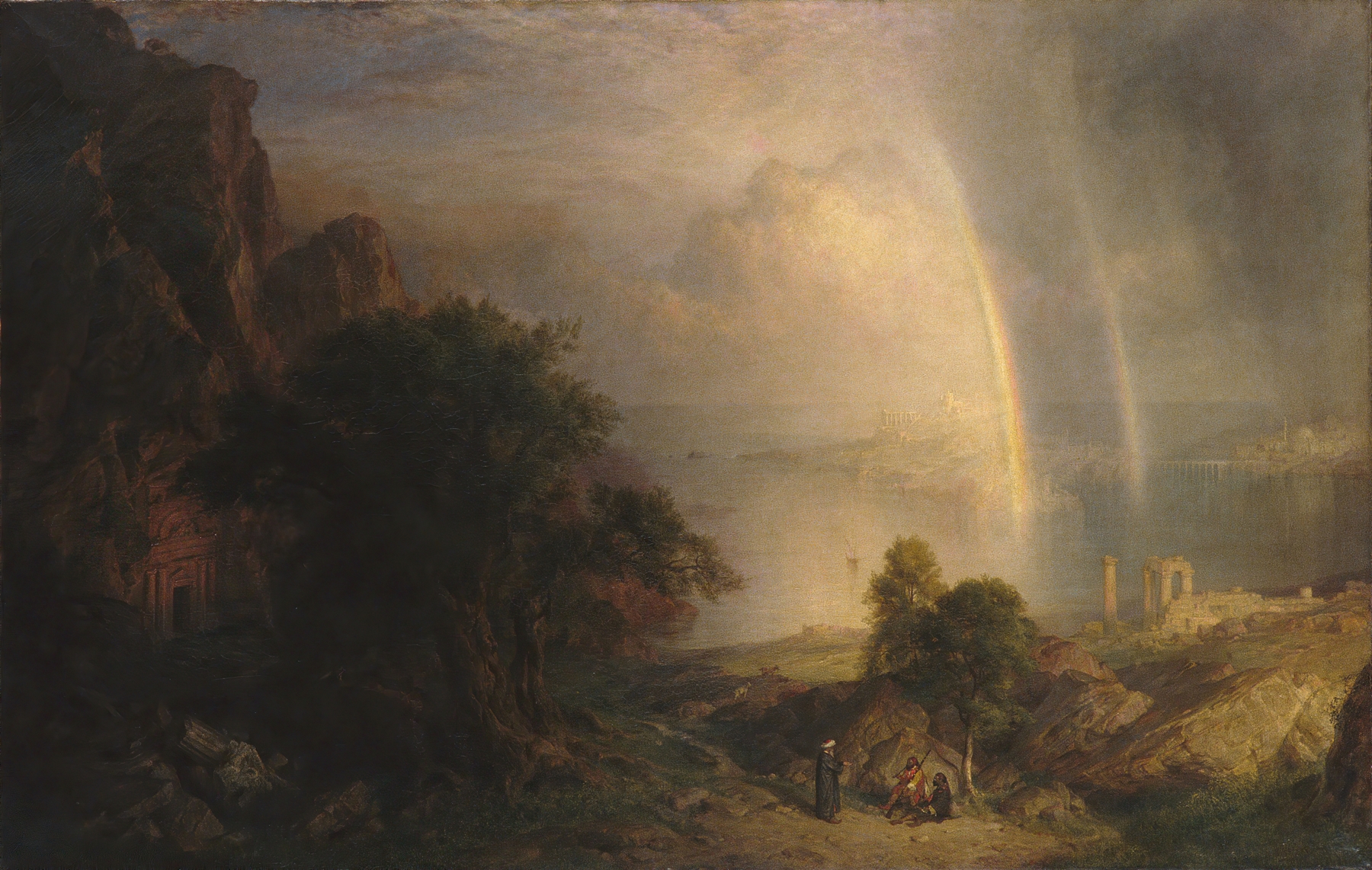
Could beauty survive in a century of chaos? The Aegean Sea evokes both the allure and the trepidation of nature’s vastness, inviting contemplation of the delicate balance between serenity and turmoil. Look to the center of the canvas, where the azure waters stretch towards the horizon, glimmering under the golden sun. The artist employs vibrant blues and greens, expertly blending them to create an enchanting yet foreboding seascape, while the billowing clouds overhead cast shifting shadows that hint at an impending storm. The meticulous brushwork brings life to every wave, conveying a sense of motion that breathes vitality into the scene. As you explore further, notice the rugged cliffs flanking the sea, standing resolute against the relentless tide. These jagged formations symbolize the strength and fragility of life, a contrast heightened by the tranquility of the water below. The interplay of light and dark not only illuminates the beauty of the Aegean but also serves as a reminder of the lurking fear of disruption that can surface at any moment, mirroring the era’s sociopolitical unrest. Frederic Edwin Church created this masterpiece in 1877, during a time when the world was witnessing rapid industrialization and the aftermath of the American Civil War. As a central figure in the Hudson River School, Church sought to capture the sublime beauty of nature while reflecting on humanity's relationship with the environment in an age characterized by upheaval and change. In *The Aegean Sea*, he encapsulates this tension, inviting us to ponder the enduring power of beauty amid chaos.