The Amalfi coast — History & Analysis
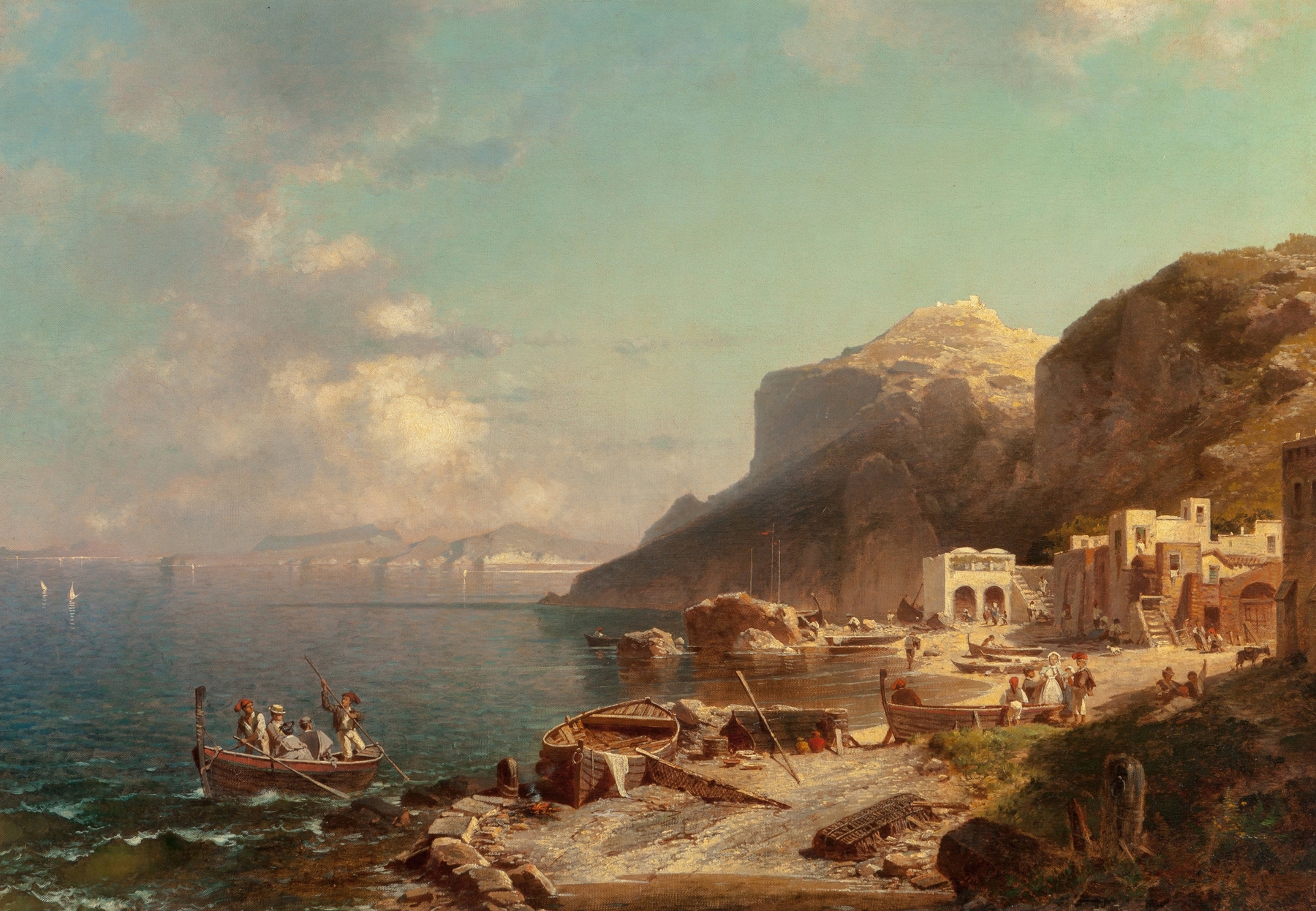
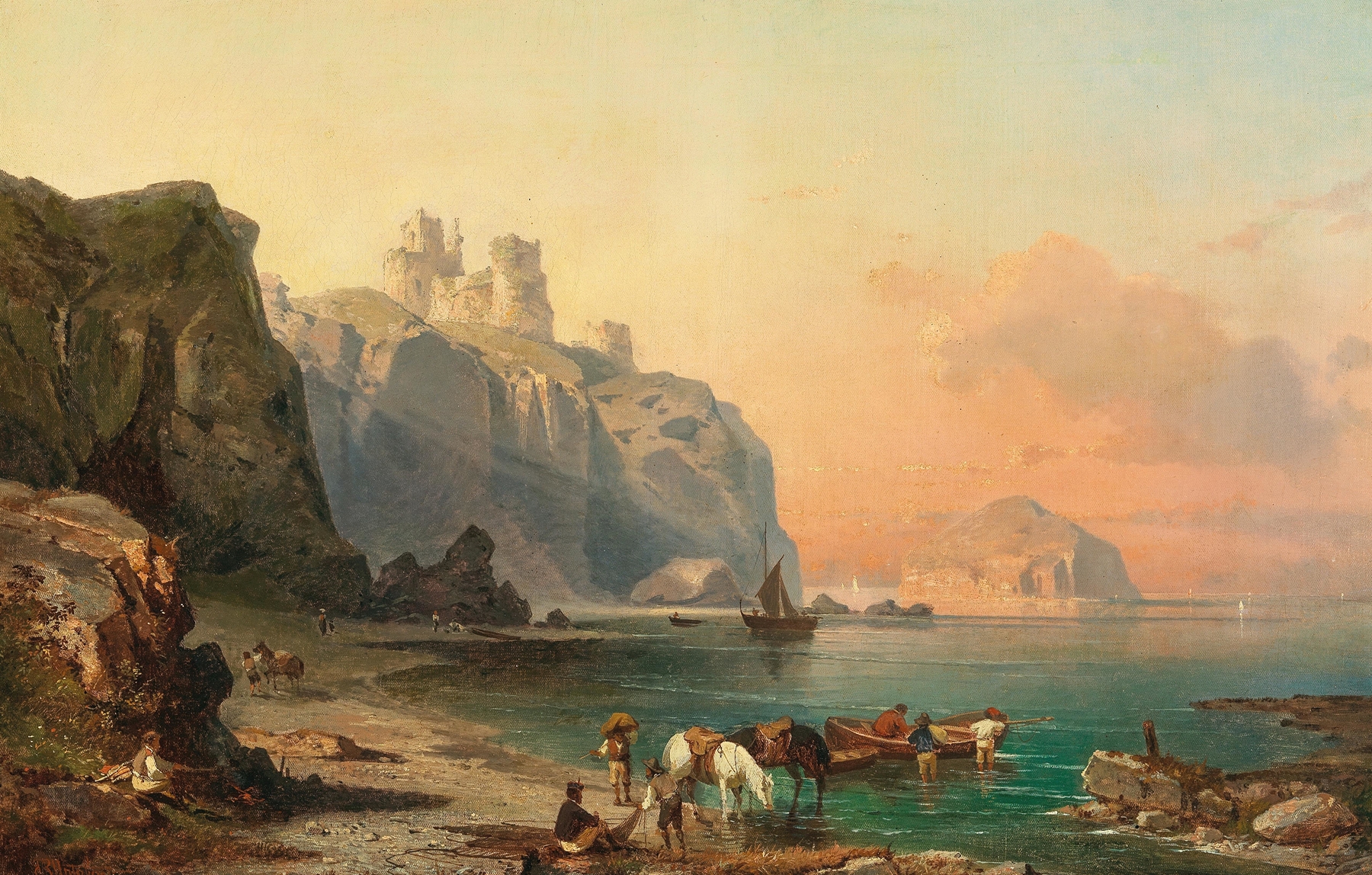
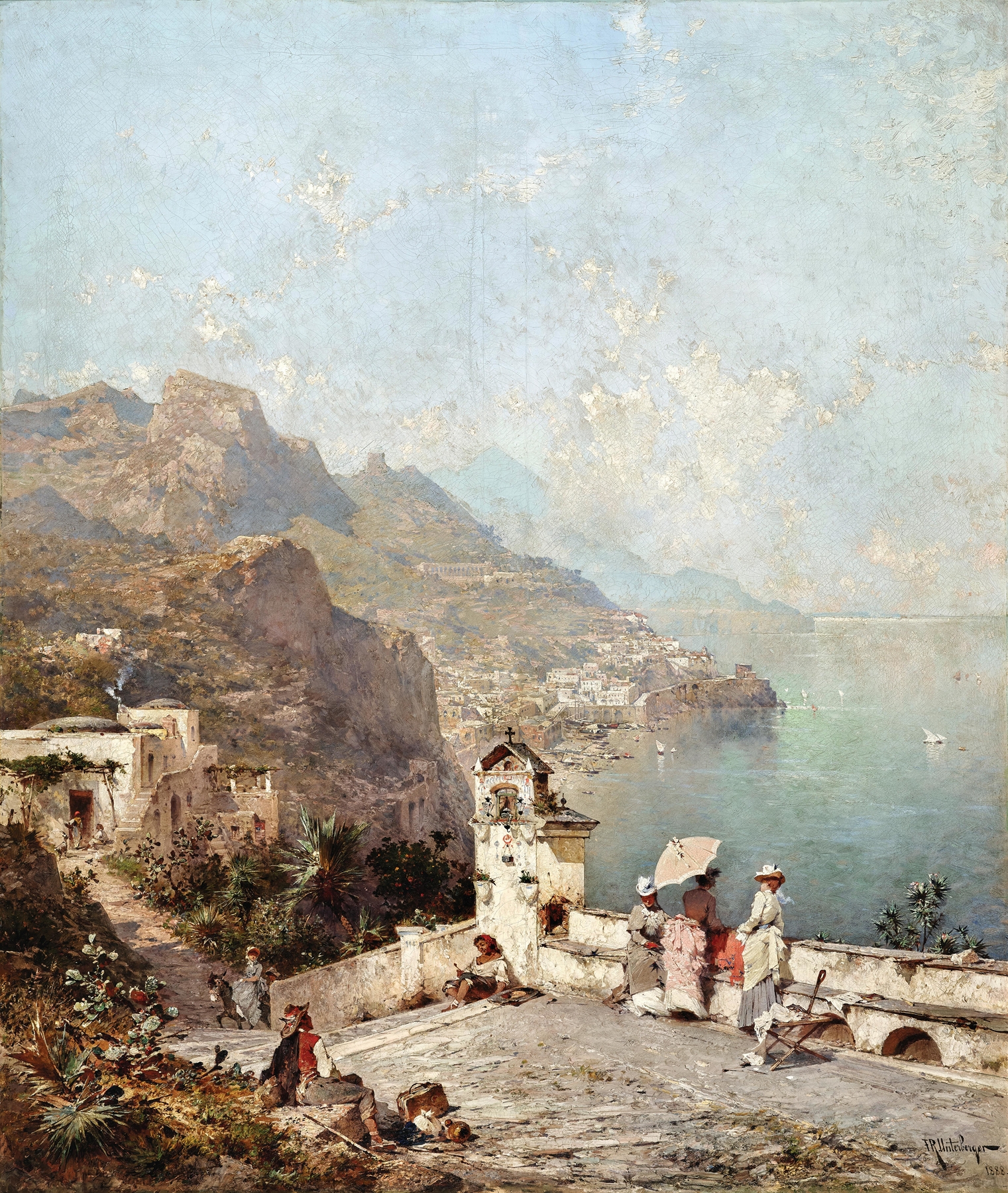
Can paint confess what words never could? In The Amalfi Coast, the vibrant hues and intricate strokes evoke a timeless tranquility that invites contemplation on the passage of time itself. Look to the foreground, where the warm golds and deep blues blend seamlessly, capturing the essence of a sun-kissed afternoon. The coastline undulates gracefully, drawing the eye along the serpentine path of the shore, while the softly rendered boats bob gently on the water, hints of life mingling with nature. Notice how light dances on the waves, casting shimmering reflections that create a sense of movement, despite the overall serene composition.
The artist’s palette evokes not just place, but memory—a moment suspended in the beauty of the Italian landscape. Beneath the surface, layers of meaning unfold. The juxtaposition of the rugged cliffs against the tranquil sea symbolizes the eternal struggle between man and nature, where beauty offers both solace and challenge. The soft cloud formations suggest the passing of time, an ephemeral whisper of change that contrasts with the enduring solidity of the landscape.
Each brushstroke carries the weight of nostalgia, inviting the viewer to ponder their own fleeting moments against the backdrop of timeless scenery. Franz Richard Unterberger painted this piece during the late 19th century, a period when Impressionism was transforming the art world. Living in Italy, he was deeply influenced by the romantic allure of the Mediterranean, capturing its essence in his landscapes. His works reflect a growing fascination with light and color, marking a shift towards a more immersive experience of nature during a time of great artistic innovation.