The balcony — History & Analysis
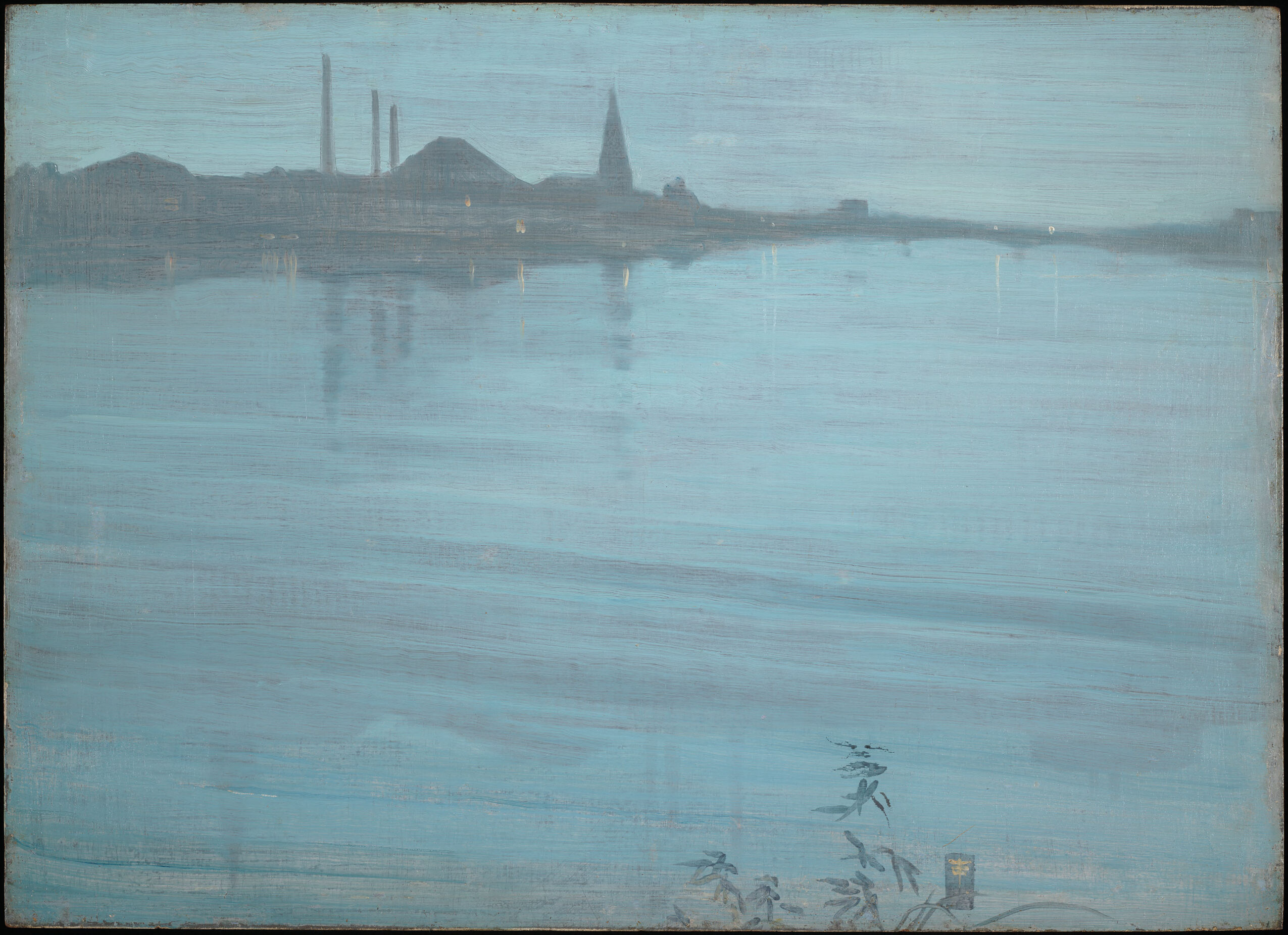
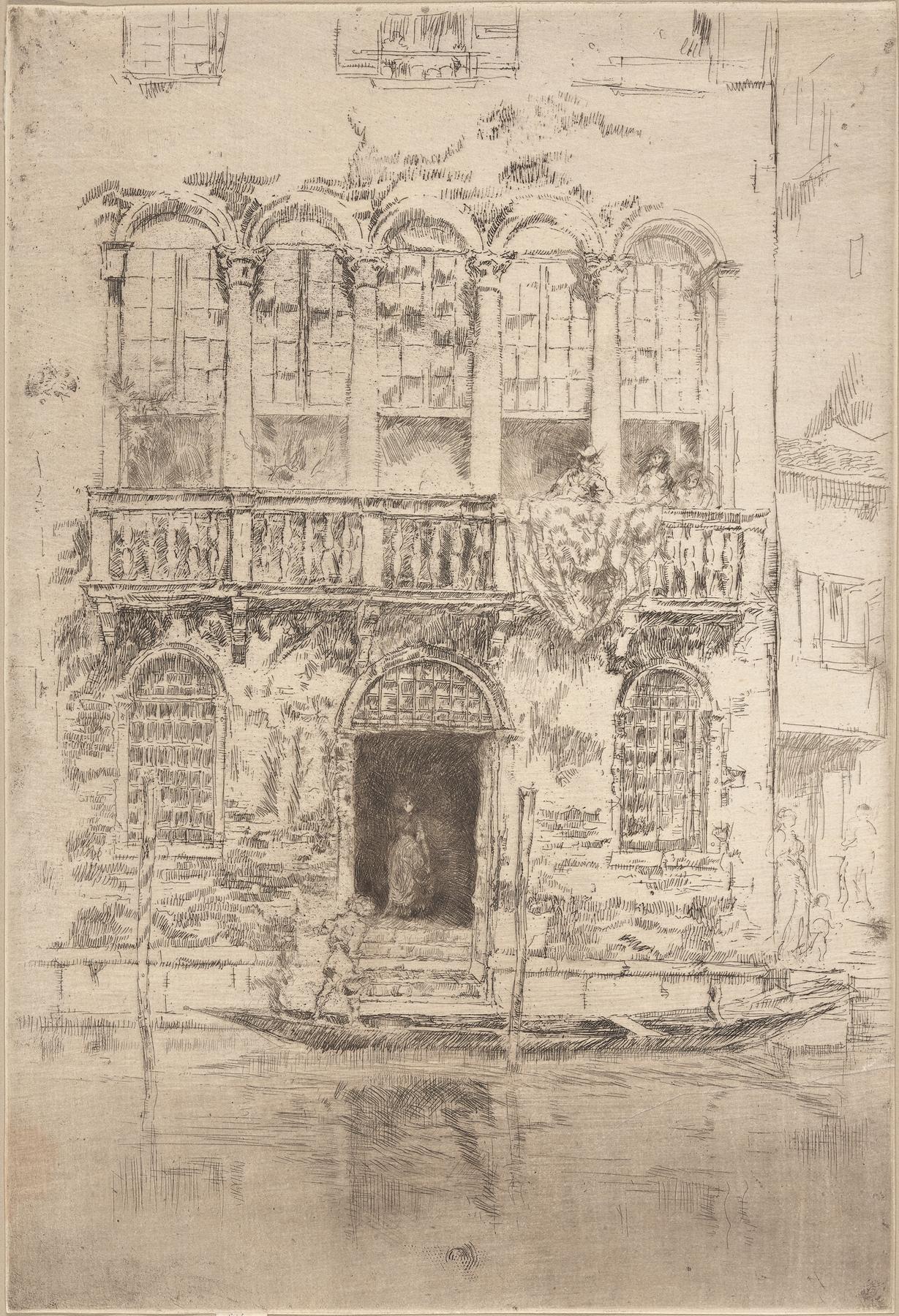
When did color learn to lie? In a world where light can seduce the eye, it becomes the arbiter of truth, or perhaps, deception. Look to the center of the canvas, where soft hues of blue and gray draw your gaze to the figure on the balcony. The interplay of delicate brush strokes creates a hazy atmosphere, as light dances across the woman’s silhouette, hinting at warmth and intimacy while simultaneously cloaking her in mystery.
Notice how the muted palette contrasts with the bolder accents of her attire, suggesting a narrative between presence and absence, revealing Whistler’s intricate balance of color and form. There’s a quiet tension in this space—a juxtaposition between the figure's stillness and the vibrant life implied by the surrounding architecture. The curved lines of the balcony invite contemplation, while the viewer is left to ponder the woman’s thoughts, feelings, and desires. The soft light suggests a fleeting moment, as if time itself is suspended, inviting us to explore the unspoken stories woven into the fabric of everyday life.
In 1879, Whistler was living in London, navigating the tumultuous art scene that grappled with traditional constraints and burgeoning modernism. This period saw the artist deeply invested in his exploration of tonal harmony and the relationship between art and the viewer's perception. Painted during this transformative time, The Balcony encapsulates not just a scene but a philosophy—one that challenges our understanding of light, color, and emotional depth.