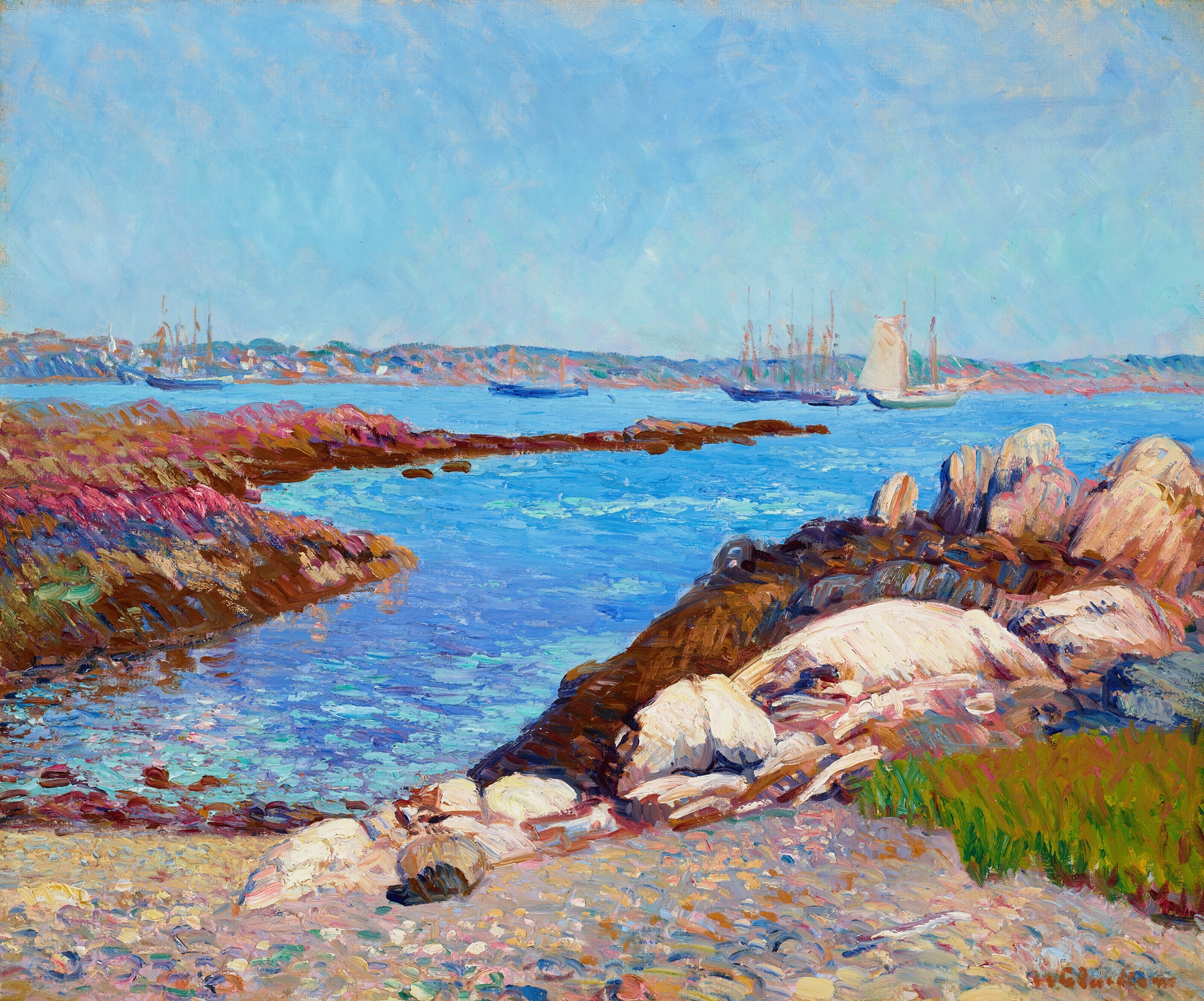
The Balustrade, Luxembourg Gardens — History & Analysis
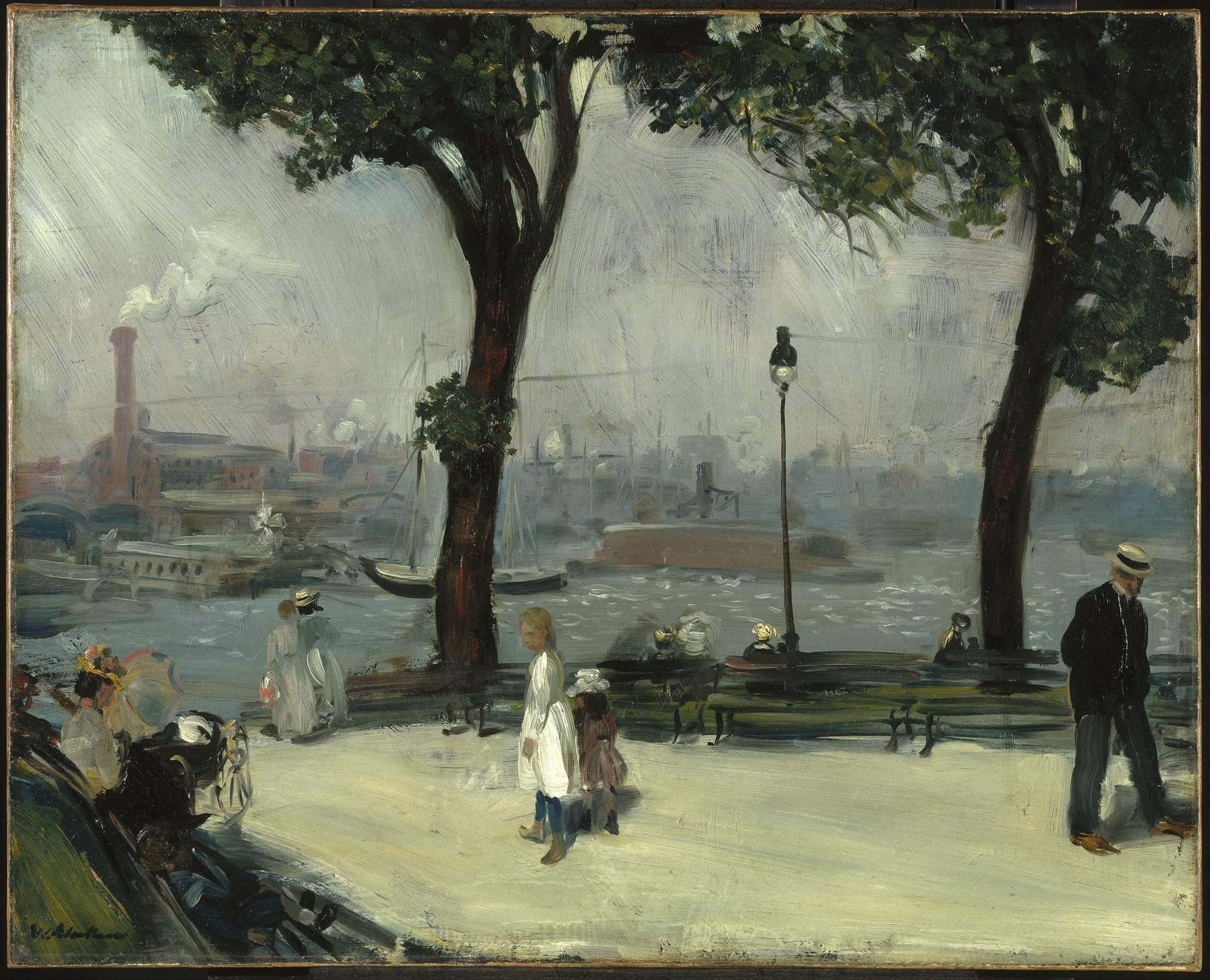
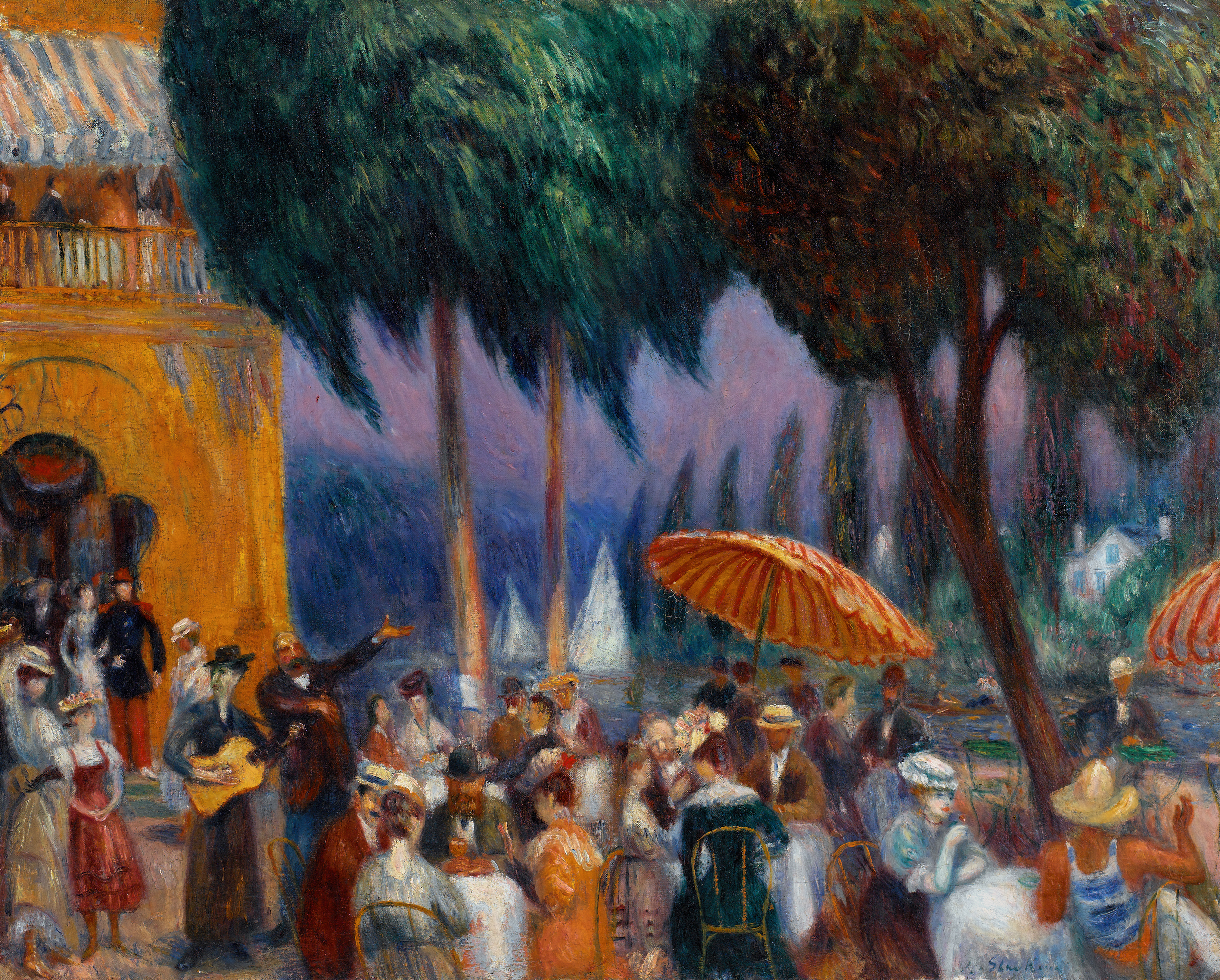
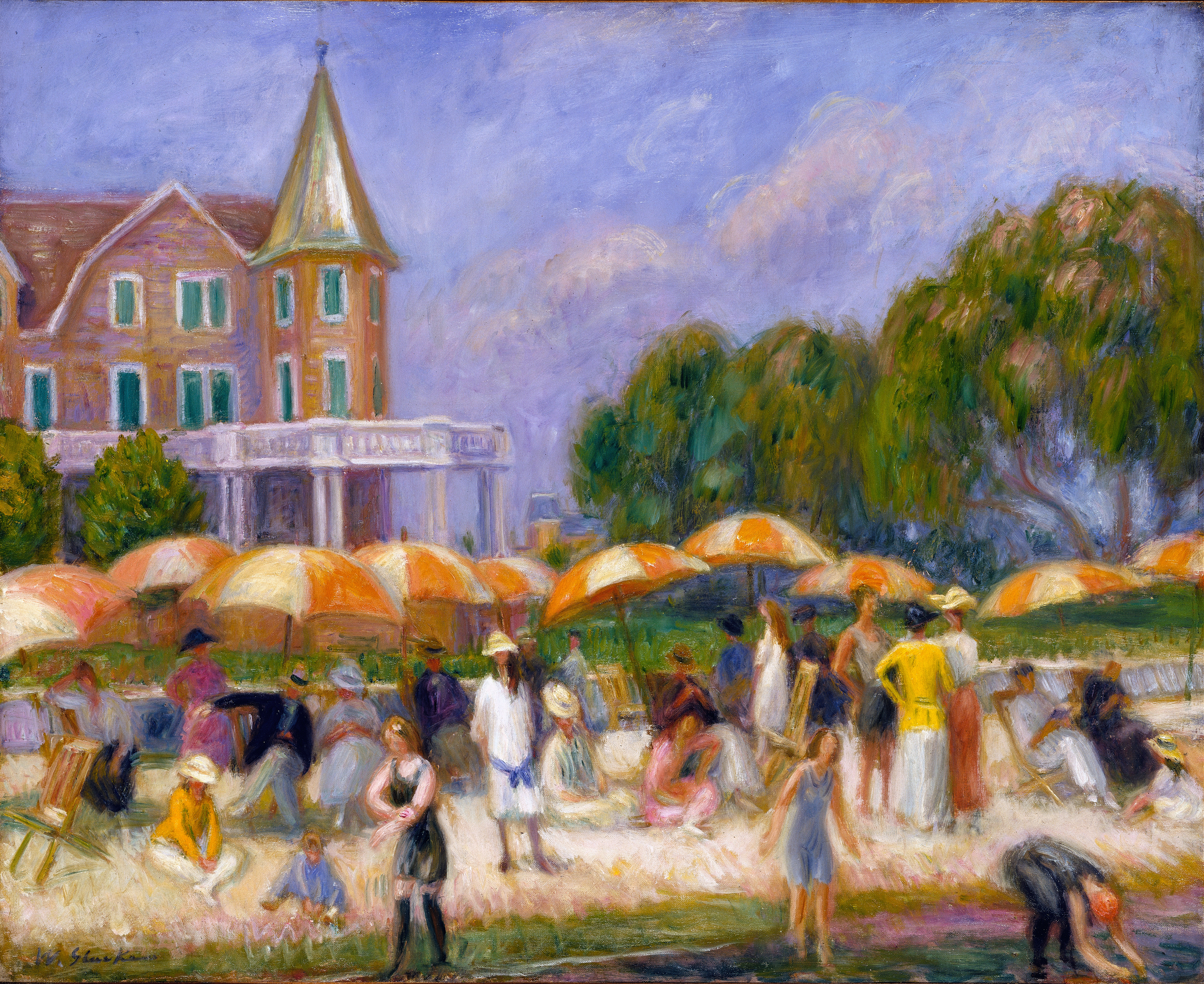
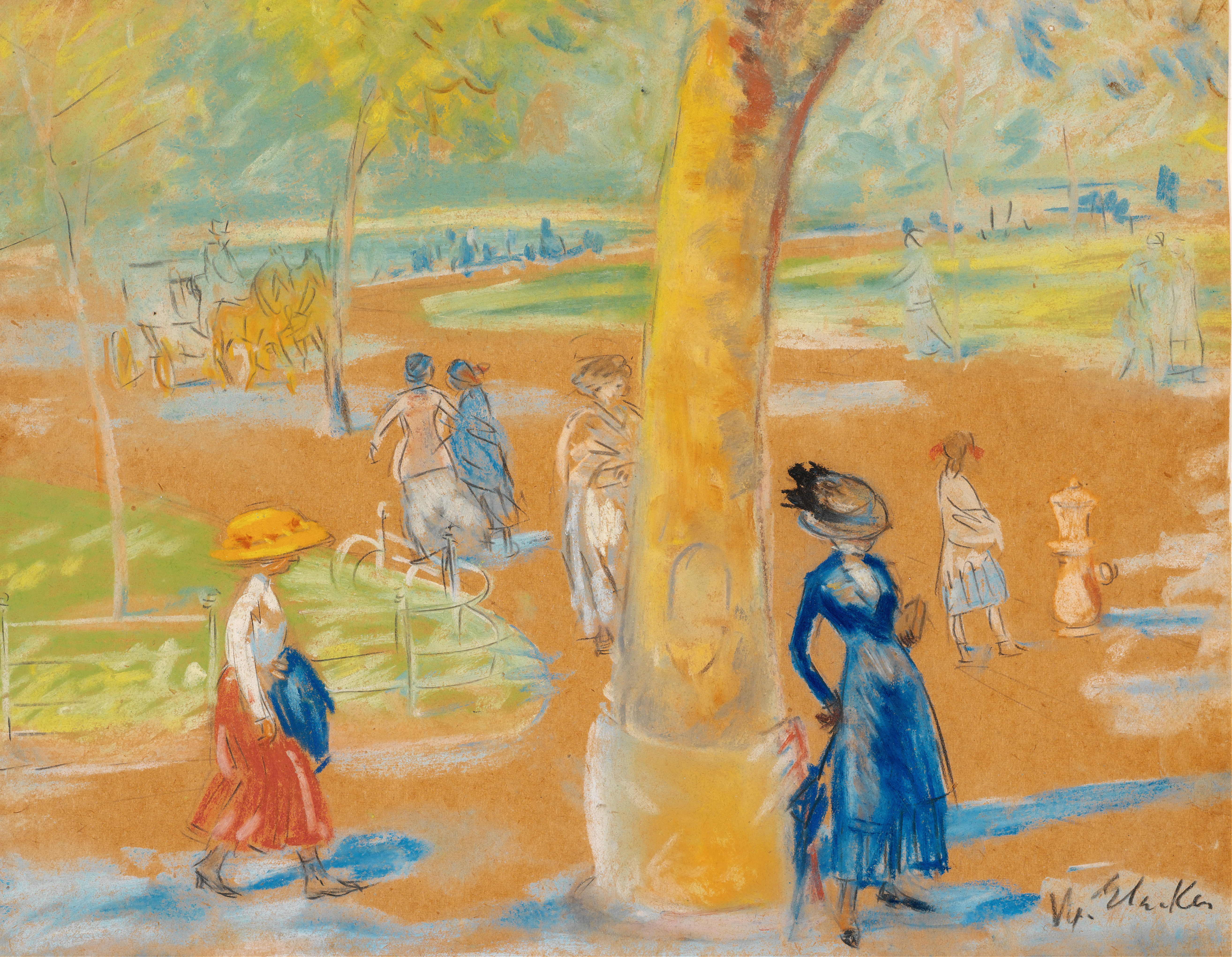
A solitary figure leans against the balustrade, gazing out at the sprawling, tranquil gardens. The soft rustle of leaves murmurs in the late afternoon breeze, while the sun bathes the scene in a warm, golden hue. Here, in this serene yet melancholic moment, the weight of solitude hangs in the air, as if even the vibrant flowers hesitate to reach out. Look to the left, where gentle shadows cascade from the lush trees, creating an inviting yet distant embrace around the solitary observer.
The balustrade, painted in warm tones, divides the figure from the rest of the world, highlighting the contrast between isolation and the vibrant life of the garden. The composition draws the eye to the figure's thoughtful posture, emphasizing the emotional landscape of loneliness amidst the beauty surrounding them. Notice how the juxtaposition between light and shadow plays a crucial role in expressing the figure's inner turmoil. The bright blooms, vibrant yet unreachable, mirror the longing for connection, while the muted colors of the balustrade suggest a boundary that cannot be crossed.
This tension encapsulates the essence of human experience, revealing that even in a place bursting with life, one can feel profoundly alone. In 1926, during a period of artistic exploration and social change in America, Glackens created this poignant piece while living in New York. Influenced by the evolving art movements of the time, he sought to capture everyday moments that resonated deeply with emotional truths. The tranquility of the Luxembourg Gardens served as a fitting backdrop for this reflection on solitude, embodying a universal experience that transcends time and place.