The Basilica of San Giovanni in Laterano, with the Temple of Minerva Medica in the Foreground — History & Analysis
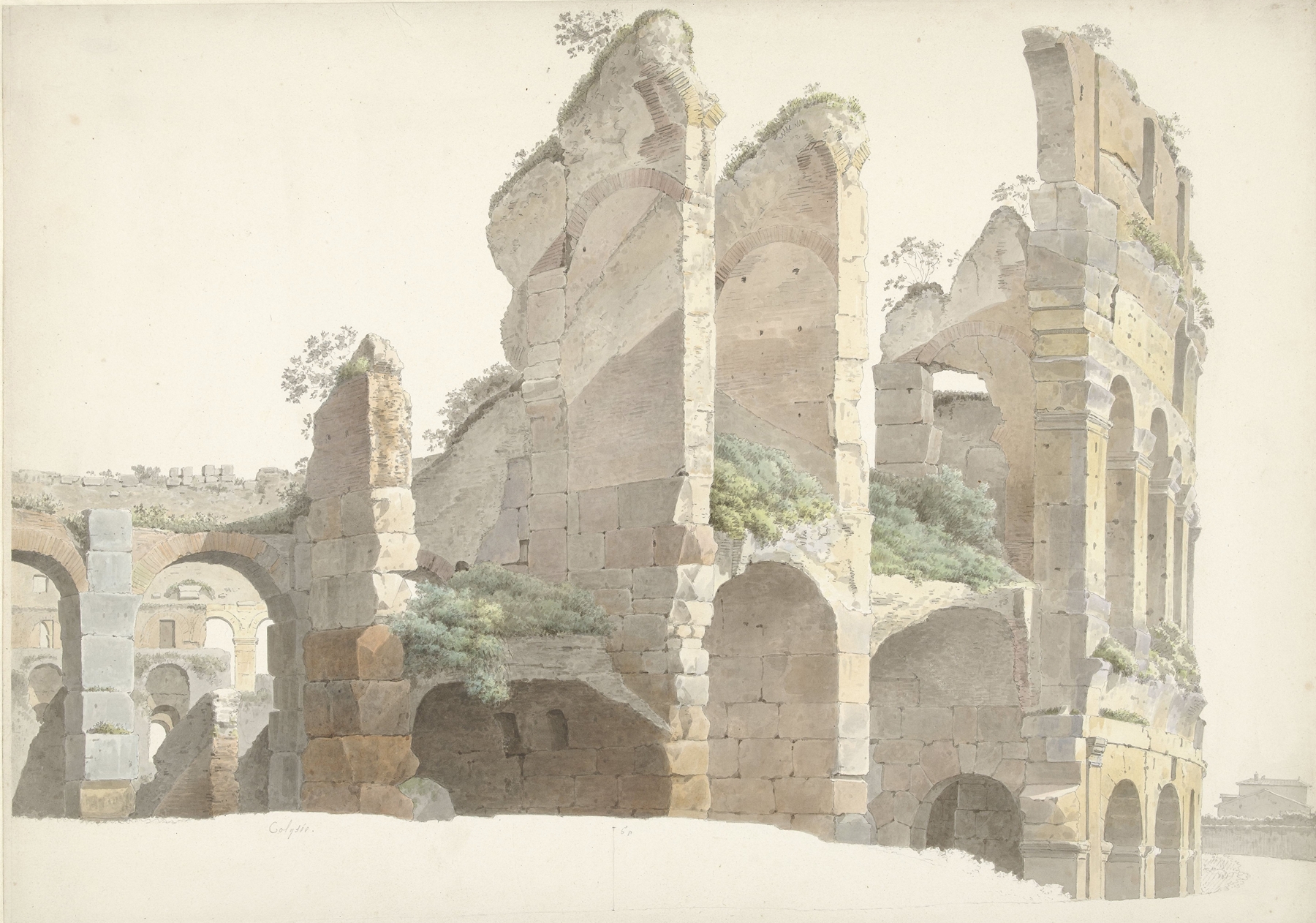
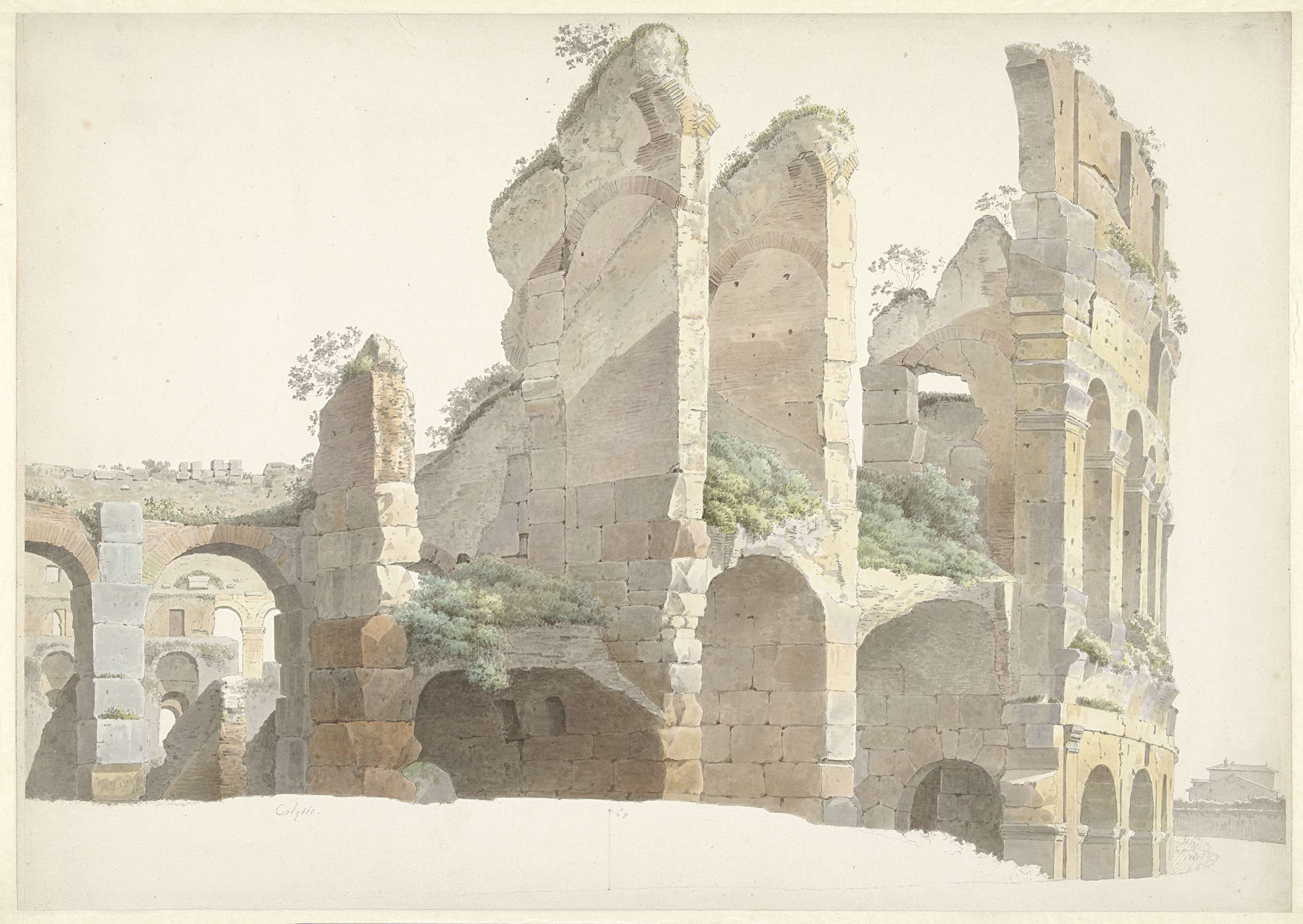
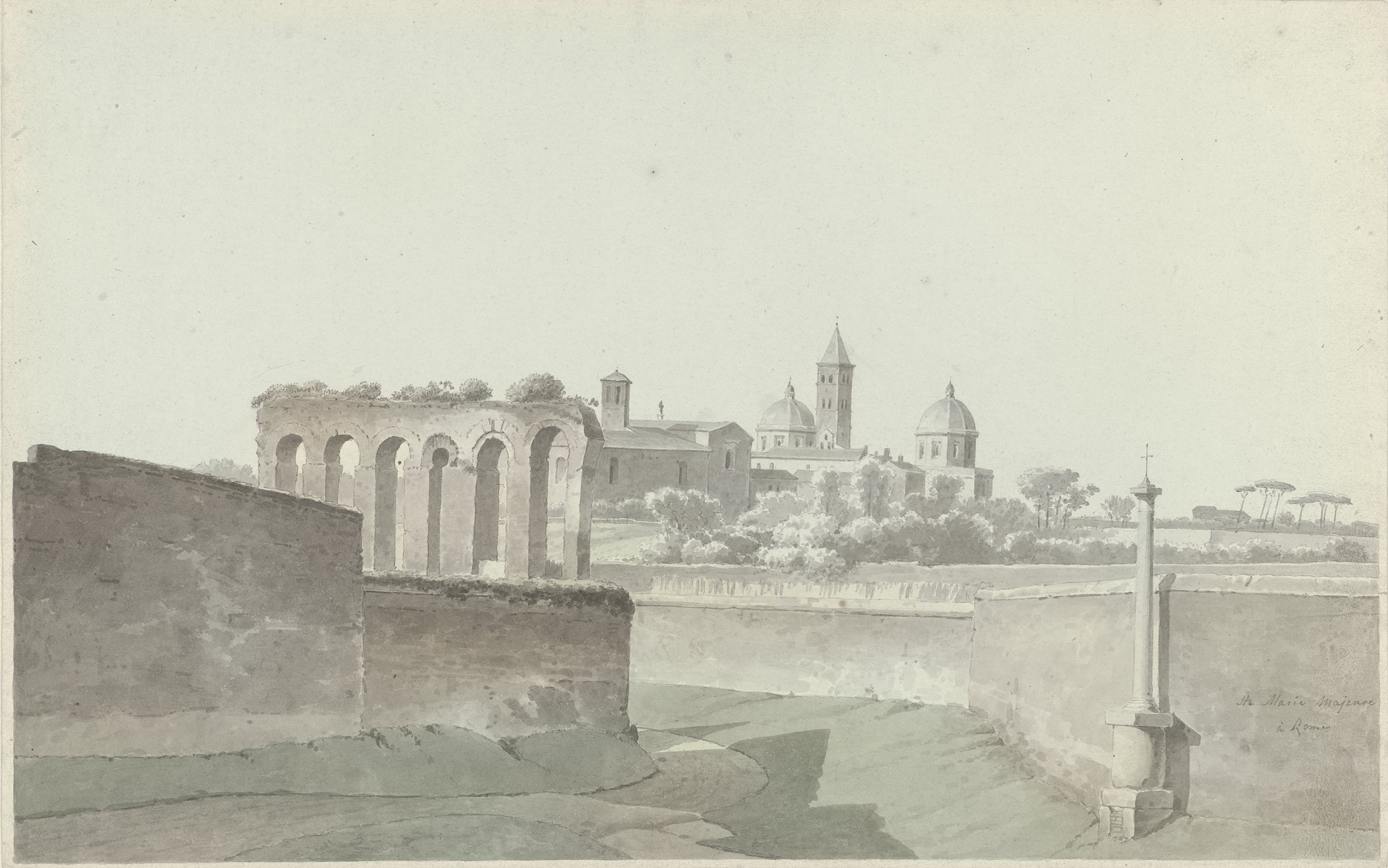
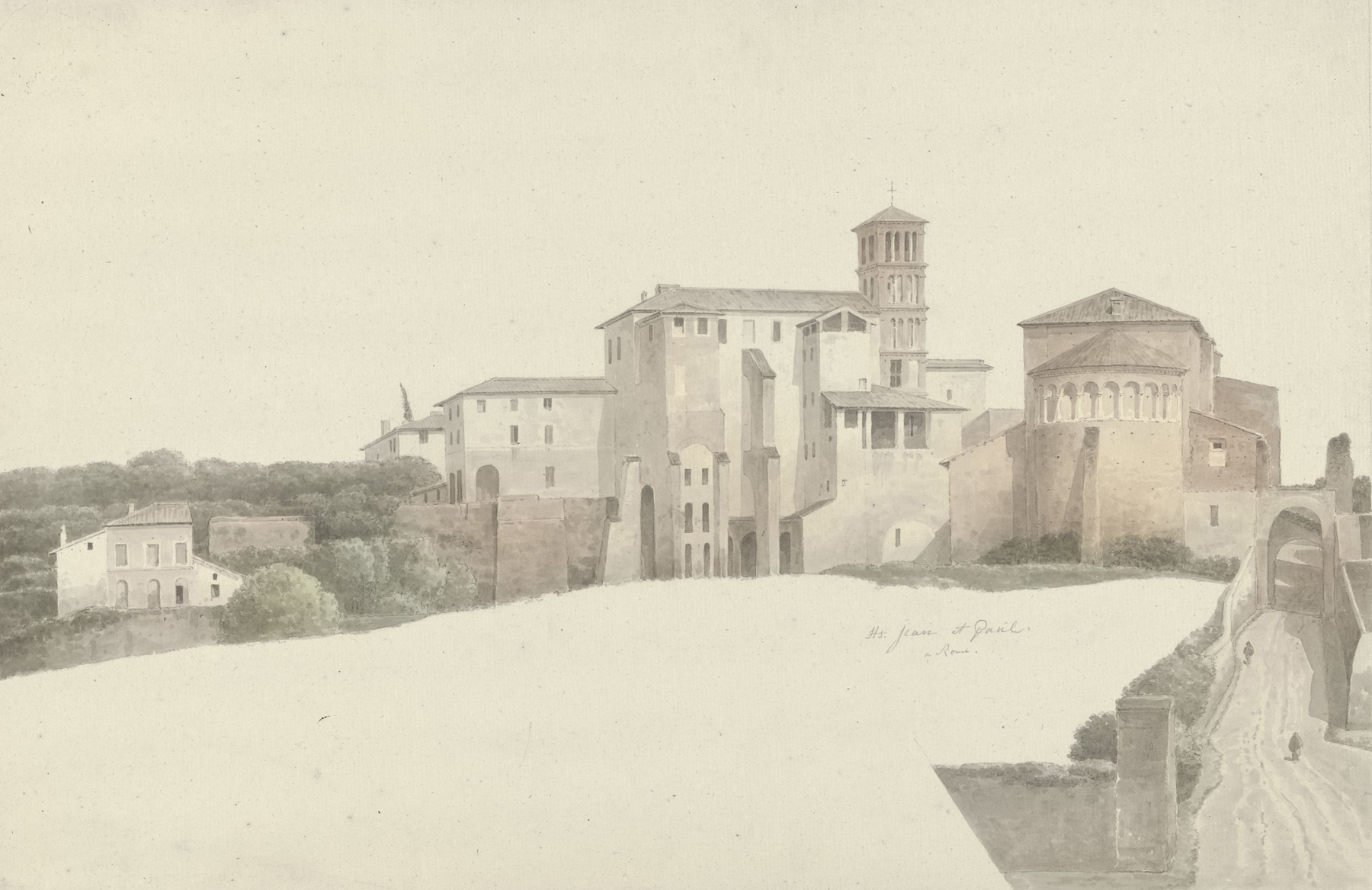
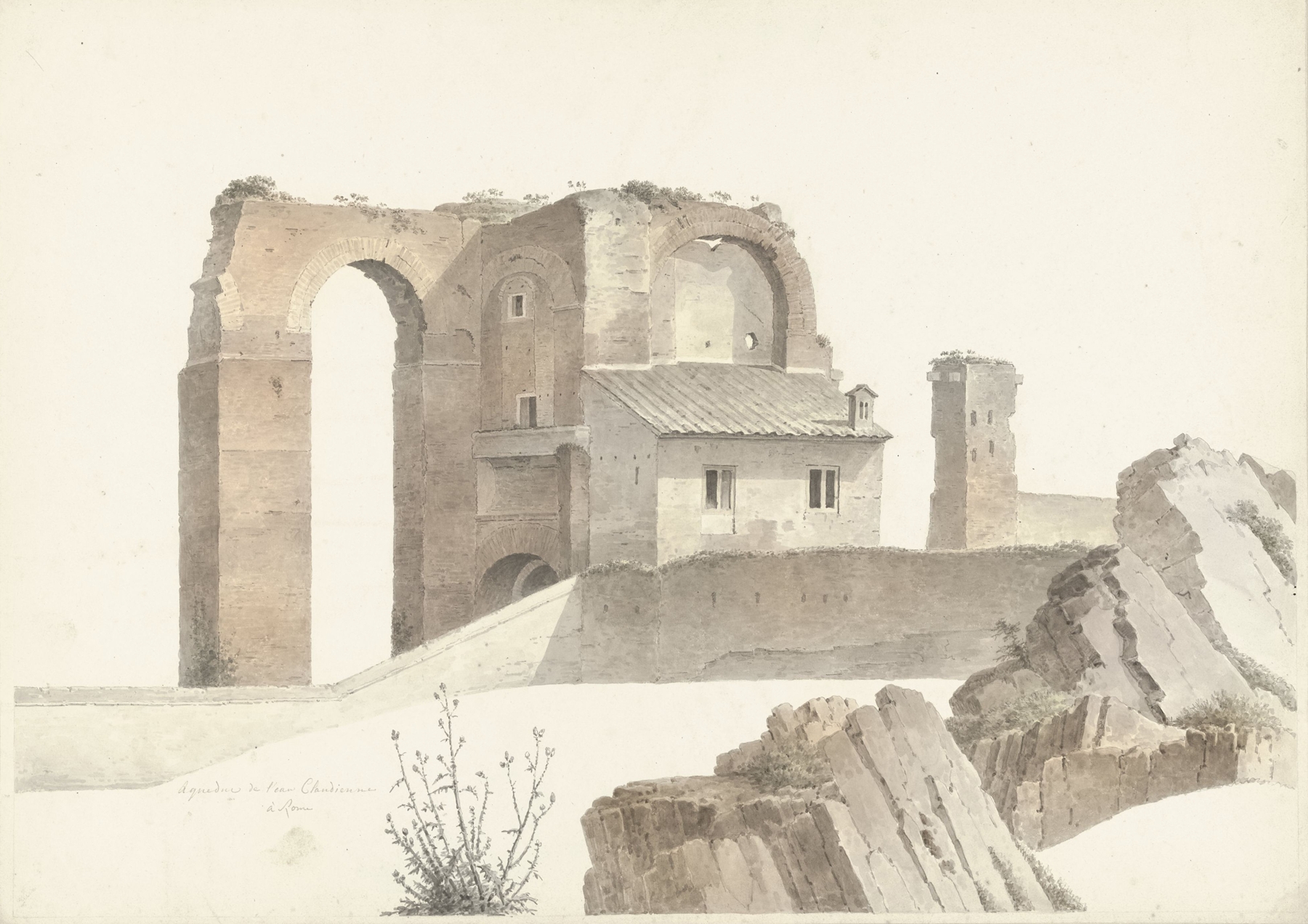
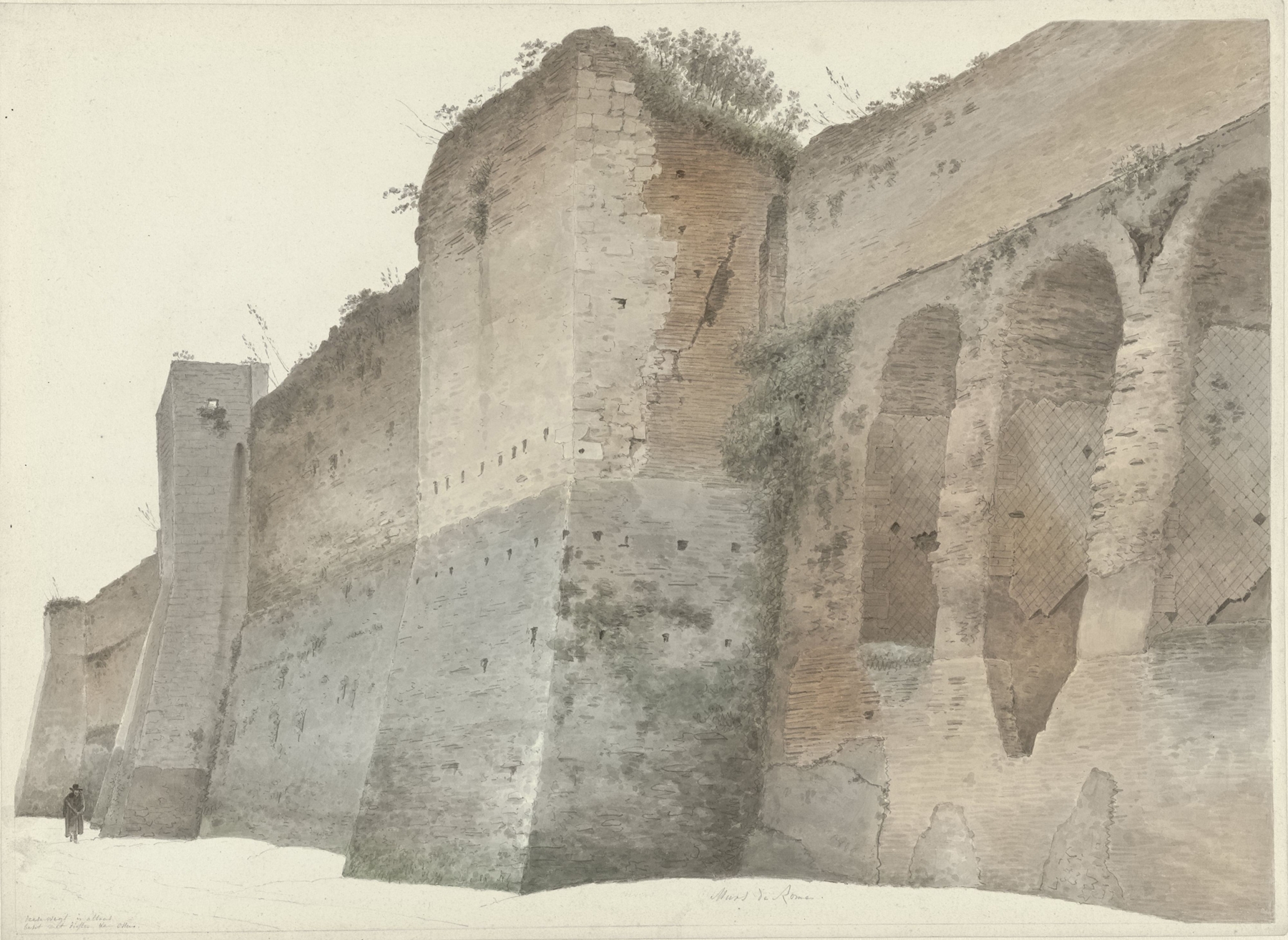
Is this a mirror — or a memory? In The Basilica of San Giovanni in Laterano, the shadow of history looms heavy, inviting contemplation about what remains and what fades. Look to the left, where the majestic Basilica rises, its ornate façade bathed in a golden light that plays against the cool shadows cast by the Temple of Minerva Medica in the foreground. Notice how Knip’s delicate brushstrokes create a sense of depth; the intricate details of the temple’s archways stand in stark contrast to the sweeping arches of the basilica, drawing your gaze across time and space.
The soft palette of muted earth tones and bright whites harmonizes architecture with nature, establishing a dialogue between solidity and ethereality. As you engage with the painting, a profound tension surfaces. The juxtaposition of the ancient temple and the grand basilica speaks to the layers of history, suggesting that what is sacred often stands upon the remnants of what was revered before. Shadows dance in the sunlight, embodying the passage of time and the memories held within the stones.
Each structure evokes different emotions; the basilica, a symbol of faith and continuity, and the temple, a reminder of antiquity's transience. In the years surrounding 1809 to 1812, Knip was immersed in the vibrant artistic scene of Neoclassical Rome. During this period, he sought to capture the essence of the city’s architectural grandeur while reflecting a deep reverence for its storied past. The confluence of historical reflection and burgeoning nationalism was palpable, as artists like Knip endeavored to forge connections between the past and the present in their work.