The Basilica of the Santi Quattro Coronati in Rome — History & Analysis
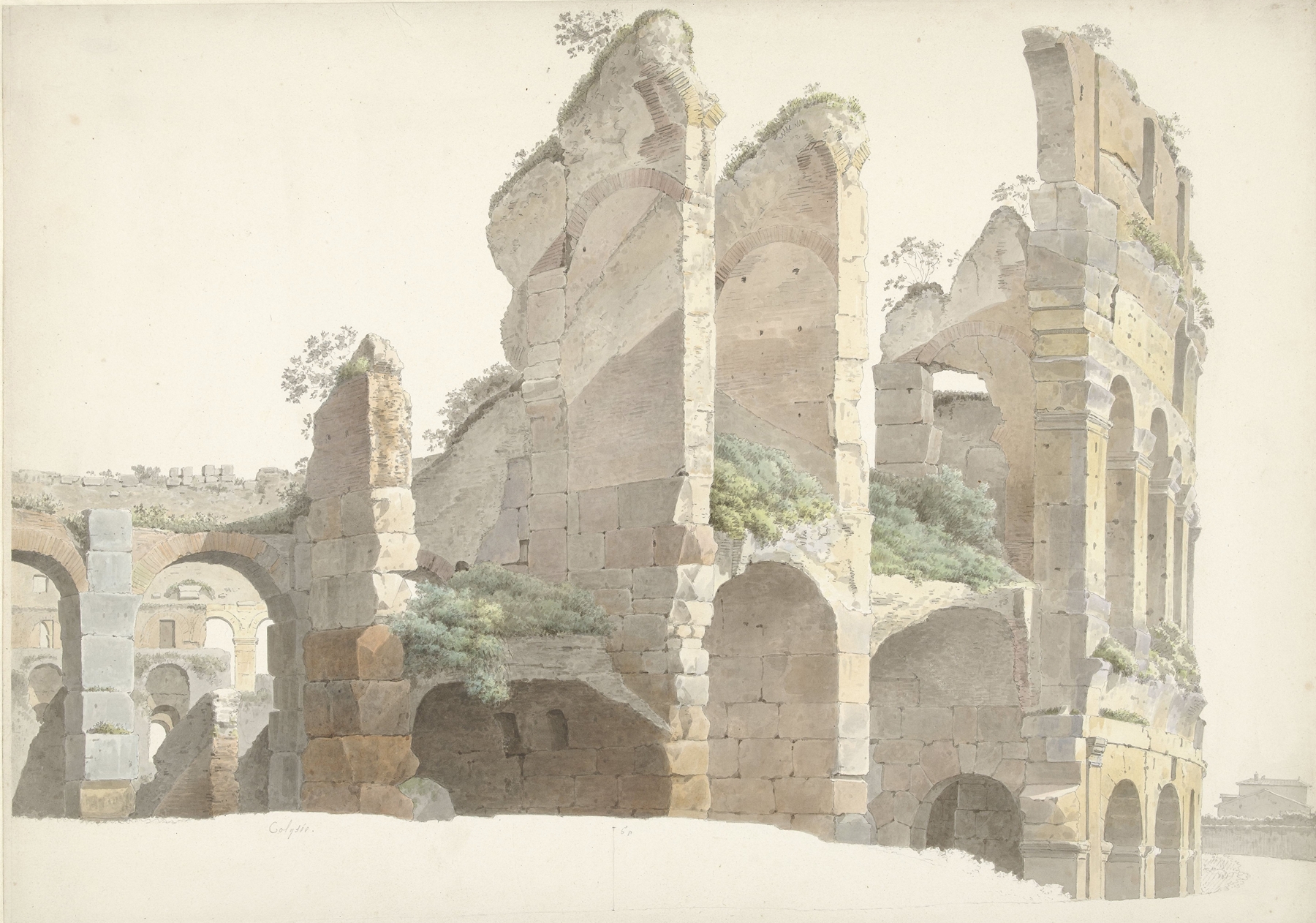
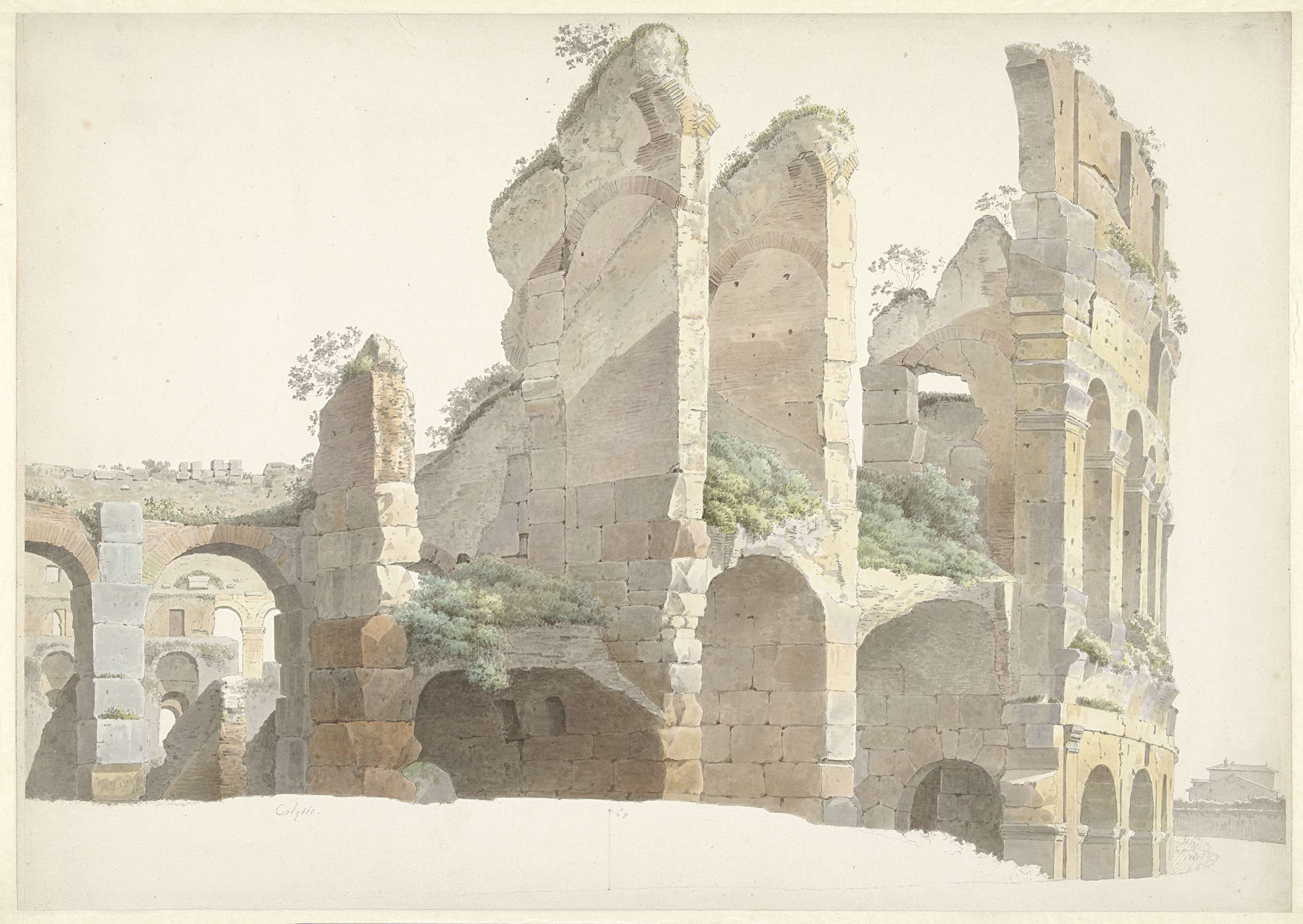
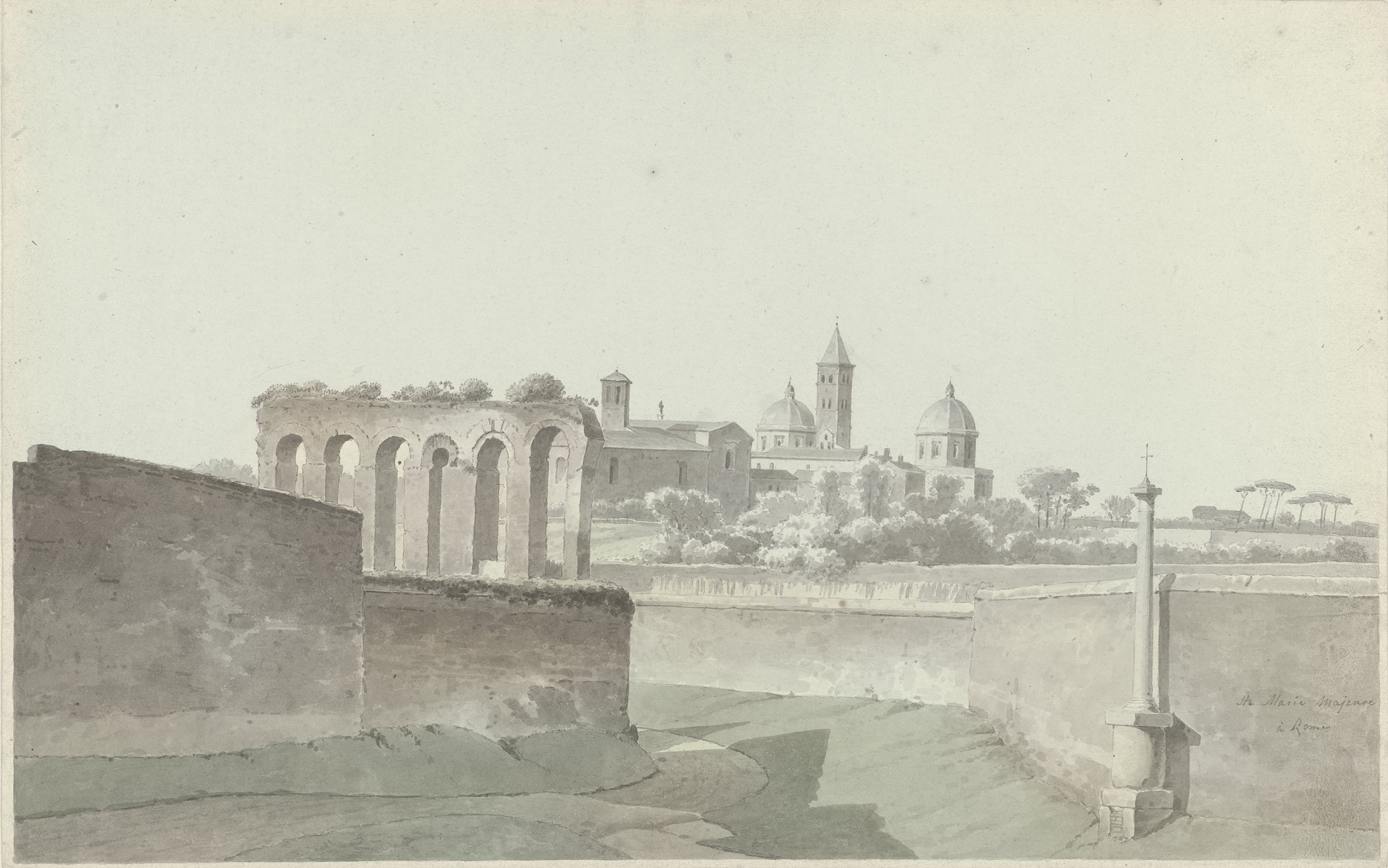
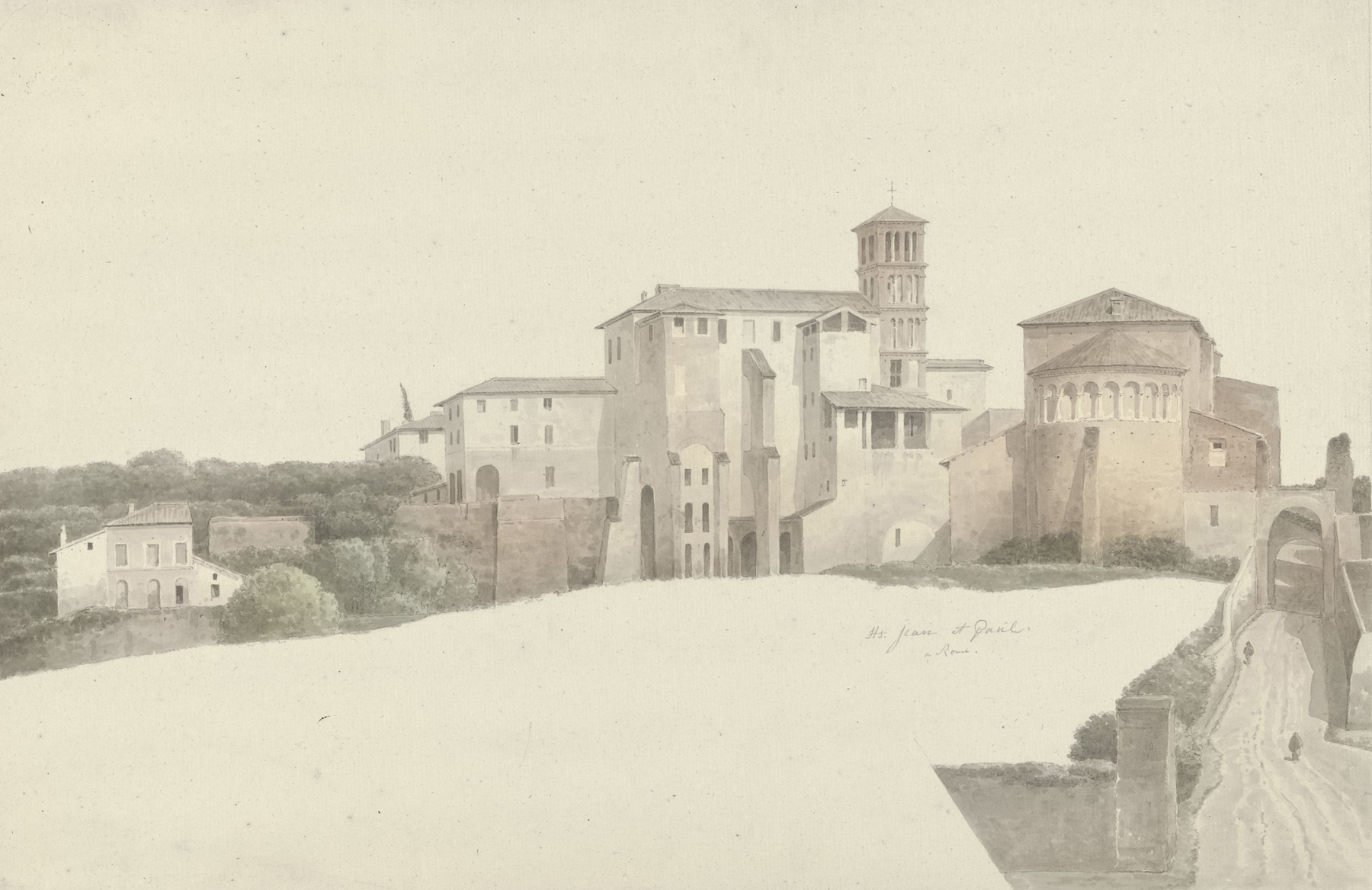
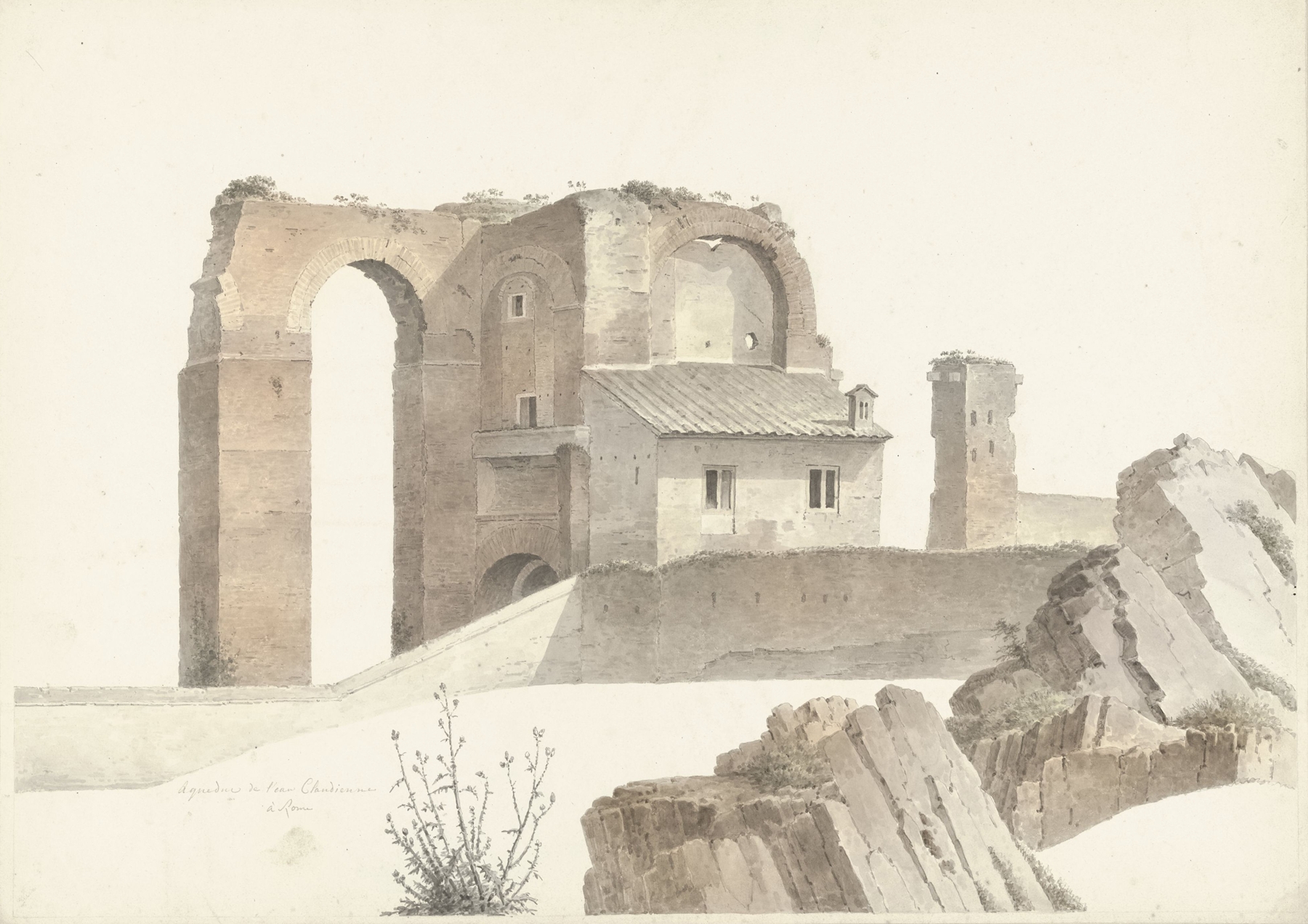
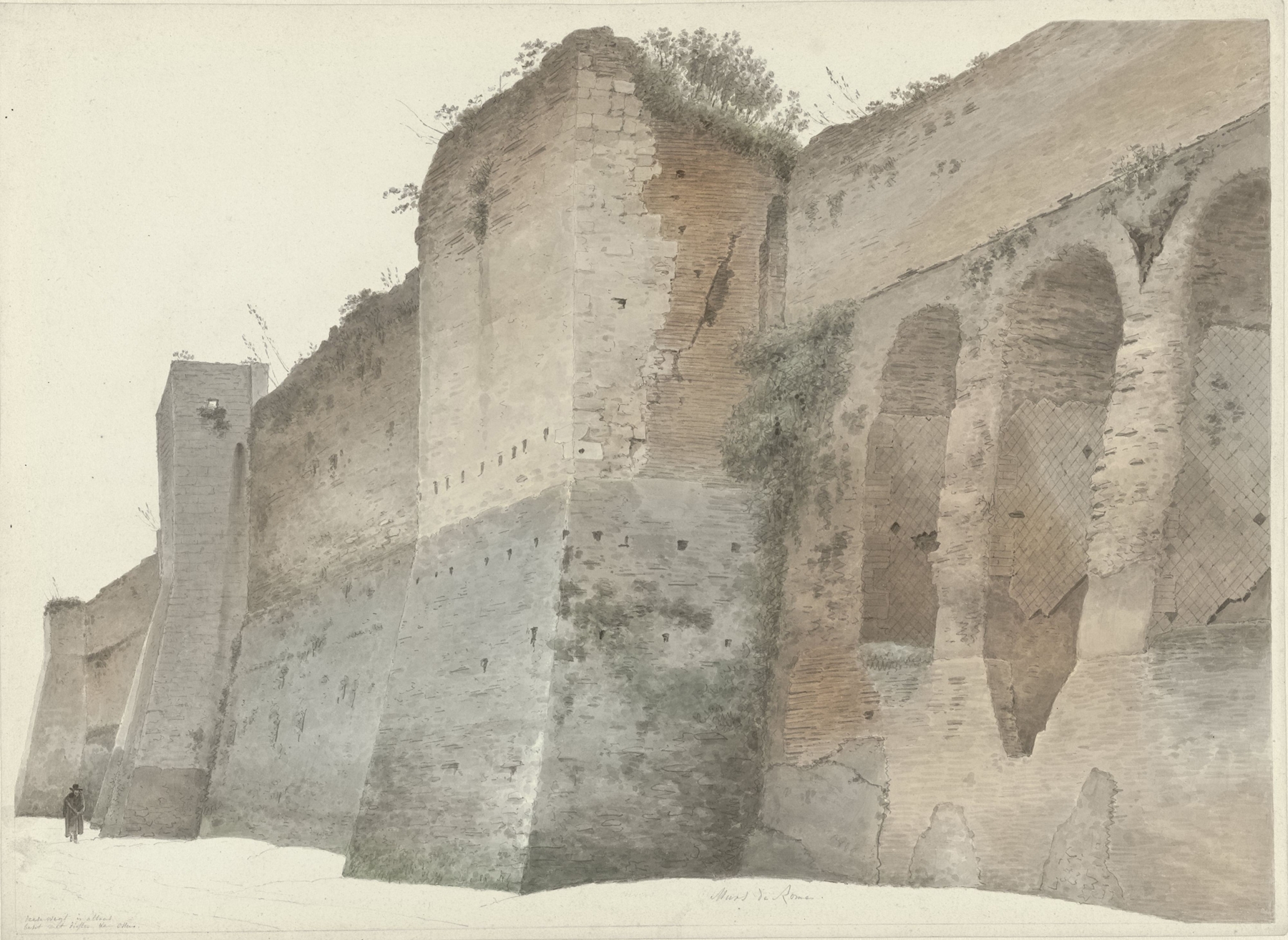
When did color learn to lie? Shadows whisper secrets of time, revealing truths hidden beneath the surface of vibrant hues. In The Basilica of the Santi Quattro Coronati in Rome, light and shadow intertwine, fashioning a dialogue that speaks to the essence of the sacred structure itself. Focus on the grand façade, where soft ochres and warm whites meld with deep browns and muted greys. Notice how the sunlight dances across the intricate details of the architecture, casting elongated shadows that breathe life into the stone.
The careful brushwork captures both the solidity of the edifice and the ethereal quality of the surrounding atmosphere, inviting you to explore the depth of the work. The subtle interplay of colors reflects an awareness of the transient nature of light, reminding us that even the most enduring stones are subject to the passage of time. Delve deeper into the layers of this scene, where the juxtaposition of light and shadow represents the duality of faith and doubt. The shadows, dark and enveloping, evoke a sense of mystery, as if inviting contemplation on the unseen. Meanwhile, the luminous highlights celebrate the beauty of the basilica, embodying hope and reverence.
This interplay captures the tension between the physical structure and the spiritual truths it represents, urging viewers to ponder their own beliefs. Josephus Augustus Knip painted this work in Rome between 1809 and 1812, a period marked by the tumult of the Napoleonic Wars and the shifting tides of European art. He was captivated by the classical architecture of the city, which emerged as a prominent subject in his oeuvre. Capturing the essence of a sacred site, Knip sought to harmonize the natural world with architectural beauty, a theme that resonates deeply in his exploration of light and shadow.