The Baths of Caracalla and Three Capitals from the Villa Mattei in Rome — History & Analysis
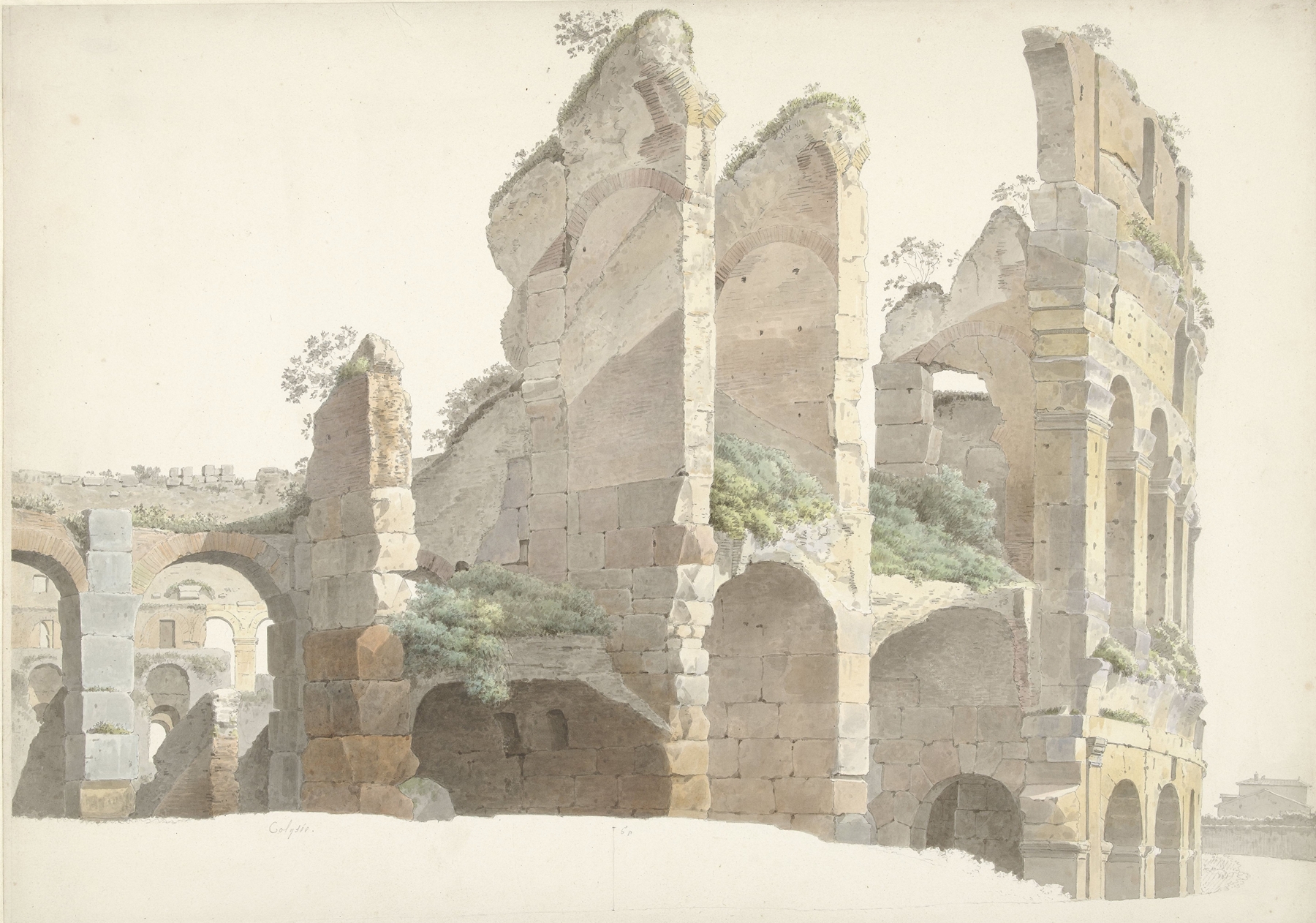
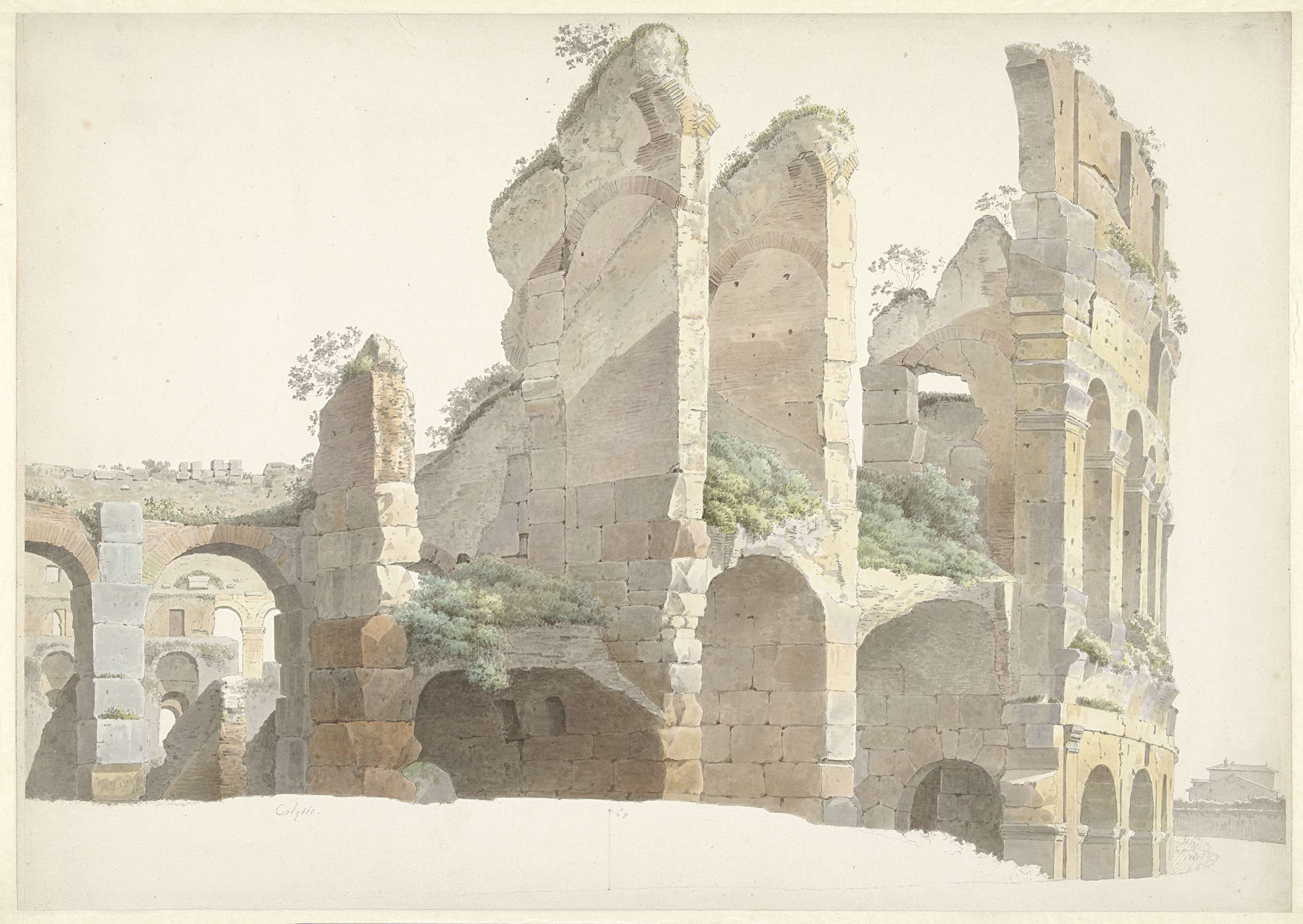
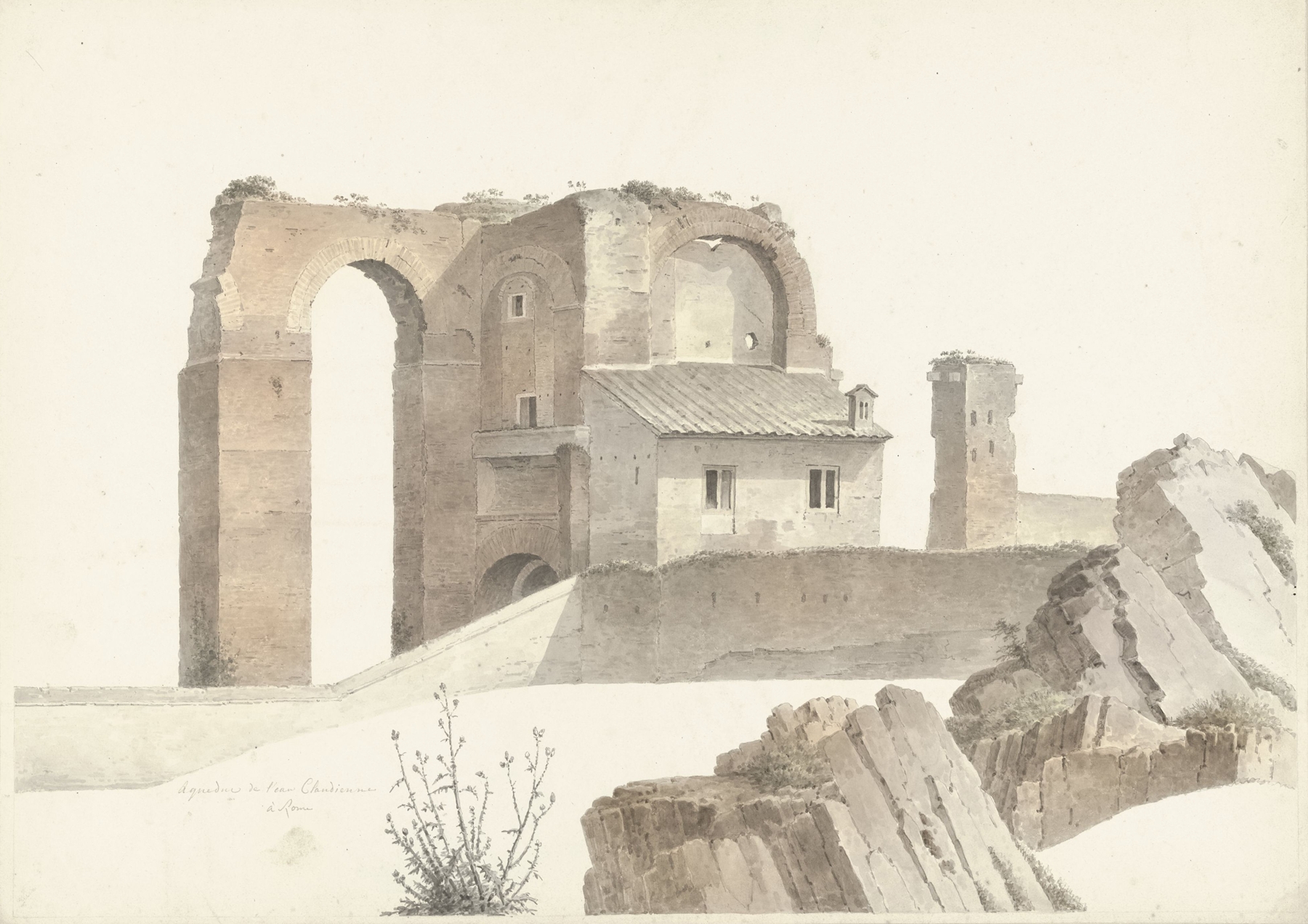
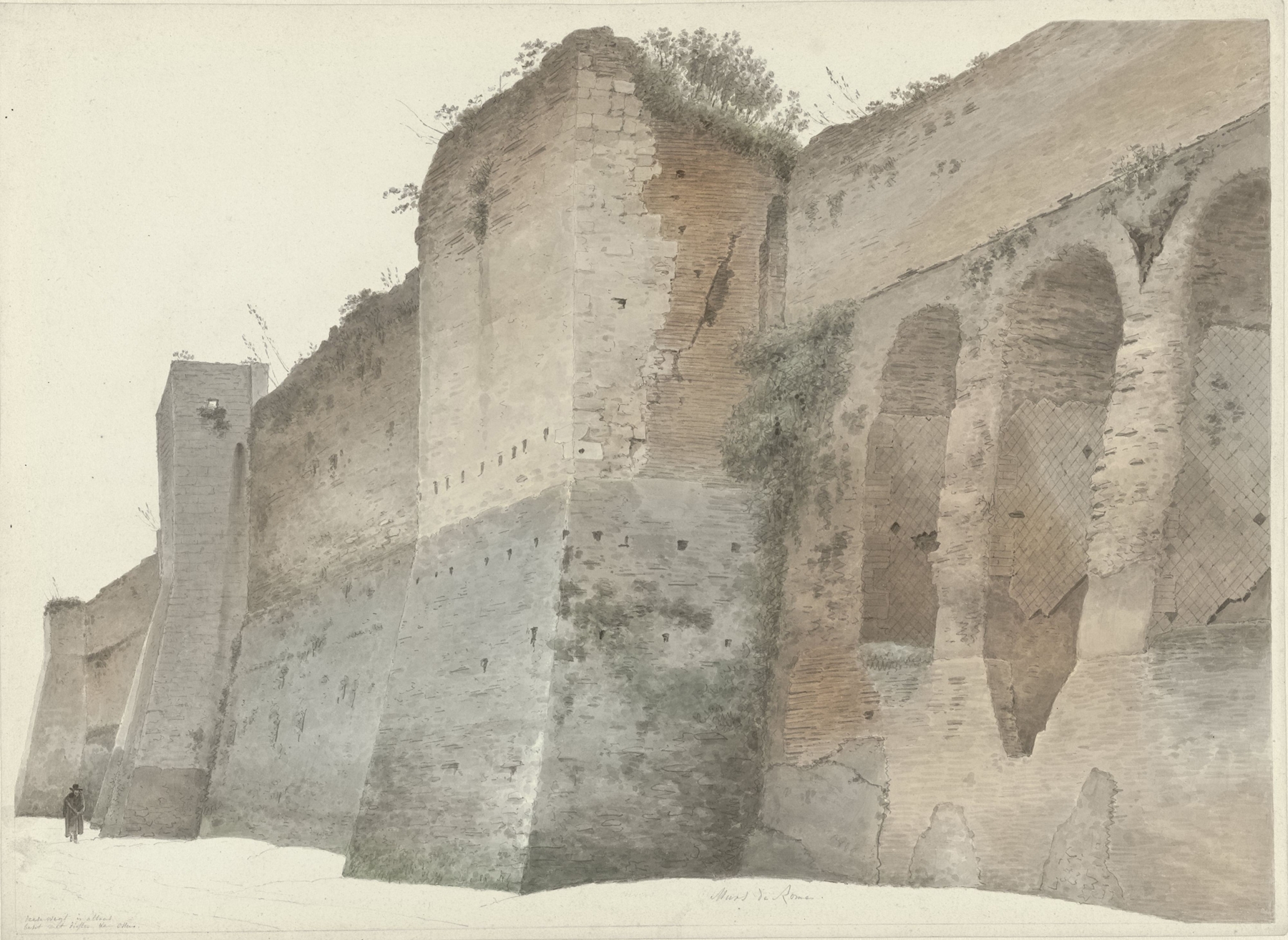
Could a single brushstroke hold eternity? In The Baths of Caracalla and Three Capitals from the Villa Mattei in Rome, the ephemeral beauty of ancient architecture transcends the passage of time, inviting contemplation on creation and decay. Look to the right at the majestic ruins of the Baths, their crumbling grandeur illuminated by a warm, golden light that dances along the stone surfaces. The artist employs a precise yet delicate hand, layering pigments to capture the textures of the ancient bricks and the verdant foliage that clings to their remnants.
Notice how the composition draws your eye through the interplay of shadow and light, leading to the trio of capitals that stand like sentinels, whispering stories of a once-great civilization. Beneath the surface, the painting speaks to the tension between permanence and impermanence. The grandeur of the architecture evokes a sense of nostalgia for the achievements of Rome, juxtaposed against the inevitable erosion of time. Each detail—be it the intricate carvings of the capitals or the verdant encroachments of nature—holds the weight of history, suggesting that even beauty is transient, destined to fade yet forever etched in memory.
During the early 19th century, Josephus Augustus Knip created this work in the context of neoclassicism’s reverberations across Europe. Living in Rome, a city steeped in artistic legacy, he captured the rich historical narrative surrounding him, reflecting contemporary interests in antiquity as artists sought to reconcile the past with their own modern sensibilities. This era, marked by a renewed fascination with classical forms, deeply influenced his work, as he endeavored to immortalize the remnants of a bygone era.