The Baths of Caracalla and Two Capitals from the Villa Mattei in Rome — History & Analysis
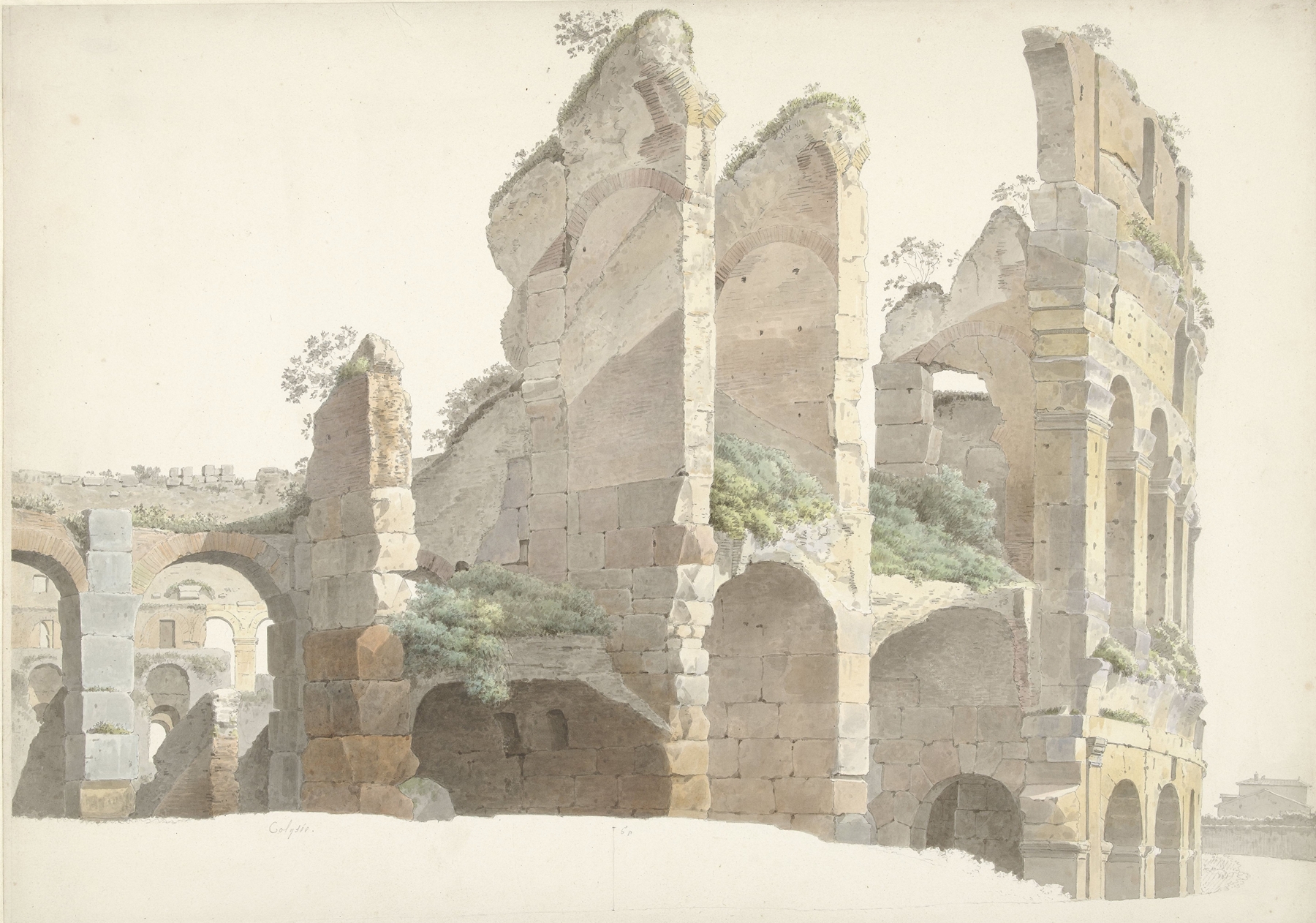
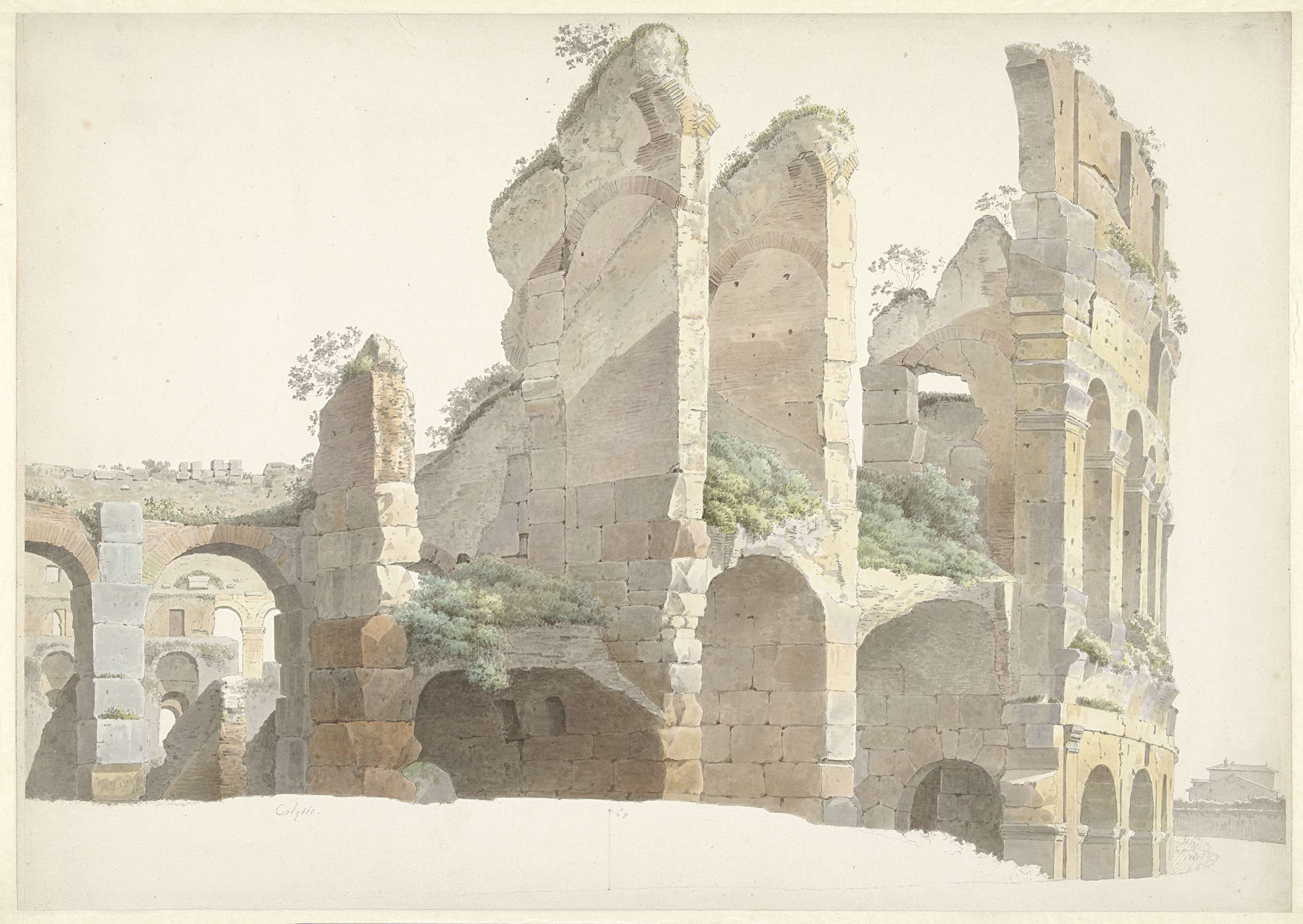
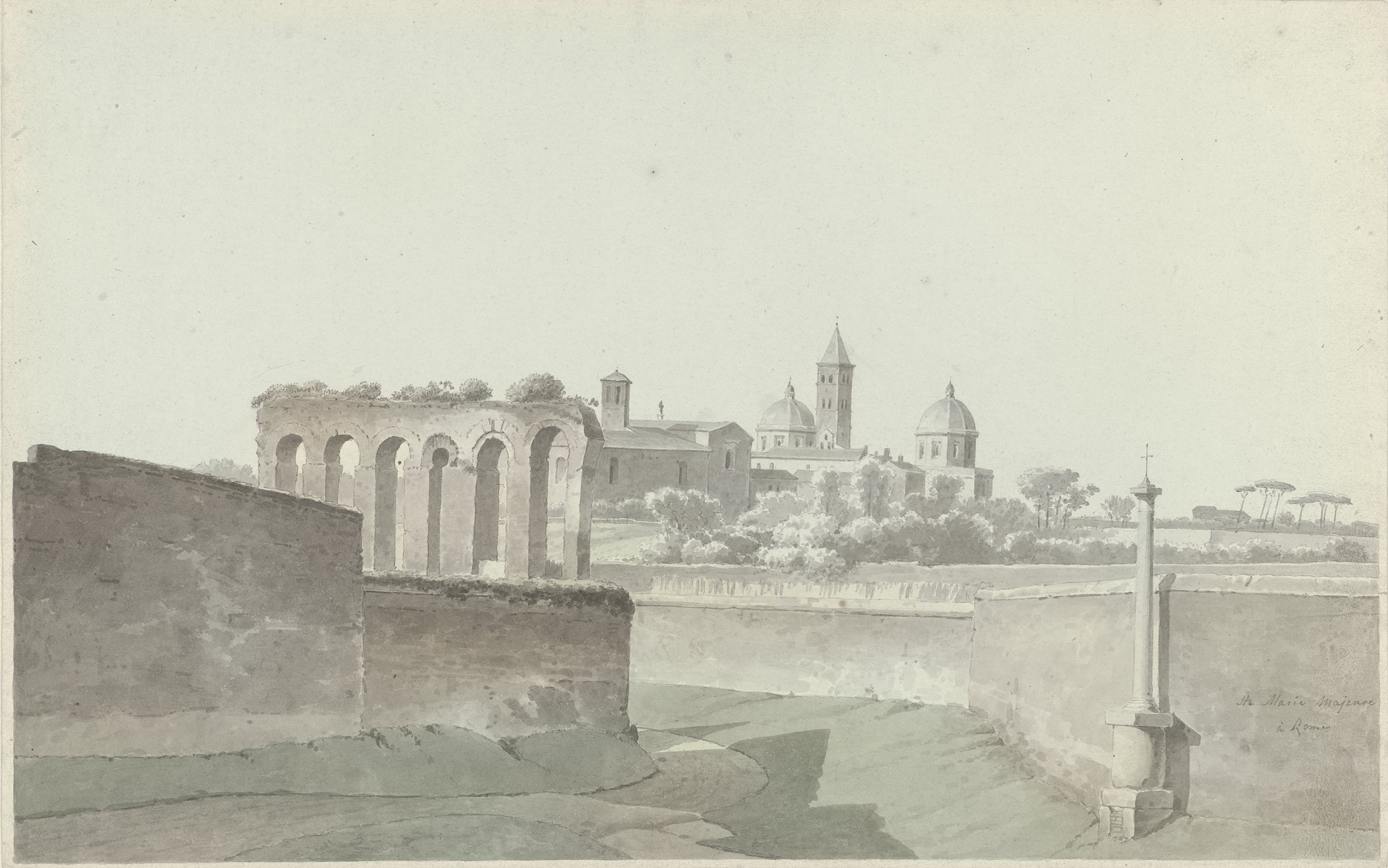
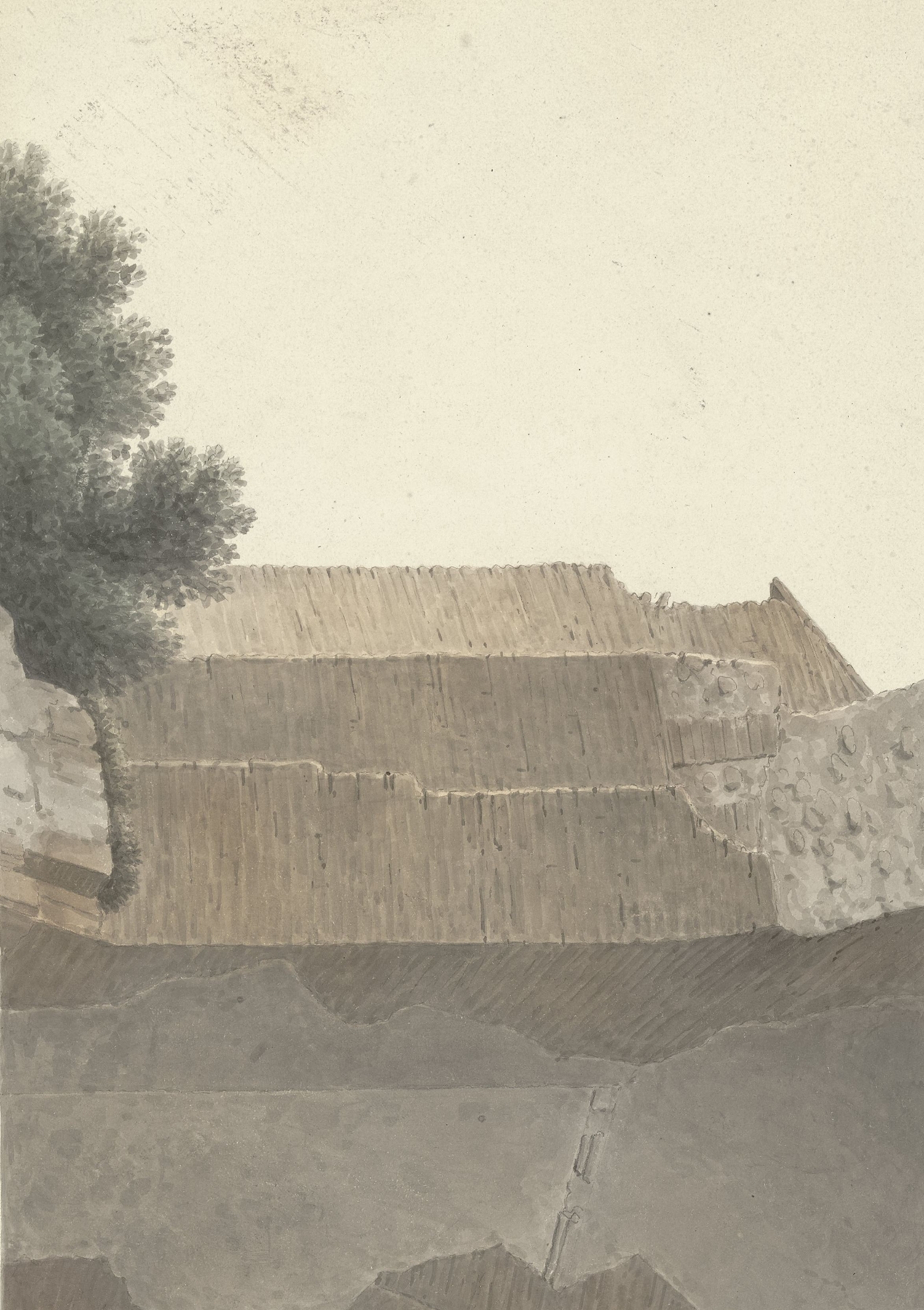
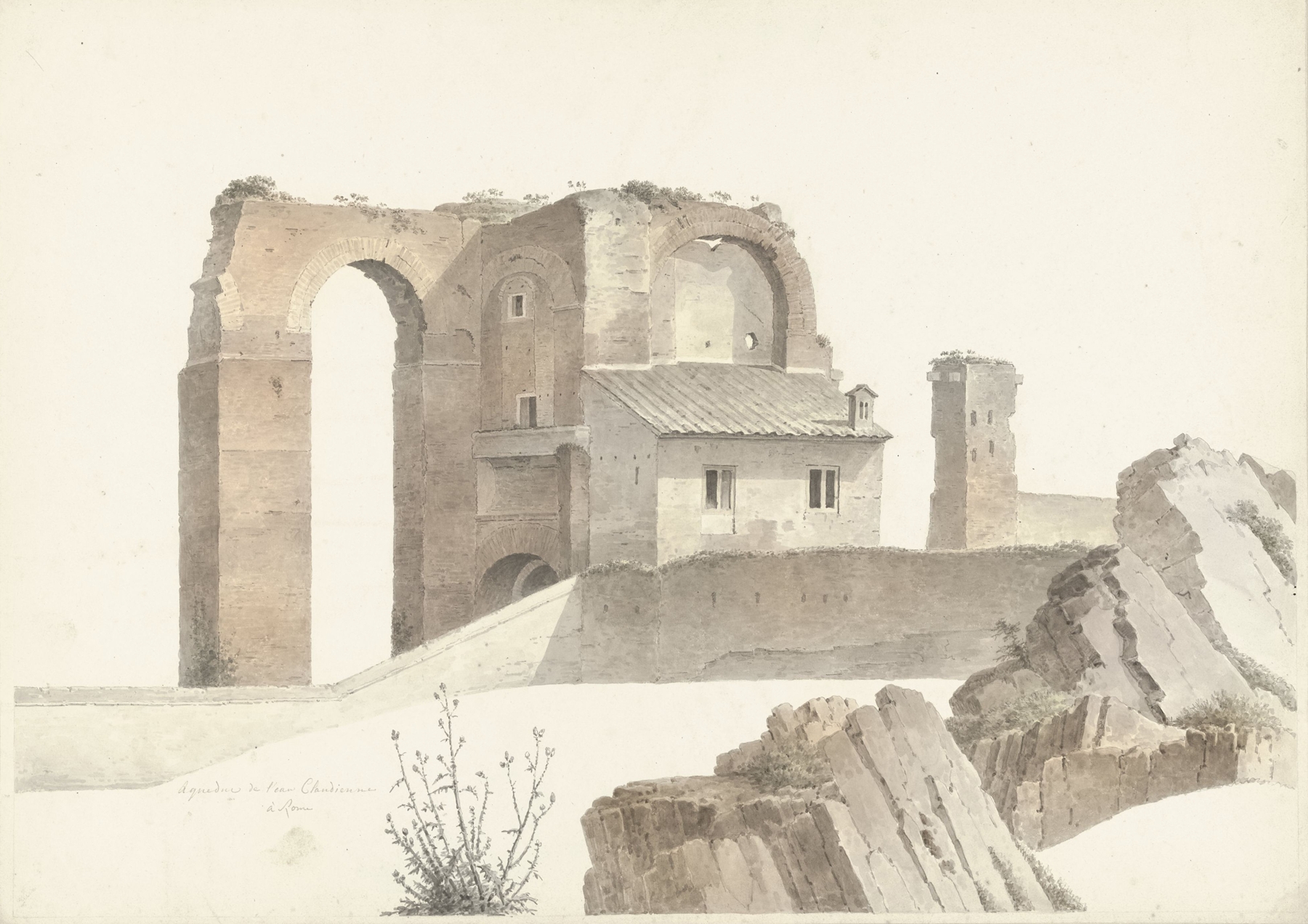
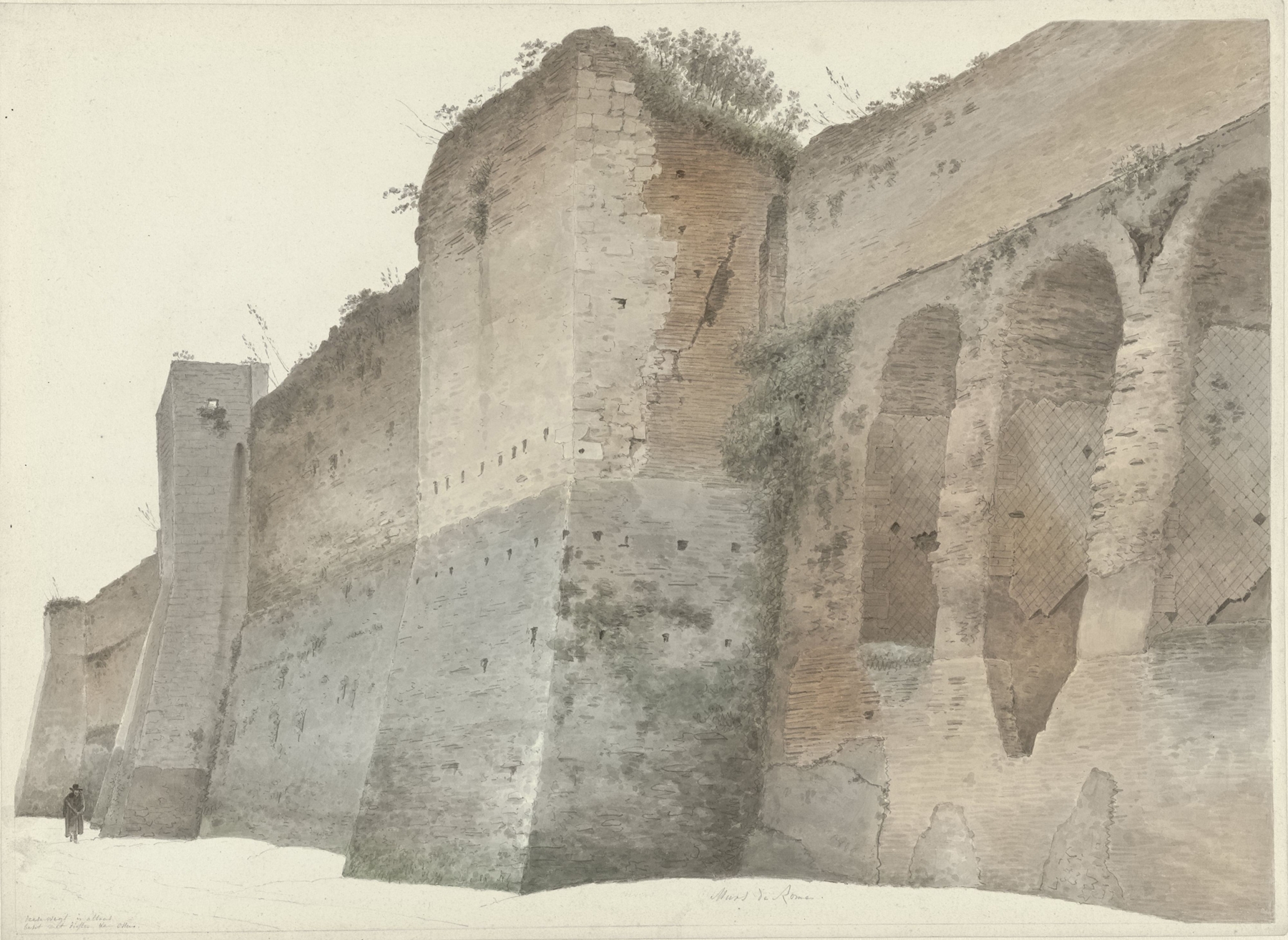
Who listens when art speaks of silence? In The Baths of Caracalla and Two Capitals from the Villa Mattei in Rome, beauty emerges not just through the brushstrokes but in the stillness captured within the architectural ruins. First, look to the left at the imposing structure of the Baths, where crumbling remains rise against a soft, enveloping sky. The artist’s meticulous attention to detail pulls you into the scene, inviting you to trace the elegant lines and curves of the capitals.
Notice the warm, earthy palette of ochres and grays, evoking a sense of nostalgia and decay, while the deft interplay of light and shadow enhances the depth, making each stone appear both monumental and fragile. The composition invites contemplation on the passage of time, contrasting the grandeur of ancient Rome with the inherent vulnerability of its remnants. Each capital stands as a testament to artistry and history, yet they are tinged with melancholy—a reminder that beauty is often transient. The synergy between the stillness of the setting and the viewer’s introspection reflects the quiet dialogue between past and present, urging us to ponder what remains unseen.
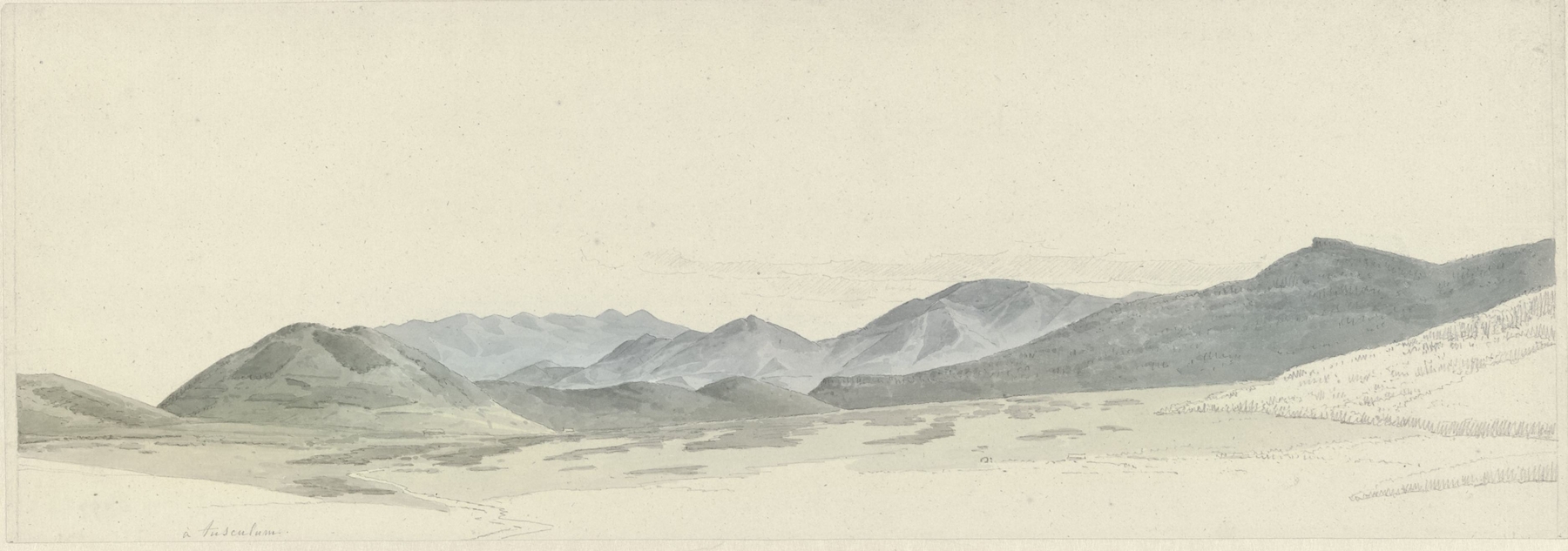
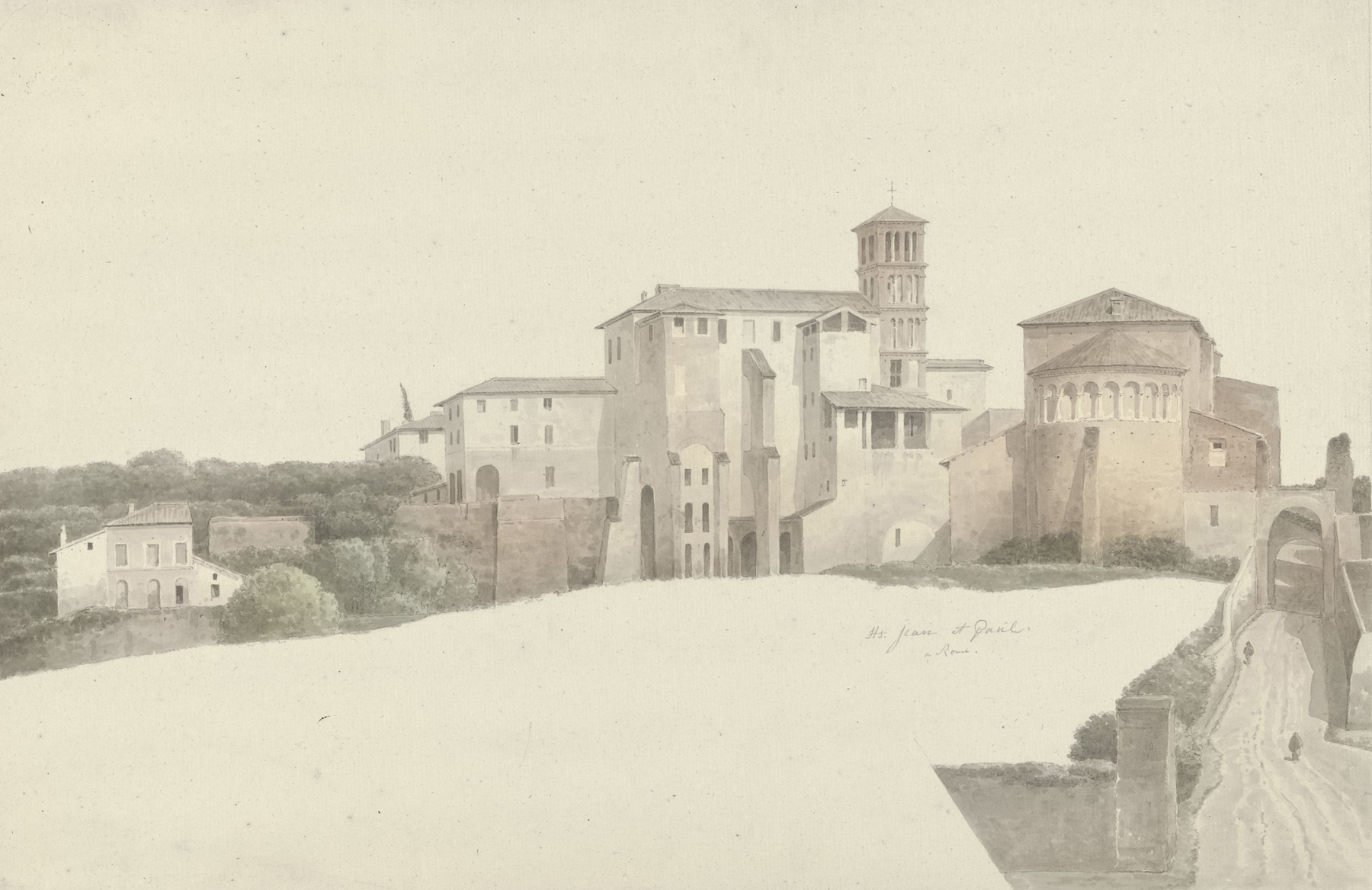
Josephus Augustus Knip painted this piece between 1809 and 1812, during a period when the artist was immersed in the rich history of Rome. Living in a city that was both a cradle of classical civilization and a hub of burgeoning Romanticism, Knip sought to capture the sublime beauty of architectural forms amidst nature. This work exemplifies his dedication to the genre of landscape painting, as he navigated the intricate balance of emotion and historicity in his art.