The Beach, Late Afternoon — History & Analysis
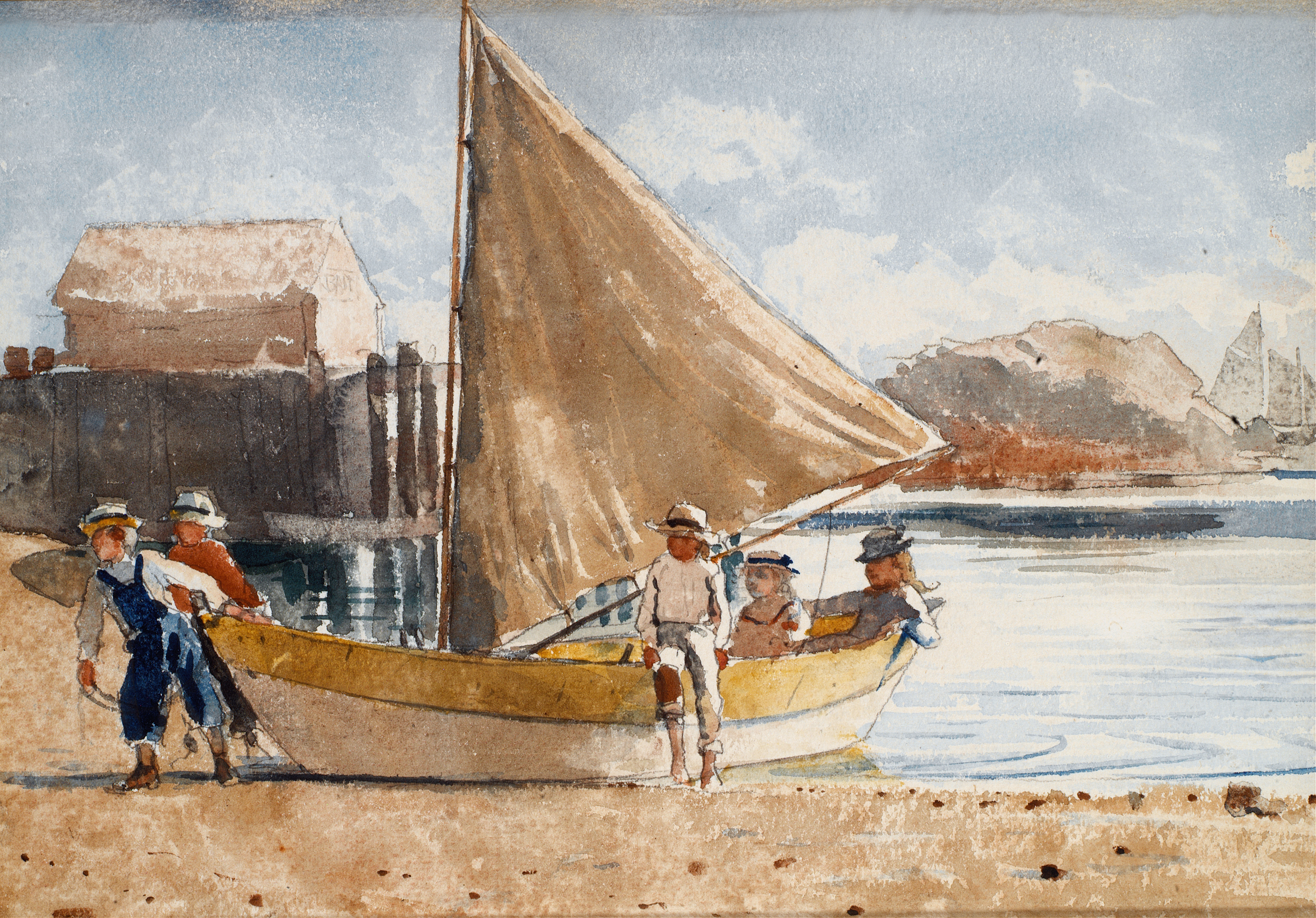
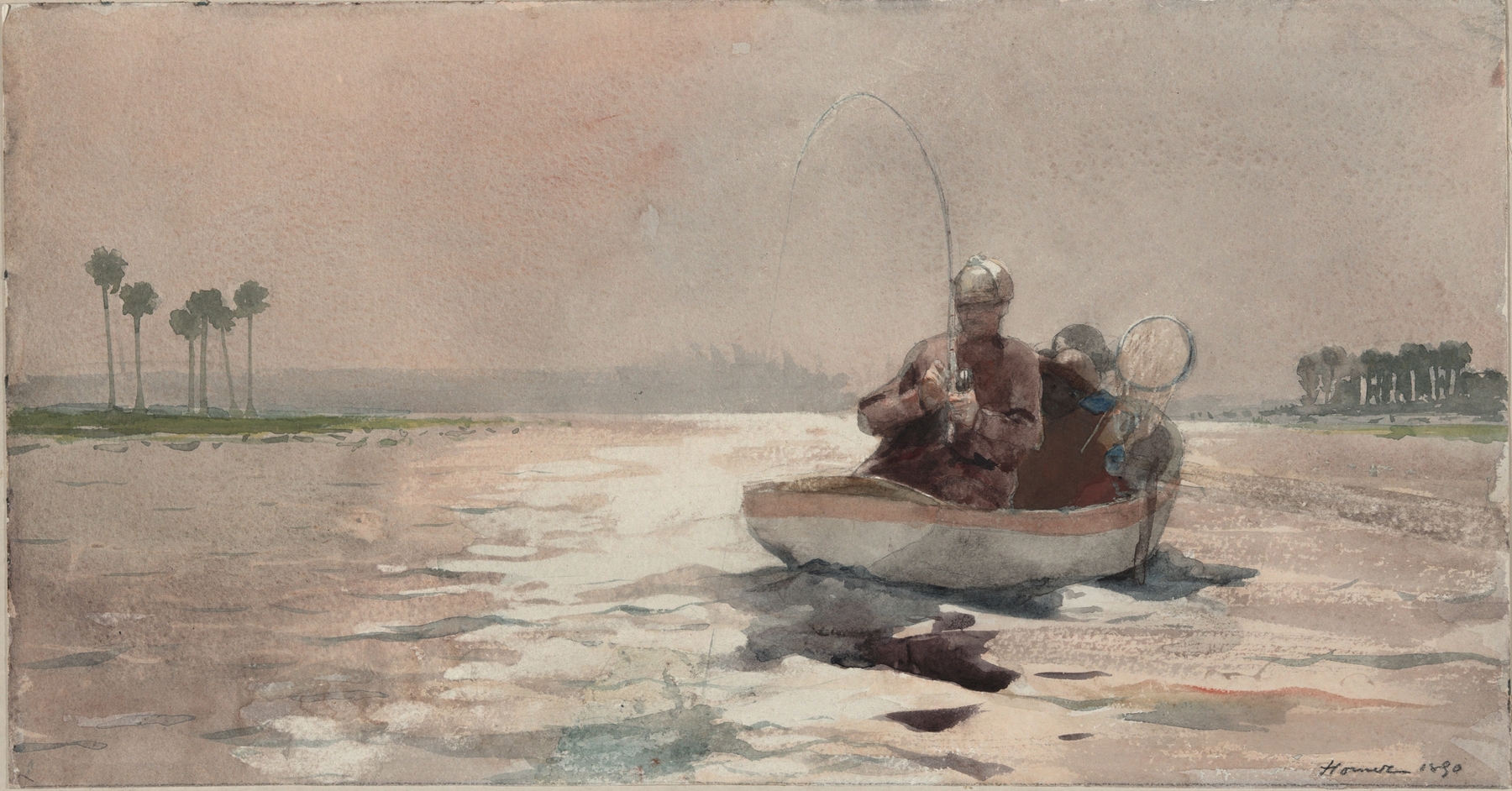
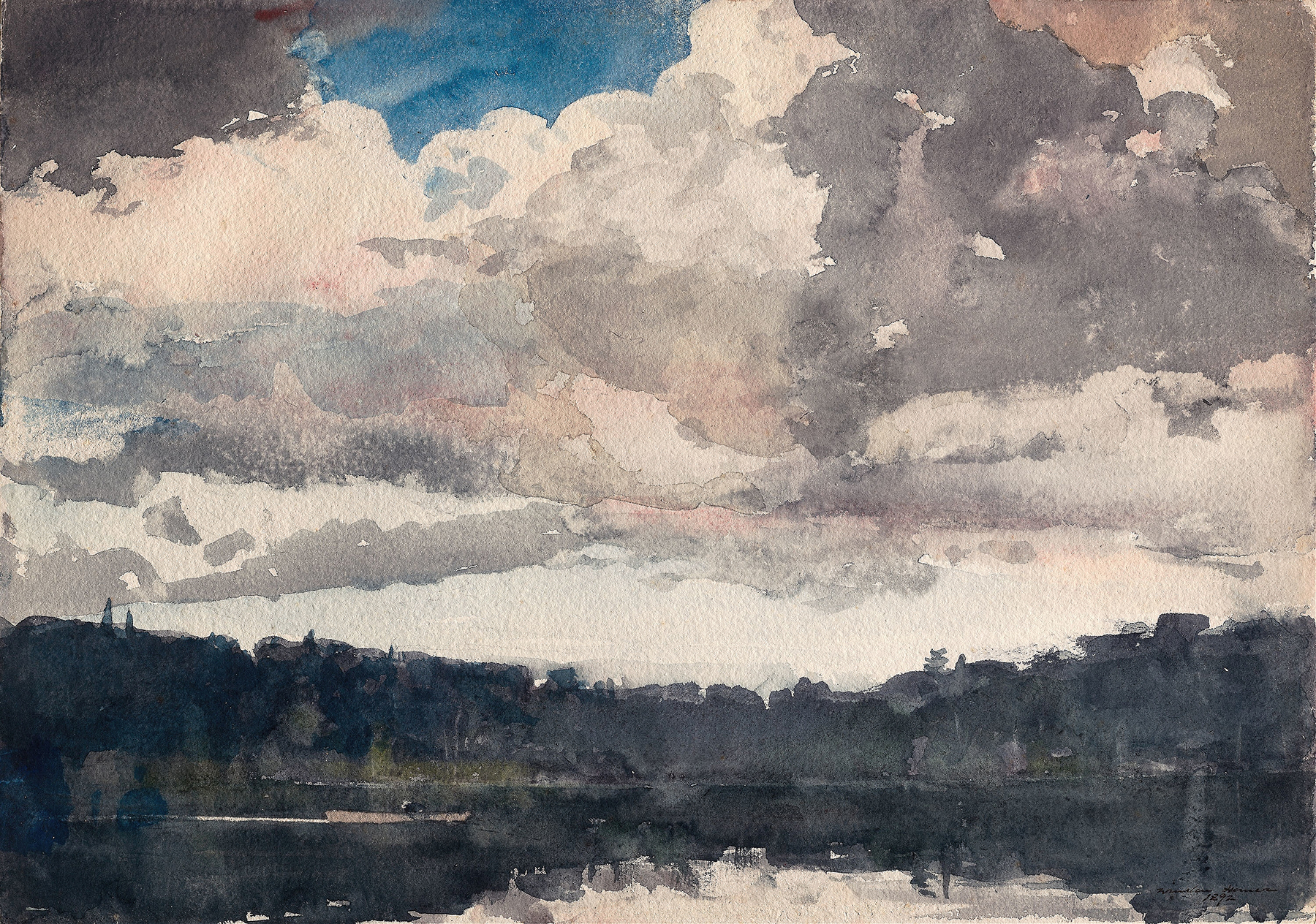
Can beauty exist without sorrow? In The Beach, Late Afternoon, the juxtap of tranquil serenity and underlying tension evokes a longing that resonates deeply within the viewer. Focus first on the soft hues of the setting sun, casting a golden glow over the gentle waves lapping at the shore. The figures, seemingly at ease, draw your attention toward their interaction with the vastness of nature — two women standing close, their skirts billowing slightly in the sea breeze.
Beneath the calm exterior of the scene, notice the play between light and shadow, as the warm palette of yellows and oranges contrasts with cooler blues of the sea, suggesting an emotional depth that invites reflection. The figures' posture and the distance between them hint at unspoken conversations, desires, or perhaps a shared moment of introspection. The ocean’s rhythmic waves seem to echo their internal dialogue, both soothing and isolating. The expansive horizon serves as a reminder of what lies beyond their immediate world, creating a tension between the safety of the shore and the unknown that stretches infinitely before them.
Winslow Homer painted this piece in 1869, during a period marked by his exploration of coastal landscapes. After spending time in the Bahamas and the New England coast, his experience shaped his understanding of light, water, and human connections. The artwork reflects not only the natural beauty of the scene but also the complexities of human emotion against the backdrop of a shifting world.