The Black Rocks at Trouville — History & Analysis
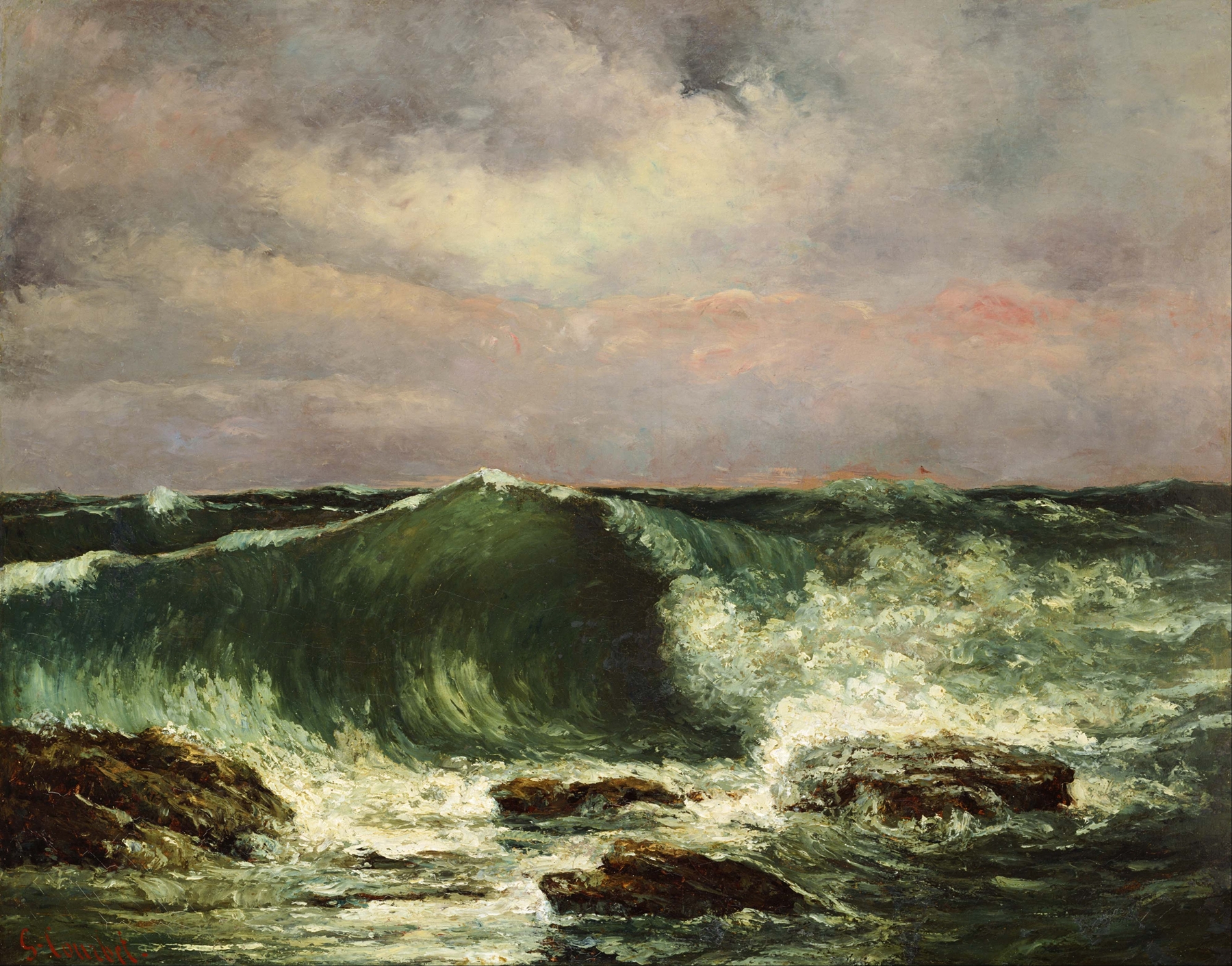
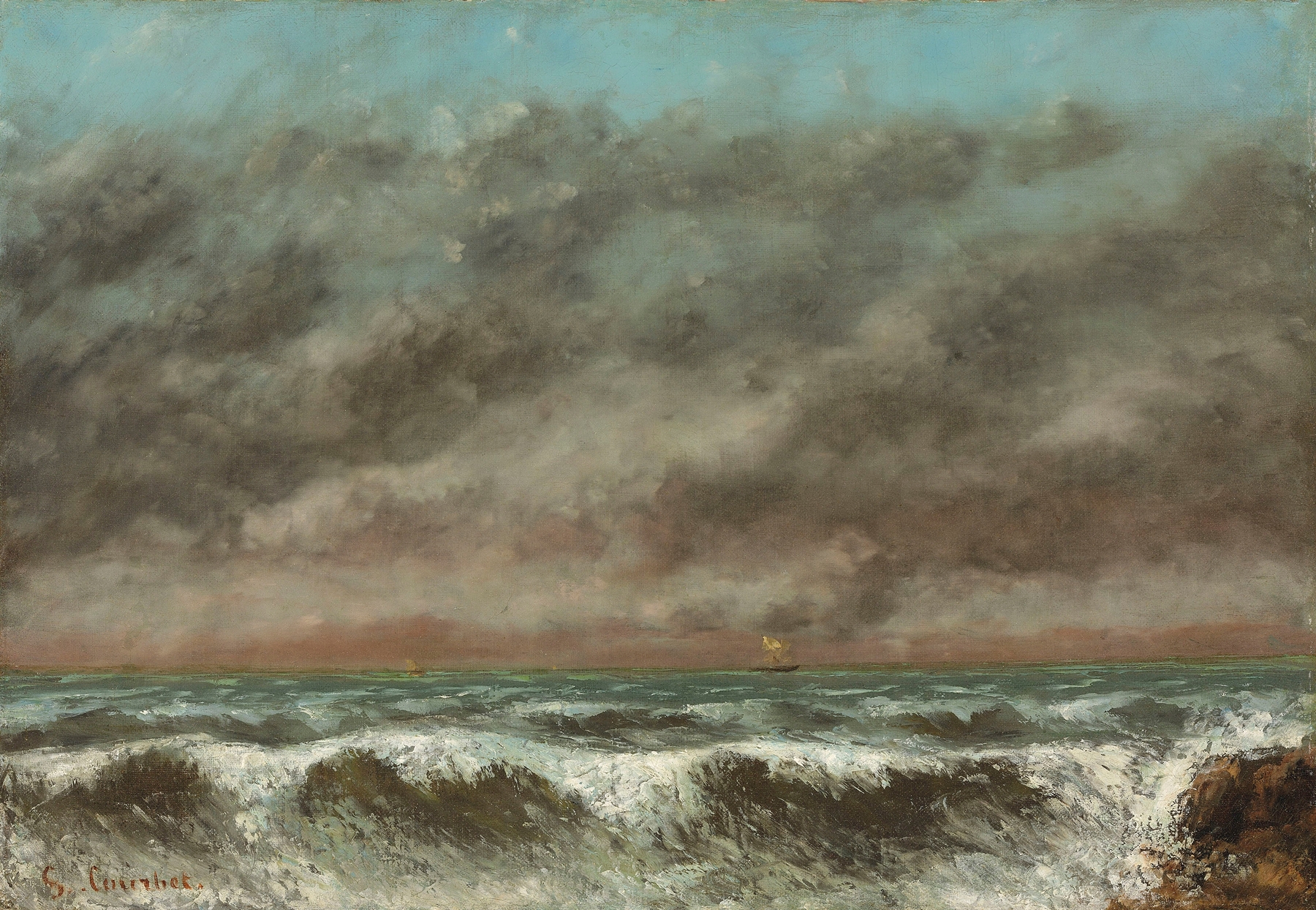
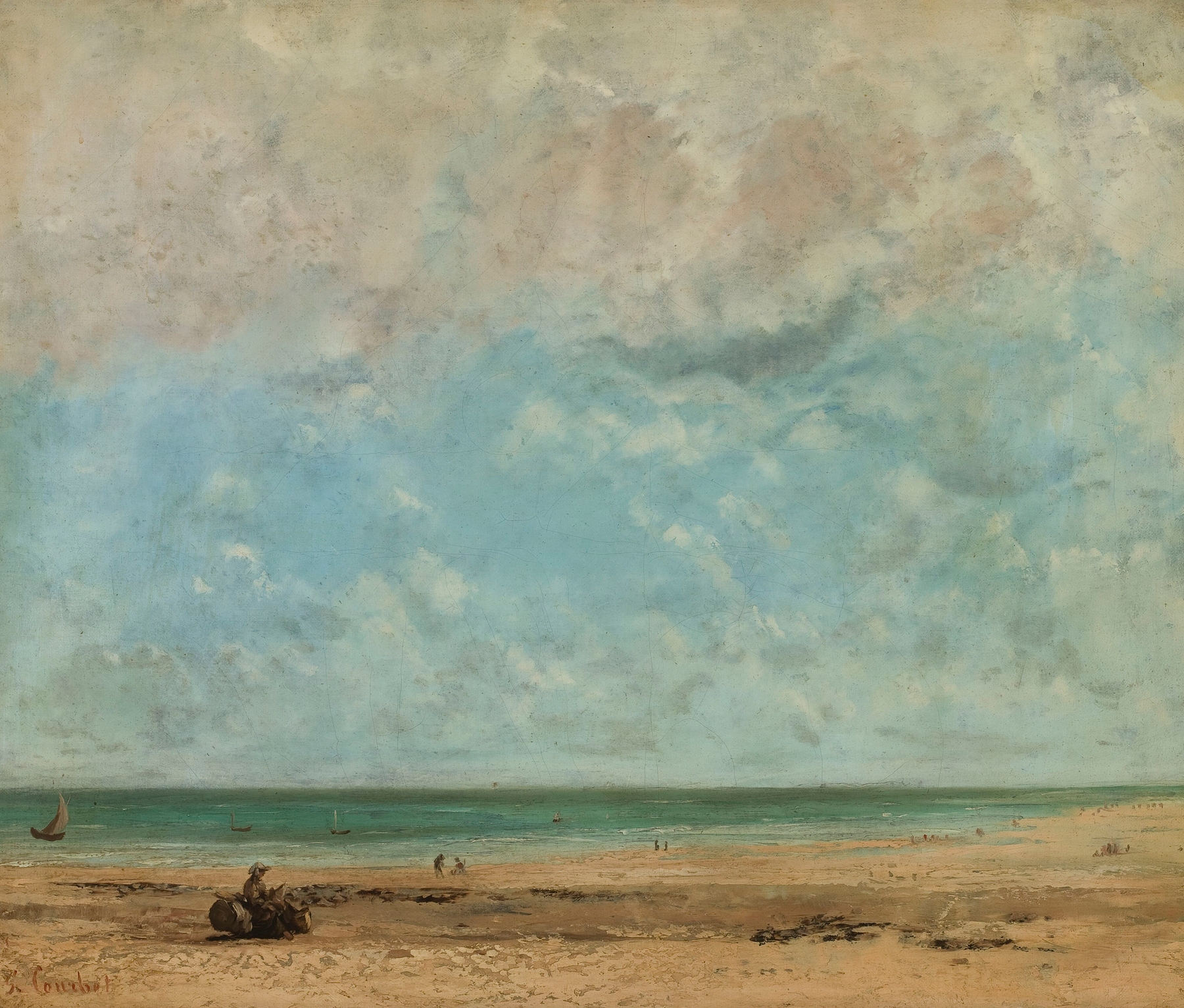
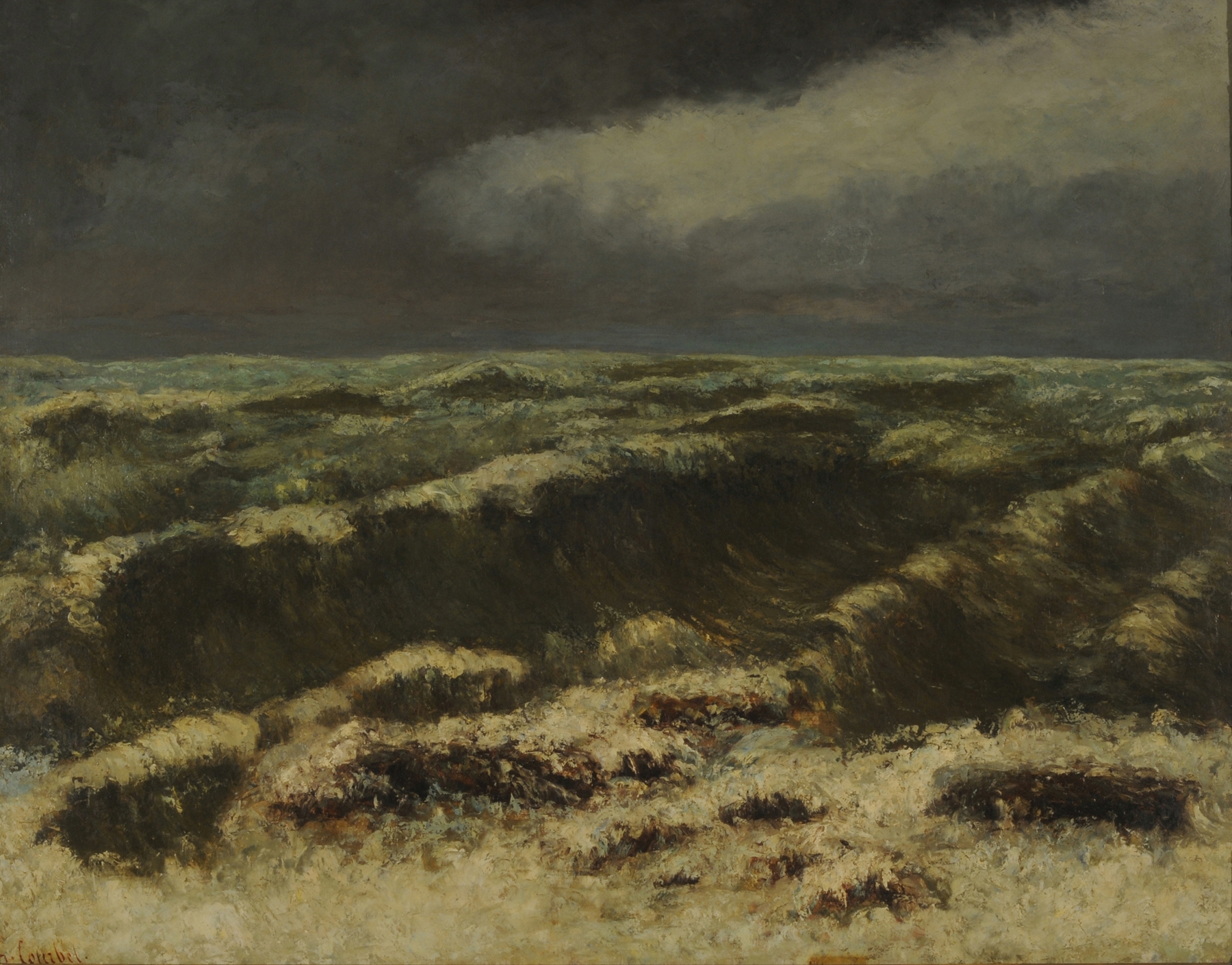
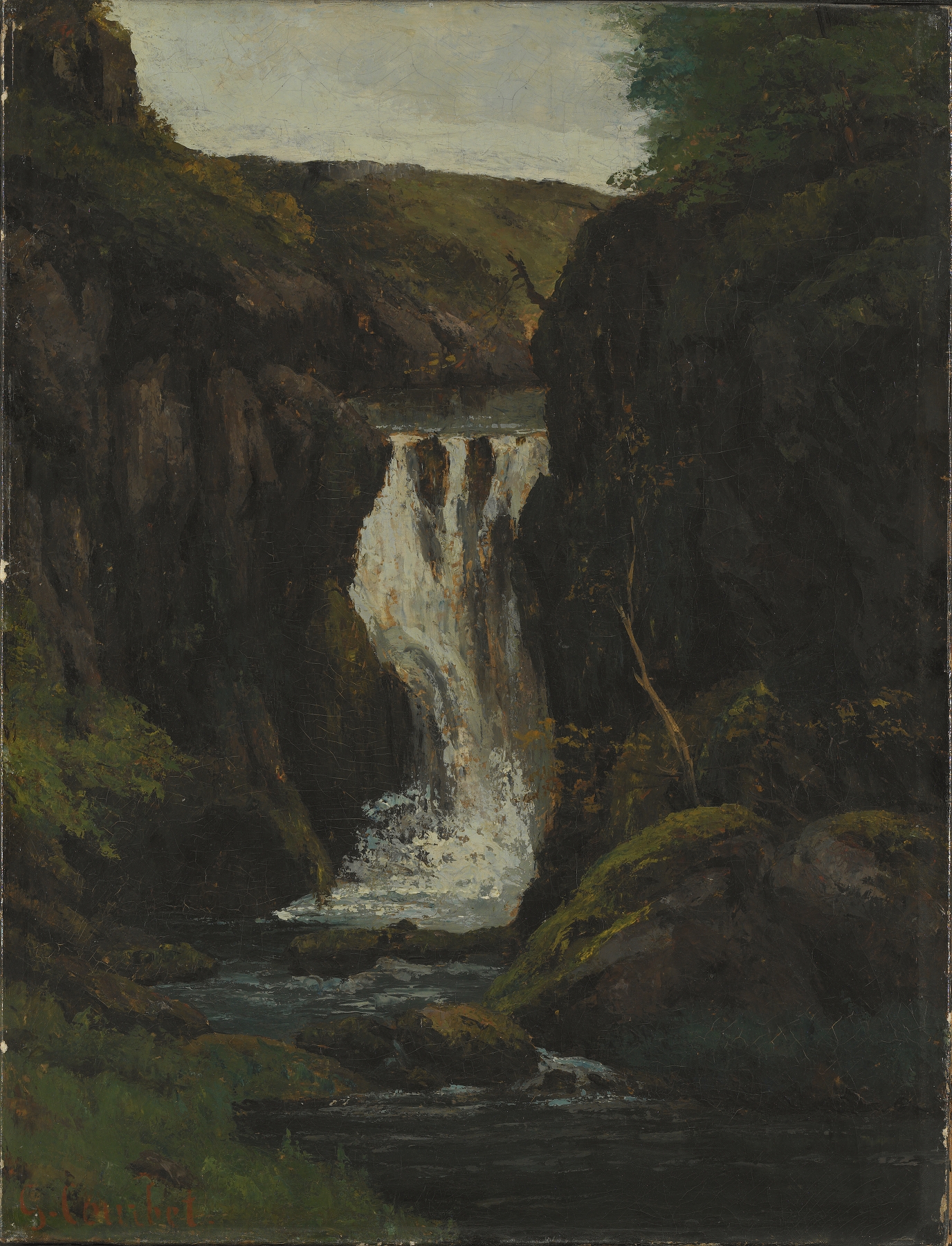
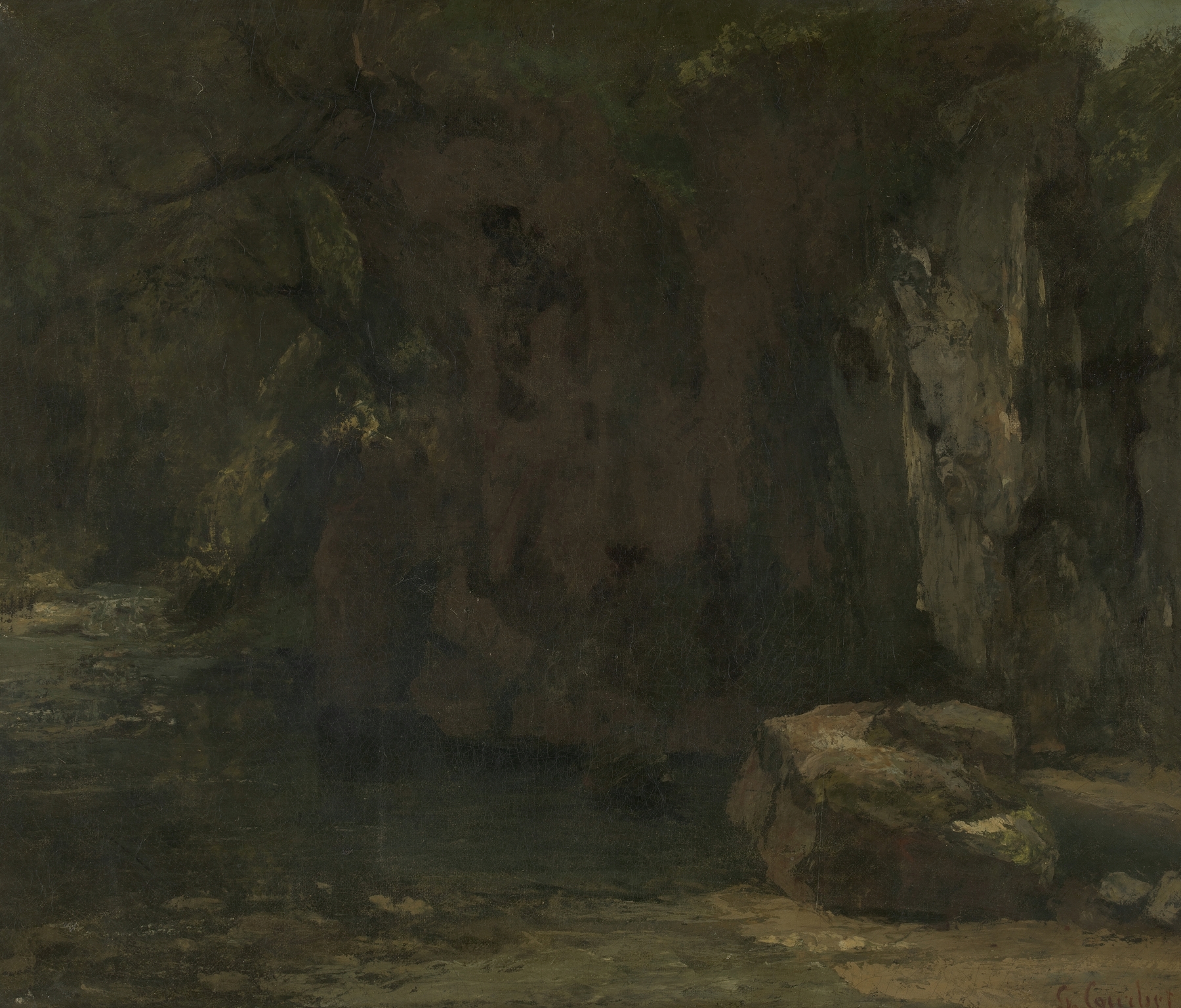
Did the painter know this moment would outlive them? In The Black Rocks at Trouville, a testament to fleeting beauty, time is captured, held within the interplay of land and sea. Look to the left at the imposing black rocks, their dark, jagged edges contrasting sharply against the foaming waves. Focus on the subtle gradients of blue and green in the water, swirling around the rocks, suggesting both movement and permanence. Notice how the sky, a mix of soft grays and whites, hints at a fleeting moment before a storm, leaving the viewer suspended between tranquility and turmoil.
The brushwork is bold yet delicate, each stroke a whisper of nature's power, urging us to feel rather than merely observe. Beneath the surface of this tranquil coastal scene lies a tension between permanence and ephemerality. The rocks, steadfast against the relentless waves, embody resilience, while the churning sea encapsulates the passage of time, ever-changing yet eternal. The artist's choice of color and light evokes a somber yet contemplative mood, prompting reflection on nature's cycles.
The contrast between the immovable and the transient speaks of a deeper existential contemplation—what lasts, and what slips away like the tide. In 1865-1866, Gustave Courbet painted this landscape while residing in Trouville, a popular retreat for artists seeking inspiration from the coastal scenery. At this time, Courbet was navigating the waters of realism and romanticism, striving to depict nature and life with authenticity. The mid-19th century was a pivotal moment in art, marked by a movement towards capturing the raw, unidealized beauty of the world, and this work exemplifies that shift.