The Bridge at Bineau — History & Analysis
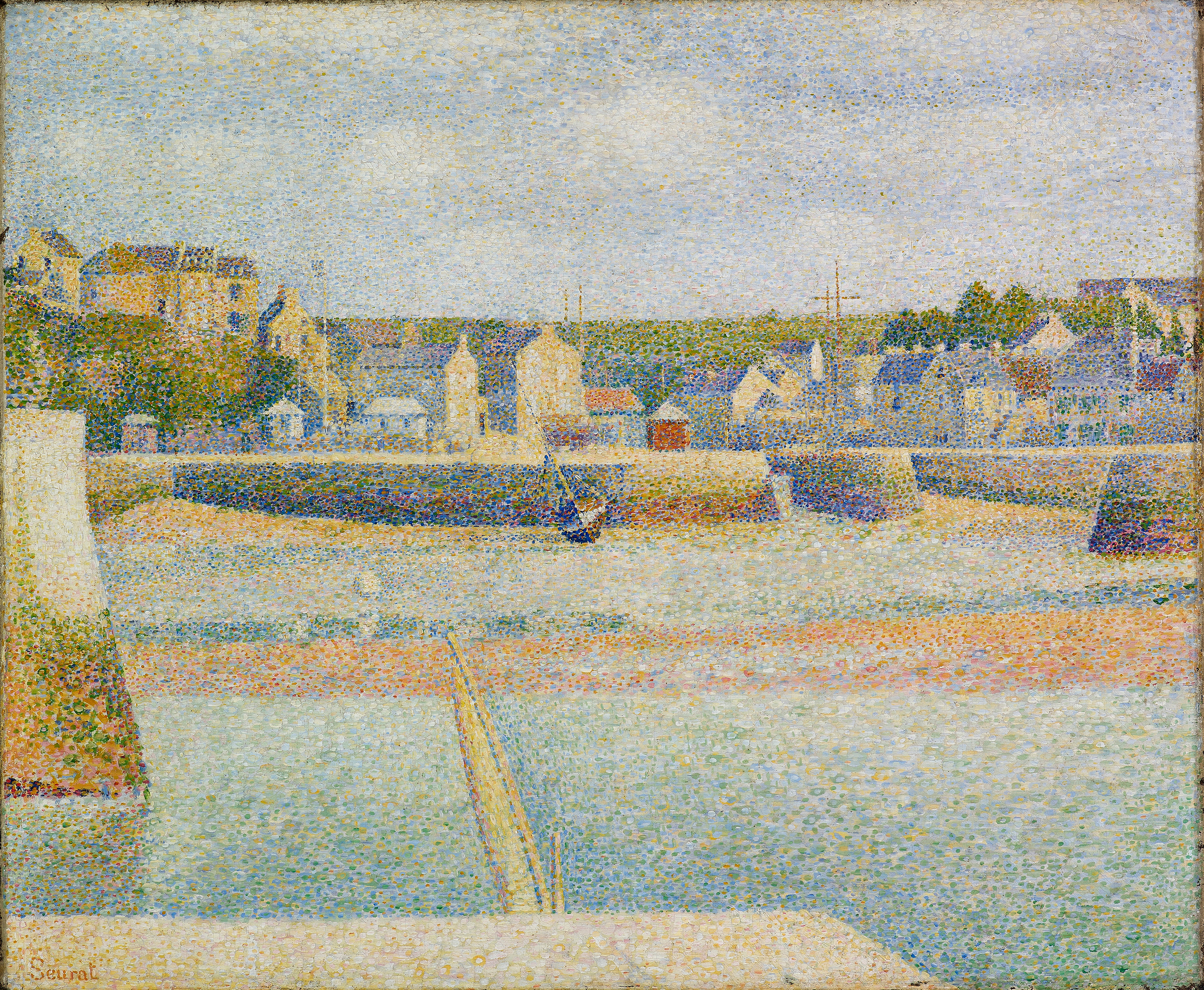
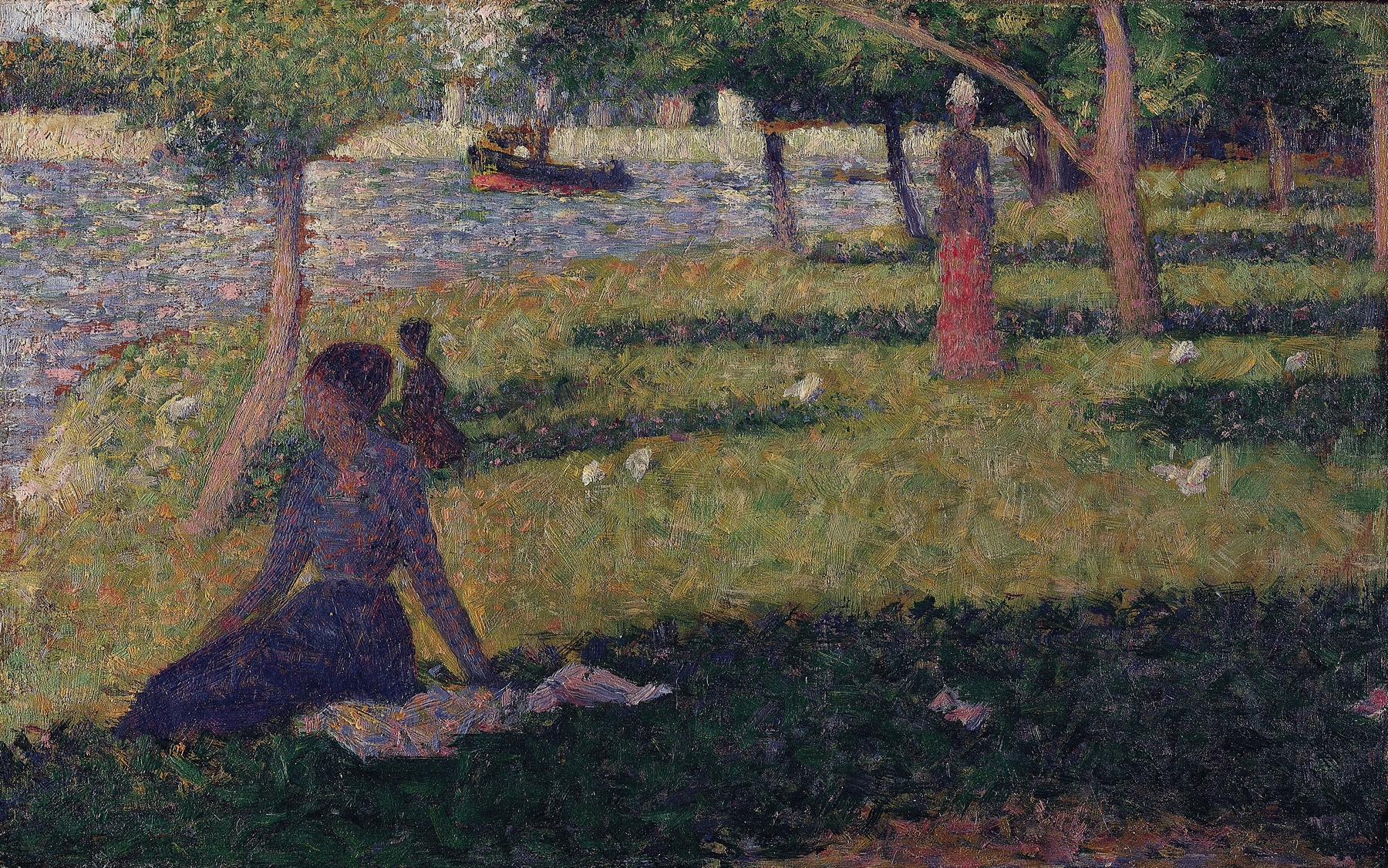
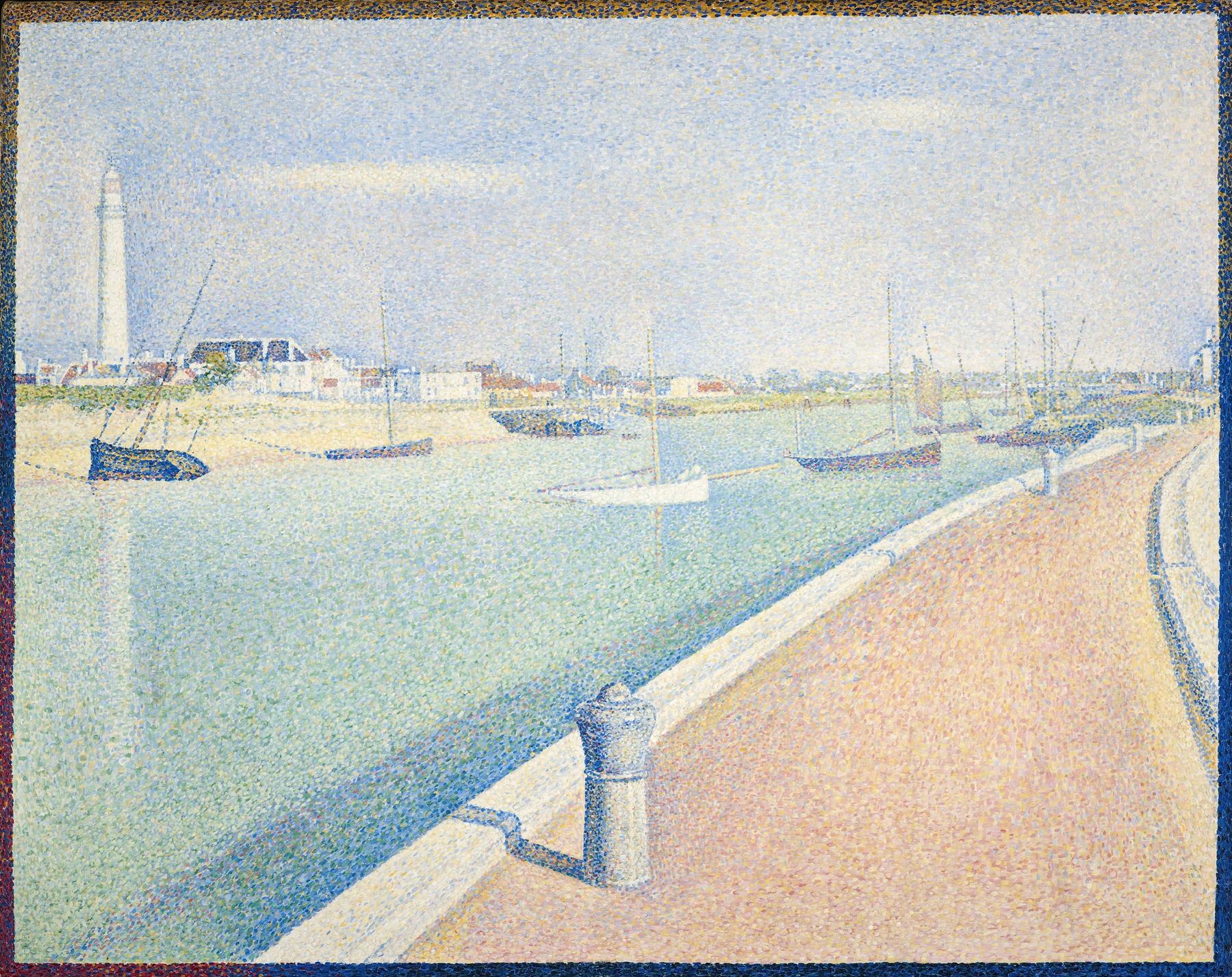
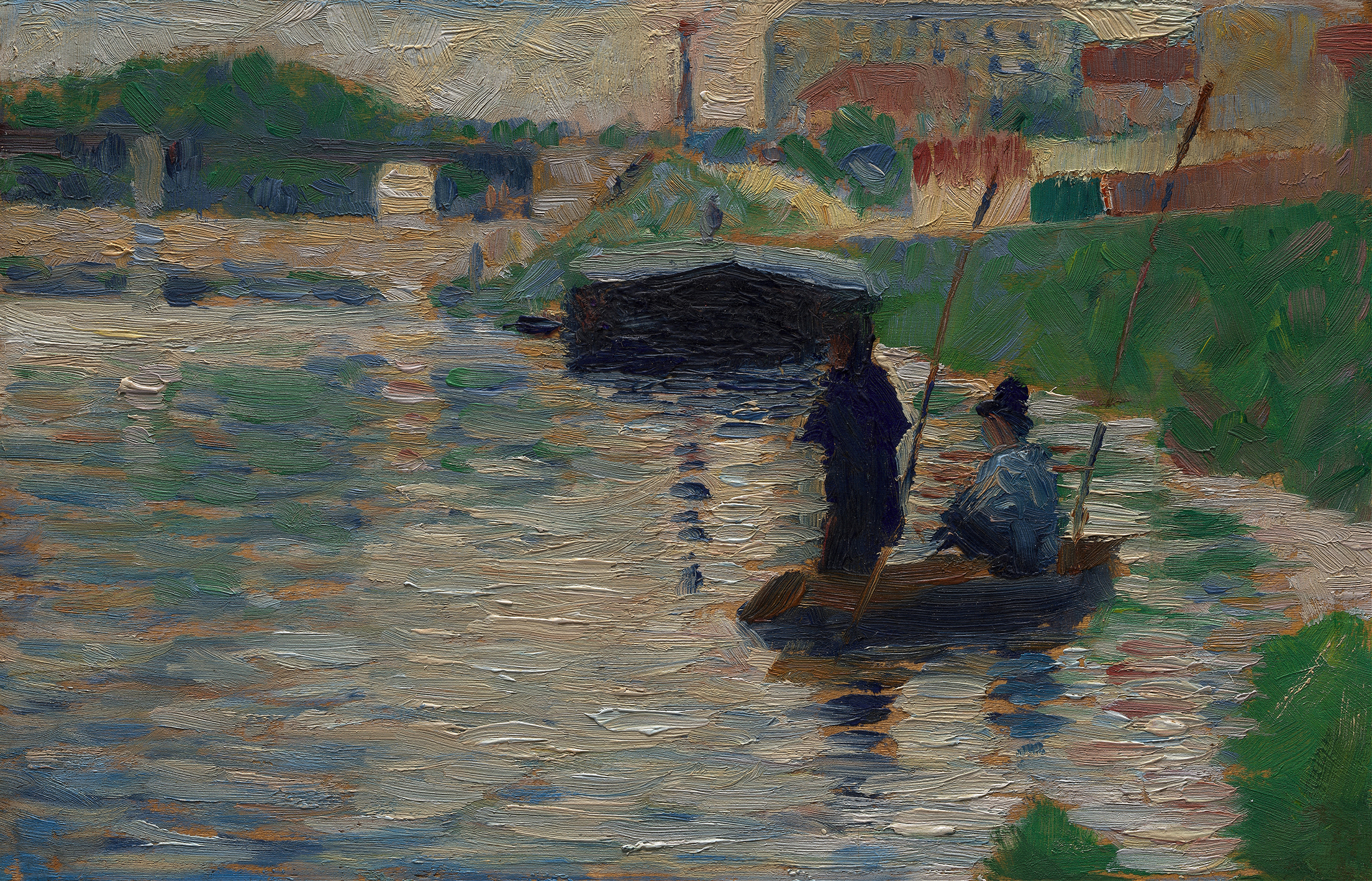
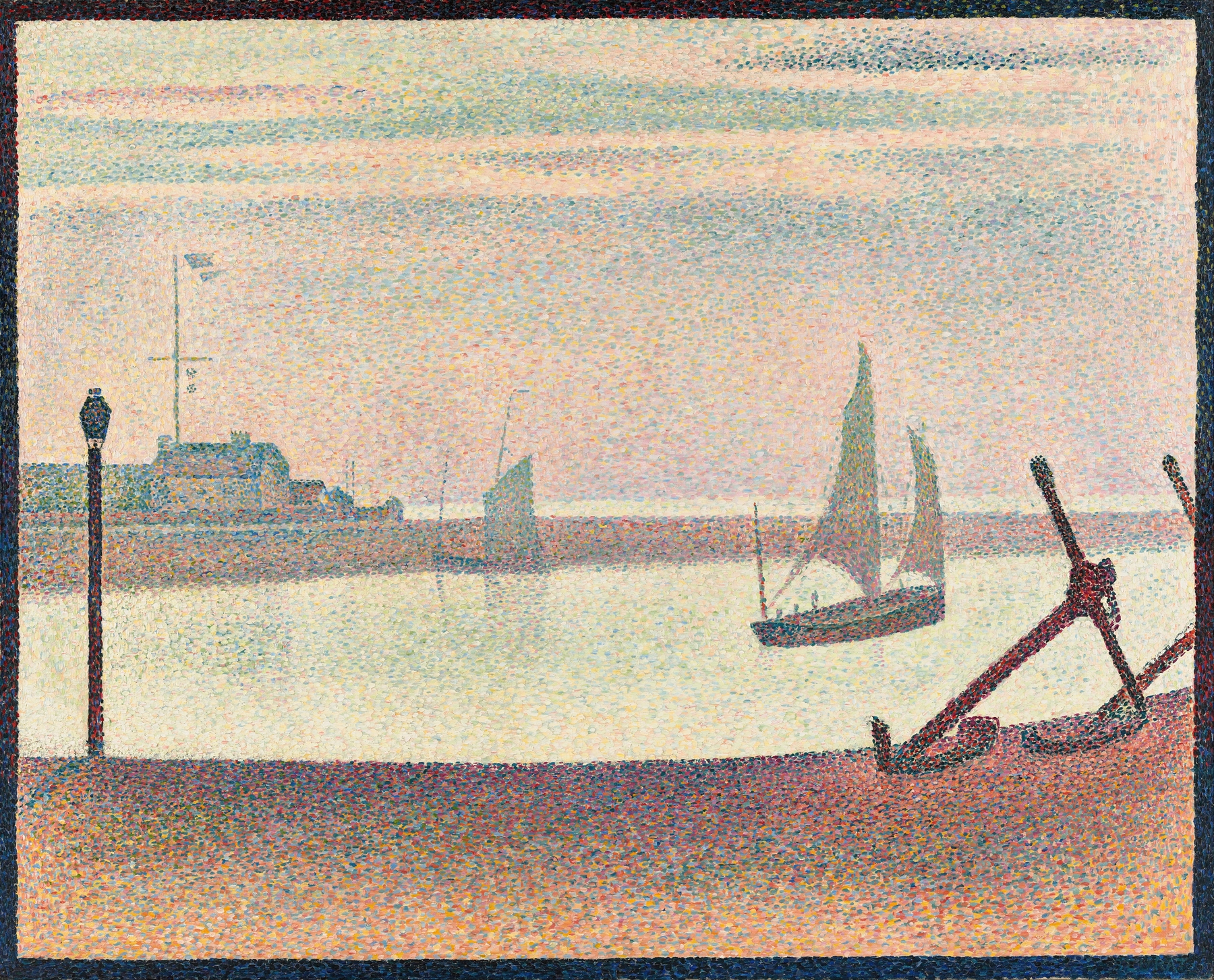
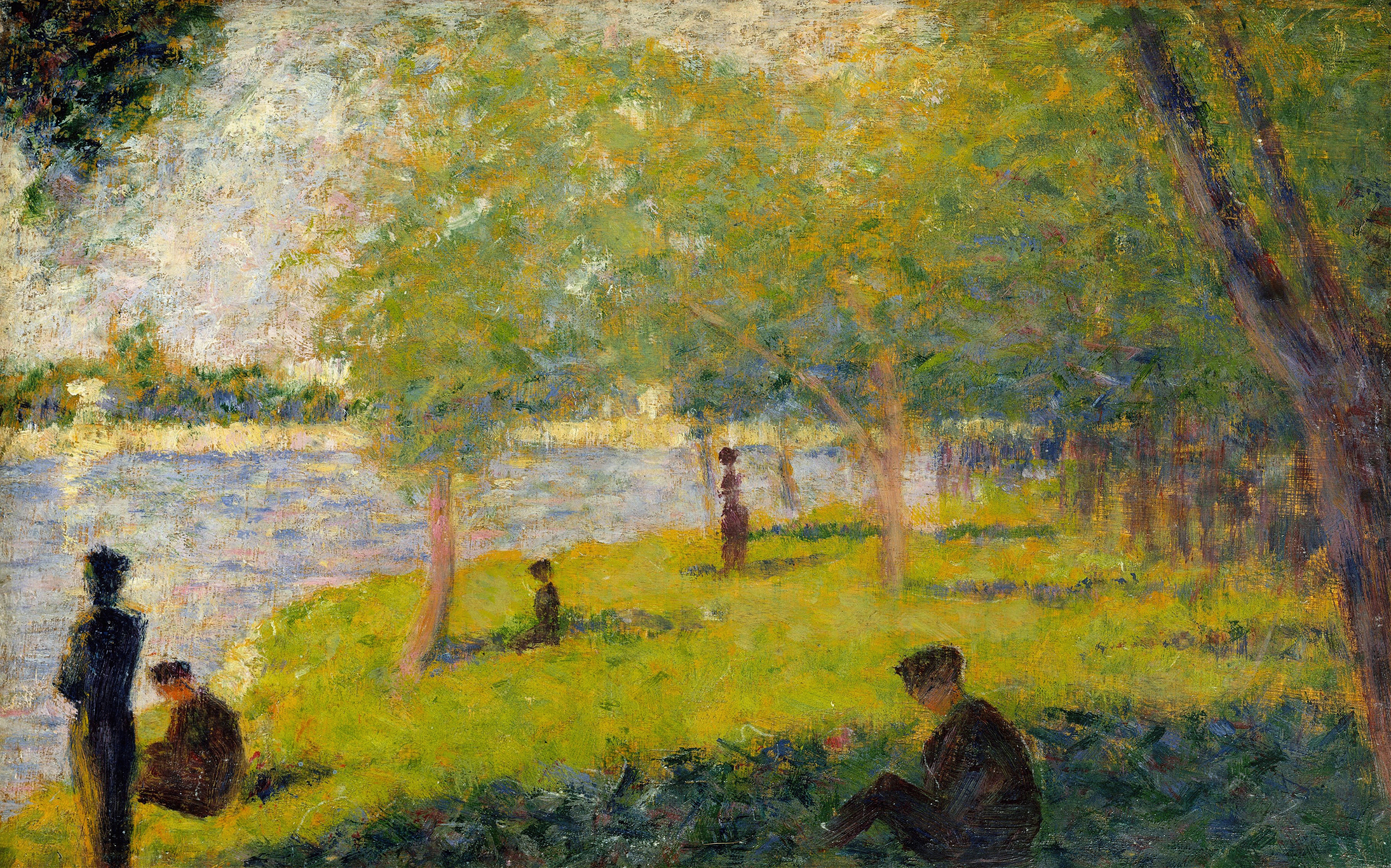
When did color learn to lie? The quiet melancholy of this artwork lingers like a soft whisper, beckoning viewers to unravel the layers beneath its chromatic surface. Look to the center of the canvas, where a gentle arch of a bridge guides the eye toward distant shores, painted in muted hues that suggest a world waiting to be discovered. Notice how the dappled light dances across the water’s surface, reflecting fleeting moments of brilliance while casting deeper shadows that hint at unspoken narratives.
The palette, dominated by earthy greens and blues, creates an atmosphere of introspection, drawing upon contrast to provoke a visceral response. Beneath the apparent tranquility lies a tension, a sense of isolation that stretches through the figures on the bridge—absent of any explicit interaction. Each individual seems engrossed in their own thoughts, reflecting a broader commentary on solitude amid connection. The interplay between light and shadow serves as a metaphor for the duality of experience; joy is fleeting, and melancholy often lingers unacknowledged.
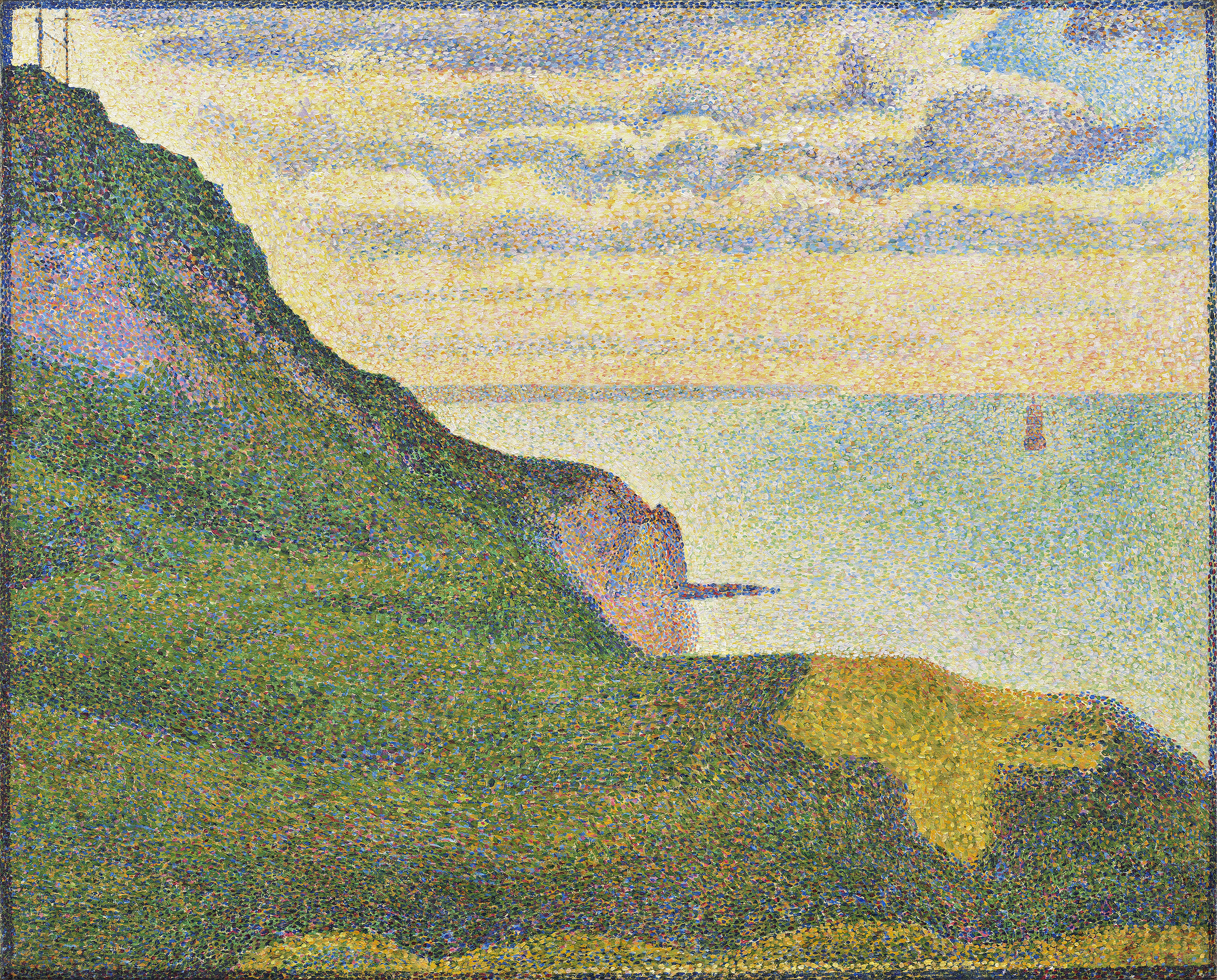
The bridge itself symbolizes a threshold, a passage between states of being, where the vibrant energy of life meets the stillness of reflection. Created during the late 19th century, this piece emerged from the heart of the post-impressionist movement, a time when Seurat was deeply engaged with theories of color and composition. Working in Paris, he sought to capture the ephemeral nature of life using pointillism, a technique that revolutionized the way color was perceived on canvas. The artist's exploration of light and emotion in this work reflects both his personal struggles and the broader shifts in the art world, as he endeavored to convey profound truths hidden within the ordinary.