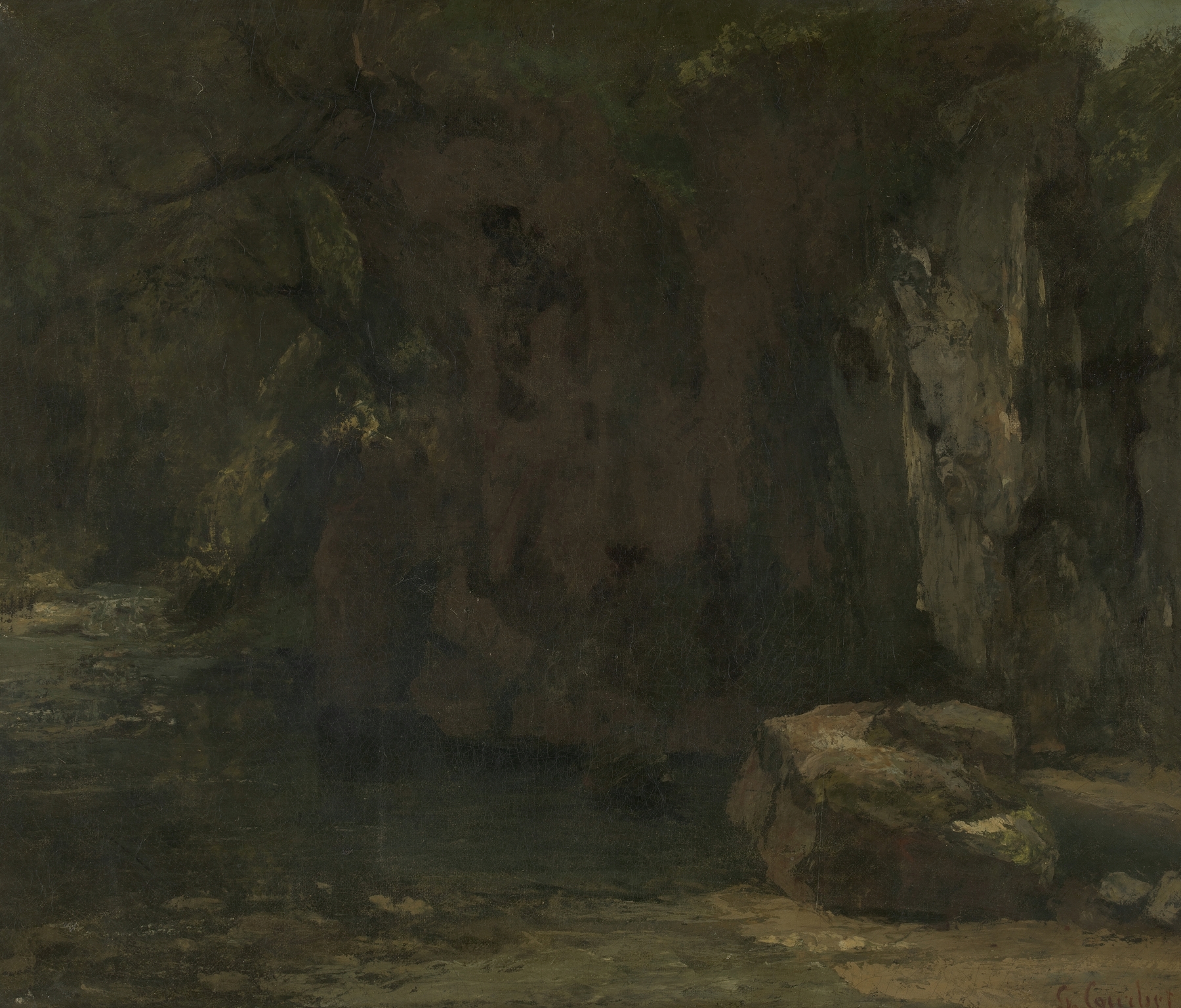
The Brook of Les Puits-Noir — History & Analysis
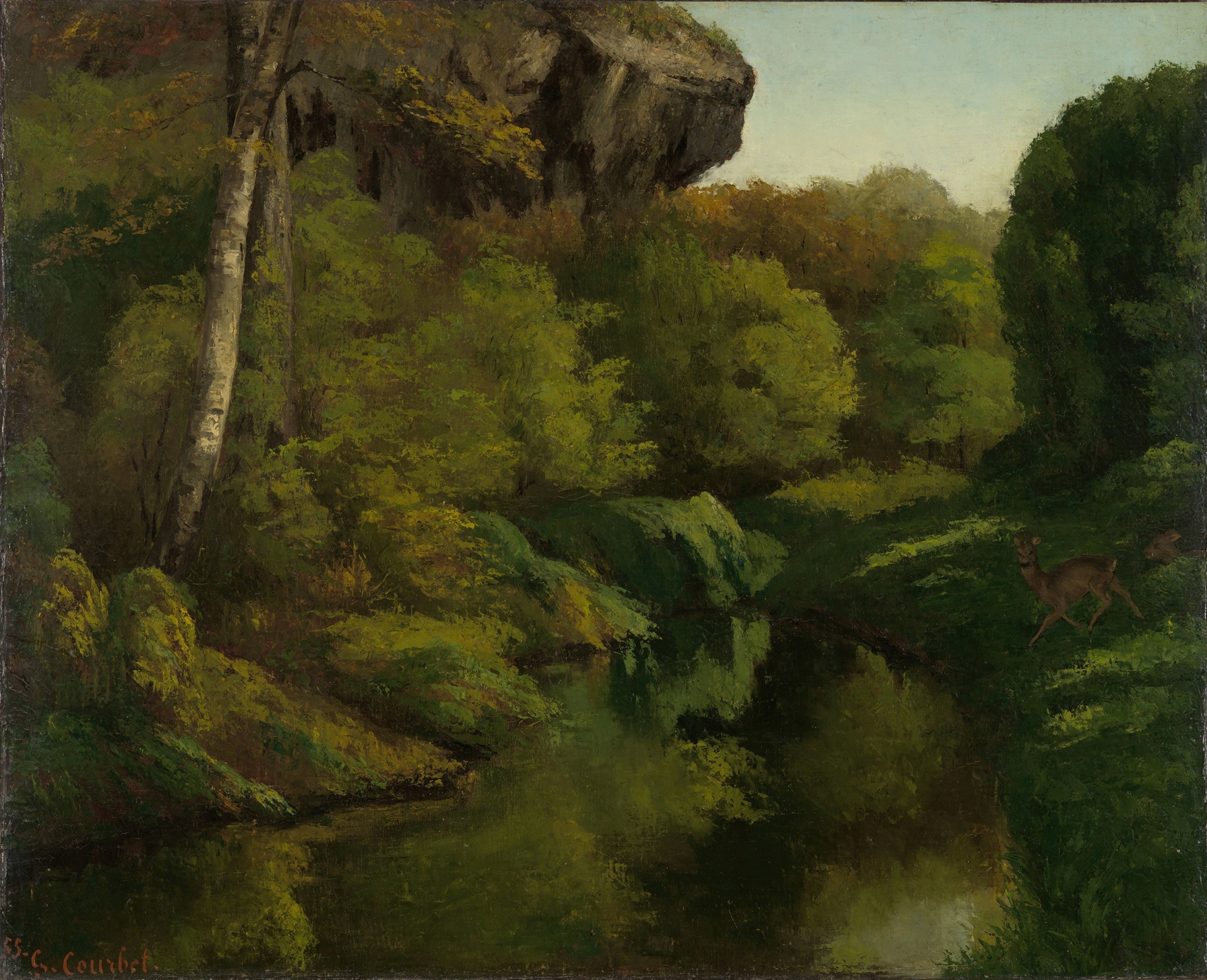
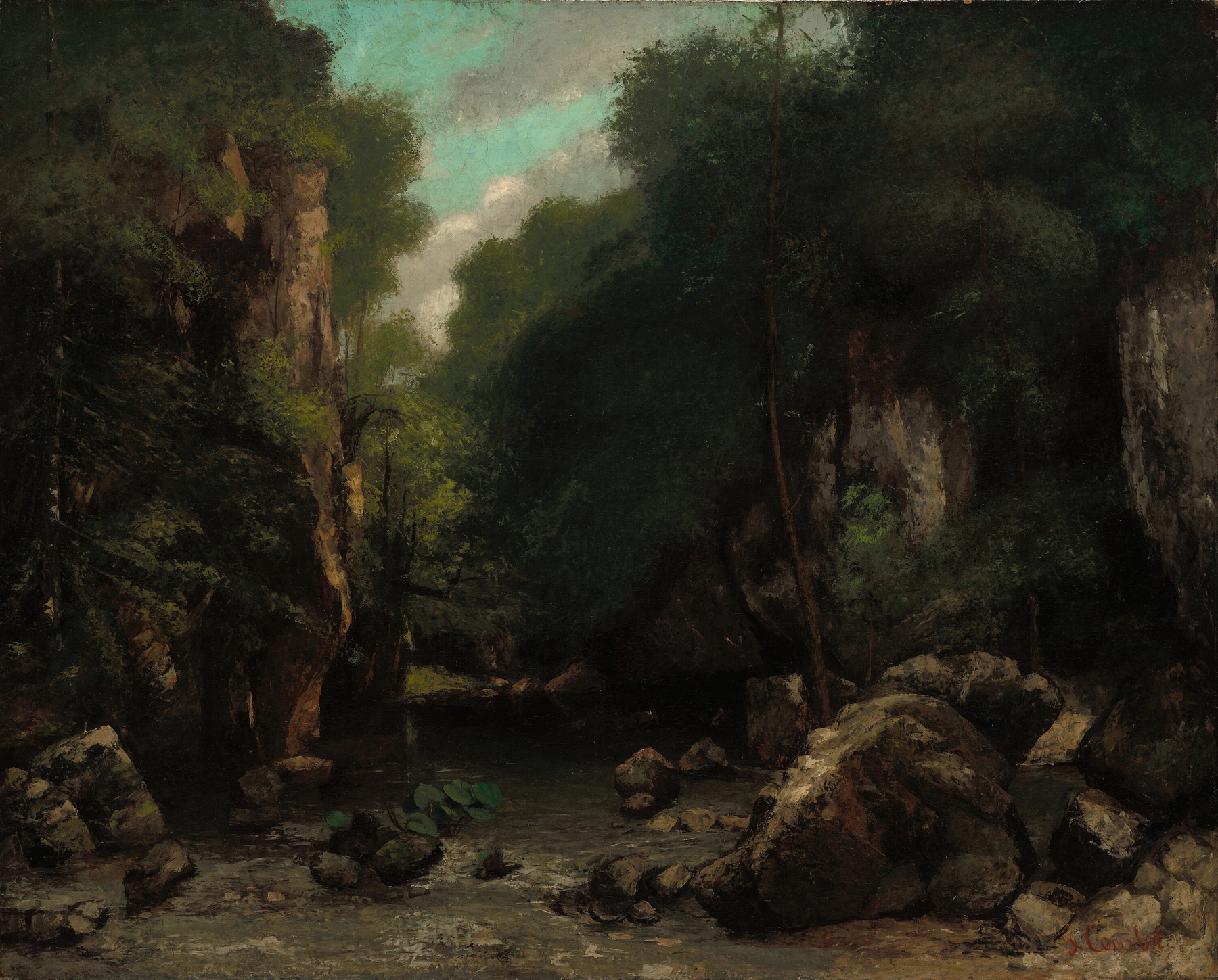
“Under the brush, chaos becomes grace.” In The Brook of Les Puits-Noir, the artist unveils a world where nature breathes life into chaos, revealing the serene order hidden within it. Look to the left, where the gnarled tree roots stretch out like skeletal fingers, their tangled forms echoing the complexity of the brook’s flow. Notice how the sunlight filters through the dense canopy above, casting dappled patterns on the water’s surface, creating a shimmering pathway that draws the eye deeper into the scene. The rich palette of greens and browns, punctuated with strokes of vibrant blue and white, invites a sense of tranquility that contrasts with the underlying tumult of nature.
Yet, beneath this calm exterior lies a dialogue between light and shadow, chaos and clarity. The brook, with its restless currents, symbolizes the relentless passage of time and the metamorphosis of life. Look closely at the interplay of color—the vivid hues hint at the vitality of the stream, while the darker shades evoke the mystery lurking beneath the surface. This tension between the visible and the hidden invites a personal revelation, urging viewers to confront their own perceptions of nature’s dualities.
Courbet painted this work around 1855 in France, during a period of artistic upheaval marked by the rise of realism. At this time, he was deeply engaged in championing the beauty of the ordinary and the rawness of nature, steering away from the romantic idealism of his contemporaries. His dedication to capturing the authentic essence of the world around him reflects broader societal shifts as the Industrial Revolution began to alter landscapes and lifestyles irreversibly.