The Cattle Ferry — History & Analysis
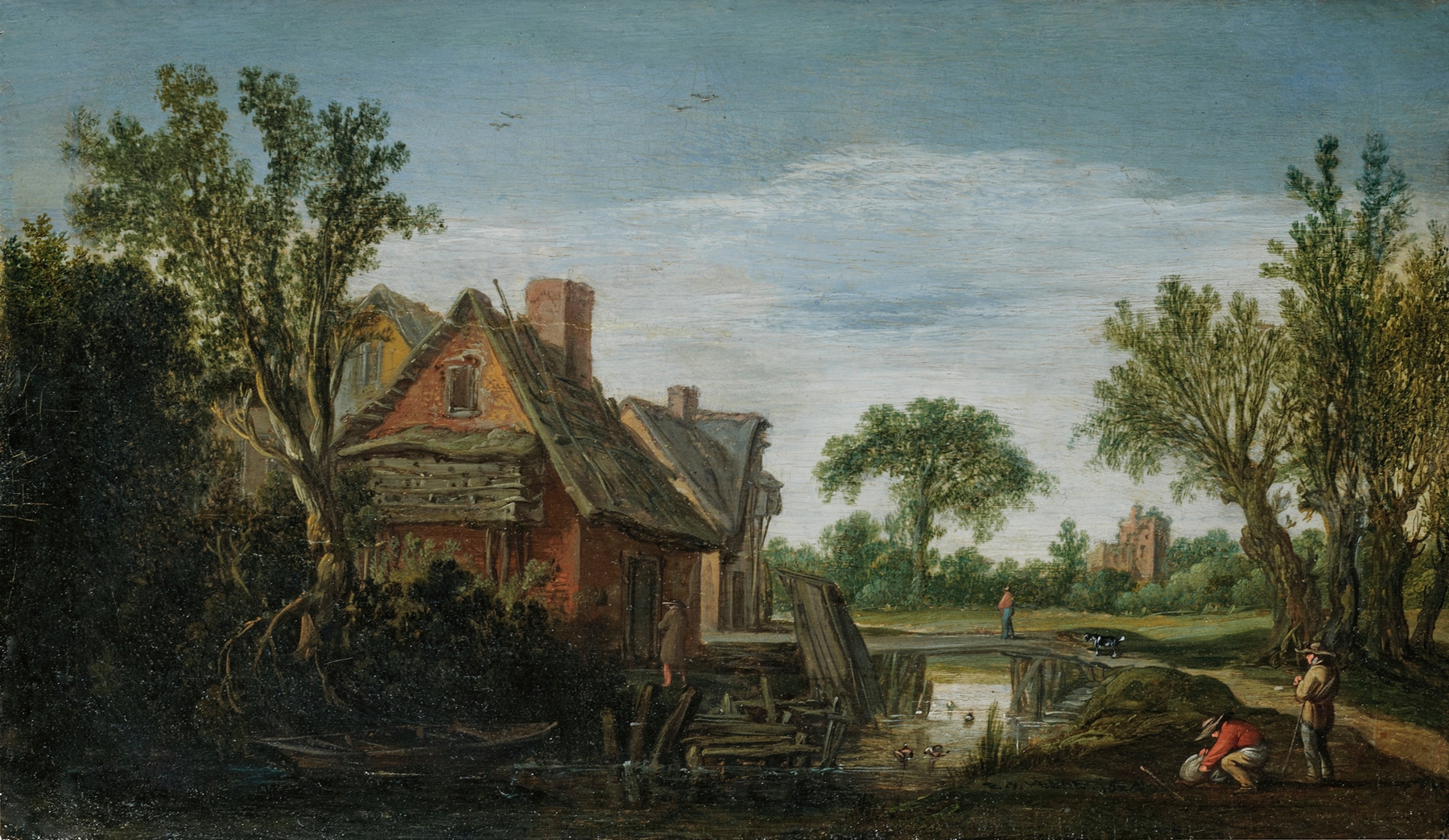
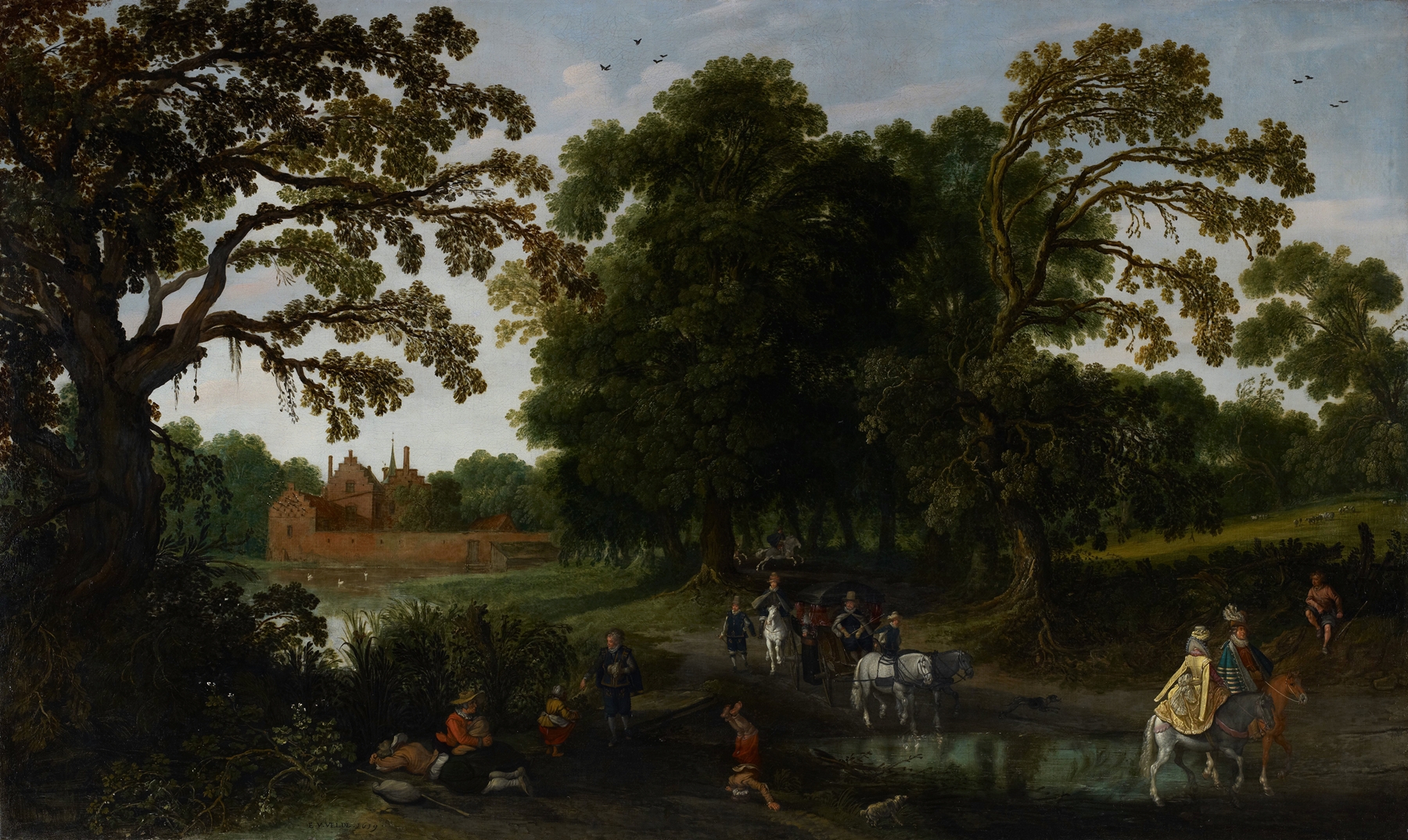
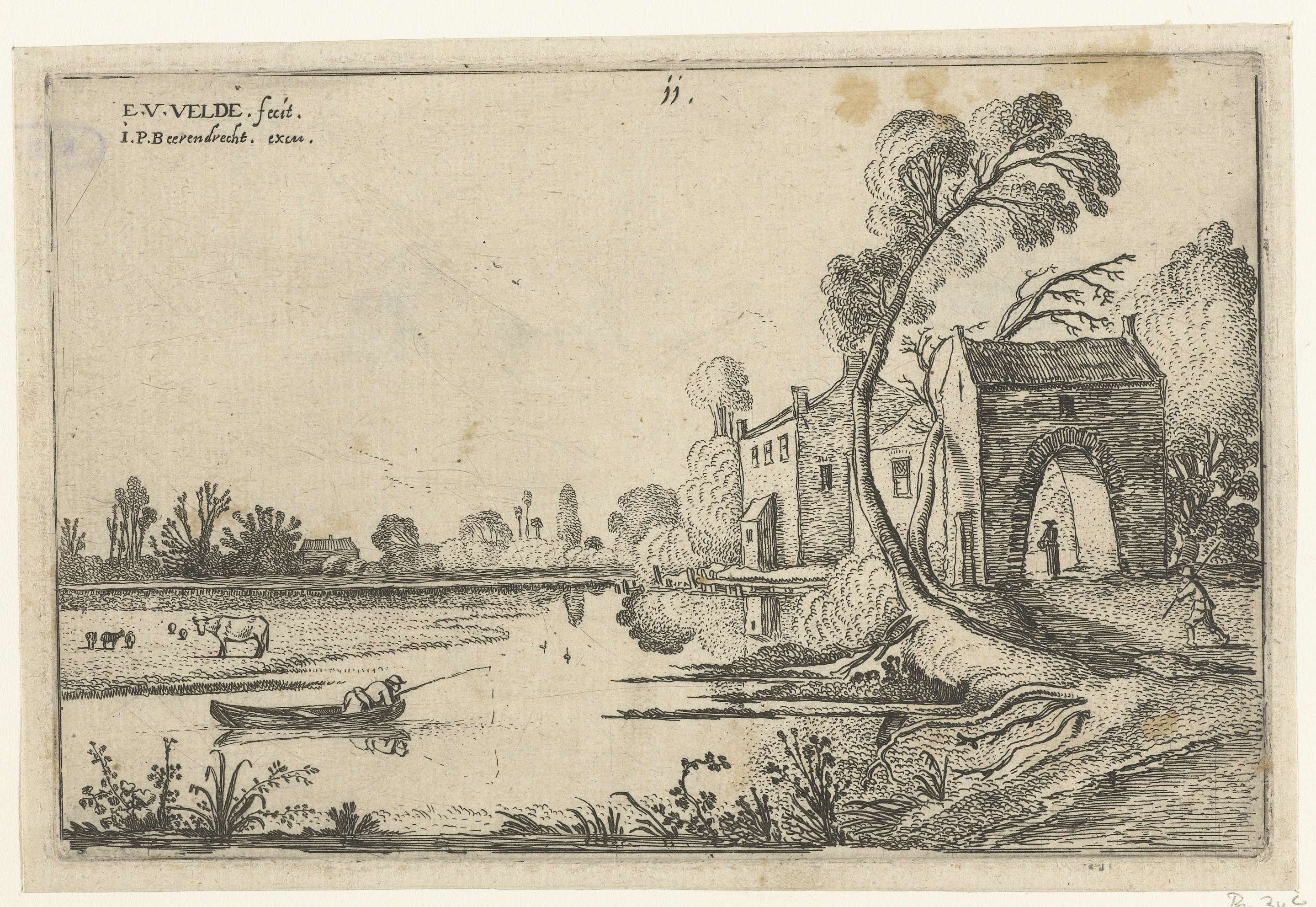
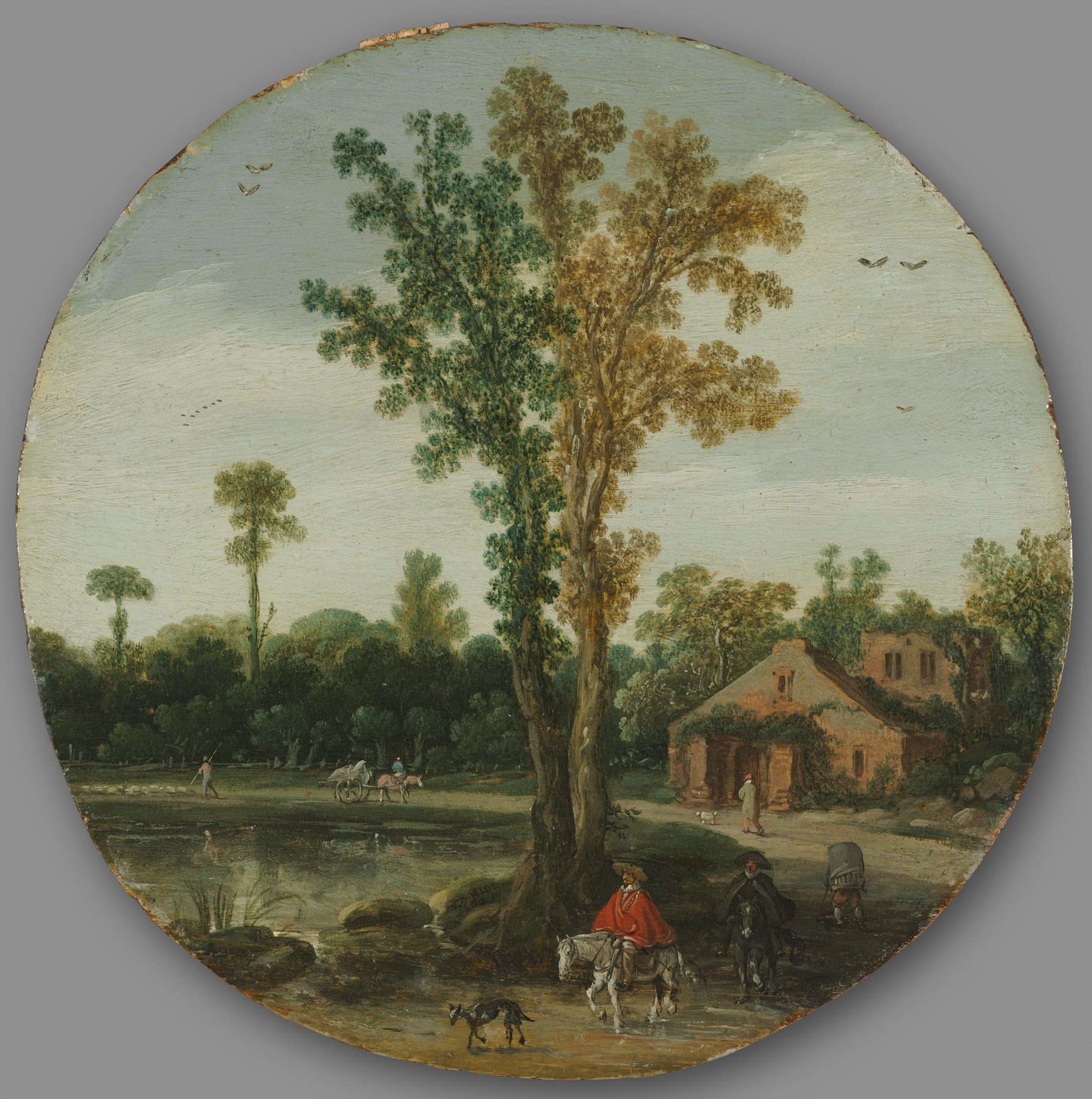
“Between color and silence, truth hides.” In the quiet spaces of a painted world, some obsessions unfold with a delicate touch, revealing more than meets the eye. Look to the left at the calm waters, their surface reflecting the pale blue sky, where the gentle ripples whisper secrets. Notice how the vibrant greens of the bank contrast against the earthy tones of the ferryman’s modest clothing, grounding the scene in the reality of everyday labor. The composition leads us toward the central ferry, where figures are caught in an intimate exchange, their gestures capturing the essence of both duty and connection.
The play of light, especially the soft highlights on their faces, creates a palpable tension, hinting at the gravity of their task amid serene surroundings. Delve deeper into the subtle interplay between labor and leisure. The presence of the cattle, patiently waiting while their owners navigate the crossing, suggests a profound relationship between man and nature—one of dependence and coexistence. Each stroke of the brush reveals a narrative of obsession, as the artist meticulously details the textures of the water and the expressions of the ferryman, conveying a deeper commentary on the human condition and the mundane rituals of life.
In 1622, while residing in Haarlem, Esaias van de Velde created this remarkable piece during a period marked by the burgeoning Dutch Golden Age, where landscape painting flourished. This was a time when artists turned their focus towards everyday life and nature, emphasizing realism and the beauty of common scenes. Amidst political and social changes, the artist found solace in his craft, capturing the essence of the world around him with precision and passion.