The Church of St. Etienne-du-Mont, Paris — History & Analysis
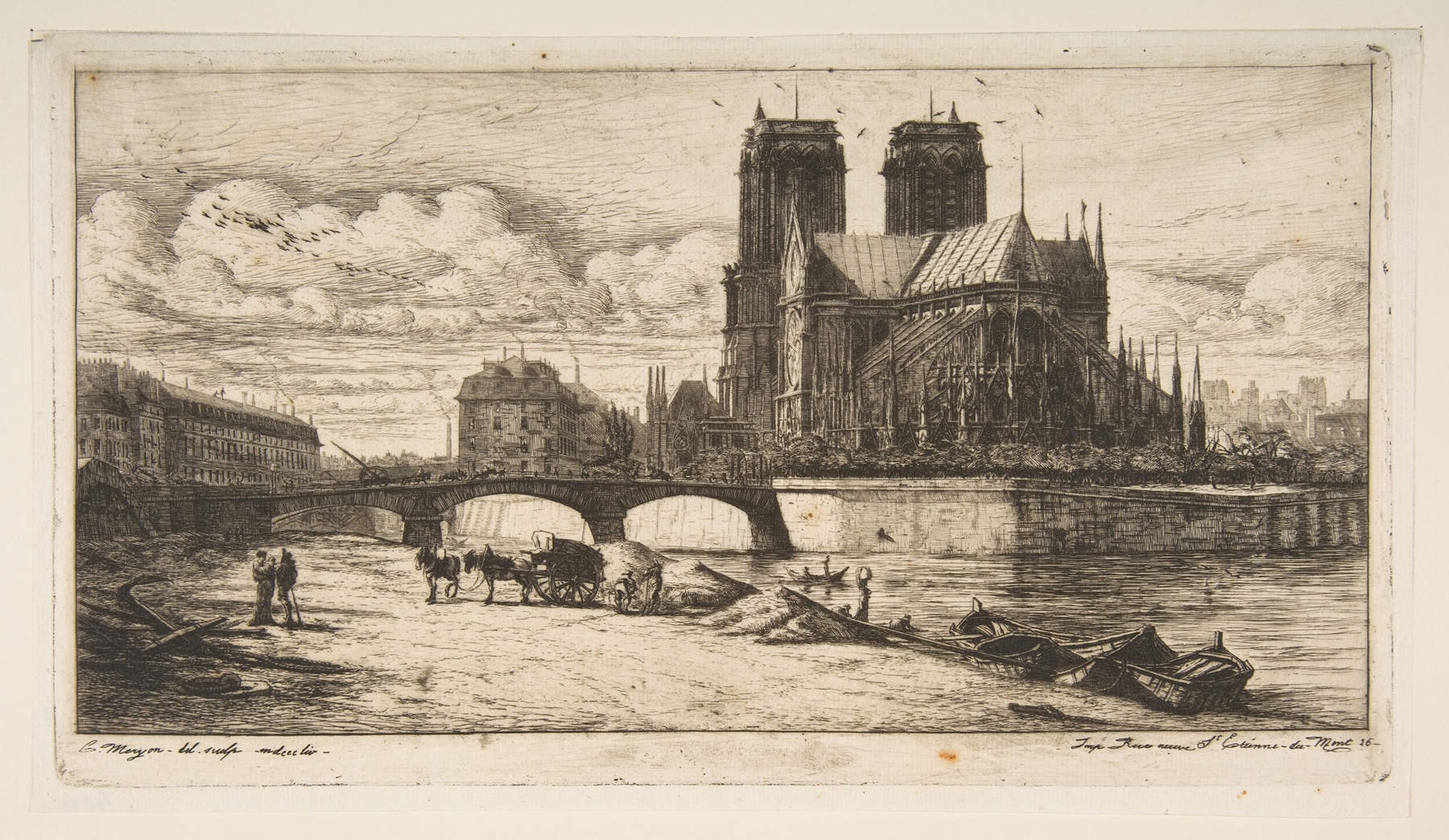
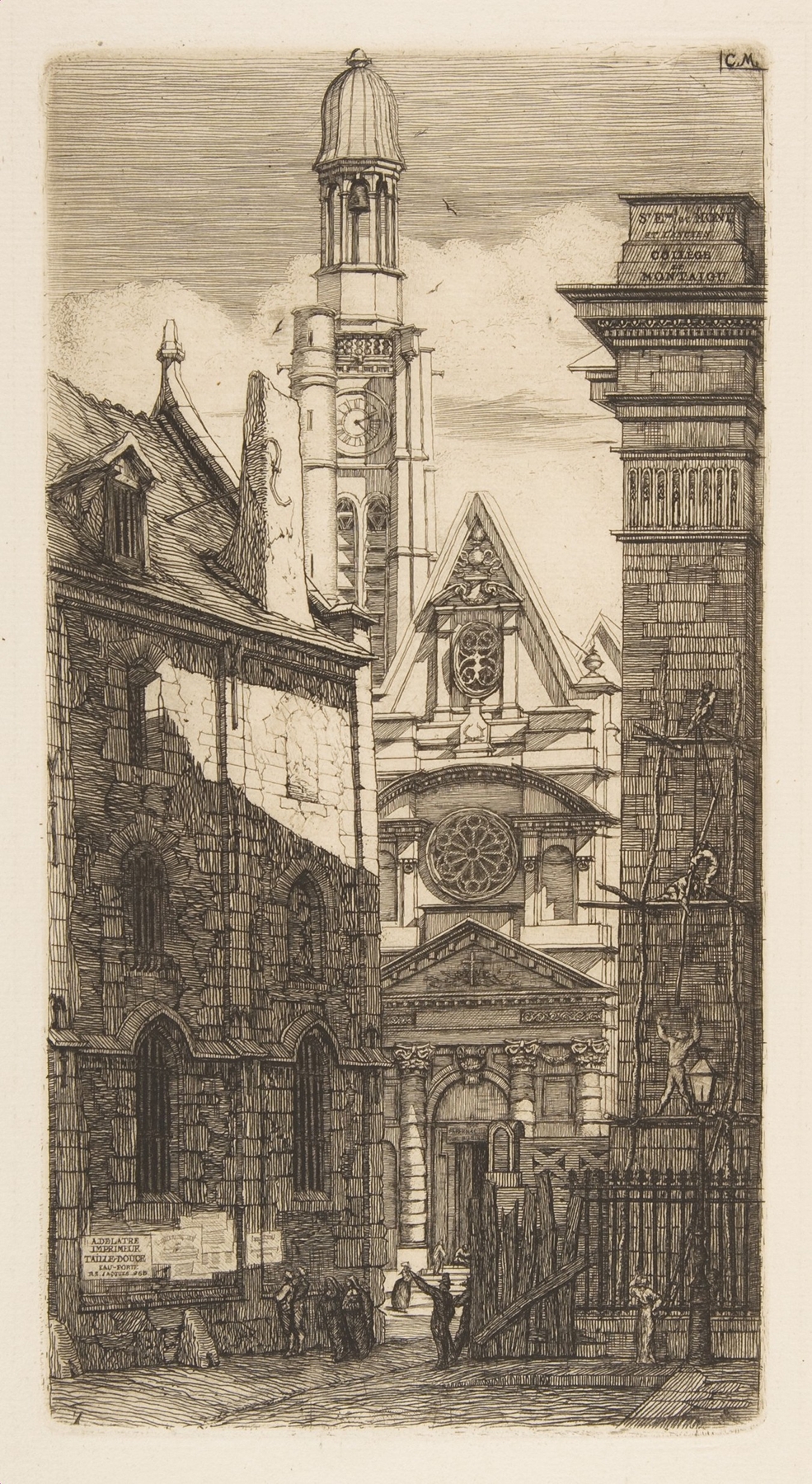
When did color learn to lie? Perhaps in the moments when light dances across a weathered facade, revealing truths hidden beneath a veil of illusion. In The Church of St. Etienne-du-Mont, we encounter the interplay of light and shadow, an intricate dialogue where architecture breathes and history whispers its secrets. Look to the left at the soaring spire that reaches defiantly toward the heavens, a testament to both faith and craftsmanship.
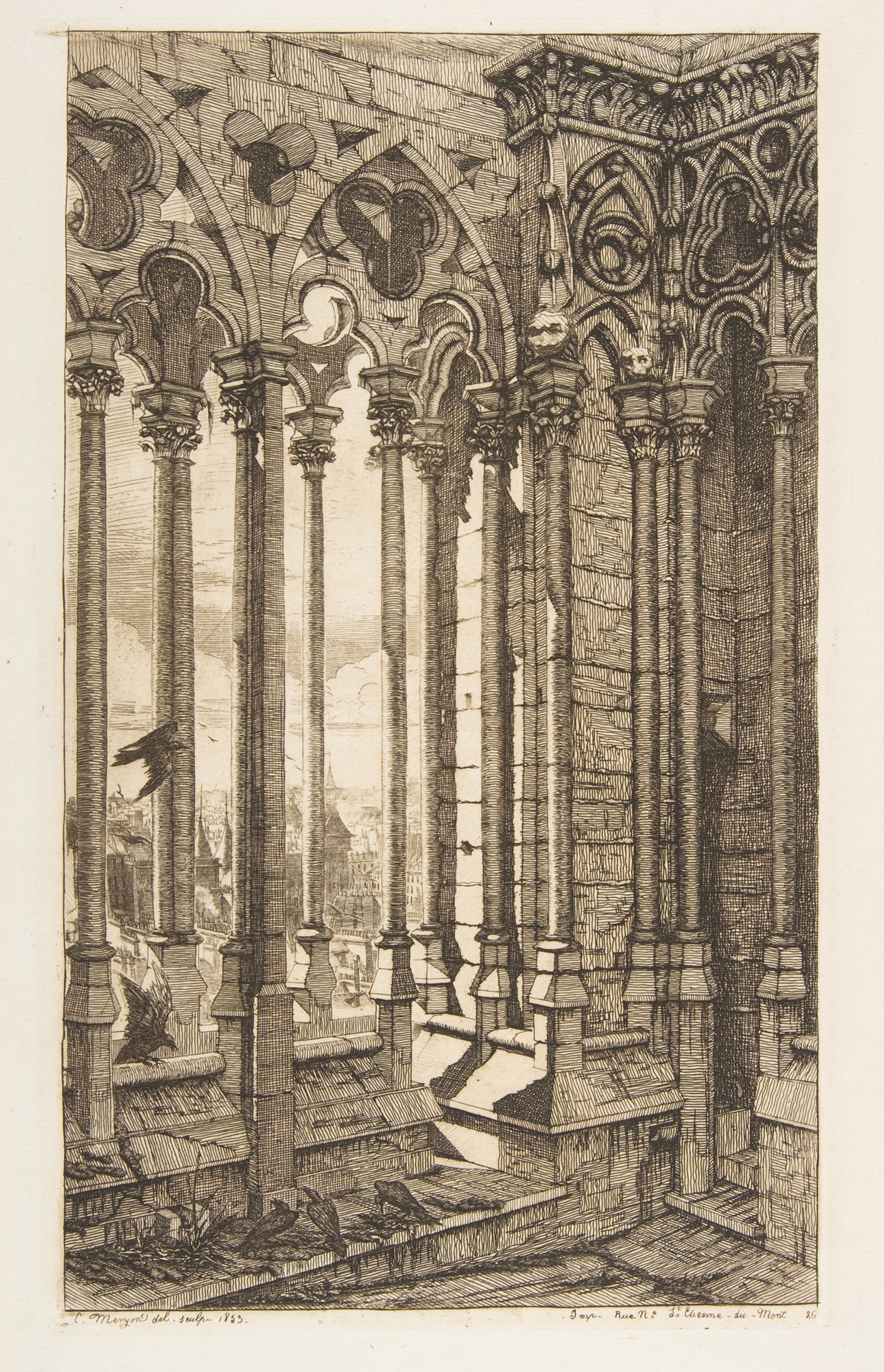
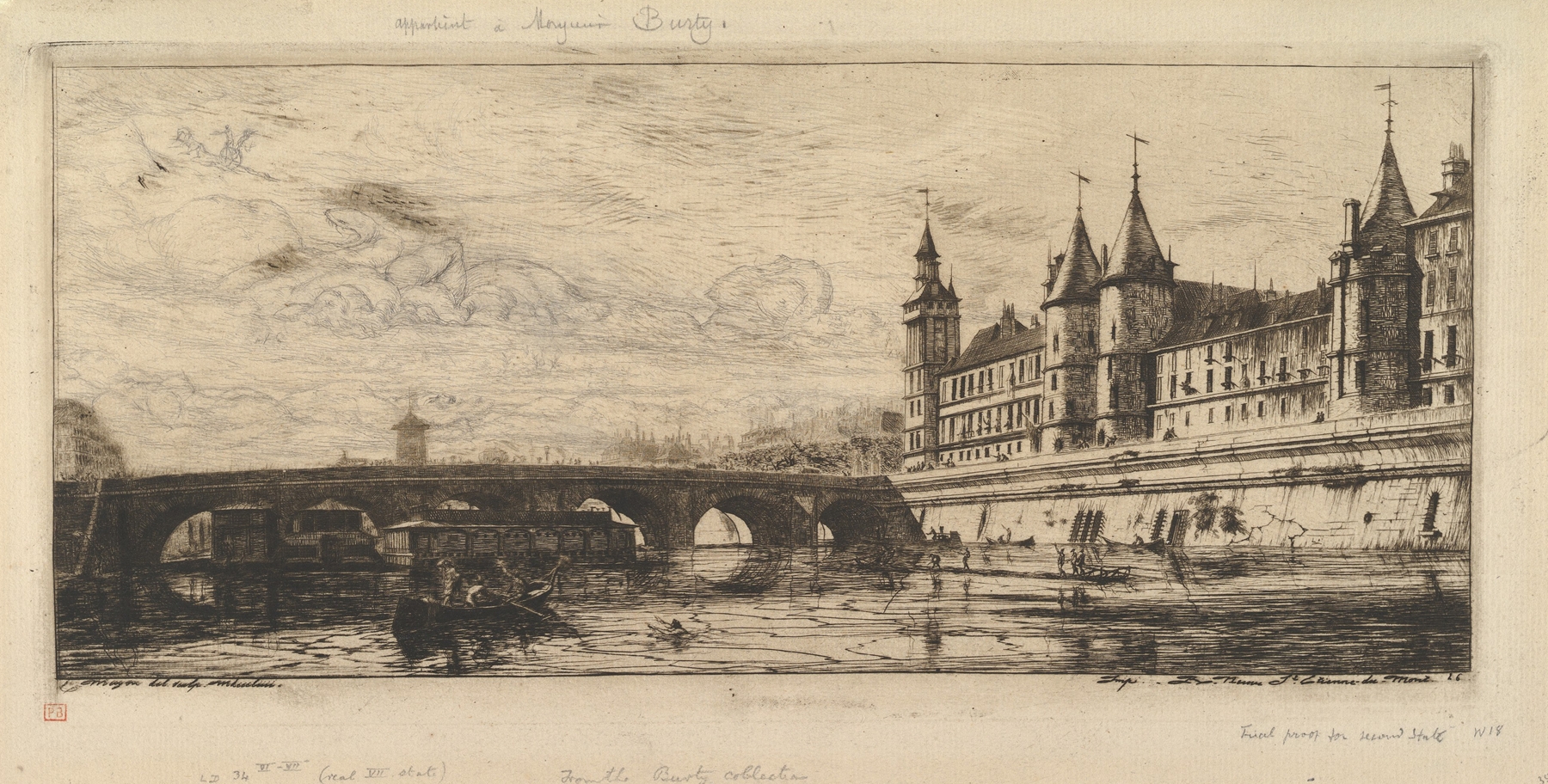
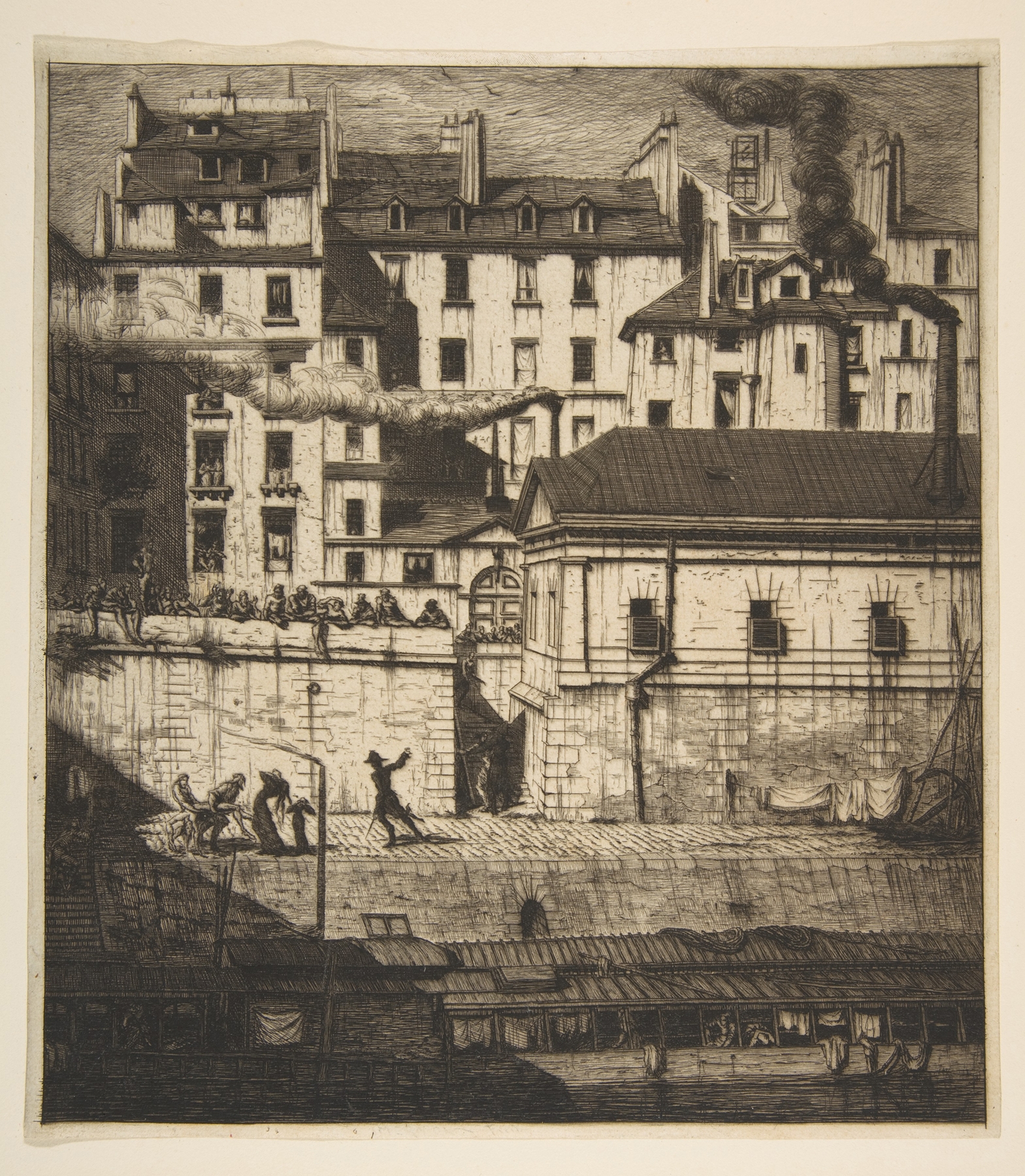
Notice how Meryon's delicate lines capture the church's ornate details, from the graceful arches to the textured stonework, all bathed in a soft illumination that imbues the scene with a dreamlike quality. The subtle sepia tones blend harmoniously, allowing the viewer to feel the weight of centuries resting upon this sacred ground. Yet, within this serene composition lies a tension between permanence and ephemerality. The light, both illuminating and ethereal, suggests a fleeting moment in time, while the sturdy church stands resolute against the passage of years. The interplay invites contemplation about the nature of beauty — is it a fleeting glimpse or an enduring legacy?
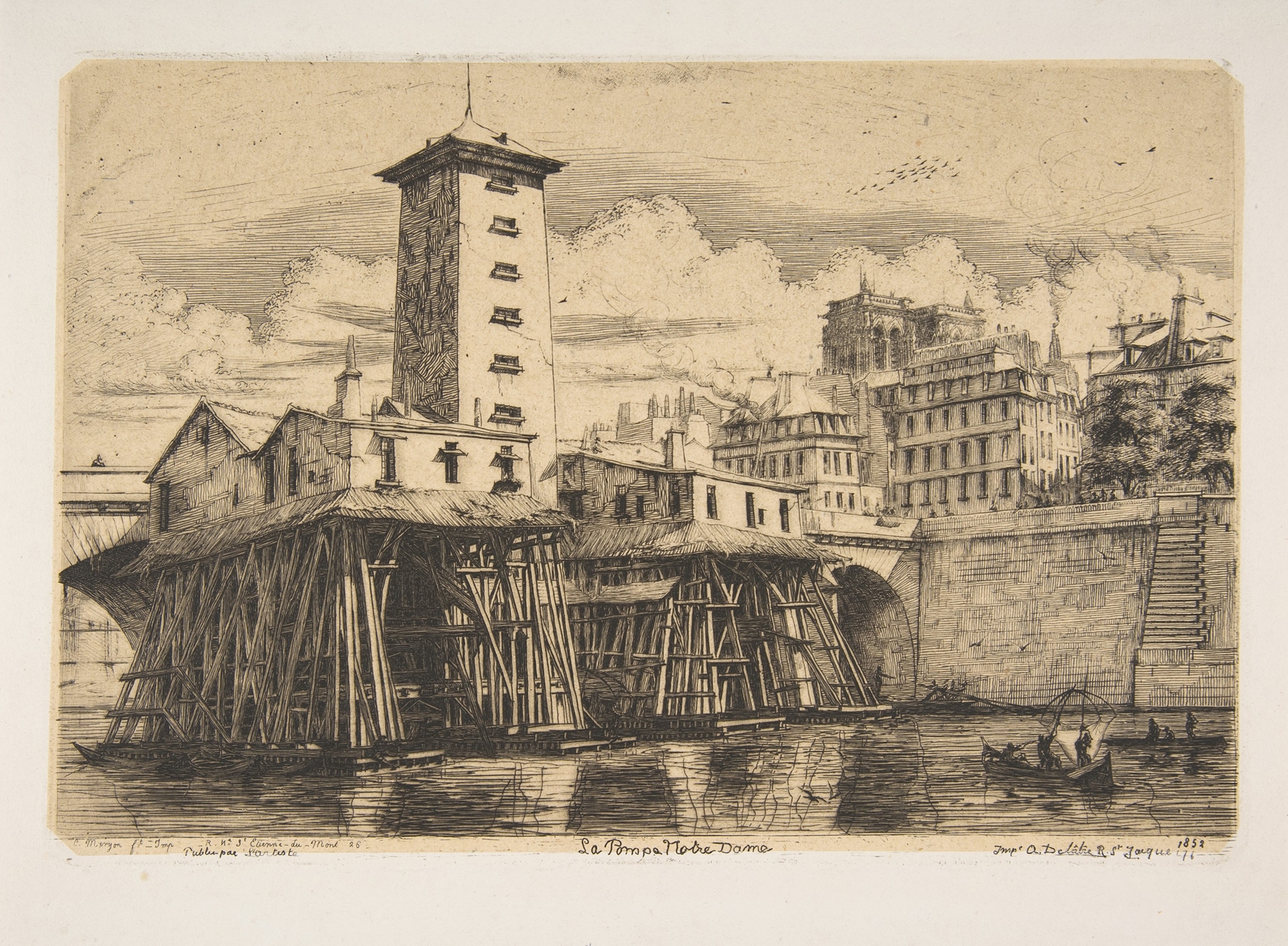
Here, the contrast between the dynamic flicker of light and the static strength of stone highlights the ephemeral nature of our experiences against the backdrop of history. In 1852, Meryon created this work while living in Paris, a city undergoing significant transformation and artistic experimentation. Having turned his focus to lithography, he sought to capture the essence of urban life and architecture amidst the rapid changes of the modern world. His engagement with light and form reflected not only his personal struggles but also the shifting paradigms of art during a time of social upheaval and innovation.