The Cliff at Étretat — History & Analysis
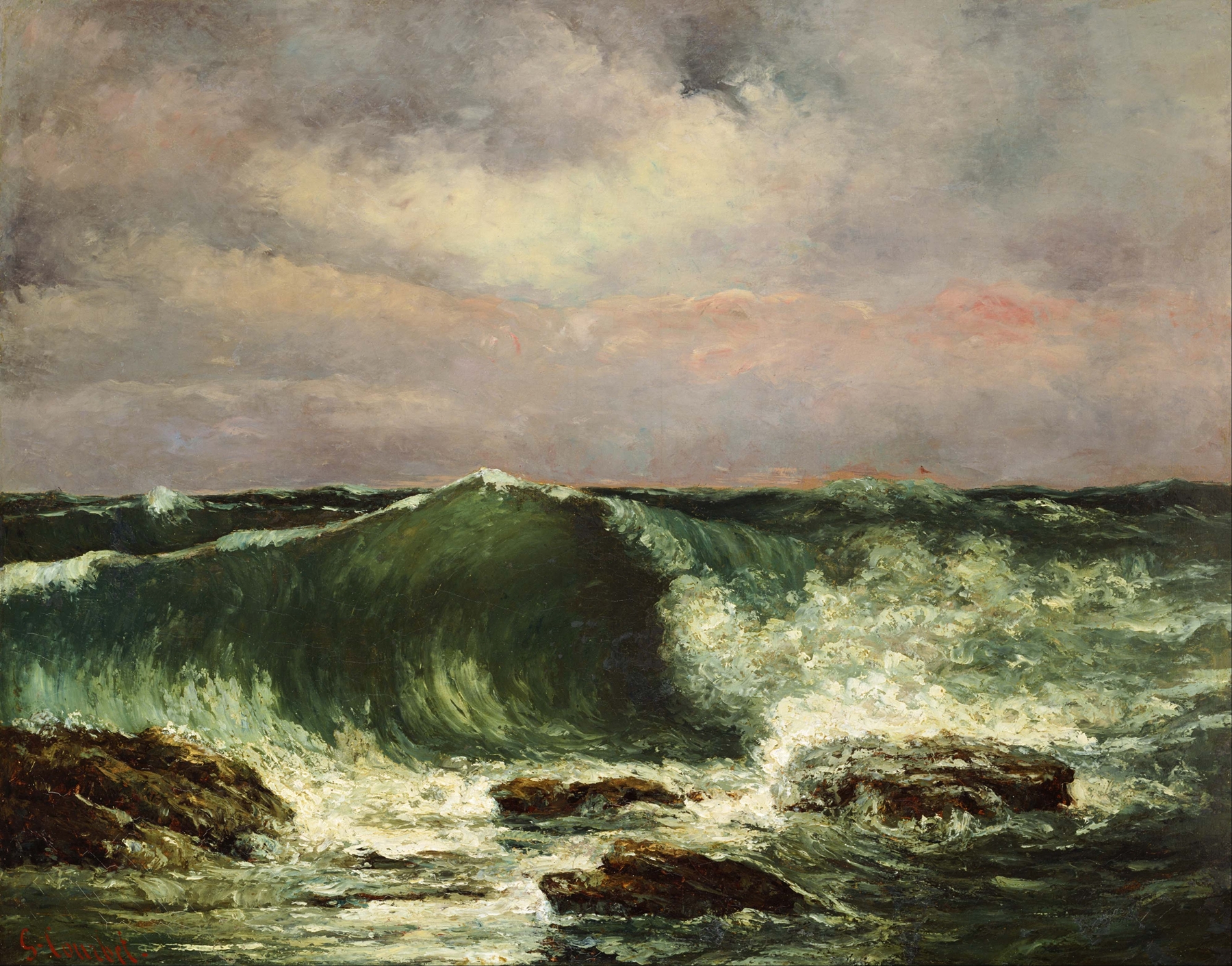
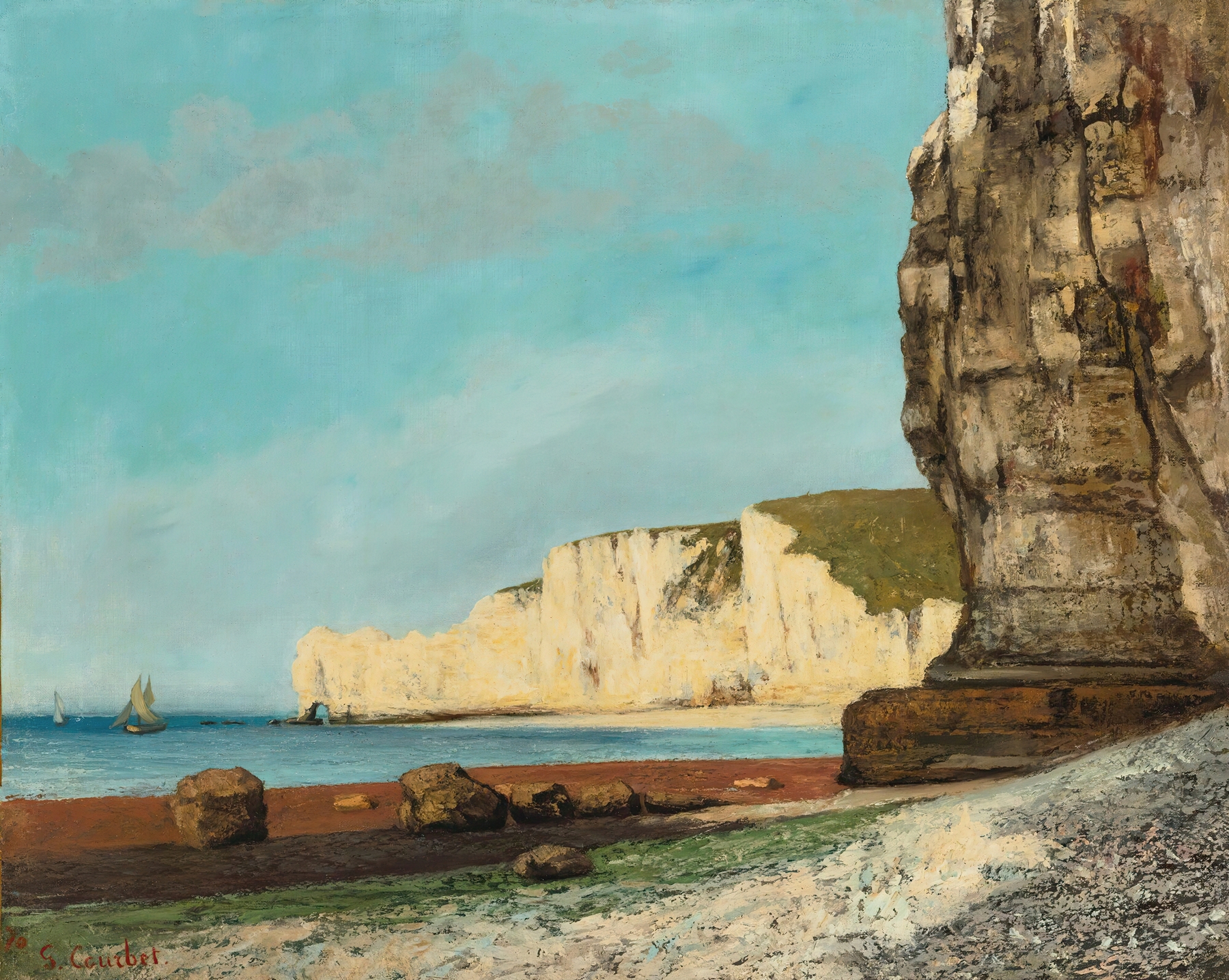
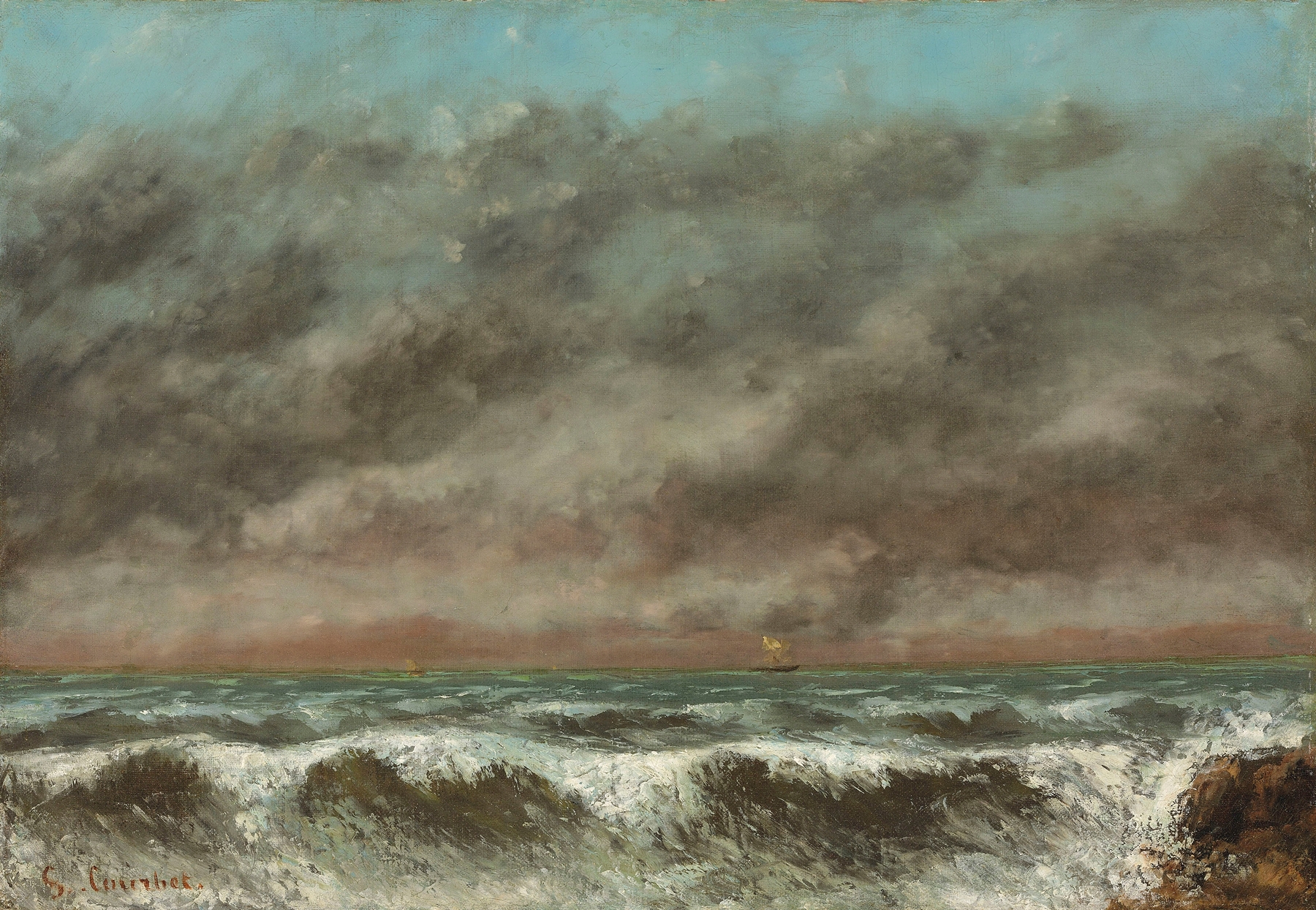
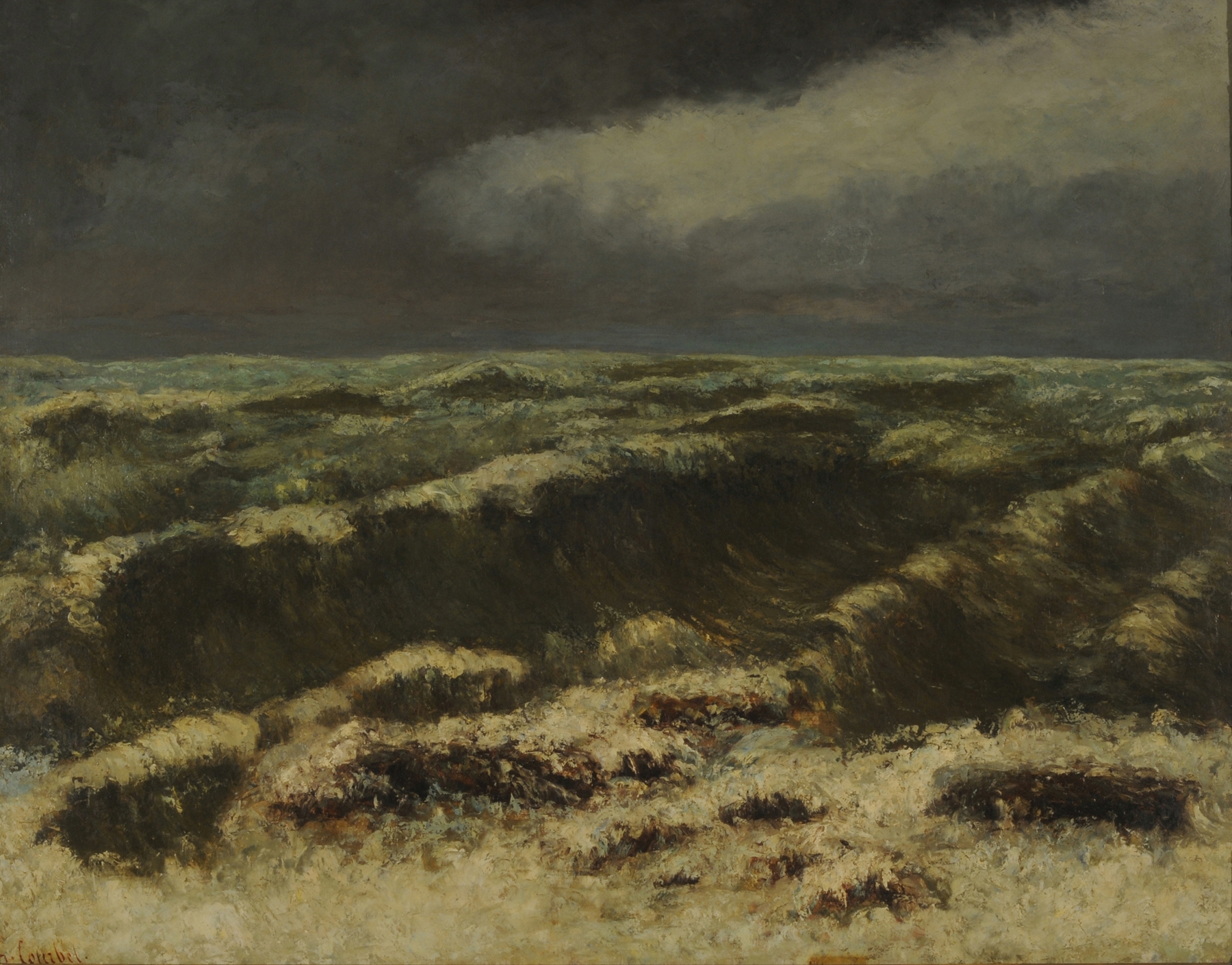
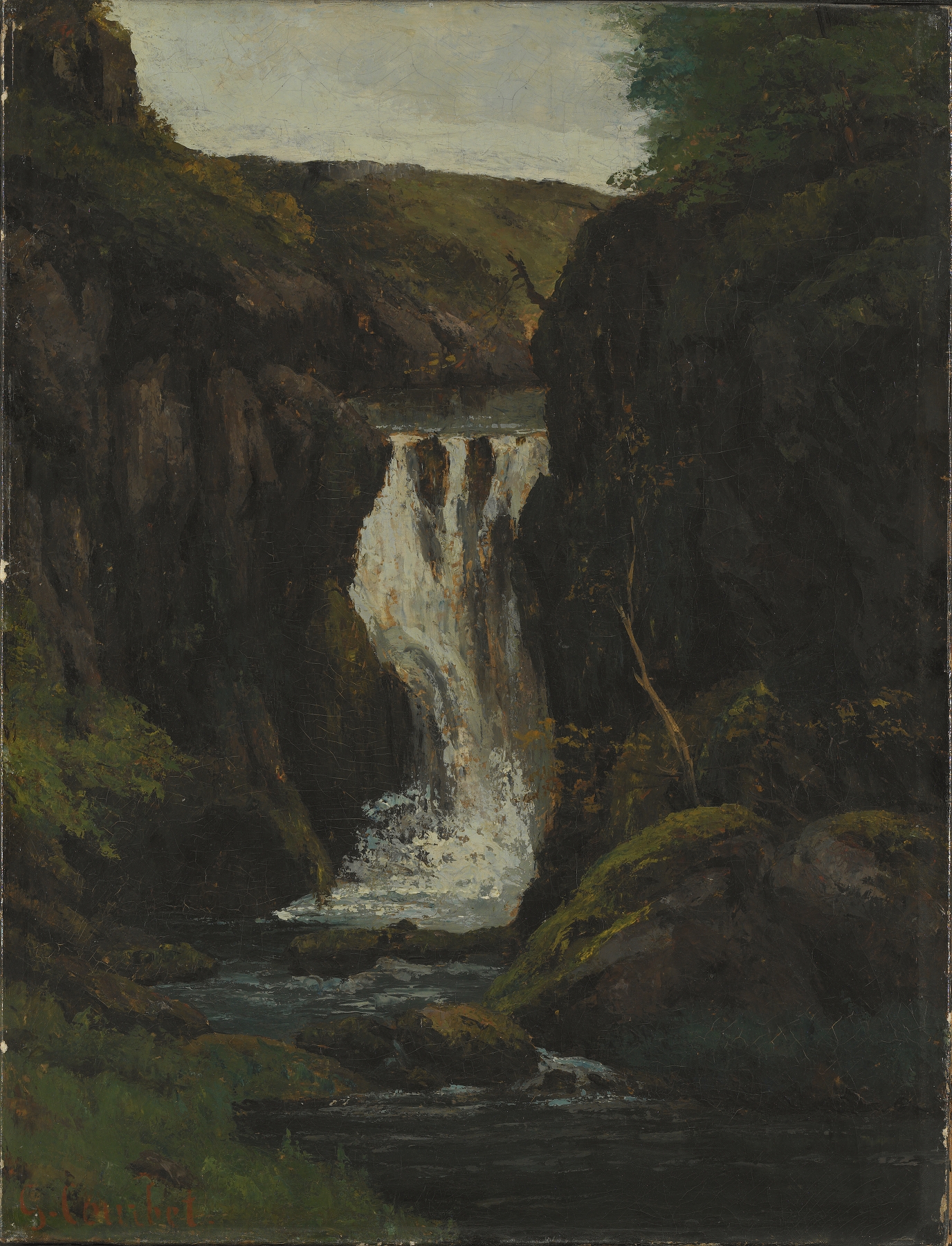
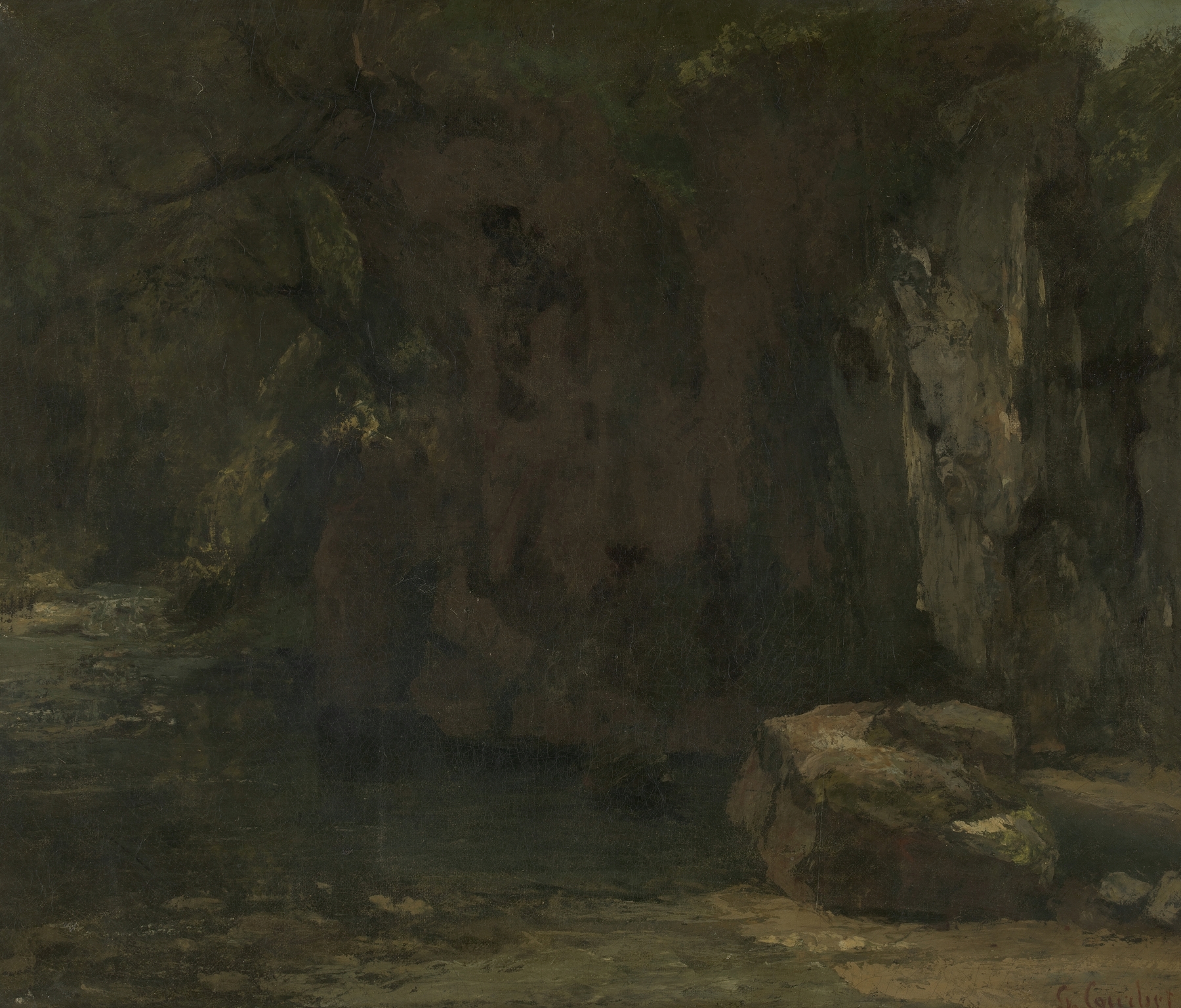
Can paint confess what words never could? In Gustave Courbet's The Cliff at Étretat, the canvas breathes life into the tumultuous relationship between nature and man, evoking a sense of rebirth. First, look to the left, where the towering cliffs rise majestically against a brooding sky. The interplay of light and shadow on the rugged surfaces creates a dynamic tension, drawing your eye upward. Notice how the soft, muted greens in the foreground contrast with the bold blues of the sea, leading your gaze towards the distant horizon.
Courbet’s brushstrokes, both deliberate and free, capture the raw power of the landscape, inviting you to explore the nuances of texture and color. Delve deeper, and you’ll discover a profound emotional landscape beneath the surface. The cliffs, symbols of strength and endurance, stand unwavering amidst the crashing waves, representing a cycle of creation and decay. The tumultuous sea, restless yet beautiful, suggests the turmoil of human existence—an eternal struggle between aspiration and despair.
This duality hints at the artist’s own journey, reflecting a world poised at the brink of change. Created after 1872, Courbet painted The Cliff at Étretat during a time of personal and artistic reflection. Following the tumult of the Franco-Prussian War and his subsequent political exile, he sought solace in the natural world, embracing the realism that defined his oeuvre. In this work, he captures not just a landscape but a moment of transformation, mirroring his own quest for renewal amidst life's upheavals.