The Elbe In Evening Light — History & Analysis
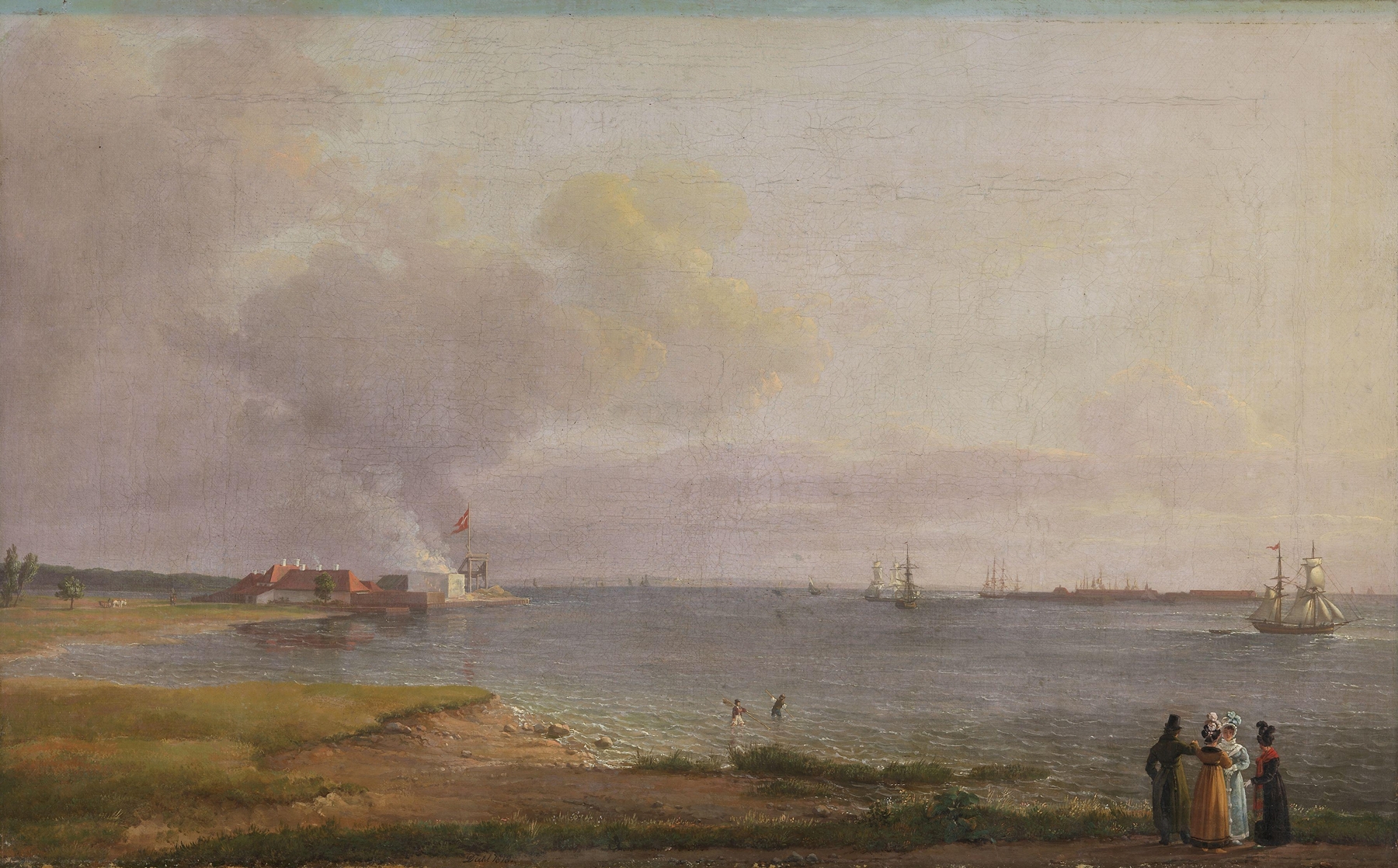
Could a single brushstroke hold eternity? In Johan Christian Dahl's The Elbe In Evening Light, the answer resonates through his delicate portrayal of nature's fleeting beauty, as reflections dance upon the water's surface, whispering secrets of time. Look to the horizon where the sun’s descent spills warm golden light across the sky. Notice how the colors bleed into one another, creating a gradient of oranges and soft purples, inviting your gaze to explore the tranquil river below. The interplay of light and shadow reveals the intricate textures of the landscape—each brushstroke a testament to Dahl's mastery.
The calm waters mirror the evening sky, creating an ethereal connection between the earth and the heavens that draws you deeper into this serene world. Beneath the tranquil surface lies a profound tension between nature’s ephemeral moments and its enduring beauty. The reflections not only capture the magnificent landscape but also evoke a sense of nostalgia, a longing for moments that slip away like water through fingers. This duality is echoed in the nature of light itself: bright yet fleeting, illuminating while also reminding us of the inevitable darkness that follows.
Each element in the painting serves to remind us that even the most beautiful scenes are transient, a visual meditation on the passage of time. Dahl painted this work during a period when Romanticism was flourishing, likely while living in Germany in the early 19th century. This era marked a shift in the artistic lens, where the emotional resonance of nature was celebrated. The artist sought to capture not only the physical aspects of landscapes but also their deeper emotional truths, reflecting a broader movement in art that emphasized personal interpretation and the sublime qualities of the natural world.