The Falls of the Tequendama near Bogota, New Granada — History & Analysis
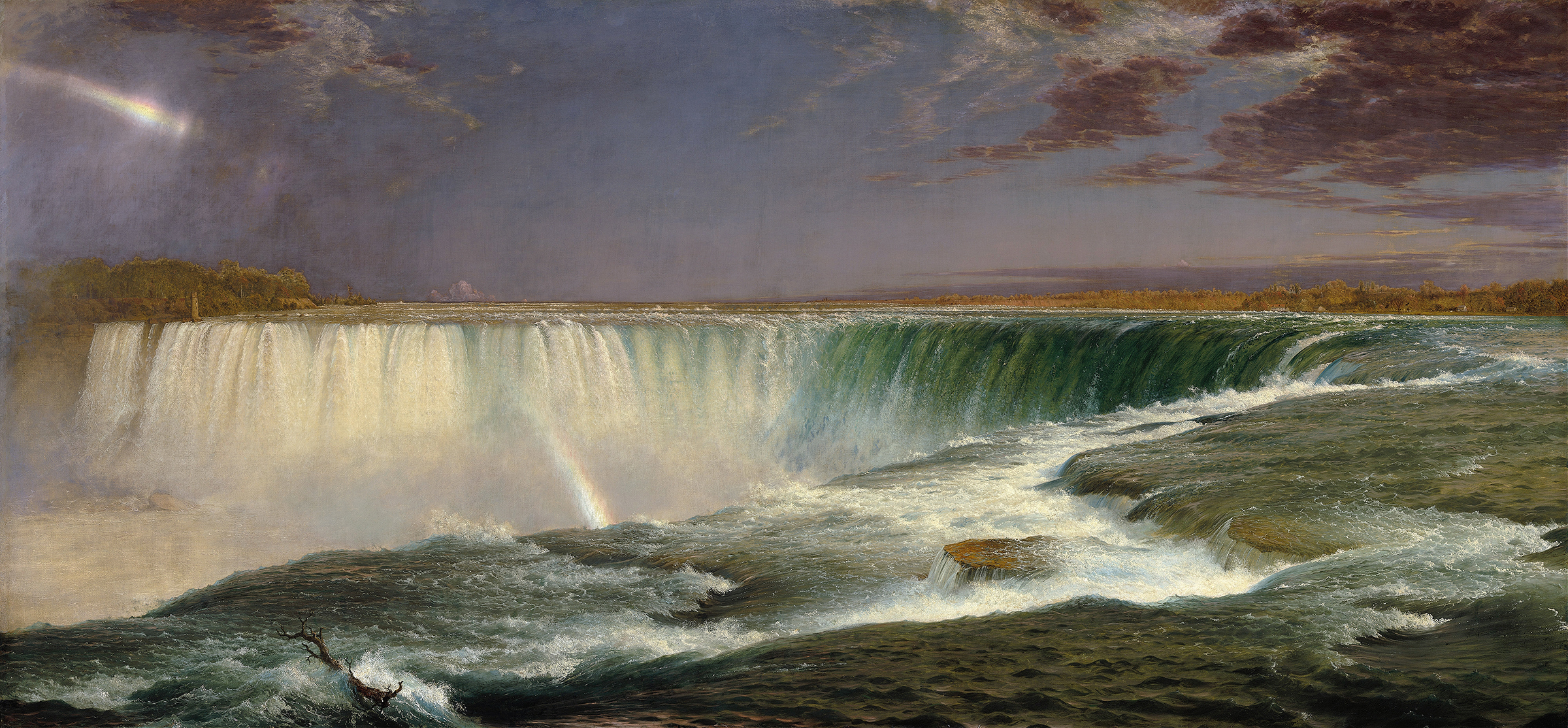
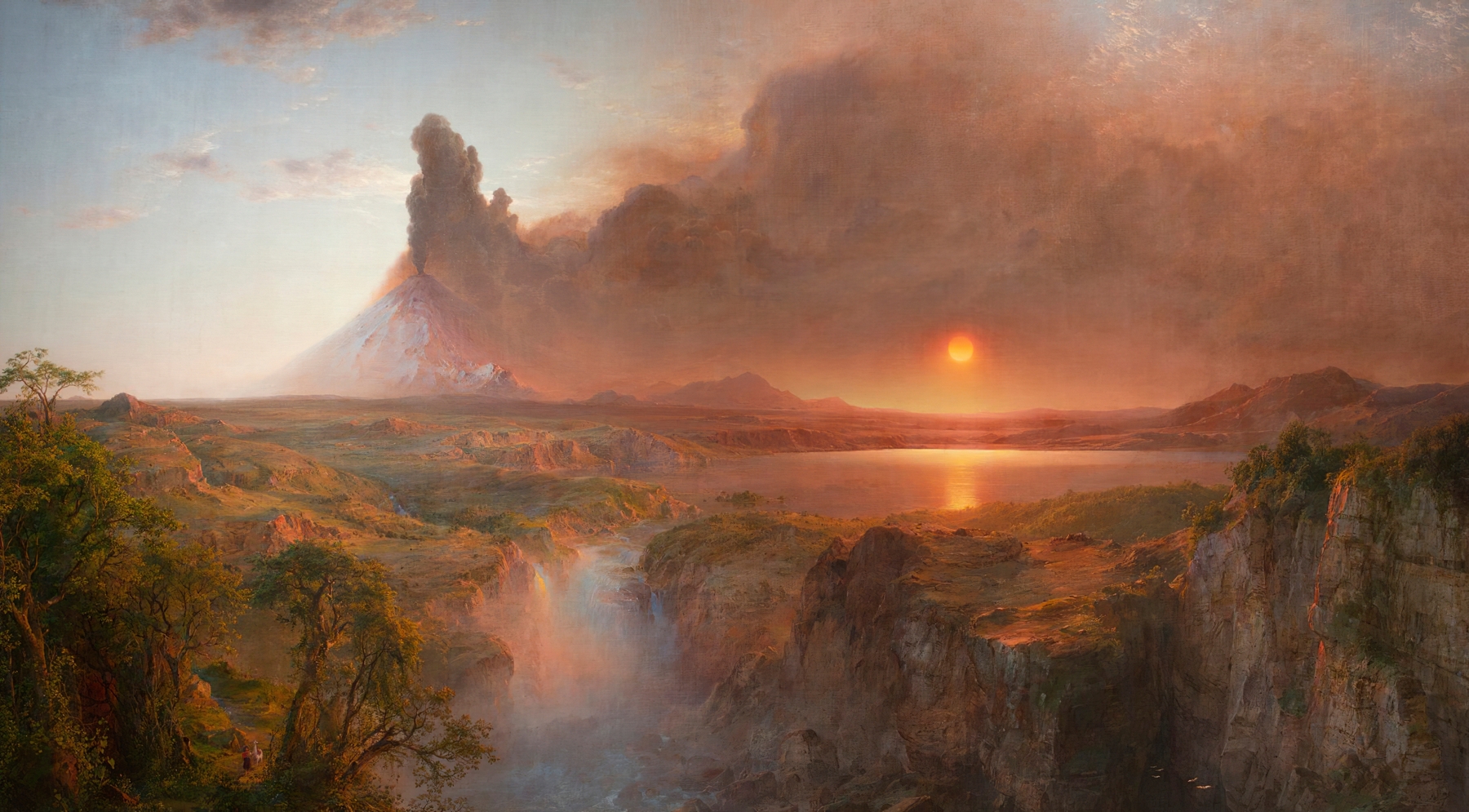
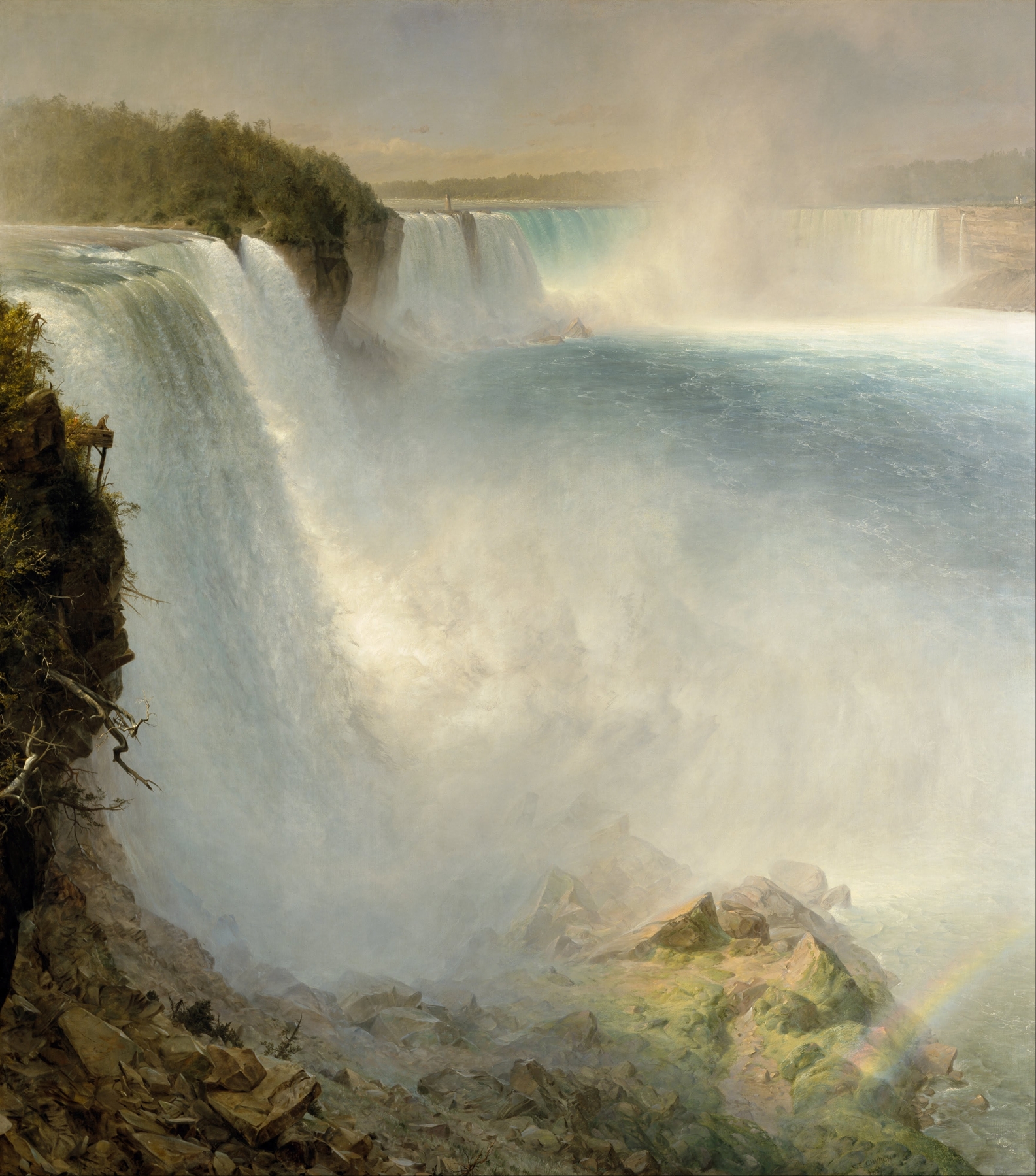
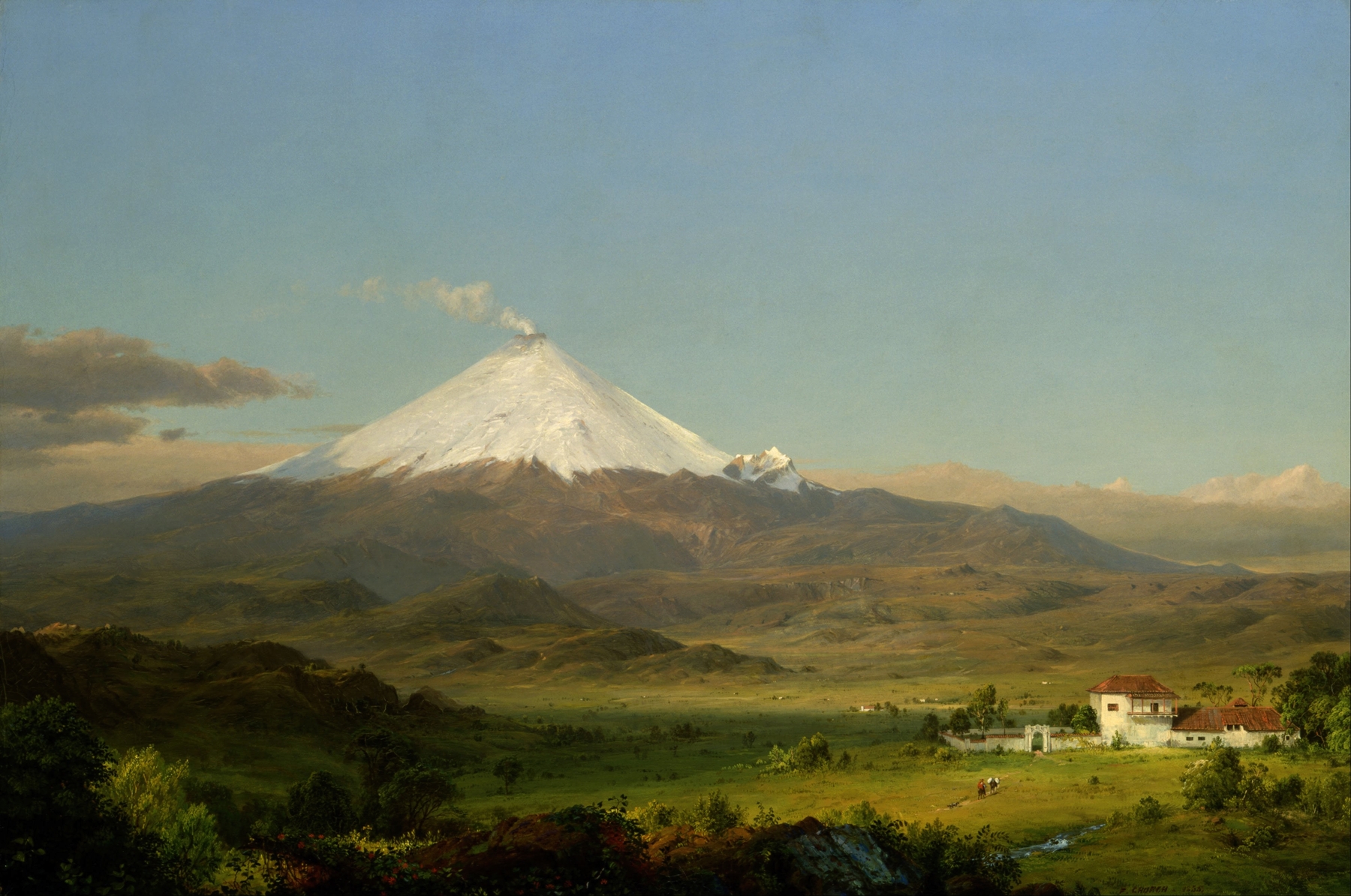
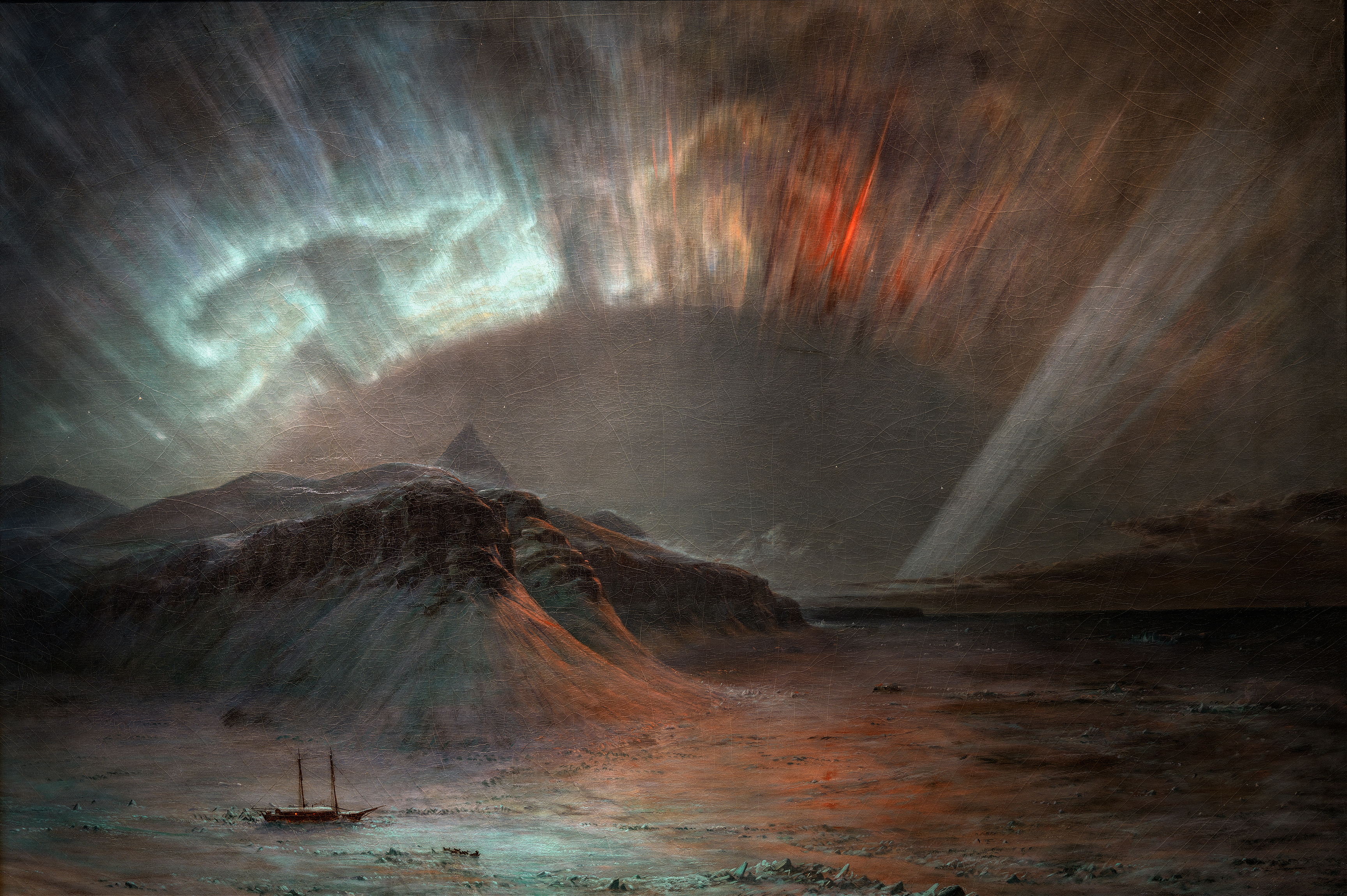
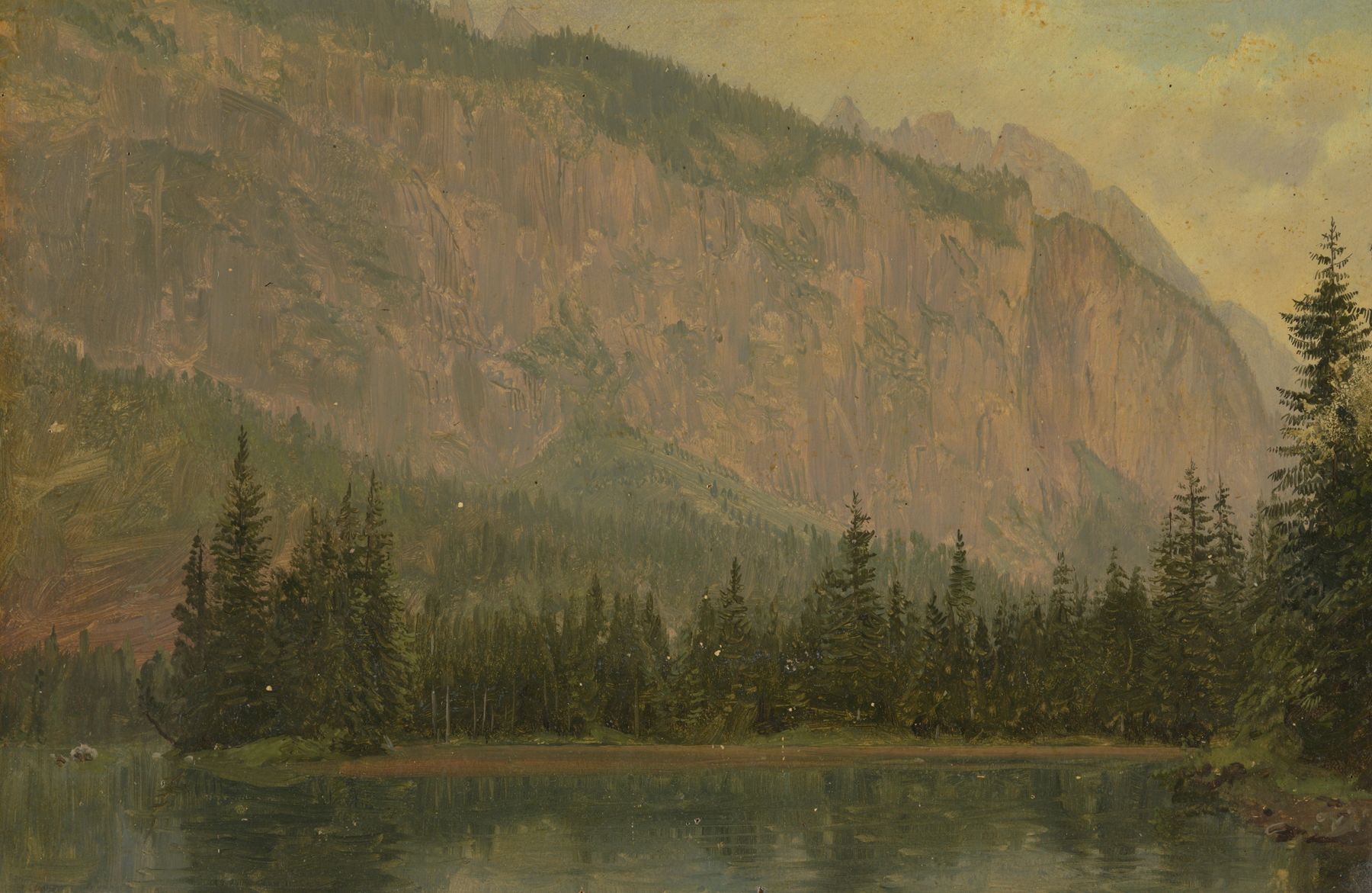
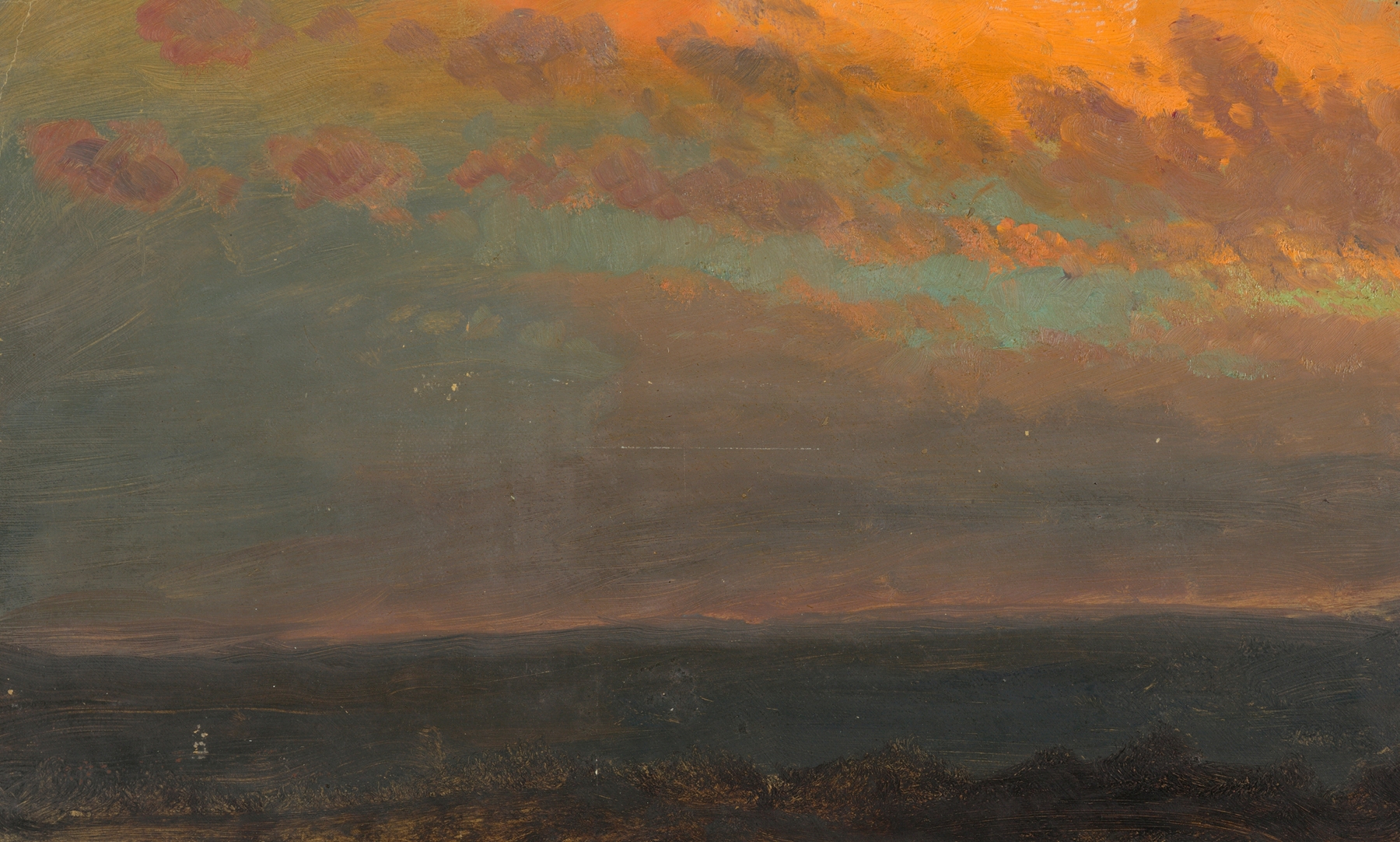
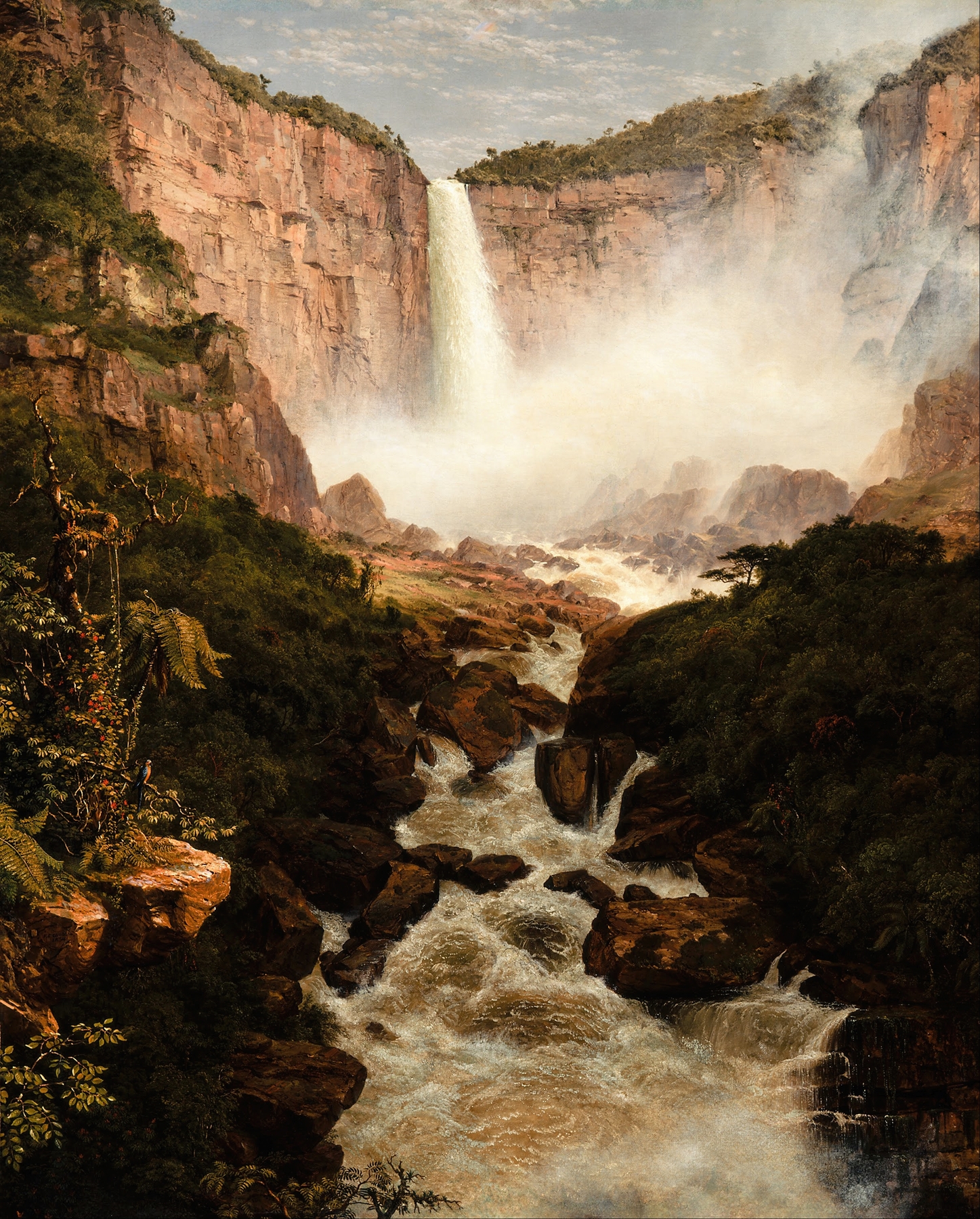
Who listens when art speaks of silence? In *The Falls of the Tequendama near Bogota, New Granada*, awe is captured in every brushstroke, inviting a profound reflection on nature’s sublime beauty. Look to the vast expanse at the painting’s center, where cascading waters tumble from dizzying heights into a misty abyss. The painter employs a masterful use of light, illuminating the shimmering falls as they plunge with relentless force. The lush greens surrounding the waterfall contrast with the deep, shadowy blues of the sky, creating a dialogue between serenity and chaos. Notice how the delicate touch of the brush captures both the majesty of the landscape and the ephemeral nature of the flowing water. Hidden meanings emerge from the interplay of light and shadow, suggesting an underlying tension between civilization and the wild. The distant mountains, shrouded in fog, appear to guard the secrets of the environment, evoking a sense of mystery. This painting embodies the awe of natural landscapes, simultaneously reminding us of nature’s grandeur and its isolation from human endeavors. Frederic Edwin Church painted this work in 1854 during a transformative period for landscape art, marked by the Hudson River School’s ideals of Romanticism. He was exploring themes of exploration and the sublime, inspired by his travels in South America. At this time, the world was increasingly fascinated with nature, and Church’s vivid portrayal of the Tequendama Falls resonated with a burgeoning appreciation for the wonders of the Earth.