The Fool’s Spring — History & Analysis
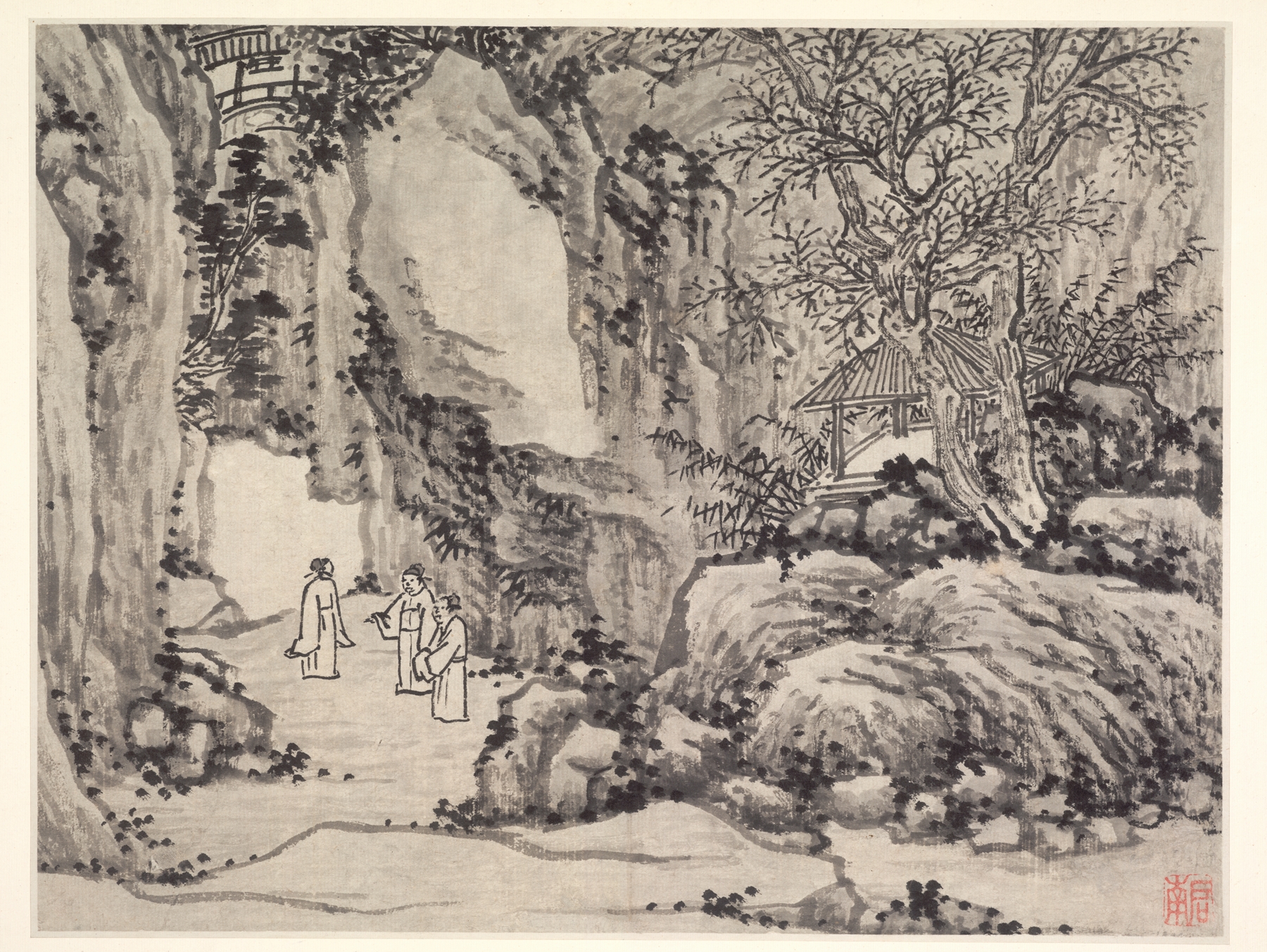
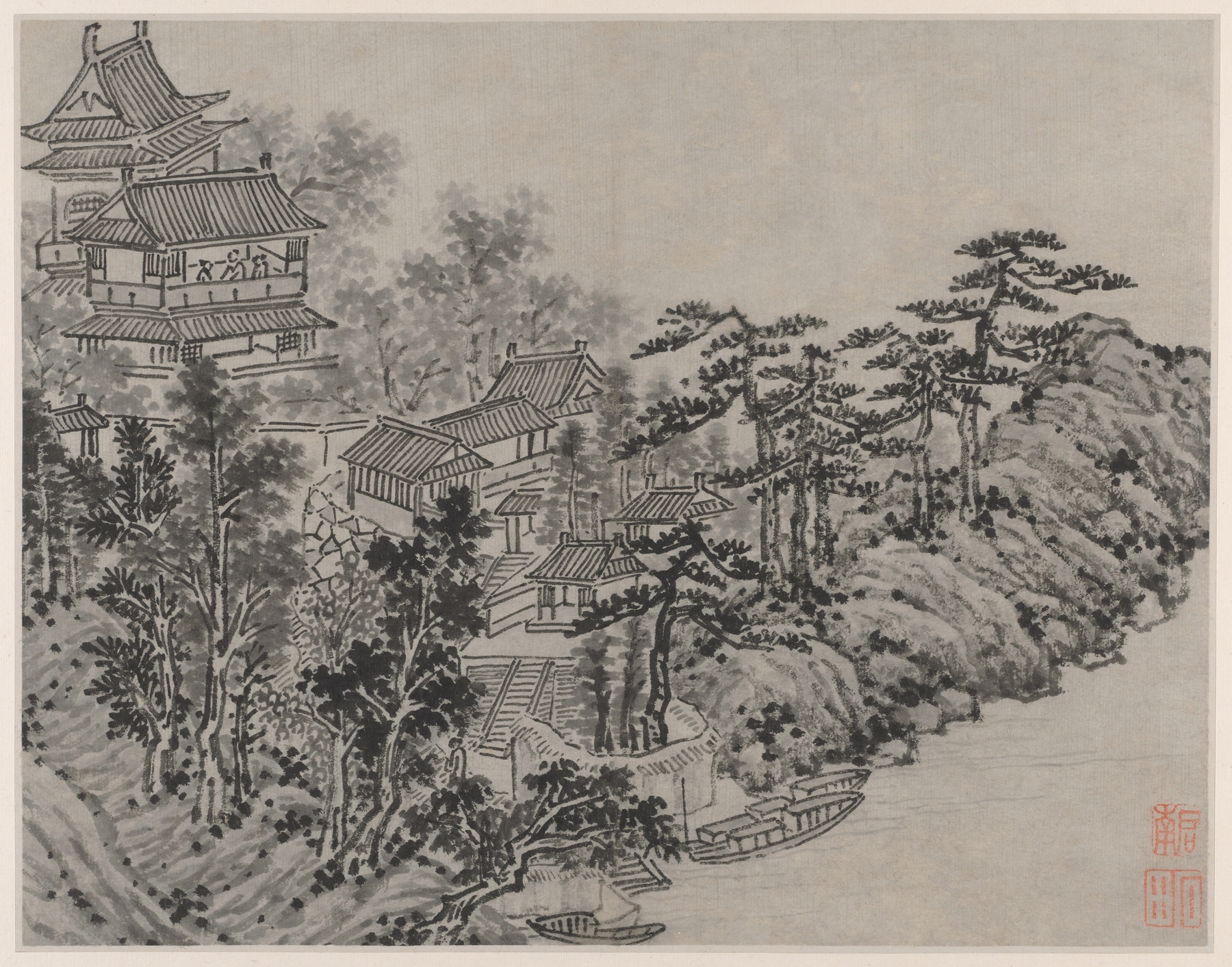
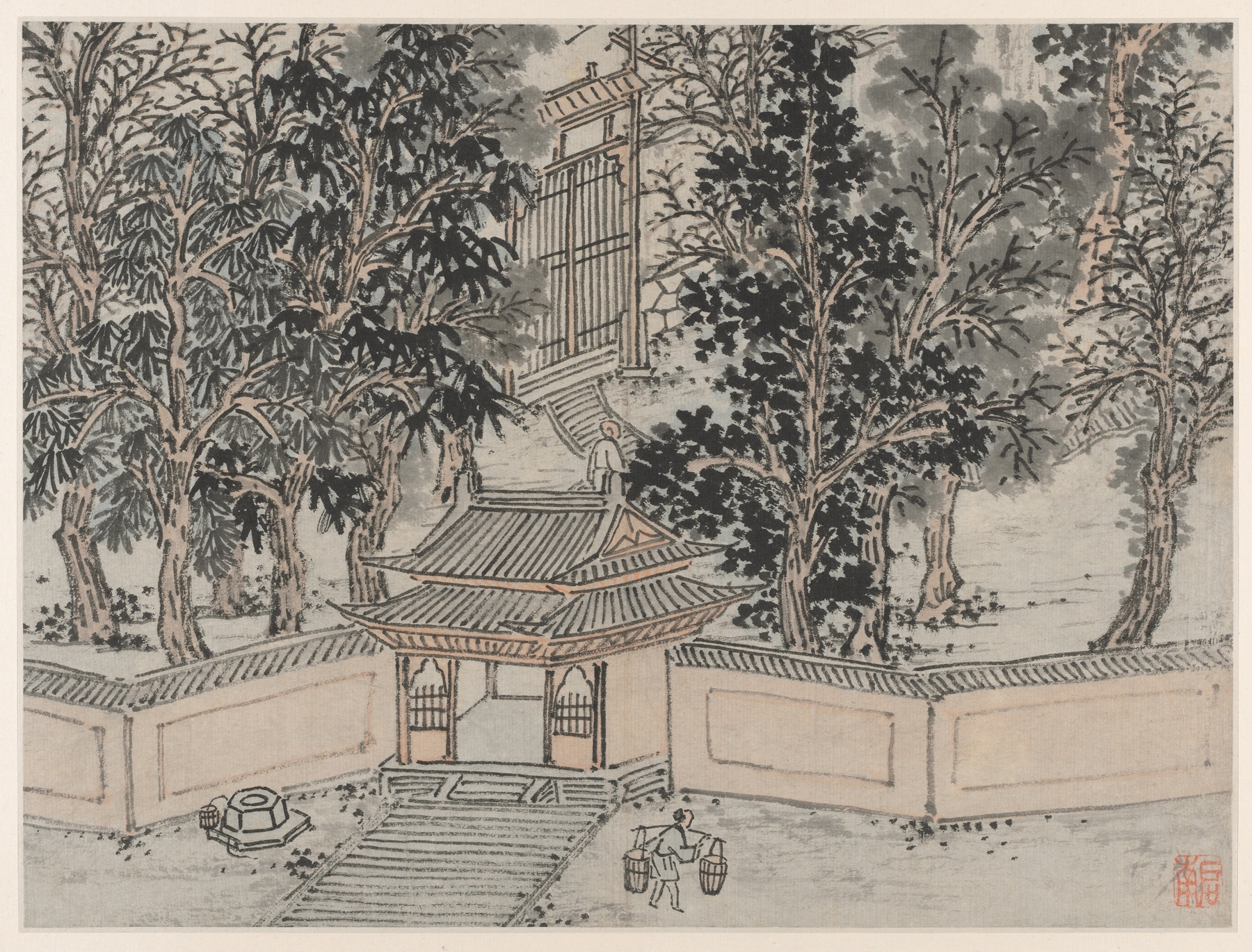
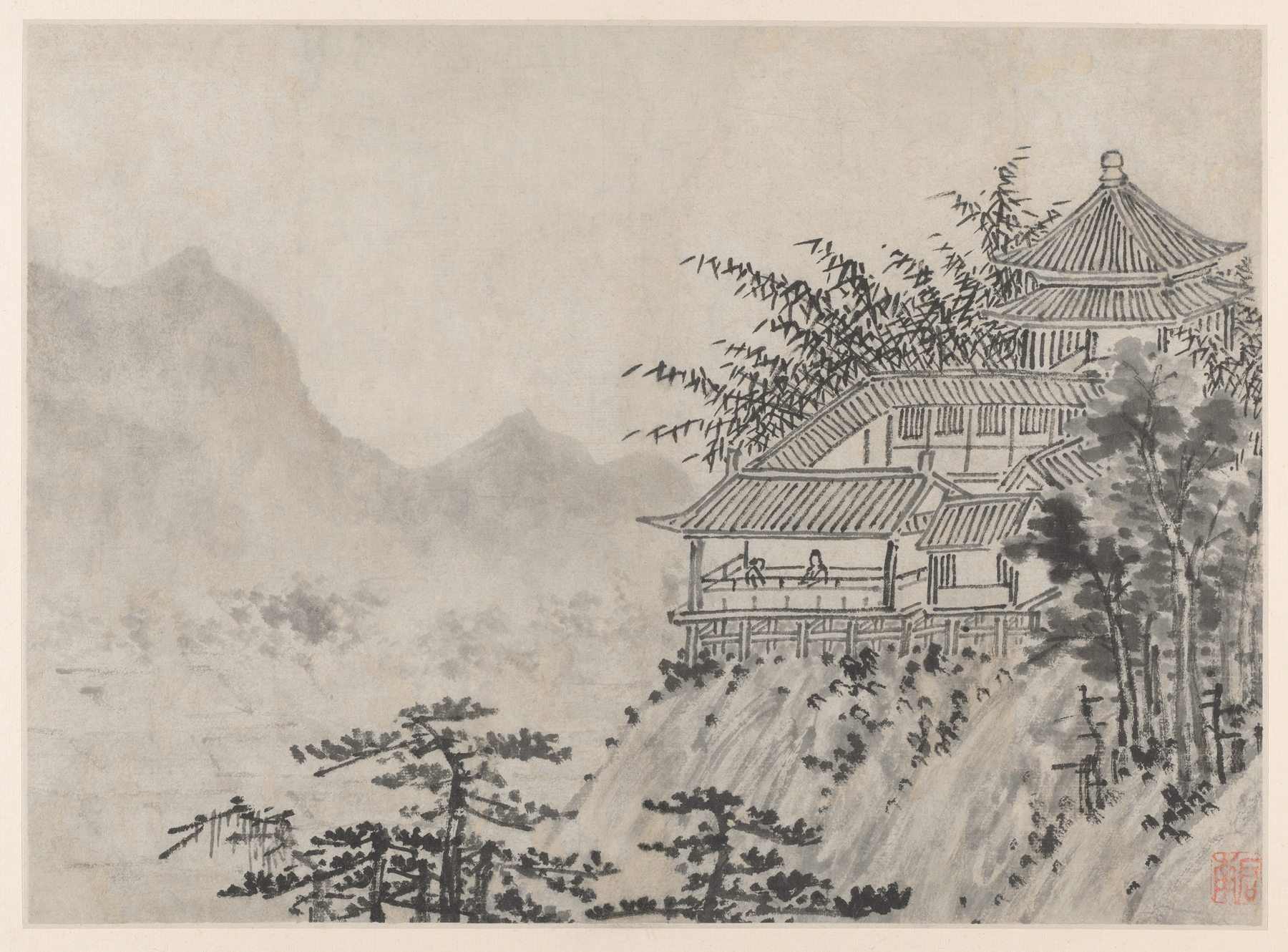
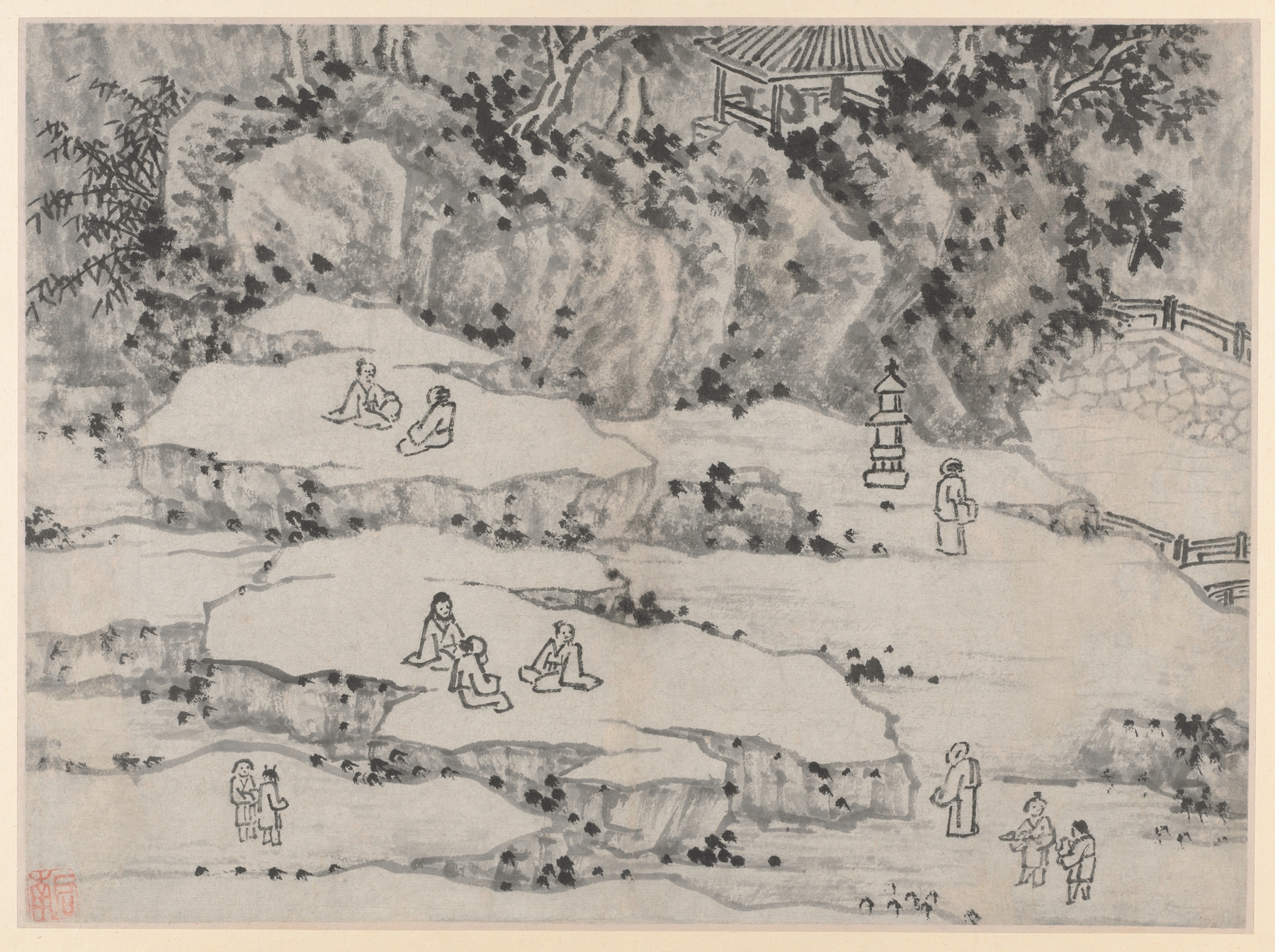
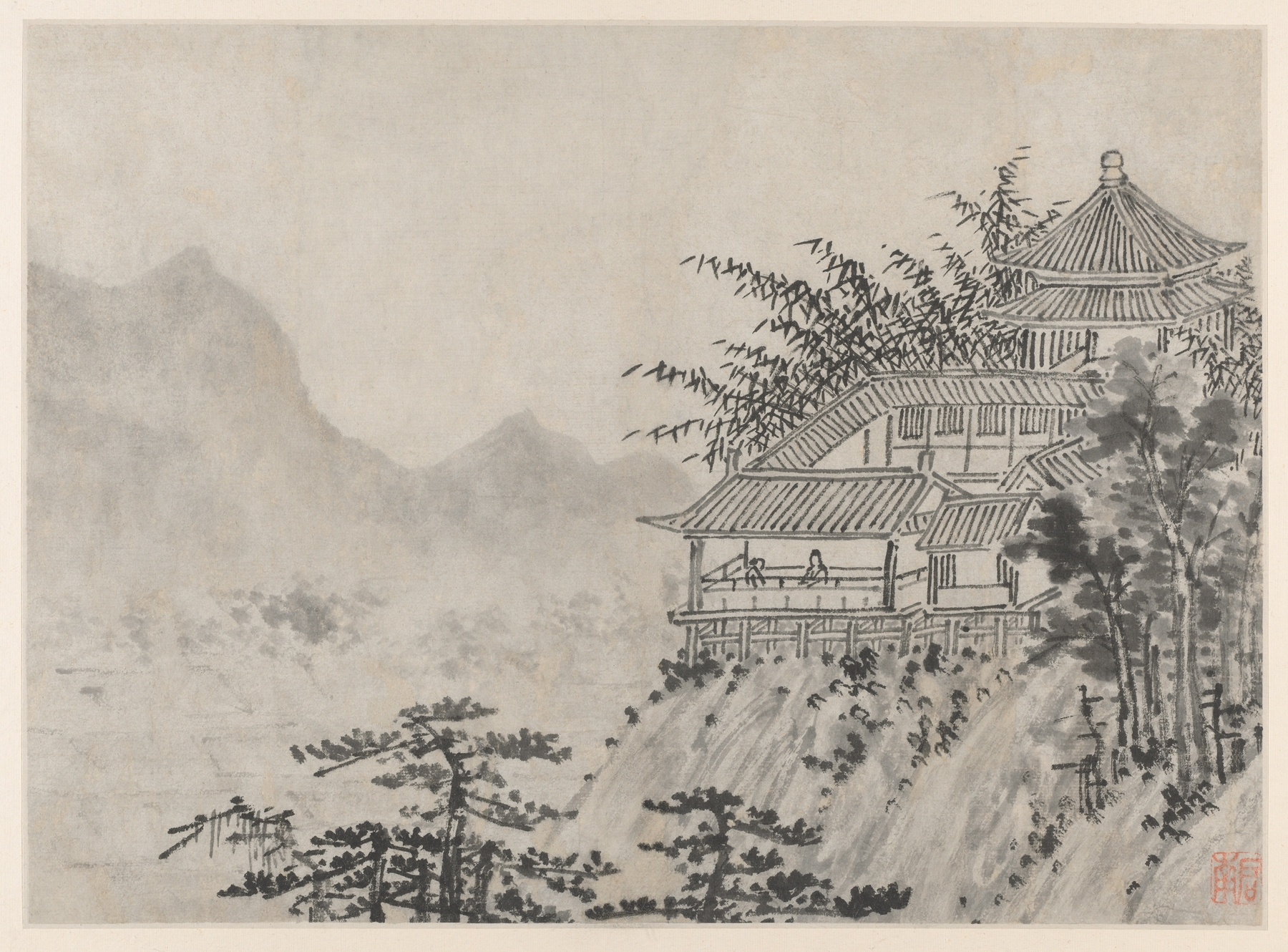
Where does light end, and longing begin? In the delicate brushstrokes of an artist who captured the essence of transience, we find a poignant exploration of decay intertwined with beauty. Look closely at the painting's foreground, where a solitary figure stands beneath a gnarled tree, its twisted branches stretching out like skeletal fingers. The muted colors evoke a sense of melancholy—the soft greens and browns of the earth contrasting with the ghostly white of the blossoms that hint at a fleeting spring. Notice how the light falls upon the blossoms, illuminating them with a fragile glow, suggesting that beauty is both ephemeral and precious.
This moment, suspended in time, invites the viewer to immerse themselves in the interplay of shadow and light, revealing the tension between life and its inevitable decline. The subtle details, such as the fallen petals scattered around the base of the tree, speak to the theme of decay. Each petal, vibrant in its youth, now lays still, a reminder of impermanence. The figure, perhaps a fool wandering aimlessly, embodies the paradox of joy and sorrow intertwined—his longing for connection amongst the quiet decay speaks volumes of human experience.
This delicate balance of exuberance and resignation gives the work its profound emotional depth, allowing us to reflect on our own transitory existence. Shen Zhou created this piece after 1490 during the Ming Dynasty, a time when the artist was deeply engaged in cultivating a personal approach to traditional literati painting. While the world around him thrived in cultural and intellectual pursuits, he drew inspiration from the natural landscape and scholarly themes, seeking to convey emotions through the simplicity of nature. This period marked a pivotal moment in his career, as he moved towards a style that emphasized personal expression and a deep connection to the natural world.