The Fool’s Spring, from Twelve Views of Tiger Hill, Suzhou — History & Analysis
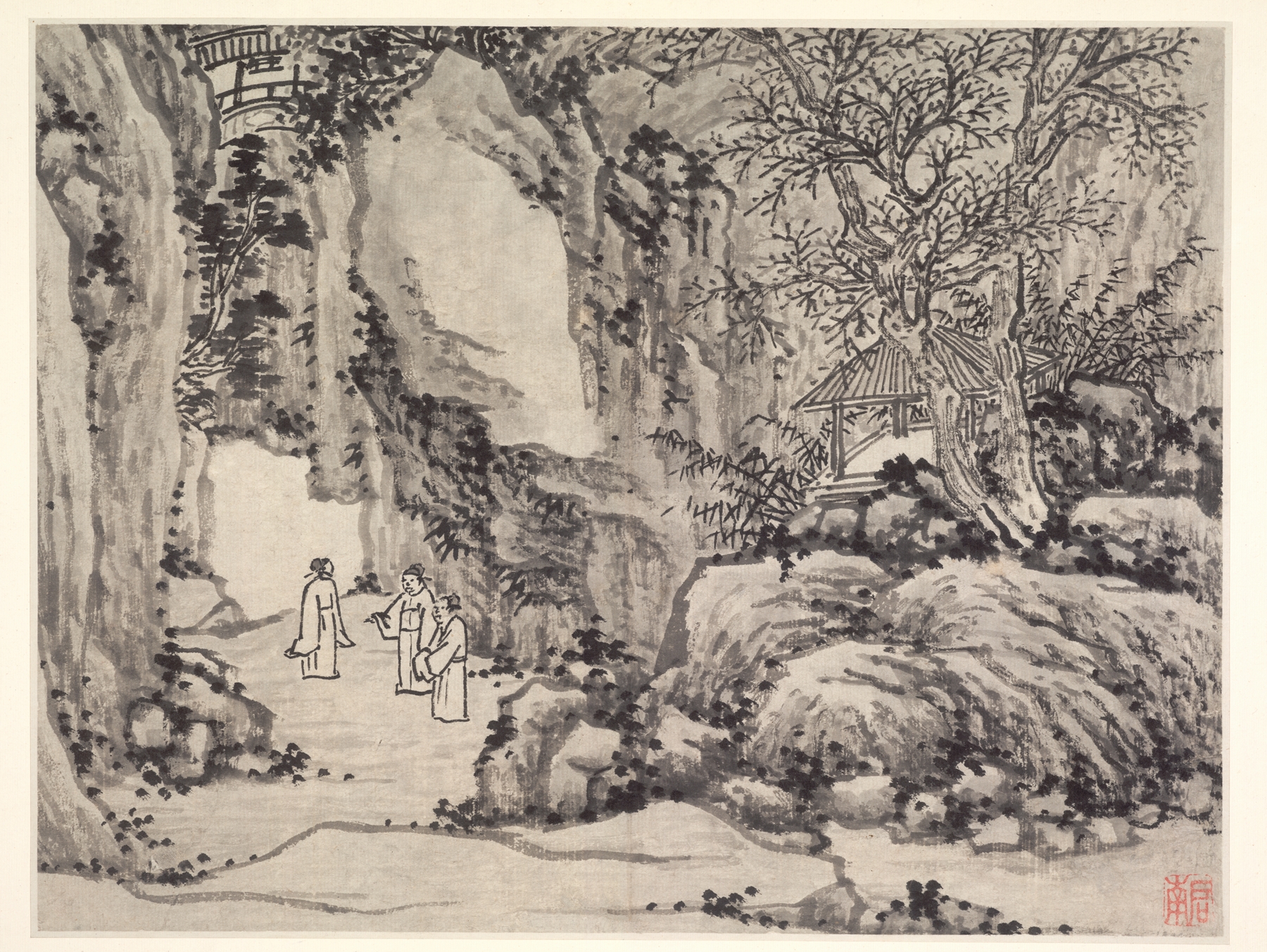
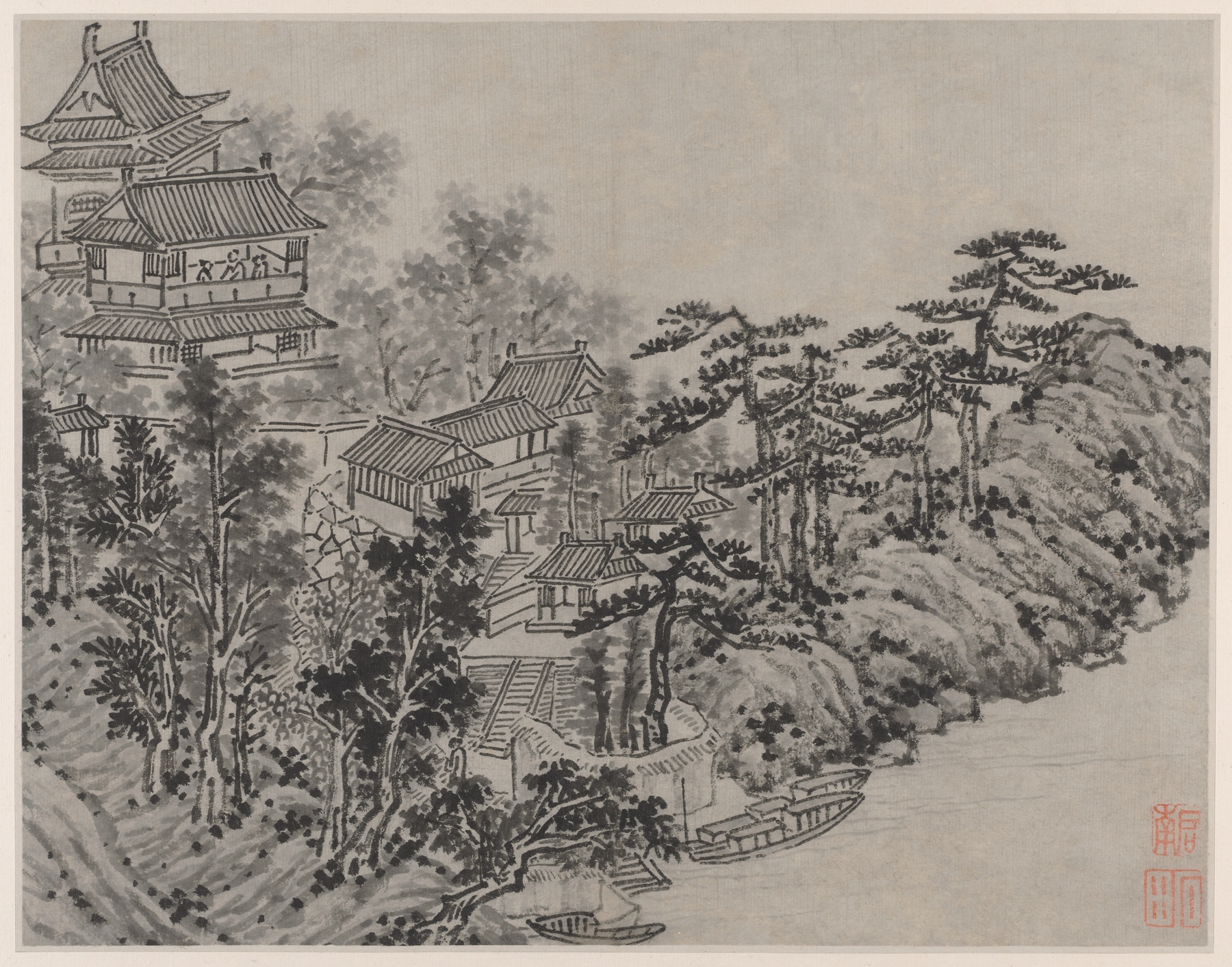
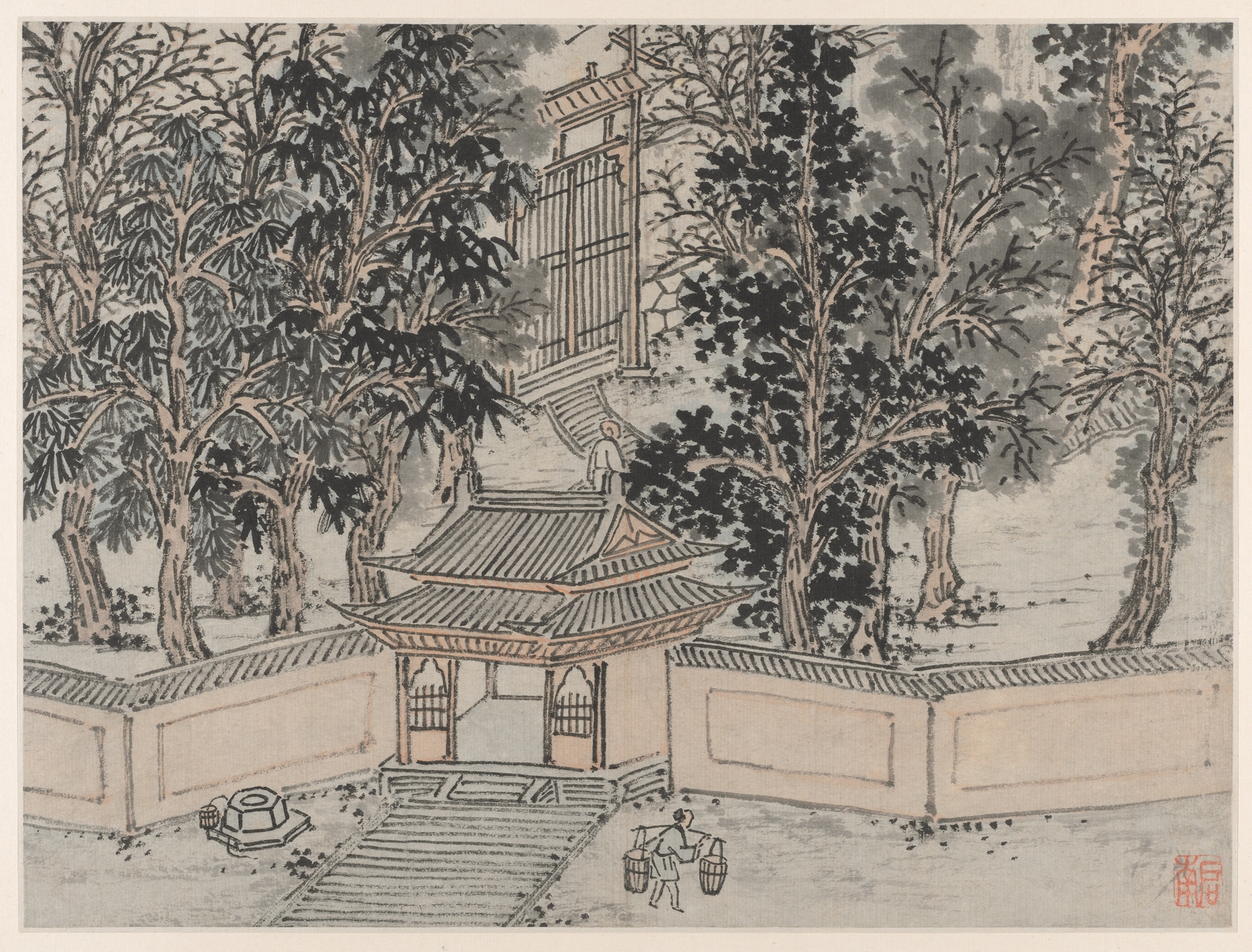
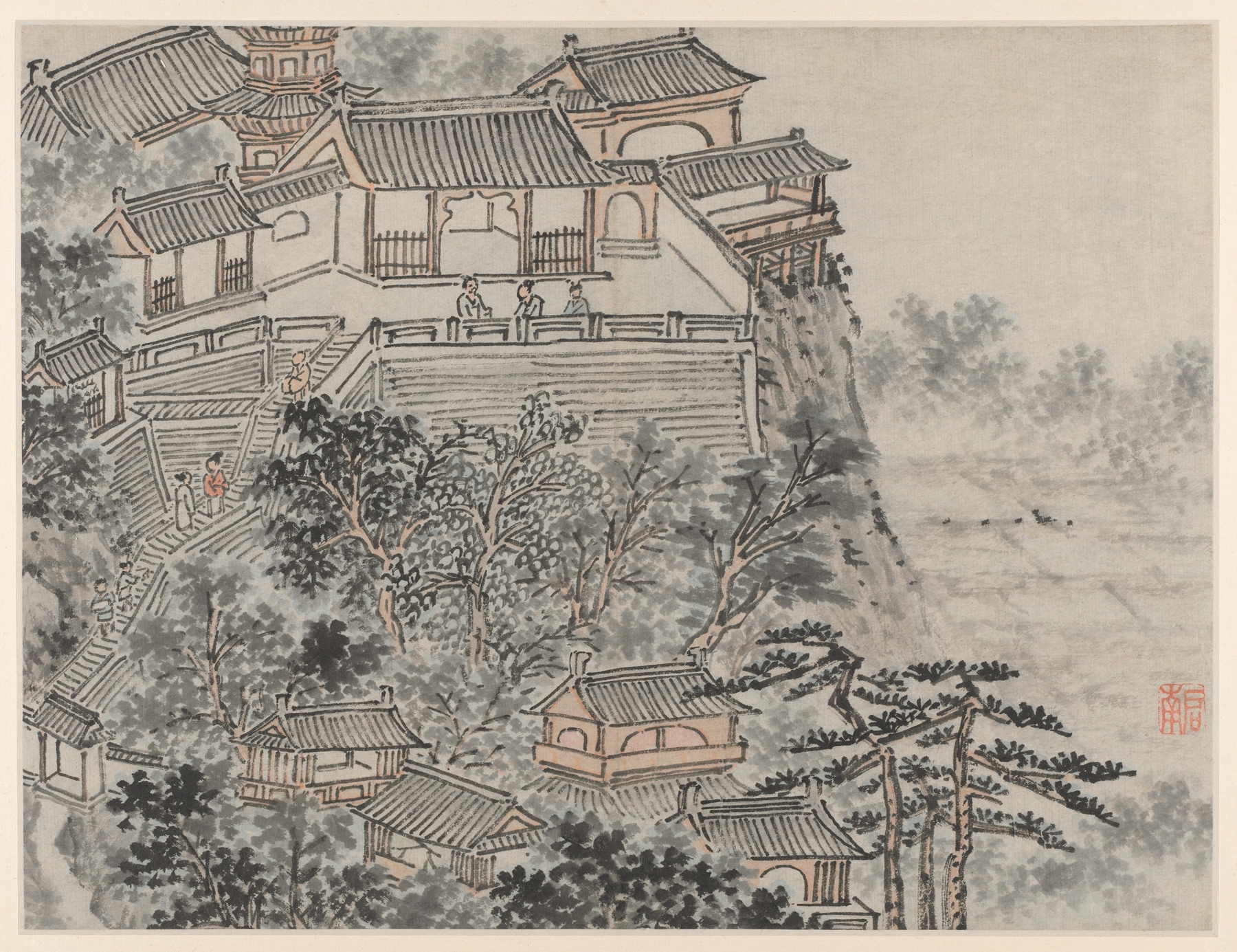
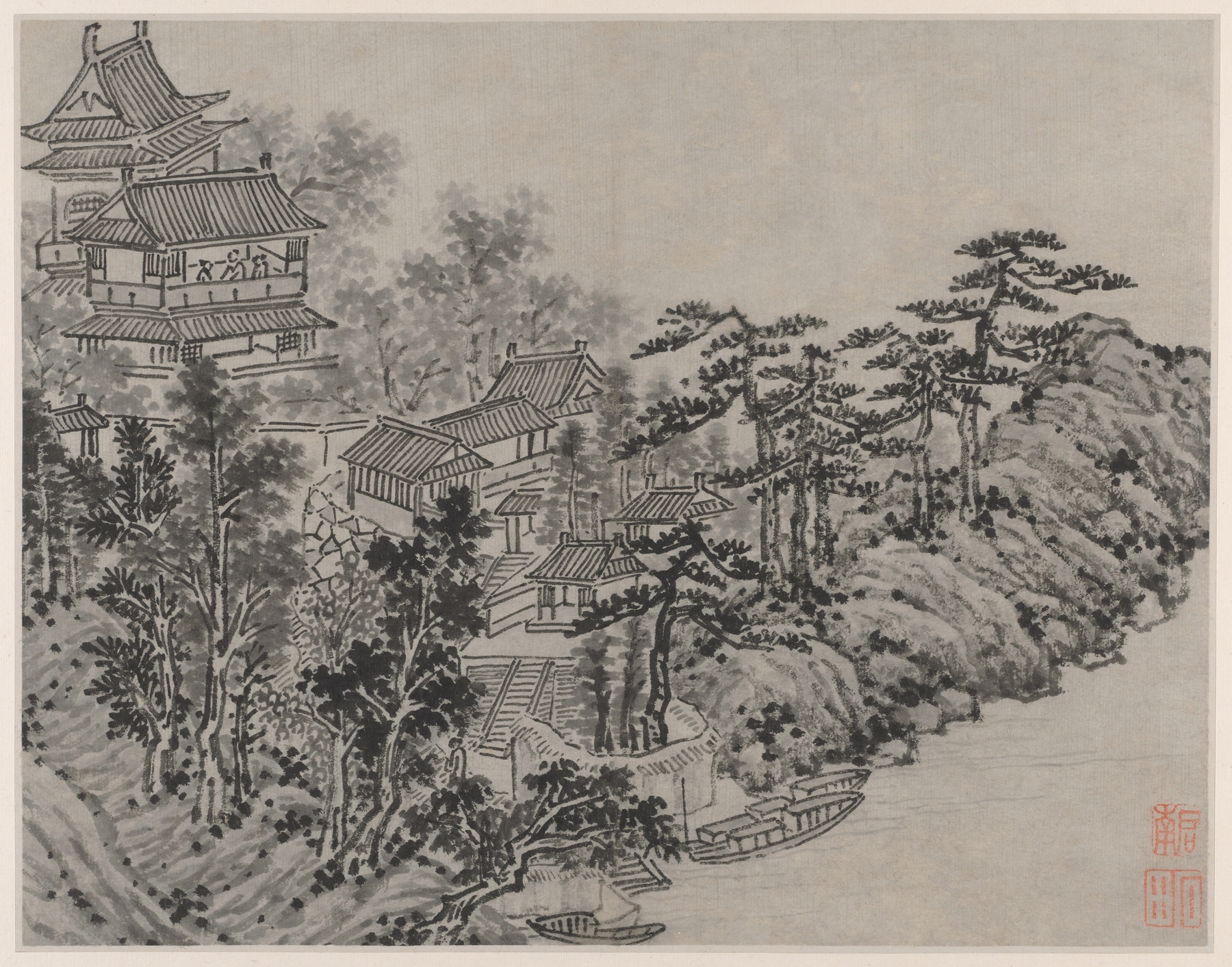
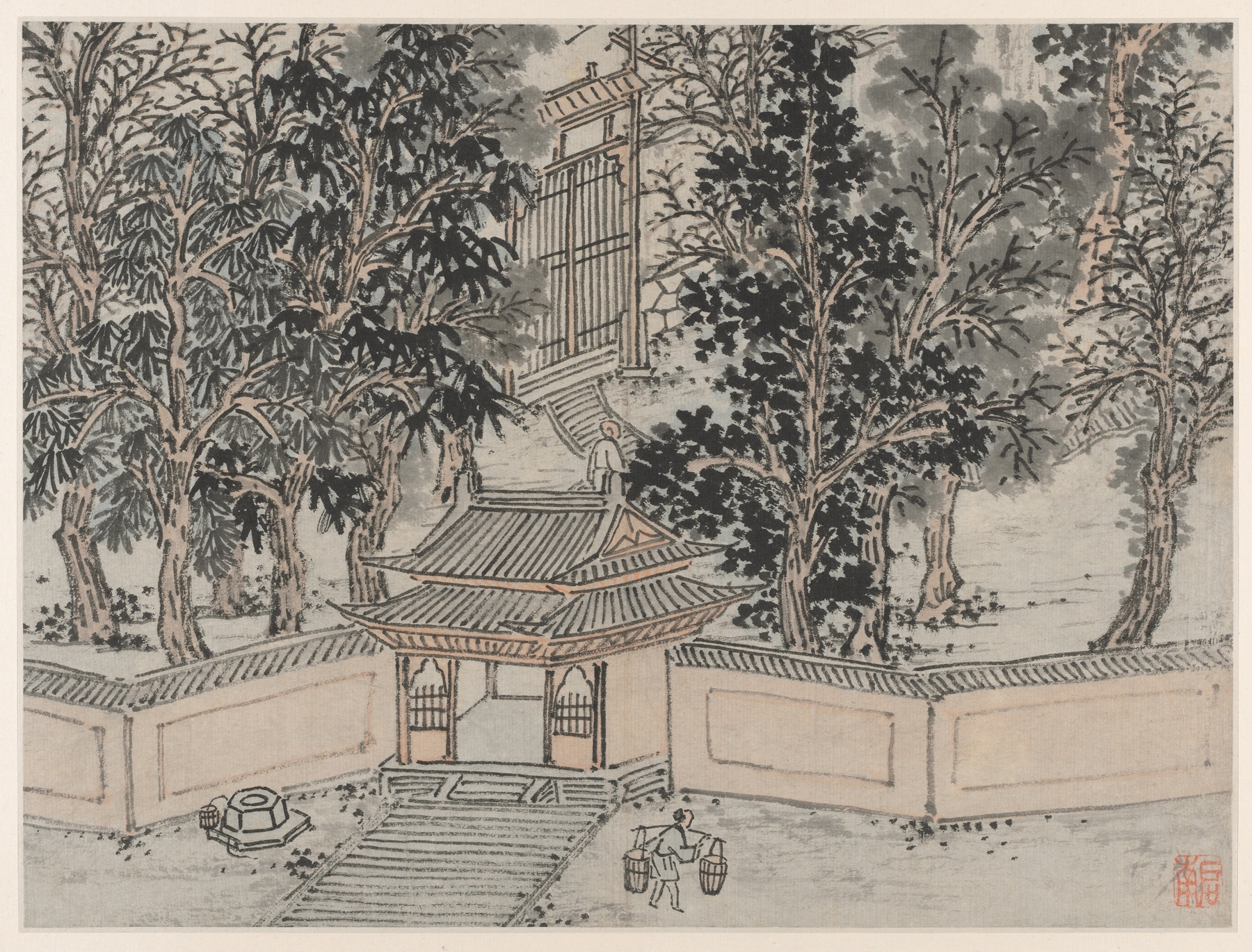
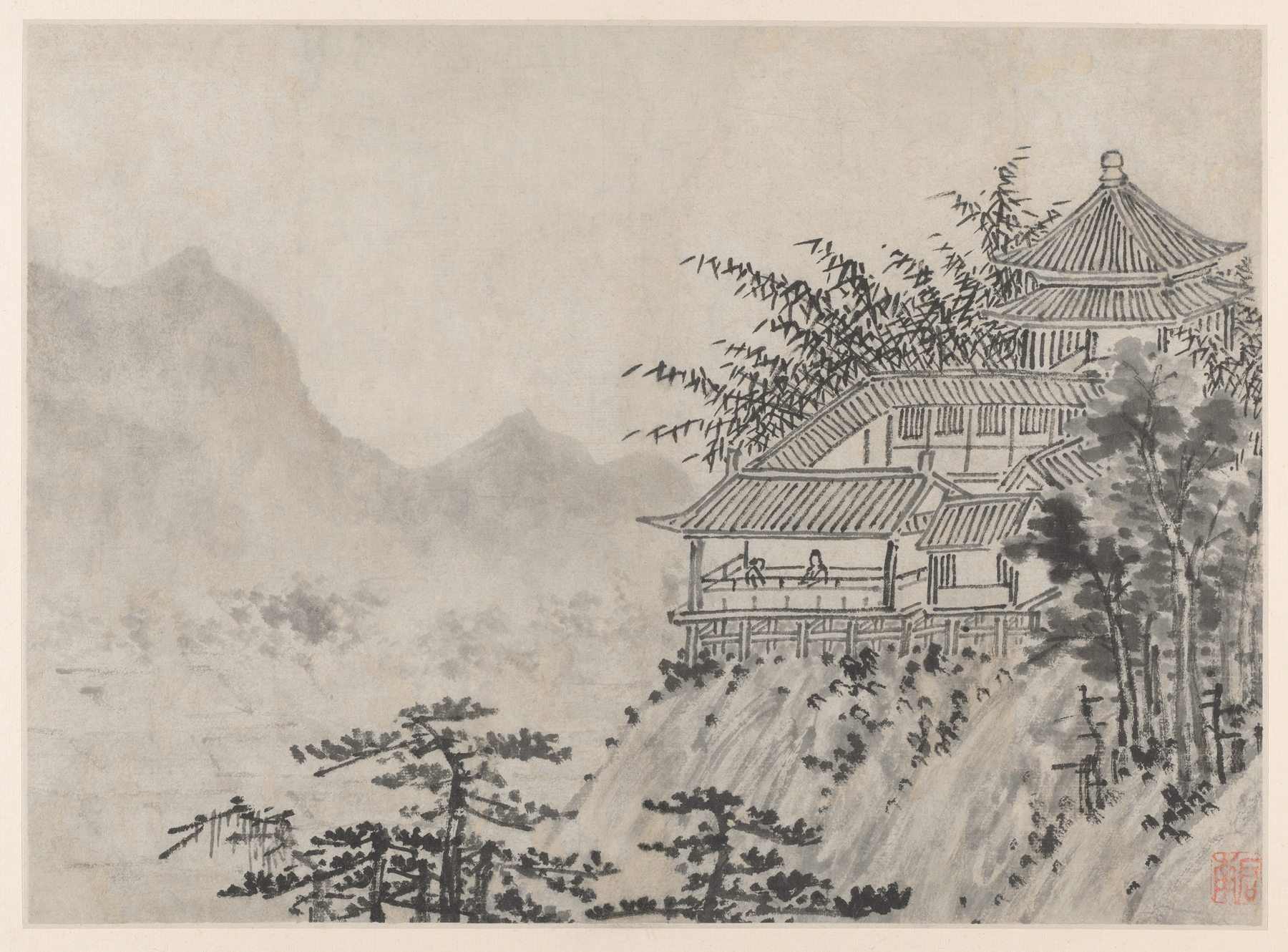
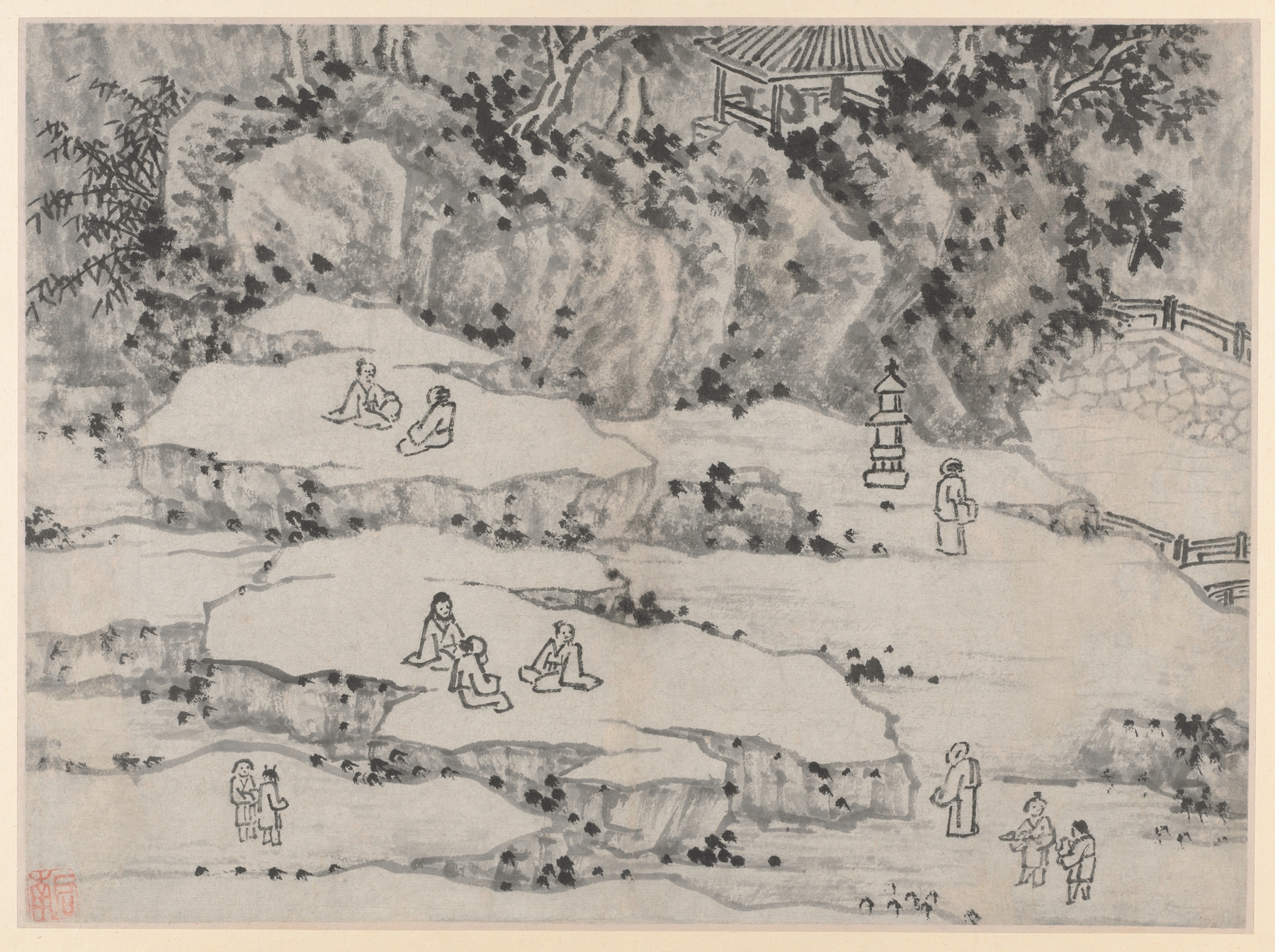
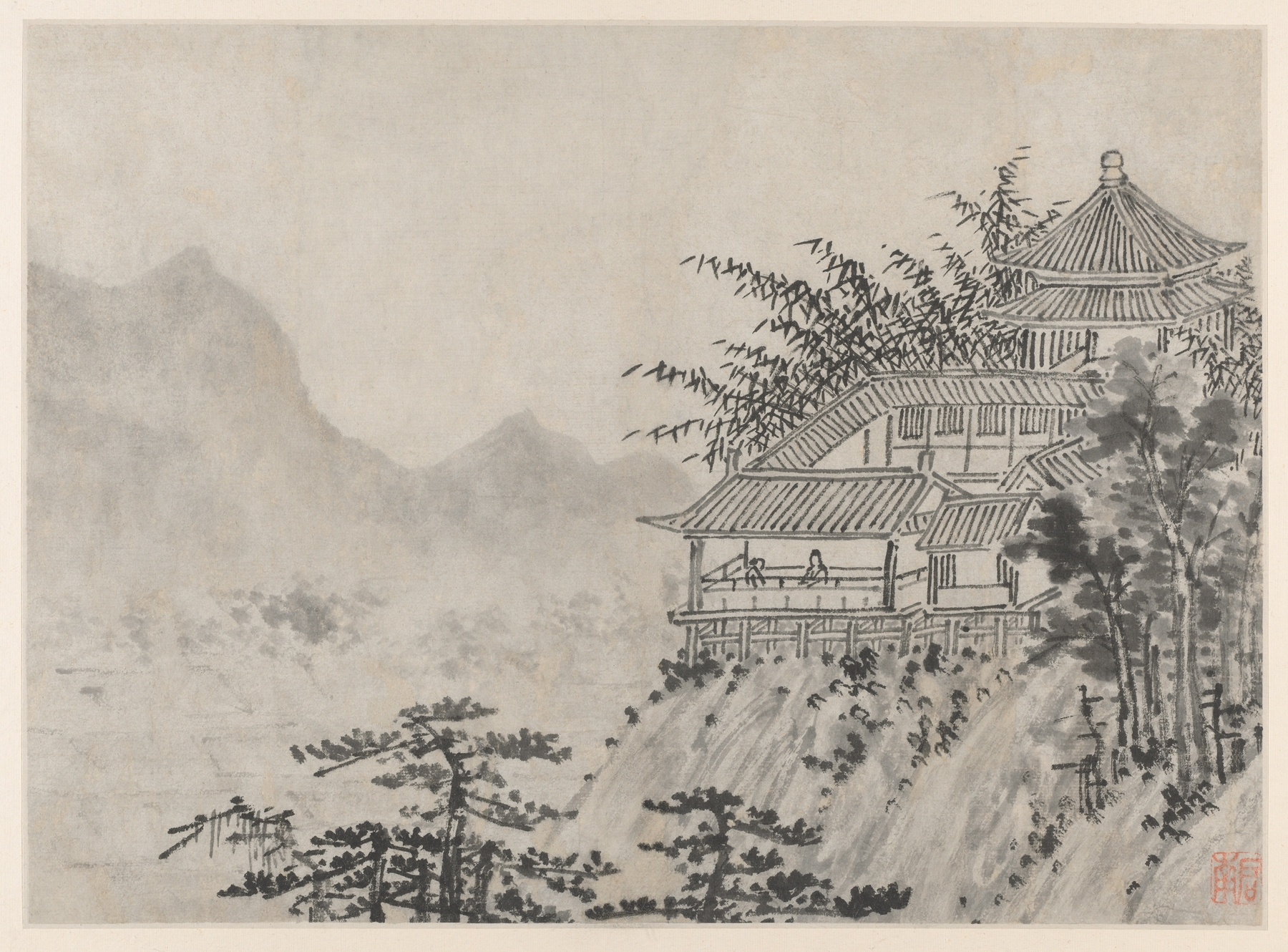
Could beauty survive in a century of chaos? The Fool’s Spring, captured by Shen Zhou, offers a serene answer through its tranquil landscape, inviting us to retreat from the tumultuous tides of history. Look to the left at the delicate cascading waterfall, where the silken flow contrasts sharply with the jagged rocks beneath. The gentle hues of green and blue dominate the scene, painting a picture of lush foliage that envelops the viewer.
Notice how the brushstrokes blend seamlessly, evoking a sense of stillness, while the distant mountains loom like silent guardians. Every element is intentionally placed, guiding the eye through a harmonious composition that feels both intimate and expansive. At the heart of this work lies a tension between nature and humanity, represented by the solitary figure amidst the verdant expanse. The juxtaposition of the serene landscape and the solitary man reflects a quest for inner peace in a world marked by uncertainty.
Additionally, the deliberate simplicity of the composition invites contemplation, prompting viewers to embrace a moment of calm amid life's chaos, capturing the essence of the human soul's longing for solace. Shen Zhou painted this work in the late 15th century, during a period of significant transition in Chinese society. As the Ming Dynasty was emerging, artists began to explore new expressions of individuality and emotion, breaking away from the strictures of traditional techniques. The artist, deeply influenced by his surroundings in Suzhou, sought to encapsulate the beauty of nature and the introspective journey of the self, establishing a poignant dialogue that resonates through time.