The Gaiety — History & Analysis
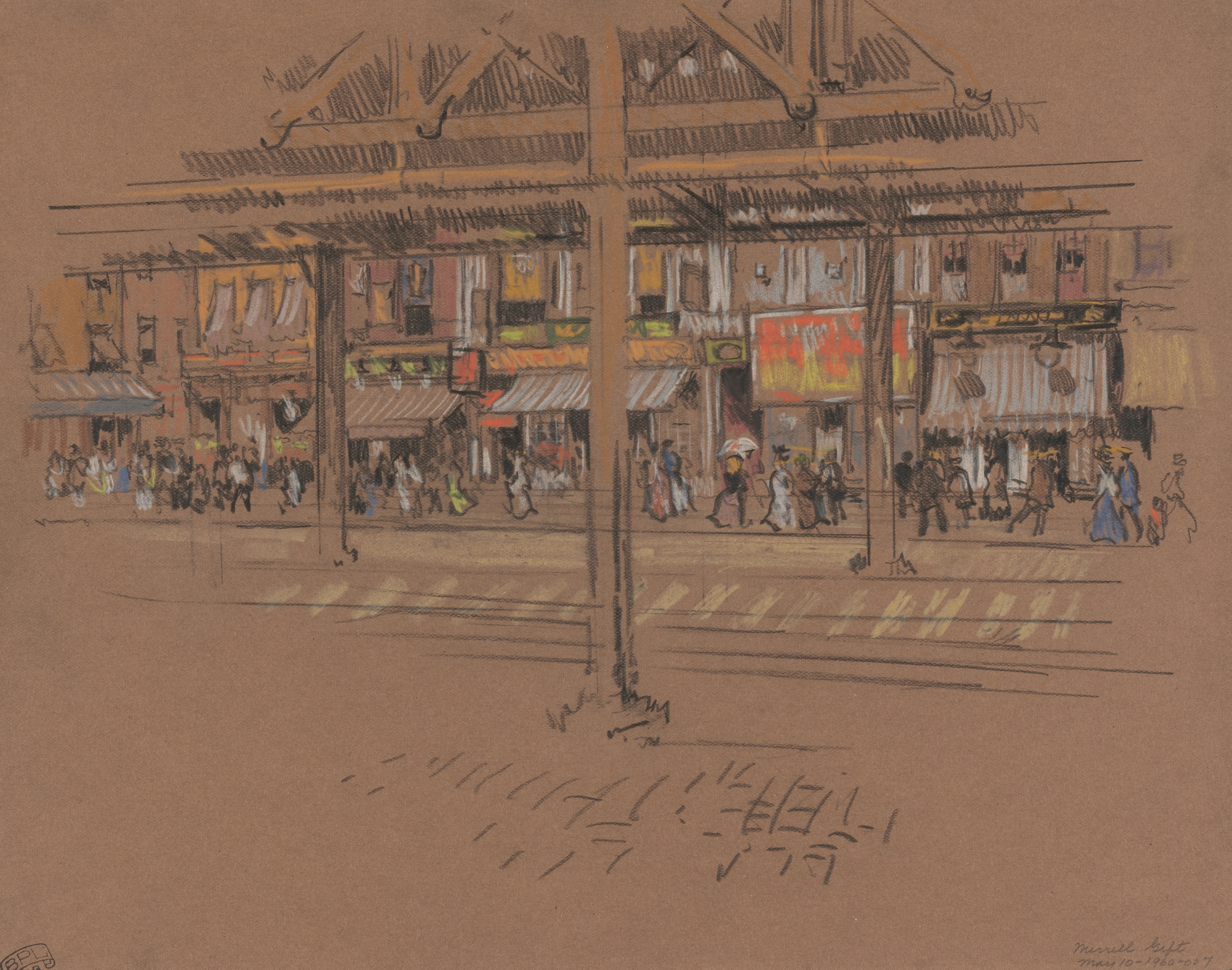
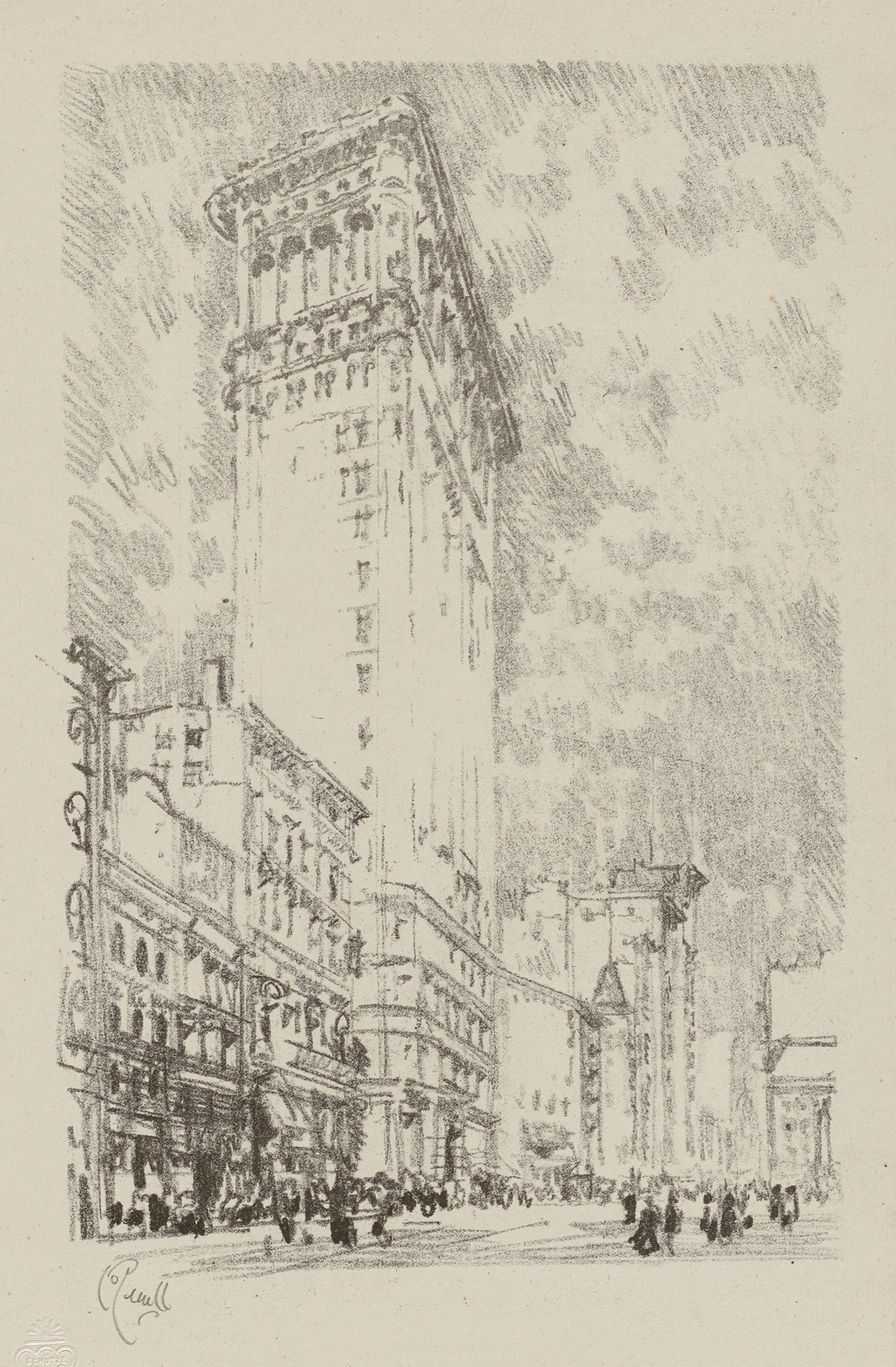
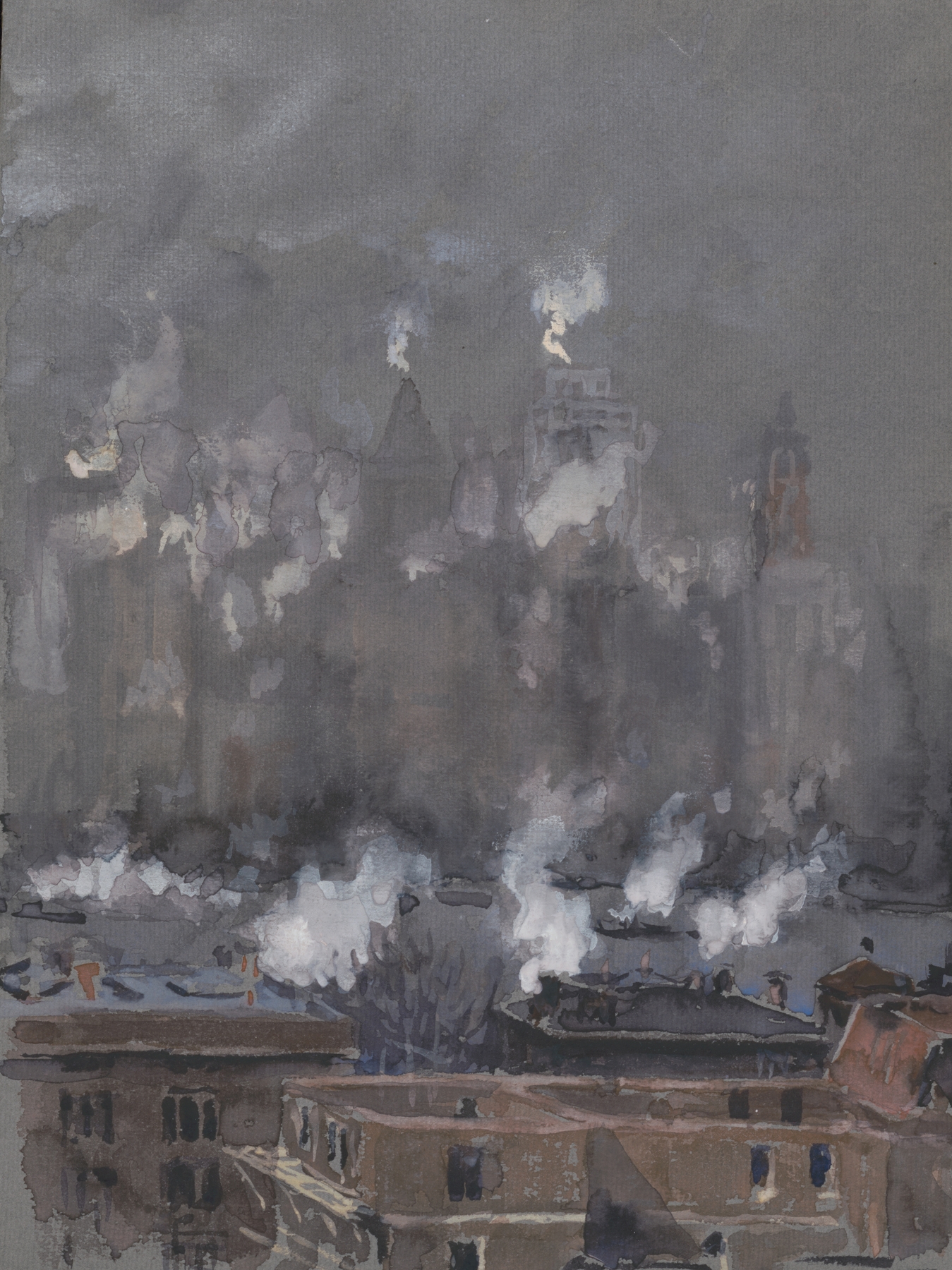
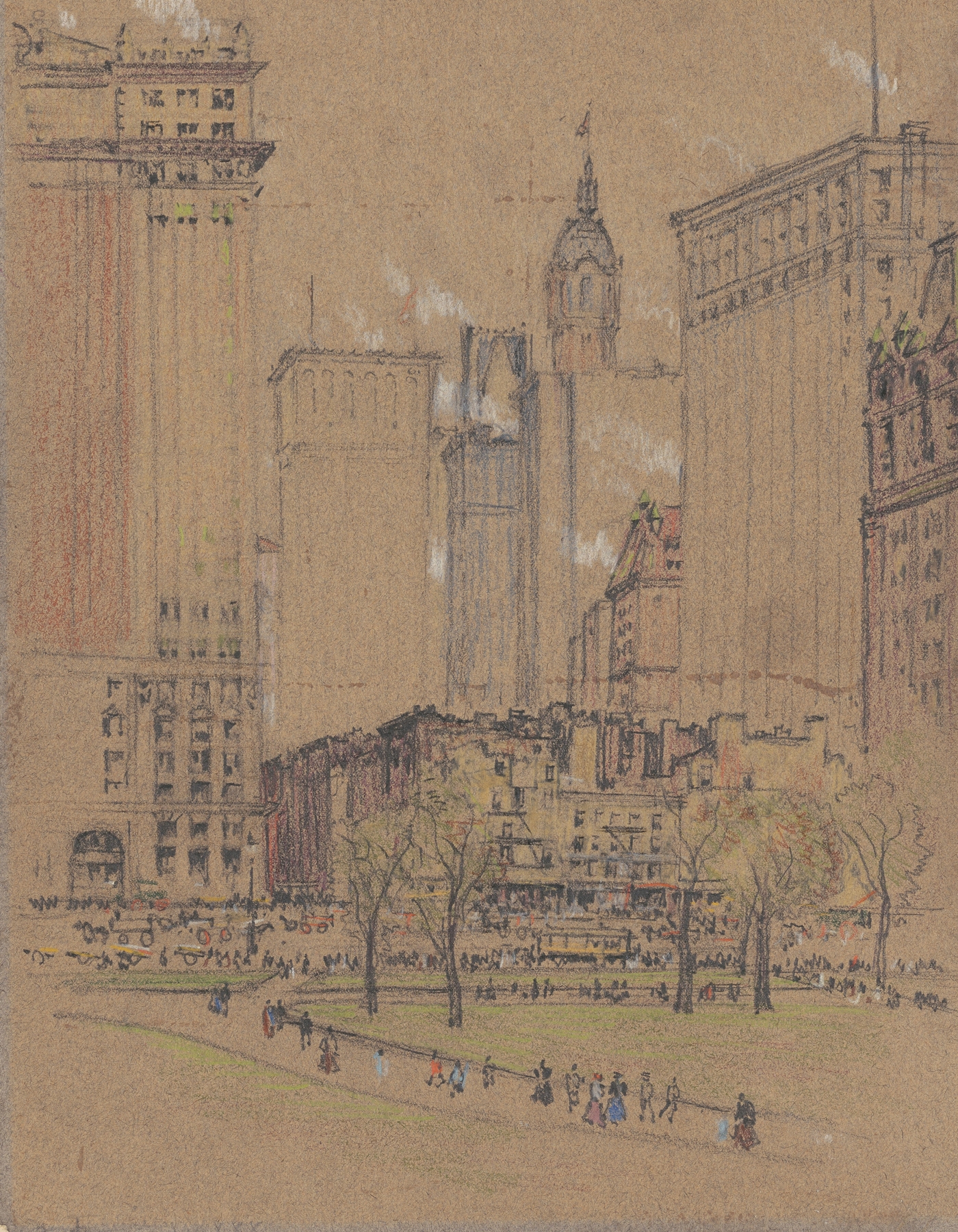
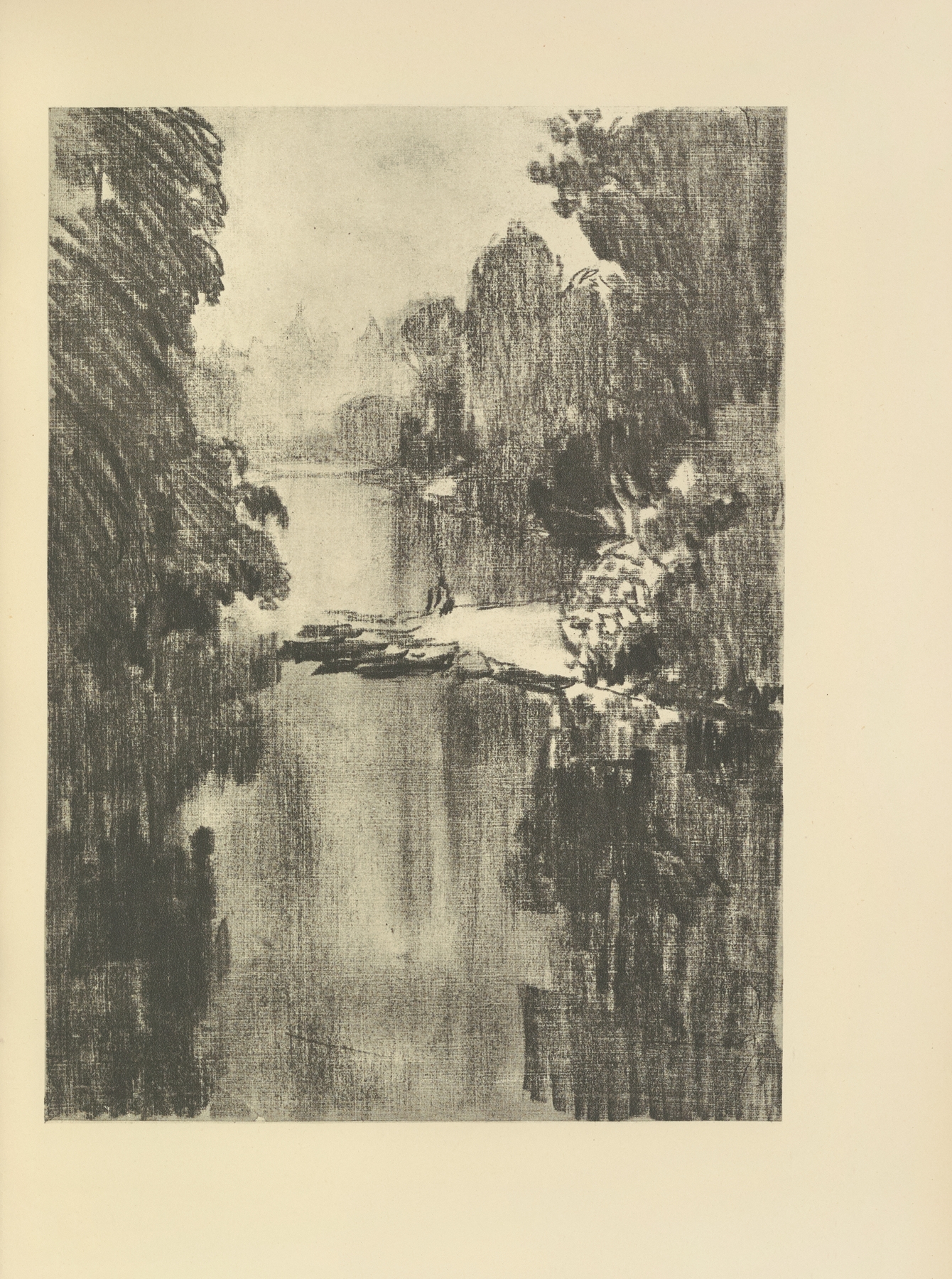
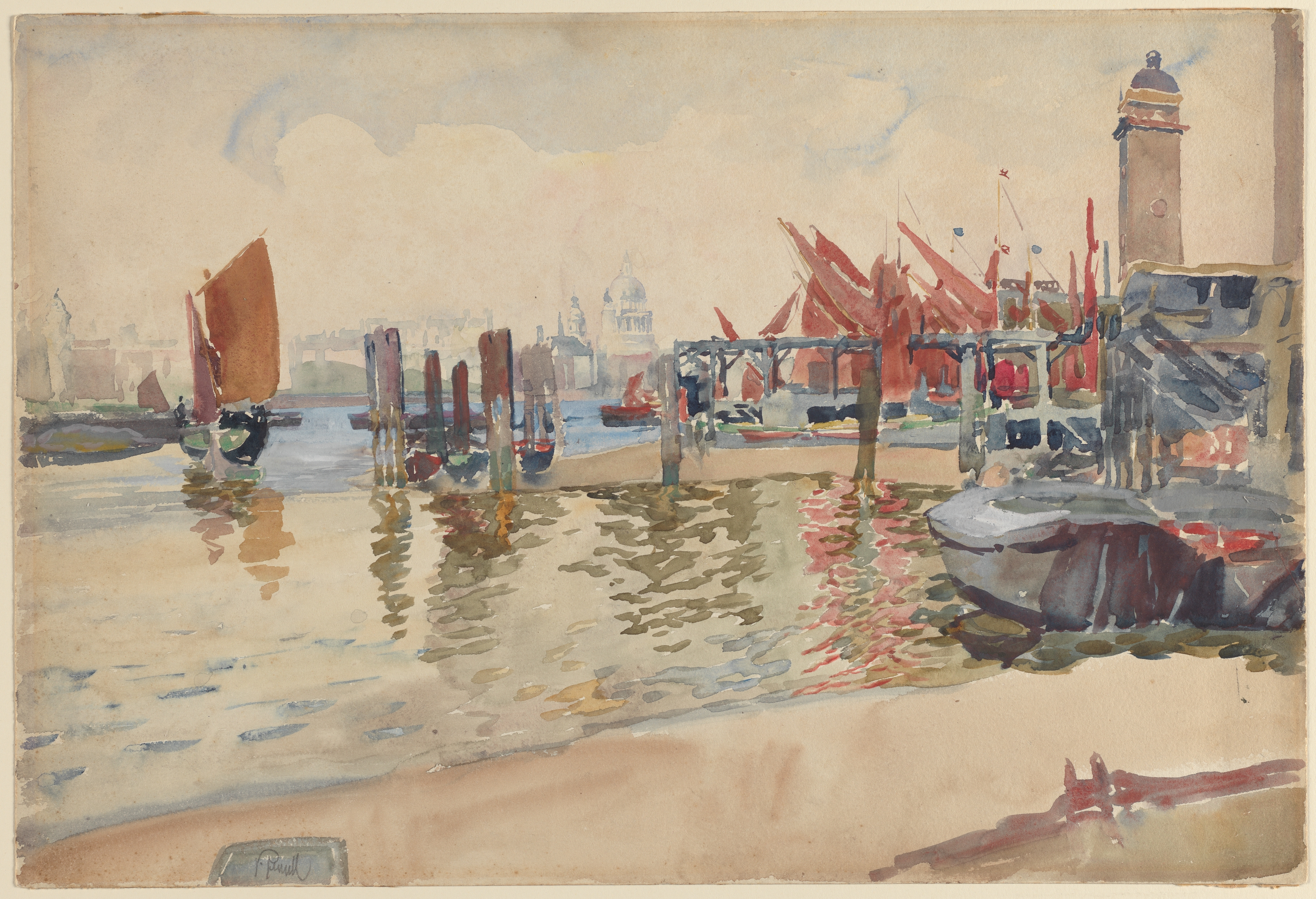
Could beauty survive in a century of chaos? In a world swirling with tumult, nostalgia serves as a fragile lifeline, reminding us of a time when art and exuberance flourished amidst uncertainty. Focus on the vigorous strokes that merge colors seamlessly in The Gaiety. The vivacious palette of blues and pinks draws the eye towards the bustling ambiance, where figures dressed in elegant attire engage in spirited conversations, their forms exuding warmth and vitality.
Notice how the light captures the shimmering surfaces, reflecting a sense of joy and community, illuminating each character in playful harmony with their surroundings. Delve deeper, and you’ll uncover a poignant juxtaposition within the composition. The exuberance of the revelers contrasts sharply with the muted background, hinting at an undercurrent of isolation and longing. As laughter echoes through the canvas, shadows linger, suggesting the fleeting nature of happiness and the inevitability of change.
Each figure, while engaged, seems to carry an unspoken narrative, a reminder of lost moments and dreams that flutter just beyond reach. In 1928, Joseph Pennell painted this vibrant piece during a period marked by economic uncertainty and societal shifts. Living in New York, he navigated the complexities of modernism and the rise of urban life. This artwork encapsulates a moment of joy amid the chaos, reflecting both a personal and collective yearning for beauty in a rapidly evolving world, encapsulating the spirit of an age caught between nostalgia and progress.