The Gate at Blenheim — History & Analysis
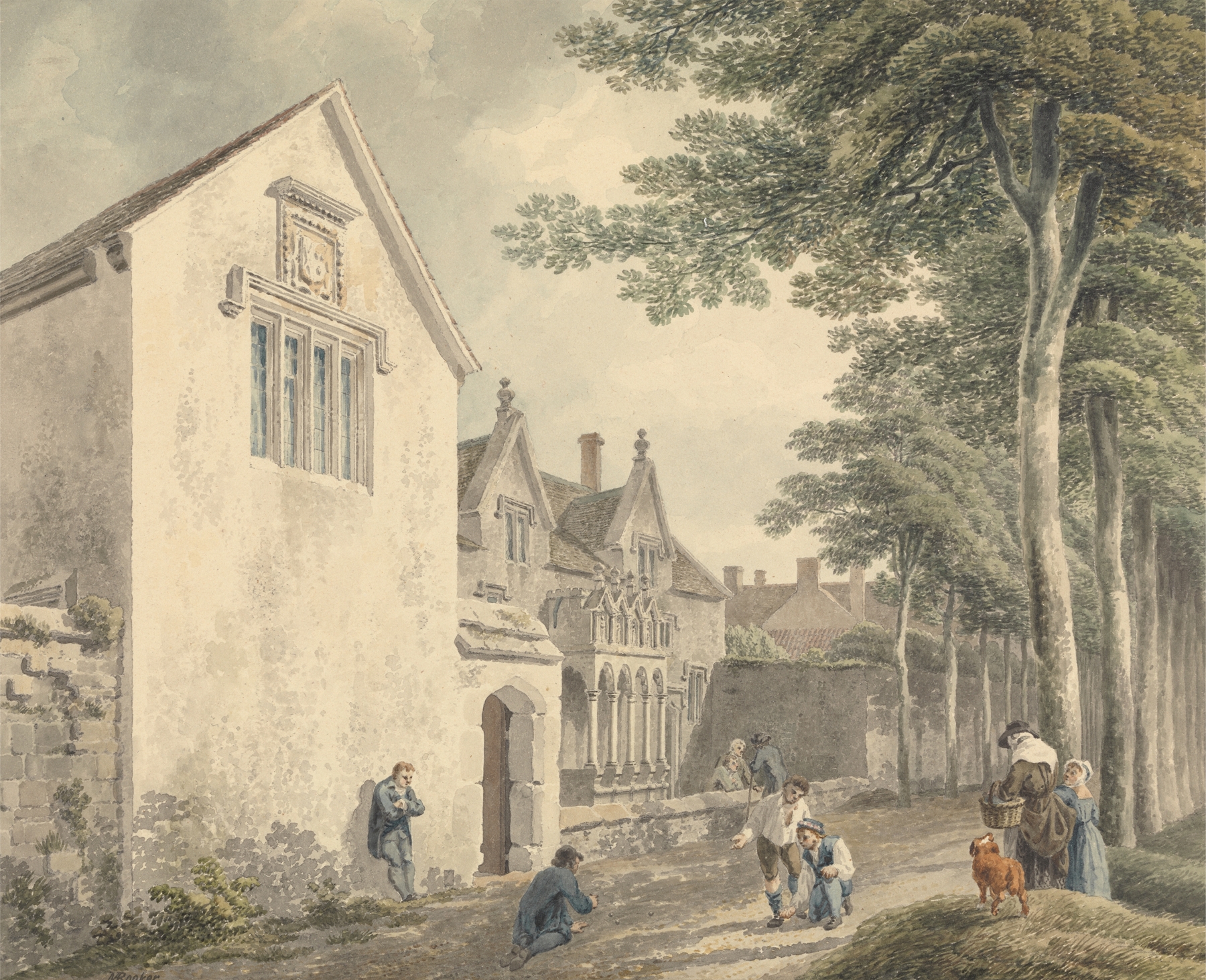
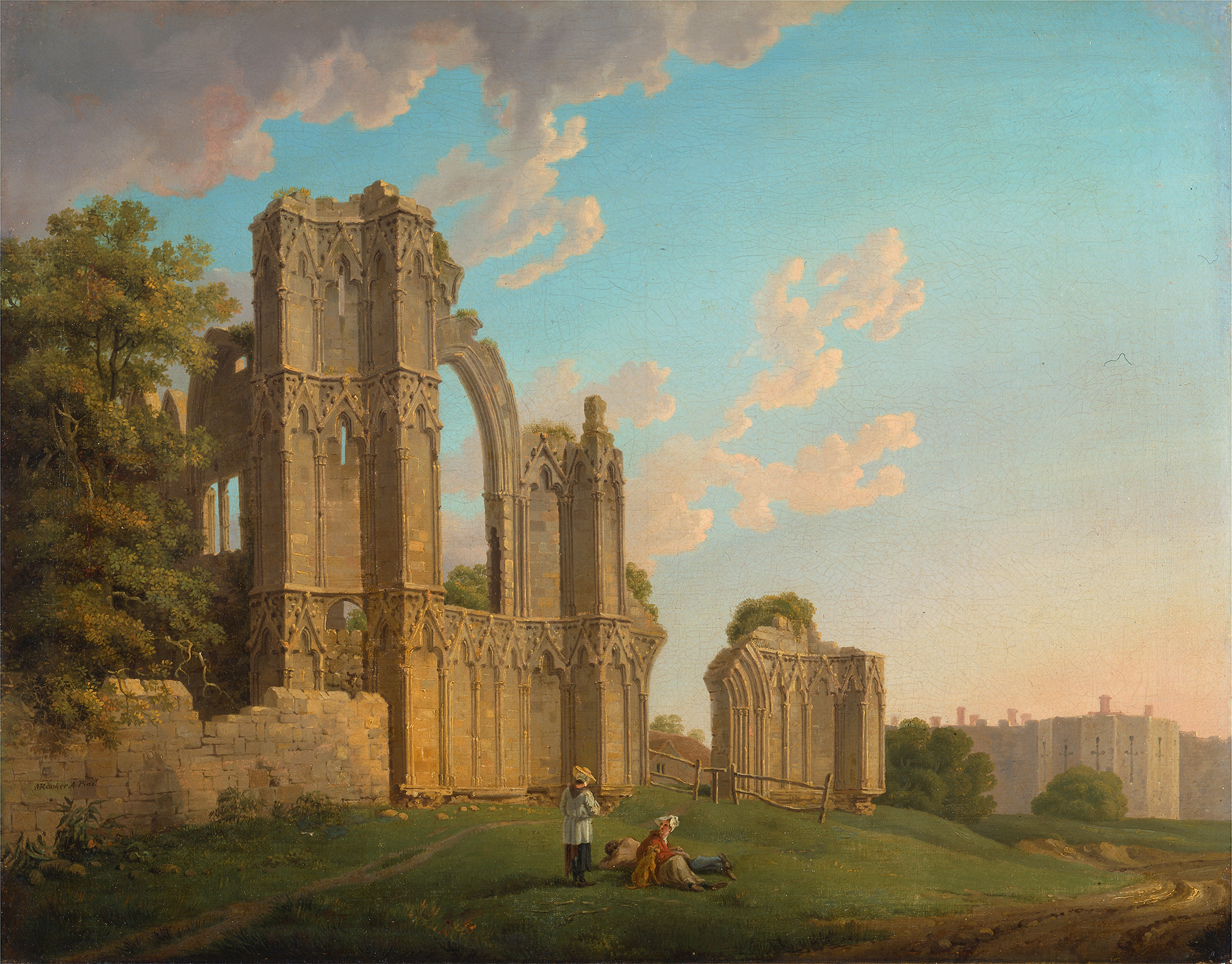
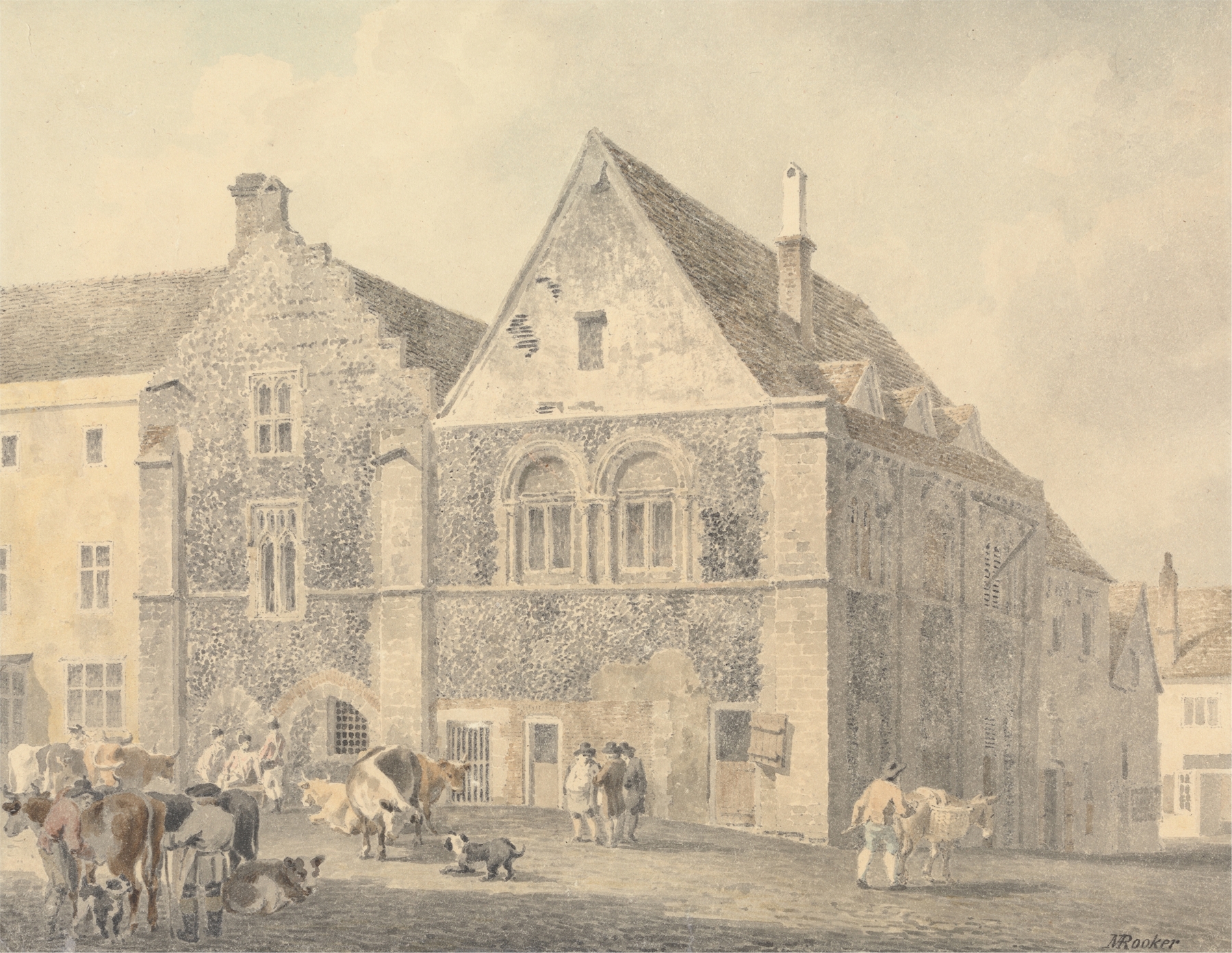
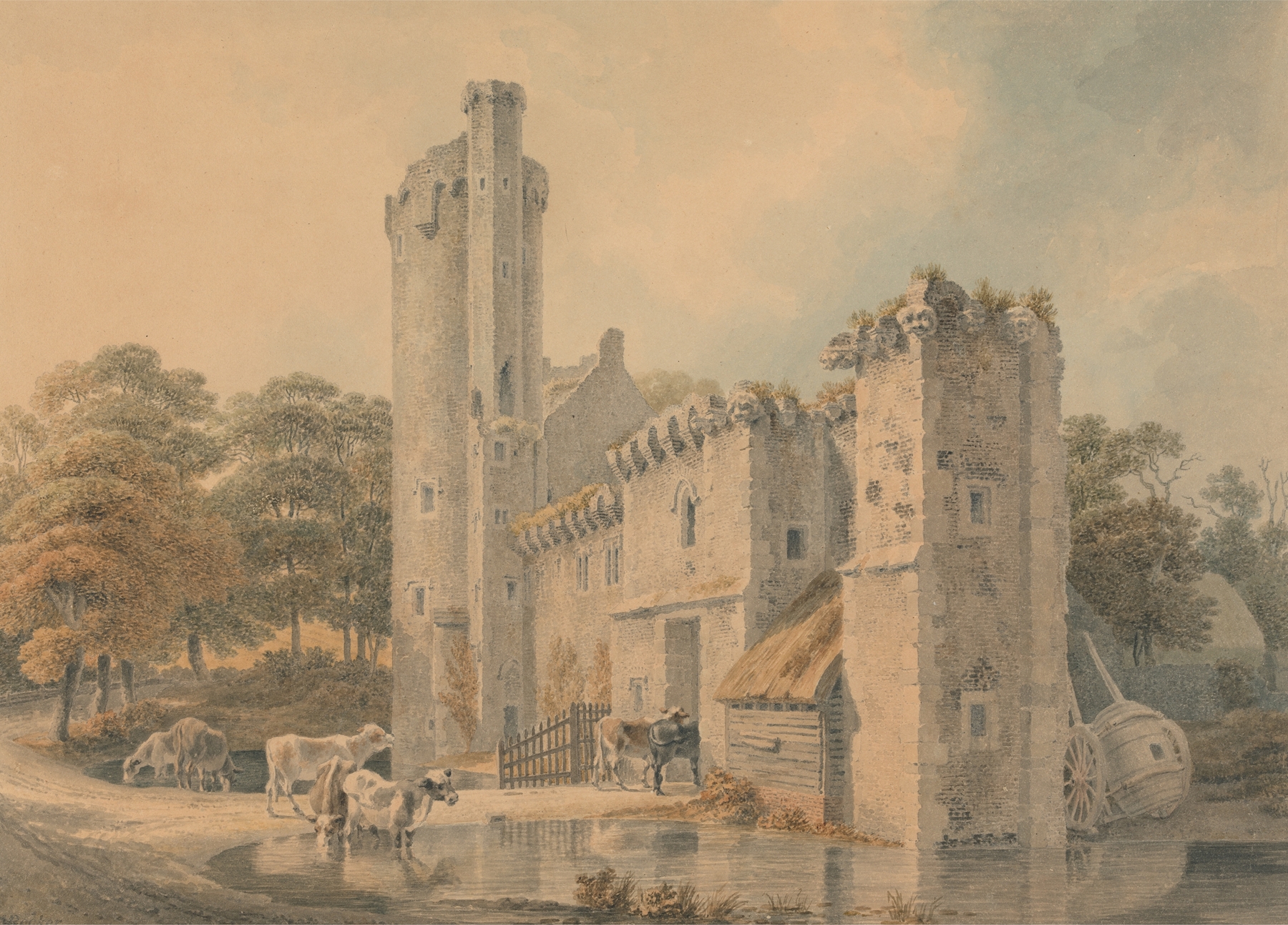
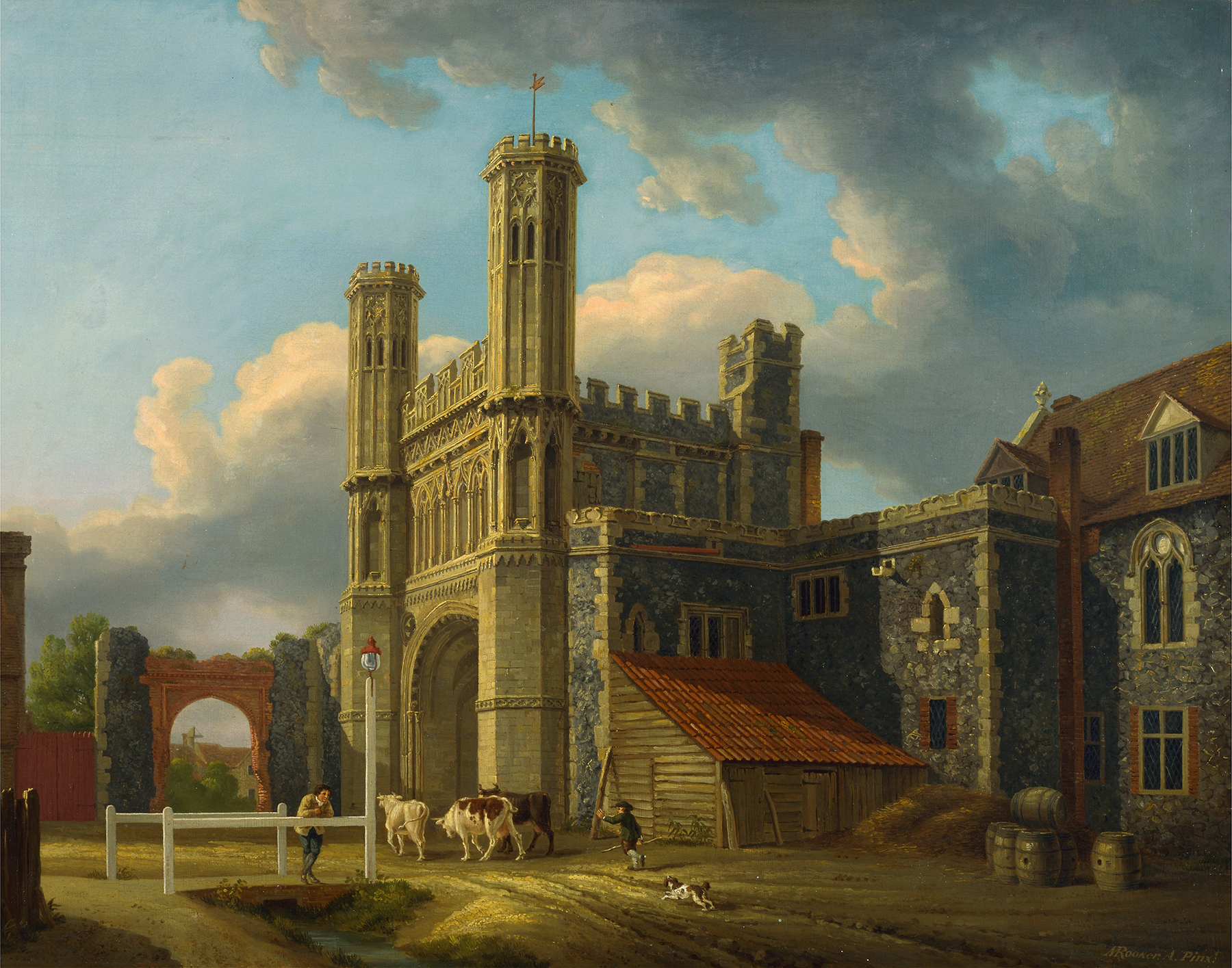
“The canvas doesn’t lie — it simply waits.” What secrets lie behind a painted gate, guarding passions and obsessions that yearn to be unveiled? Focus on the intricate details of the gate framed at the center of the composition. The warm earth tones contrast sharply with the deep shadows, drawing you in and inviting a closer inspection. Look to the ornate carvings that twist and turn, each motif whispering stories of bygone eras, while the delicate play of light dances across the surface, bringing texture and depth to the piece.
The soft gradation of colors invites the viewer’s eye to wander, creating a path through the gate and into the unknown. In this artwork, the gate symbolizes not just a physical barrier, but a threshold between reality and imagination. The tension between the overt beauty of the craftsmanship and the ominous shadows suggest an unfulfilled desire to explore what lies beyond. The juxtaposition of light and dark creates an emotional tug-of-war, reflecting the artist's inner turmoil — a yearning not only for artistic perfection but also for deeper existential understanding.
In 1787, Michael Angelo Rooker was immersed in the vibrant cultural milieu of England, where neoclassical ideals were gaining prominence. He painted The Gate at Blenheim during a period of personal exploration, as he sought to define his own artistic identity amidst the shifting tides of art history. Rooker's work at that time reflects a blend of his classical training and the emerging romantic sensibilities, a fusion that captures both beauty and a sense of longing.