The Glen at Ornans (Bords du Doubs; Effet d’Automne) — History & Analysis
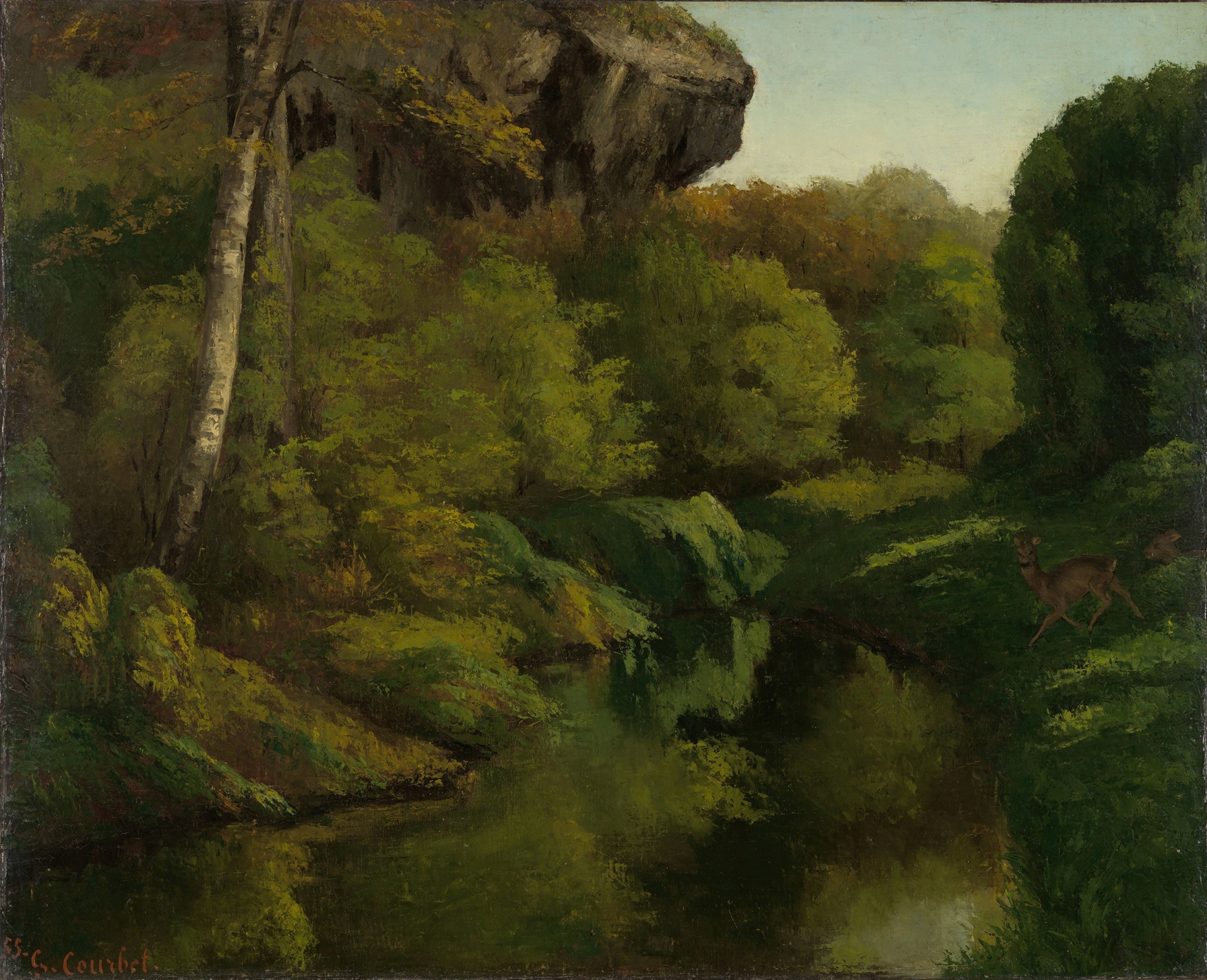
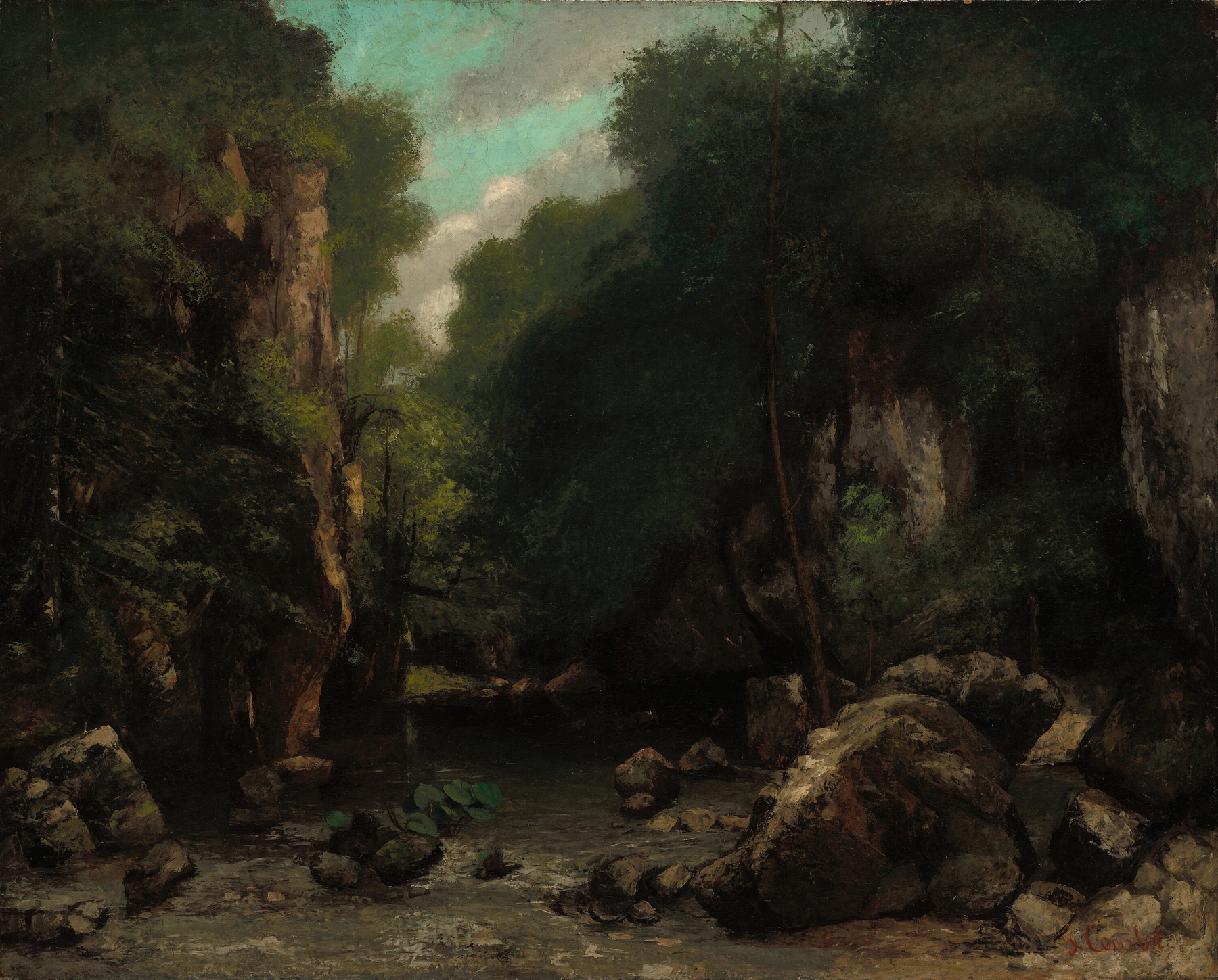
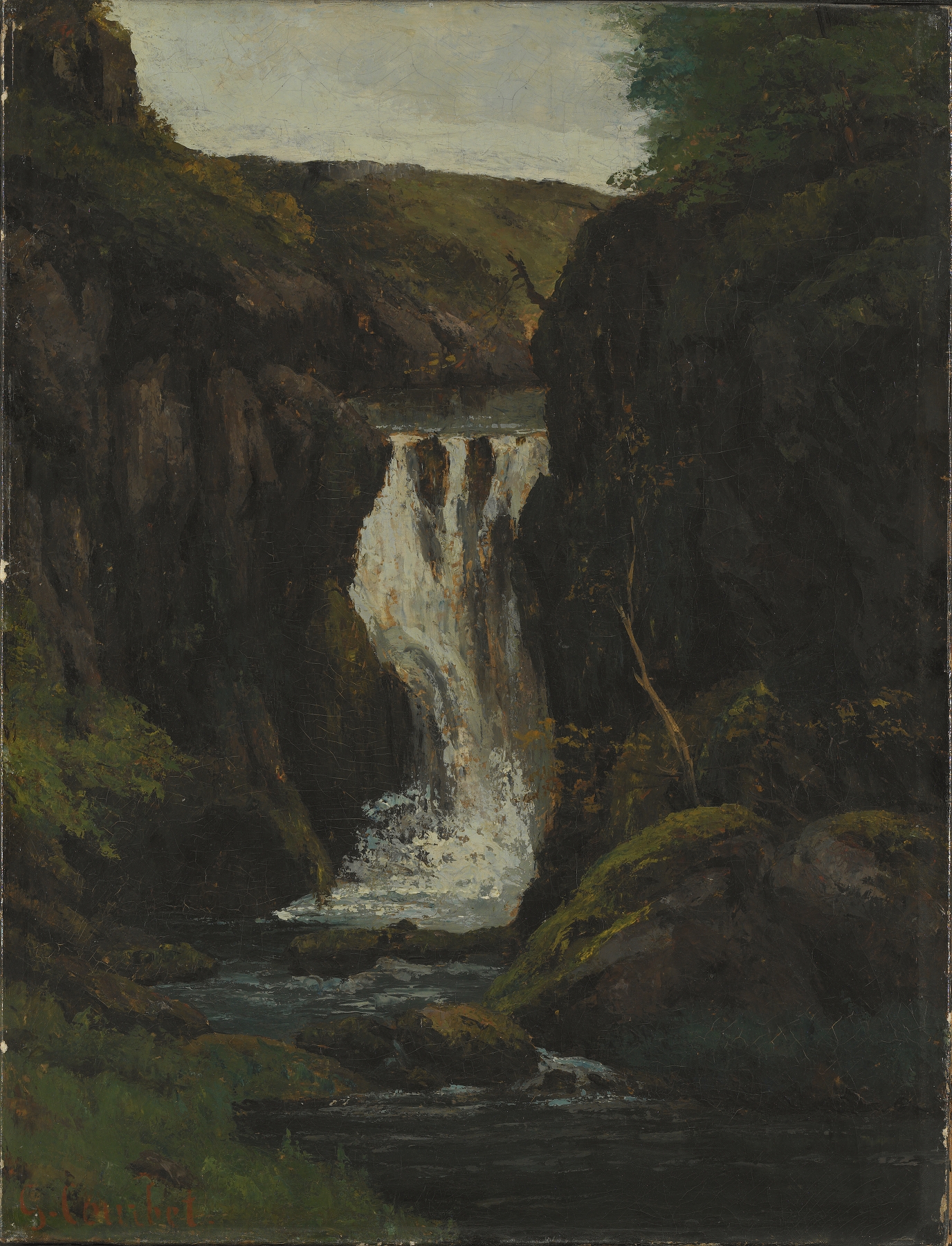
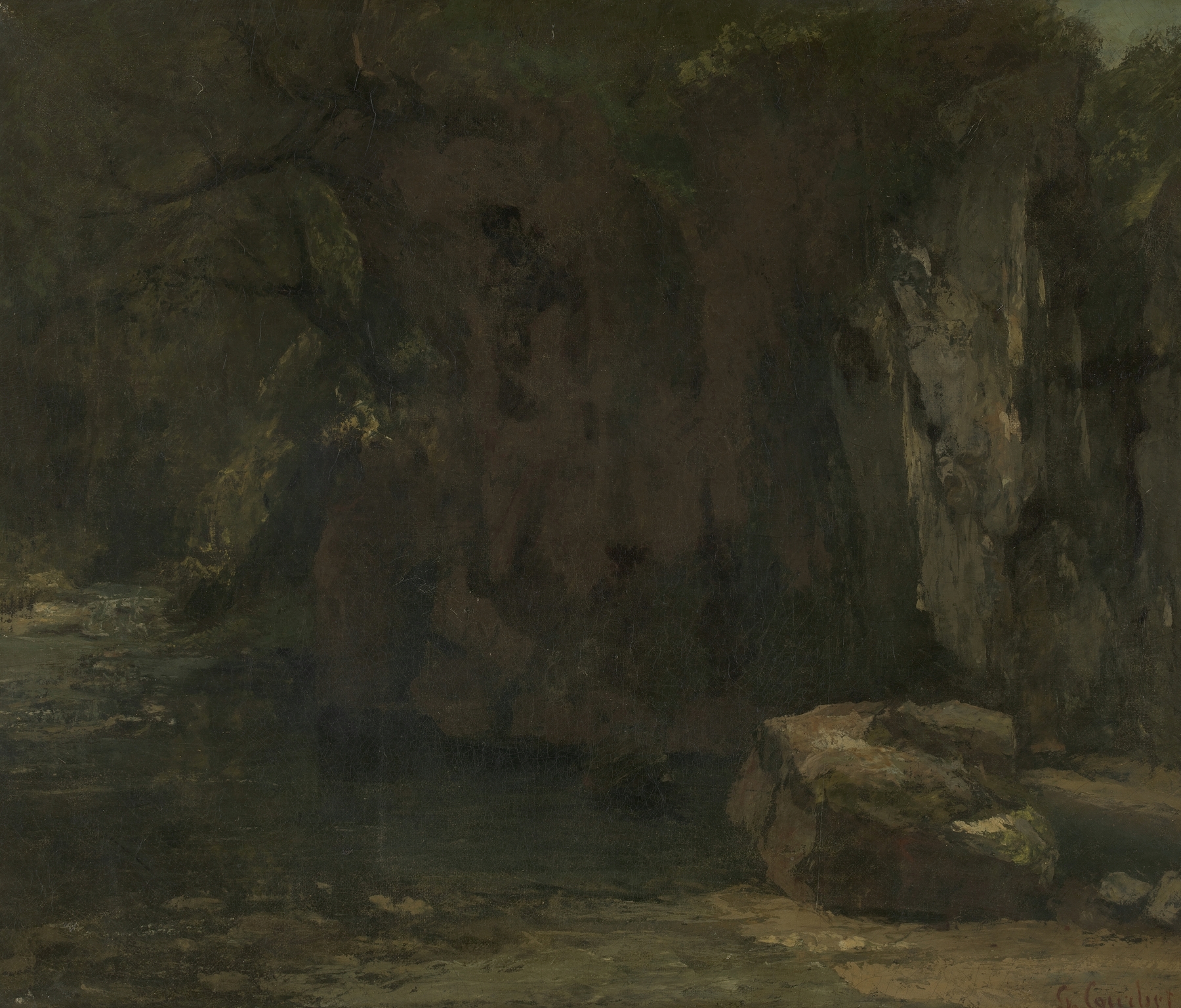
What secret hides in the quiet of the canvas? In the embrace of nature, time seems to pause, inviting contemplation of life's fragility. Look to the left at the gently rippling waters of the Doubs, a serene blue that reflects a tapestry of autumn leaves. Notice how the warm ochres and fading greens harmonize with the coolness of the sky, creating a delicate balance that captures the season's transition.
The brushwork flows smoothly, guiding the eye across the composition, while the faint edges of the trees appear almost ethereal against the horizon, inviting a sense of tranquility. Delve deeper into the contrasts presented here: the stillness of the water juxtaposed with the vibrant colors of decay. Each brushstroke embodies the tension between permanence and impermanence, revealing the beauty in what is fleeting. Courbet's careful attention to detail speaks to the fragility of this moment, as if he is both celebrating nature's grandeur and mourning its inevitable change.
Created in 1866, this piece is a reflection of Courbet's commitment to realism and his exploration of the natural world. At this time, he was establishing his reputation within the avant-garde movement in France, focusing on genuine representation in an era rife with romantic idealism. The painting encapsulates his belief that art must express truth, capturing the essence of a landscape that is both familiar and ephemeral, inviting viewers to pause and reflect.