The Grand Canal — History & Analysis
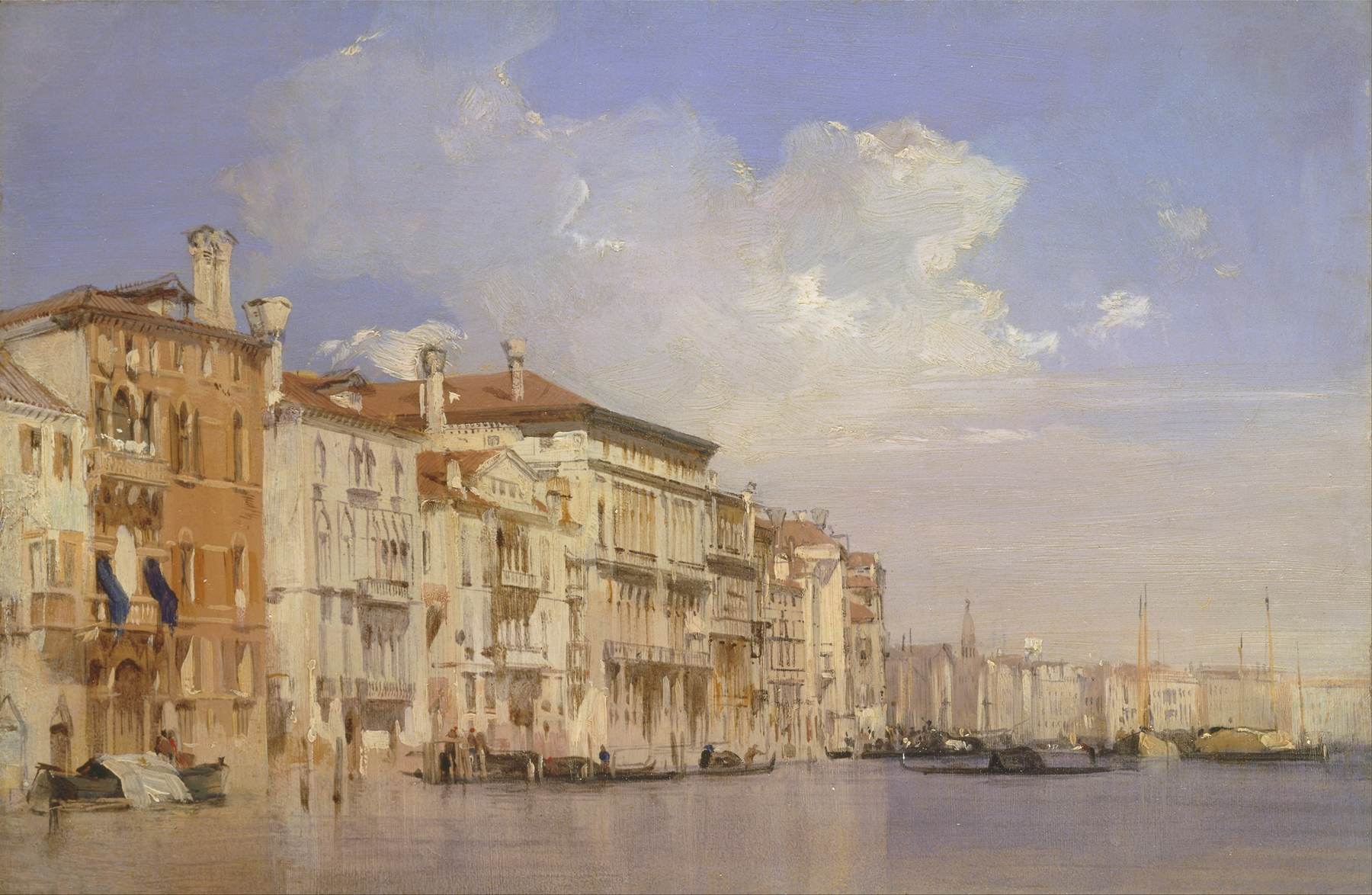
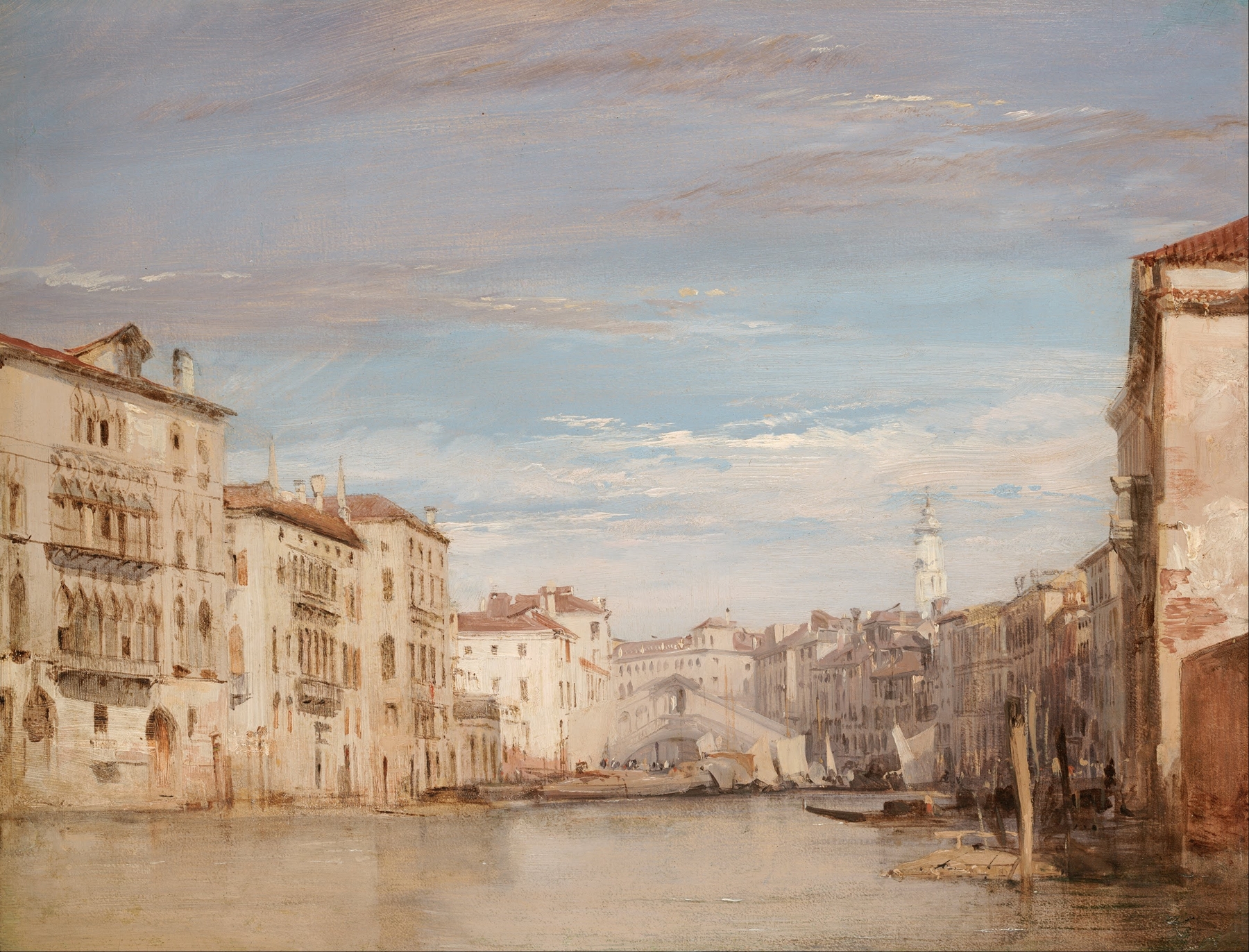
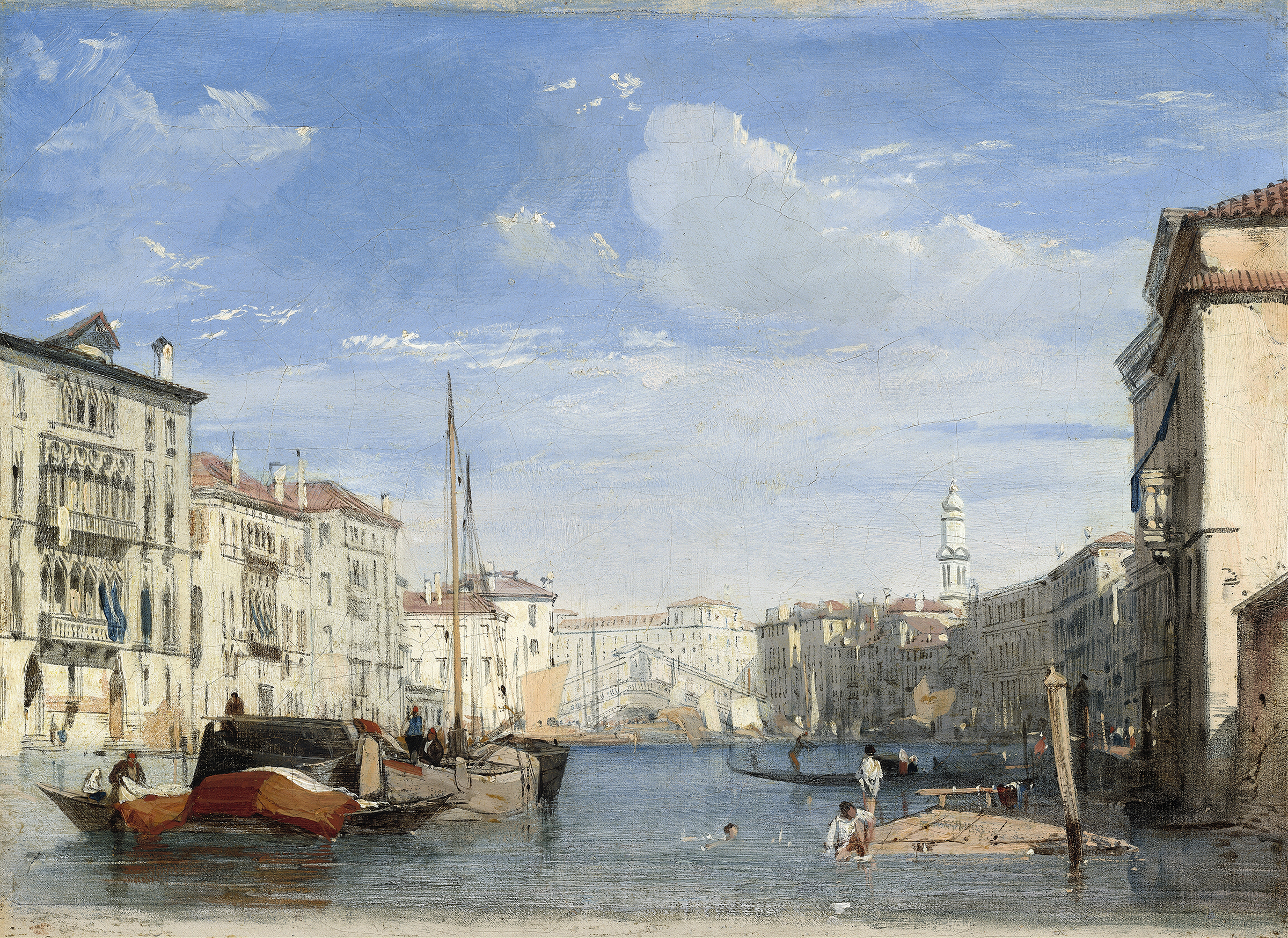
“To paint is to remember what time wants us to forget.” In the serene yet haunting embrace of twilight, fear whispers through the waters of The Grand Canal. As shadows deepen, the reflective surface becomes a mirror of apprehension, threatening to reveal not just the surface but the haunting depths of the unknown. Focus on the center of the canvas where the tranquil water seems to pulse with an almost eerie stillness. The soft play of light glimmers off the ripples, drawing your eye toward the distant horizon where the architecture stands solemn and foreboding.
Notice the warm hues of the sky blending into cooler tones that envelop the buildings, creating a dichotomy between safety and an impending sense of loss. The brushwork is fluid, almost ethereal, evoking a dreamlike state that straddles the line between beauty and trepidation. As you explore the edges of the painting, the delicate interplay of light and shadow reveals the tension between the vibrant life of the city and the haunting solitude of the waterway. The juxtaposition of lively boats against the stillness of the canal invites reflection on the transient nature of existence.
Every figure is a fleeting moment, a reminder that despite the vibrancy of life, fear lurks in the stillness, waiting to engulf what we cherish in the blink of an eye. In the years 1826-1827, Bonington painted this piece in Venice, a city that captured his imagination with its picturesque beauty and underlying melancholy. During this period, he was navigating the complexities of his own career, facing challenges that mirrored the turbulent emotions within his art and the broader Romantic movement. The pieces he created during this time reveal a desire to capture not just the visual splendor, but the haunting fears that linger beneath the surface of beauty.