The Hornád Valley by Ťahanovce — History & Analysis
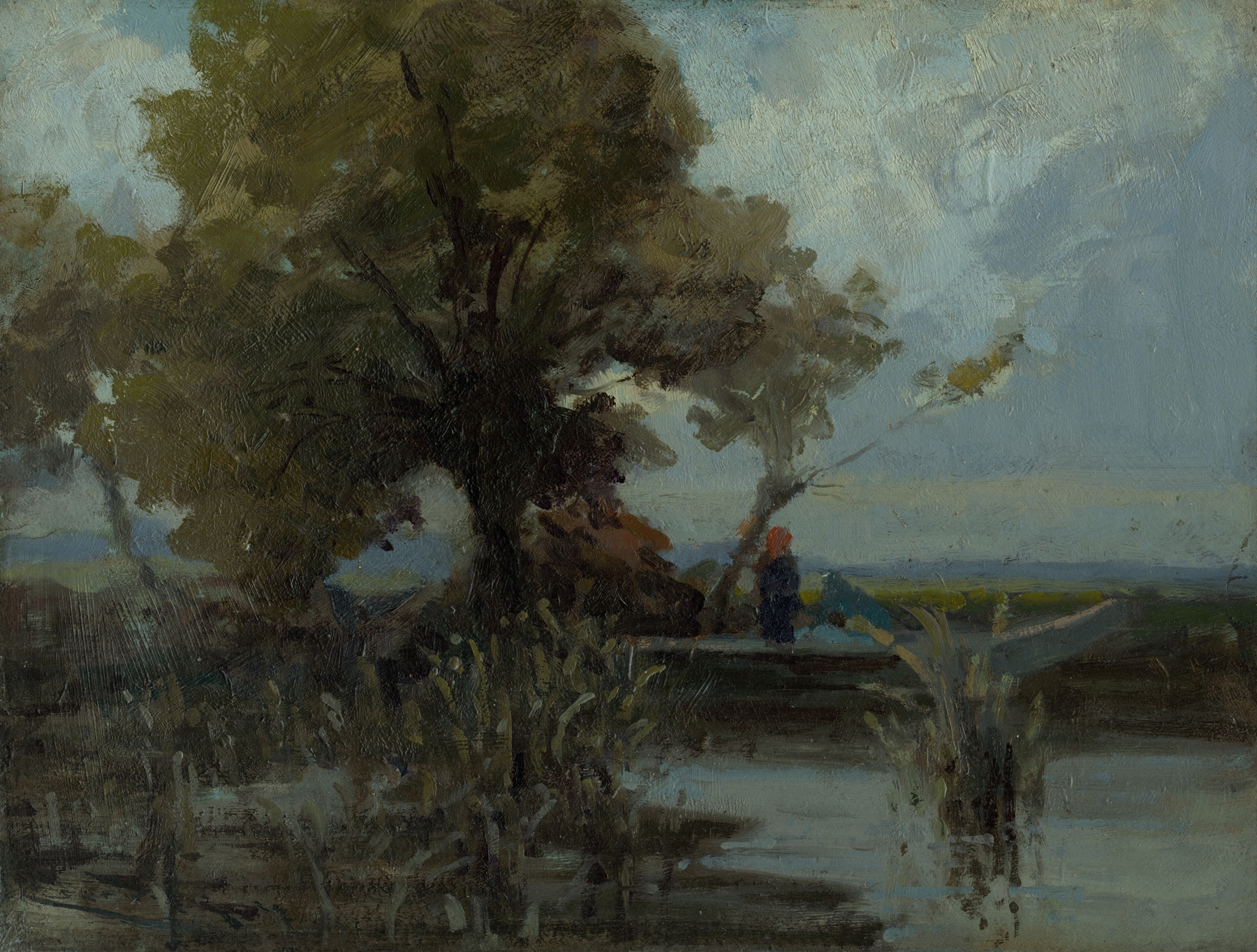
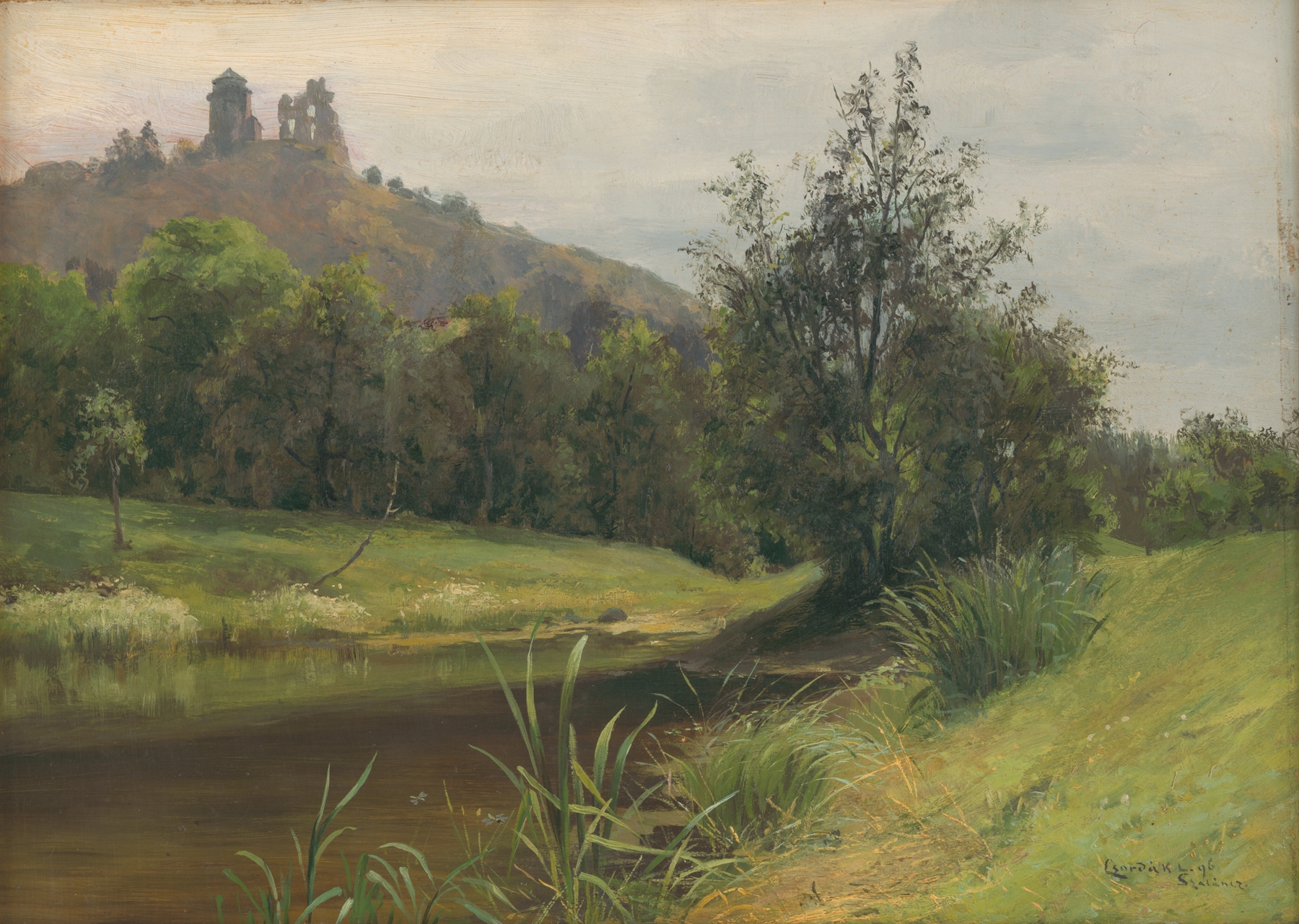
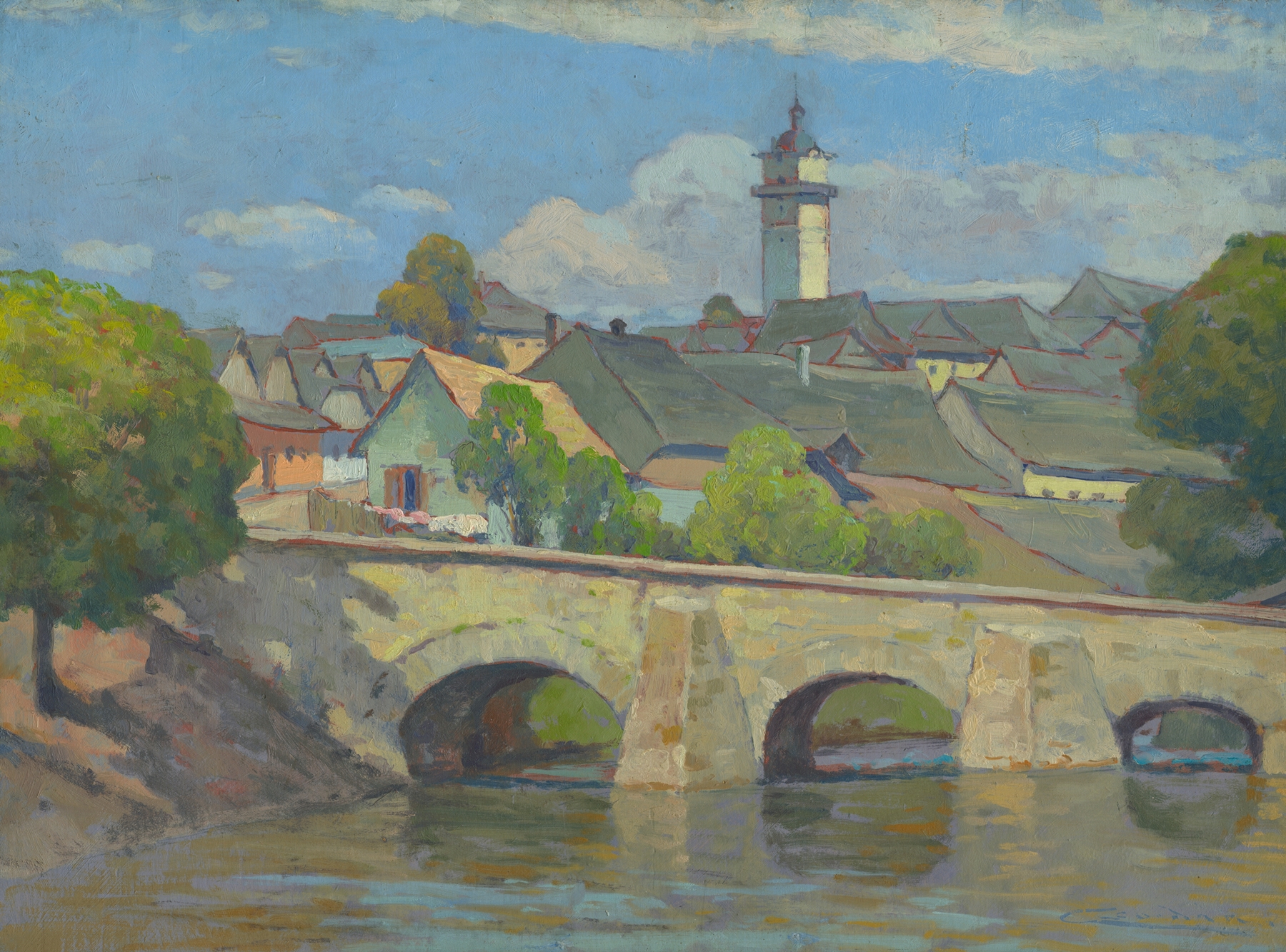
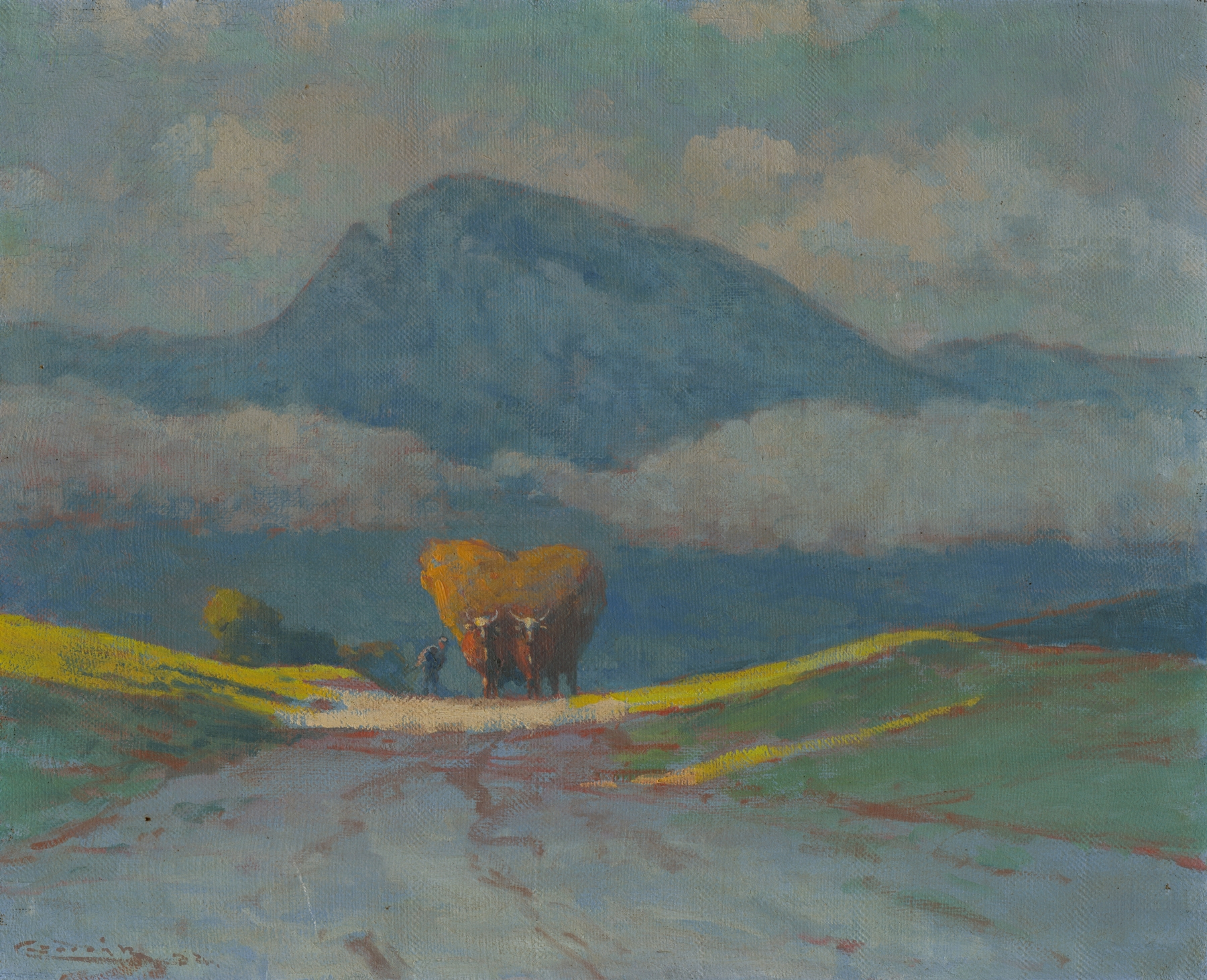
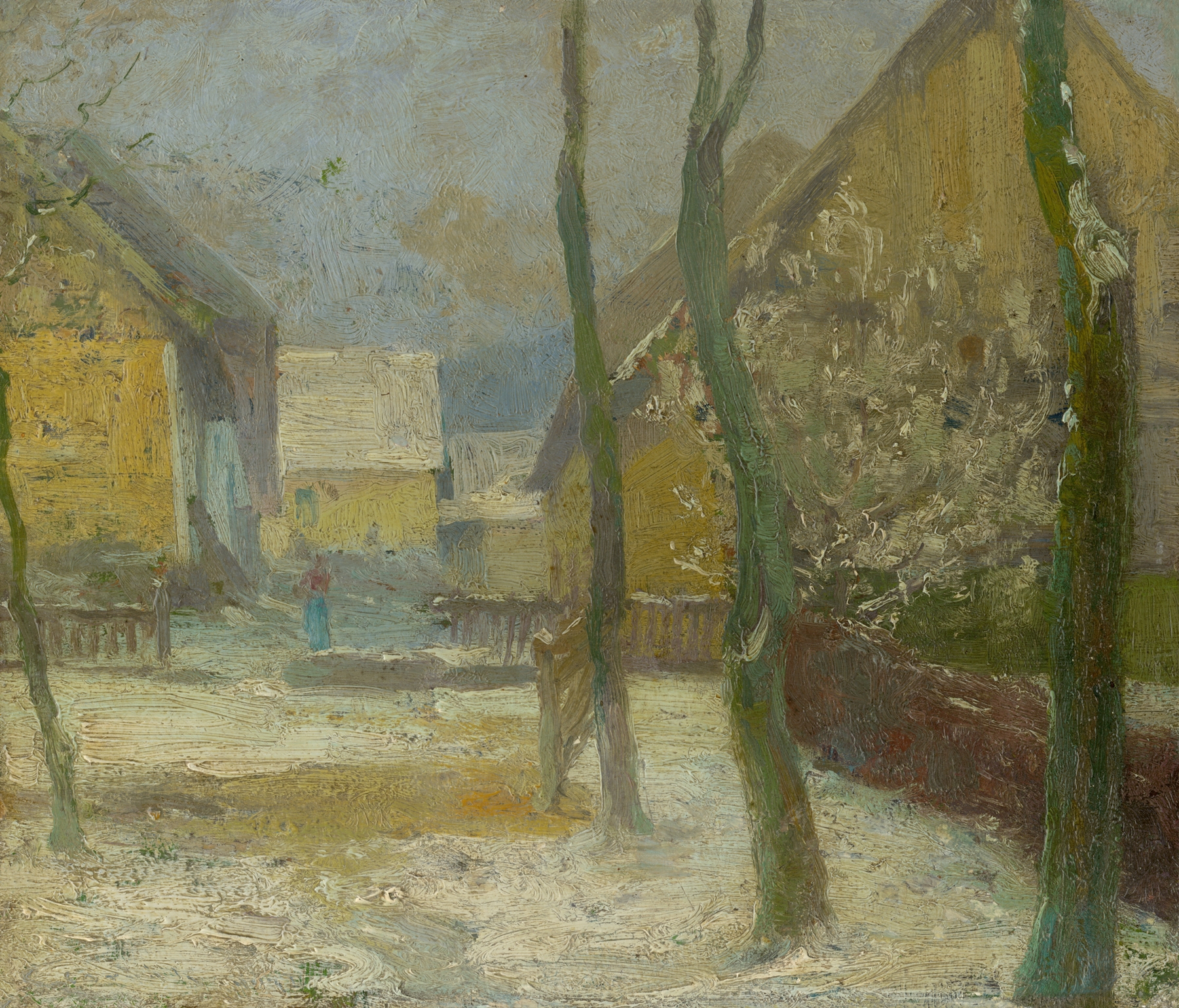
“Between color and silence, truth hides.” In the embrace of decay, where vibrancy yields to the passage of time, a profound narrative unfolds in what once thrived. Look to the right at the gentle curve of the river, its surface kissed by ephemeral rays of sunlight filtering through the foliage. The rich greens and earthy browns dominate the landscape, yet there’s a subtle play of muted yellows, hinting at the transient beauty of autumn. Notice how the brushstrokes convey both motion and stillness — the trees stand tall, yet their leaves whisper stories of change, echoing the inevitability of nature’s cycles.
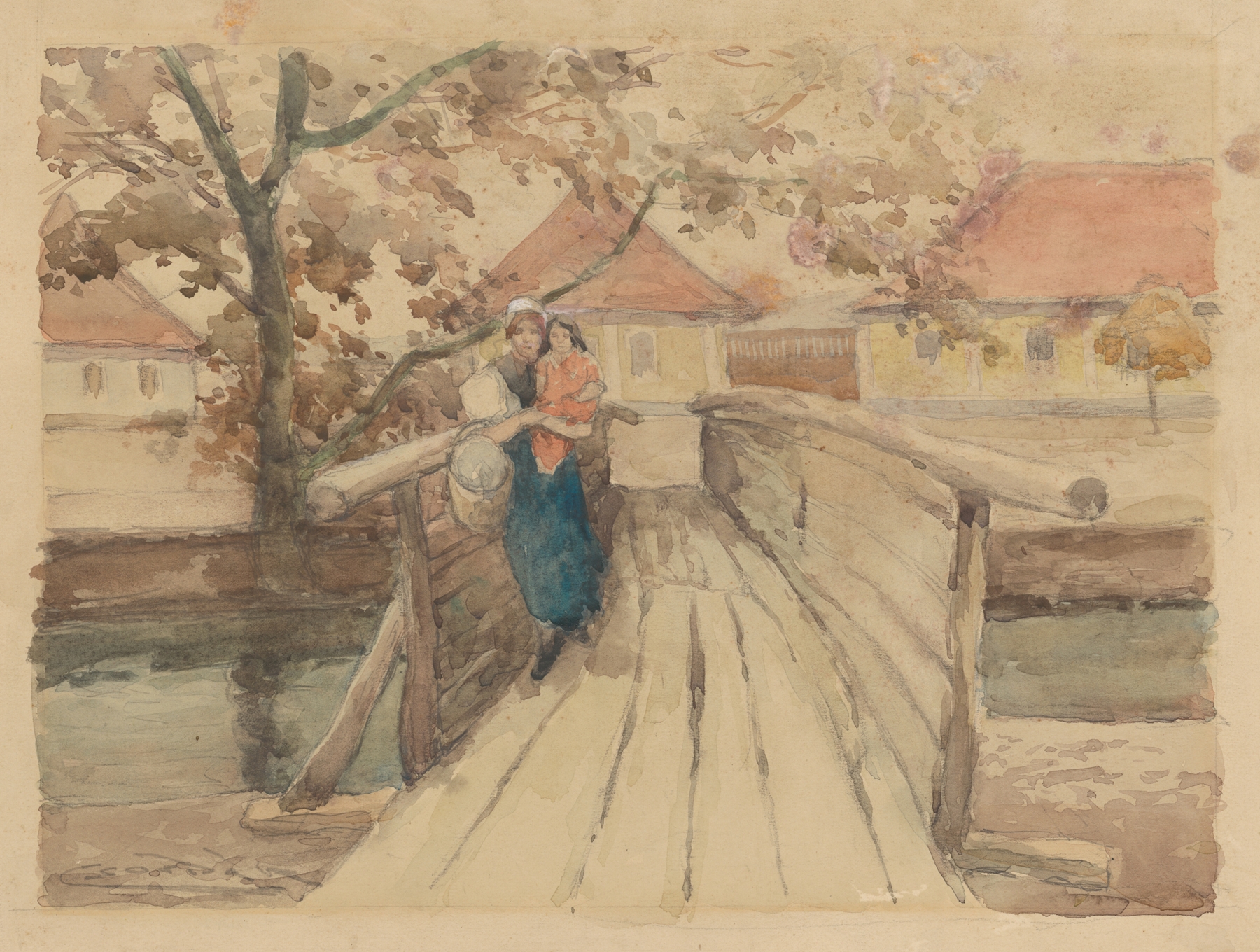
The contrast between life and decay weaves a complex emotional tapestry. The vibrant colors evoke warmth and nostalgia, while the encroaching shadows remind us of what is lost. In the foreground, a solitary figure gazes into the distance, embodying both contemplation and solitude. This delicate interplay draws the viewer into a space of reflection, where the beauty of the moment is tinged with the bittersweet acknowledgment of its ephemeral nature.
During the years 1914 to 1915, the artist was navigating a world on the brink of turmoil, with the Great War reshaping lives and landscapes alike. Working in Slovakia, Čordák was influenced by the burgeoning Modernist movement, seeking to capture the essence of his homeland while facing the shadows of uncertainty that loomed over Europe. This artwork serves not only as a testament to the landscape he cherished but also as a profound commentary on the fragility of existence amidst an ever-changing world.