The Hudson at Piermont — History & Analysis
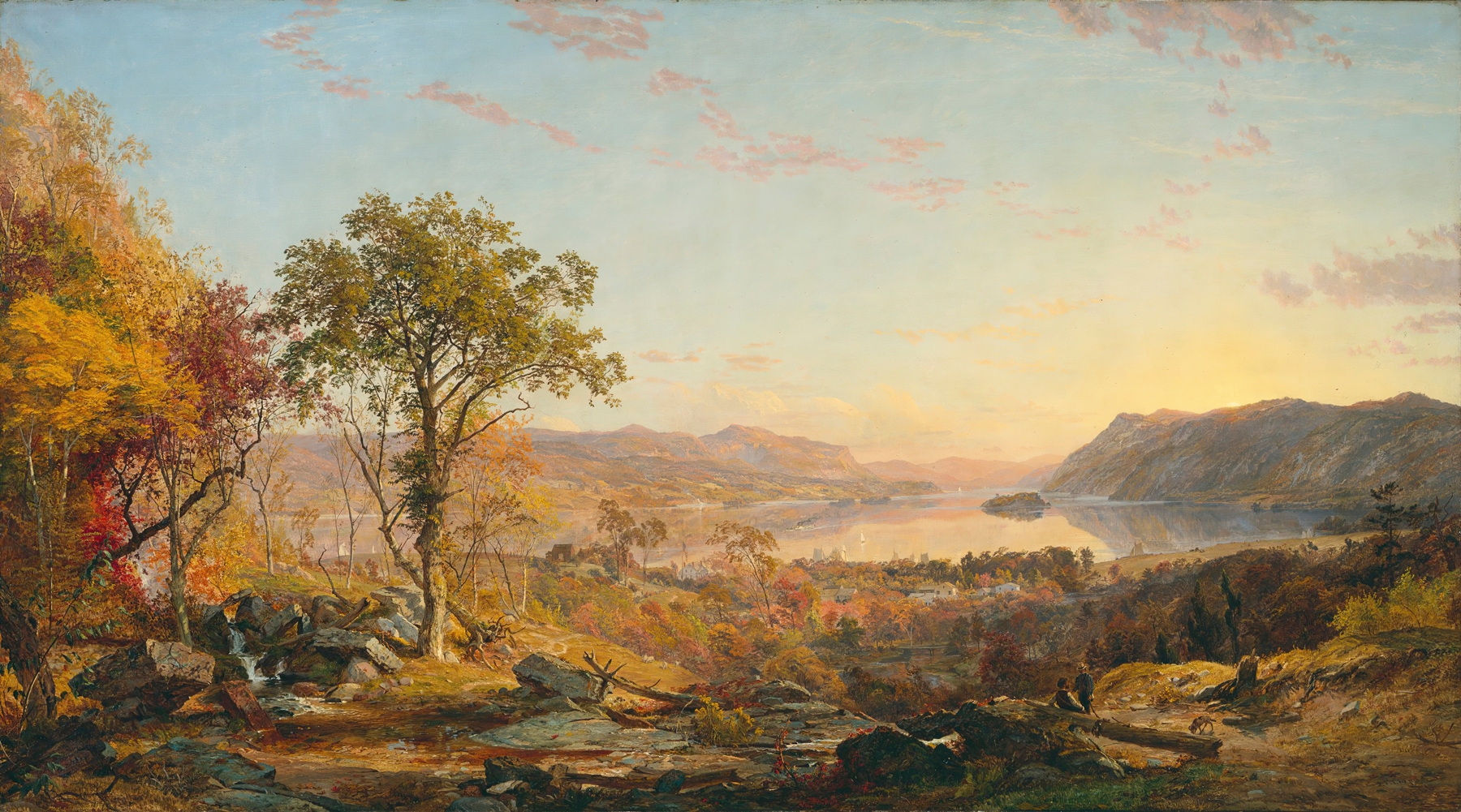
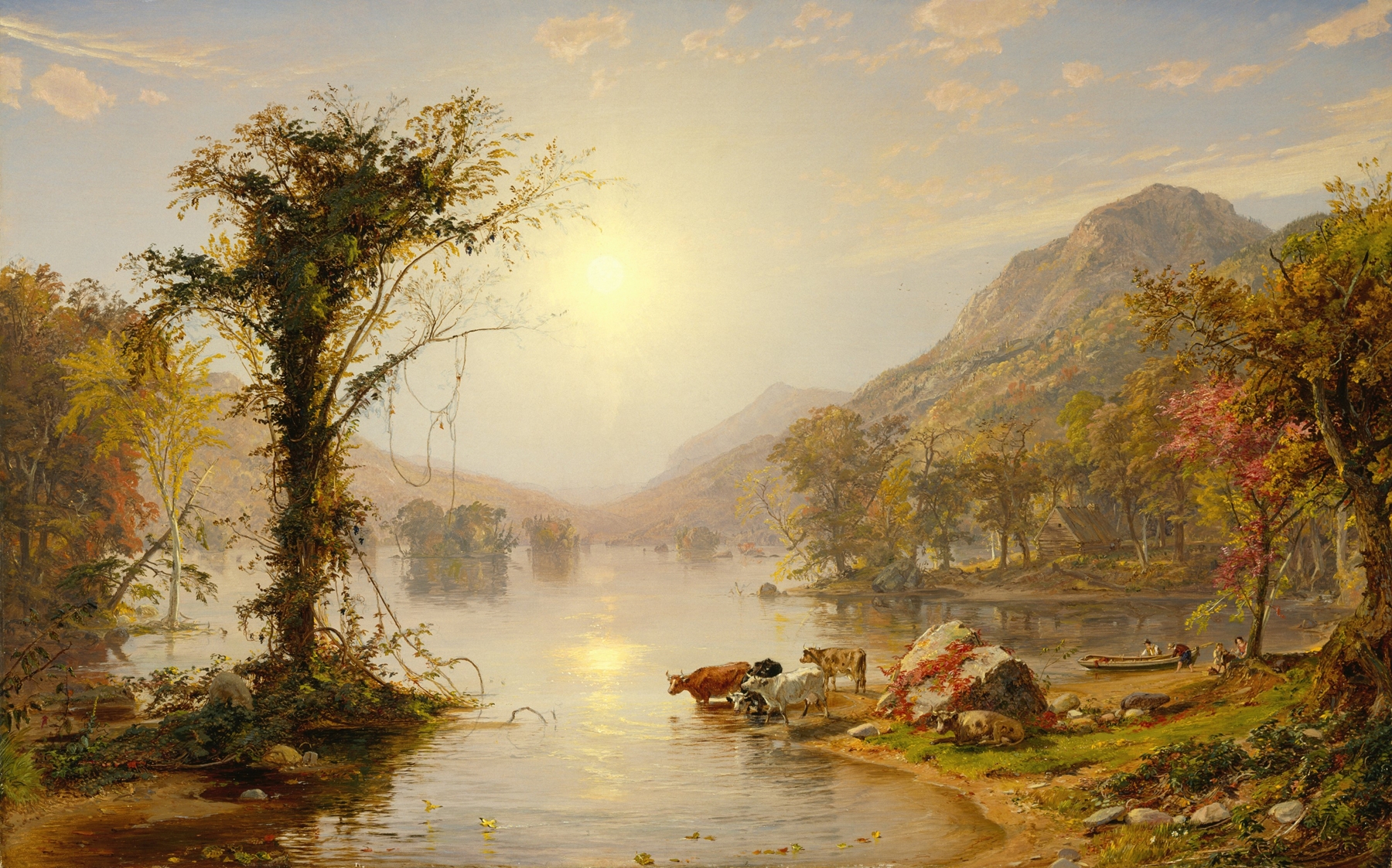
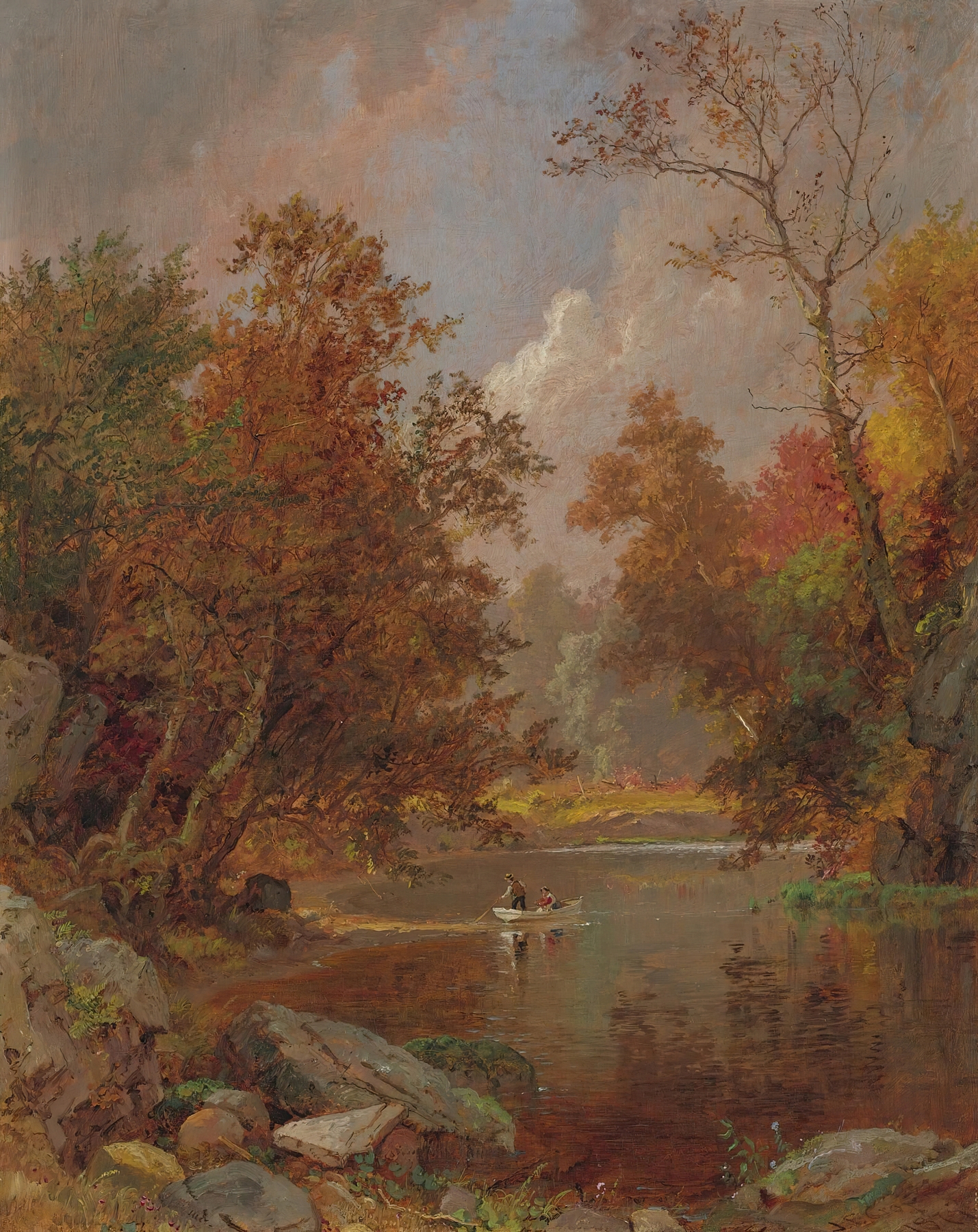
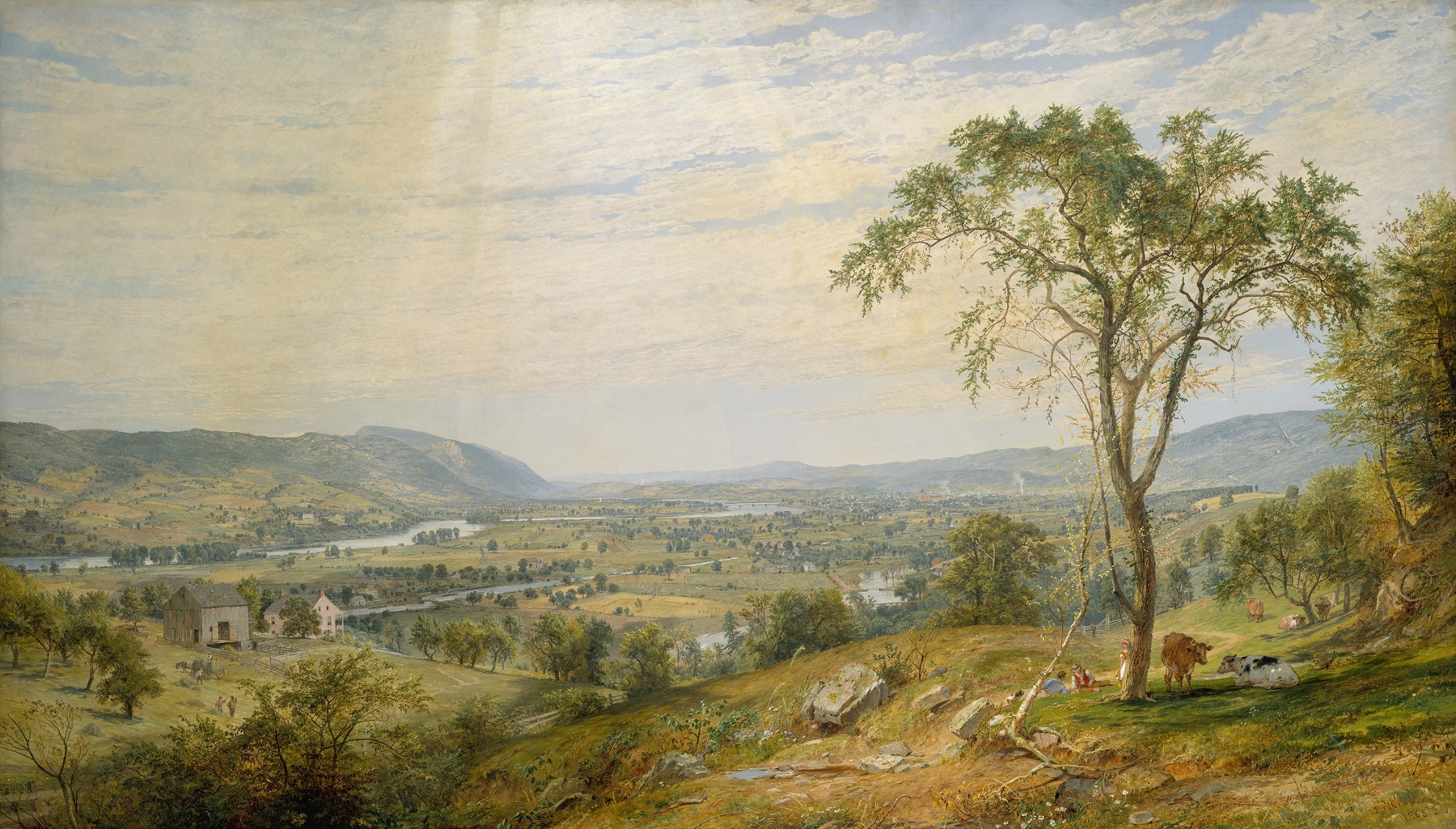
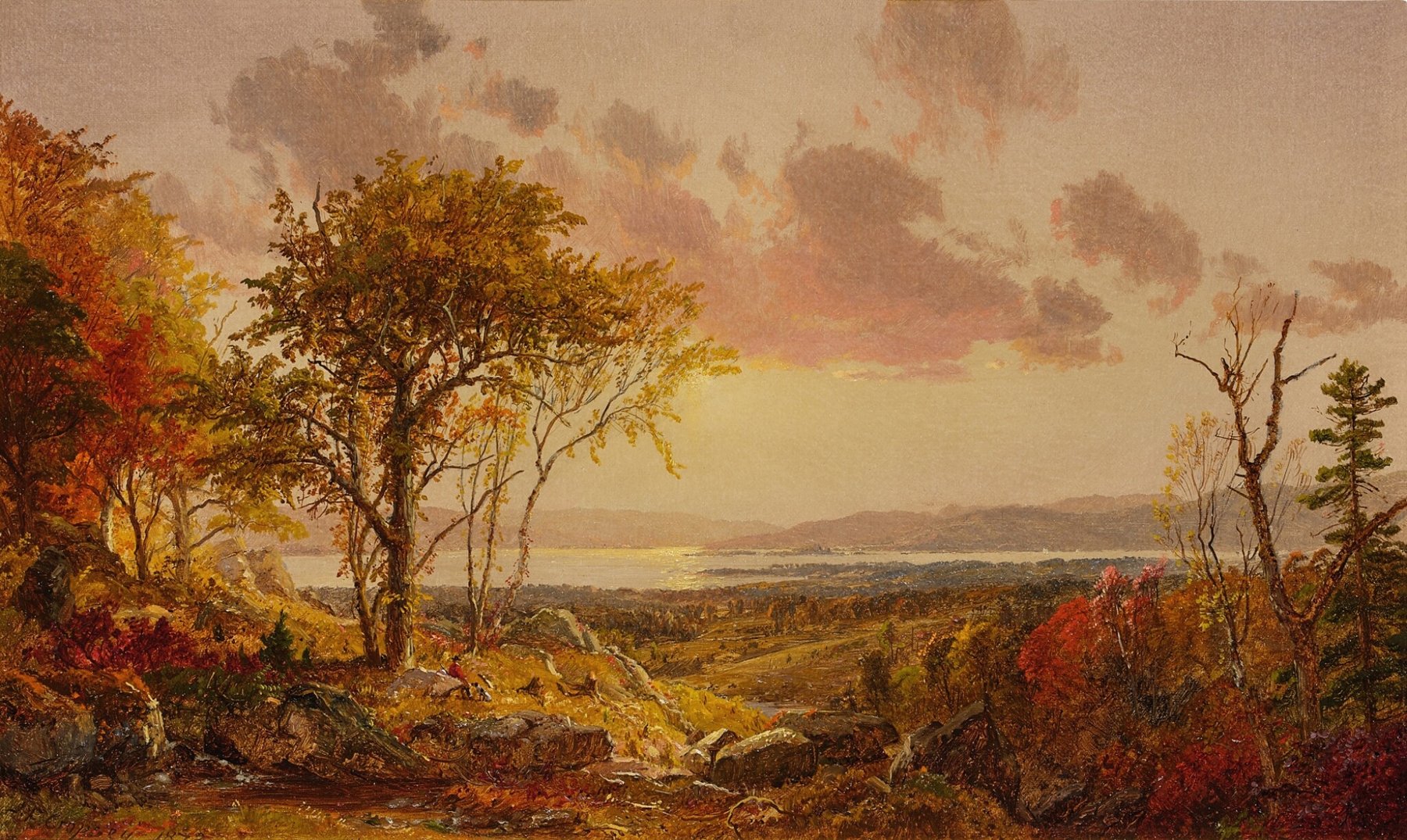
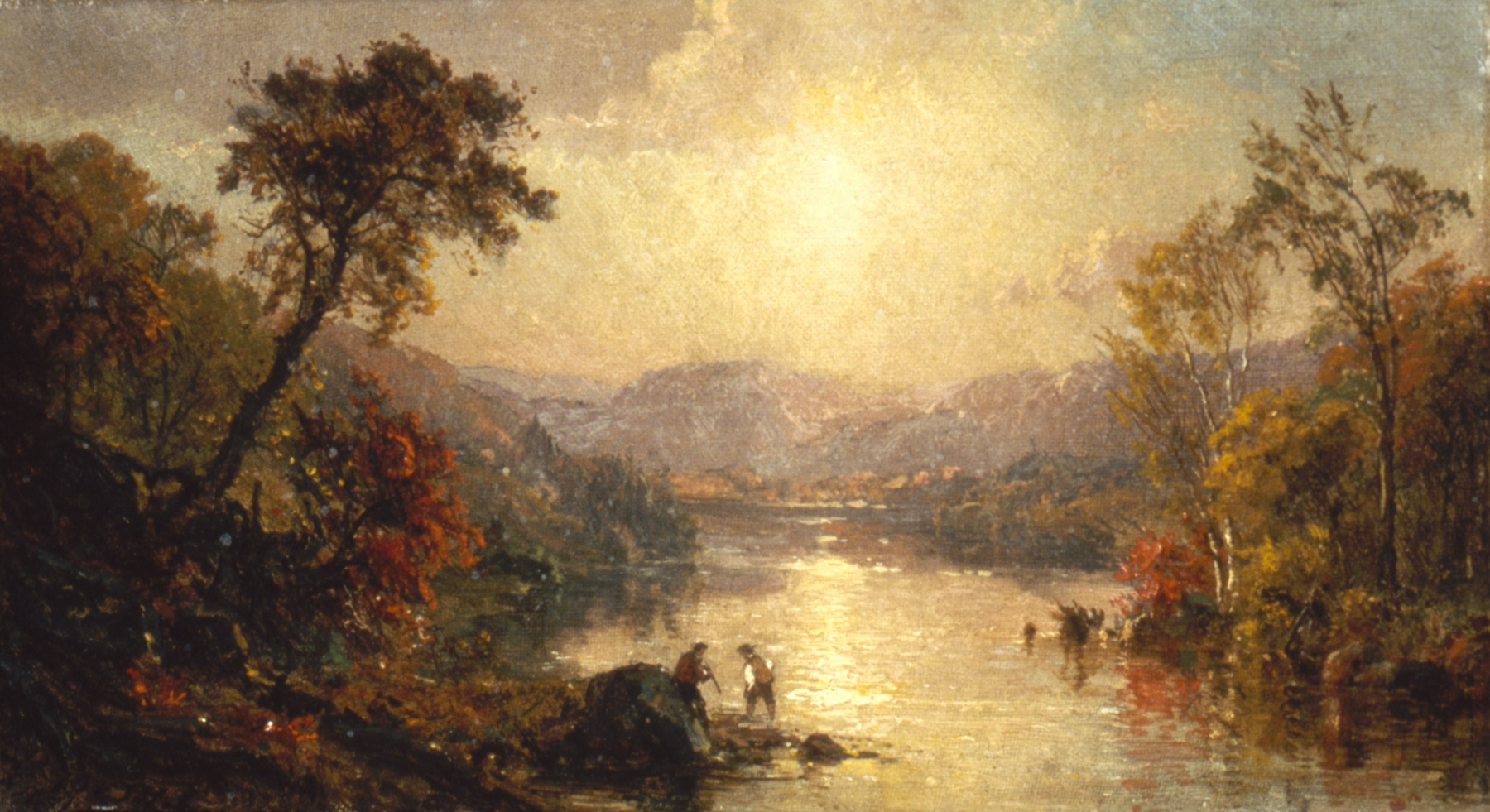
Can beauty exist without sorrow? In The Hudson at Piermont, nostalgia weaves through the golden leaves and tranquil waters, evoking a bittersweet reflection on the passage of time. Look to the radiant sky, where warm hues of orange and soft pink dance across the horizon. The sunlight spills onto the Hudson River, creating a shimmering path that leads the eye into the distance. Notice how the artist’s brush captures the meticulous details of the trees, their leaves just beginning to turn, symbolizing the fleeting nature of beauty itself.
The composition invites you to linger in this serene moment, allowing the sense of calm to wash over you like the gentle ripples of the water below. The contrasting elements in the painting resonate on a deeper level. The vibrant colors of the foliage juxtapose the stillness of the river, hinting at a sense of loss that lingers beneath the surface. The boats, gently anchored, serve as silent witnesses to the passage of seasons and life, while the distant mountains loom like guardians of memories long past.
This interplay of light and shadow evokes a longing not just for the scenery but for the moments it represents — memories shaped by nature’s eternal cycles. In 1852, Cropsey painted this work during a period of growing interest in American landscape painting, reflecting the nation’s expanding identity and appreciation for its natural beauty. Residing in New York, he was fully engaged with the Hudson River School, a movement that celebrated the American landscape, intertwining romanticism with a sense of nationalism. This painting exemplifies his mastery in capturing the sublime beauty of the Hudson River, a place deeply cherished by him and his contemporaries.