The Inn, Purfleet — History & Analysis
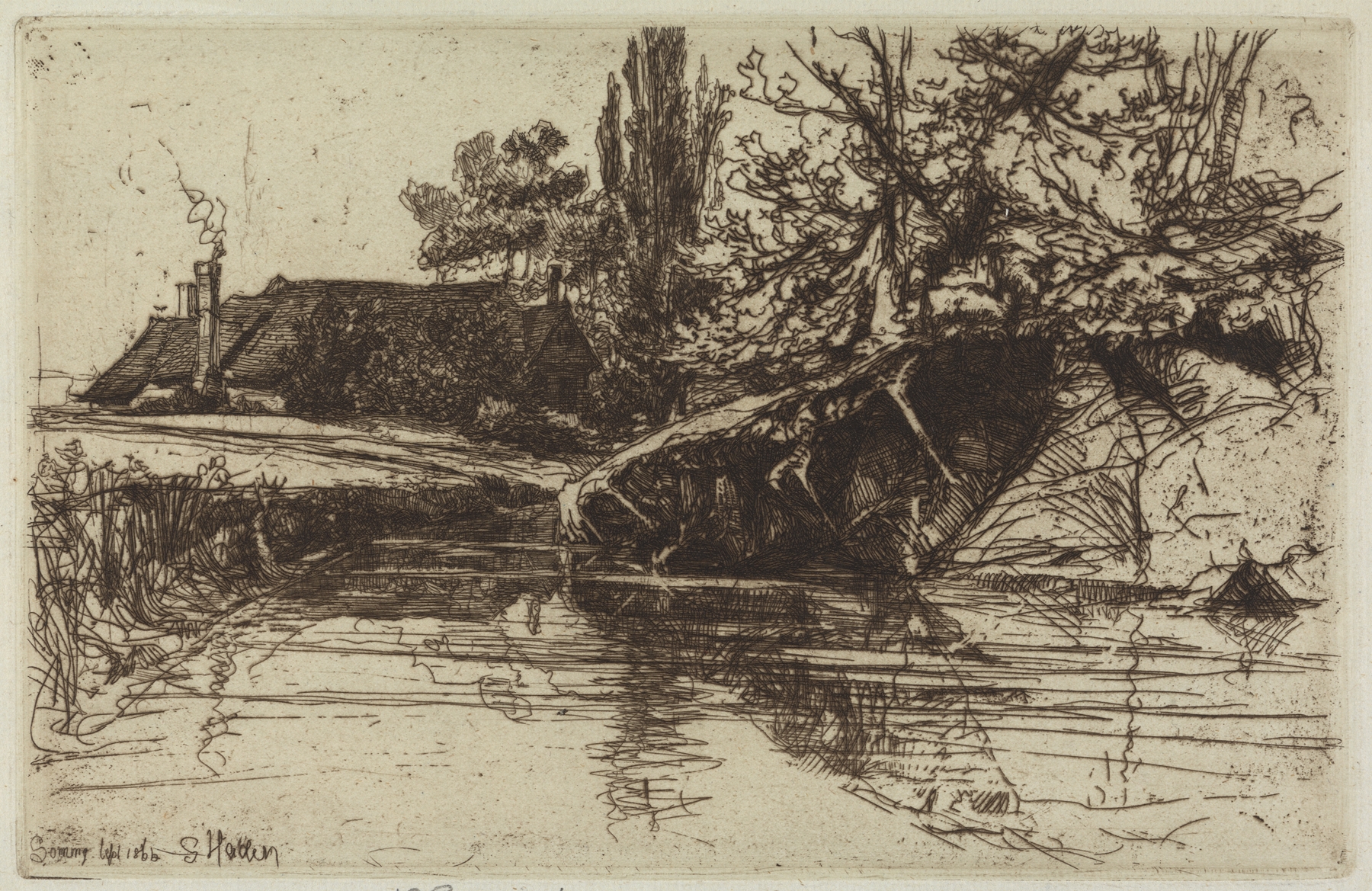
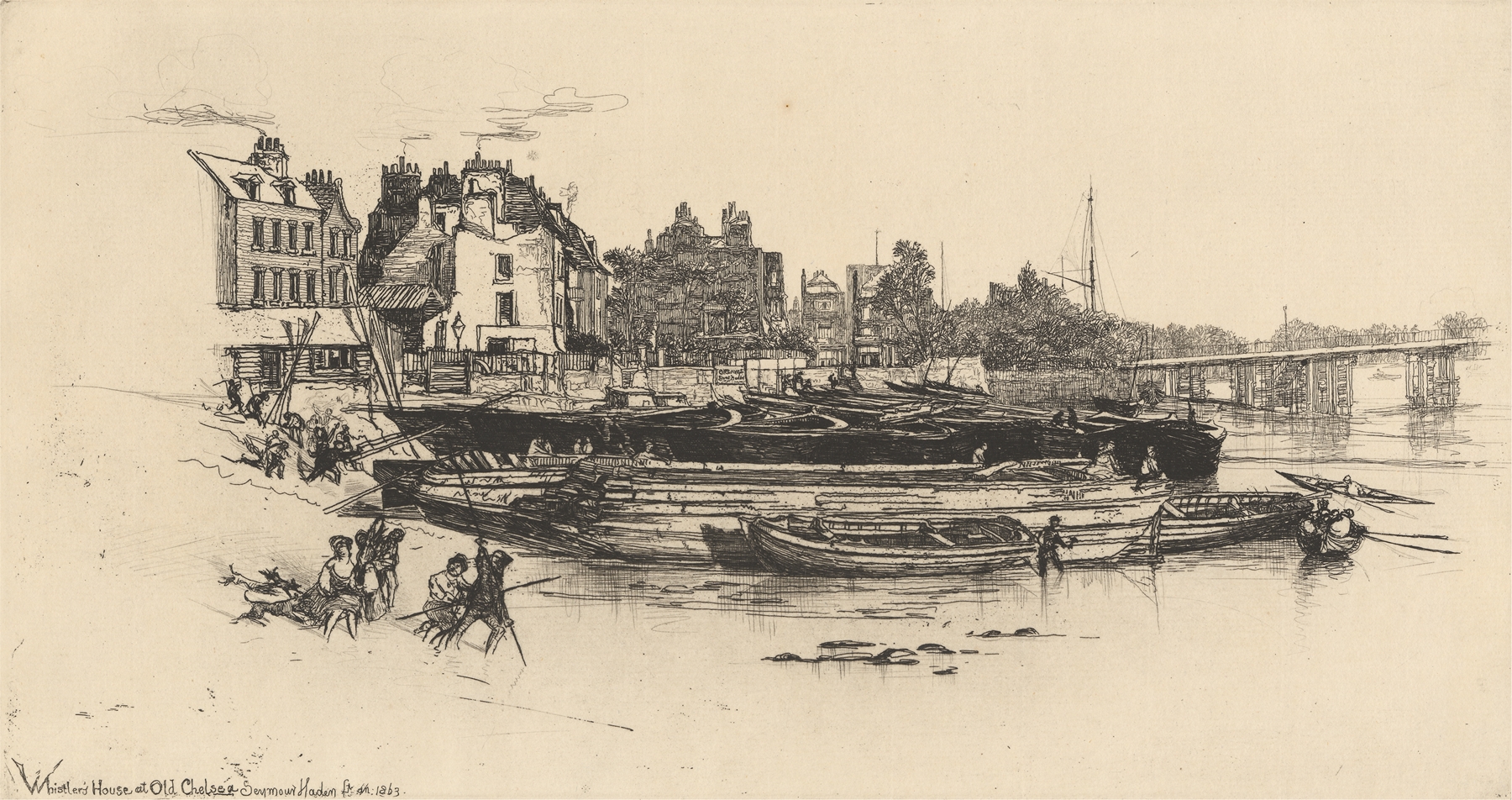
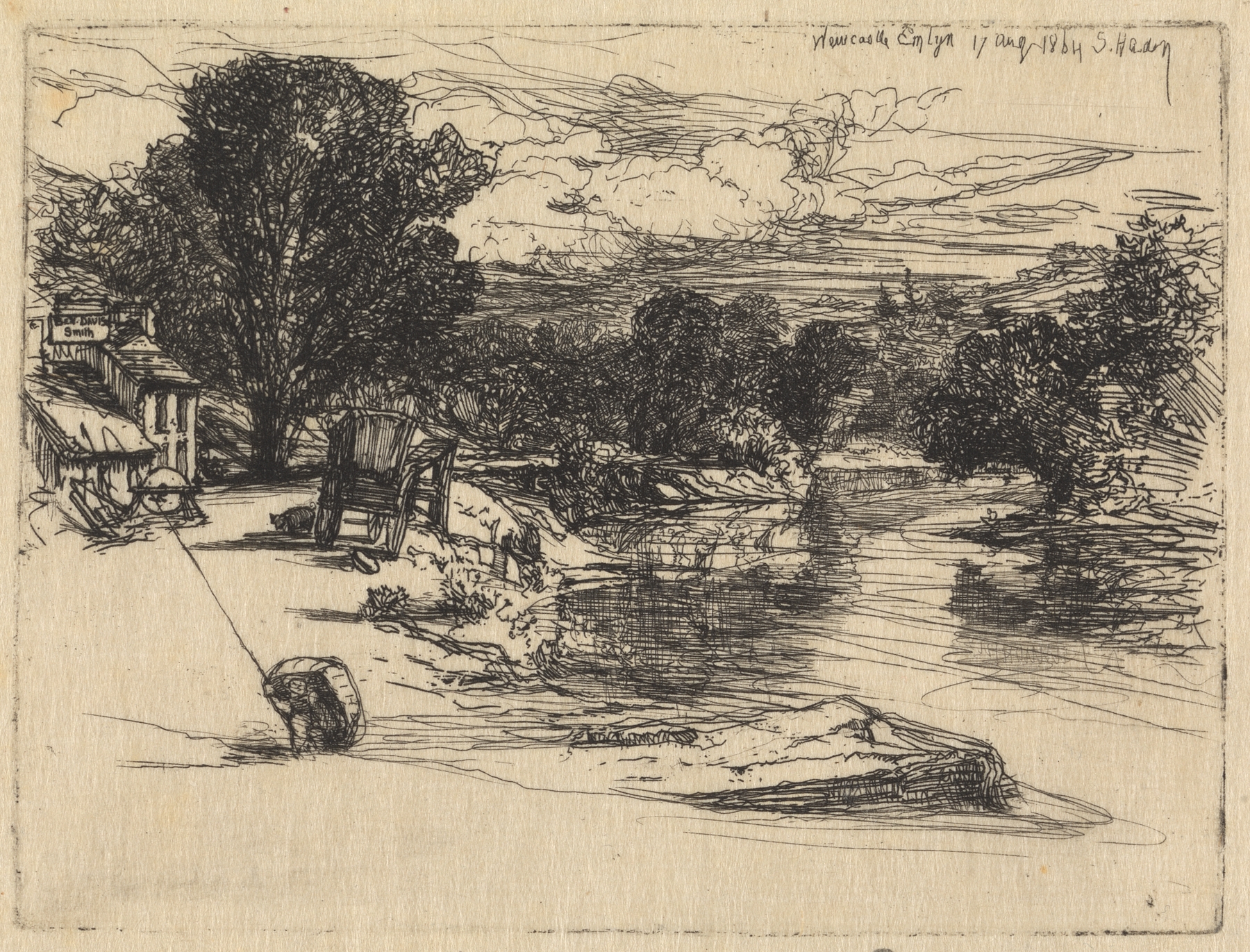
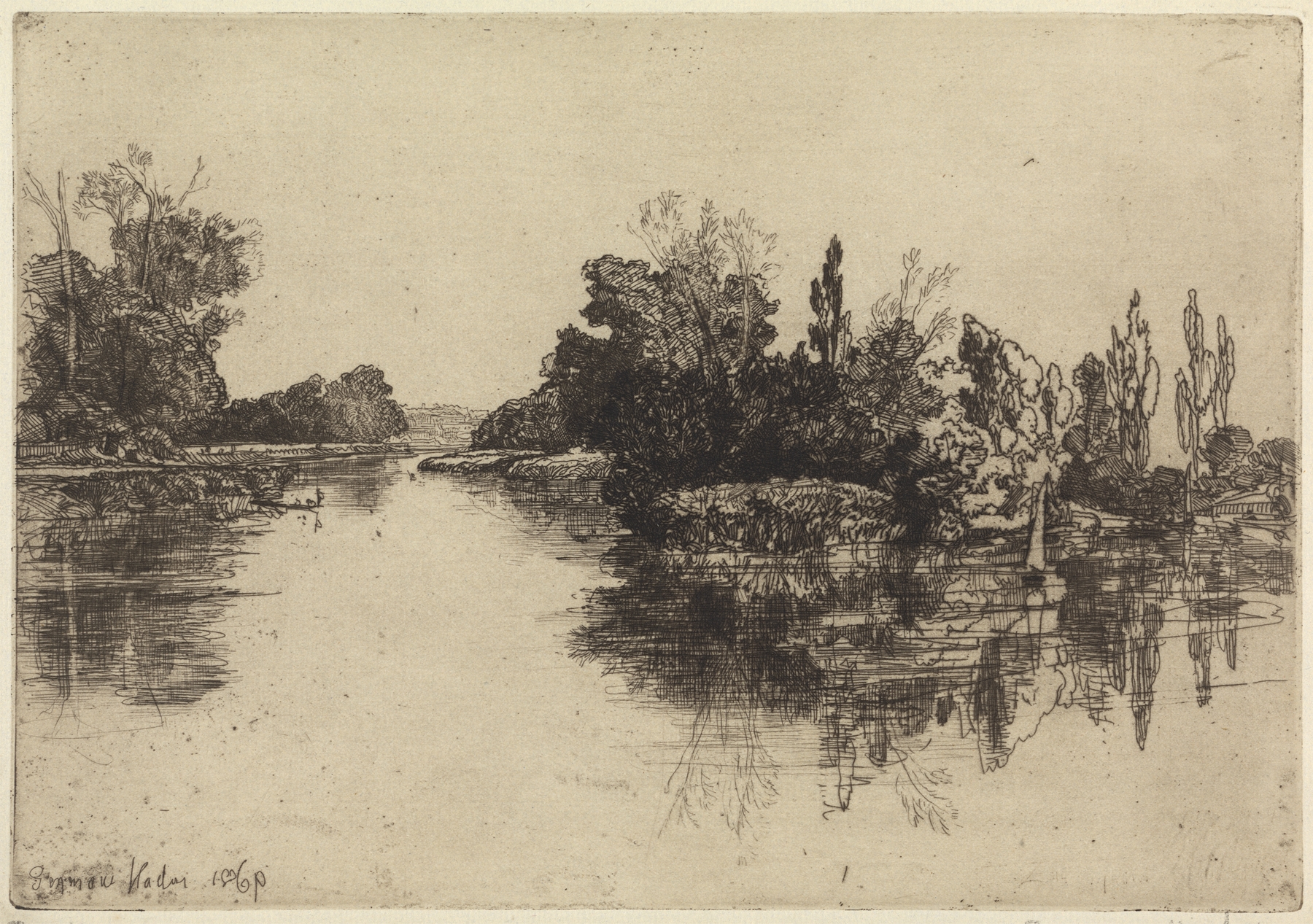
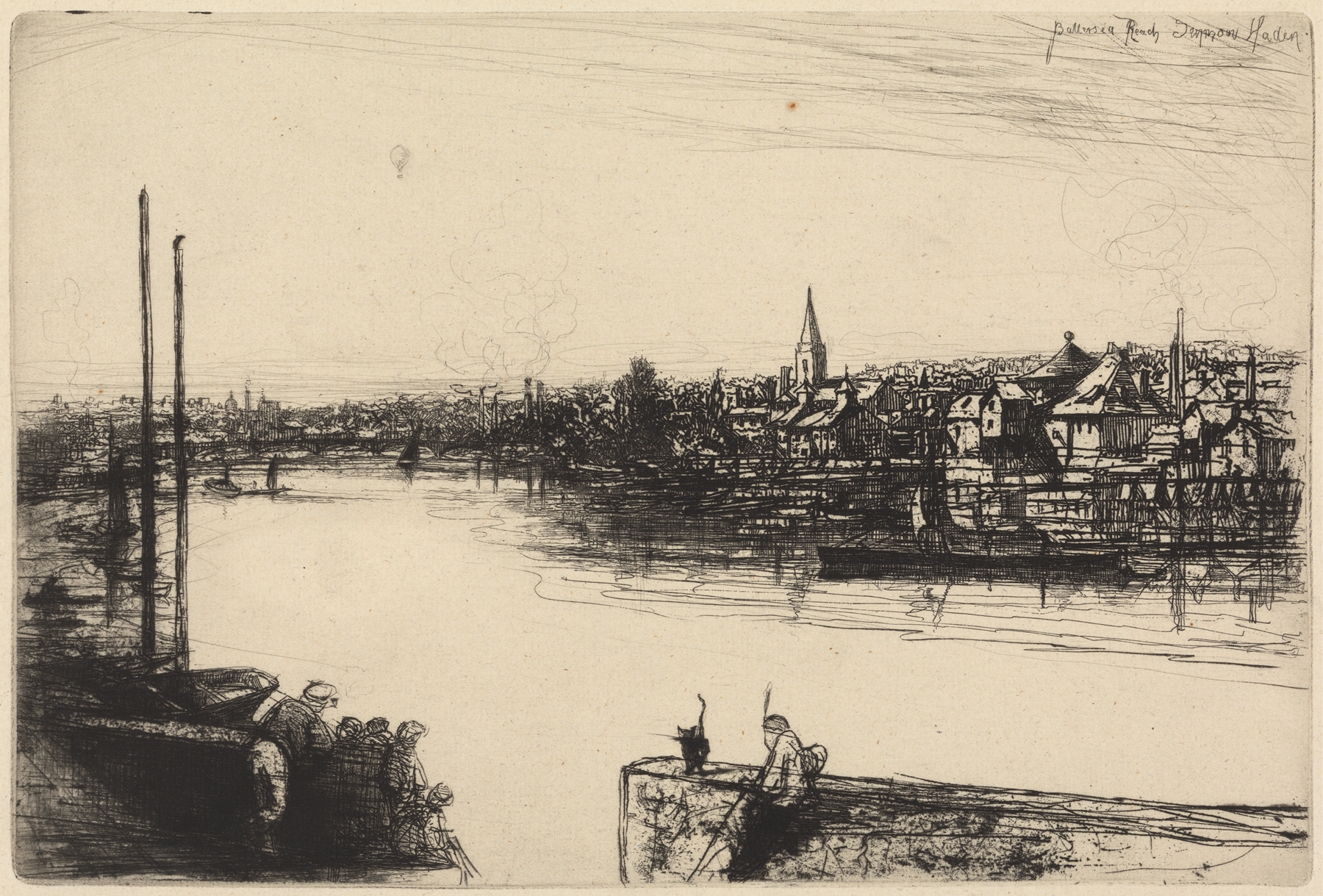
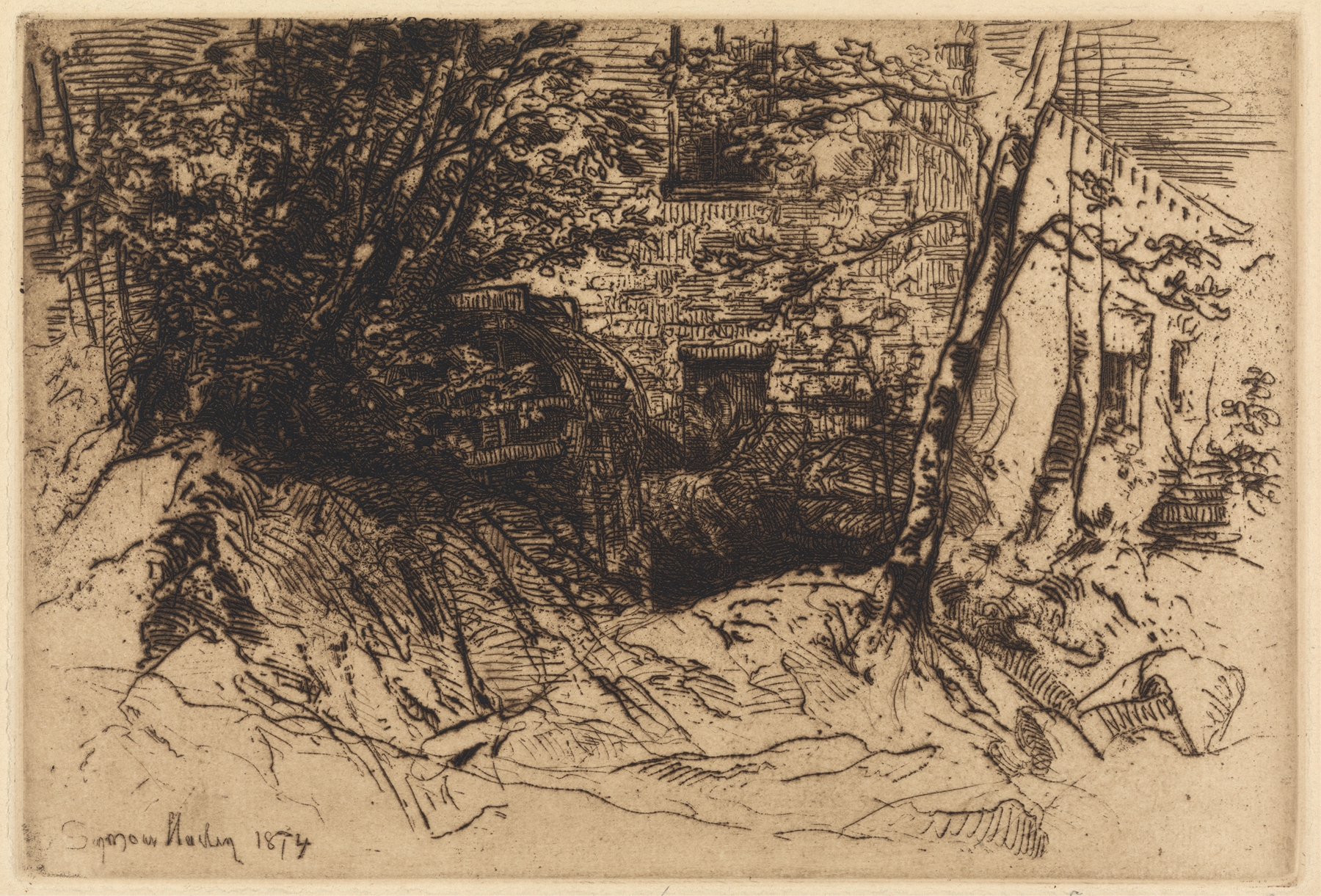
Could beauty survive in a century of chaos? In The Inn, Purfleet, a striking vision emerges, evoking a profound sense of hope amidst life's turbulence. Look closely at the center of the composition, where the quaint inn stands proudly, its facade illuminated by a warm, inviting glow. The delicate interplay of light and shadow crafts a compelling narrative; soft contrasts reveal the textures of the weathered stone and the bustling life surrounding it.
The artist's masterful use of etching techniques captures intricate details, drawing viewers deeper into the scene while the surrounding landscape hints at the encroaching industrial world. As we explore further, the figure of the innkeeper, positioned near the entrance, embodies a poignant tension between tradition and change. The distant silhouettes of ships on the river suggest the commerce of the era, whispering of the transformation that threatens this serene existence. Yet, the inviting warmth of the inn stands as a beacon of resilience, a sanctuary against the relentless march of progress.
The lush trees encircling the building root it firmly to the past, urging us to consider the fragile nature of harmony amidst the chaos. In 1869, during a time of great upheaval in England, Francis Seymour Haden created this piece while living in London, where the industrial revolution was reshaping society. It was a moment when the art world was beginning to embrace new techniques and ideas, as artists sought to capture a rapidly changing landscape. Haden, deeply influenced by his surroundings, used this work to reflect on the beauty and stability found in simple scenes, even as the world outside was in flux.