The Little Putney, No. 2 — History & Analysis
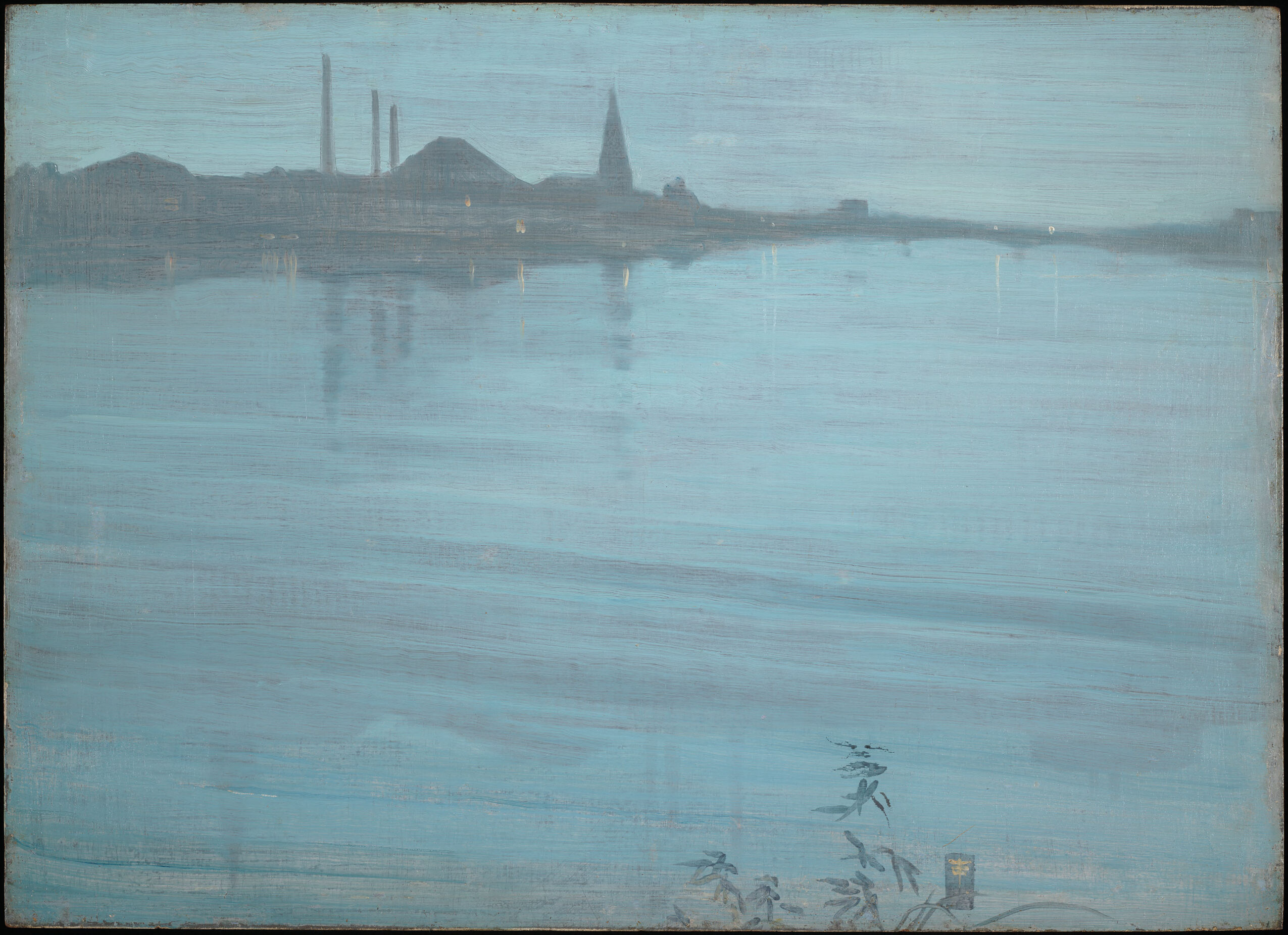
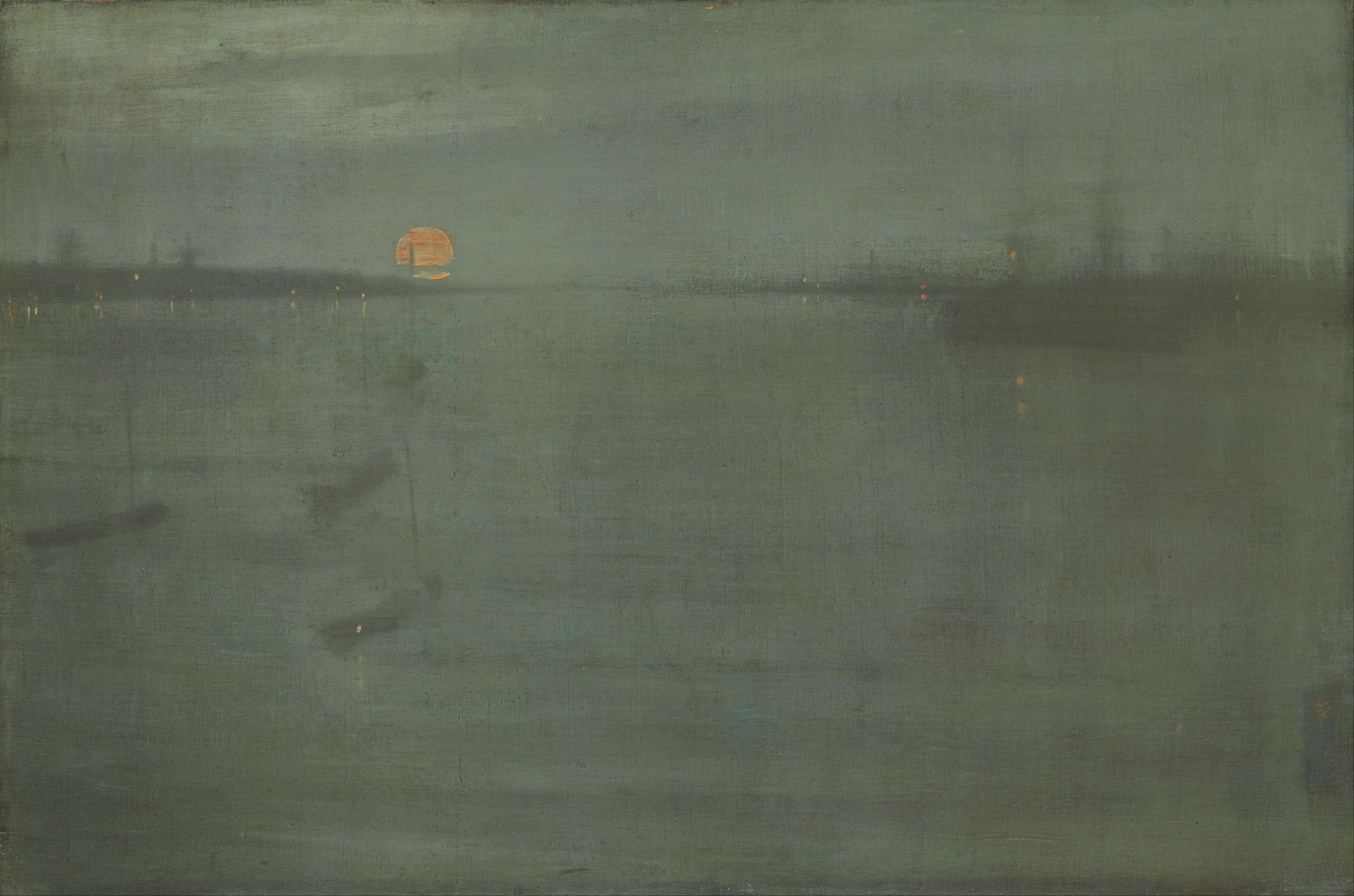
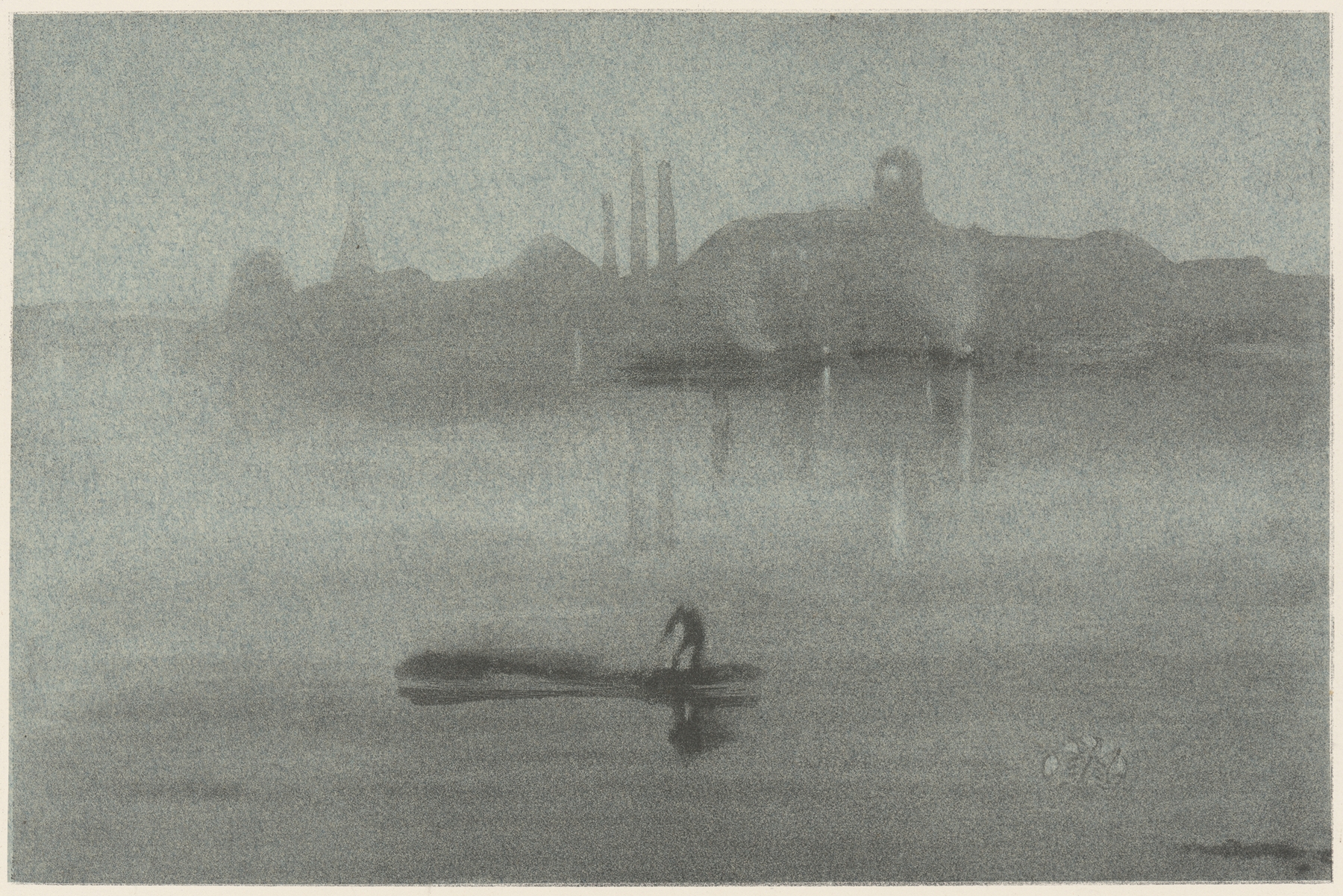
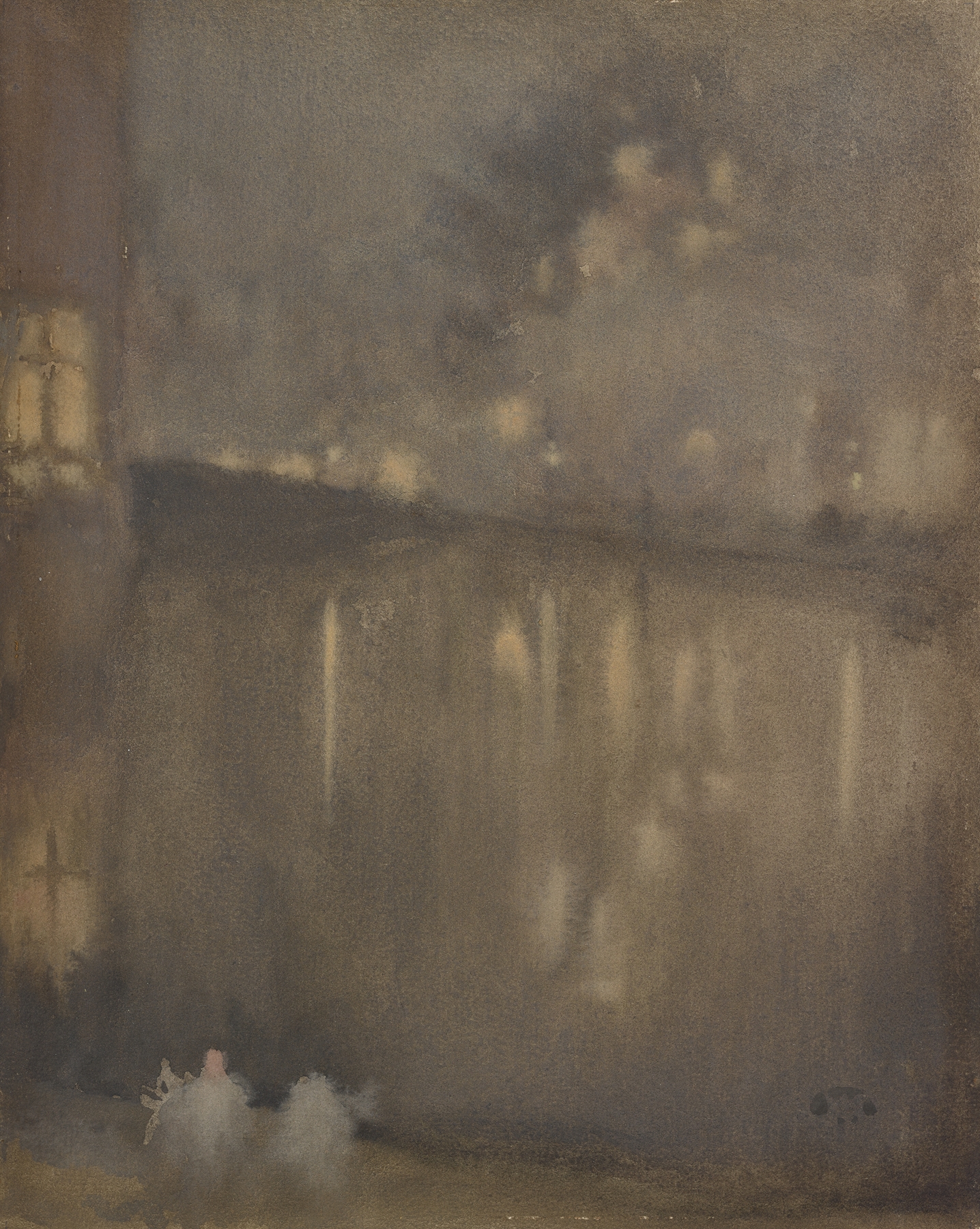
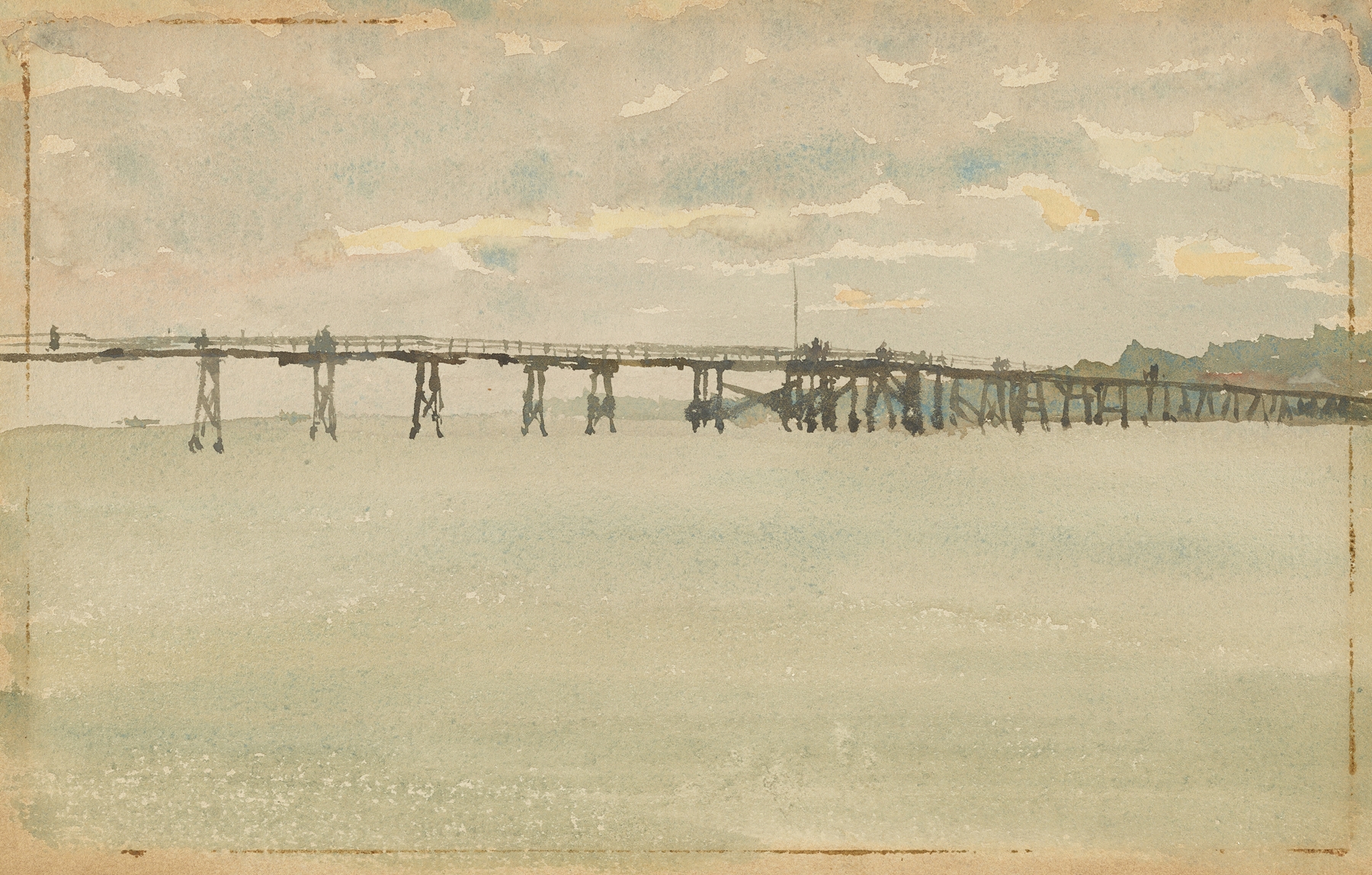
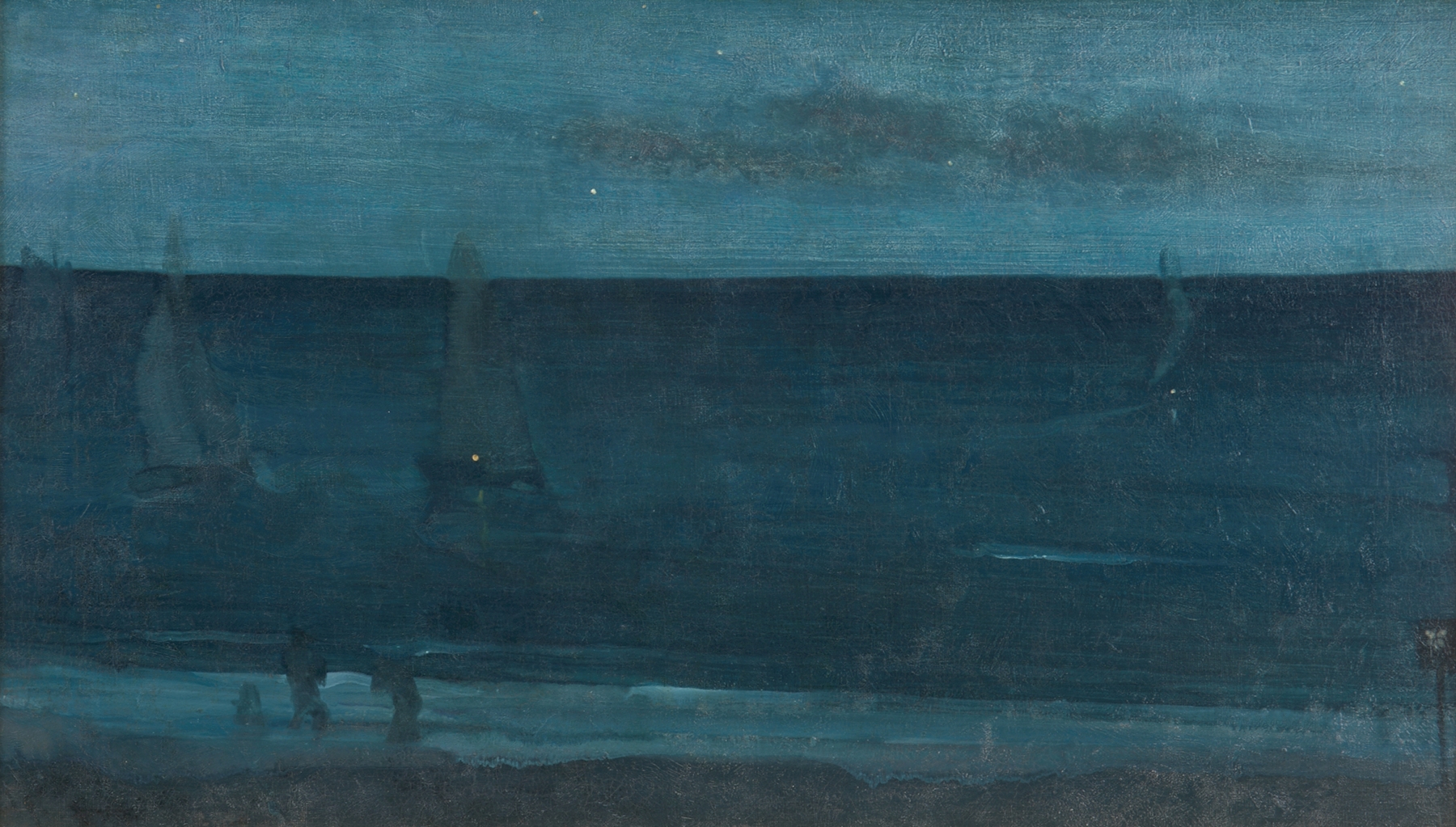
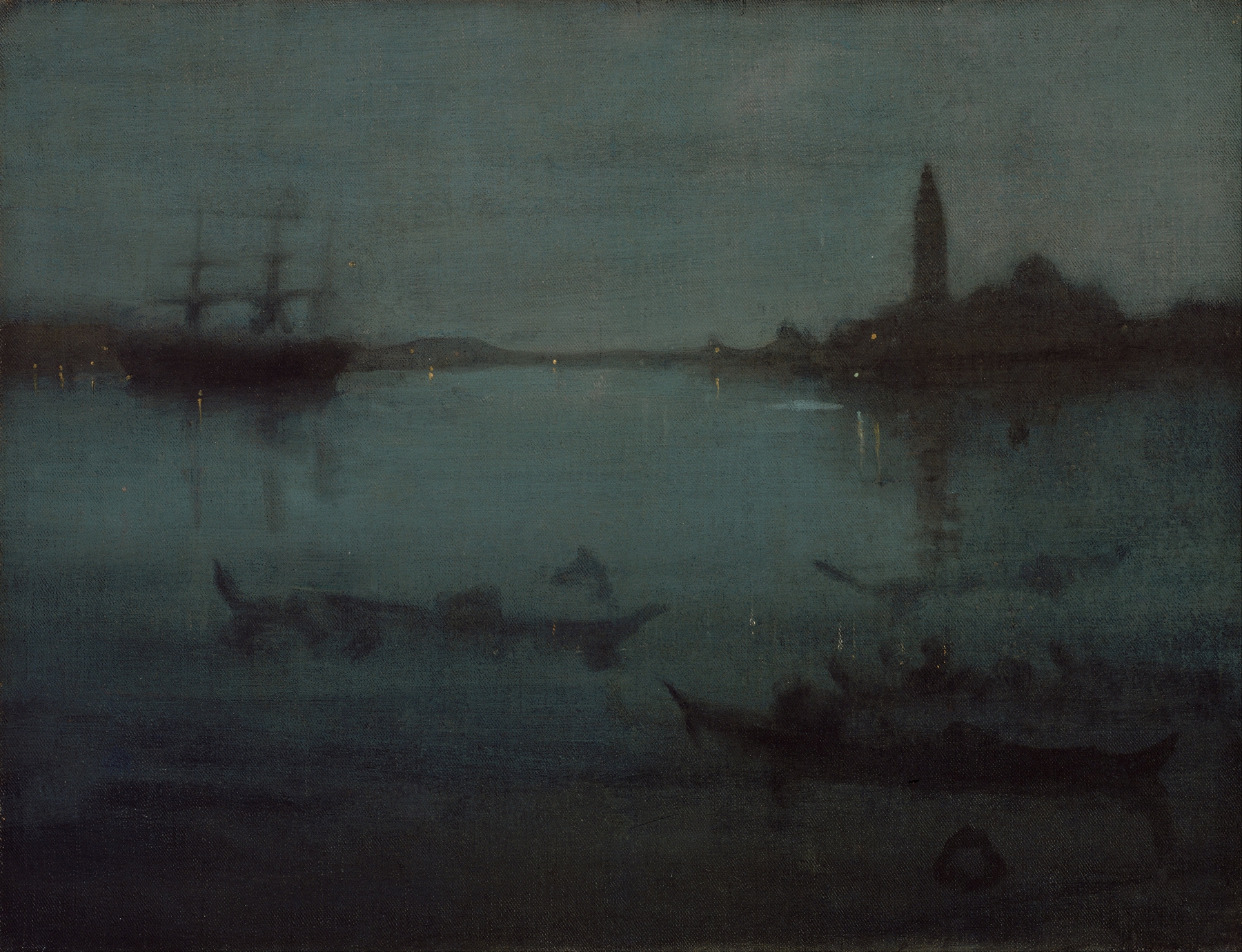
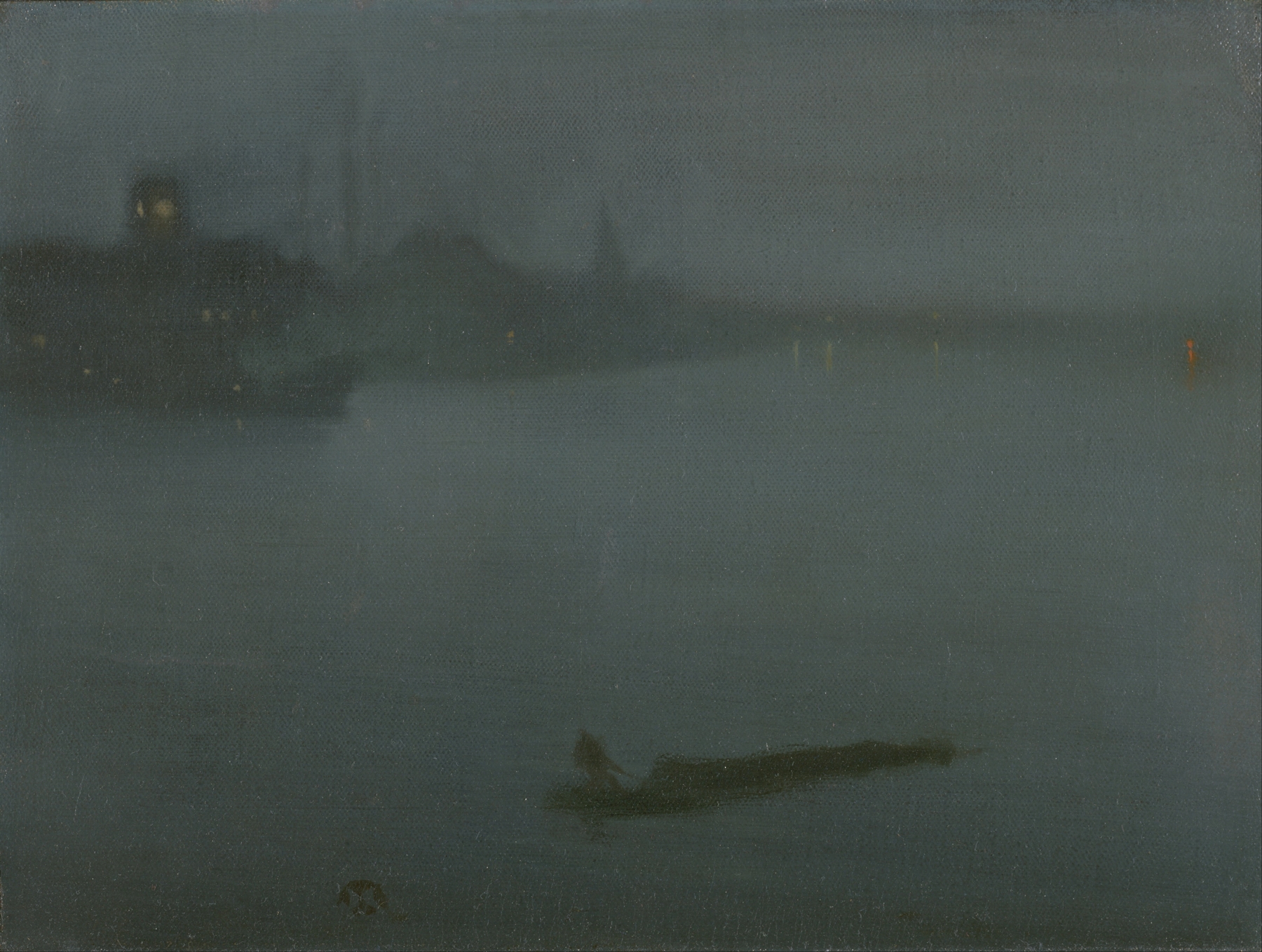
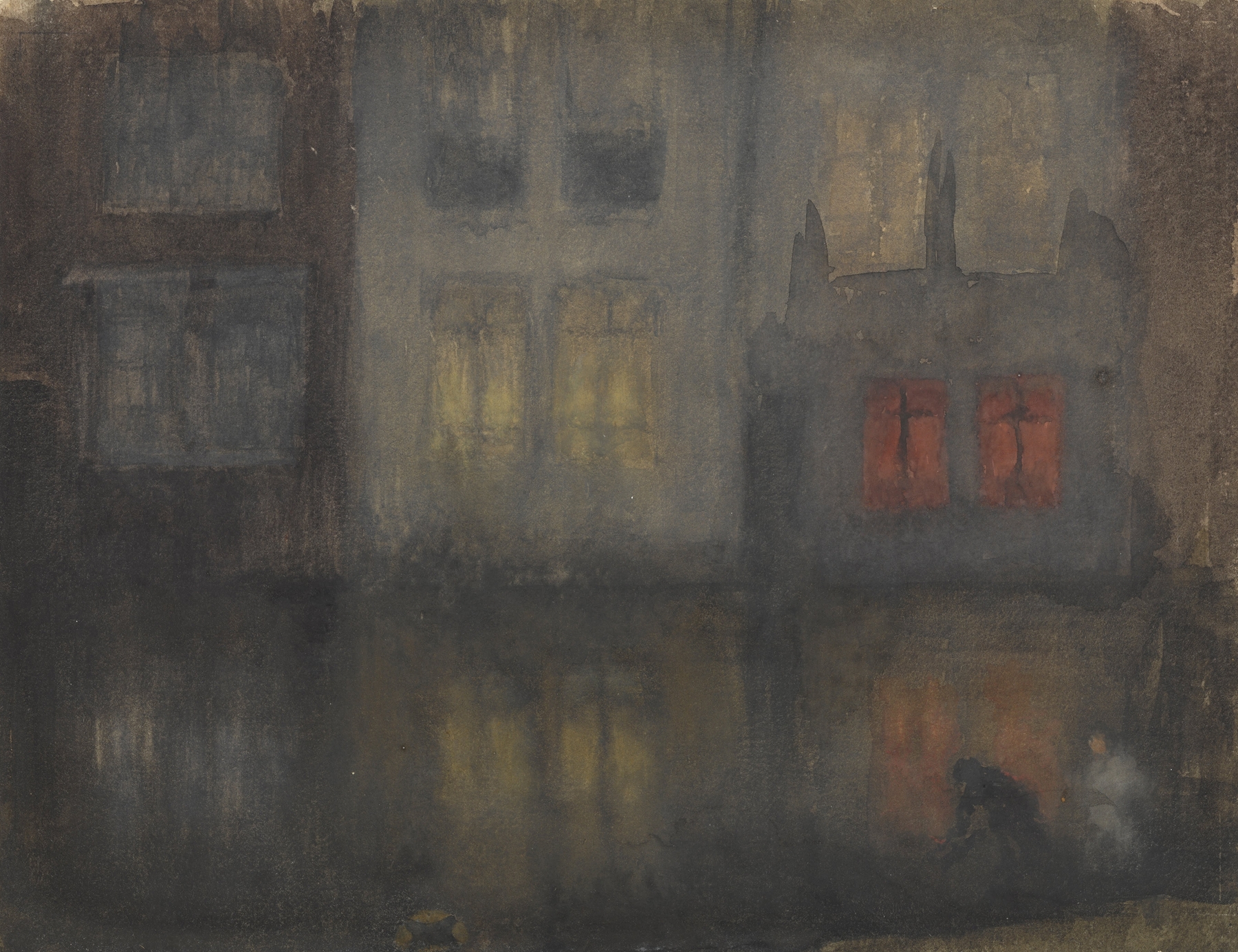
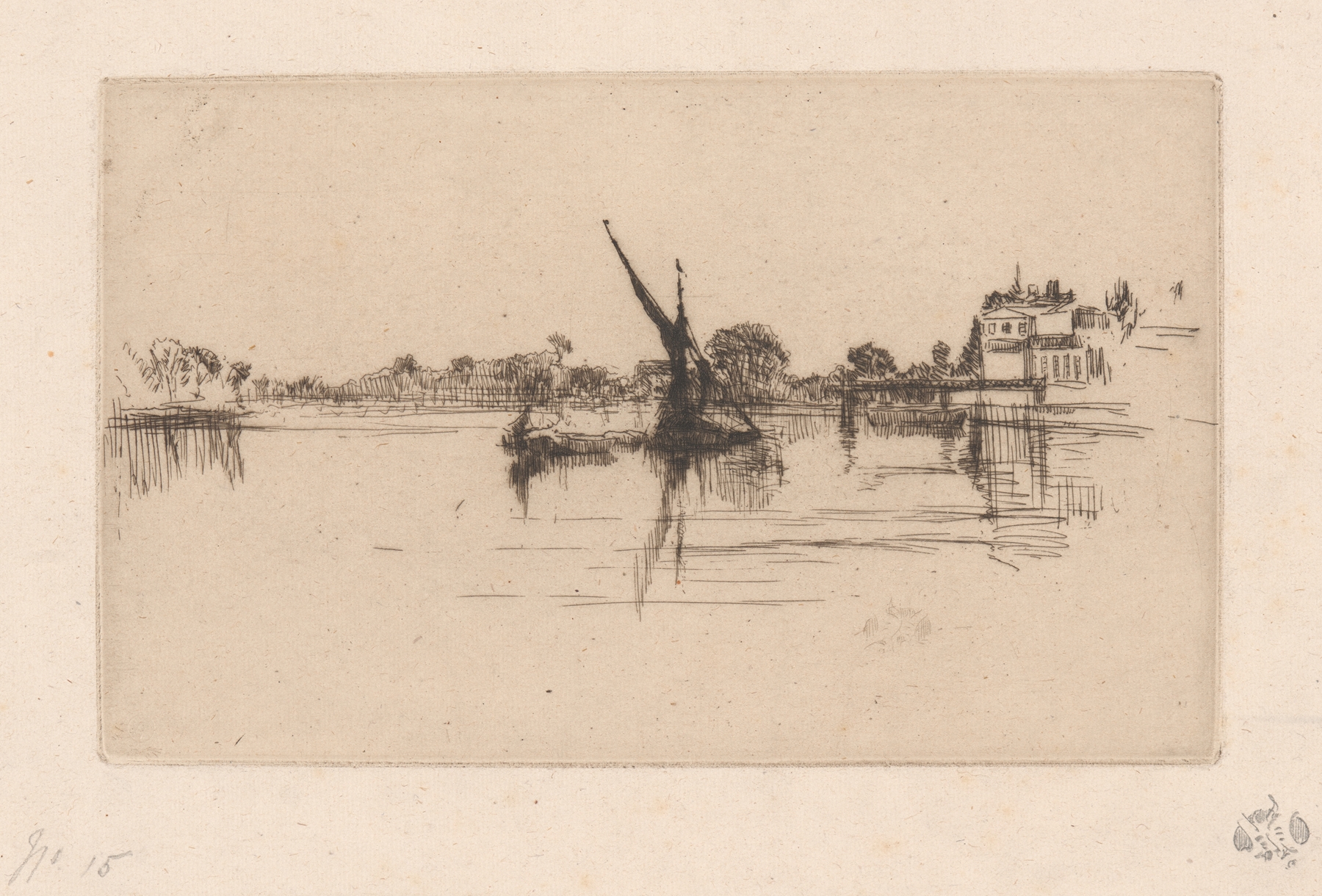
What if beauty was never meant to be finished? This notion resonates deeply within the delicate haze of The Little Putney, No. 2, where the interplay of color and form invites contemplation on the nature of hope and completion. Look closely at the center of the canvas, where the soft blues and greens converge, creating a sense of serene tranquility. The gentle brushstrokes evoke the flowing waters of the Thames, inviting the viewer’s gaze to wander across the horizon, blending the sky and river.
Notice how the subtle play of light highlights the edges of the trees, adding depth while simultaneously obscuring details that leave one yearning for more clarity. The overall composition suggests a fleeting moment, a transient beauty captured in time. Within this dreamlike landscape lies a profound tension between the known and the unknowable. The blurred outlines of the buildings speak to the impermanence of life, while the ethereal quality of the water reflects a sense of longing—a hope for connection that remains just out of reach. The gentle ripples suggest movement, as if the scene might change in an instant, emphasizing the transient nature of existence itself.
Whistler's choice to focus on atmospheric effects rather than detail reveals an emotional vulnerability, allowing viewers to project their own experiences and desires onto the canvas. Created in 1879, during a period when Whistler was immersed in the exploration of tonal harmony, this work reflects his commitment to aesthetic innovation. Residing in London at the time, he was deeply influenced by Japanese art and the aesthetic movement, which sought to elevate beauty over narrative. The painting embodies his desire to convey the essence of a moment rather than a literal representation, establishing him as a pivotal figure in modern art.