The Minute Man Monument — History & Analysis
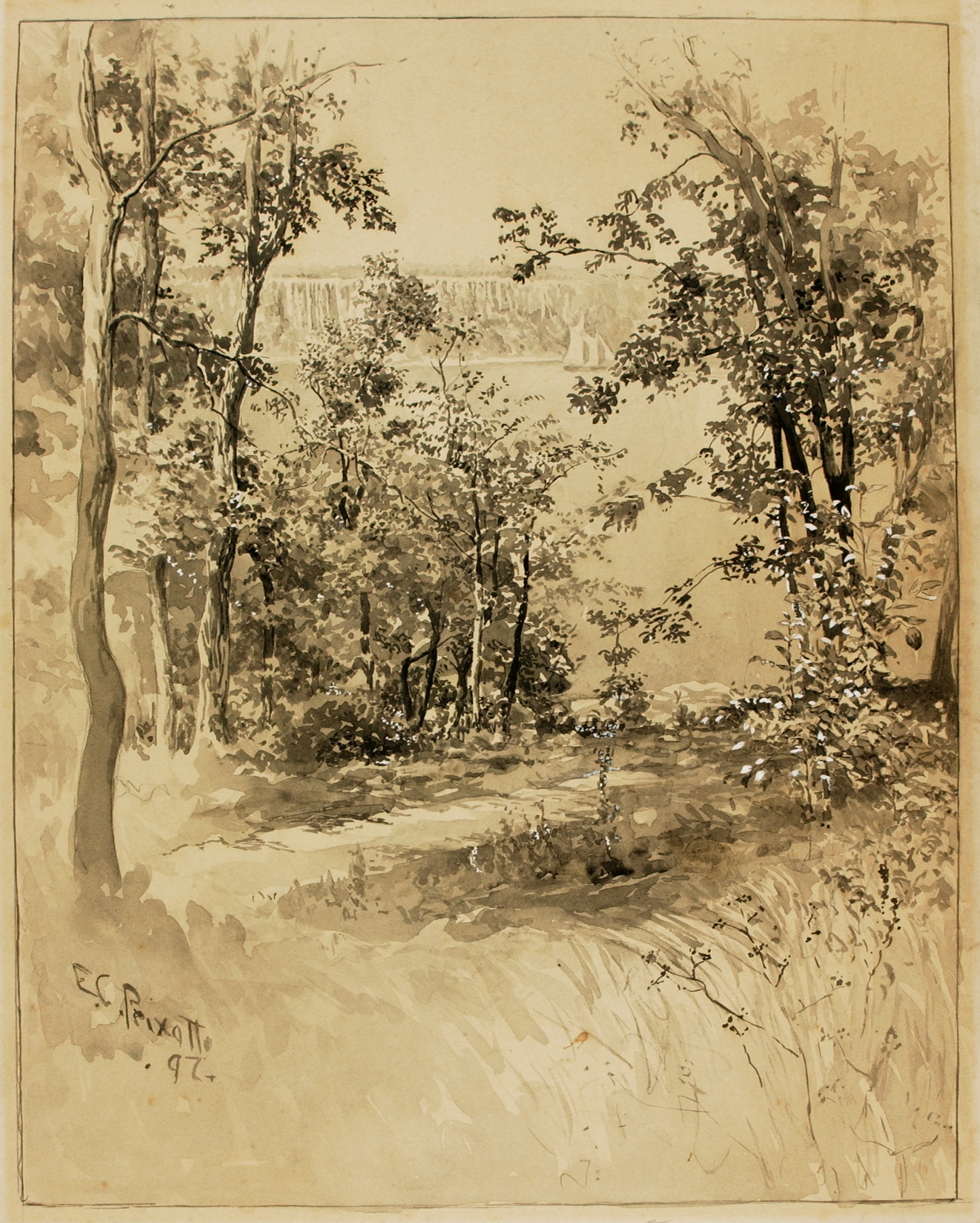
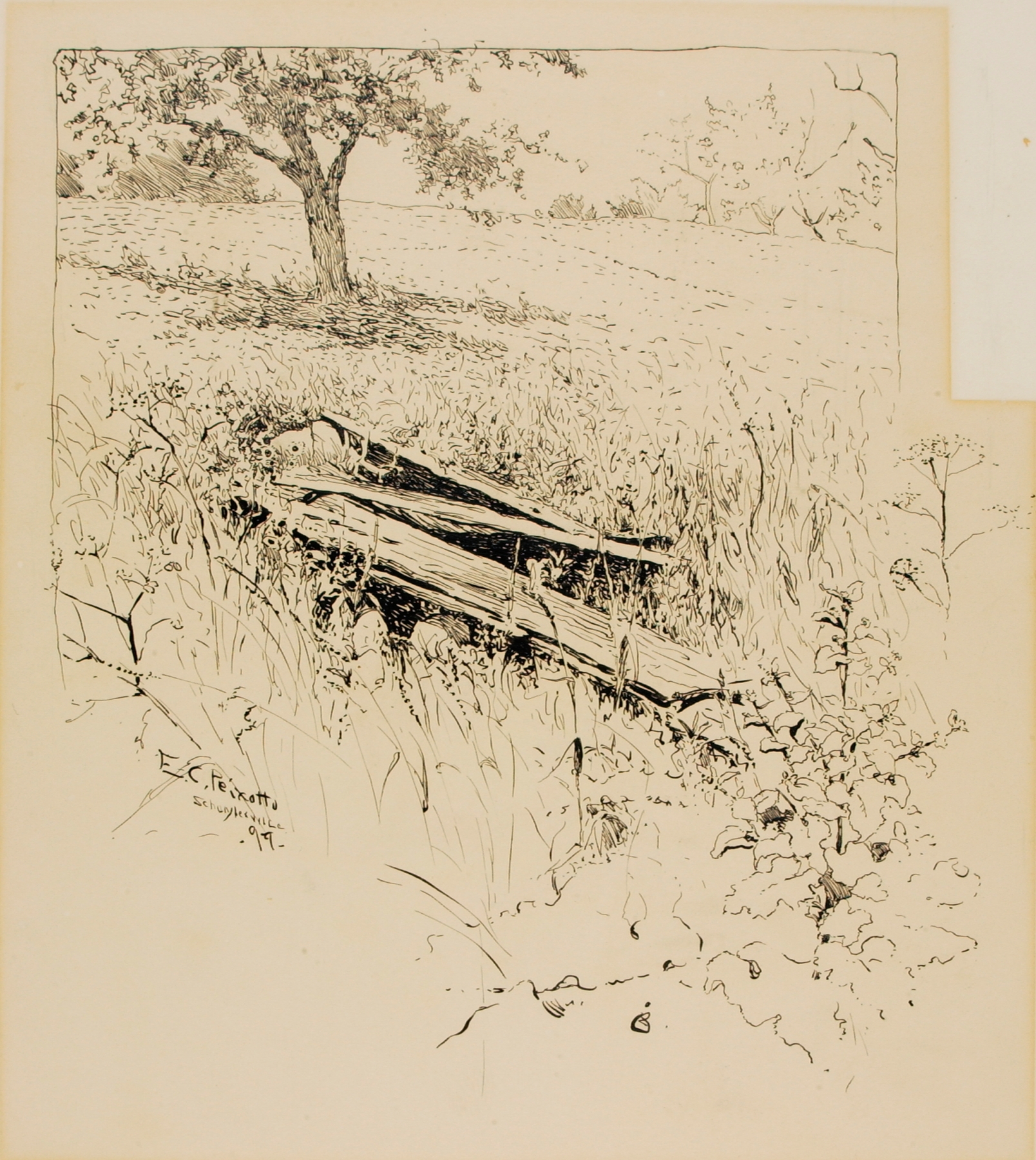
What if beauty was never meant to be finished? In the haunting stillness of The Minute Man Monument, a sense of emptiness lingers, a reminder of sacrifices made and moments forever lost. Look to the center of the composition, where the imposing figure of the minute man stands resolutely, poised as if on the brink of action. His muscular form, carved from stone, is both powerful and poignant, contrasting sharply with the softer, ethereal sky in the background.
The muted earth tones of the monument draw the eye, while the delicate brushwork that defines the clouds evokes a sense of time suspended. This interplay of solidity and light creates a tension, a dialogue between permanence and the ephemeral nature of existence. As you gaze deeper, notice the subtle details that speak volumes—the furrowed brow of the figure, hinting at the burdens of leadership and sacrifice, and the empty landscape that surrounds him, suggesting both isolation and the weight of history. The juxtaposition of the mighty figure against the vastness of the surroundings amplifies the sense of yearning, a longing for connection amidst an unyielding silence.
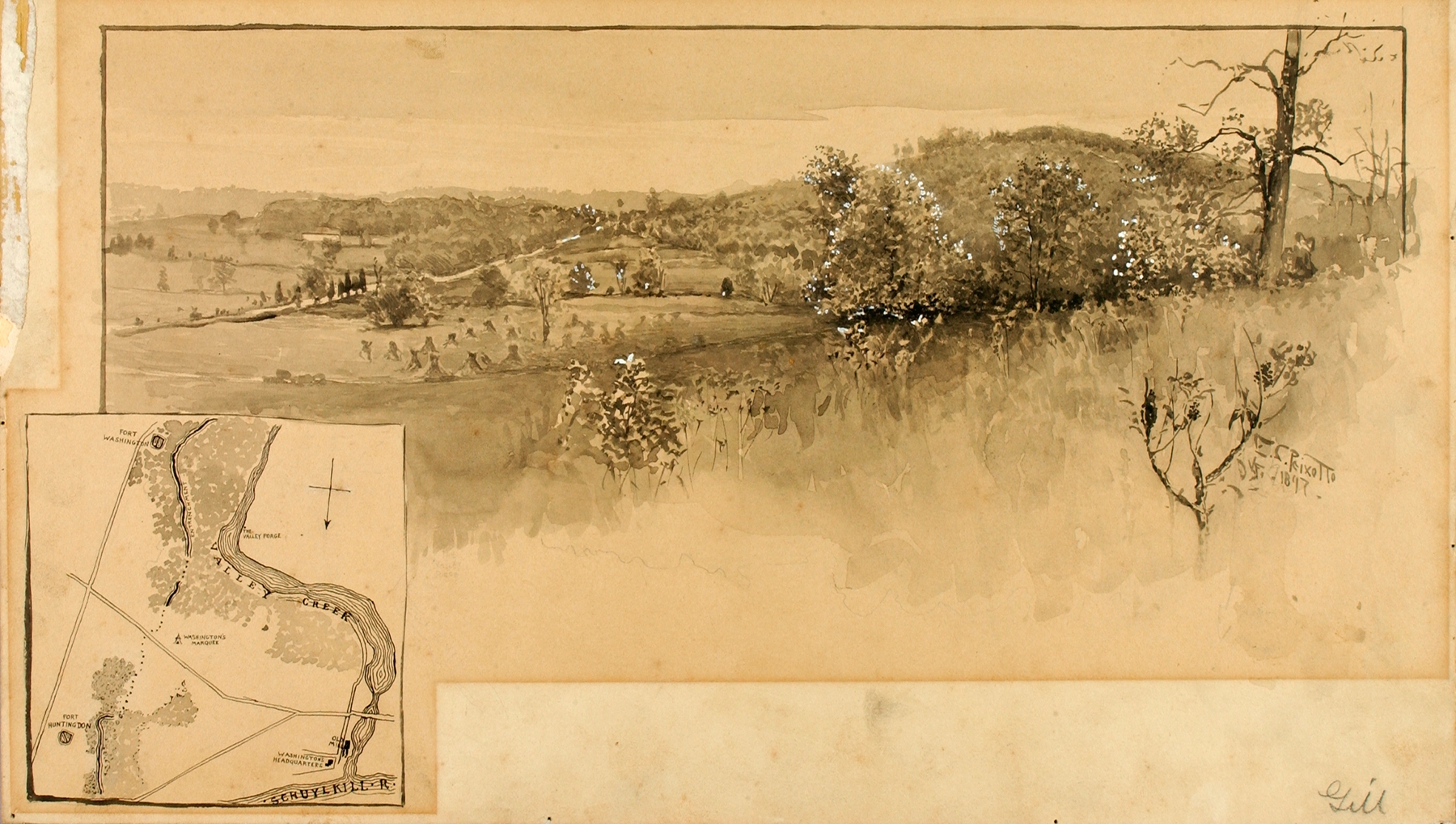
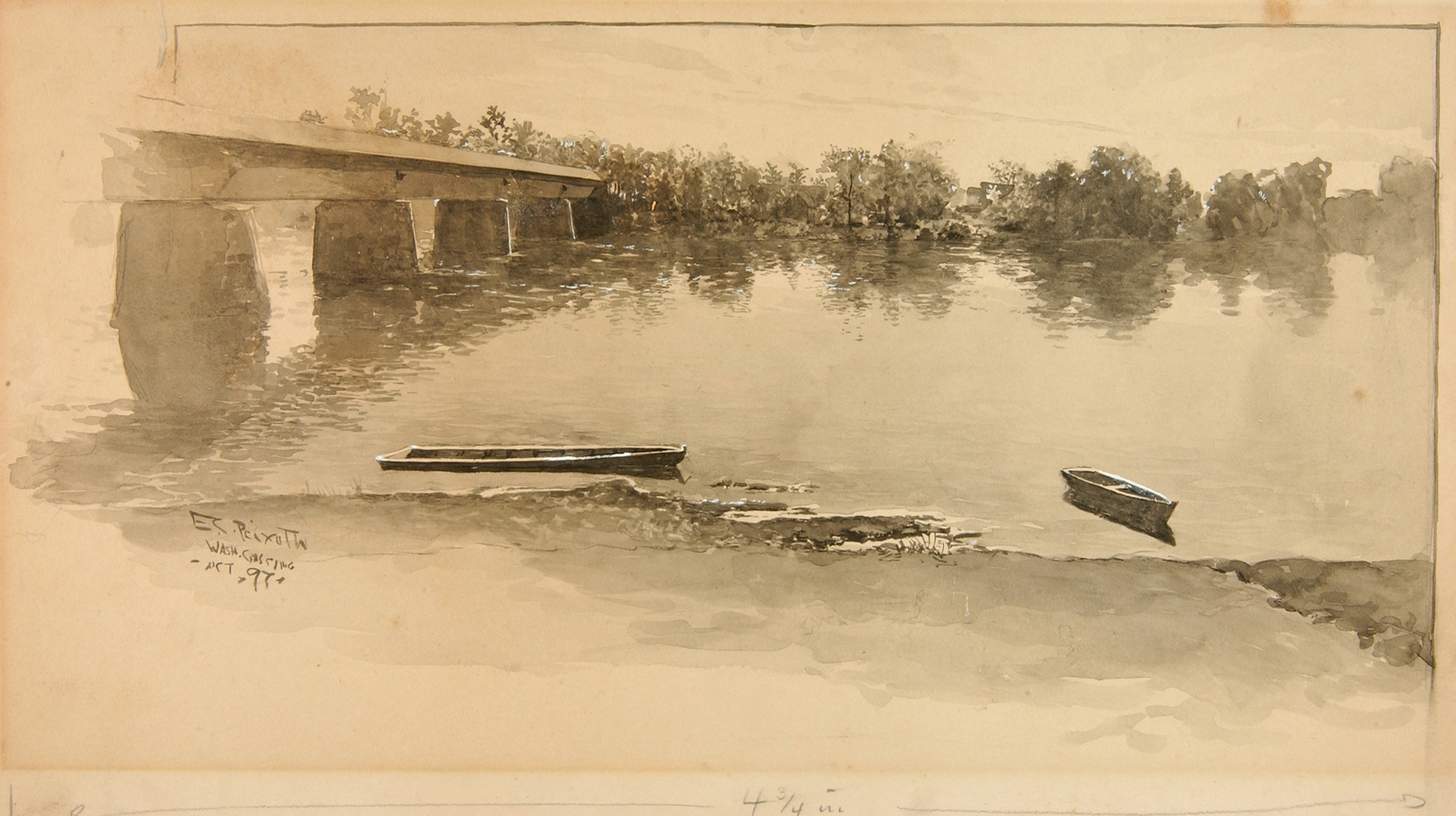
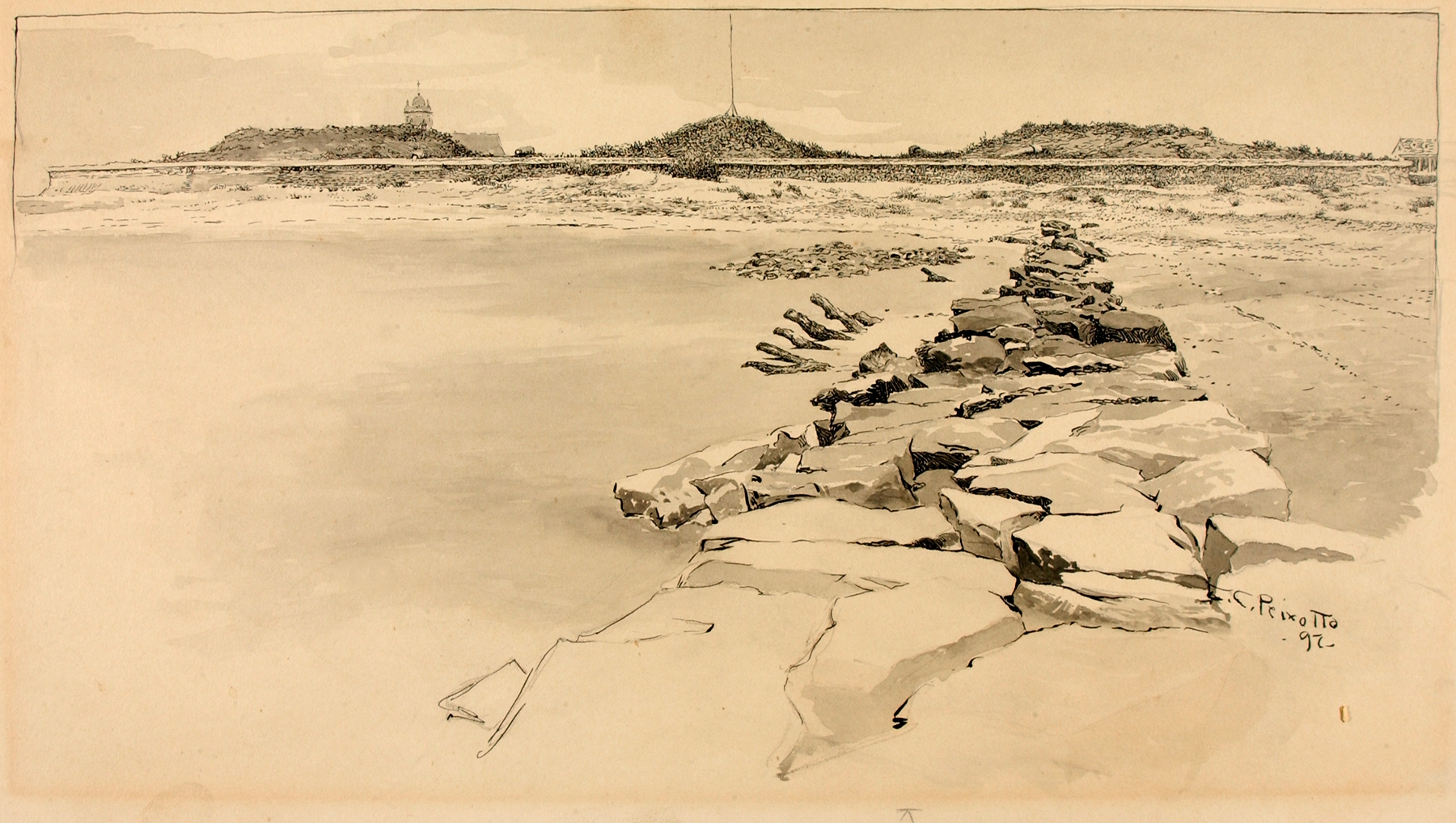
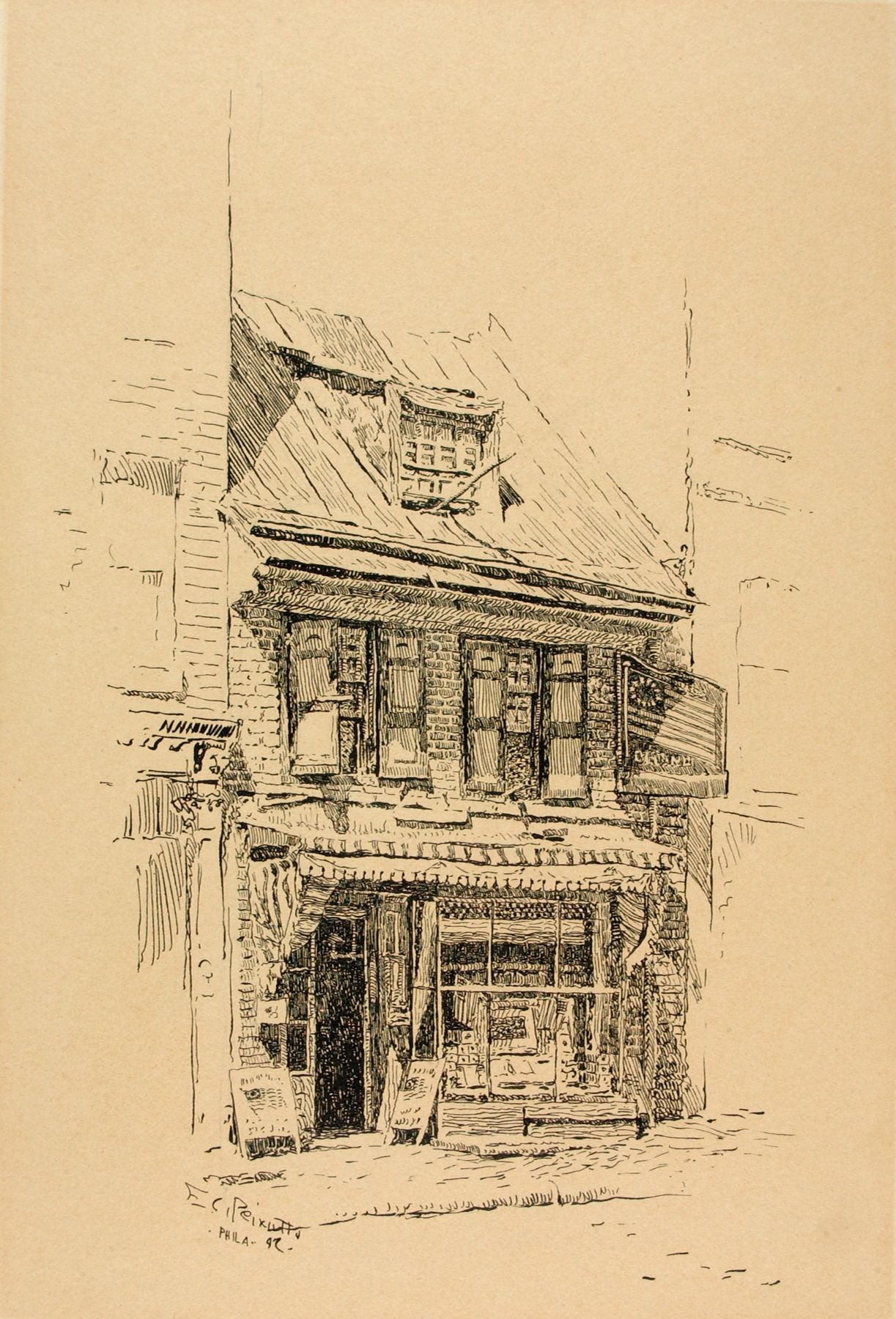
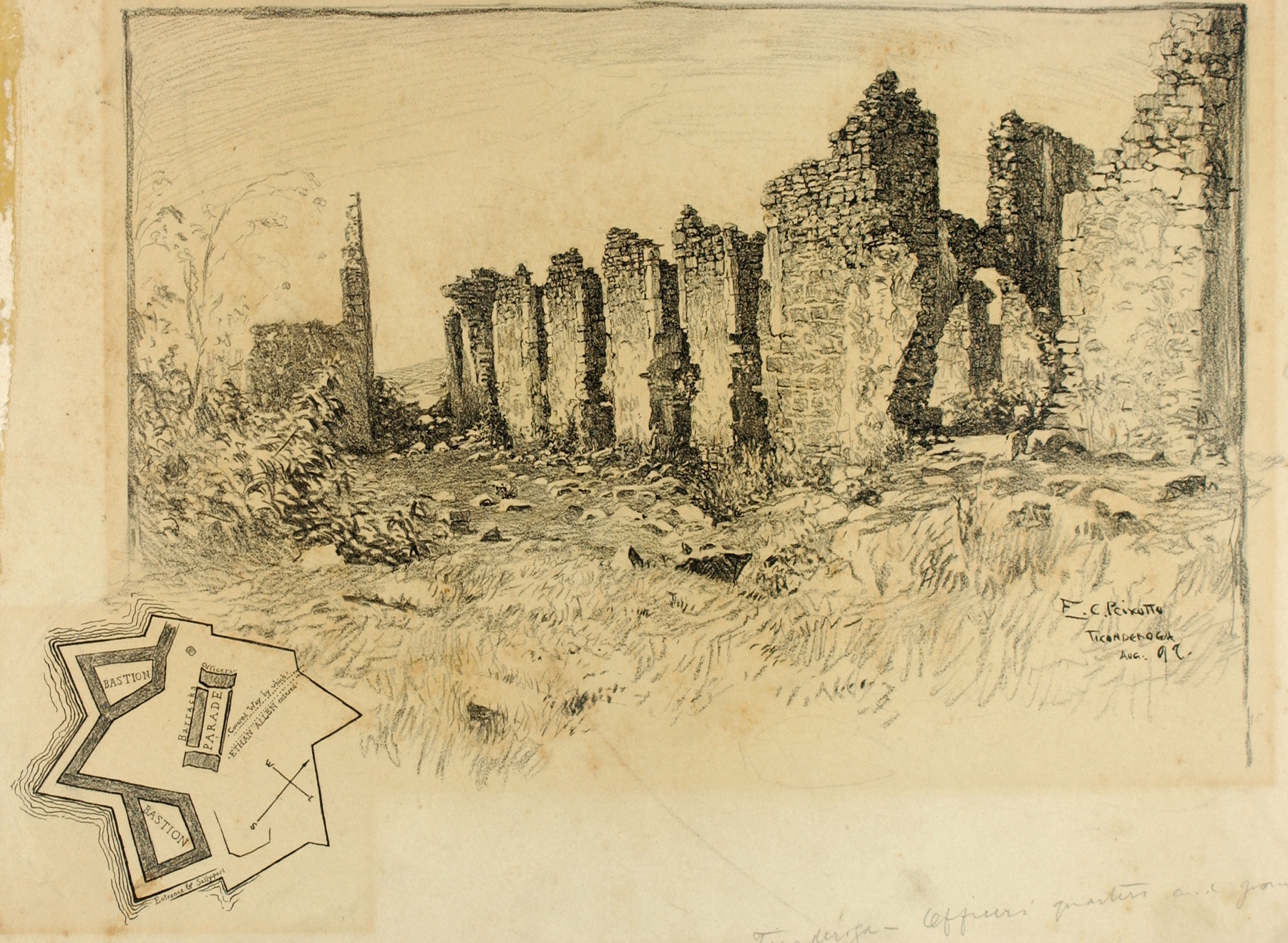
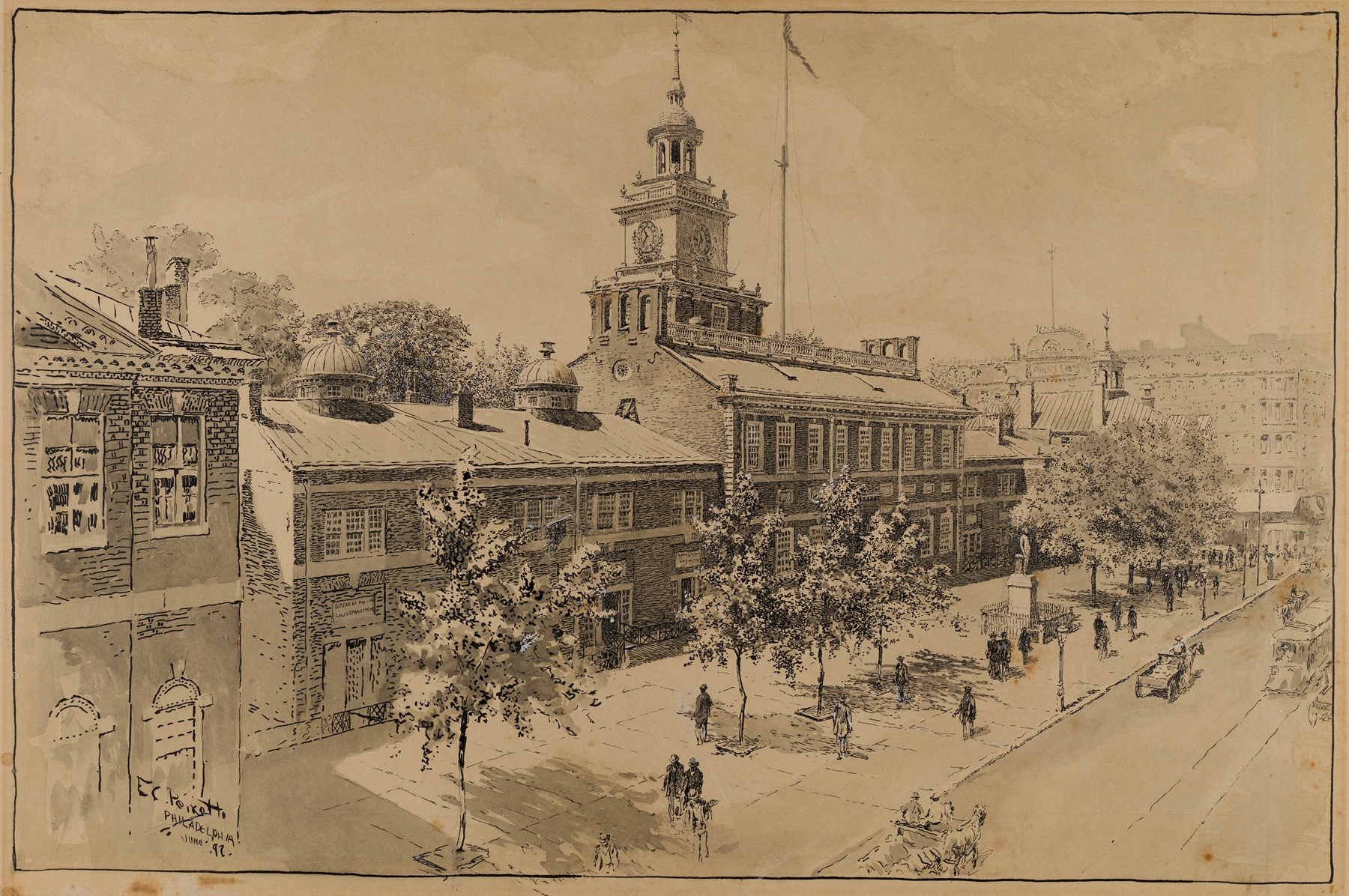
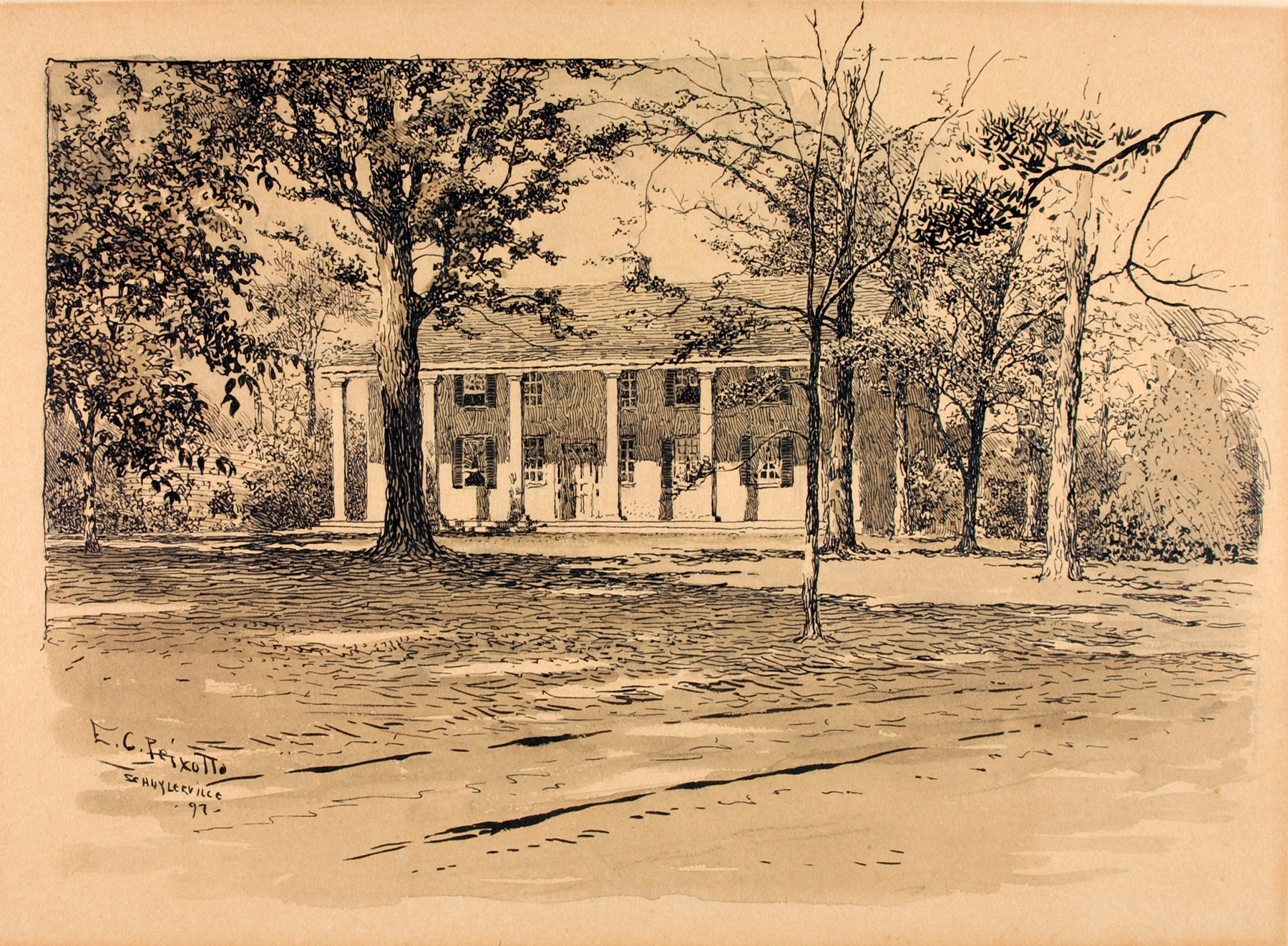
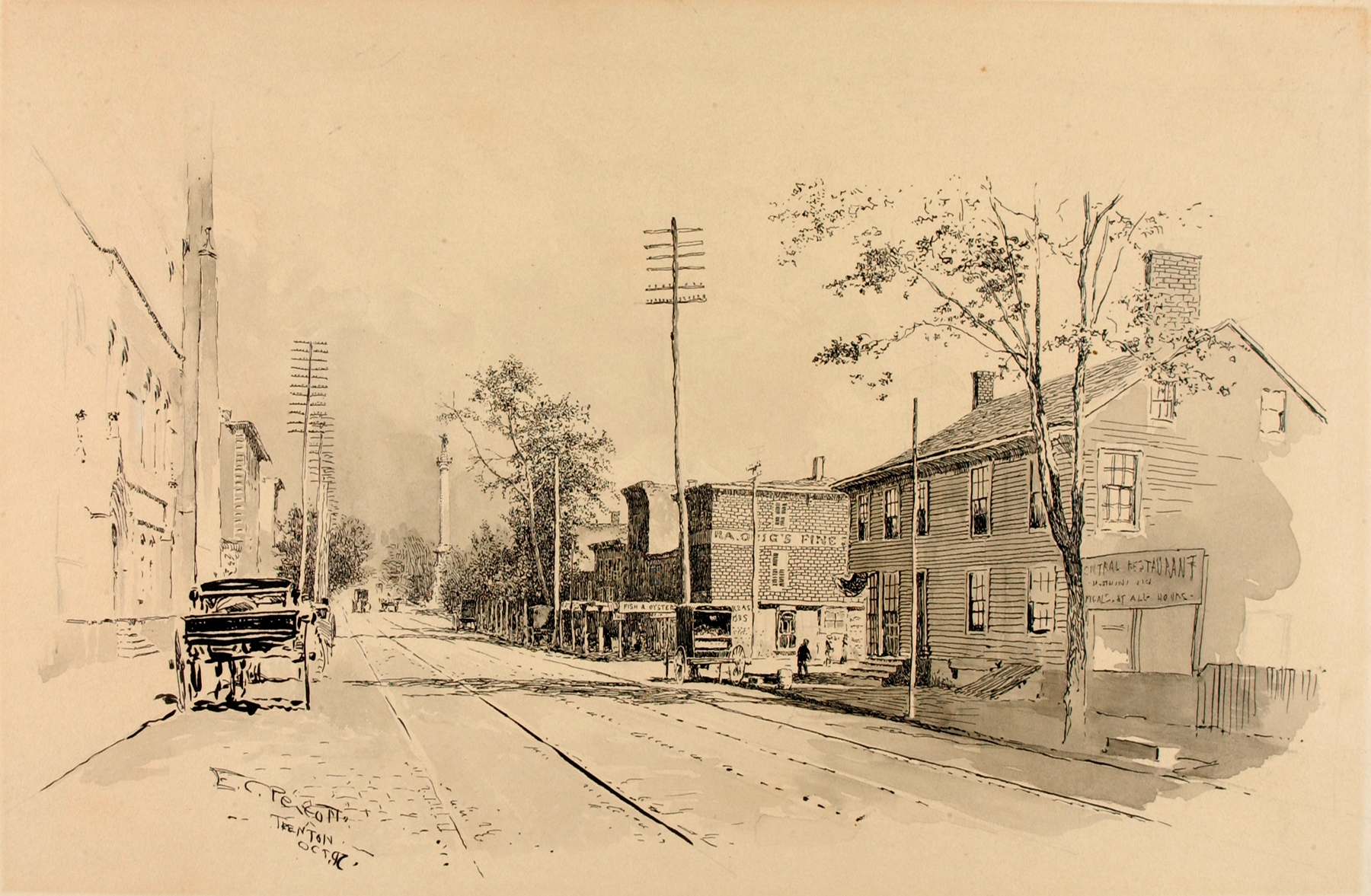
Here lies a reflection on duty and the haunting echoes of those who came before. Ernest Peixotto crafted this piece in 1897, a time when America was grappling with its identity and the legacy of its past. Living in California during a burgeoning arts movement, he sought to capture the essence of patriotism and memory through his work. At this moment in art history, the role of the monument was evolving, and Peixotto’s interpretation offered a poignant look at the intersection of artistry and cultural significance, serving as a lasting tribute to the spirit of the nation.