The Palace; white and pink — History & Analysis
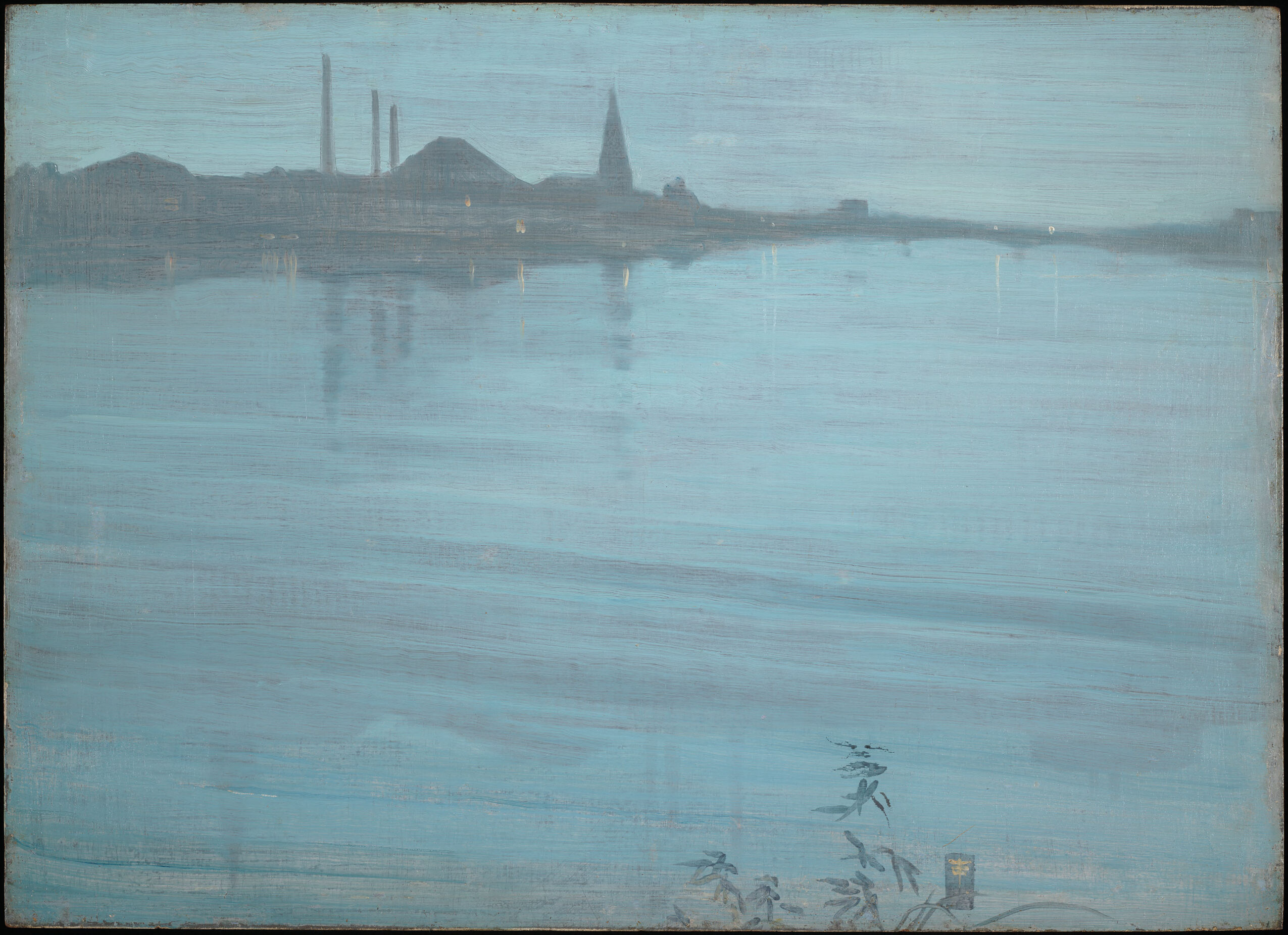
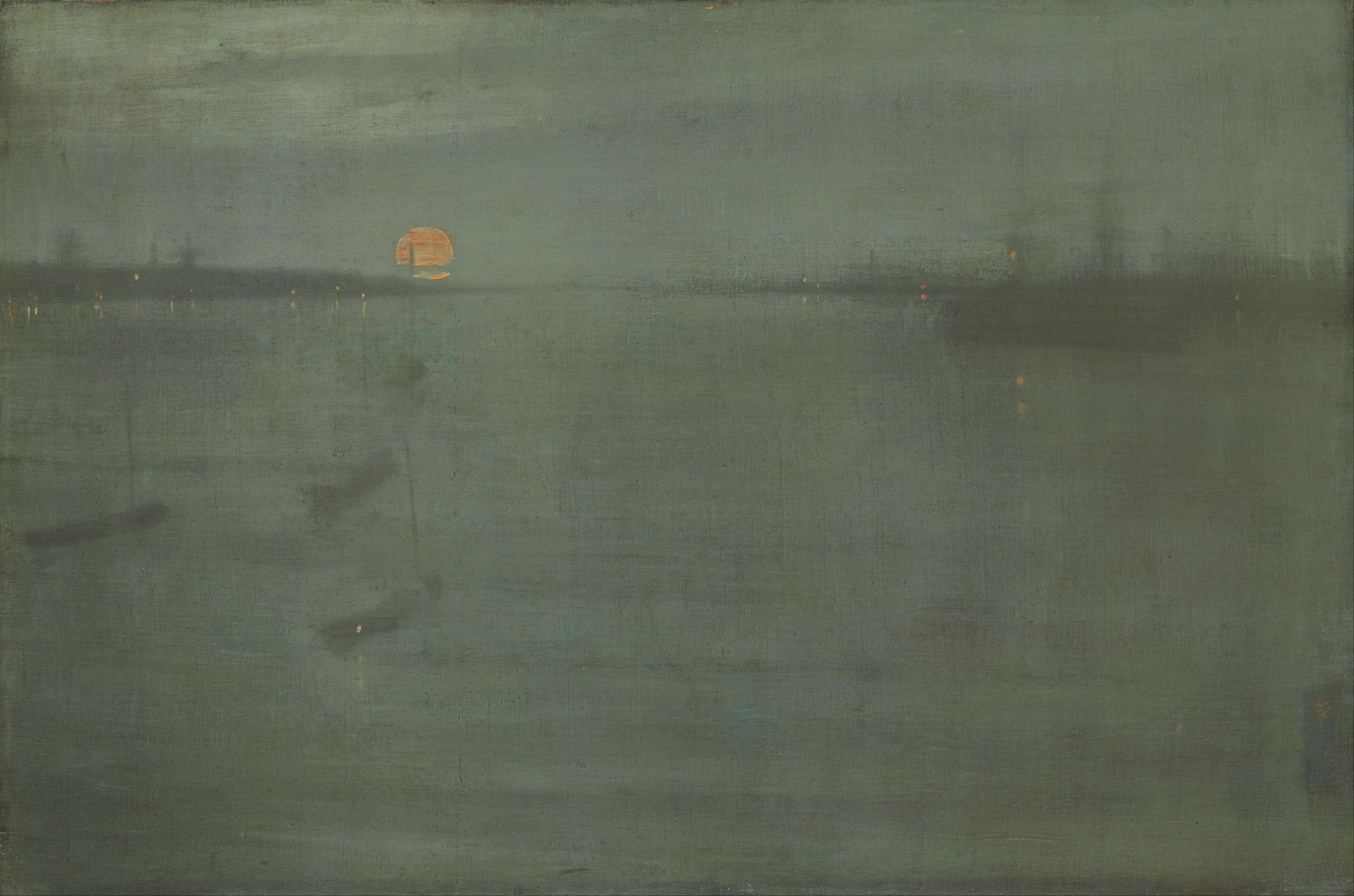
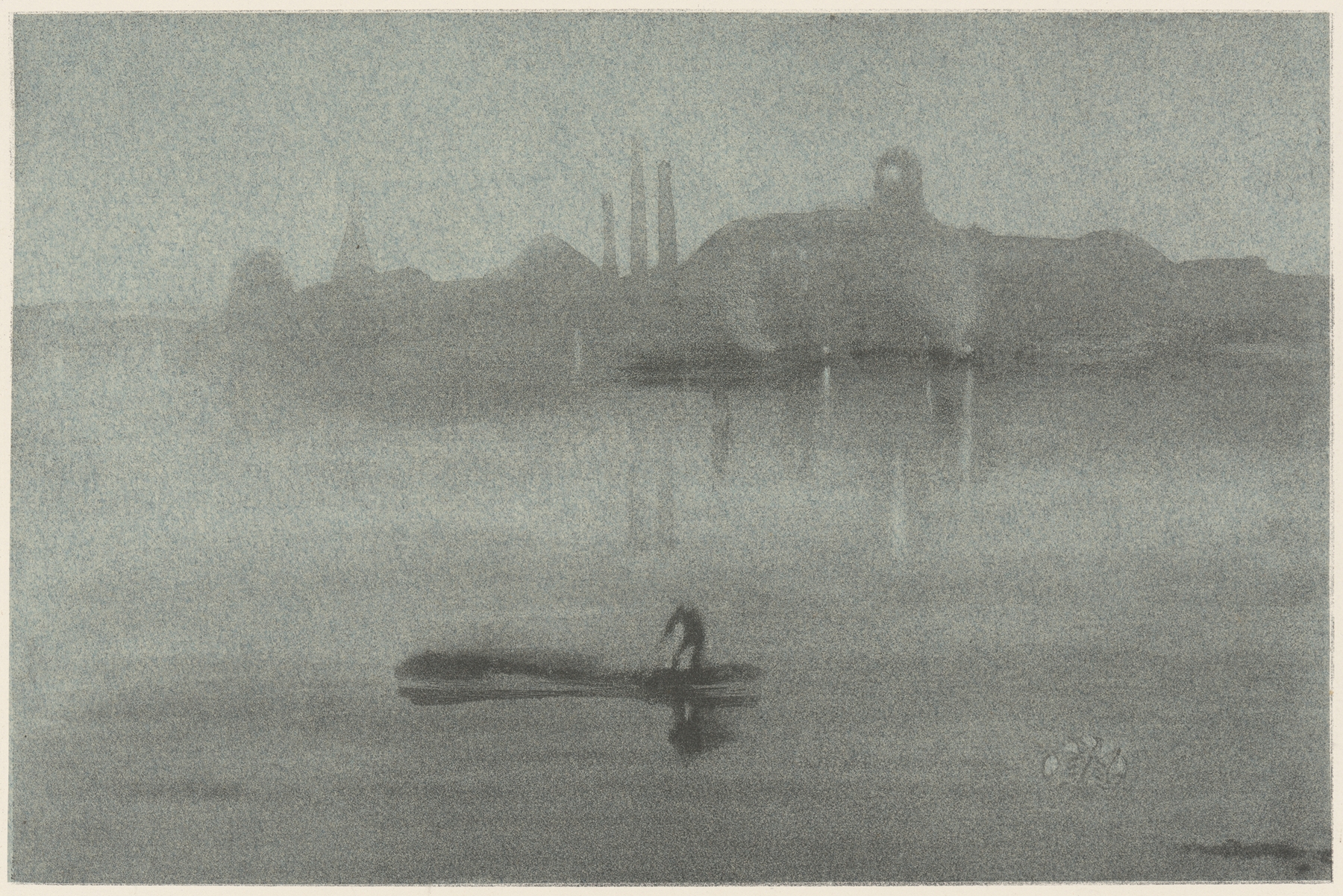
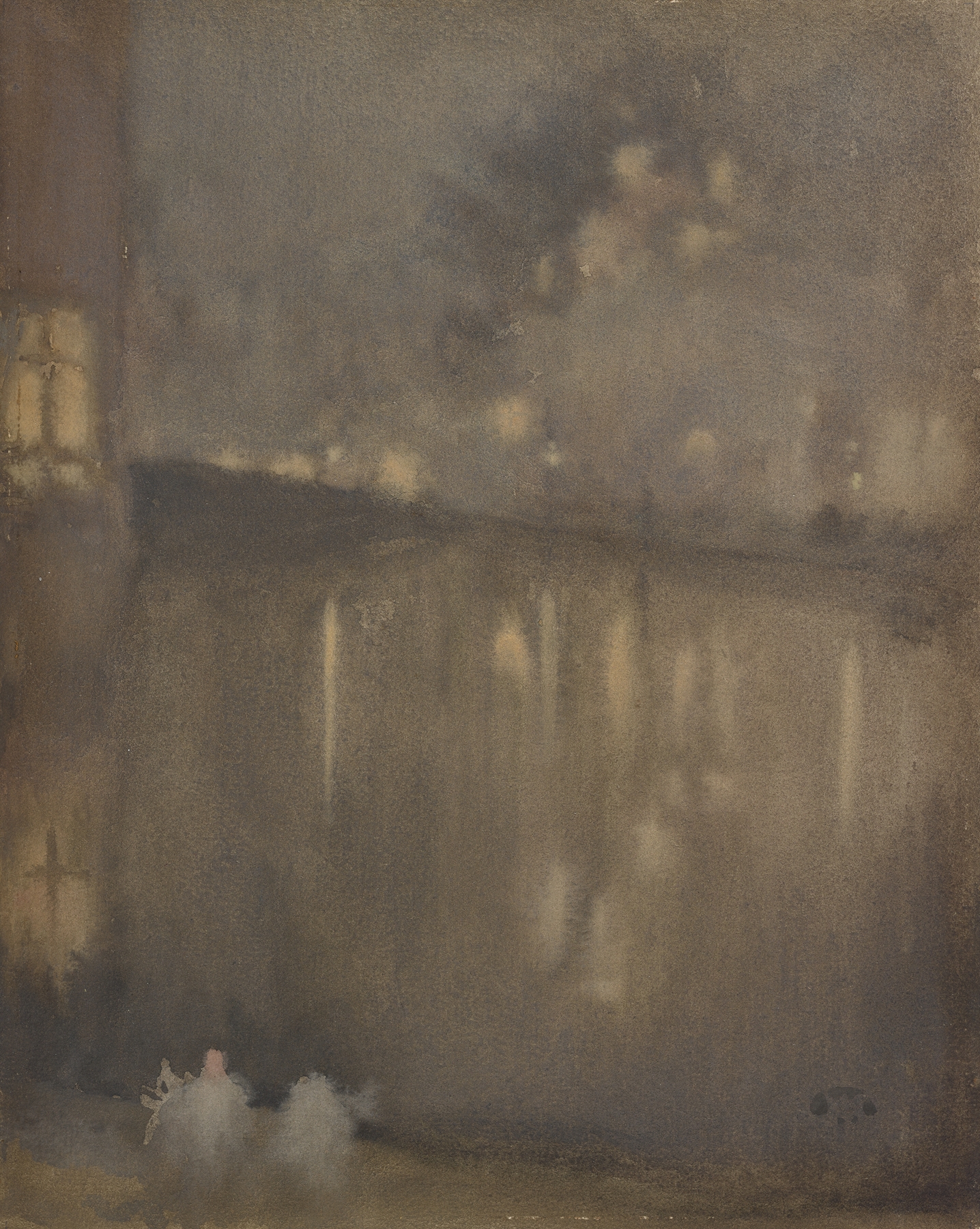
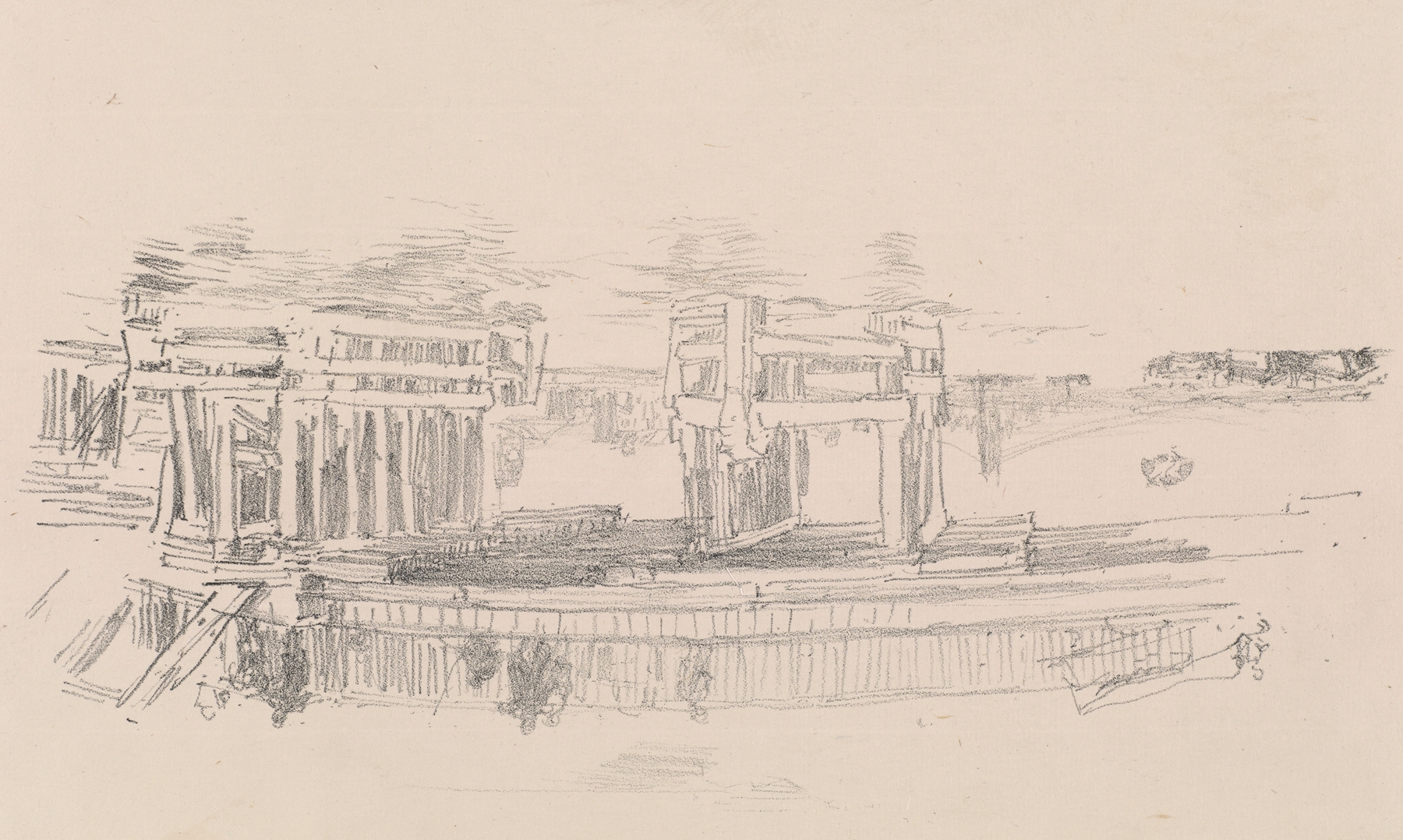
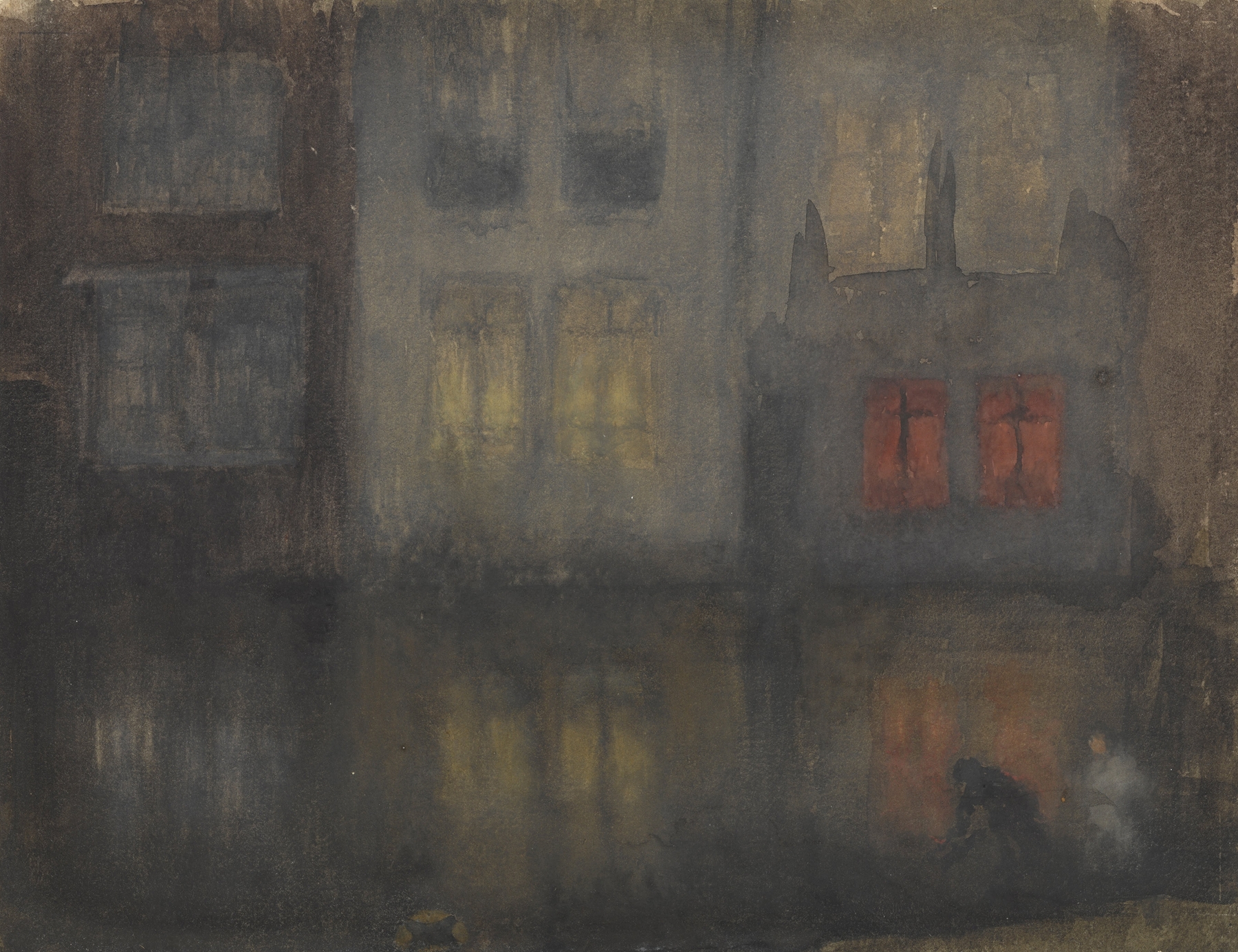
Could a single brushstroke hold eternity? In The Palace; white and pink, the essence of destiny unfurls with each delicate stroke, inviting contemplation on the nature of beauty and transience. Focus on the soft hues that dominate the canvas, where gentle pinks and whites meld seamlessly. The subtle interplay of light creates a serene atmosphere, drawing your gaze to the ethereal forms that rise and flow.
Notice how the brushwork evokes the feeling of mist, as if the palatial structure is both present and fading, a moment suspended between reality and dream. The contrast between the solid architectural lines and the fluidity of the surrounding atmosphere speaks to the tension between permanence and impermanence. Each layer of paint seems to suggest a fleeting glimpse into a bygone era, while also hinting at the potential for rebirth. There’s an emotional undercurrent present in the soft transitions, suggesting a longing for something lost yet still cherished.
During the years 1879-1880, Whistler was deeply engaged in his work in London, a time marked by his evolving style that eschewed traditional representation. He was exploring the concept of harmony in art, merging color and form to convey emotional resonance. This period was crucial, as he challenged the conventions of his time, positioning himself as a pivotal figure in the art world, ultimately influencing future modernist movements.