The Piazzetta — History & Analysis
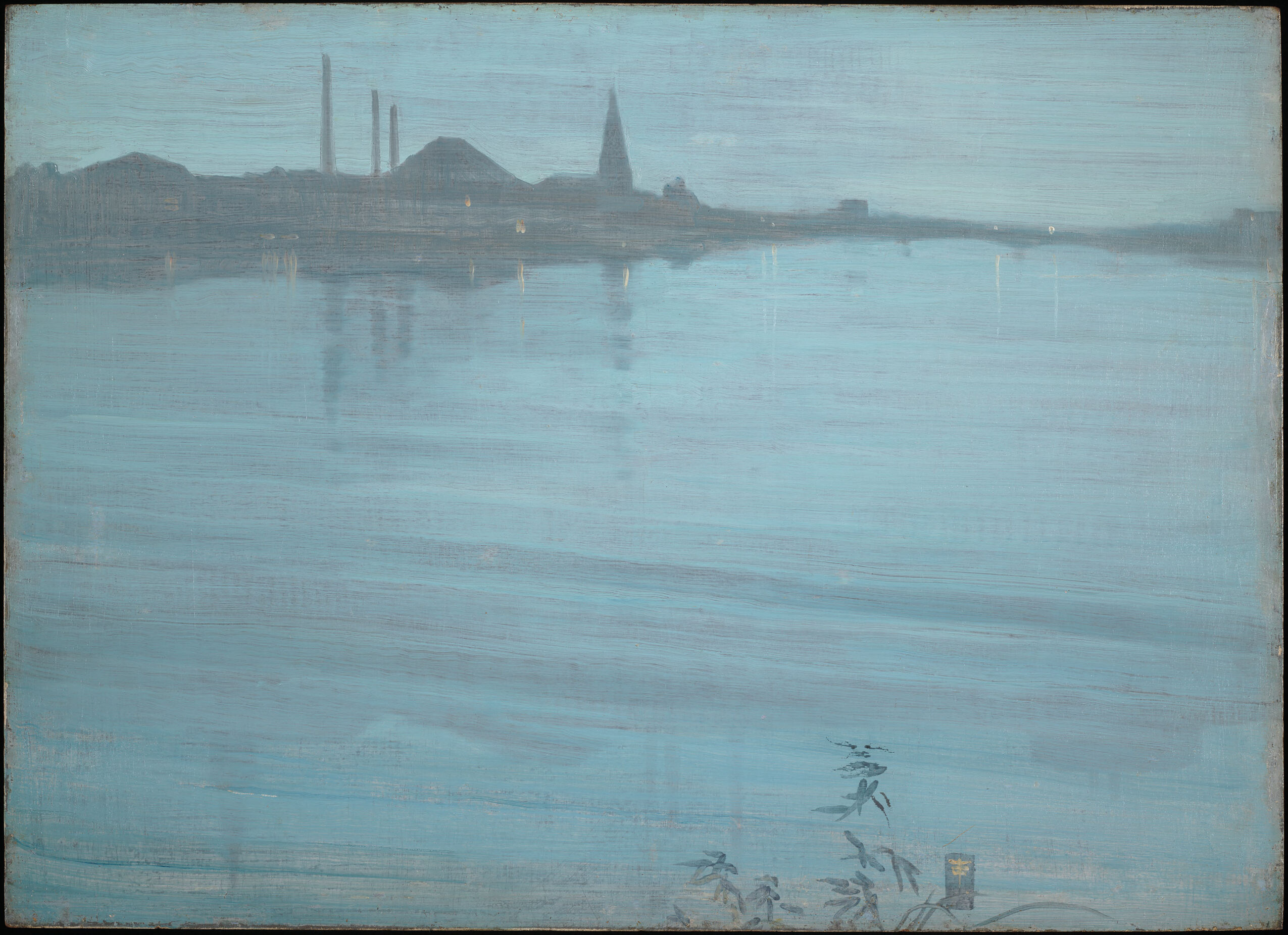
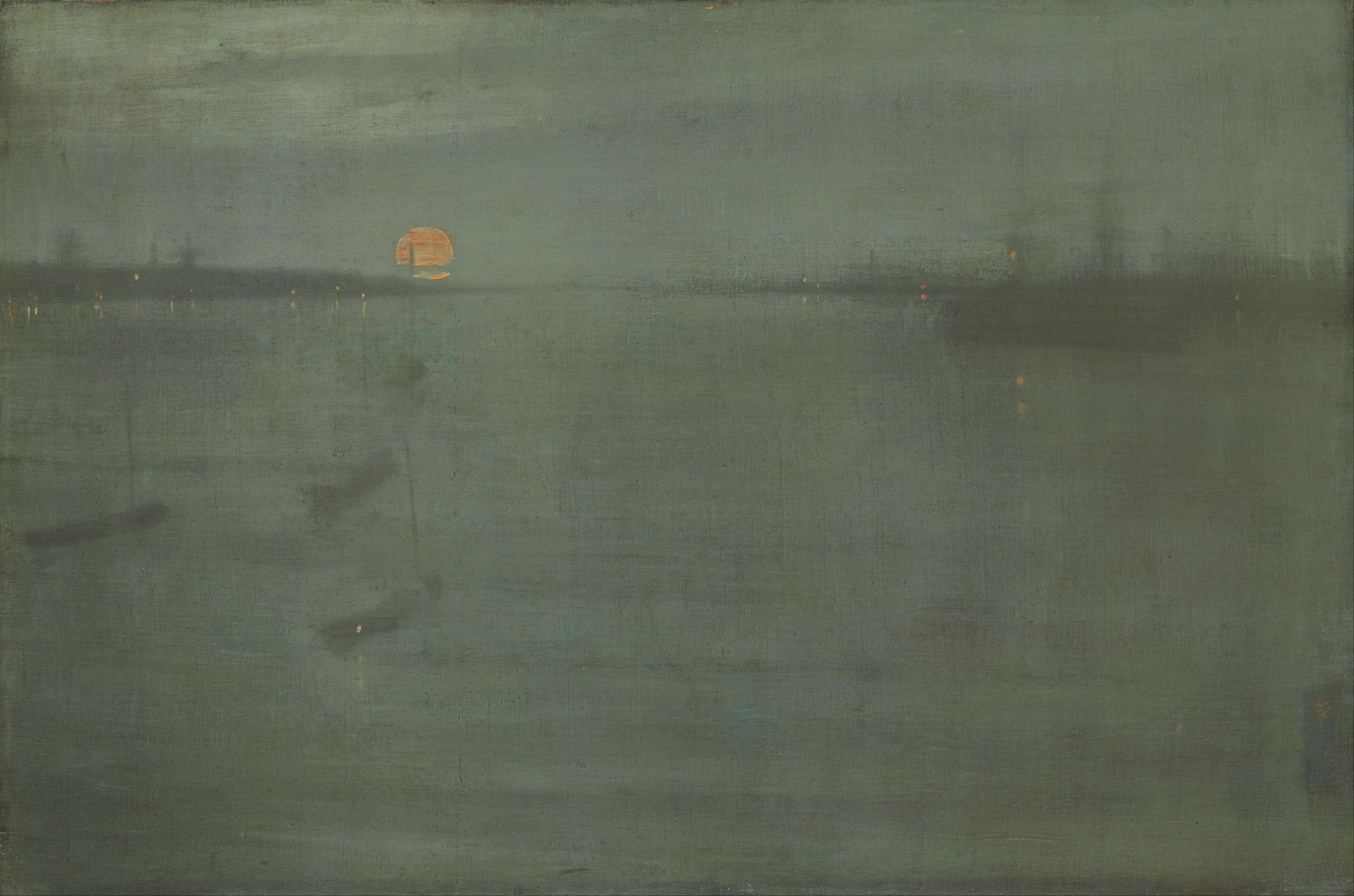
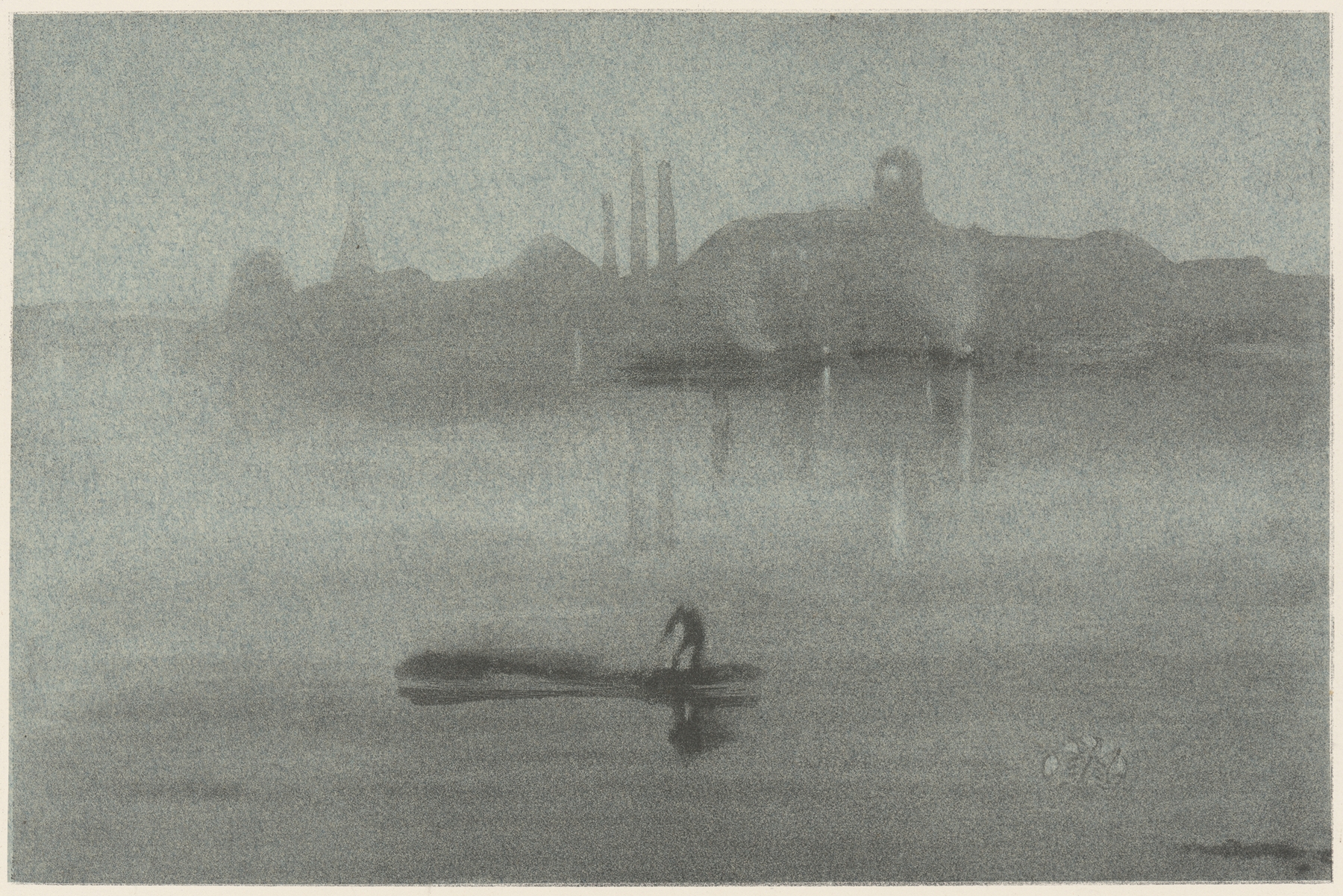
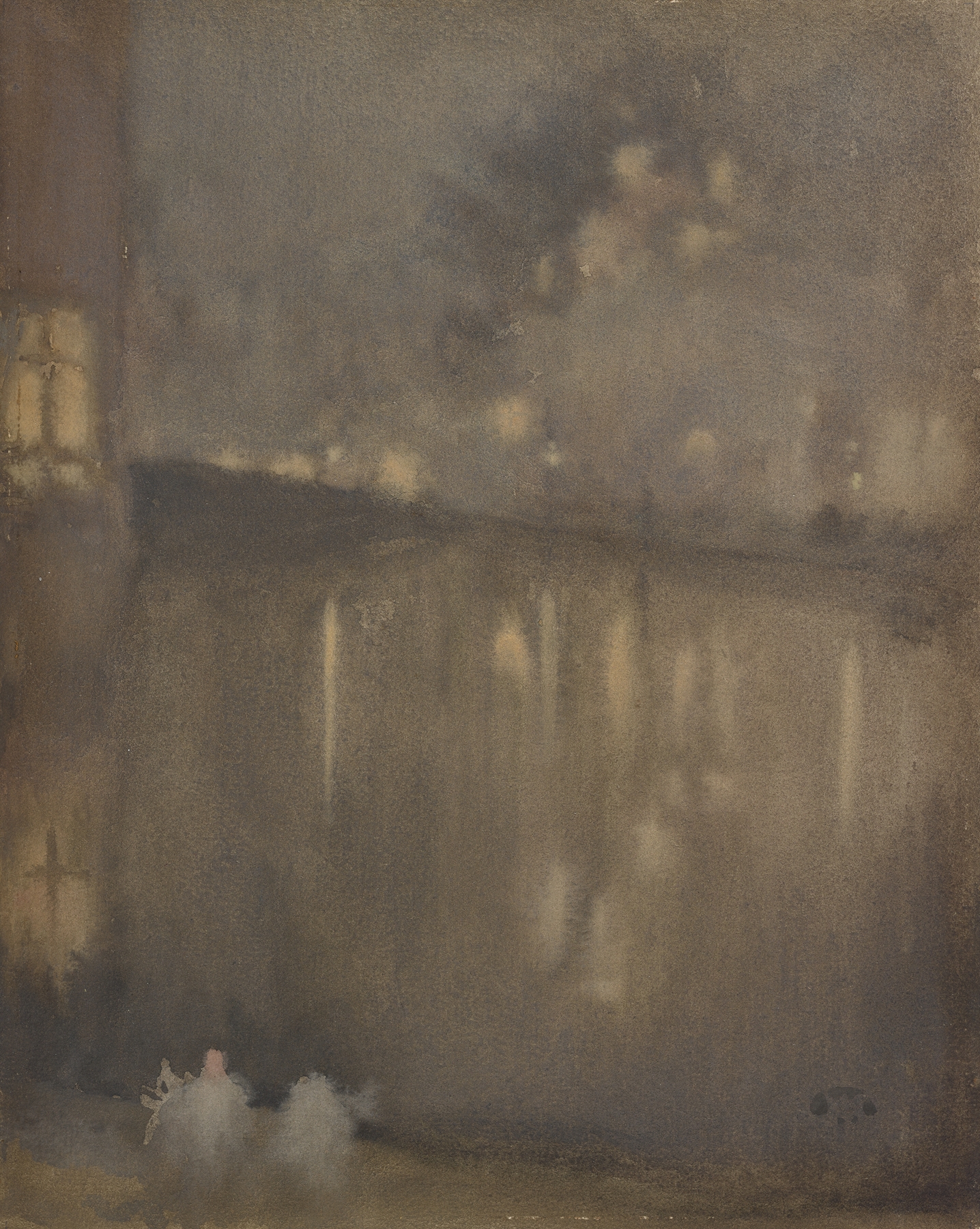
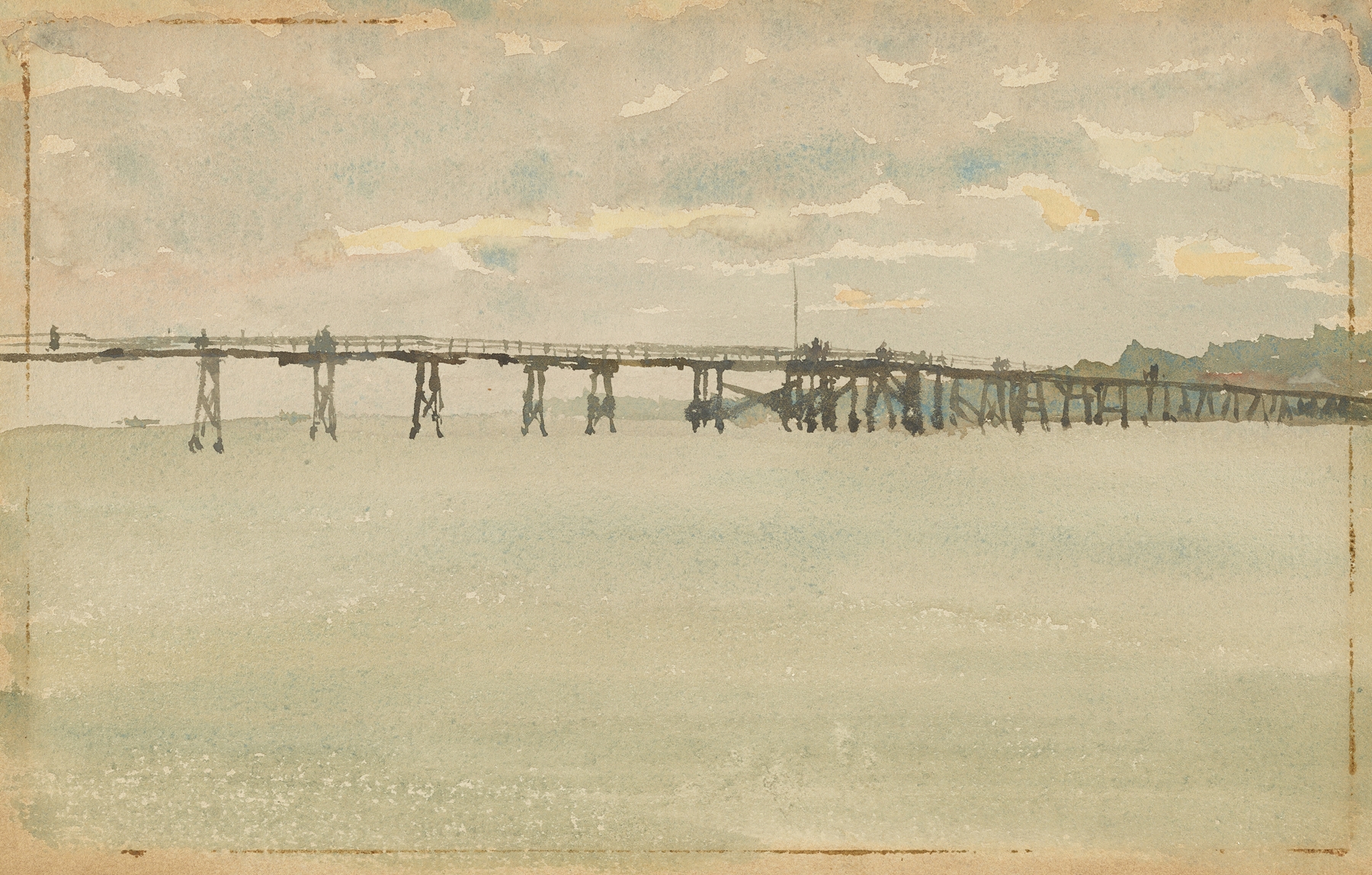
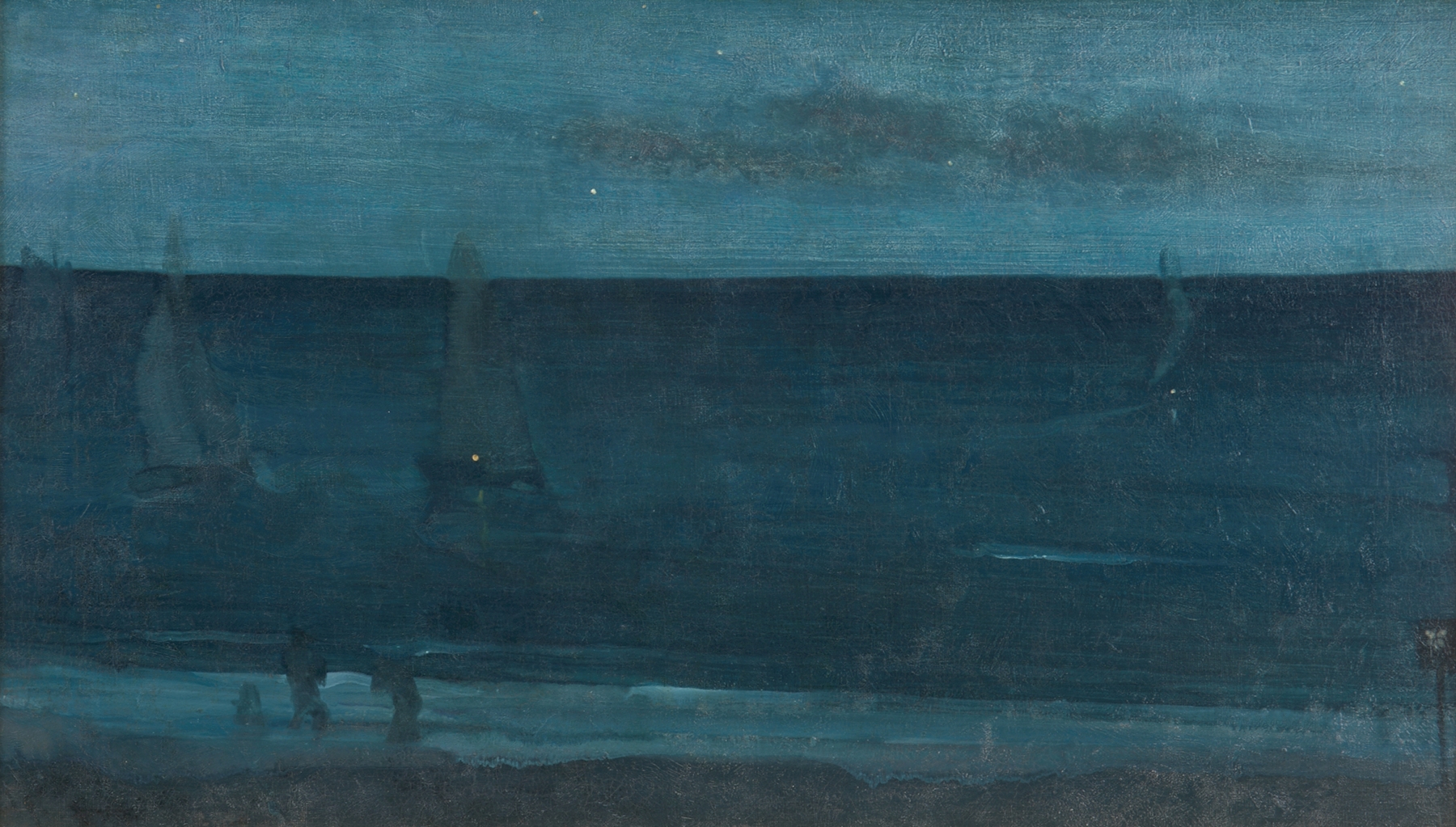
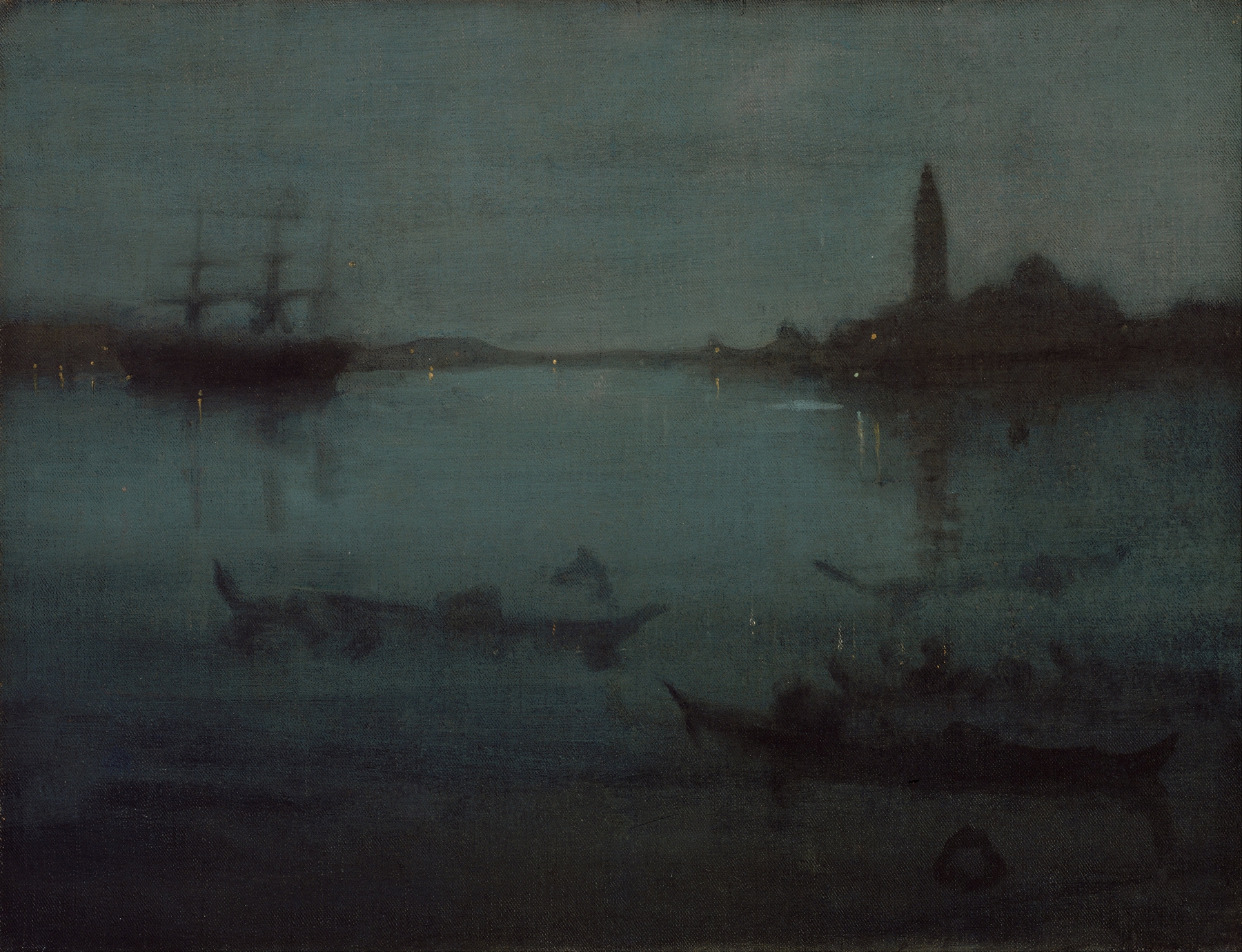
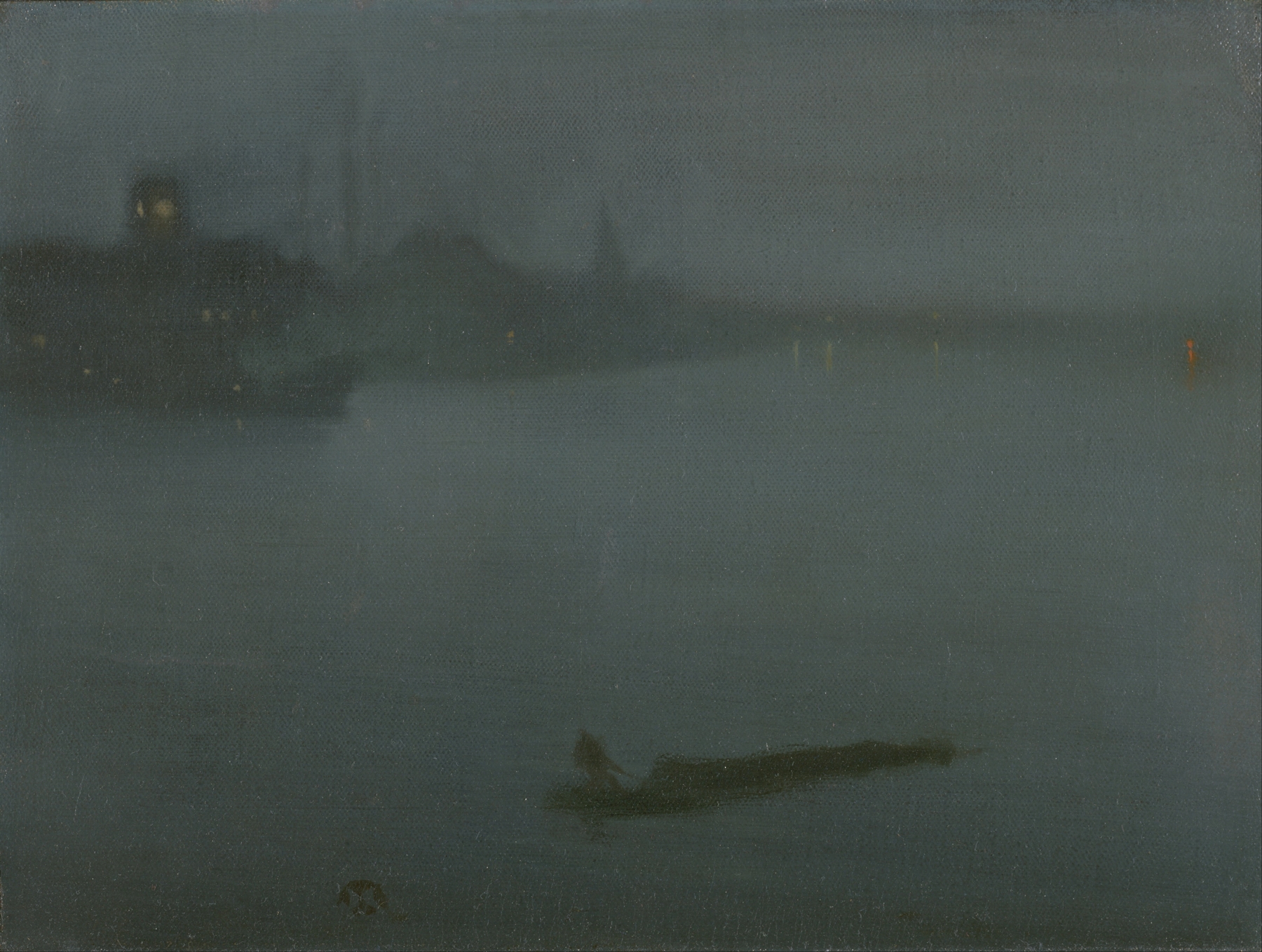
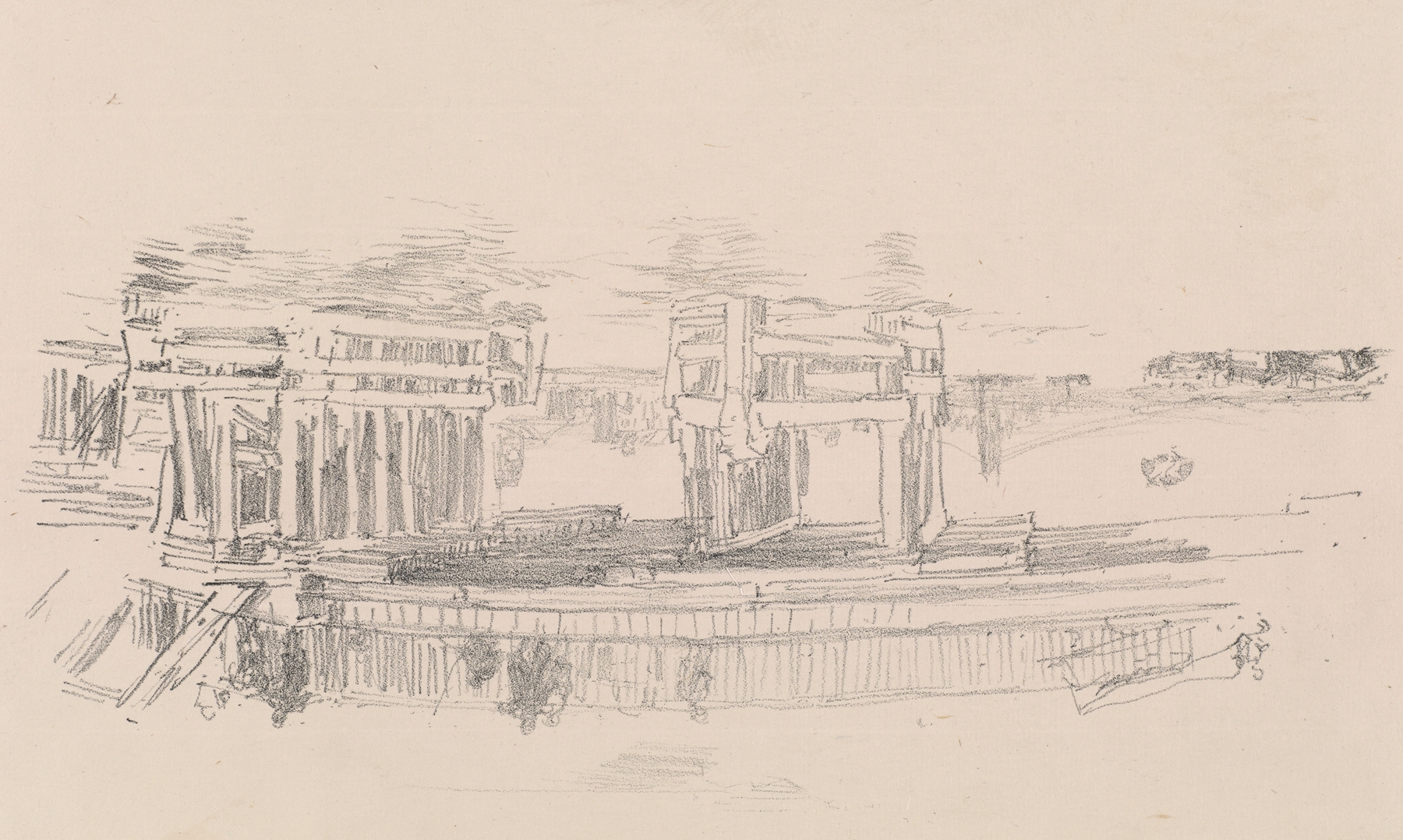
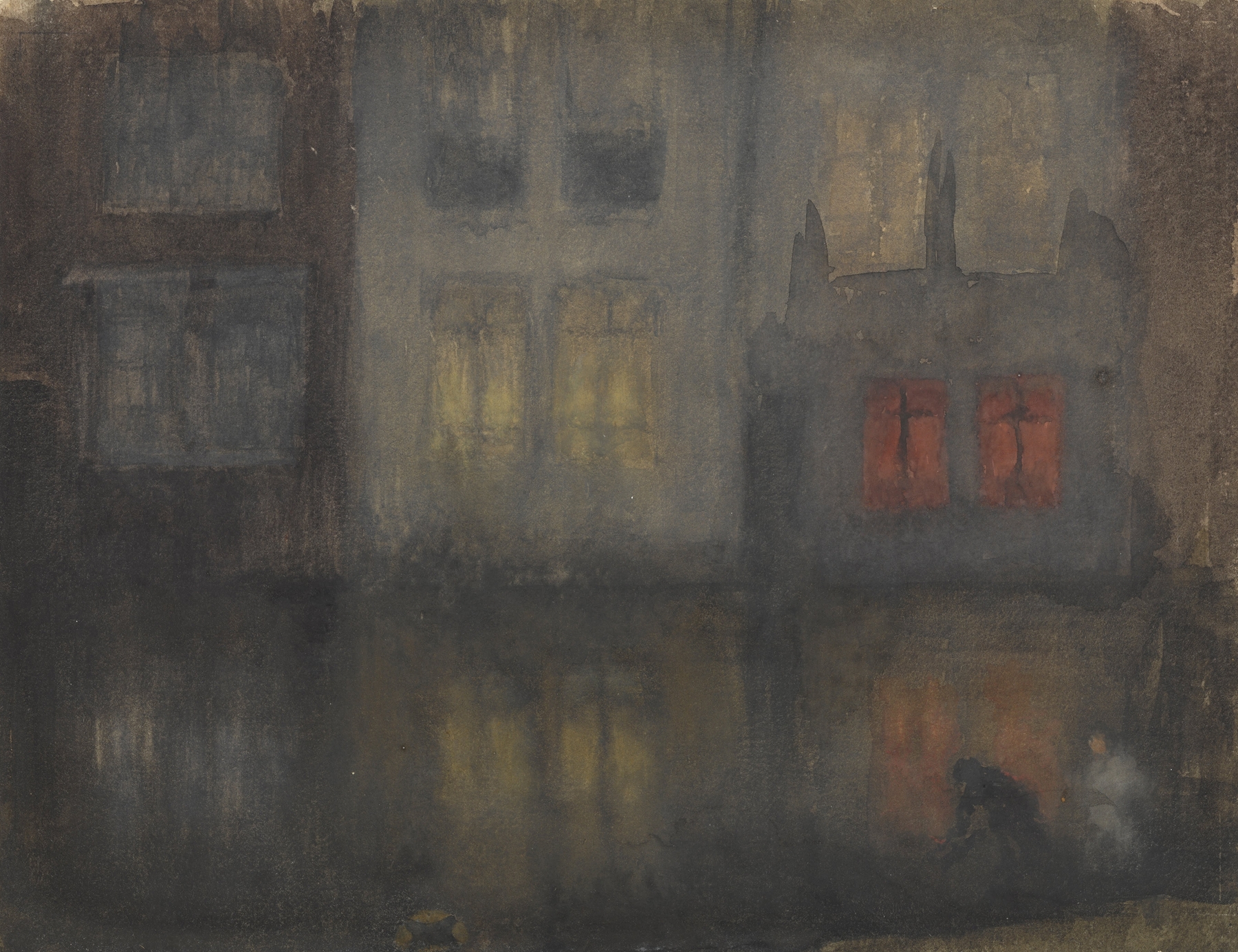
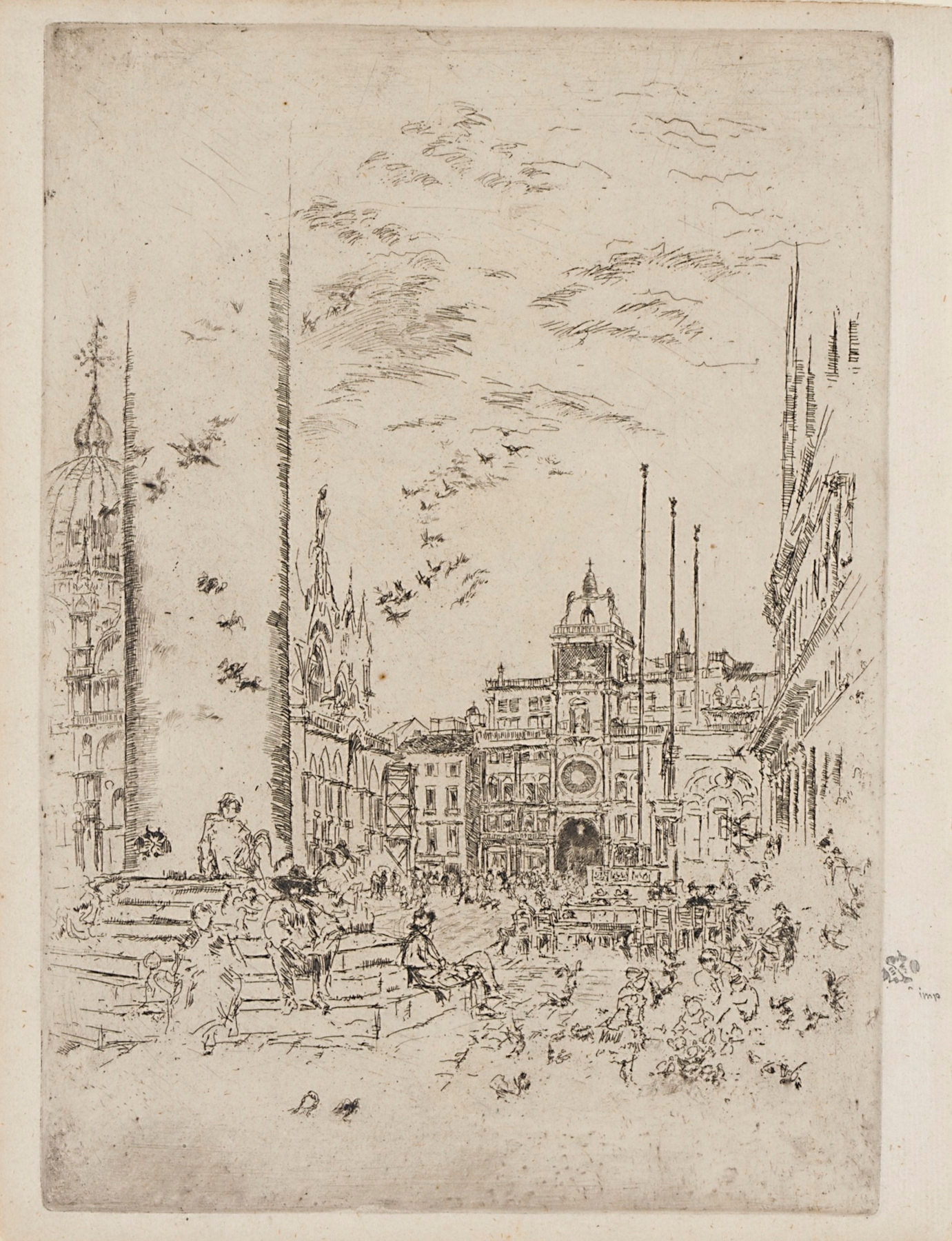
Where does light end, and longing begin? In the delicate interplay of pastel hues, The Piazzetta beckons you to explore the awakening of a world teetering between reality and dream. Look to the left, where soft washes of lavender and pale blue merge, suggesting the early morning sky reflecting on the serene waters. Notice how the figures, mere silhouettes against the luminous backdrop, evoke a sense of intimacy and solitude.
With each brushstroke, Whistler captures a fleeting moment in time, inviting the viewer to linger in the gentle embrace of dawn. The elegant composition draws your gaze toward the horizon, where light dances on the water’s surface, creating a harmonious balance between color and form. Within this tranquil scene lies a poignant tension: the whisper of a new day contrasted with the stillness of the world at rest. The minimalism of the figures adds to the emotional depth, suggesting a narrative of anticipation and unfulfilled desires.
Each element, from the architectural forms to the rippling water, speaks to the ephemeral nature of life, where moments of beauty often slip through our fingers, leaving only the lingering essence of yearning. In the late 1870s, as Whistler painted The Piazzetta in Venice, he was deeply immersed in the exploration of color and light, influenced by both the Impressionist movement and his own experiences in the vibrant city. This period marked a significant evolution in his artistic style, as he sought to capture the essence of a place rather than its precise details, reflecting both personal and societal shifts in the art world.