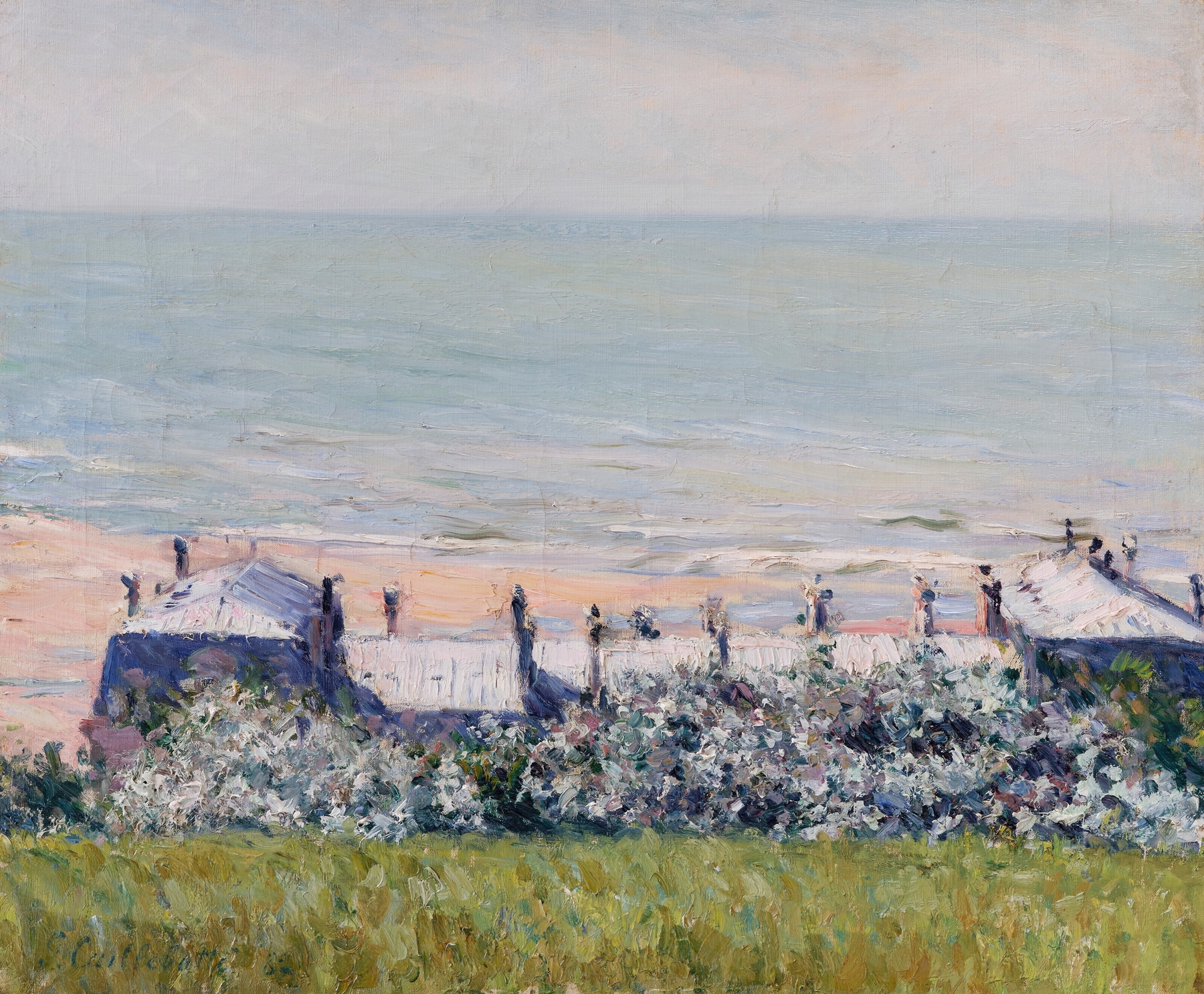
The plain of Gennevilliers, yellow fields — History & Analysis
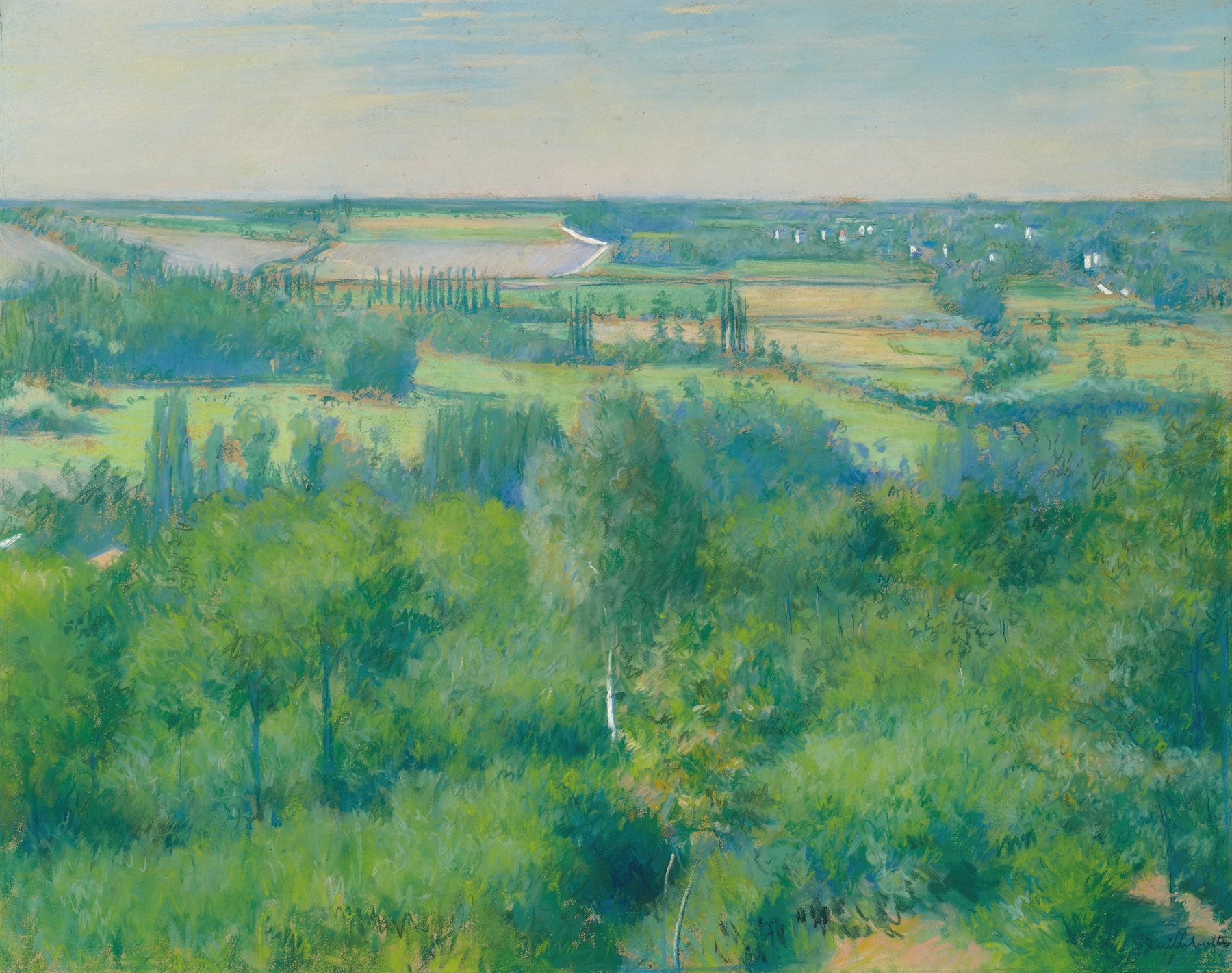
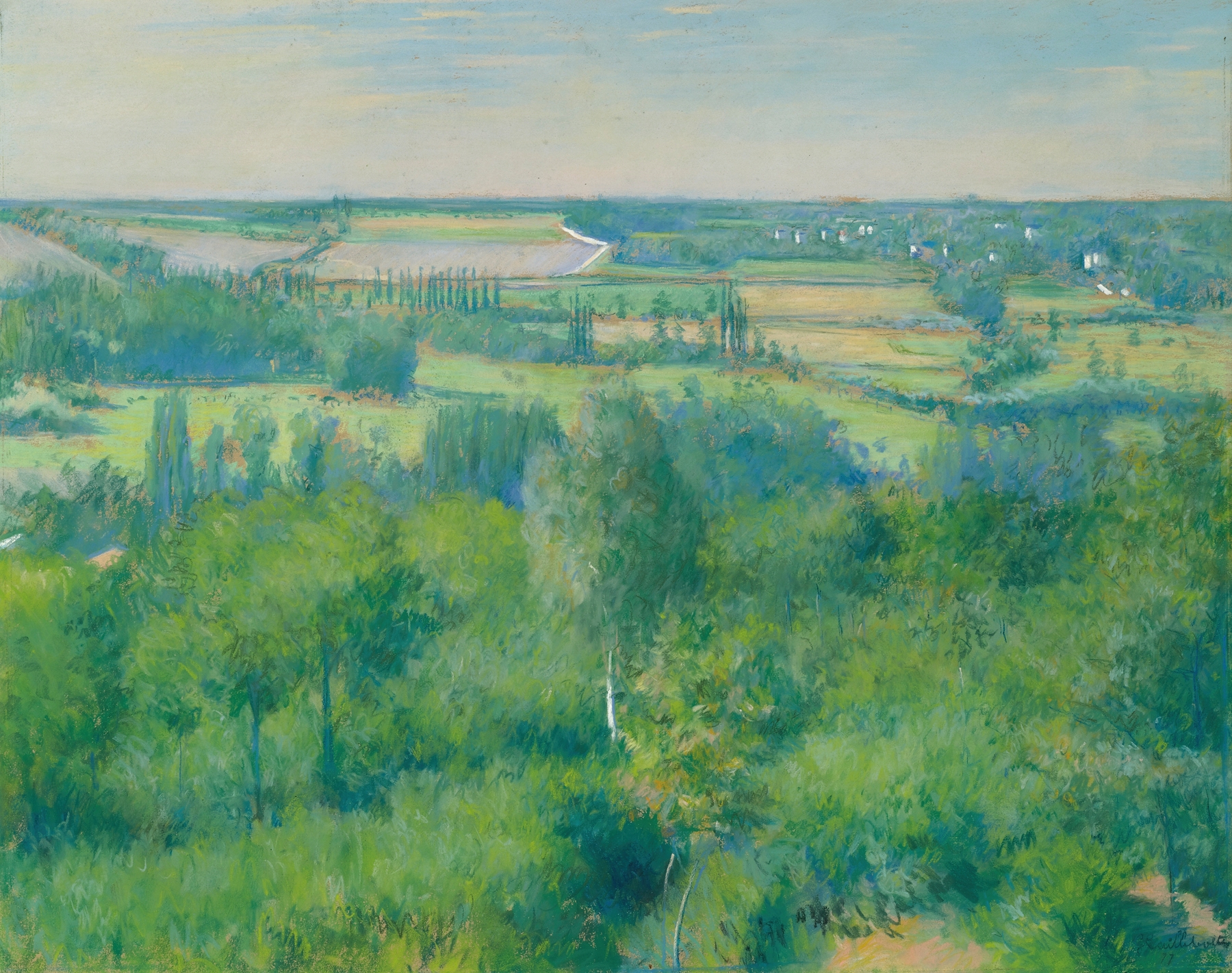
Could a single brushstroke hold eternity? In Gustave Caillebotte’s The plain of Gennevilliers, yellow fields, the canvas unfolds the poignant interplay of nature and loss, whispering secrets of a fleeting moment caught in time. Look to the bottom right, where the golden yellow fields stretch out under a vast, open sky. The brushstrokes dance with vibrancy, embodying the life and warmth of the landscape. Notice how the sunlight bathes the crops, intertwining with the hues of green and gold, creating a visual symphony of color.
The horizon, painted with soft, blurred lines, invites the viewer to explore the tranquil expanse, while the textured strokes evoke the tactile essence of land nurtured yet ephemeral. Beyond the surface, this work resonates with a profound sense of longing. The rolling fields suggest abundance, yet there is an underlying tension that speaks to vulnerability and the inevitability of change. Each stroke seems to preserve a moment that is on the cusp of becoming lost, representing both the beauty of nature and its transience.
This duality creates a heartfelt reflection on what it means to cherish fleeting experiences, making the viewer acutely aware of the passage of time. Caillebotte painted this piece during a transformative period for Impressionism in the late 19th century, likely in the 1880s while living in Paris. His works often explored the intersection of modernity and nature, and during this time, industrialization rapidly altered the landscape. Straddling both the realms of innovation and tradition, Caillebotte's artistry captures a unique moment in history, echoing the loss of pastoral beauty in the face of encroaching urbanization.