The Port Of Livorno — History & Analysis
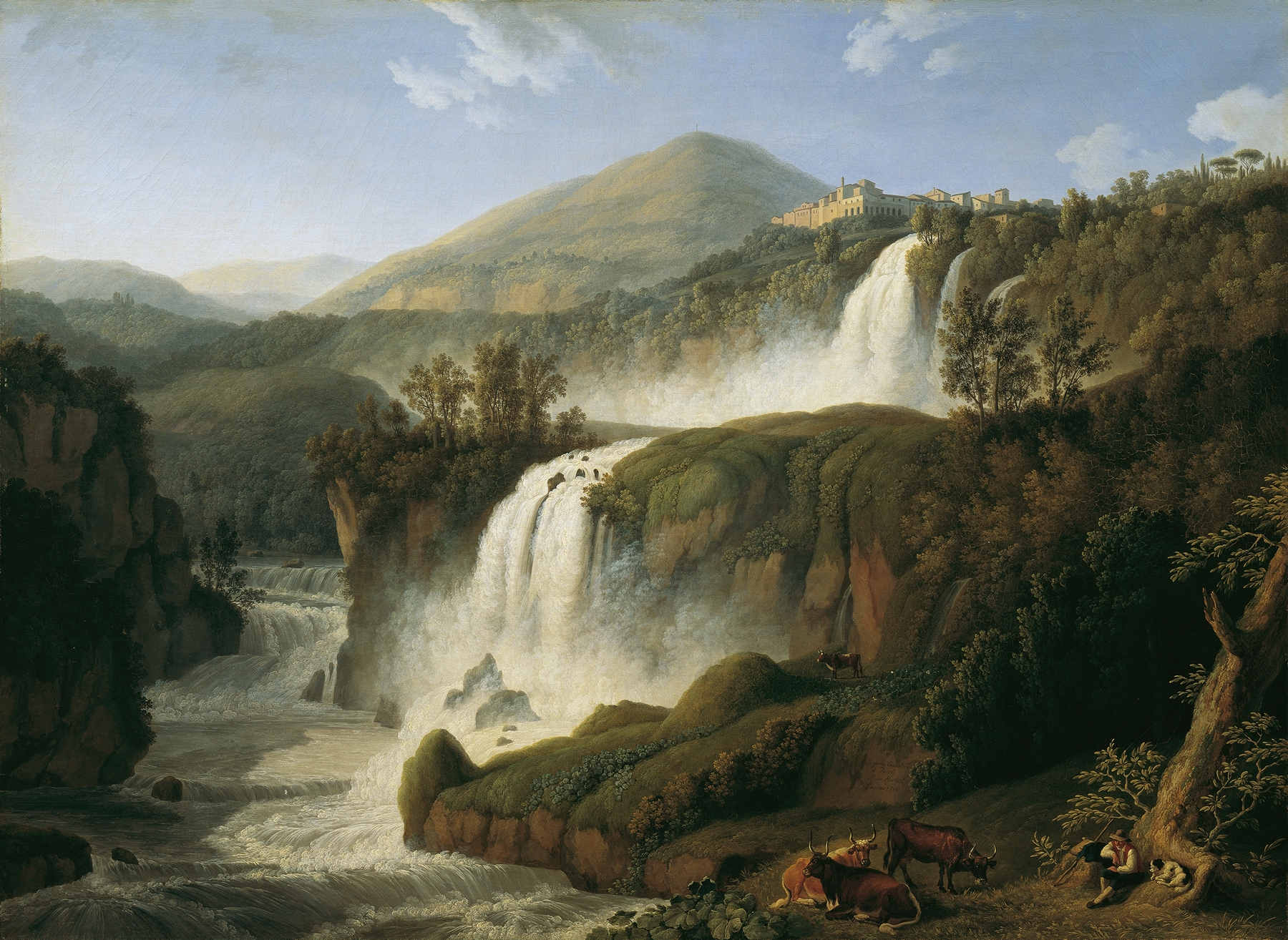
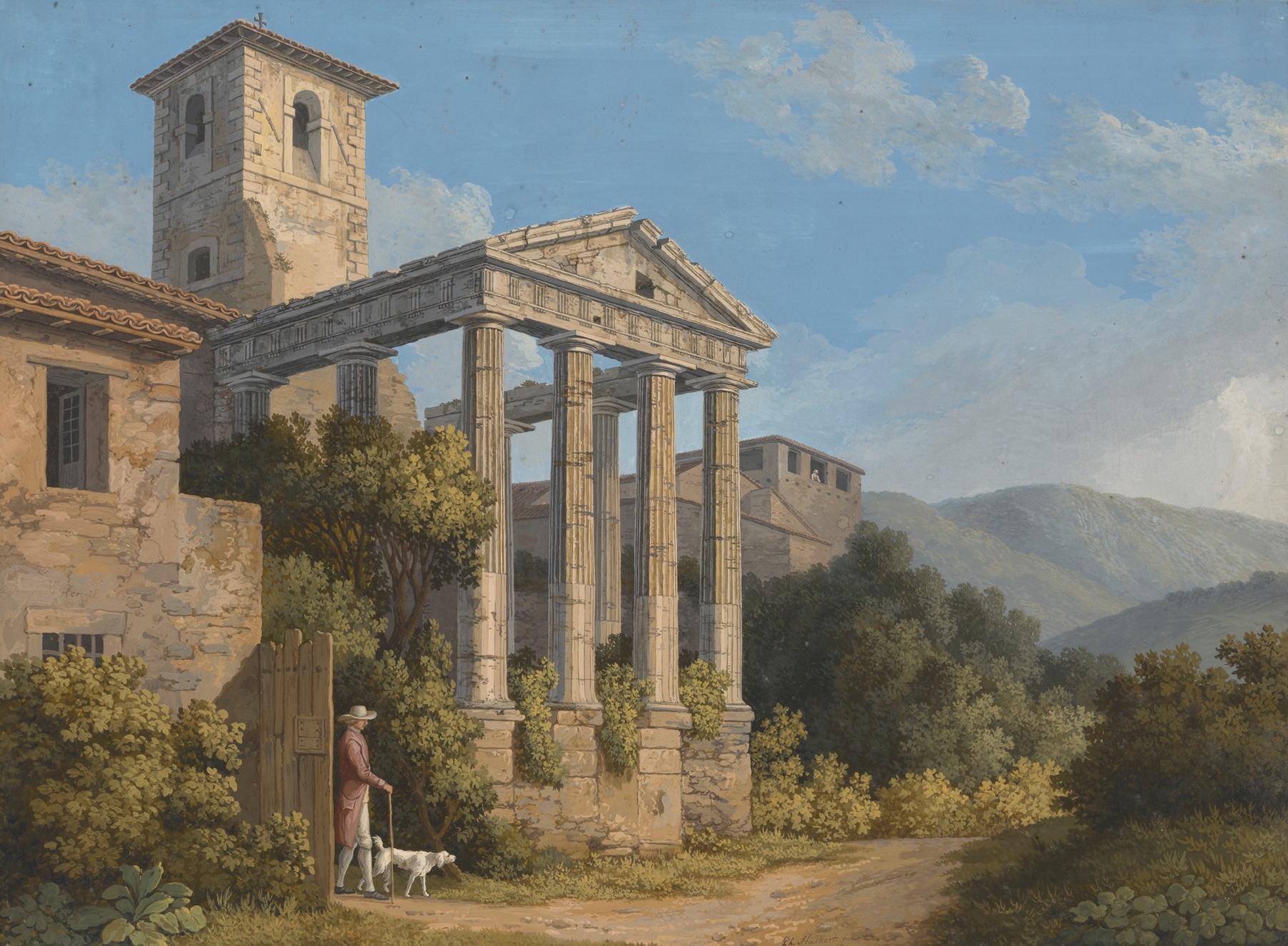
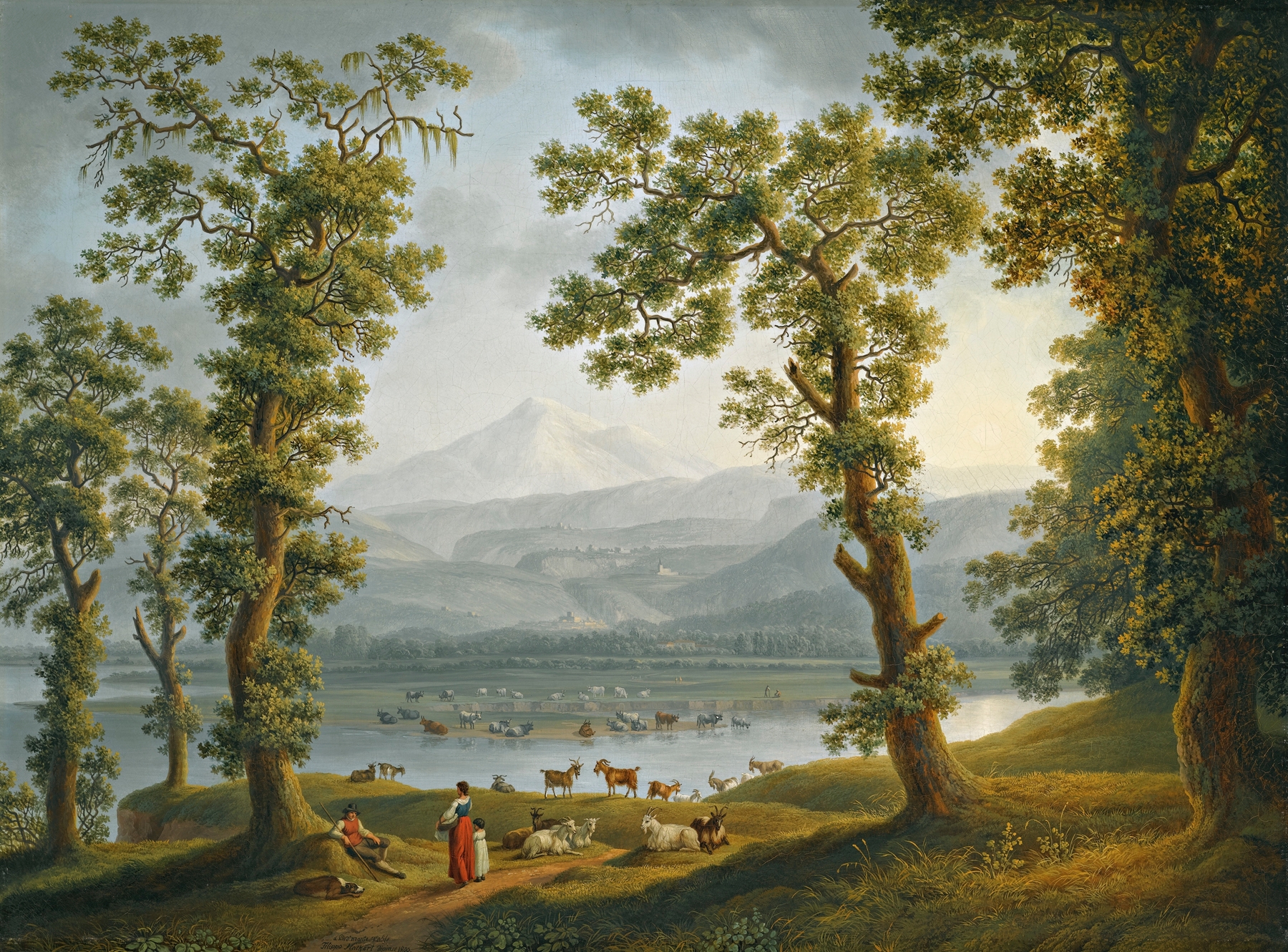
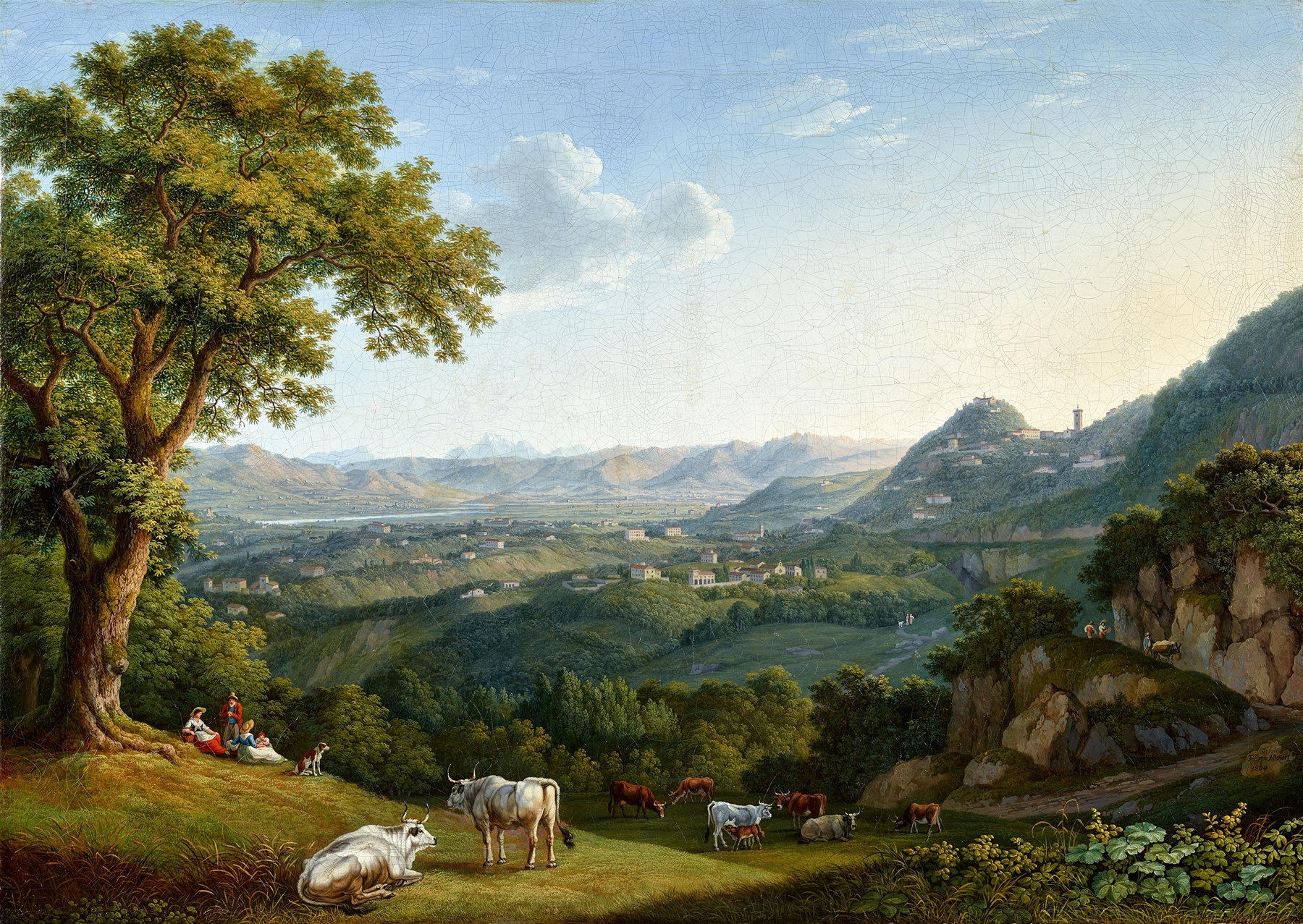
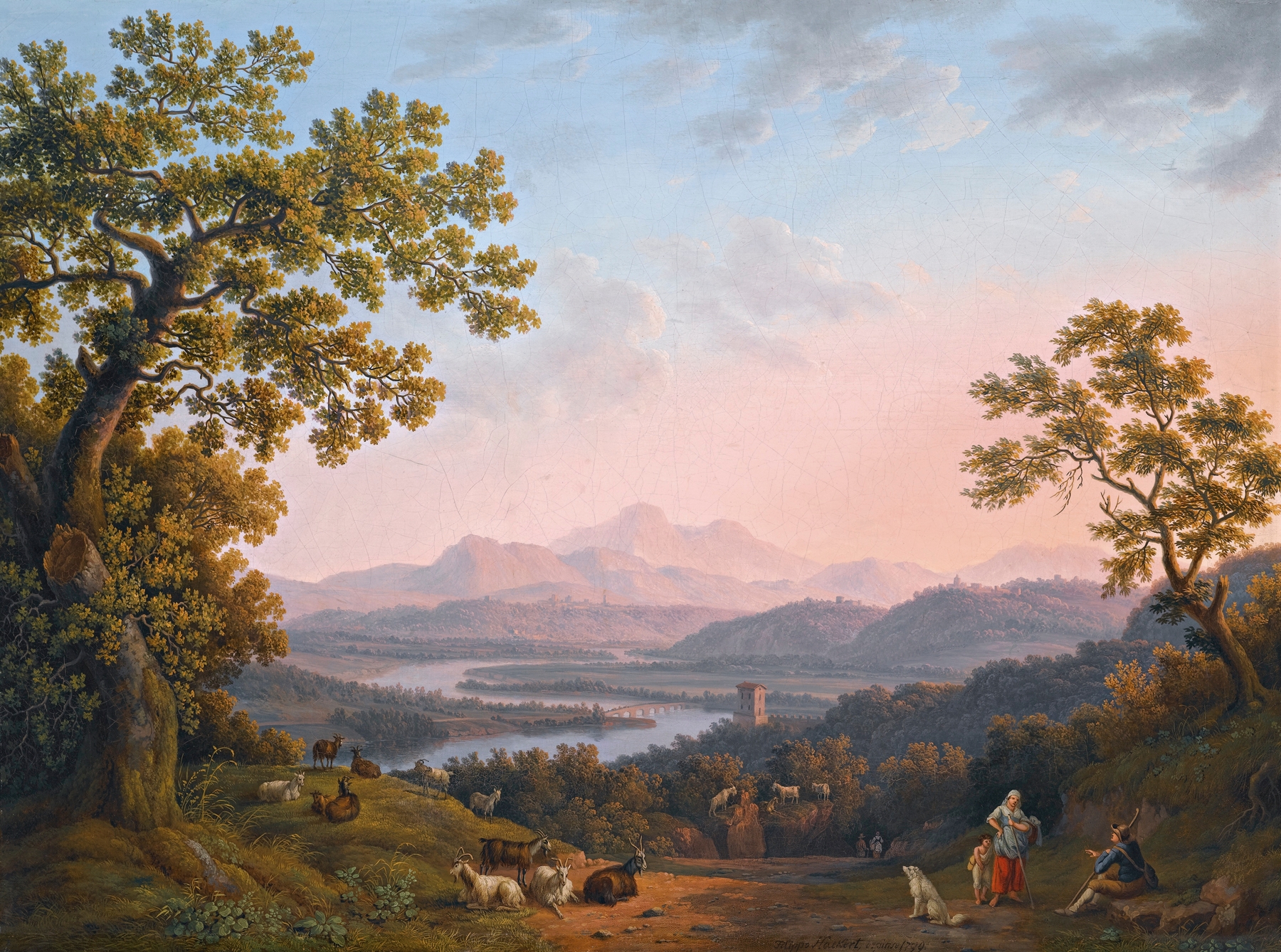
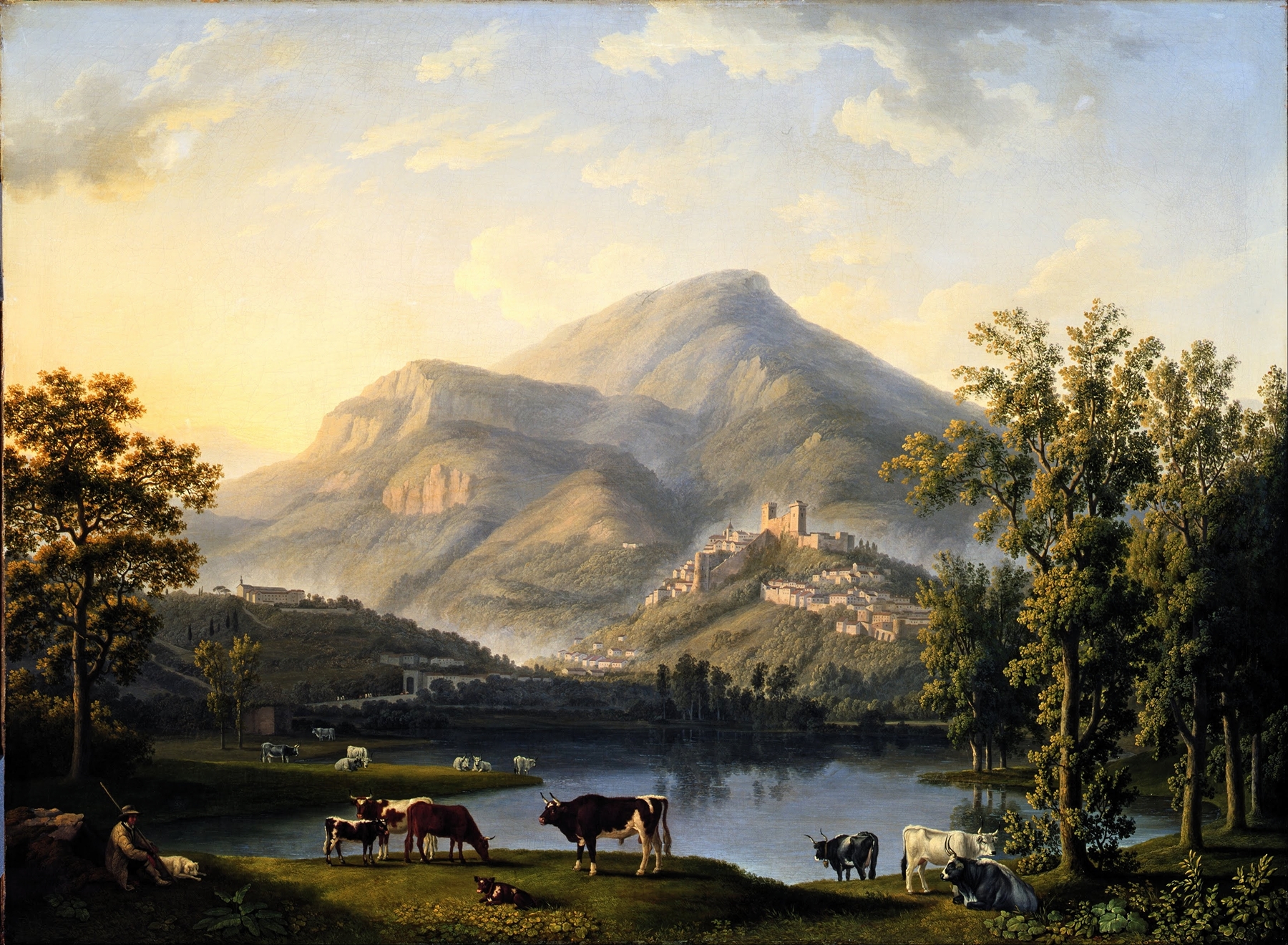
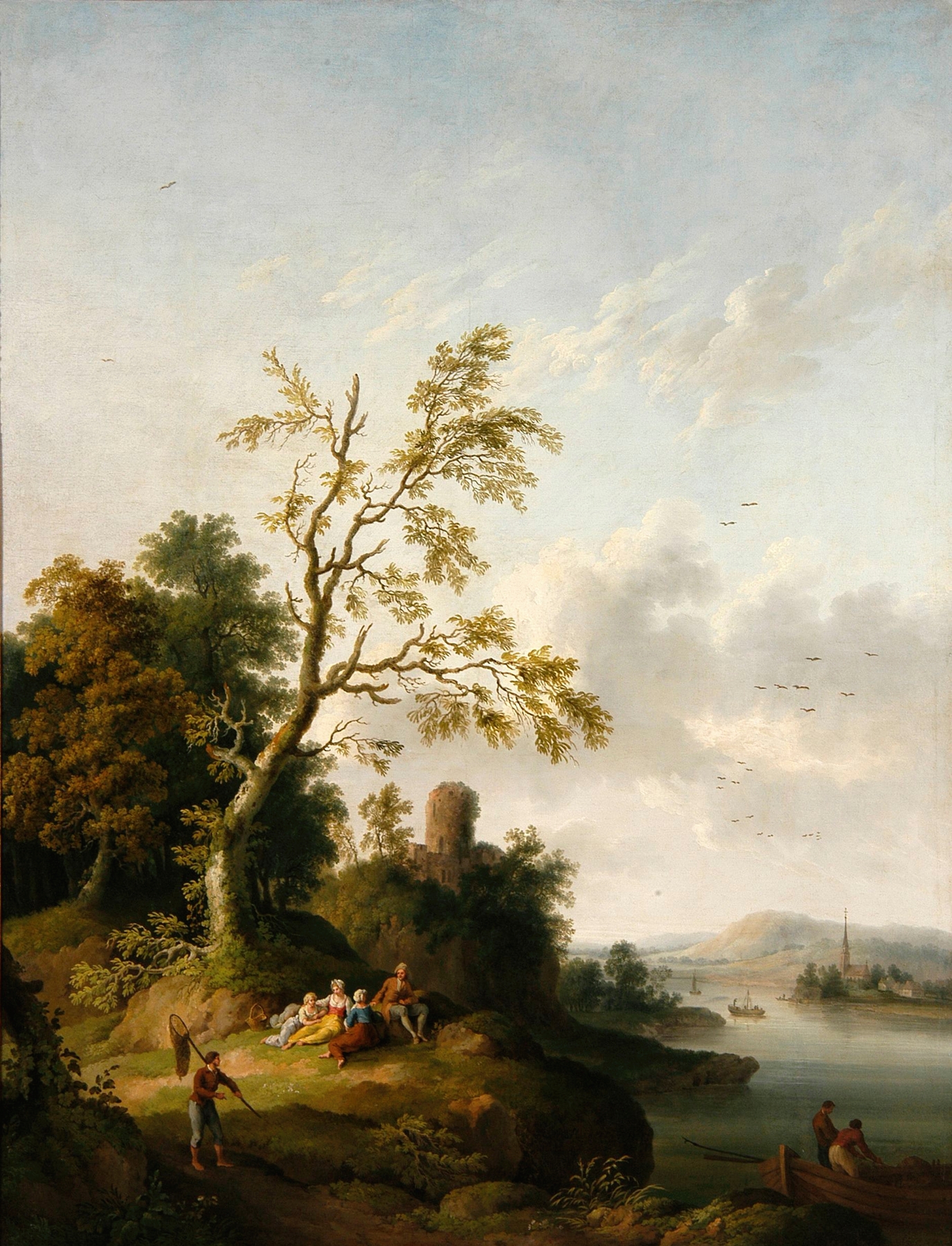
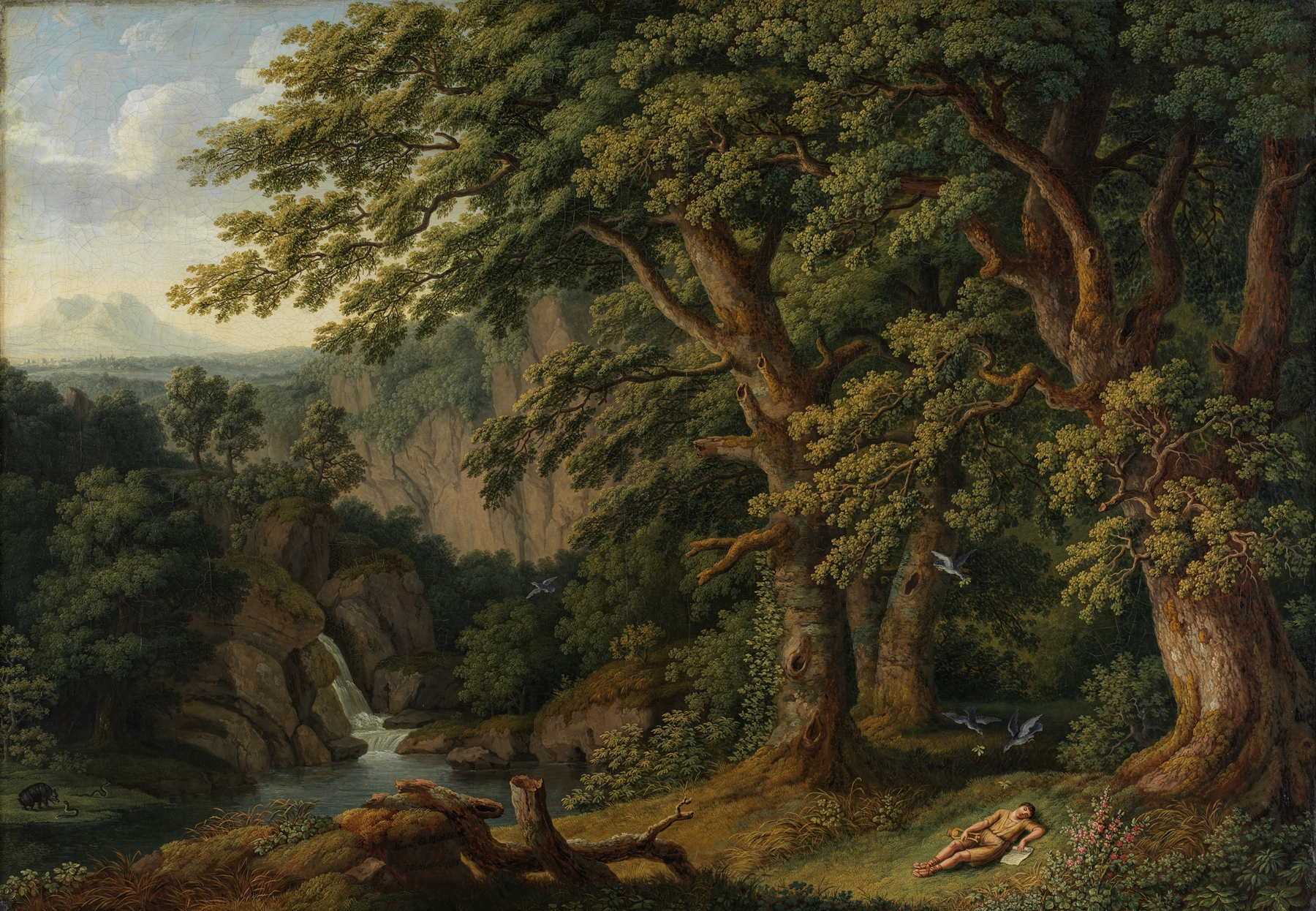
“To paint is to remember what time wants us to forget.” The fleeting nature of landscapes, much like memory itself, evokes a certain loss that lingers beneath the surface of existence. Focus on the serene waterfront, where boats gently bob on quiet waters, tethered to the past yet poised to drift into the future. Notice how the light dances upon the surface, illuminating the bustling port of Livorno in soft hues of gold and blue. The painting invites your gaze to the layered clouds above, each brush stroke suggesting a whisper of wind, while the distant horizon hints at the unknown journeys waiting to unfold.
Within this tranquil scene lies the contrast of stillness and movement. The boats, sturdy yet vulnerable, symbolize the delicate balance between security and the vastness of the sea. Look closely at the figures along the shore, their gestures painting a narrative of longing and connection, as if each person embodies a fragment of the lives once intertwined with this harbor. The interplay of light and shadow not only enhances the beauty but evokes a poignant sense of nostalgia, a reminder of what has been lost to time.
Jacob Philipp Hackert created this artwork during a time when he was deeply immersed in the beauty of Italian landscapes, likely in the late 18th century. Living in Italy as part of the burgeoning Romantic movement, he sought to capture the essence of nature and human experience. Amidst the transformations in the art world and society at large, his works reflect both admiration for the natural world and a deeper introspection about the passage of time and memory.