The Rapids, Hudson River, Adirondacks — History & Analysis
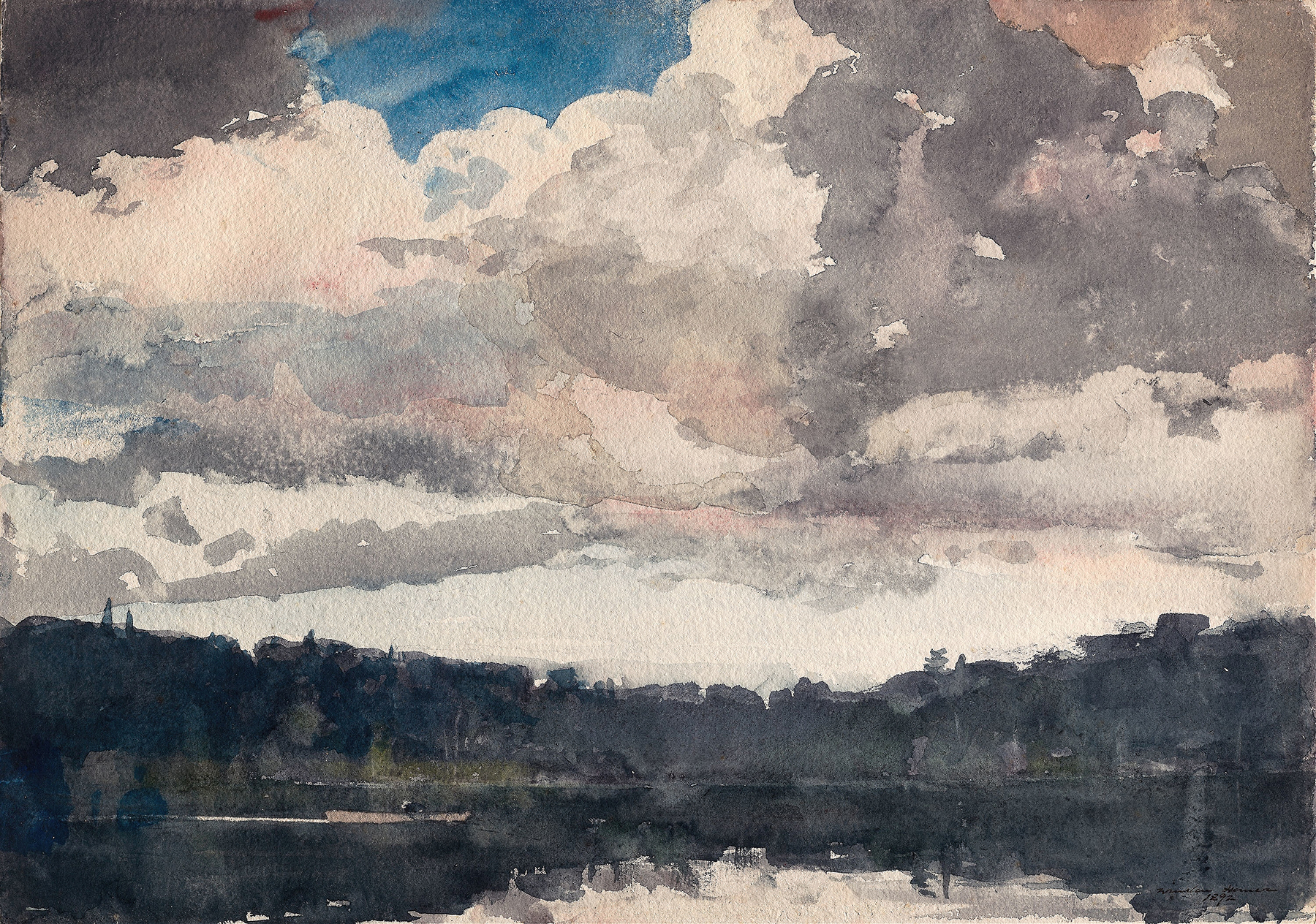
“Sometimes beauty is just pain, disguised in gold.” In a world sculpted by nature, the raw edges of existence reveal a deeper truth. In The Rapids, Hudson River, Adirondacks, a fierce yet serene landscape unfurls, juxtaposing the beauty of the wild with an undercurrent of decay. Here, the river flows, relentless and unyielding, inviting contemplation of both its vibrancy and its inevitable erosion. Look to the center of the canvas, where the tumultuous water cascades over rocks, each splash catching glimmers of sunlight. The artist employs a palette of deep greens and blues, punctuated by the warm hues of the setting sun, creating a stark contrast that heightens the scene's intensity.
In the background, the dark silhouettes of the Adirondack Mountains loom, their solidity grounding the fluidity of the river. This interplay between the agile water and the steadfast land draws the viewer’s eye, evoking the ceaseless march of time. Beneath the surface of this idyllic portrayal lies a tension between beauty and transience. The rushing water represents not only the vigor of life but also the inevitability of change and decay. The vibrant colors, while inviting, hint at the erosion caused by unrelenting currents.
The viewer is beckoned to consider not just the idyllic scene before them, but the silent decay that follows beauty, nature’s relentless cycle of creation and dissolution. In 1894, Winslow Homer was immersed in the American landscape, focusing increasingly on the natural environment. Having settled in Maine after years of travel, he sought to capture the essence of American wilderness amidst a transforming society. This period marked a transition in his work, where he fused realism with an emotional depth that reflected his profound connection to nature, a theme that resonates throughout this piece.