The Rialto — History & Analysis
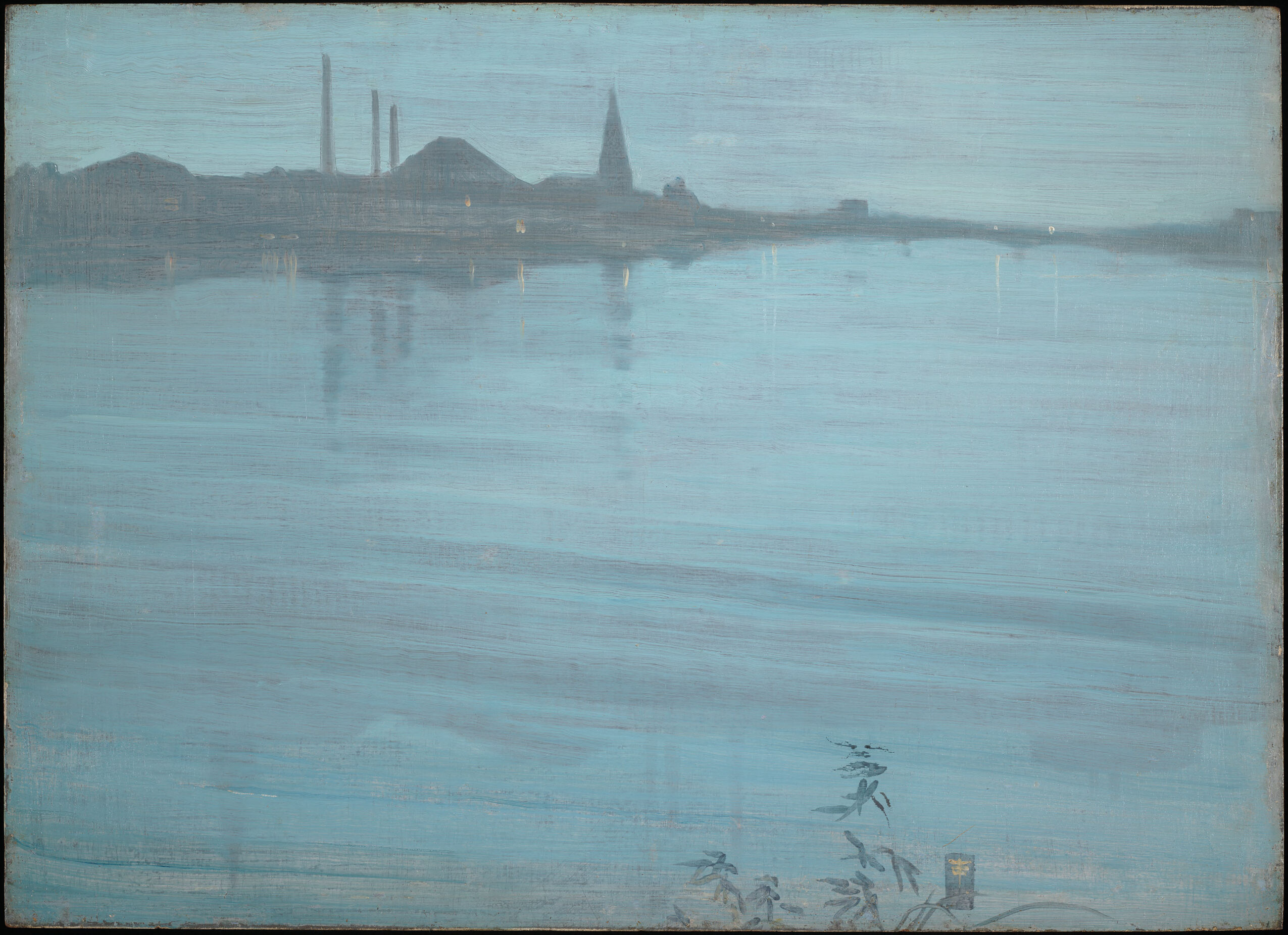
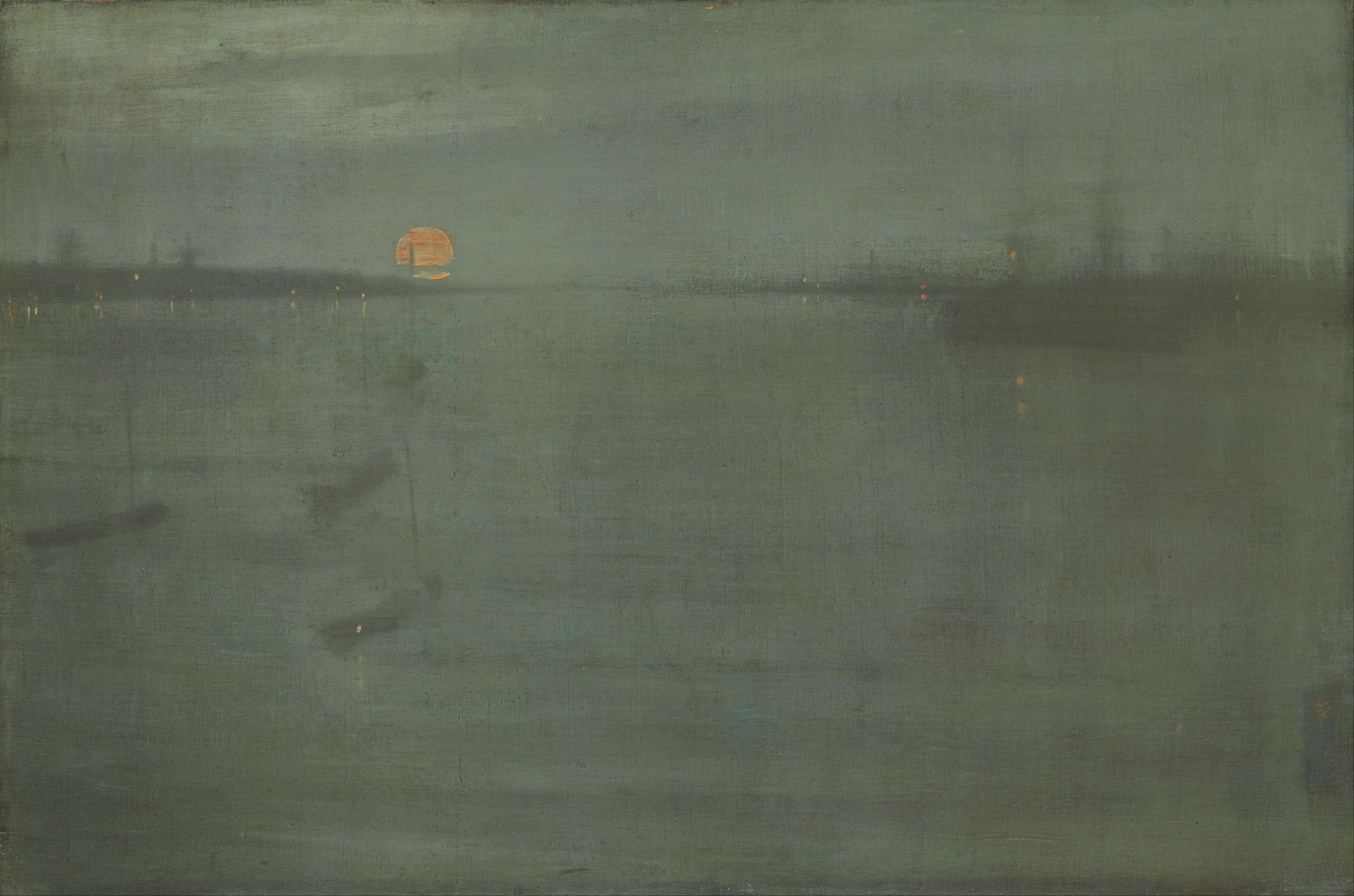
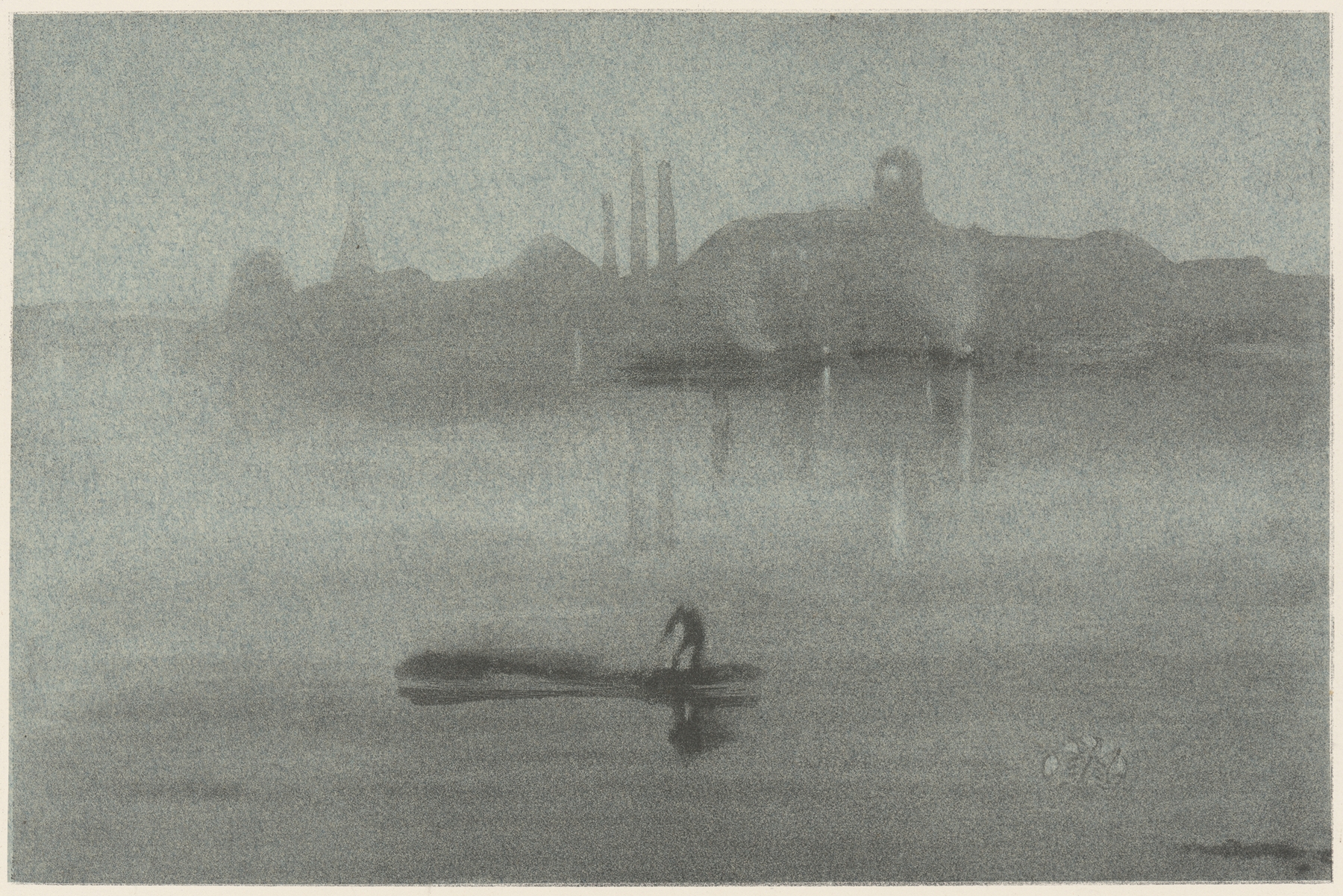
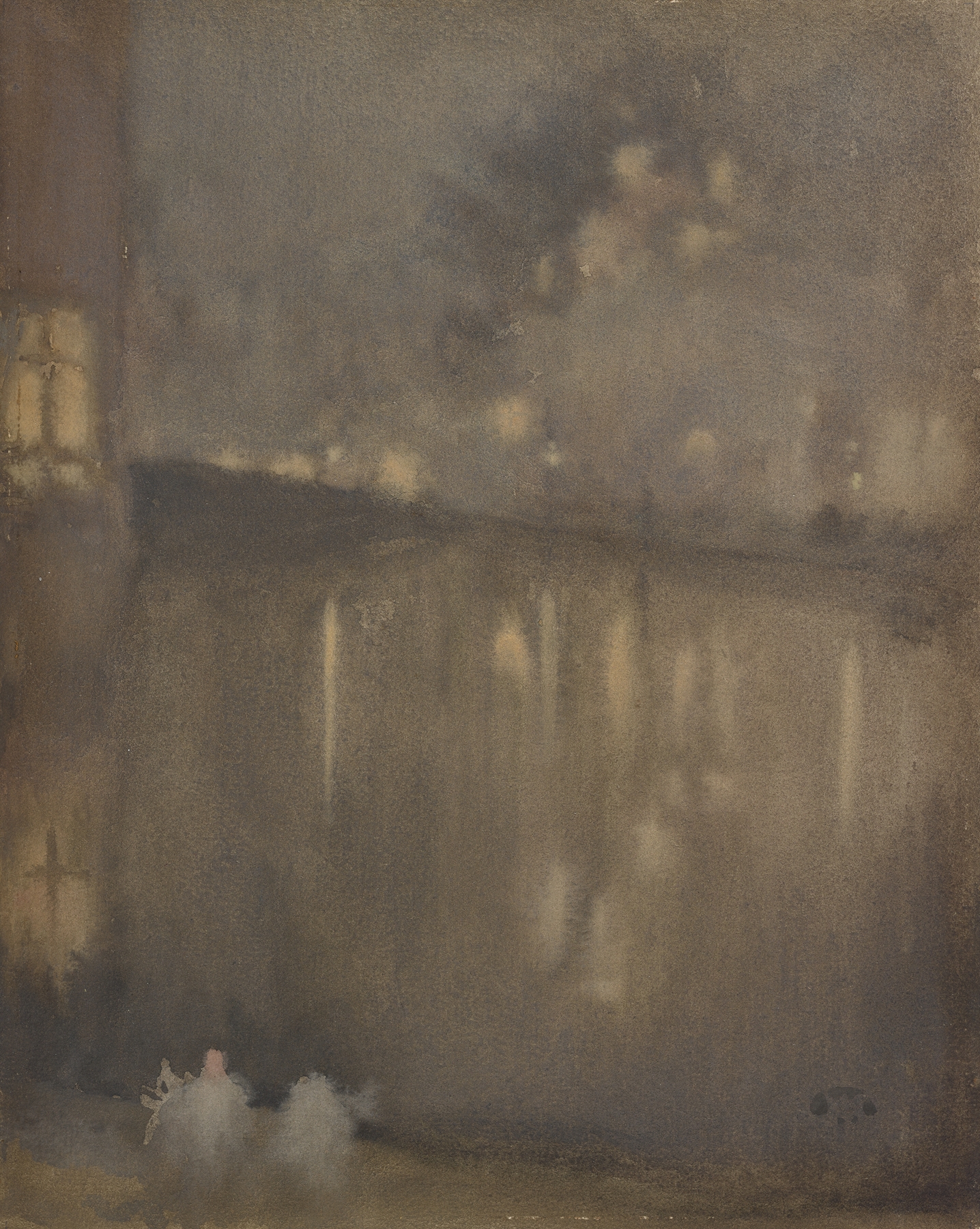
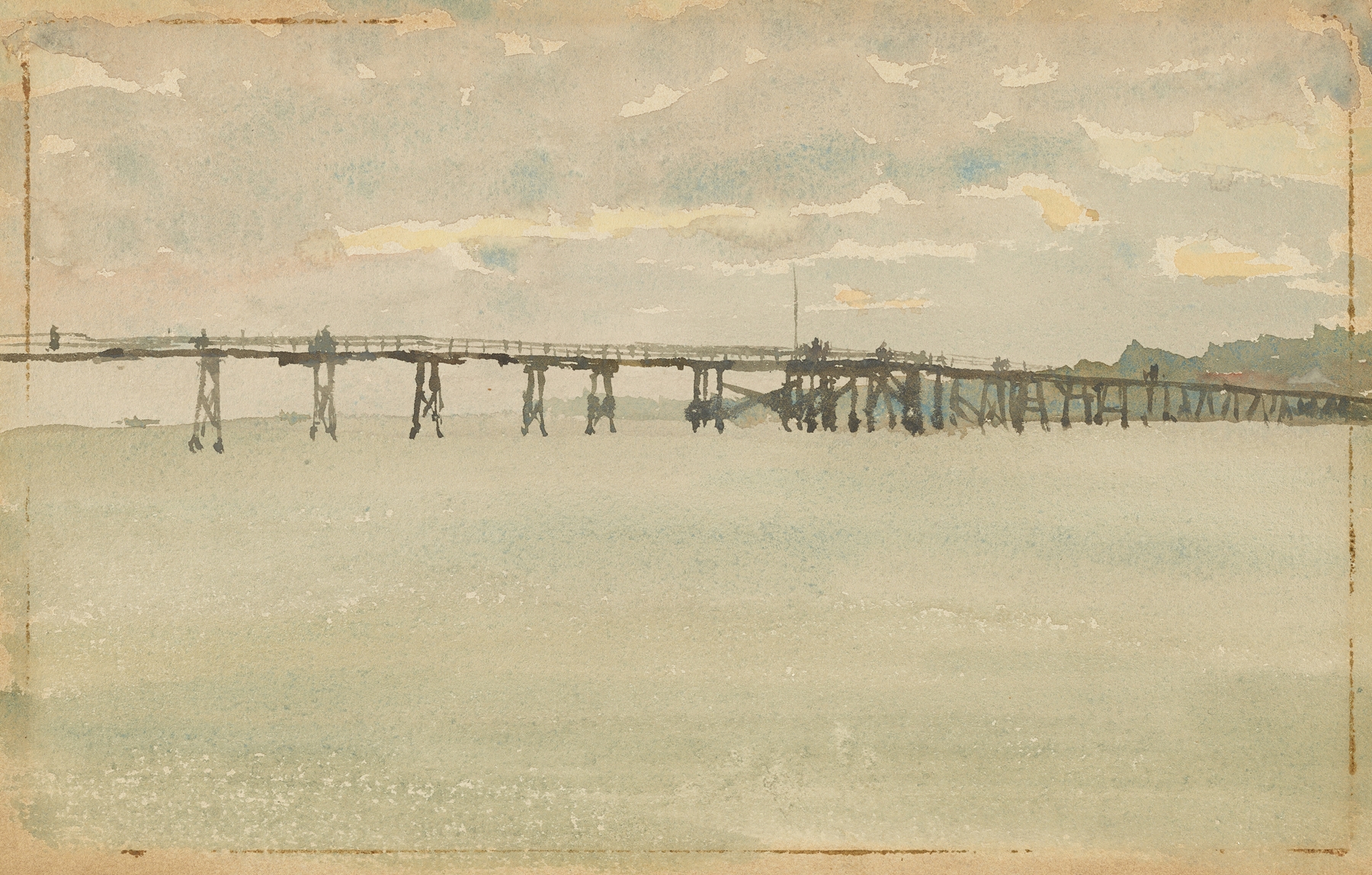
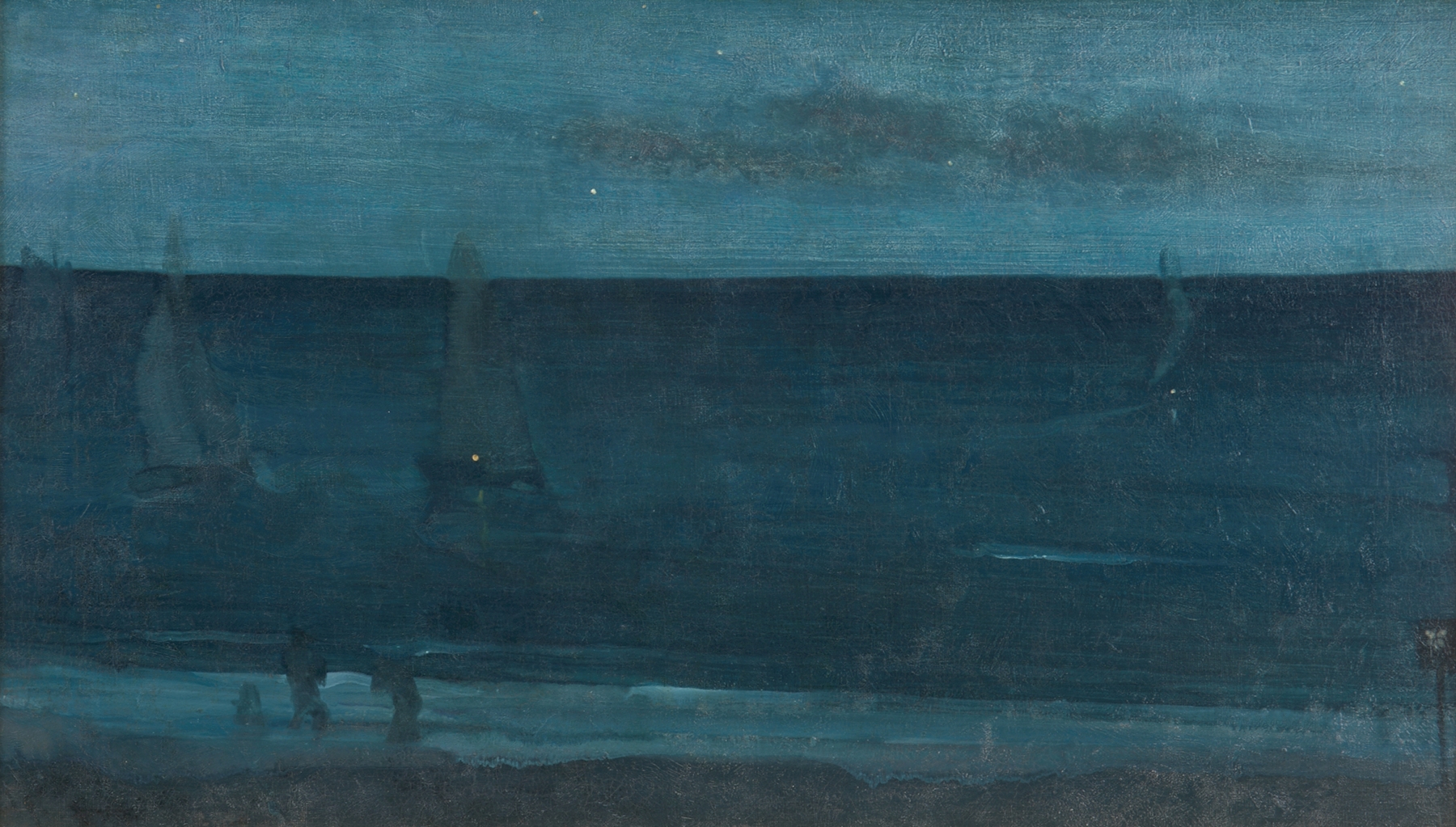
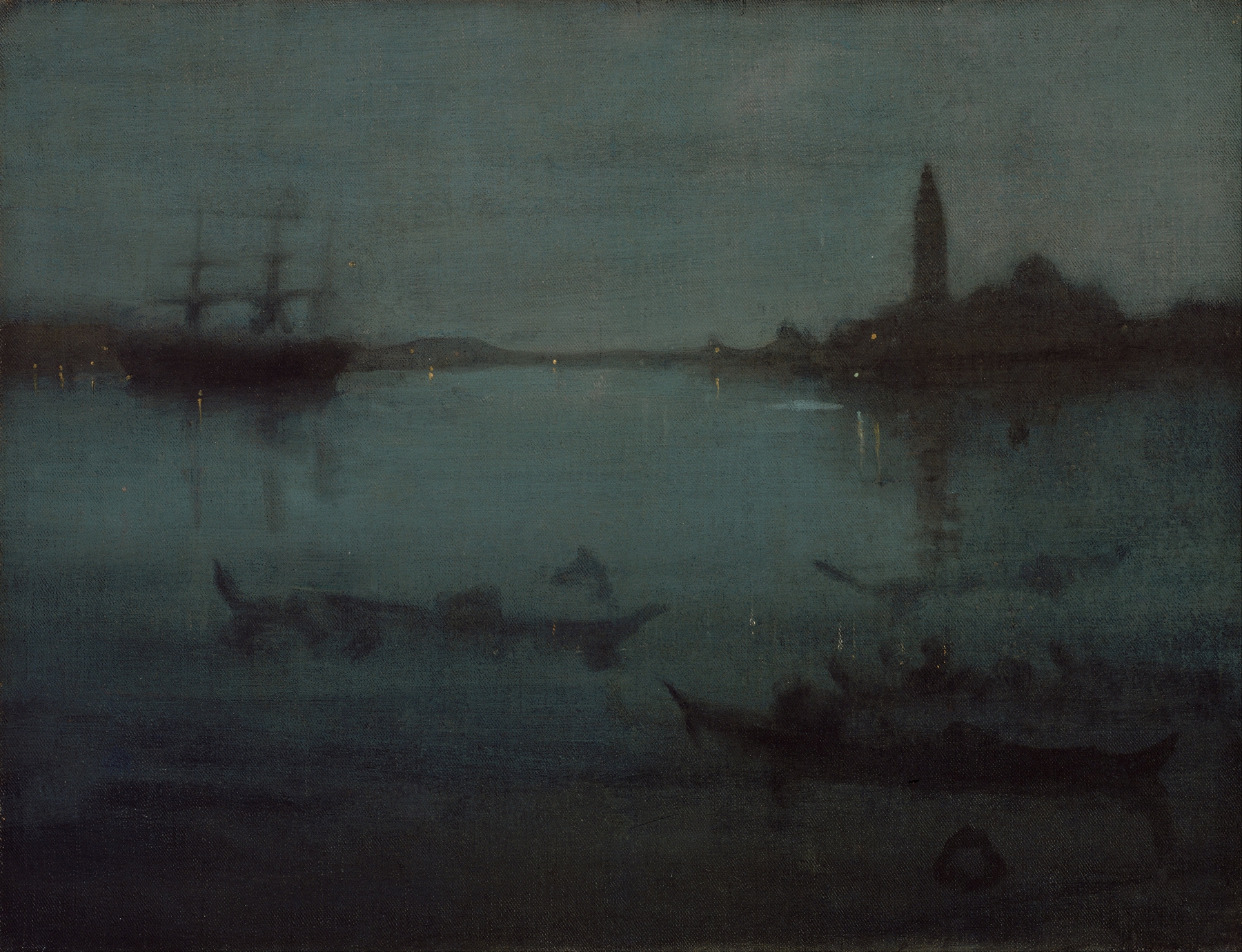
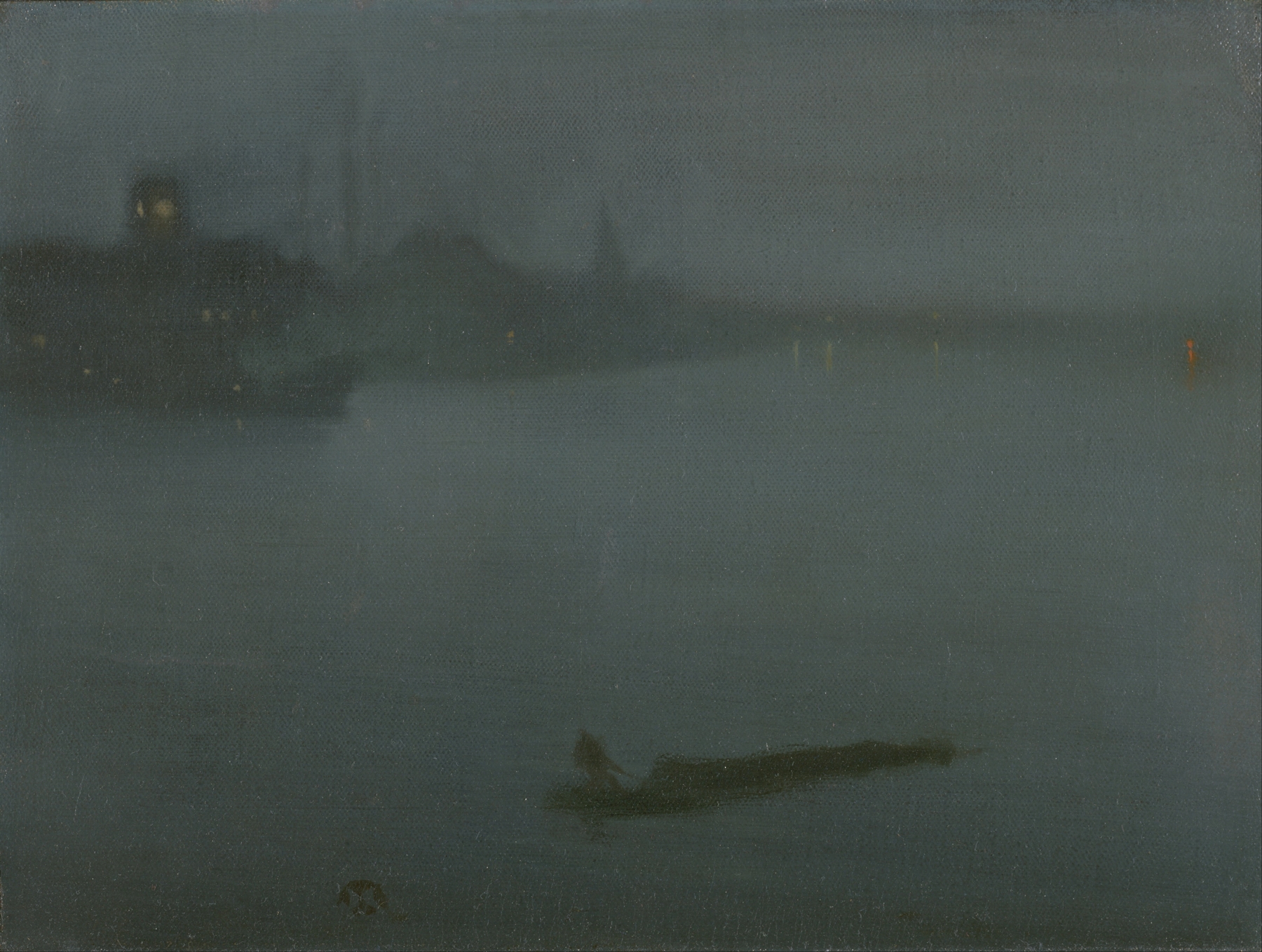
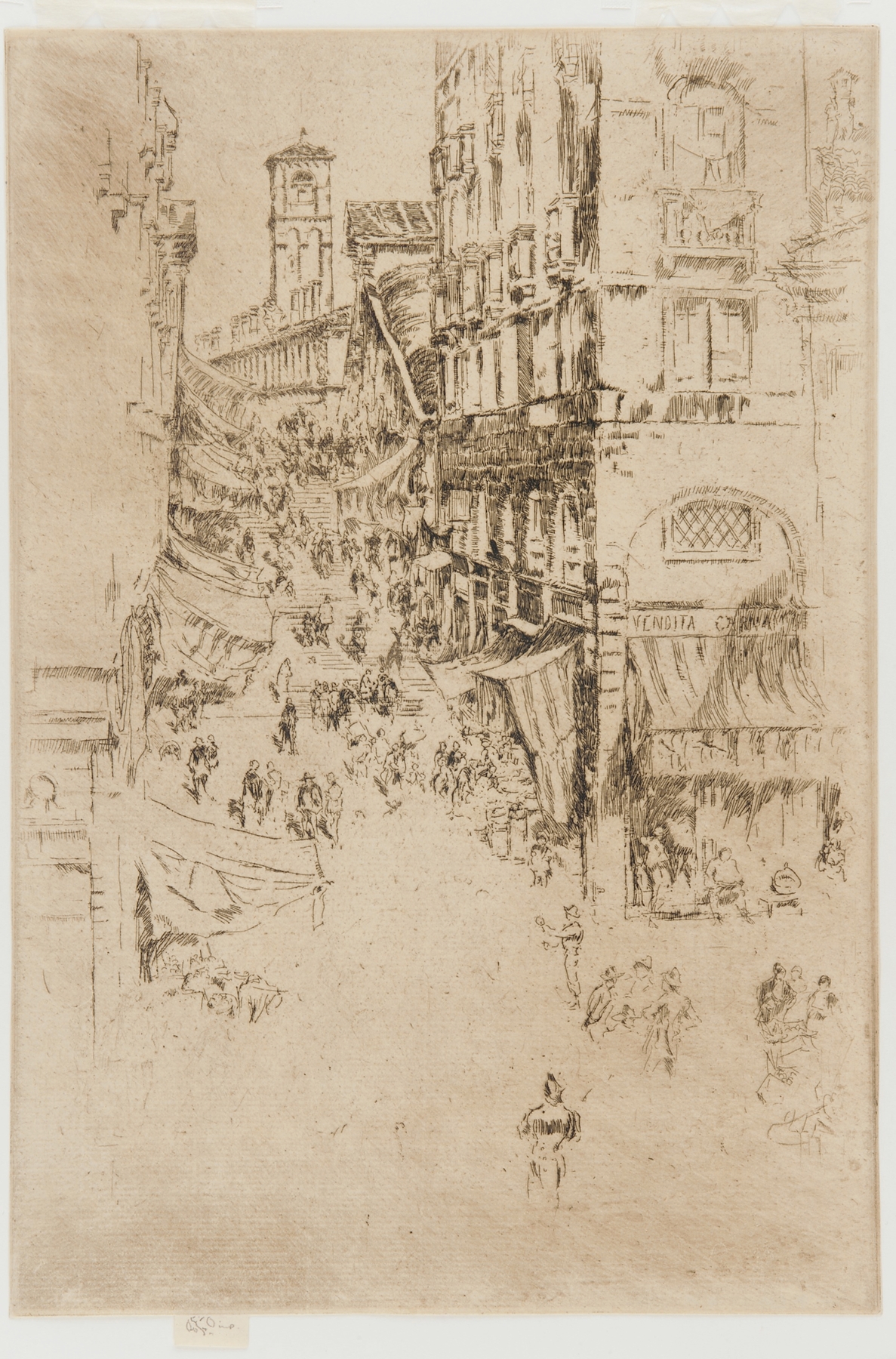
Did the painter know this moment would outlive them? In The Rialto, time seems suspended amidst the slow decay of Venice’s iconic archway, capturing the essence of transience in art. Focus on the foreground where the worn stones of the bridge are rendered with a delicate touch. The muted palette of earthy browns and greys draws your eye to the intricate play of light and shadow along the surface, inviting you to explore every crack and crevice.
Notice the faint reflections in the water, evoking a sense of nostalgia, as if the scene itself is a memory fading into the past. Whistler's mastery of tonal variation breathes life into the stillness, allowing the viewer to feel the weight of history embedded within the architecture. Beneath the surface, there lies a poignancy in the juxtaposition of the enduring stone against the ephemeral water. The figures in the background, shrouded in mist, seem to echo the inevitability of decay, hinting at the fragility of human existence.
The bridge, a symbol of connection, stands resilient yet vulnerable to time’s relentless flow, encapsulating the tension between permanence and impermanence inherent in all things. Created between 1879 and 1880, this piece emerged during a transformative period for Whistler, who was deeply engaged in the aesthetics of color and form. Living in London, he was influenced by Japanese art and the growing Impressionist movement, which sought to capture the fleeting moments of life. His fascination with Venice, a city steeped in history and beauty, speaks to both his artistic vision and his personal experiences, reflecting a world caught in the balance between grandeur and decay.