The Rock of Salvation — History & Analysis
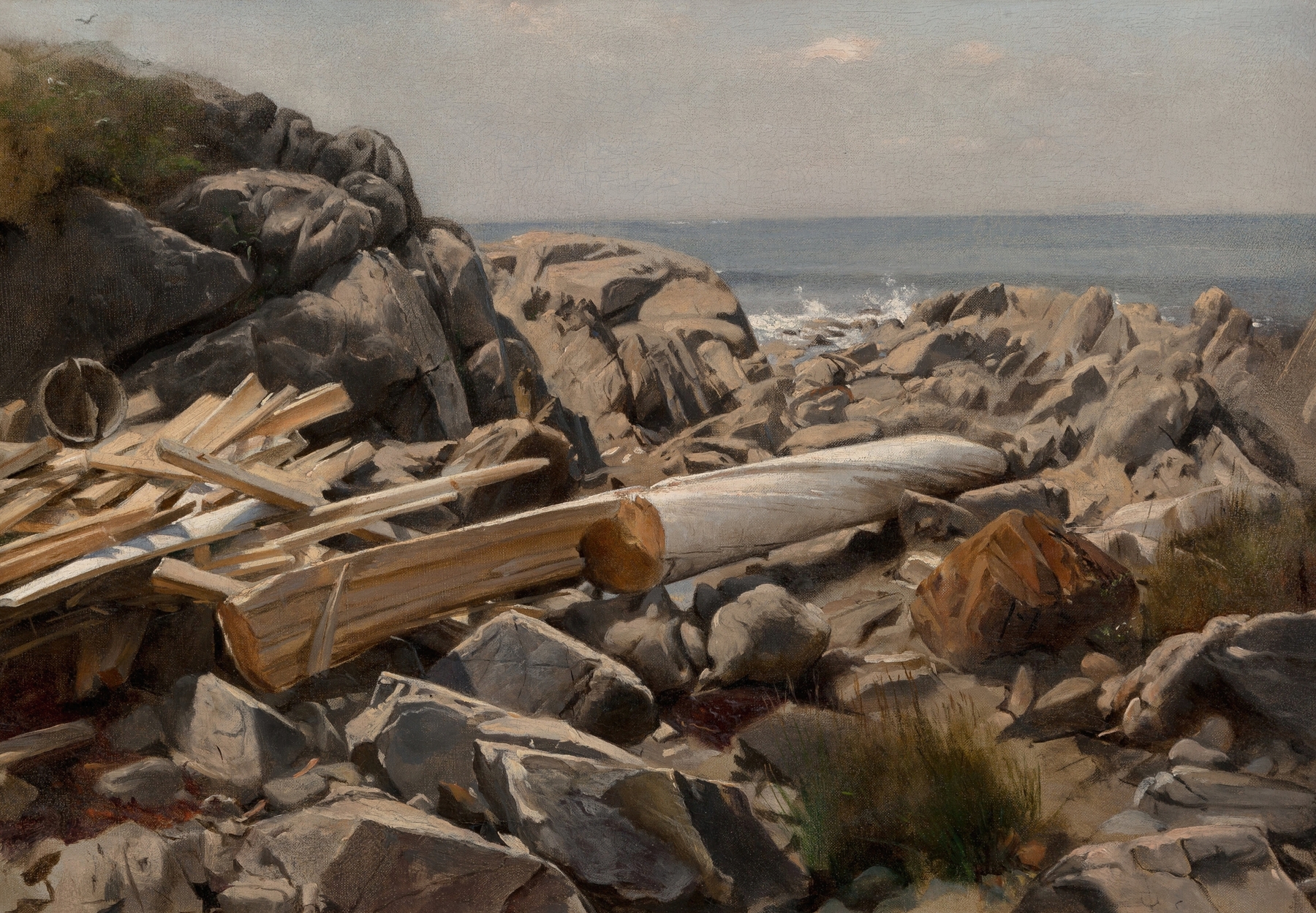
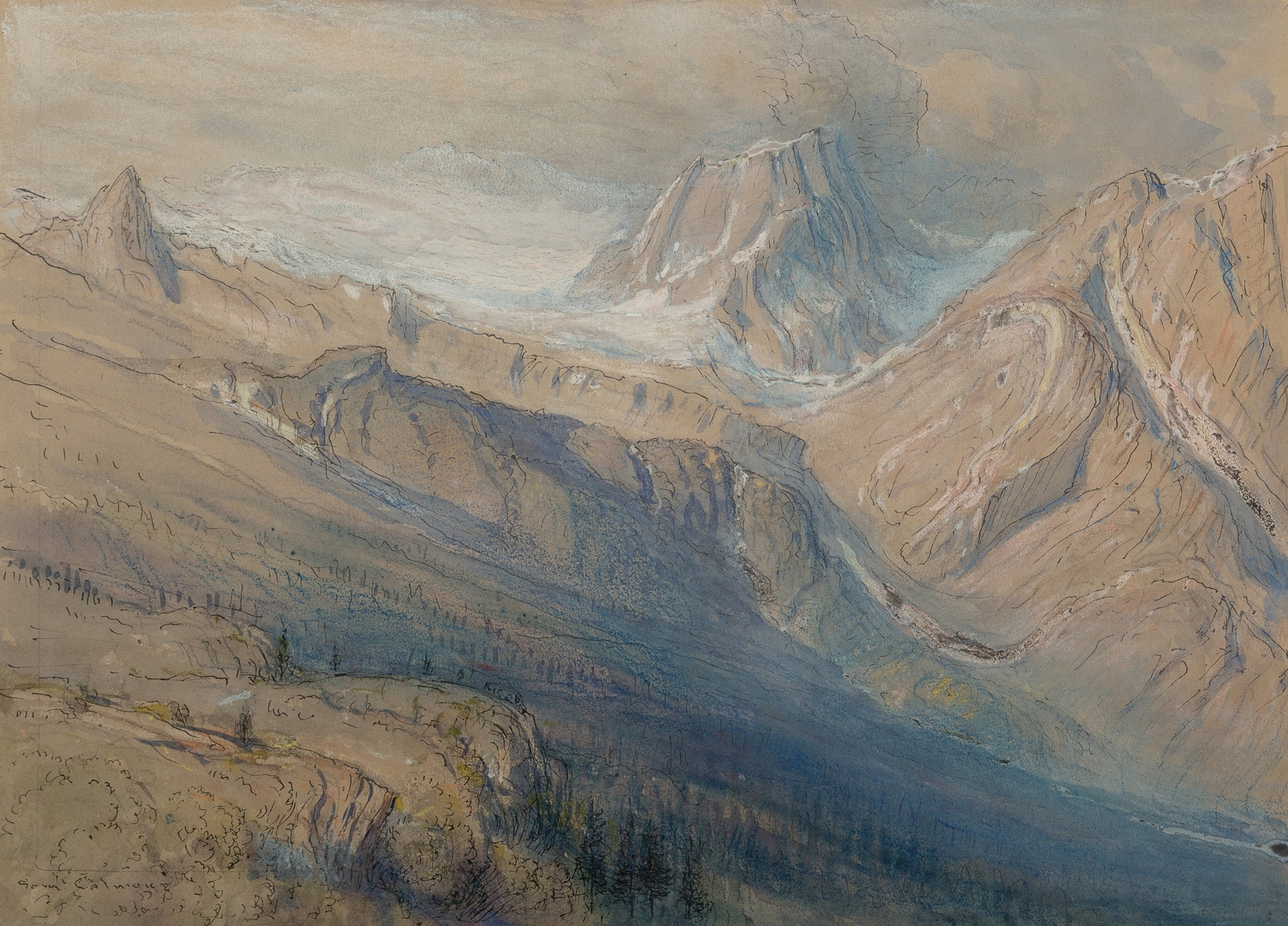
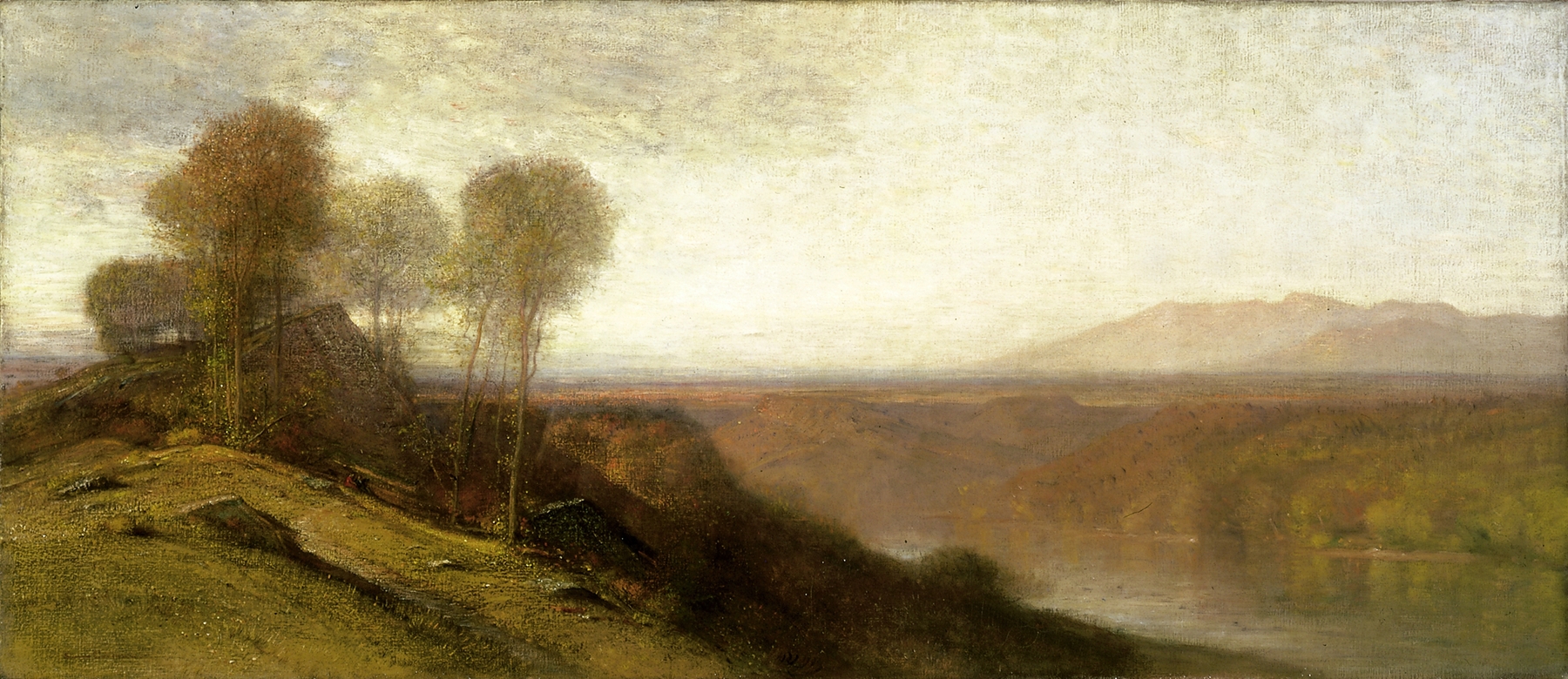
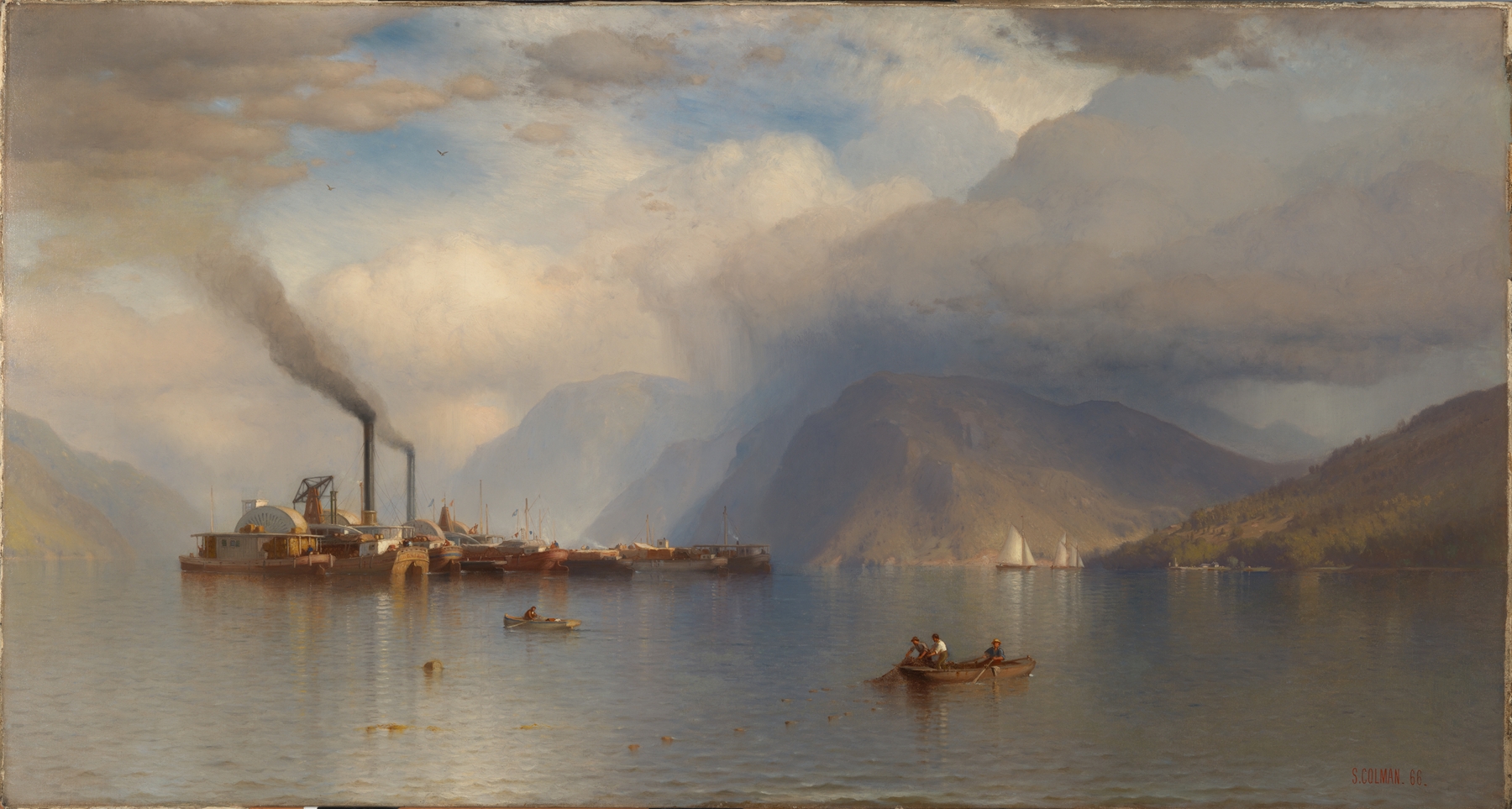
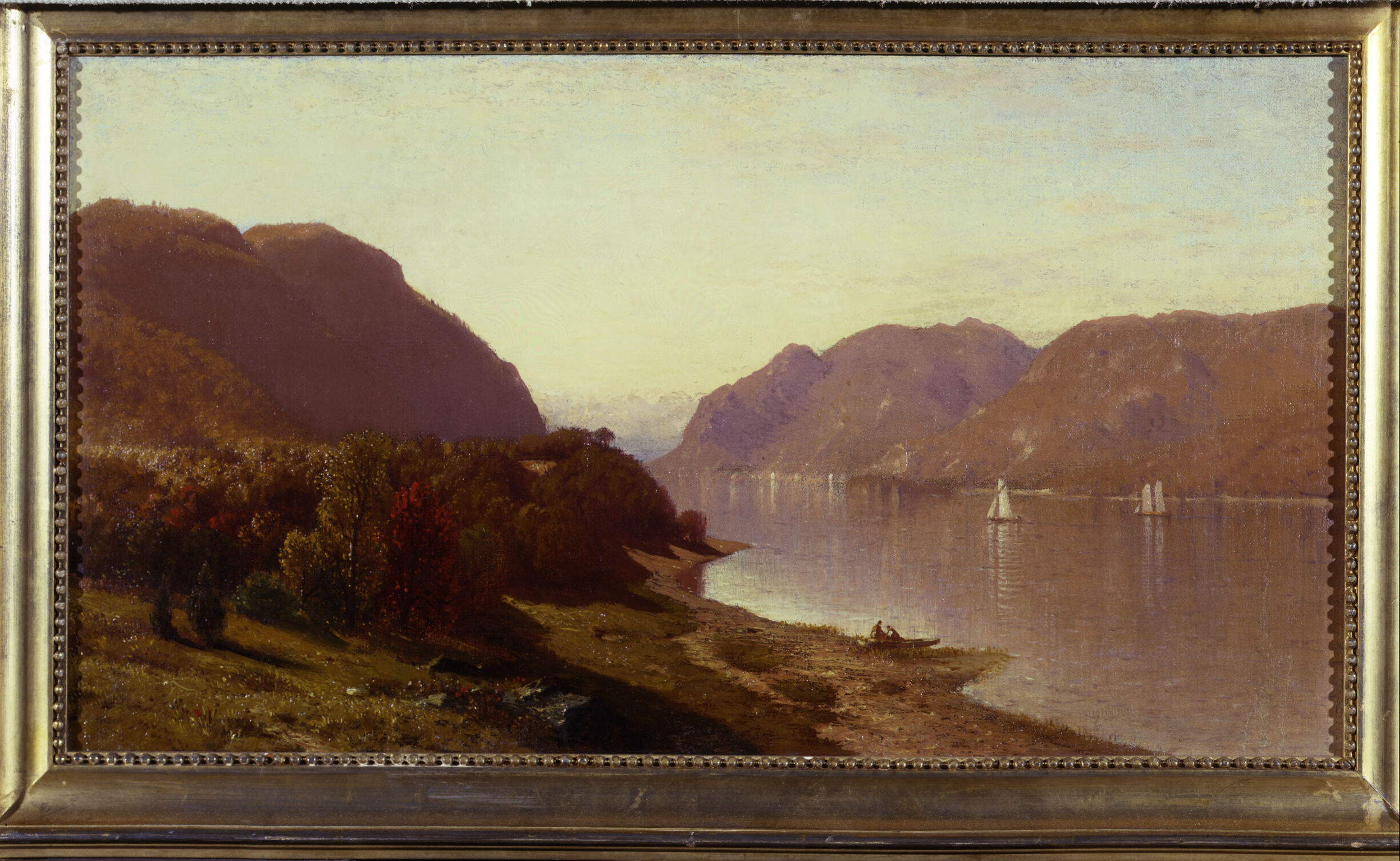
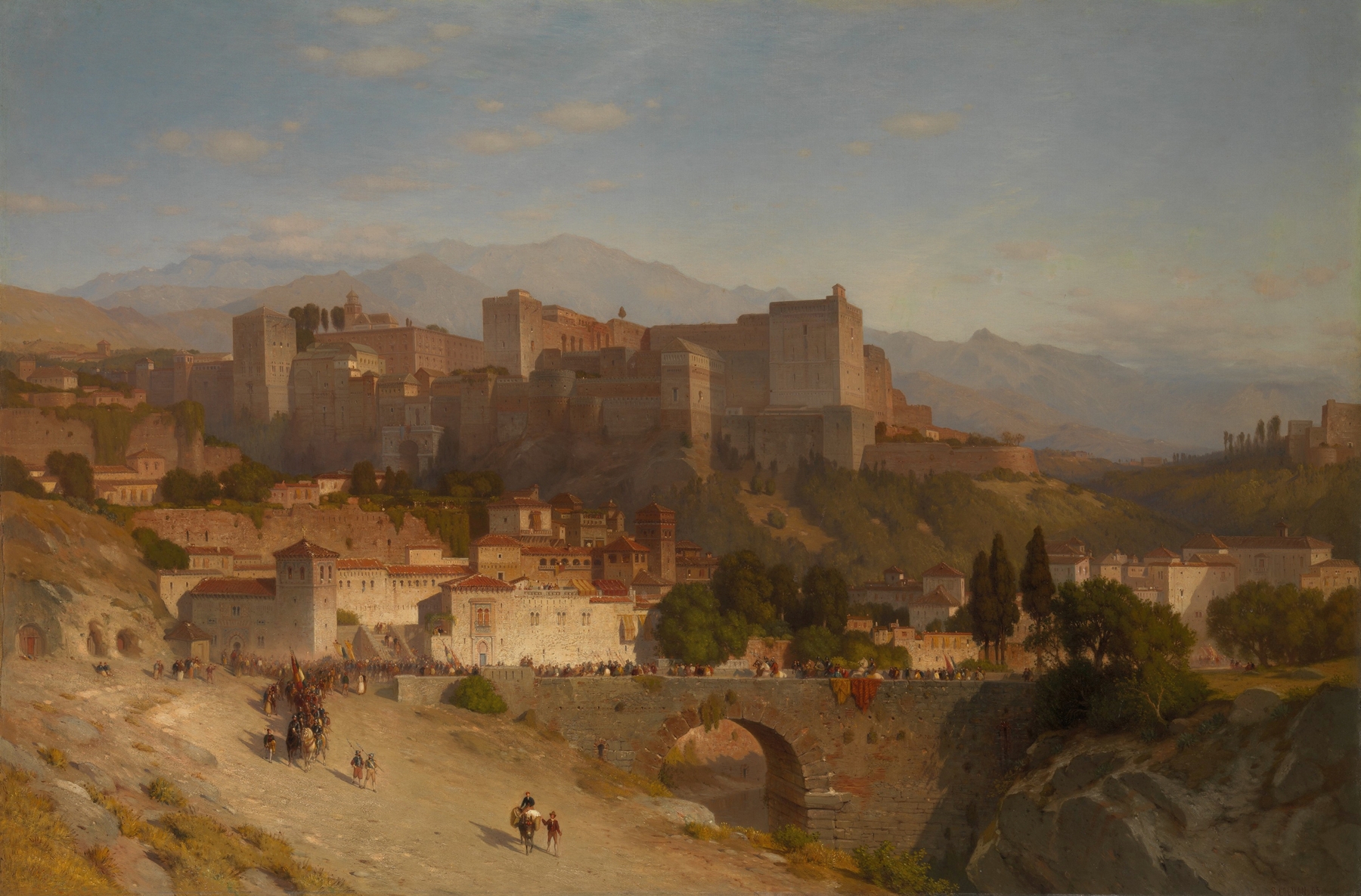
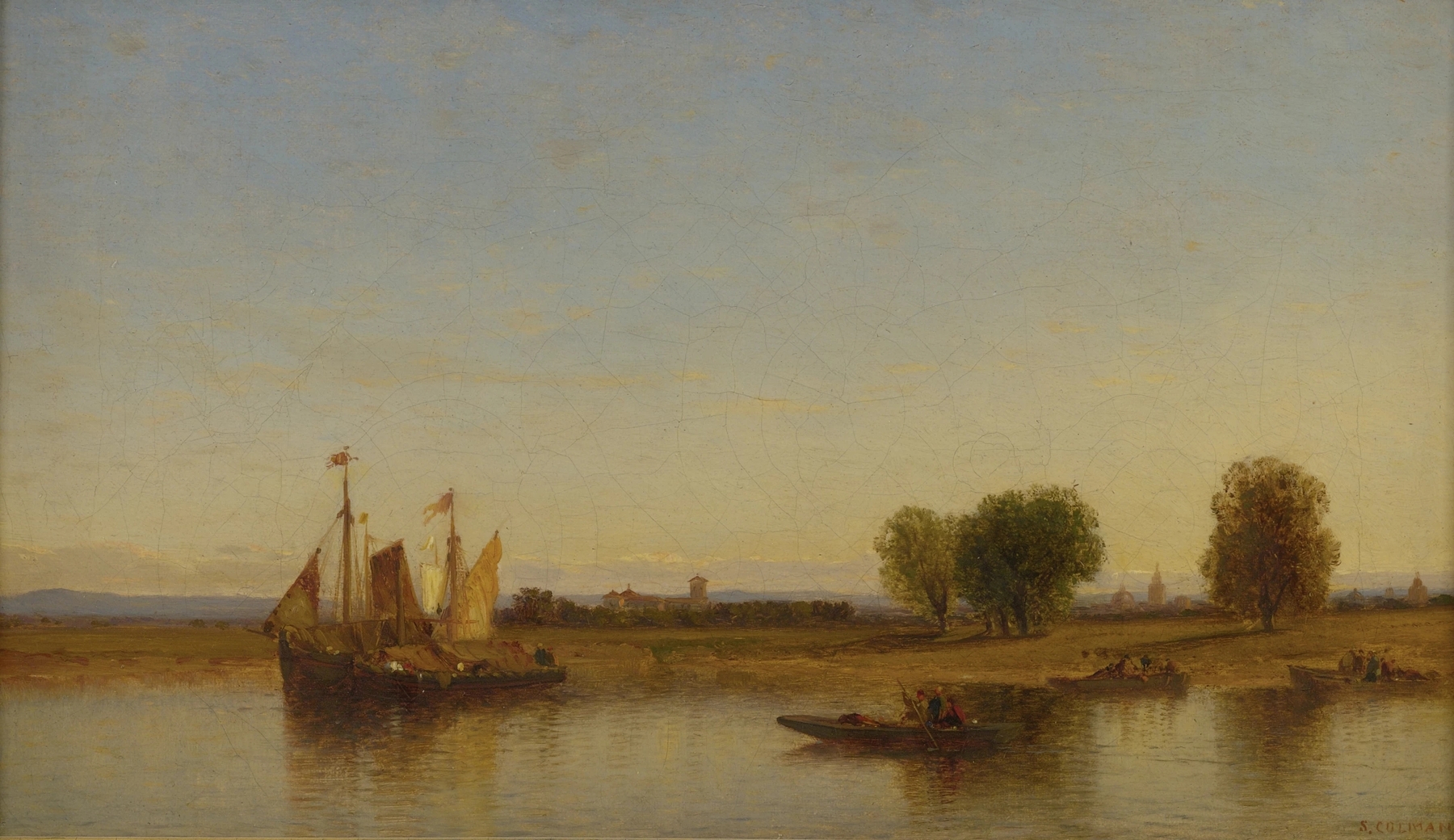
“To paint is to remember what time wants us to forget.” In an age where the ephemeral reigns, art serves as our tether to the void, a reminder of what endures amidst the fleeting. Start by focusing on the rich, sweeping landscape that dominates the canvas. The rugged rock formation rises majestically at the center, its earthy tones contrasting against the delicate, ethereal hues of the sky. Notice the subtle gradation of light, where warm ambers and cool blues blend in a dance that hints at the approaching dusk.
This interplay of color invites your gaze to wander from the solidity of the stone to the airy, almost spectral clouds that encircle it, creating a striking juxtaposition between permanence and transience. In this work, the rock serves as a metaphor for stability in a world marked by uncertainty. The play of light illustrates the tension between hope and despair; the brightening sky hints at the dawn of a new understanding, while the shadows of the rock suggest the weight of memory. By examining the details, such as the fine textures on the rock face, one can sense the artist's exploration of emotional depth — an invitation to confront the void and find solace in the beauty of nature.
Created during a period often defined by transition, the artist painted this piece amid the rise of the American Romantic movement, which sought to capture the sublime in nature. Colman was influenced by the changing dynamics of 19th-century America, where industrialization blurred the lines between humanity and the natural world. This painting reflects not only his personal journey but also the broader existential questions that permeated the era.