The Seine at Courbevoie — History & Analysis
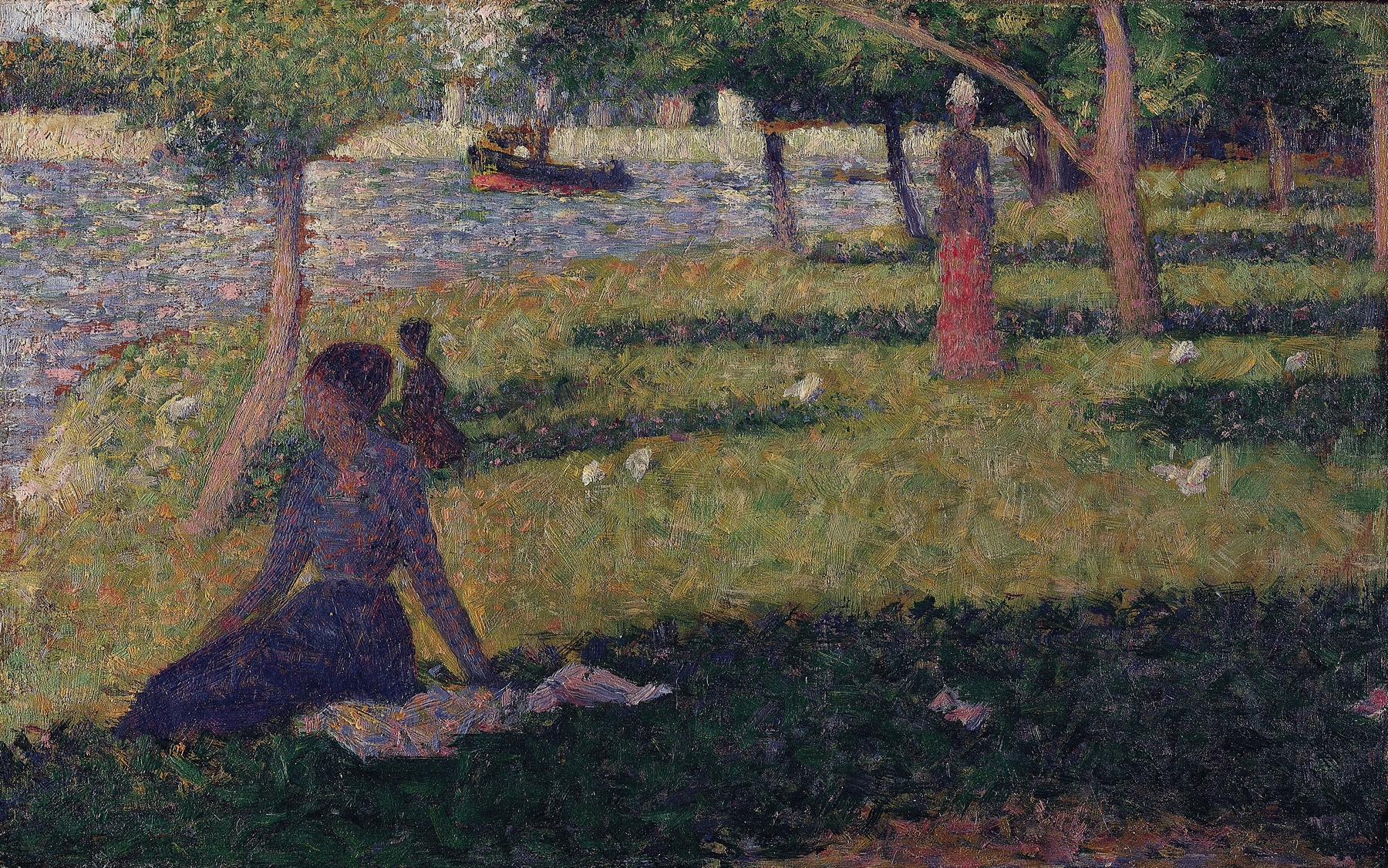
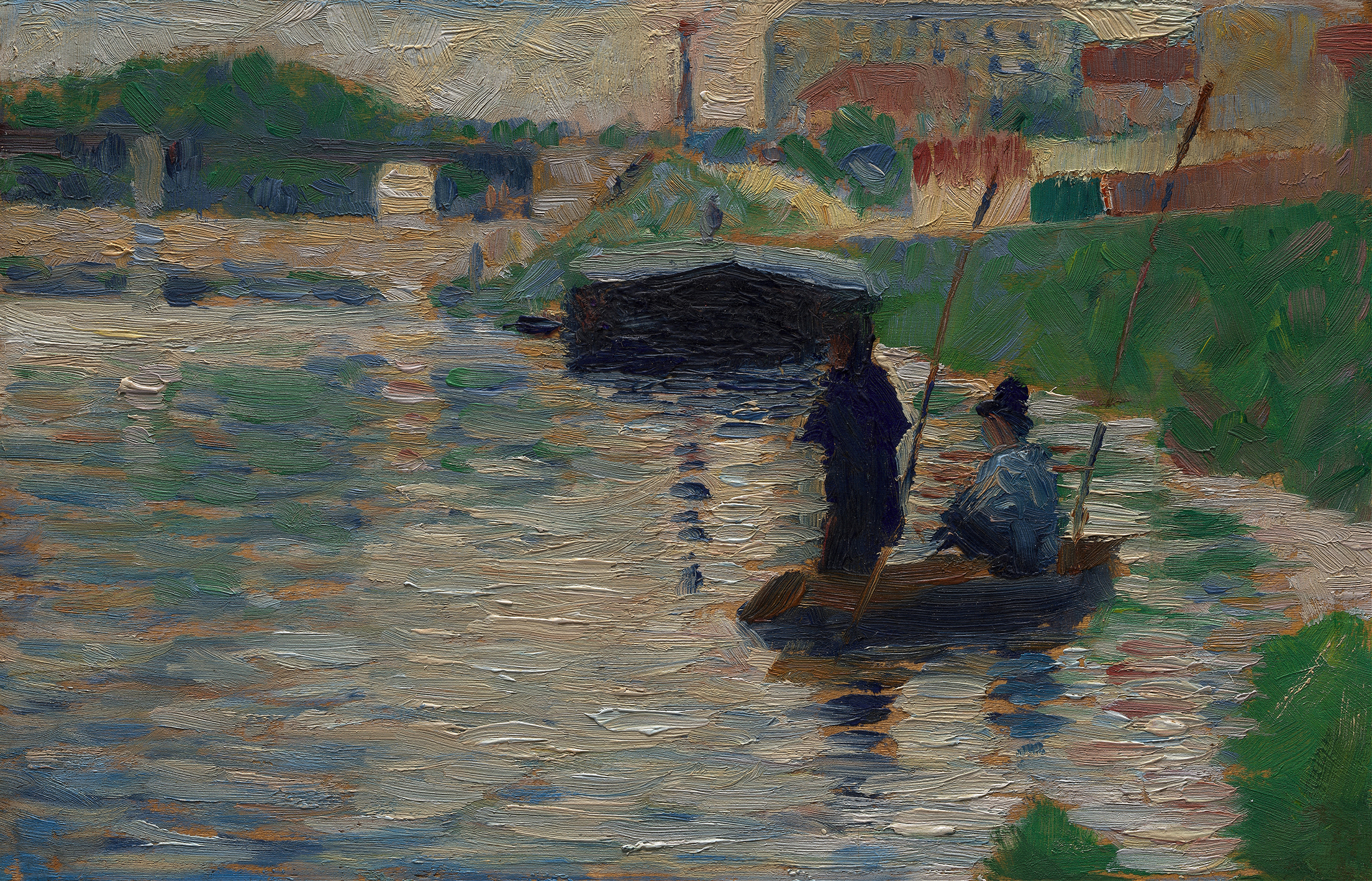
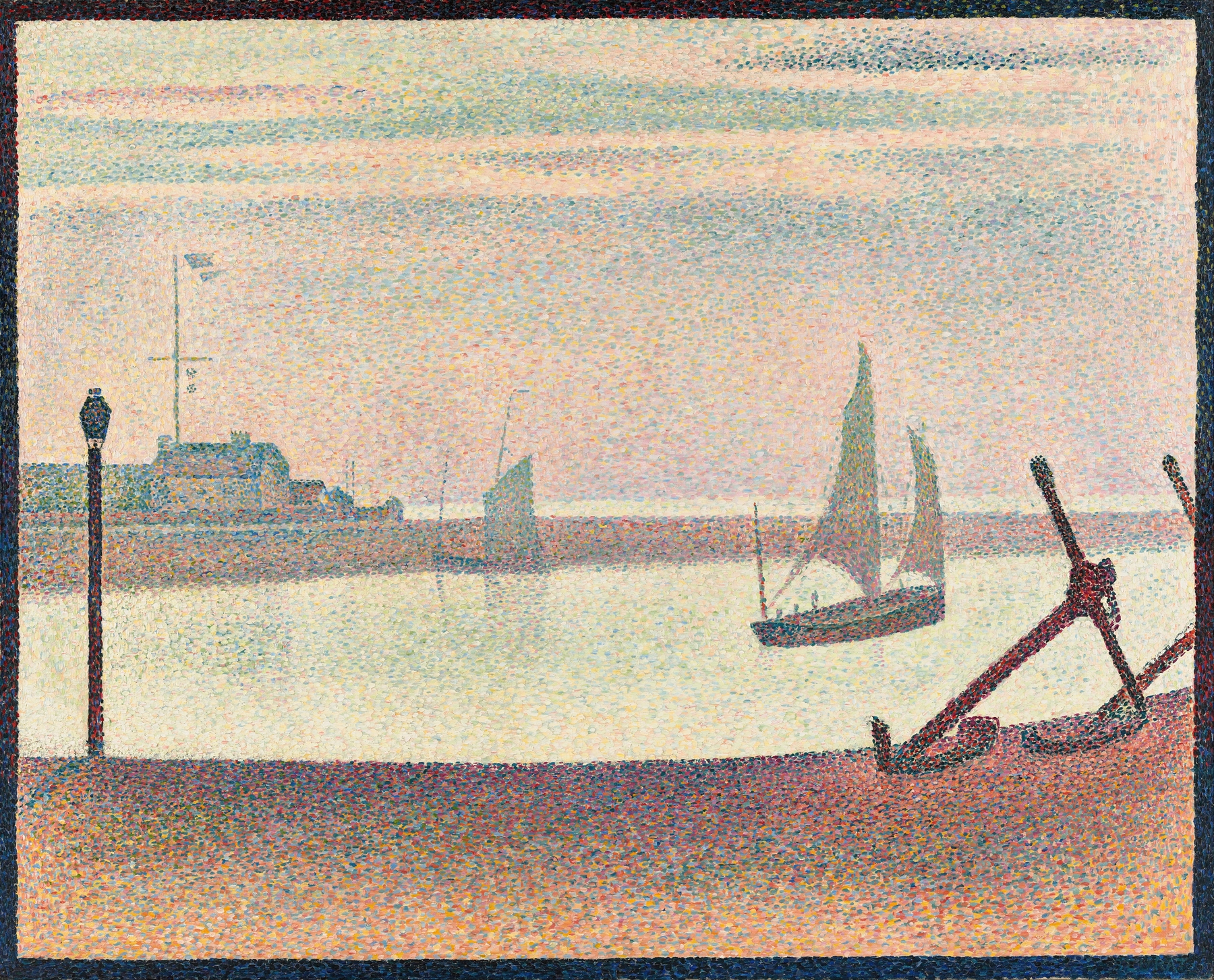
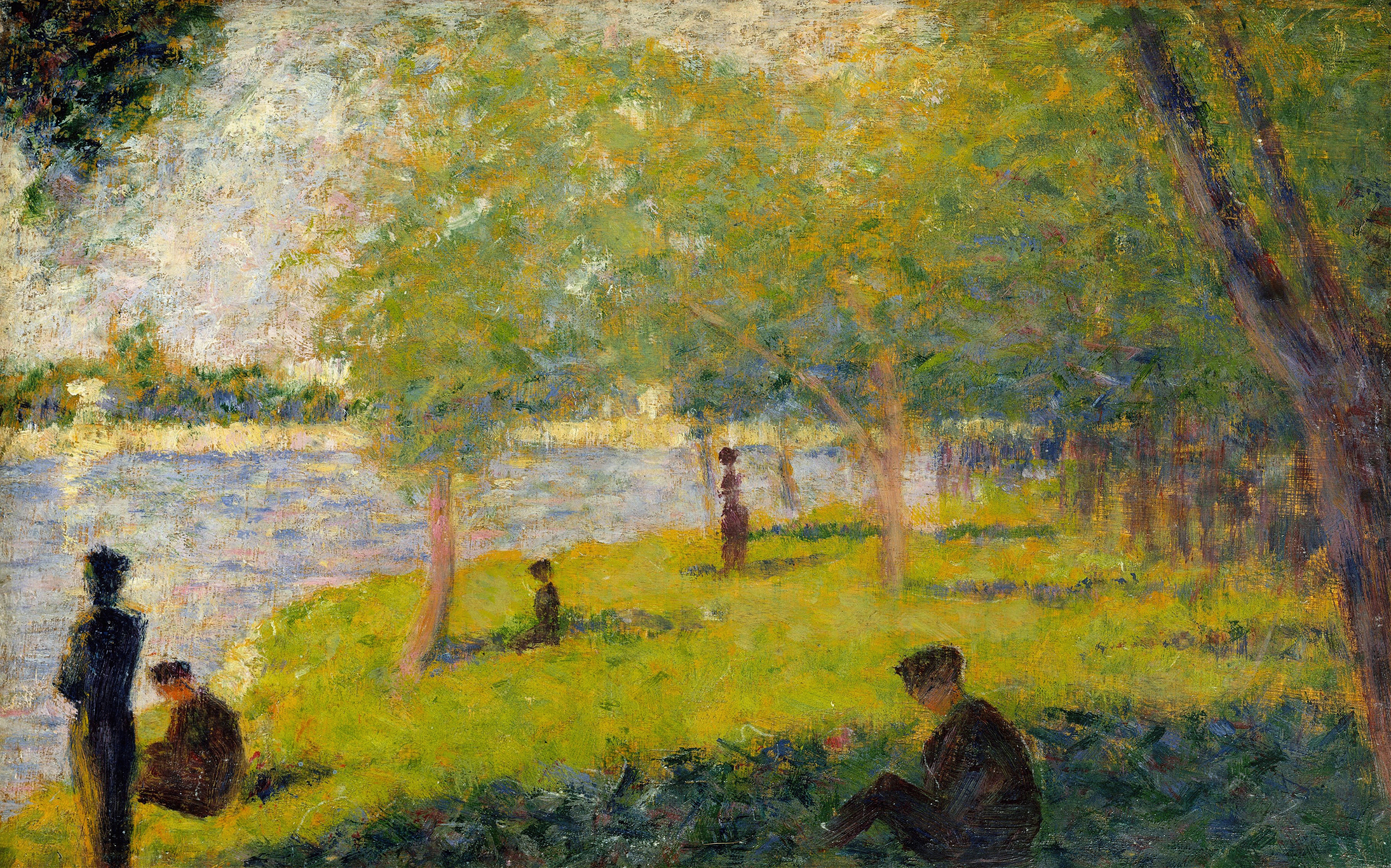
Where does light end, and longing begin? In the mesmerizing brushstrokes of the late 19th century, a realm emerges where faith intertwines with nature, inviting contemplation and connection. Look to the lower left, where the shimmering water of the Seine reflects dappled sunlight, each glint a promise of serenity. The juxtaposition of vibrant blues and greens captures the vitality of the scene, while the careful placement of figures along the riverbanks draws your eye across the canvas.
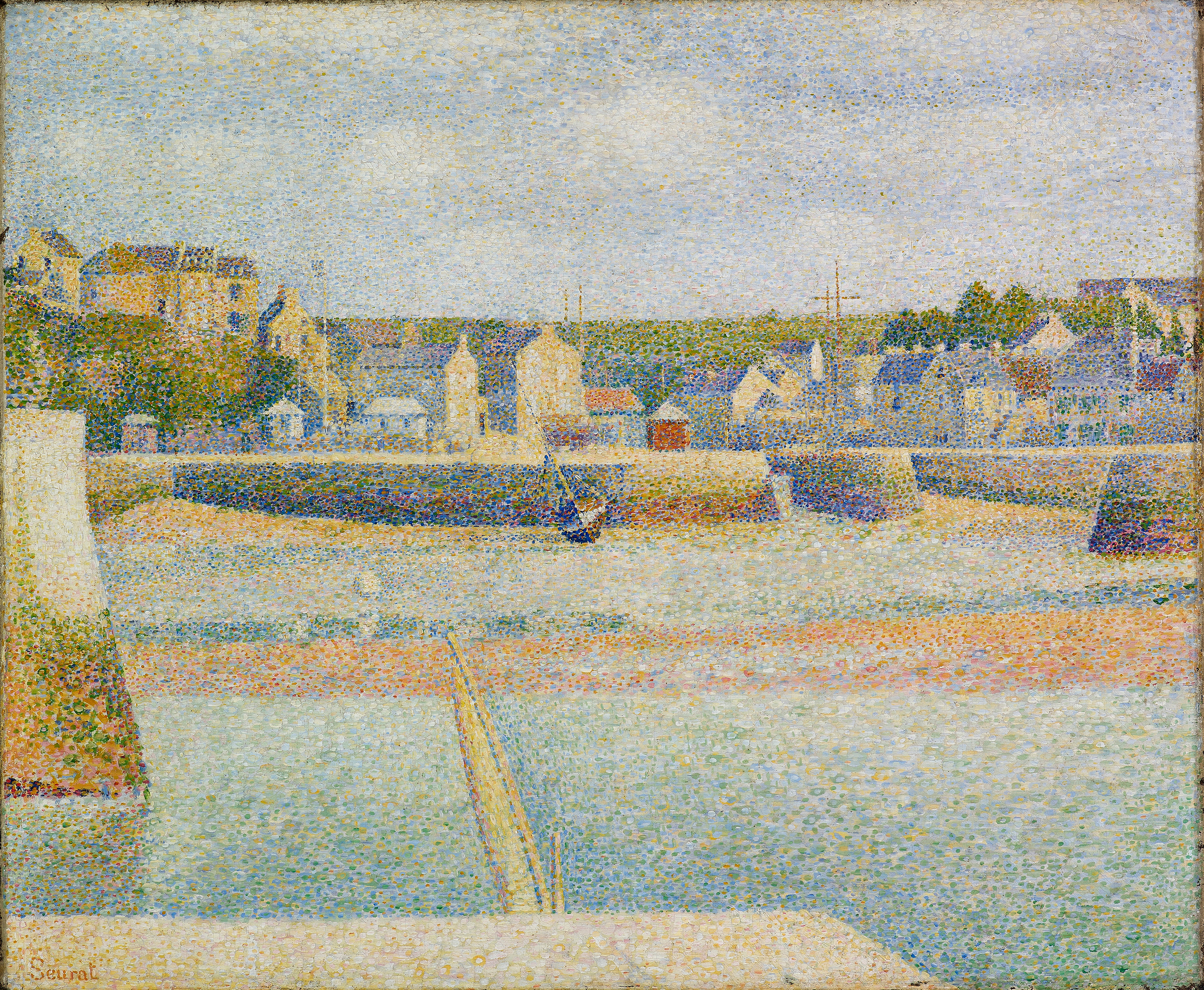
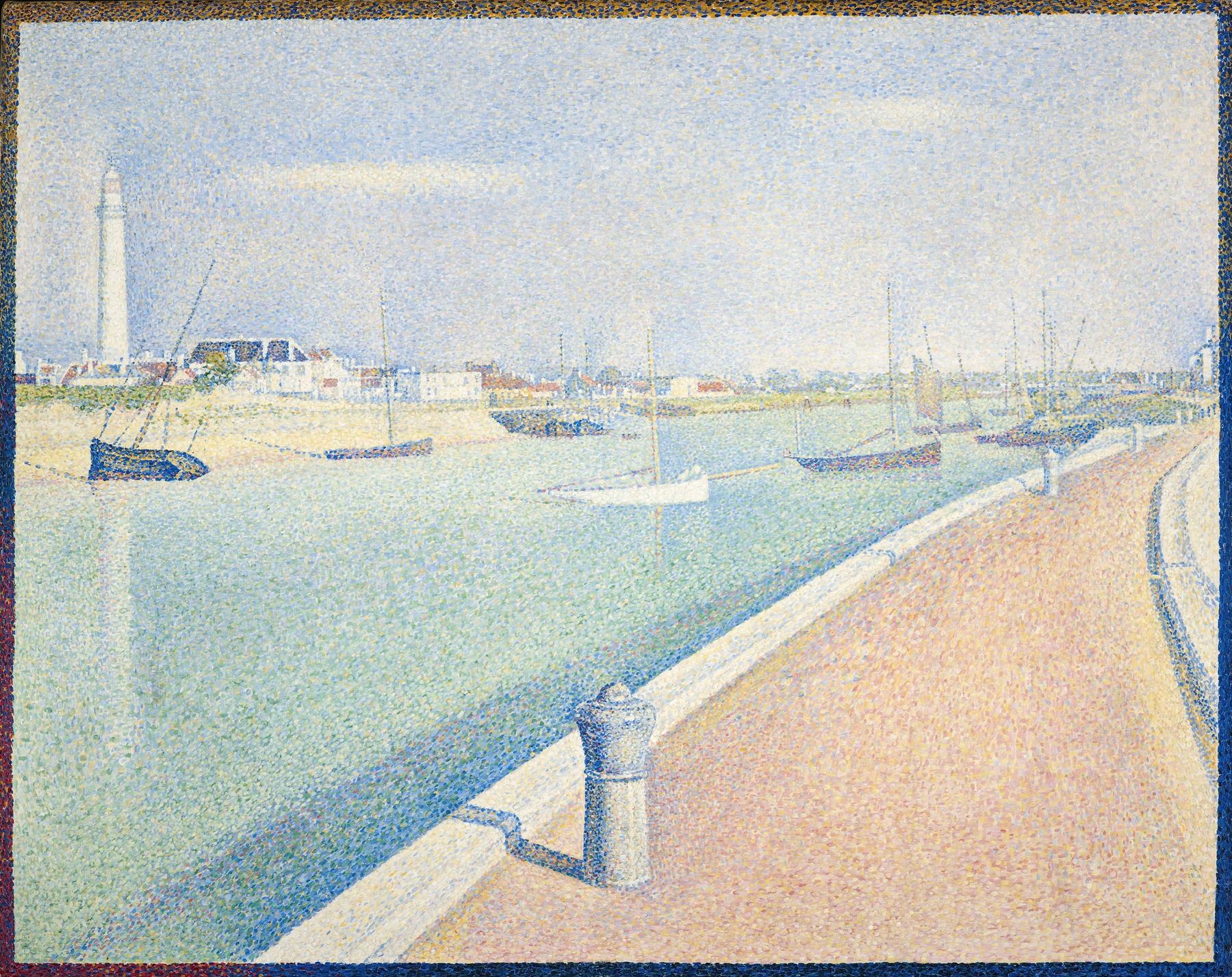
Notice how Seurat's signature pointillism technique creates a delicate interplay of color, transforming ordinary moments into a tapestry of life. As you explore further, the contrast between the stillness of the water and the dynamic energy of the figures hints at a deeper emotional resonance. Each person, engaged in their own world, evokes a sense of solitude amidst collective existence. The ethereal glow that permeates the painting suggests the flickering hope found within the fleeting moments of connection—an unspoken faith in the beauty of the everyday.
During the years The Seine at Courbevoie was painted, Seurat was grappling with the principles of color theory and optical effects, seeking a new aesthetic language. This period marked a transition in the art world as Impressionism began to evolve, and Seurat’s work was emblematic of both innovation and a desire for permanence amid a rapidly changing society. Here, he captured not just a scene, but an era teetering between old traditions and new expressions.