The Splügenpass — History & Analysis
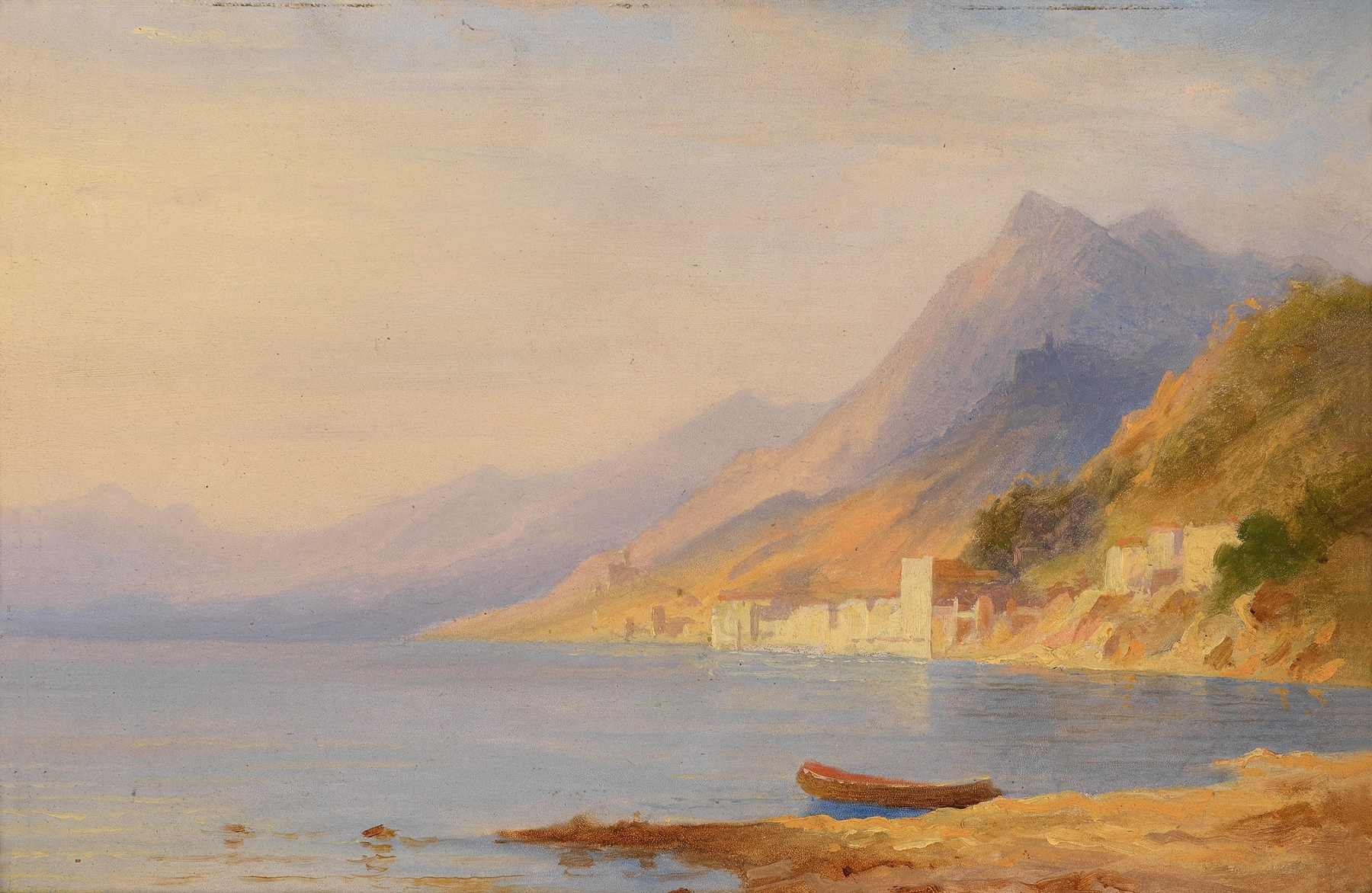
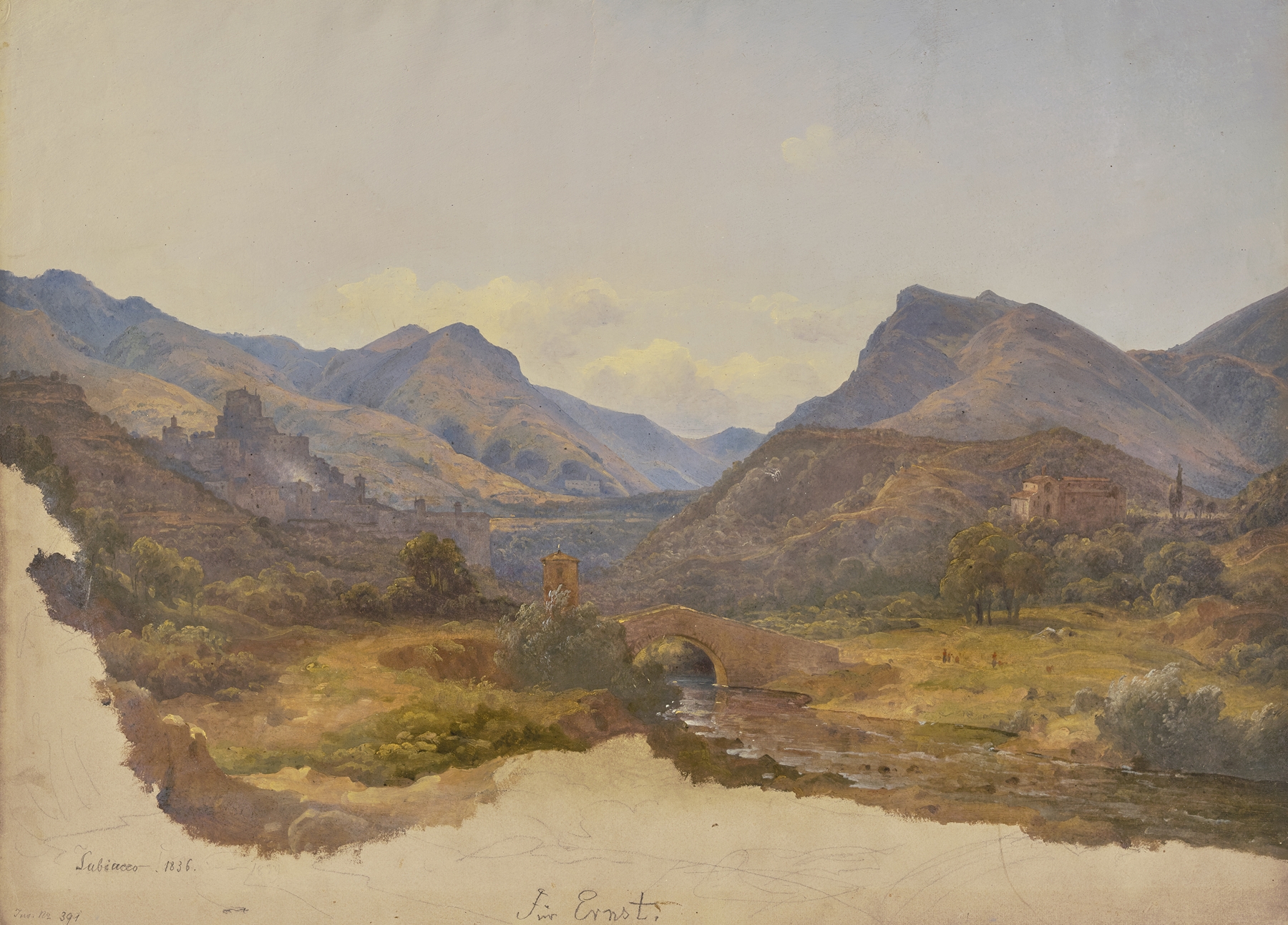
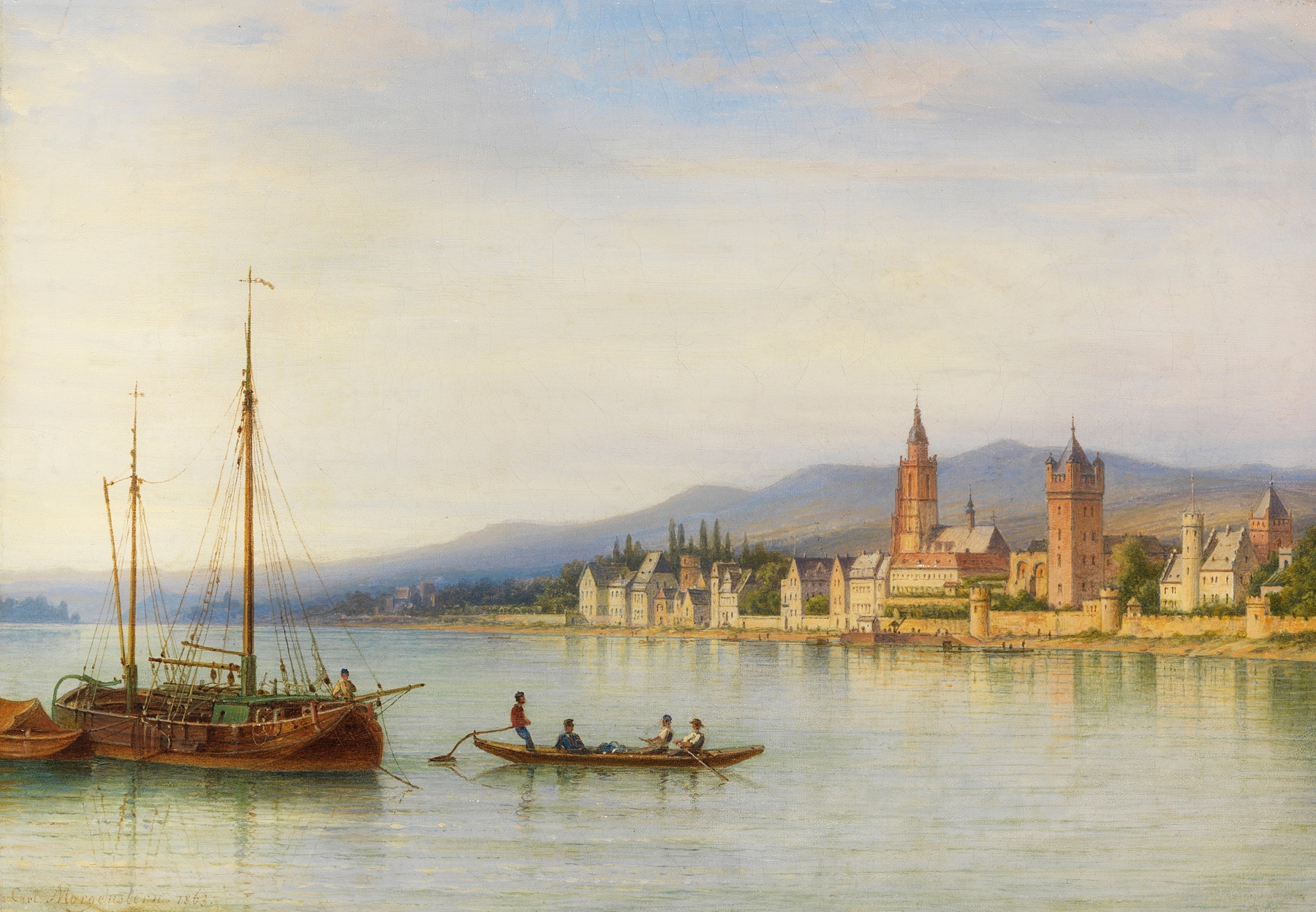
When did color learn to lie? Does the vibrancy of a landscape cloak reality or reveal it? Look to the left at the rugged mountains, their peaks bathed in a rich tapestry of greens and browns, contrasting with the cerulean sky. Notice how the sunlight dances across the canvas, illuminating the craggy textures and casting shadows that seem to breathe life into the scene. The interplay of light and shadow creates a palpable tension, drawing the viewer’s gaze deeper into the winding path that meanders through this alpine grandeur.
As you explore further, consider the juxtaposition of the serene valley against the formidable cliffs. The valleys cradle a sense of calm, while the jagged mountains evoke a sense of awe and trepidation. This duality speaks to the emotional landscape of human experience — both the beauty and the peril inherent in our journeys. Here lies a tension between tranquility and threat, a visual narrative that invites contemplation on the nature of truth within our perceptions.
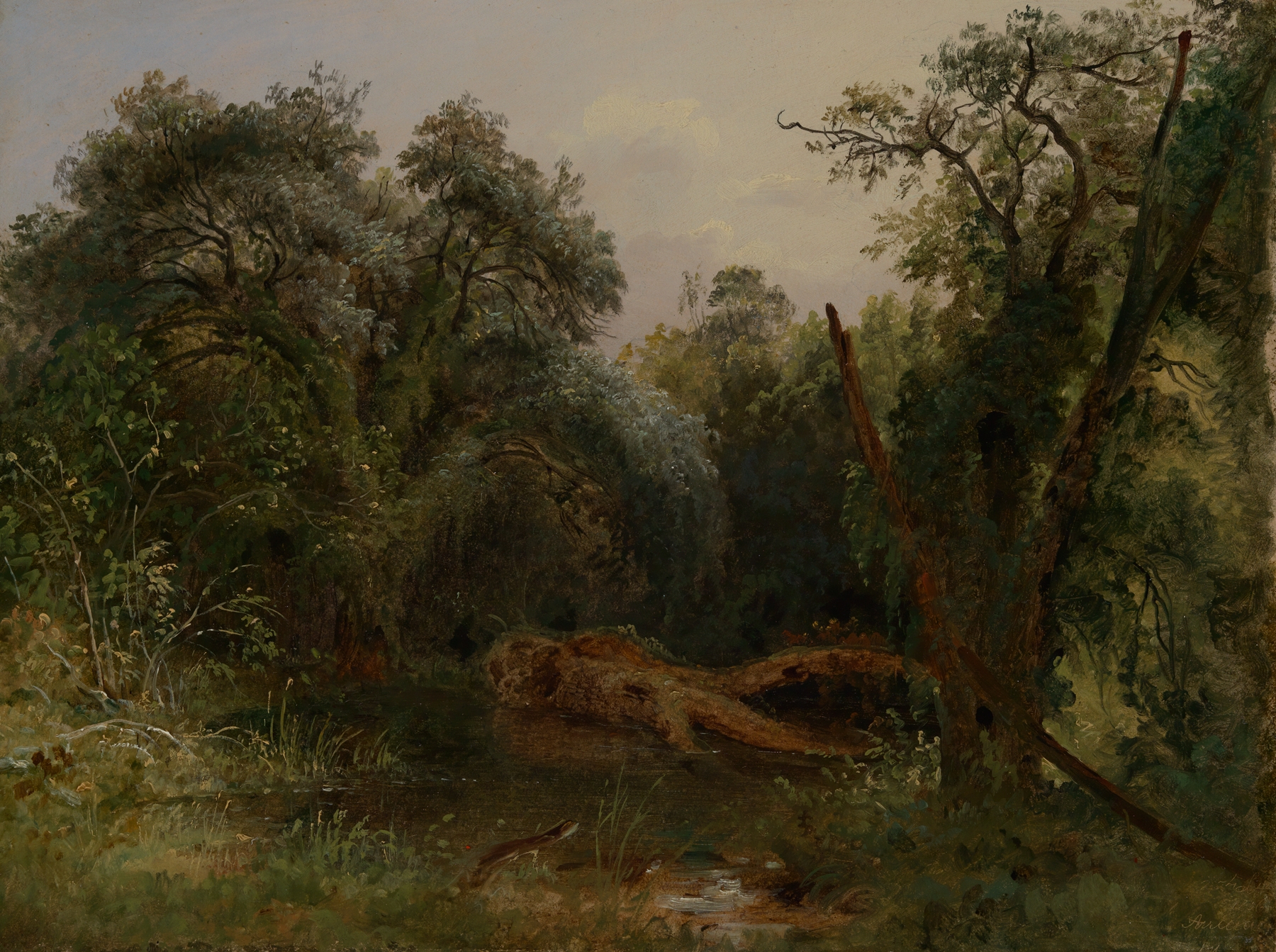
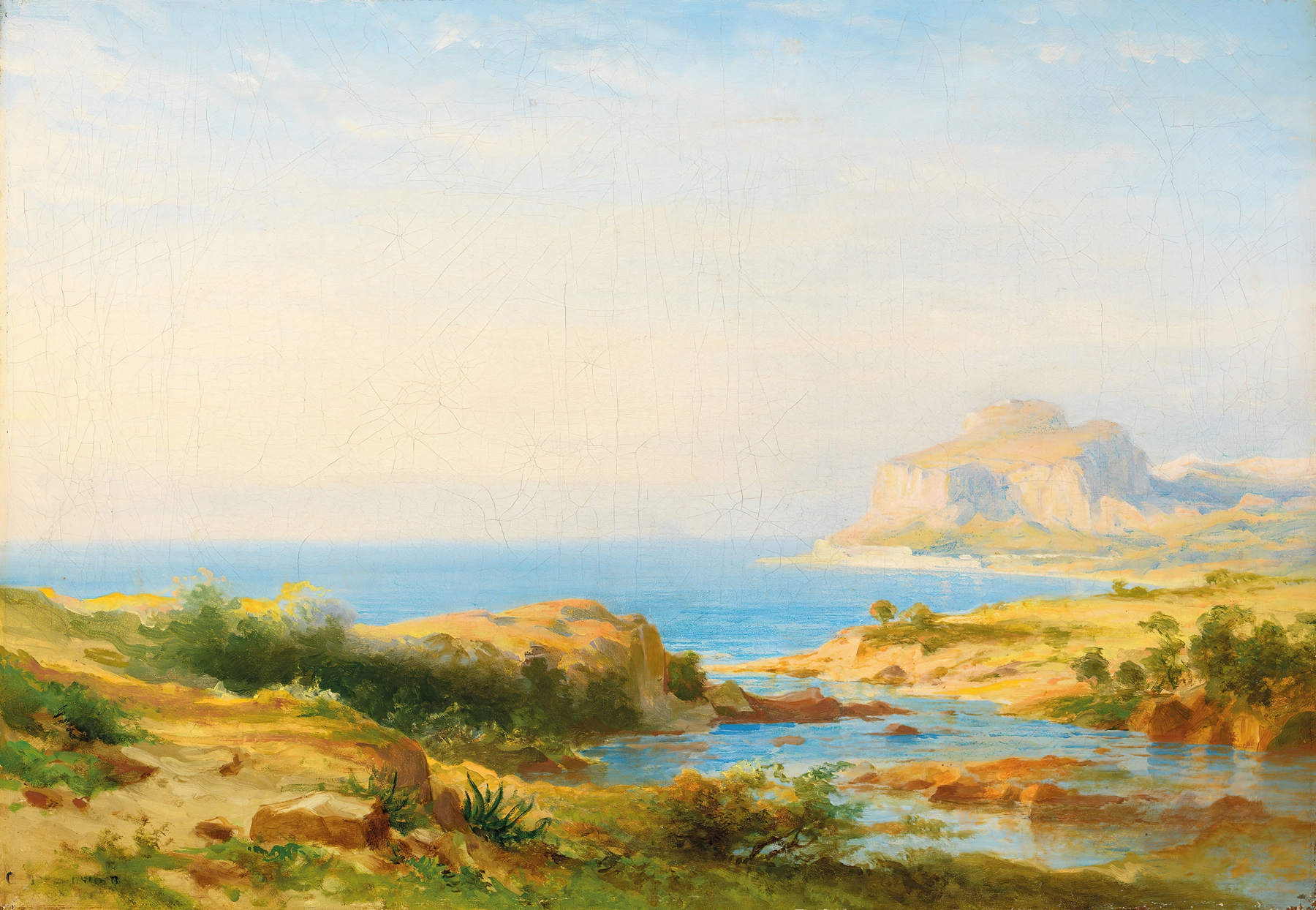
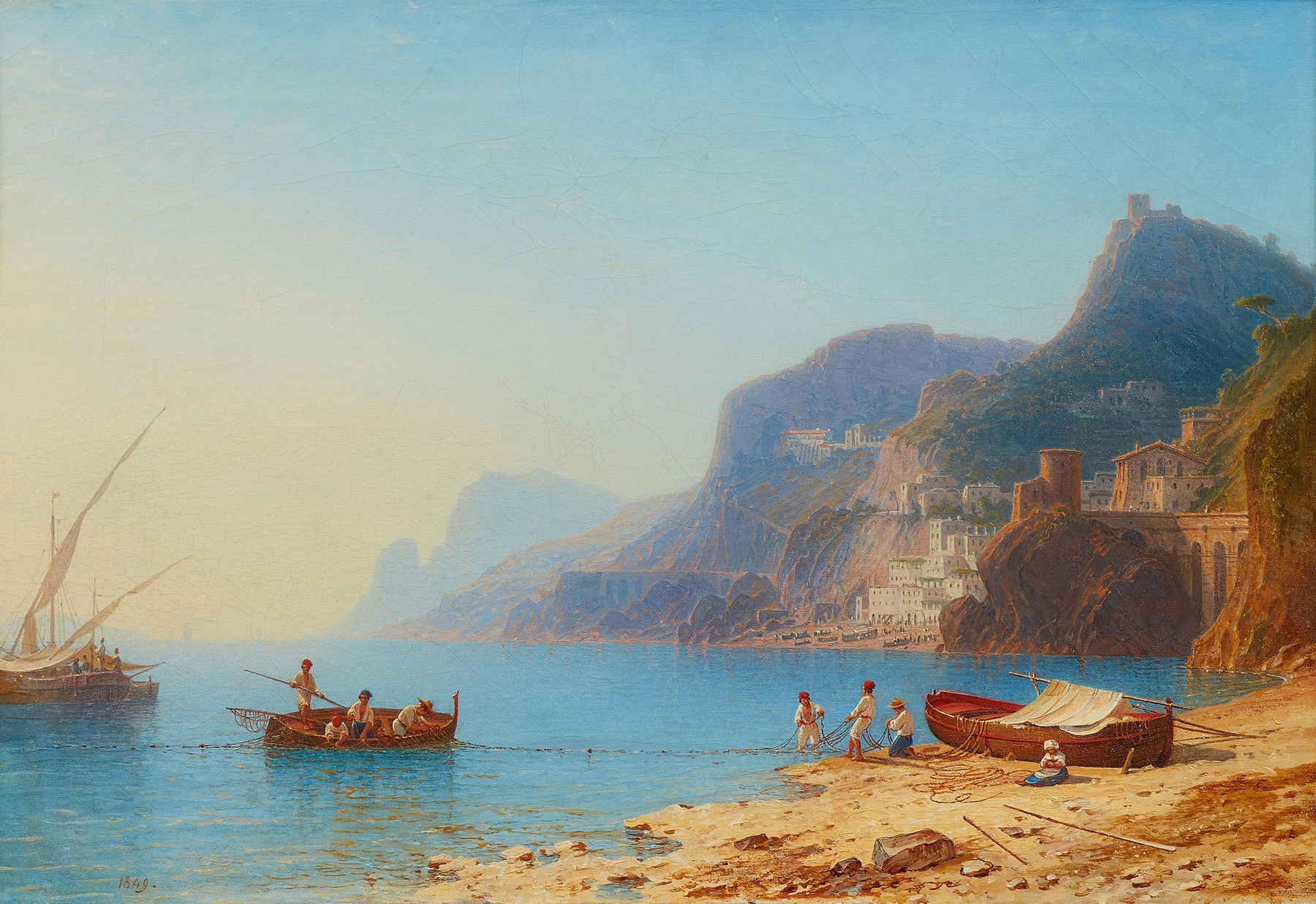
Carl Morgenstern painted this work during a transitional period in the mid-19th century, a time when Romanticism was giving way to a more objective representation of nature. He was creating in Germany, navigating a world increasingly shaped by industrialization and changes in artistic expression. His landscapes often reflect a deep reverence for the natural world, capturing the sublime beauty of the mountains while addressing the evolving relationship between humanity and nature. The artwork represents not just a place, but a moment of aspiration, inviting viewers to seek the truth within the vibrant facade of color.