The Strand — History & Analysis
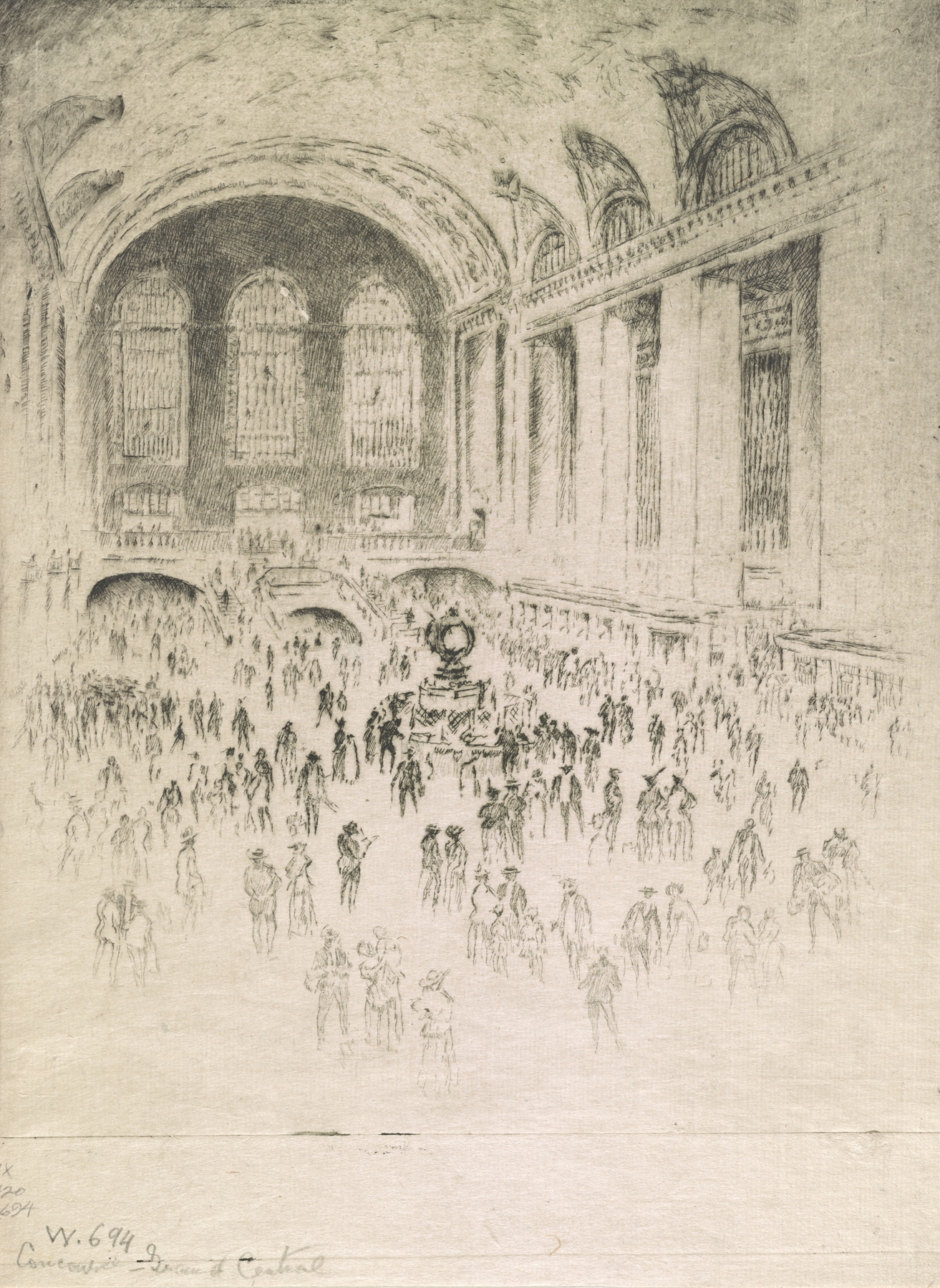
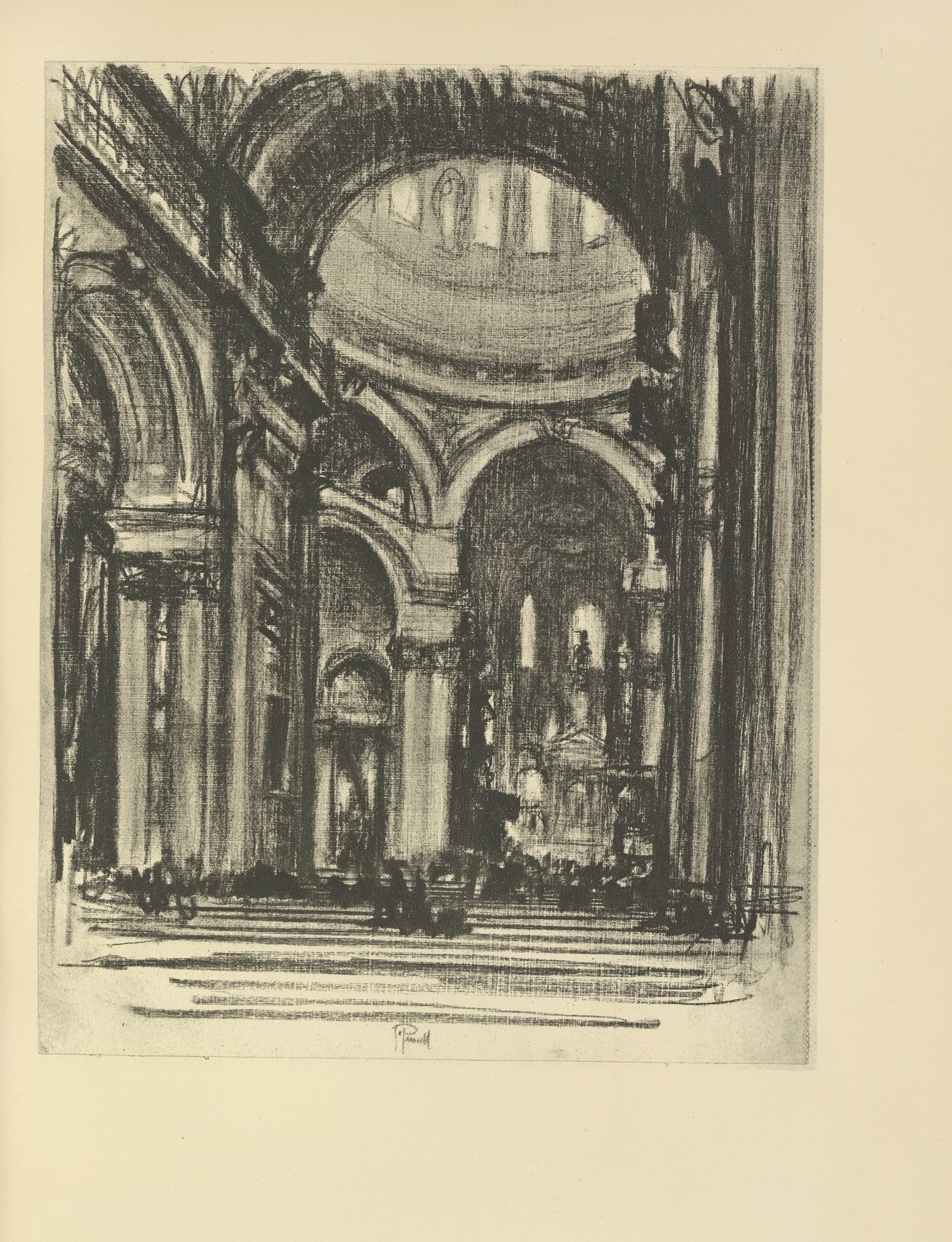
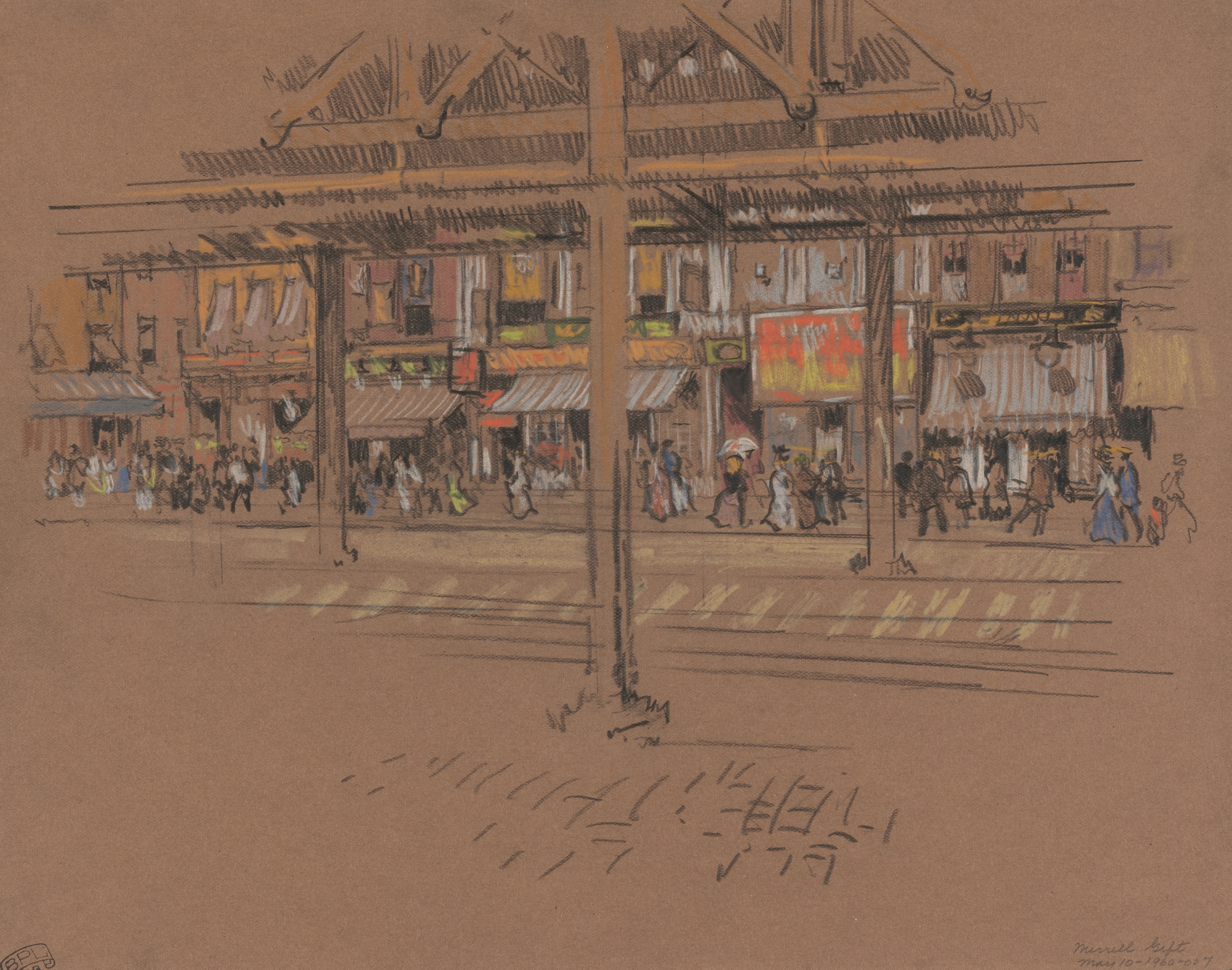
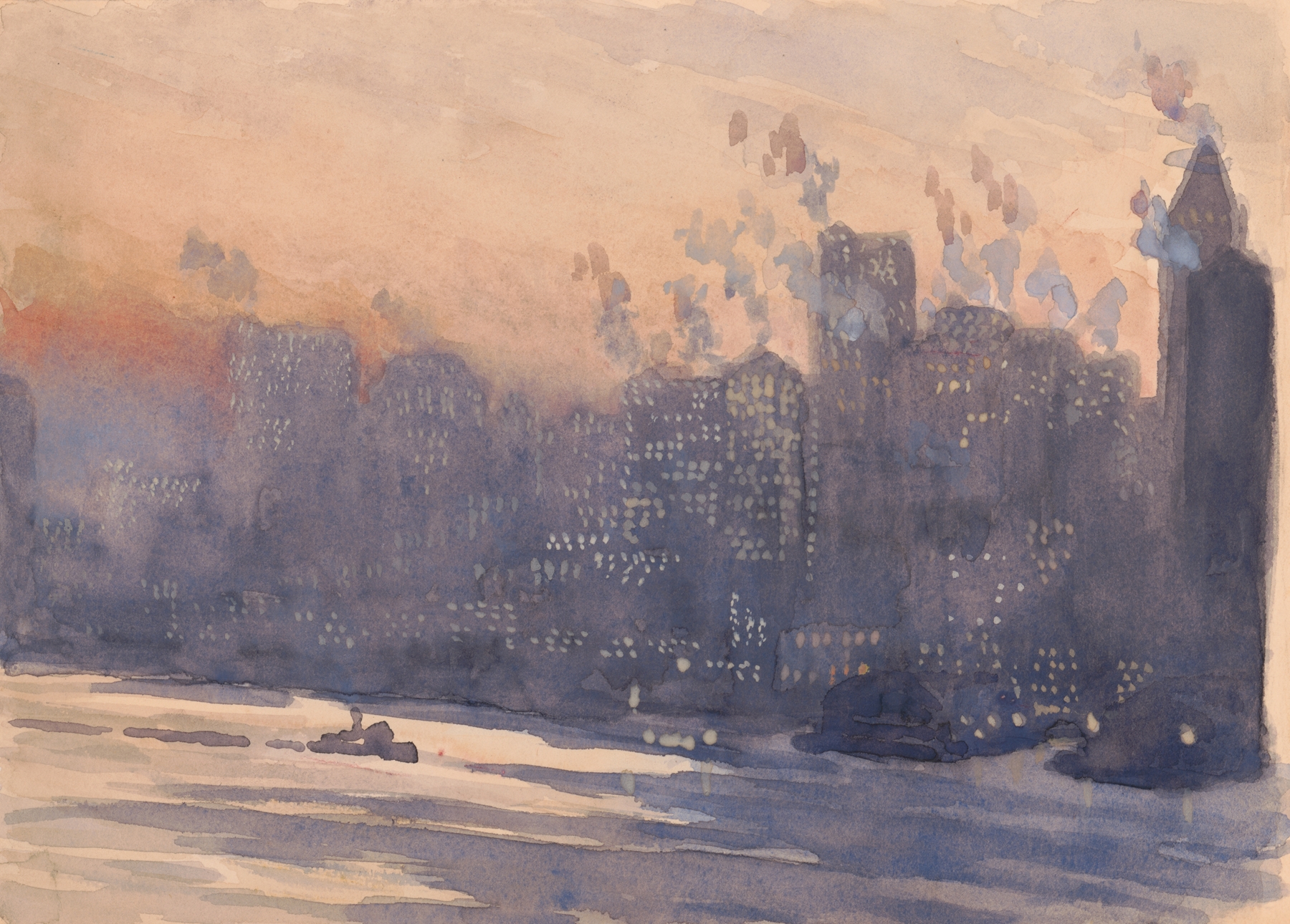
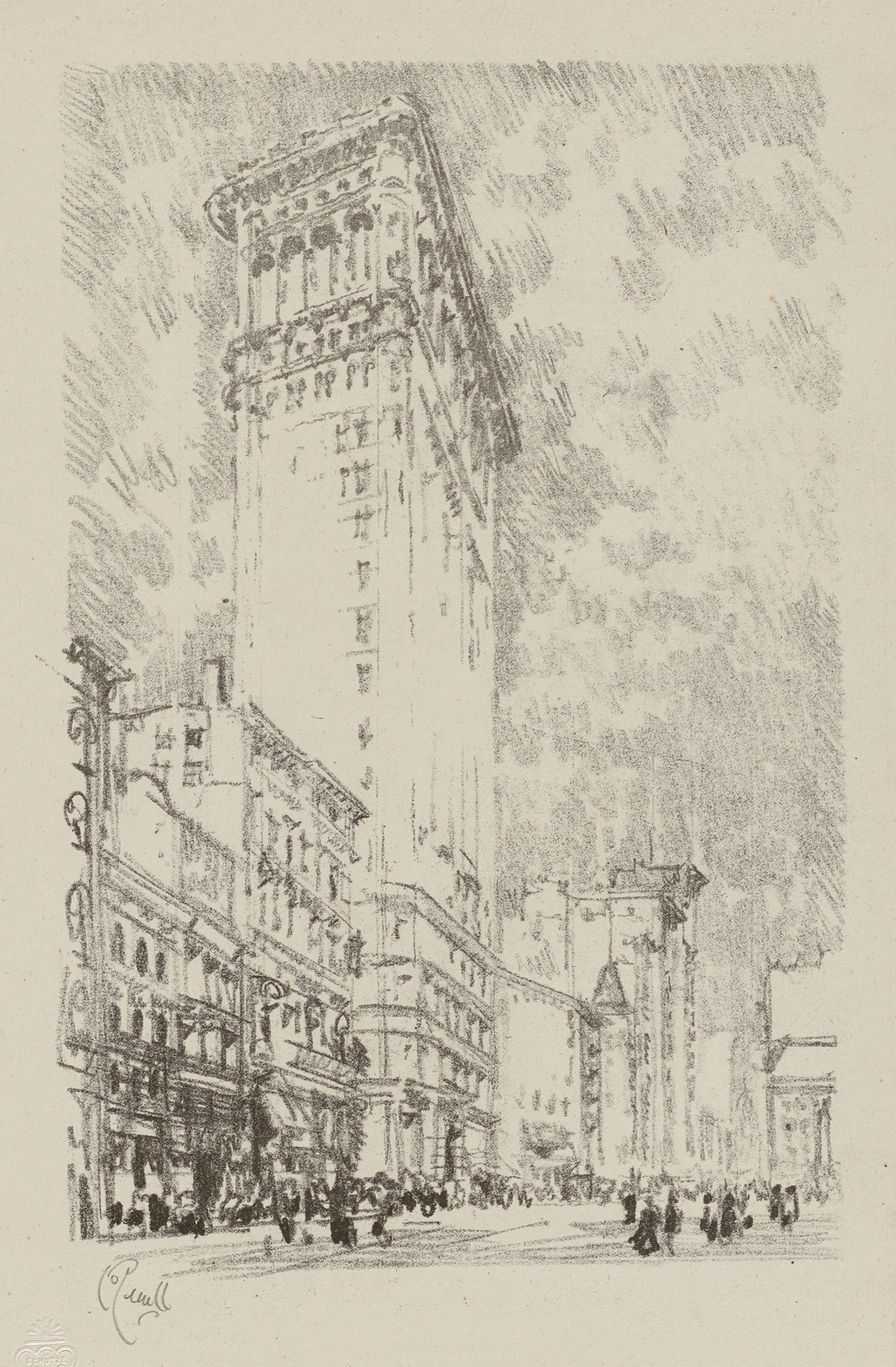
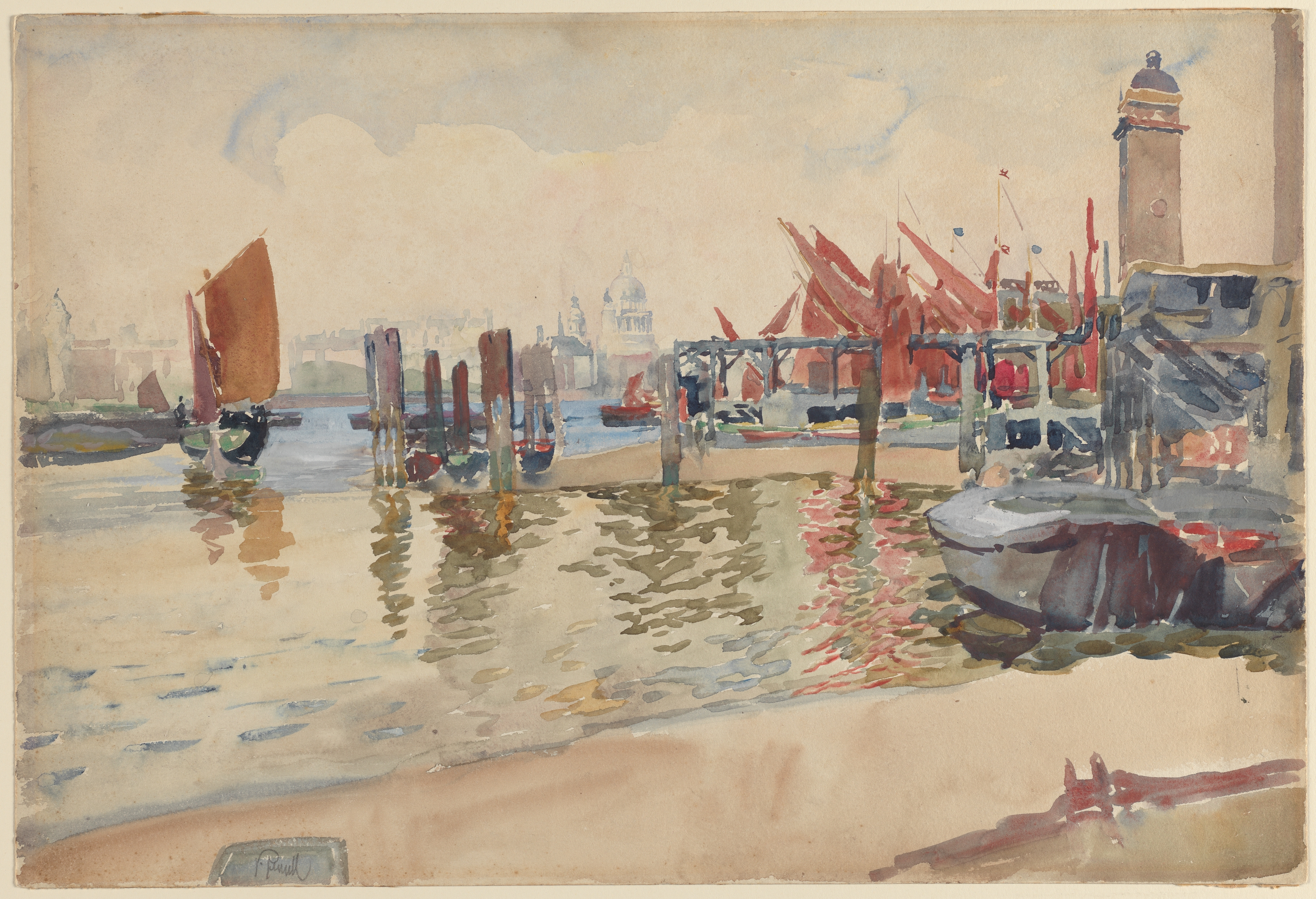
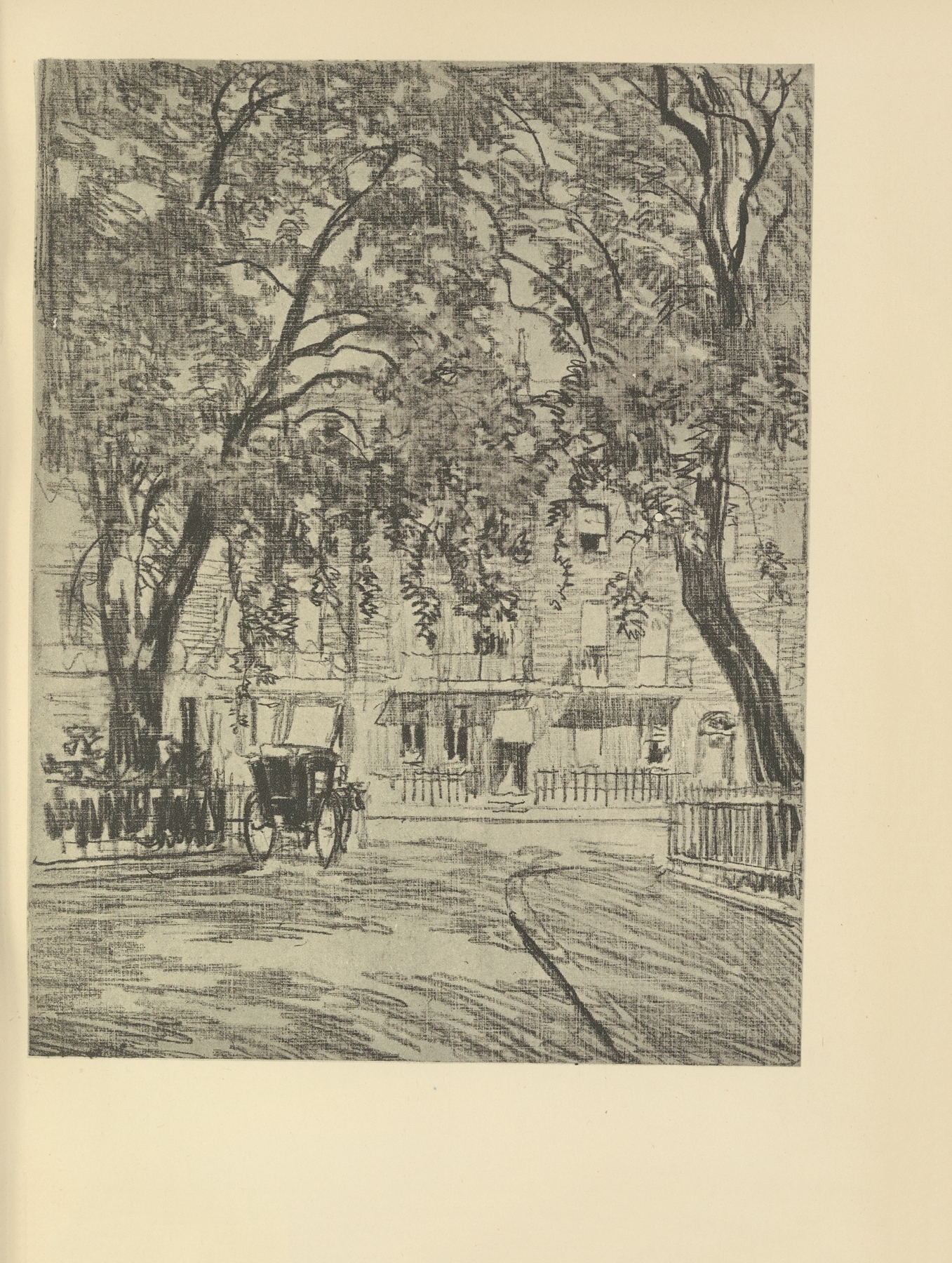
“Every silence here is a confession.” The weight of unspoken words hangs heavy in the air, echoing the betrayal that lurks beneath the surface of this seemingly tranquil moment. What stories lie hidden in the shadows of this urban landscape, where the stillness of the scene belies the tumult of unexpressed emotions? Focus on the intricate lines that trace the contours of the buildings in The Strand, absorbing the viewer’s gaze immediately. Notice how the subtle interplay of light dances across the façades, highlighting the architectural details while simultaneously shrouding them in an air of mystery.
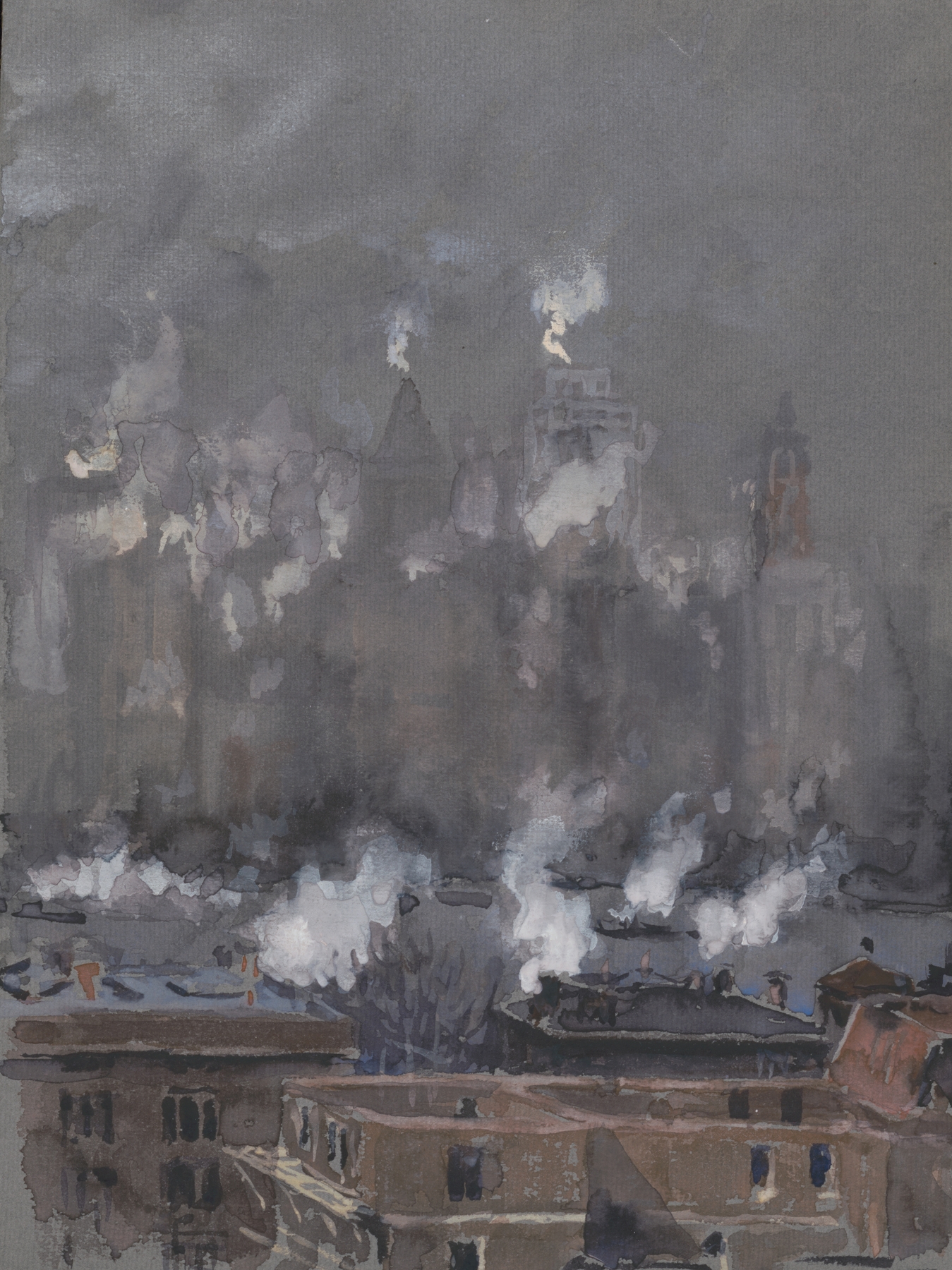
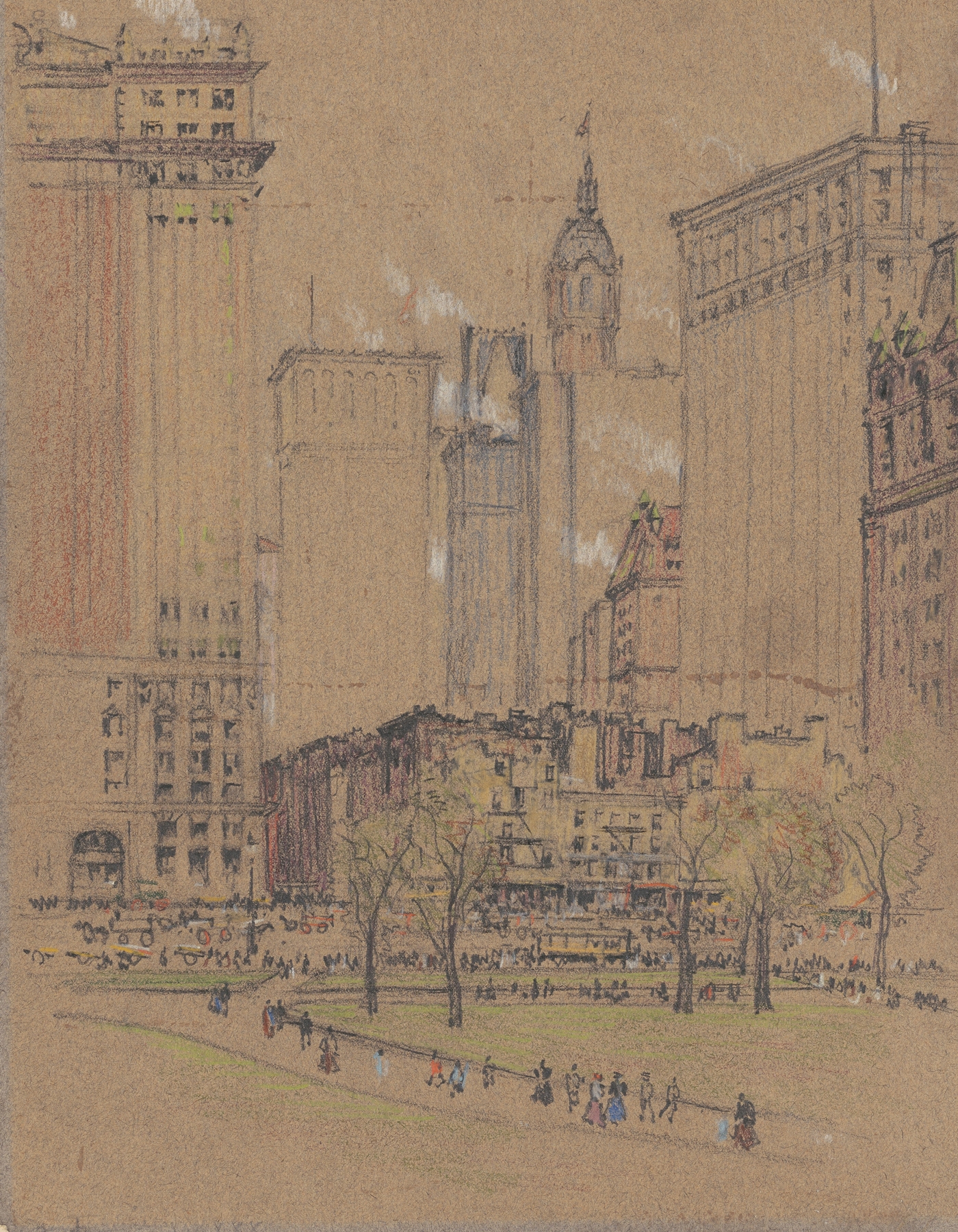
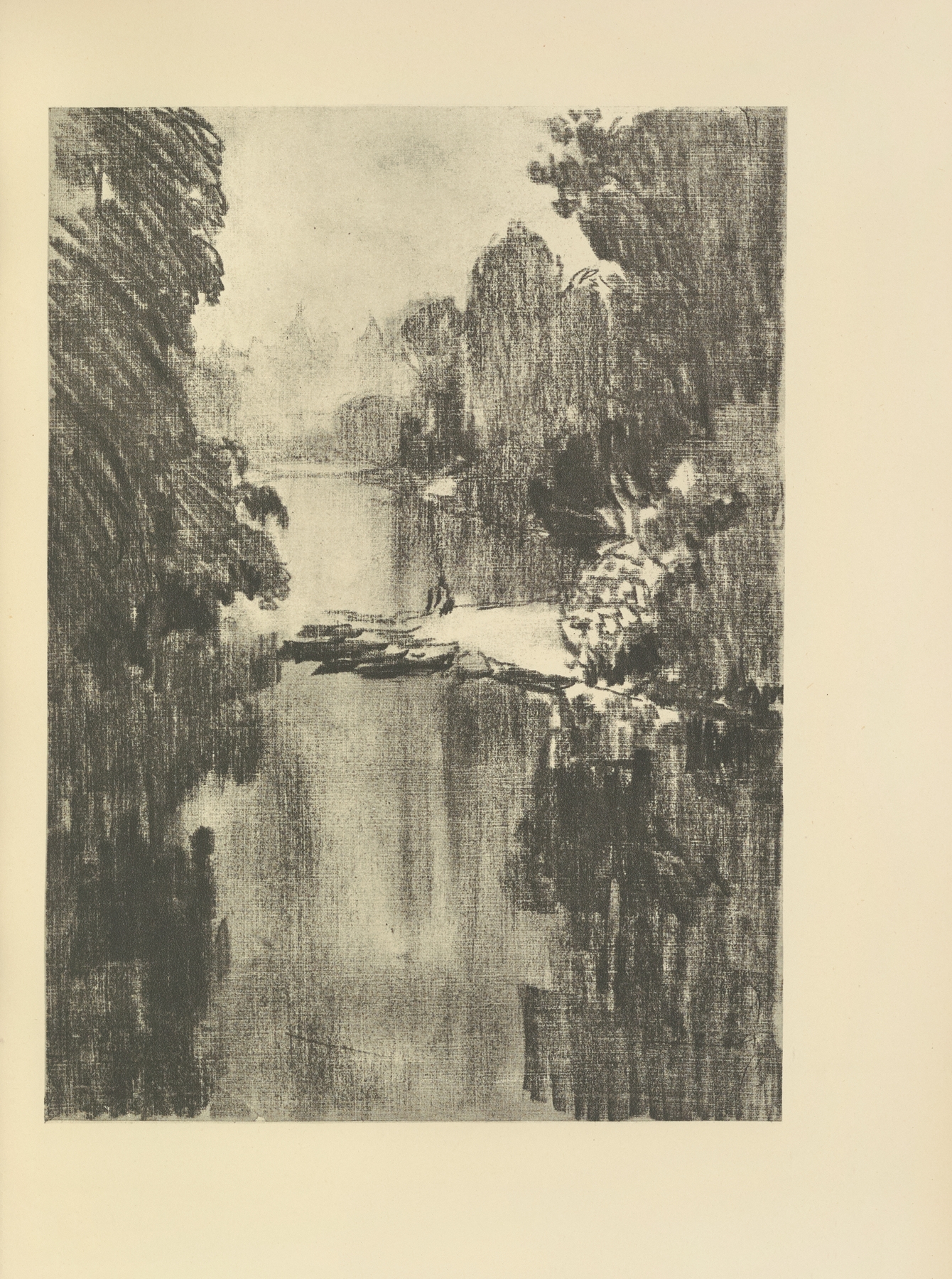
The monochromatic palette invites contemplation, with greys and blacks merging into an almost dreamlike quality that blurs the line between reality and illusion. Delving deeper, one can sense the tension between the starkness of the structures and the fragile human presence within. The meticulous detail of the architecture contrasts with the absence of life, suggesting a narrative of isolation and disillusionment. Perhaps it speaks to urban betrayals—where the very walls that provide shelter also serve as barriers to connection, leaving the heart exposed yet unfulfilled.
In 1928, Pennell found himself immersed in a rapidly changing world, capturing the essence of modernity as it collided with tradition. Living in London during a time of significant artistic evolution, he was influenced by the shifting dynamics of society and the role of the artist. This work reflects his keen observation of both beauty and disillusionment, framing the tension of an era marked by uncertainty and the bittersweet nature of urban life.