The Subsiding of the Waters of the Deluge — History & Analysis
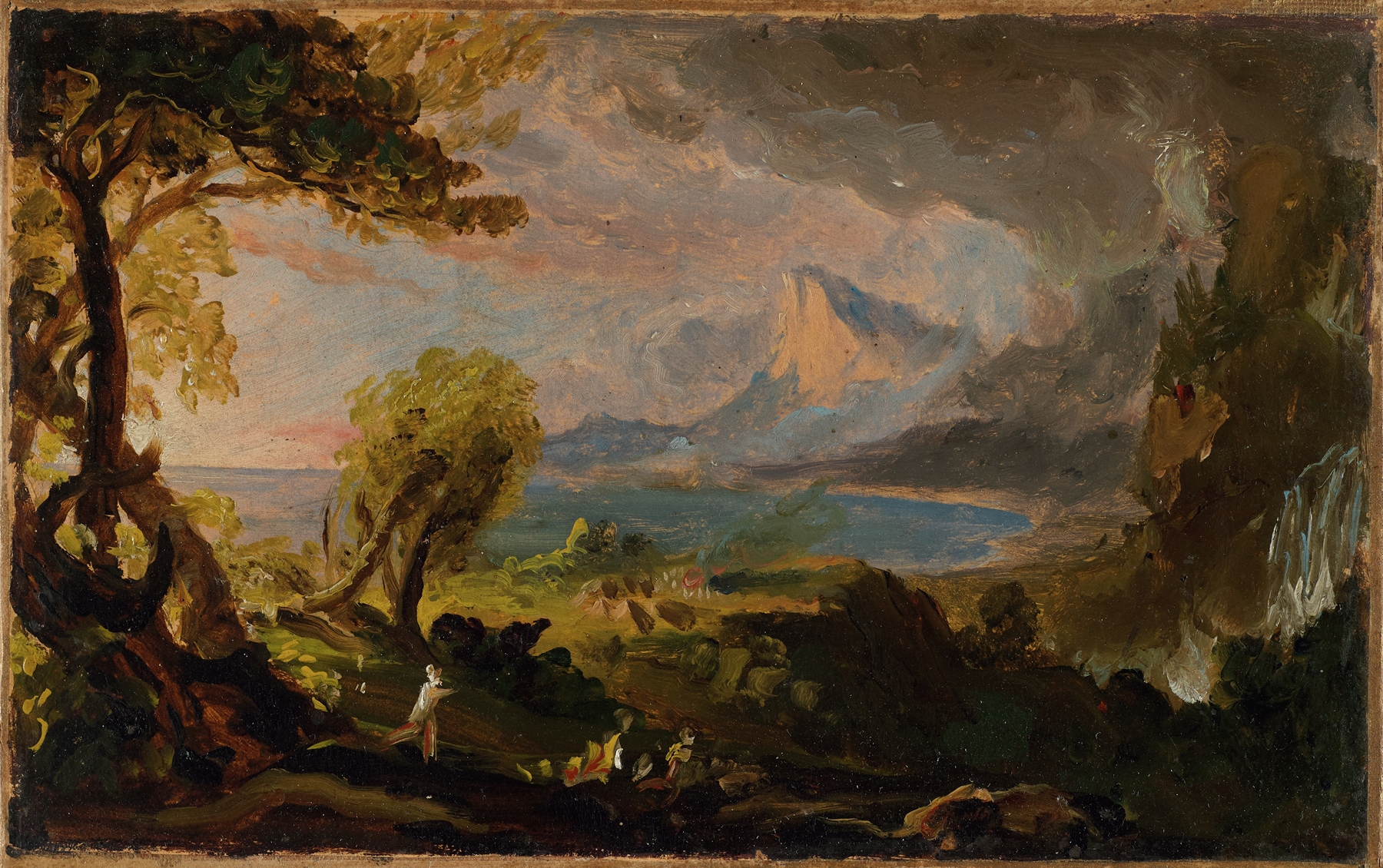
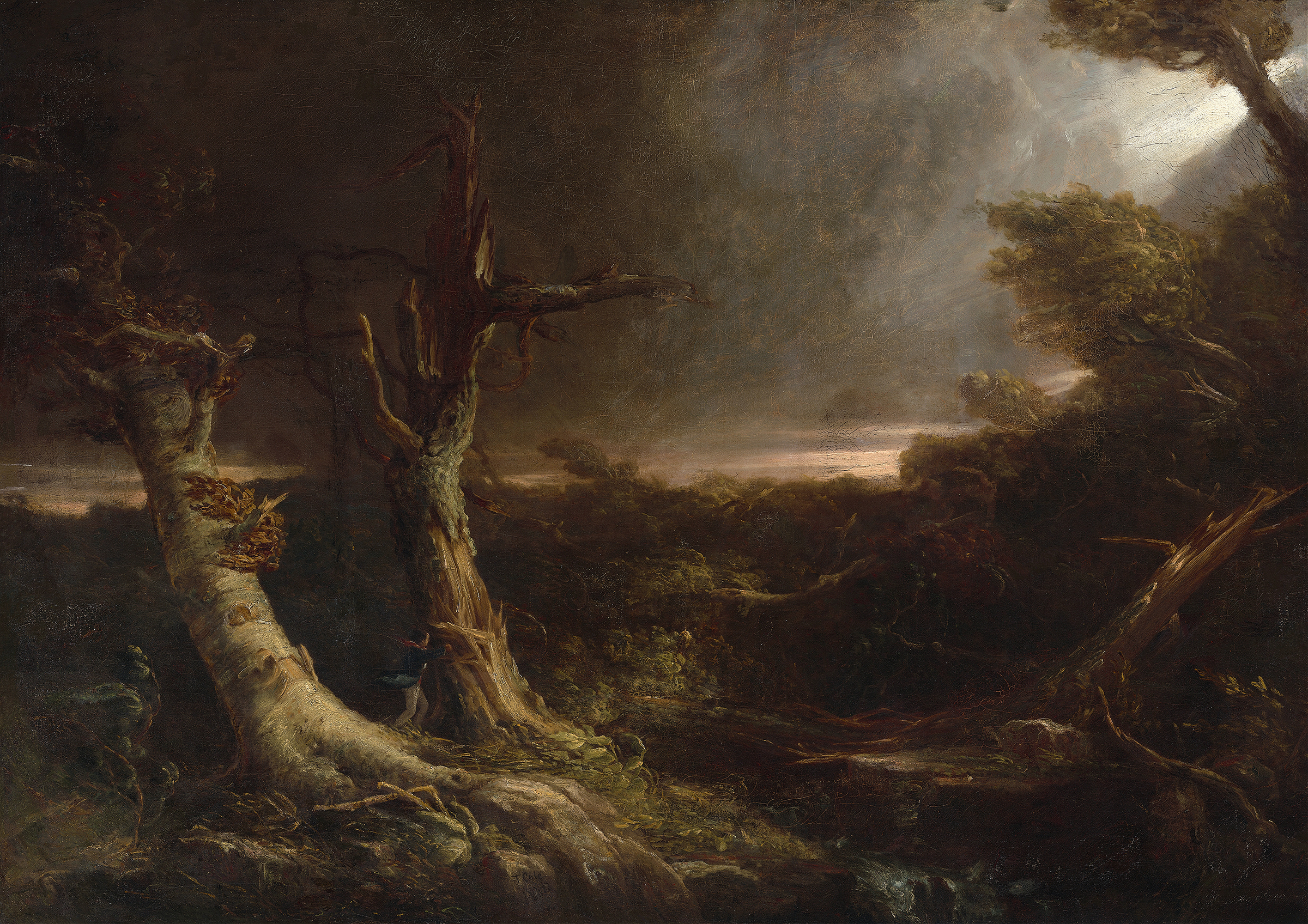
What secret hides in the quiet of the canvas? The calm waters that stretch across the landscape invite contemplation, reflecting the profound silence following tumultuous upheaval. Look to the center where the gentle ripples hint at the former chaos, the subdued palette of greens and browns conveying tranquility. The sunlight breaks through the clouds, illuminating the soft contours of the land, drawing our eyes towards the distant mountains.
Notice how the almost ethereal light dances on the surface of the water, creating a mirror that flattens the horizon and blurs the line between reality and reflection, inviting the viewer to ponder nature’s resilience. In the foreground, juxtaposed against the chaos of nature’s wrath that preceded this scene, we see hints of life returning. Fragments of debris float, remnants of destruction now transformed into symbols of new beginnings. The presence of trees and the subtle emergence of life suggest hope and renewal, reflecting humanity's enduring connection to the natural world.
These contrasts evoke a sense of duality: the despair of loss versus the promise of rebirth. Created in 1829, this work emerged during a period of profound change for Thomas Cole, both personally and artistically. He was a leading figure in the Hudson River School, a movement that celebrated the American landscape while grappling with themes of nature and civilization. At a time when the industrial revolution was igniting profound shifts in society and the environment, Cole's work stood as a poignant reminder of nature's power and fragility, echoing the collective anxieties of an age on the brink of transformation.