The Temple of Vesta in Rome — History & Analysis
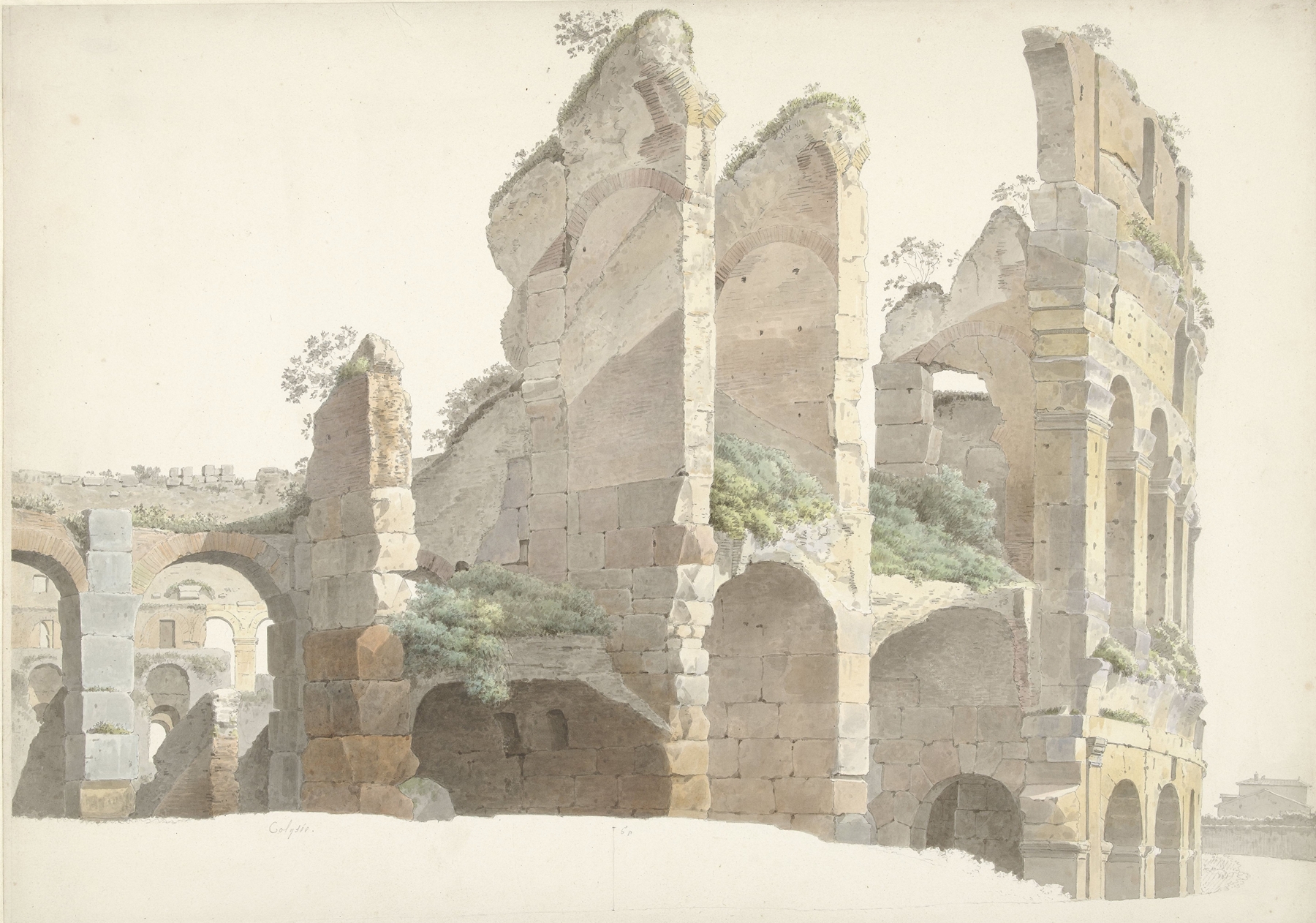
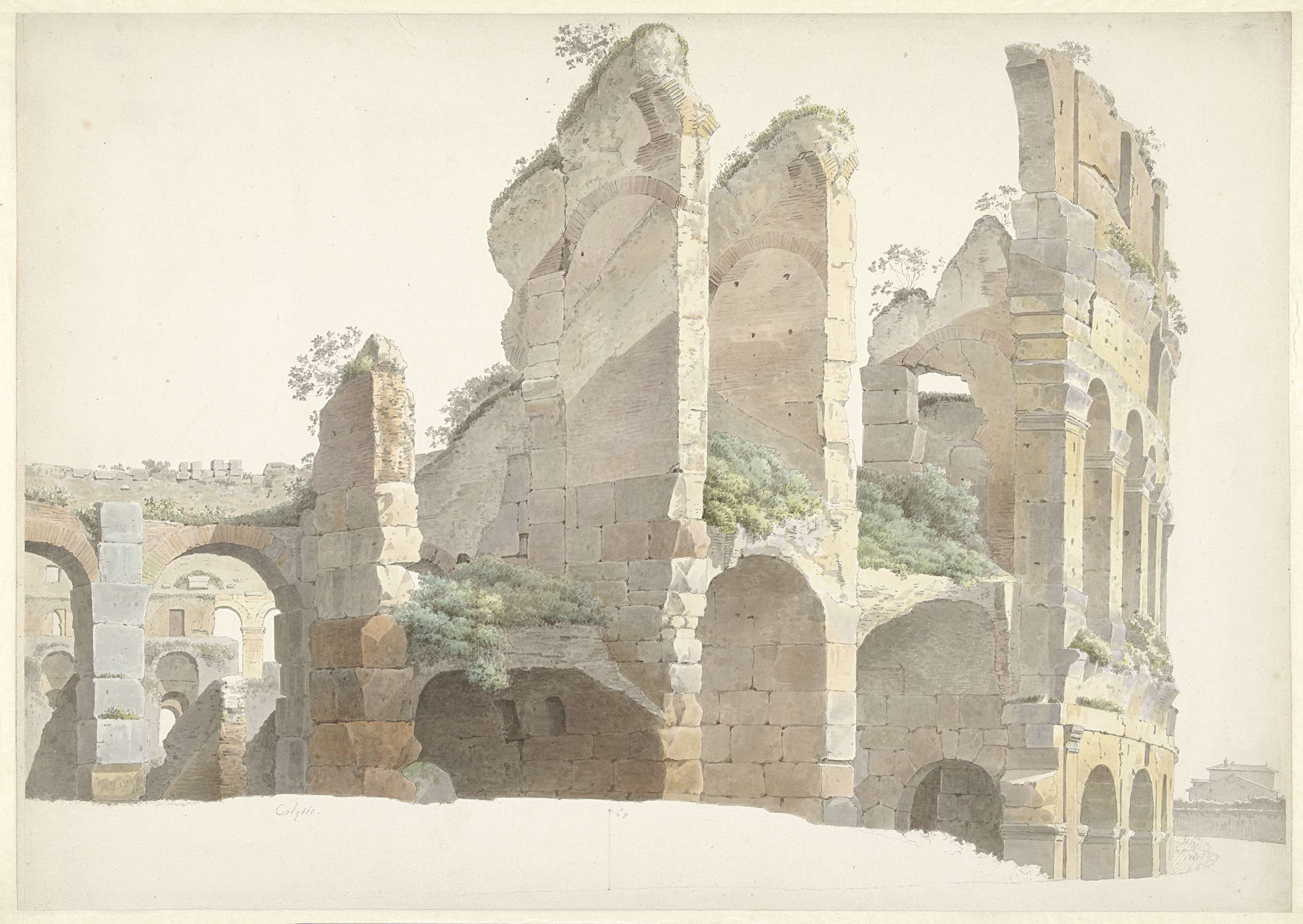
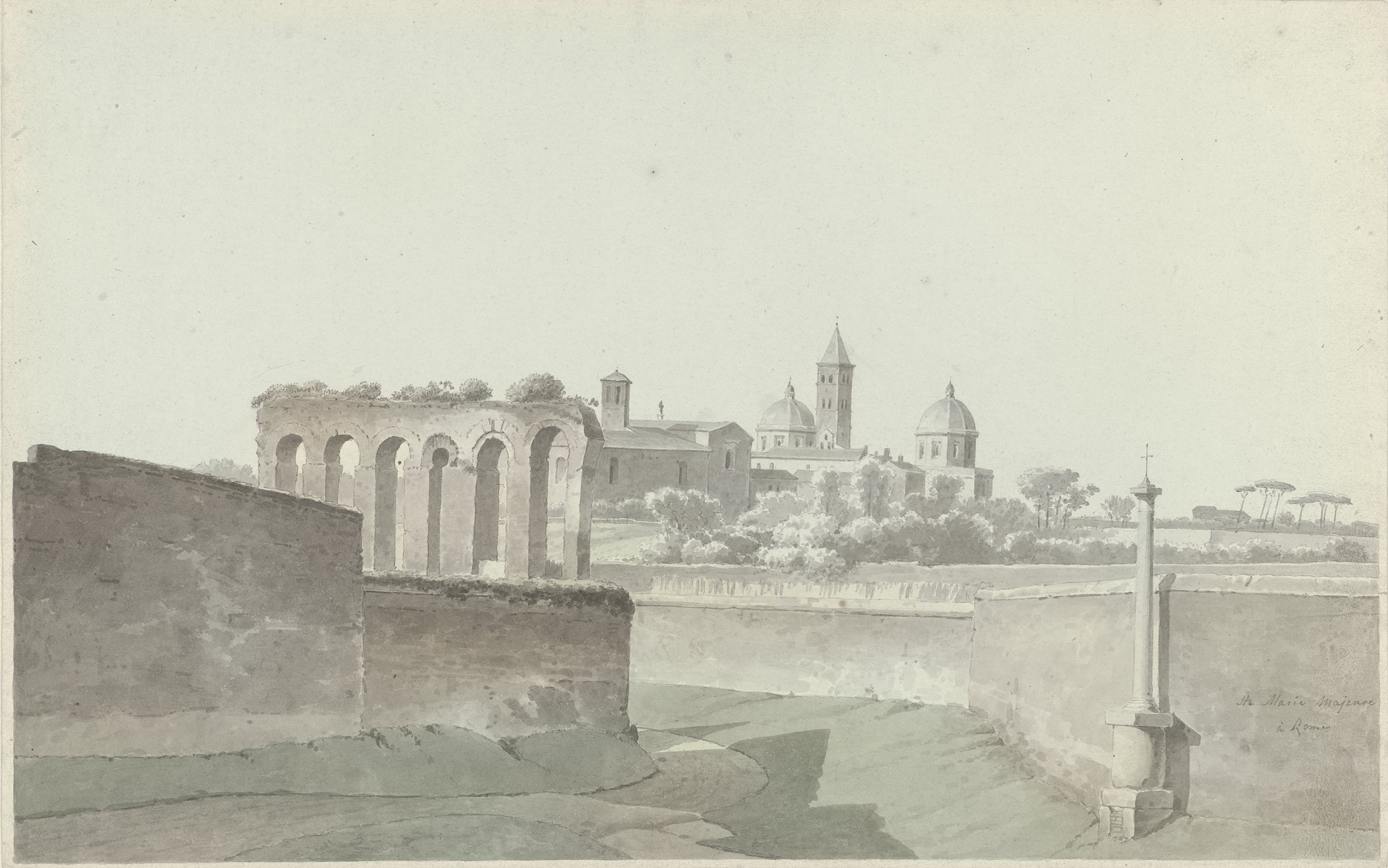
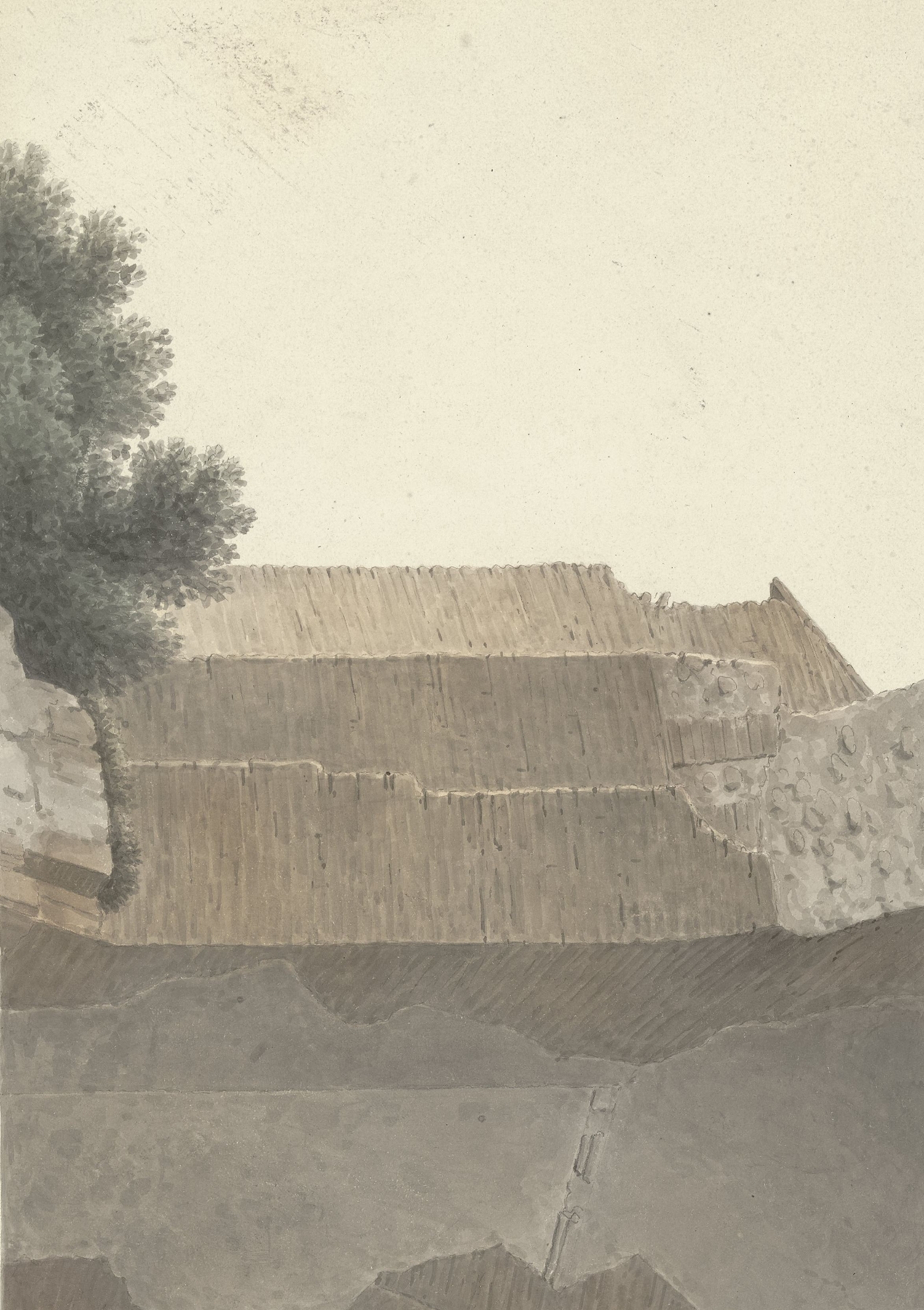
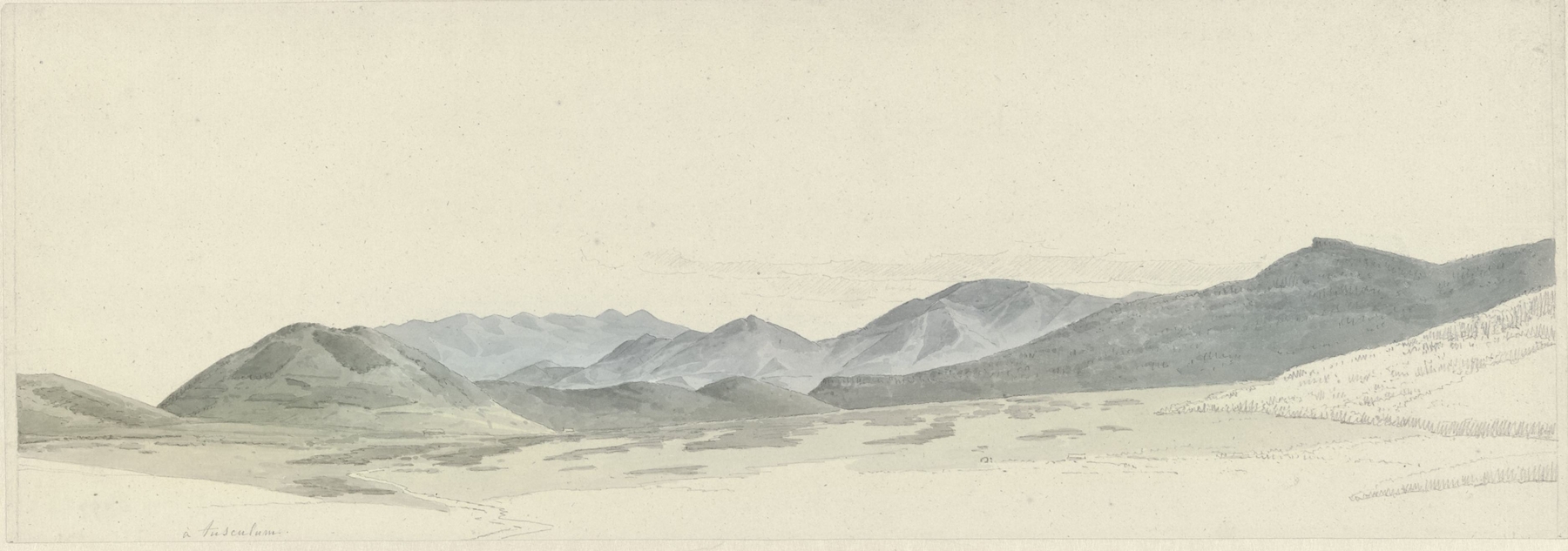
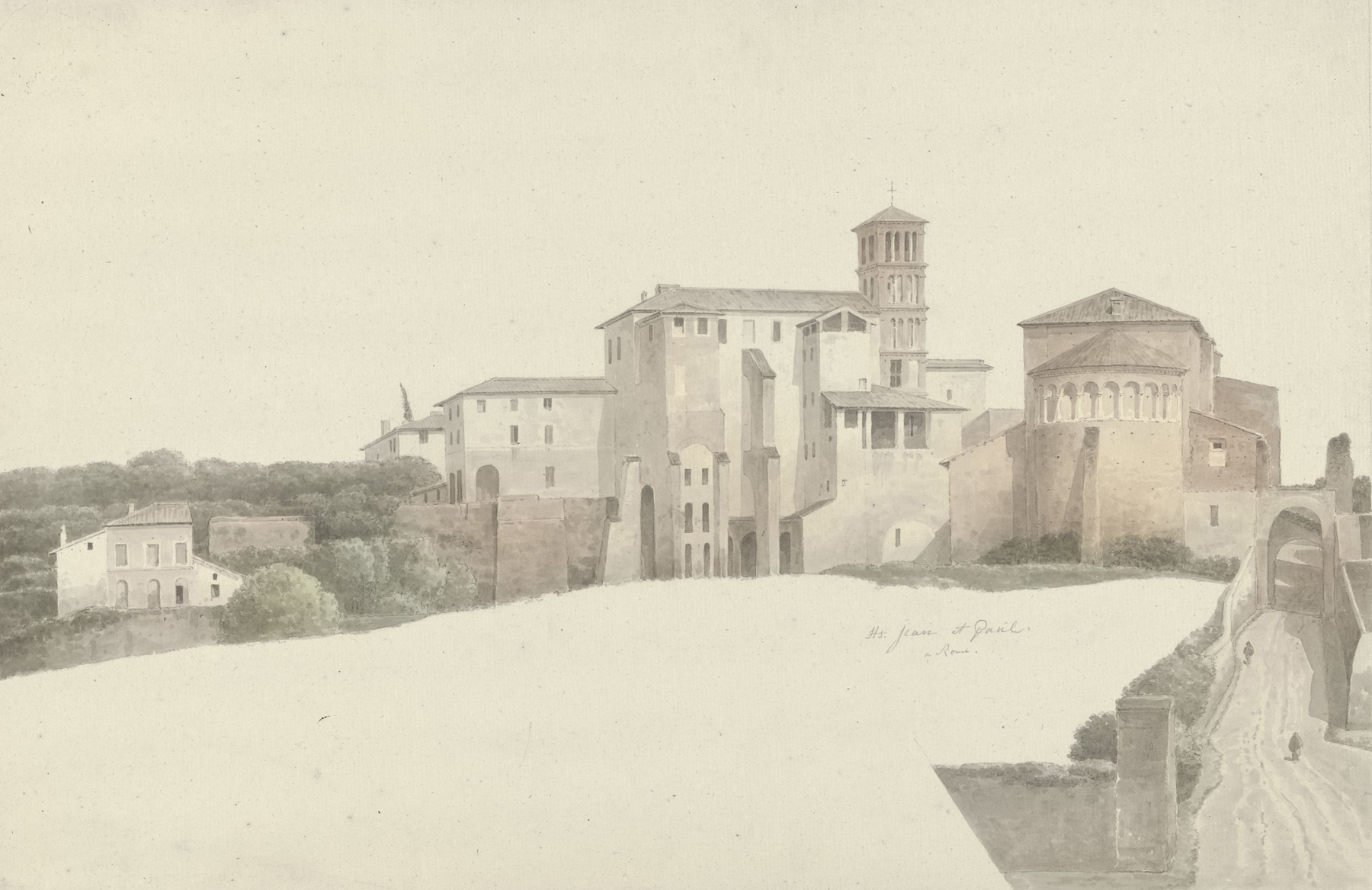
“Every silence here is a confession.” In the interplay of light and shadow, secrets of the past rise from the ancient stones, whispering tales of time long faded. Look closely at the luminous sky that bathes the scene; the soft palette of blues and whites invites you to explore the ethereal quality that envelops the Temple of Vesta. Notice the gentle illumination cascading over the temple’s columns, highlighting their classical elegance while casting elongated shadows that ground the structure in the verdant landscape. The careful rendering of foliage, with its varied greens, adds a dynamic contrast, drawing the eye toward the architectural masterpiece at the center.
Beyond the beauty lies a deeper narrative — a juxtaposition of permanence and transience. The temple, a symbol of religious devotion, contrasts with the fleeting nature of the light, suggesting that even the sacred can be touched by time’s relentless passage. The stillness in the scene evokes a sense of reverence, compelling the viewer to reflect on the intersection of history and memory, while the delicate play of light alludes to the duality of hope and loss inherent in our mortal existence.
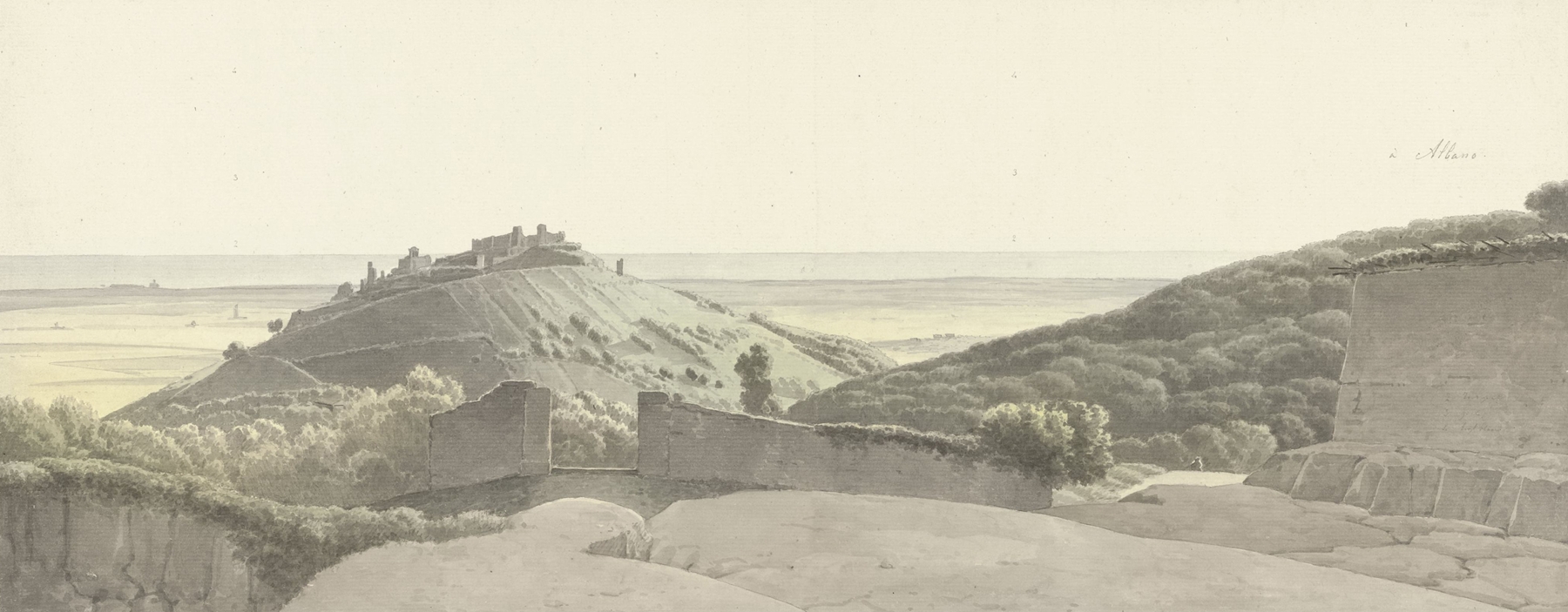
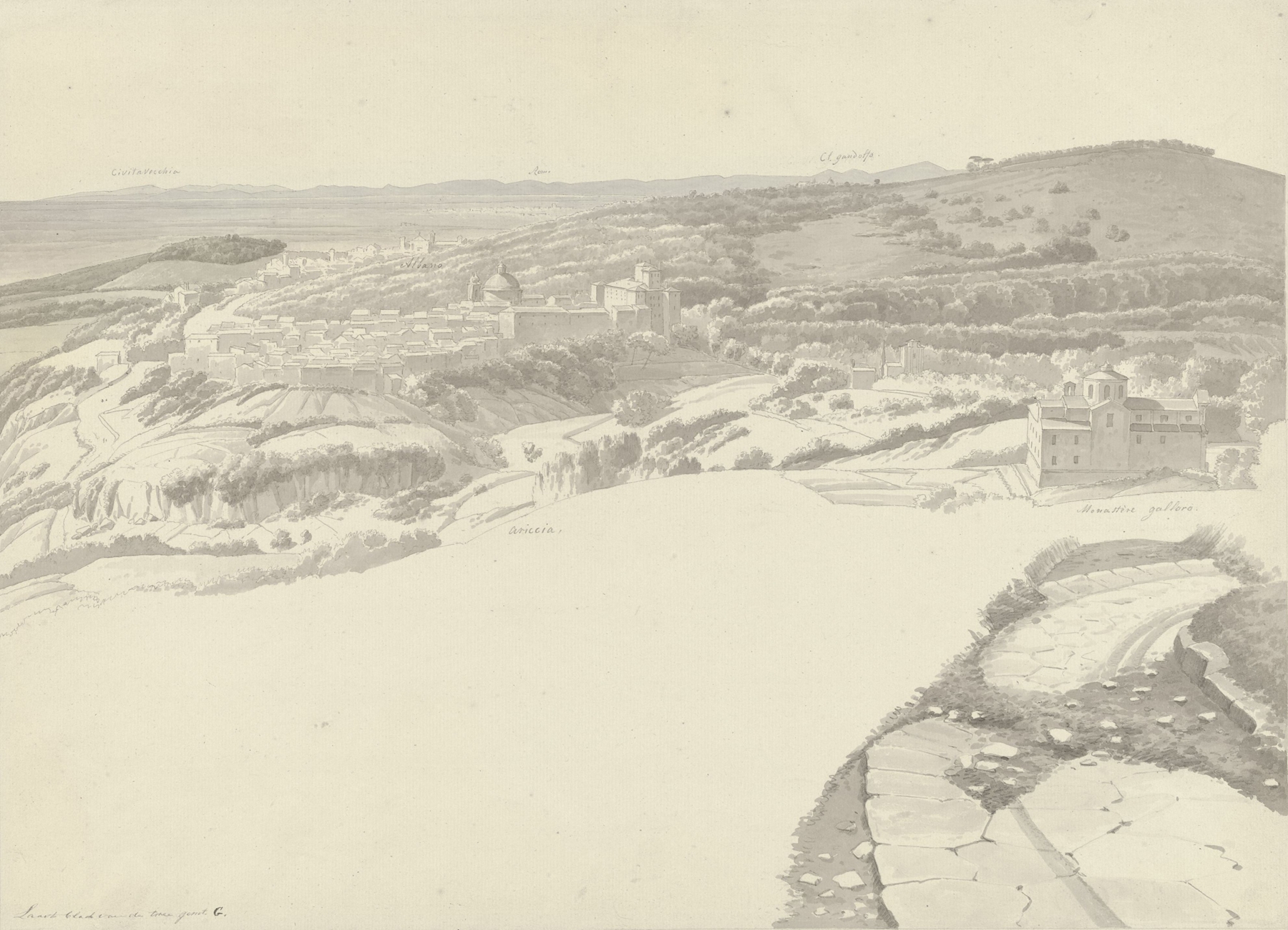
During the early 1800s, while living in Italy, the artist captured this image amidst a growing admiration for classical antiquity within the artistic community. The period marked a transition toward Romanticism, where artists sought to evoke emotion and celebrate nature. Knip’s work, painted roughly between 1809 and 1812, reflects this shift, embodying a reverence for the past while simultaneously engaging with contemporary artistic ideals.