The Thatched Cottage — History & Analysis
Can beauty exist without sorrow? The delicate charm of a thatched cottage nestled in nature whispers of solitude, capturing a moment where isolation and allure intertwine. Look to the left at the rustic thatched roof, its texture contrasting with the softness of the surrounding greenery. Notice how the light dances across the cottage’s weathered stones, highlighting their age and history.
The painter’s gentle brushstrokes breathe life into the scene, blending earthy tones with hints of vibrant greens, creating an inviting yet melancholic atmosphere. In this tranquil depiction, the interplay of shadow and light evokes a poignant tension. The cottage, while picturesque, stands alone, symbolizing the loneliness that often accompanies beauty. The surrounding trees loom gently, their branches reaching as if to embrace, yet they maintain a distance that underscores the solitude.
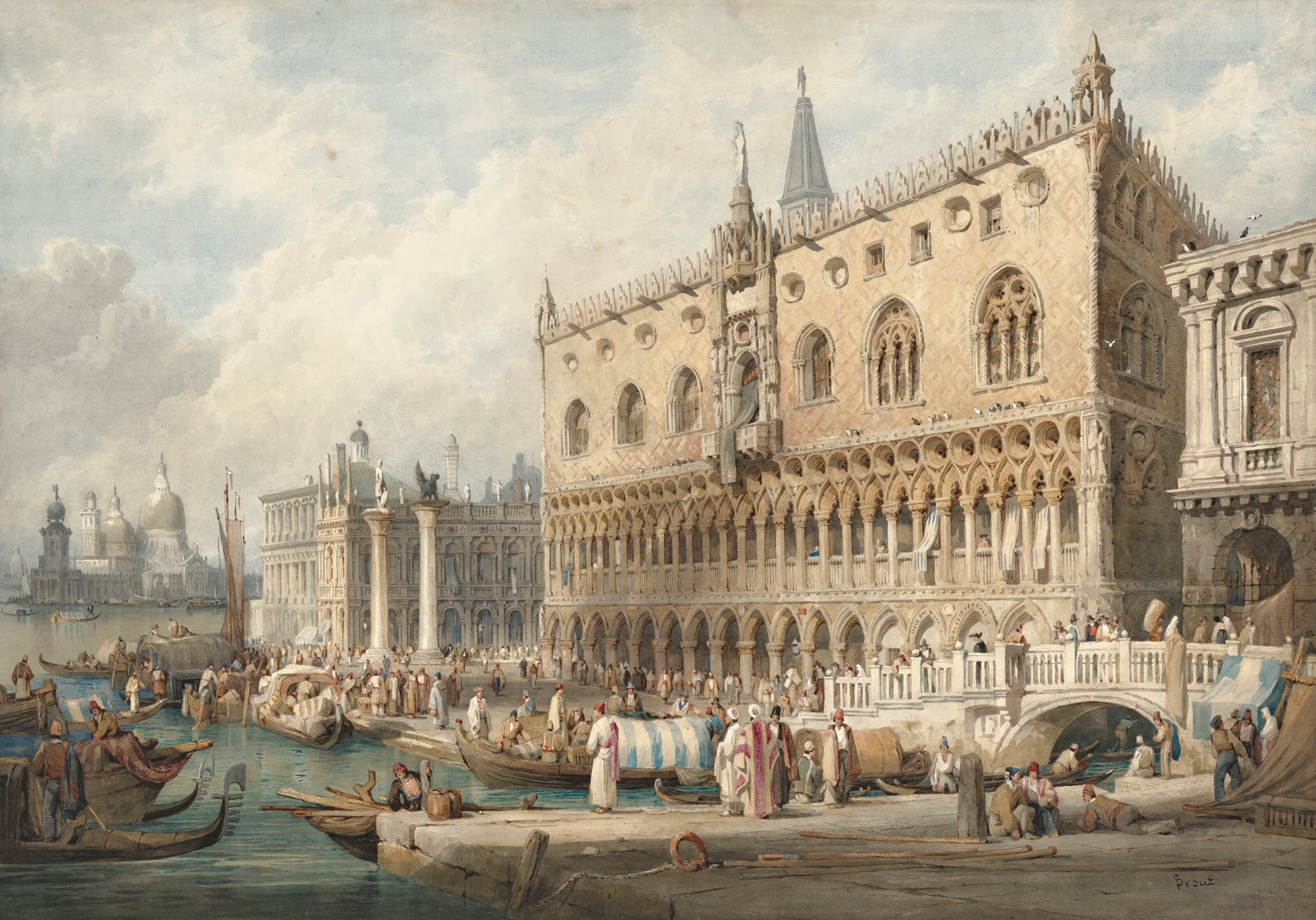
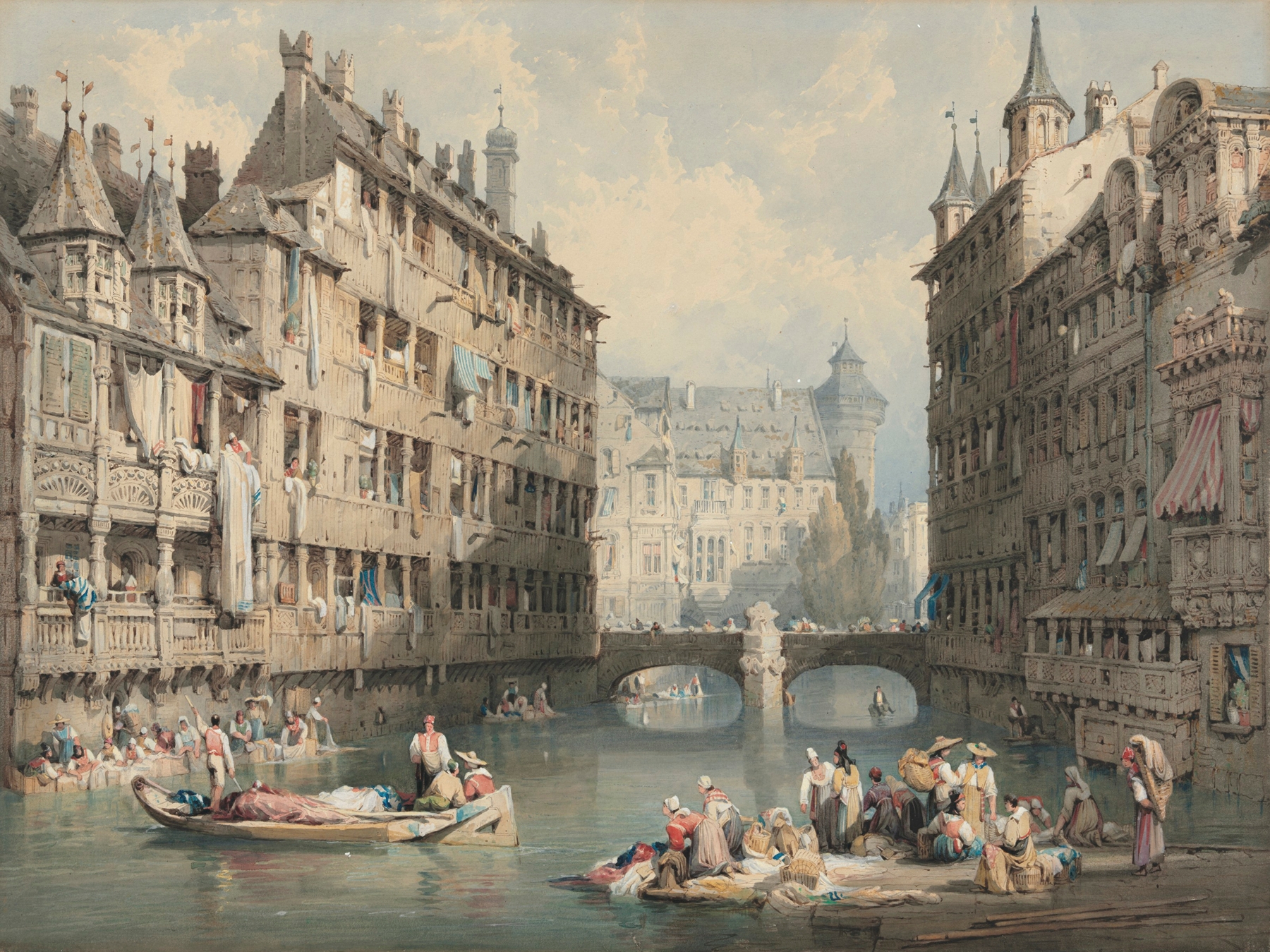
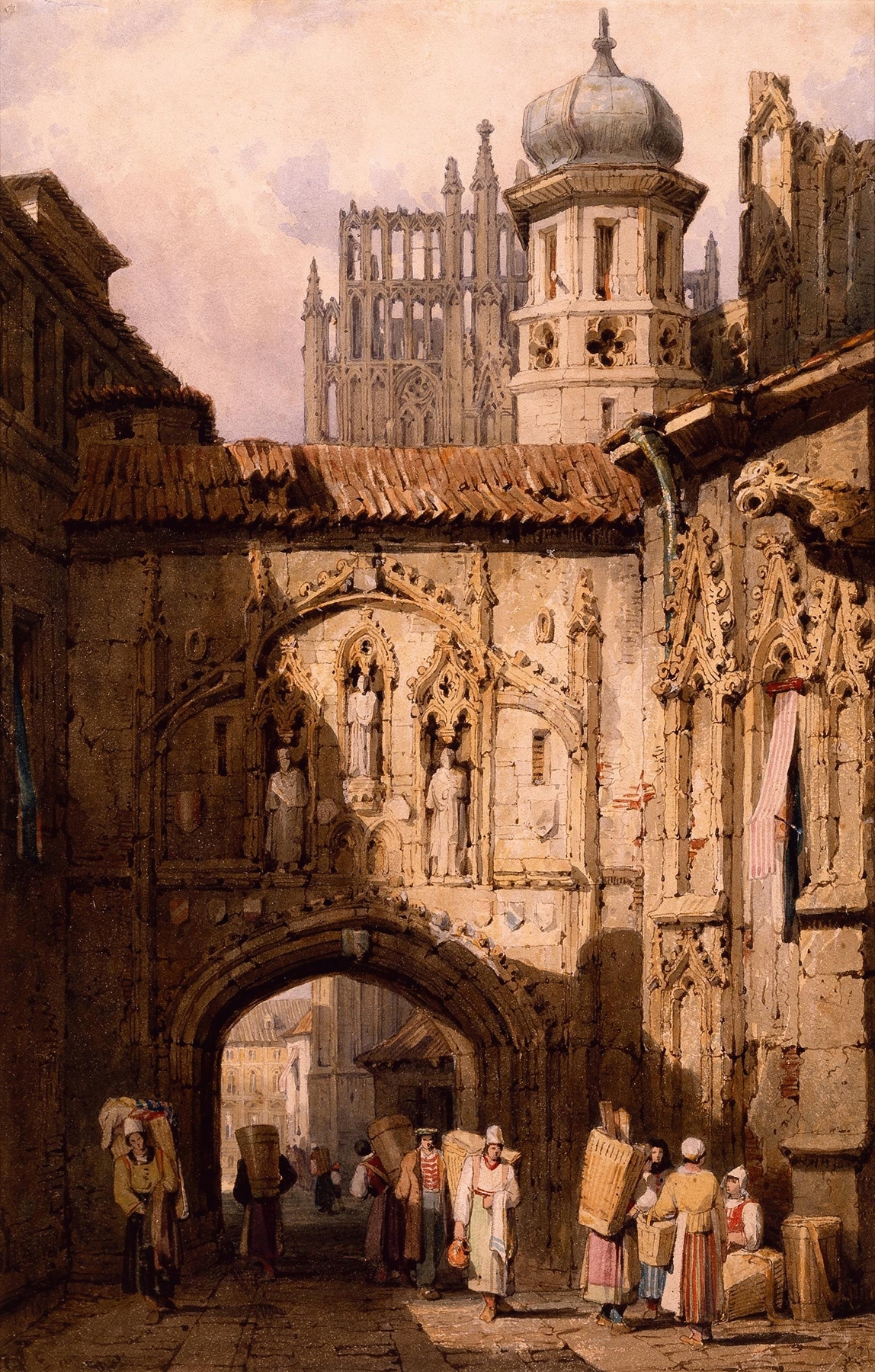
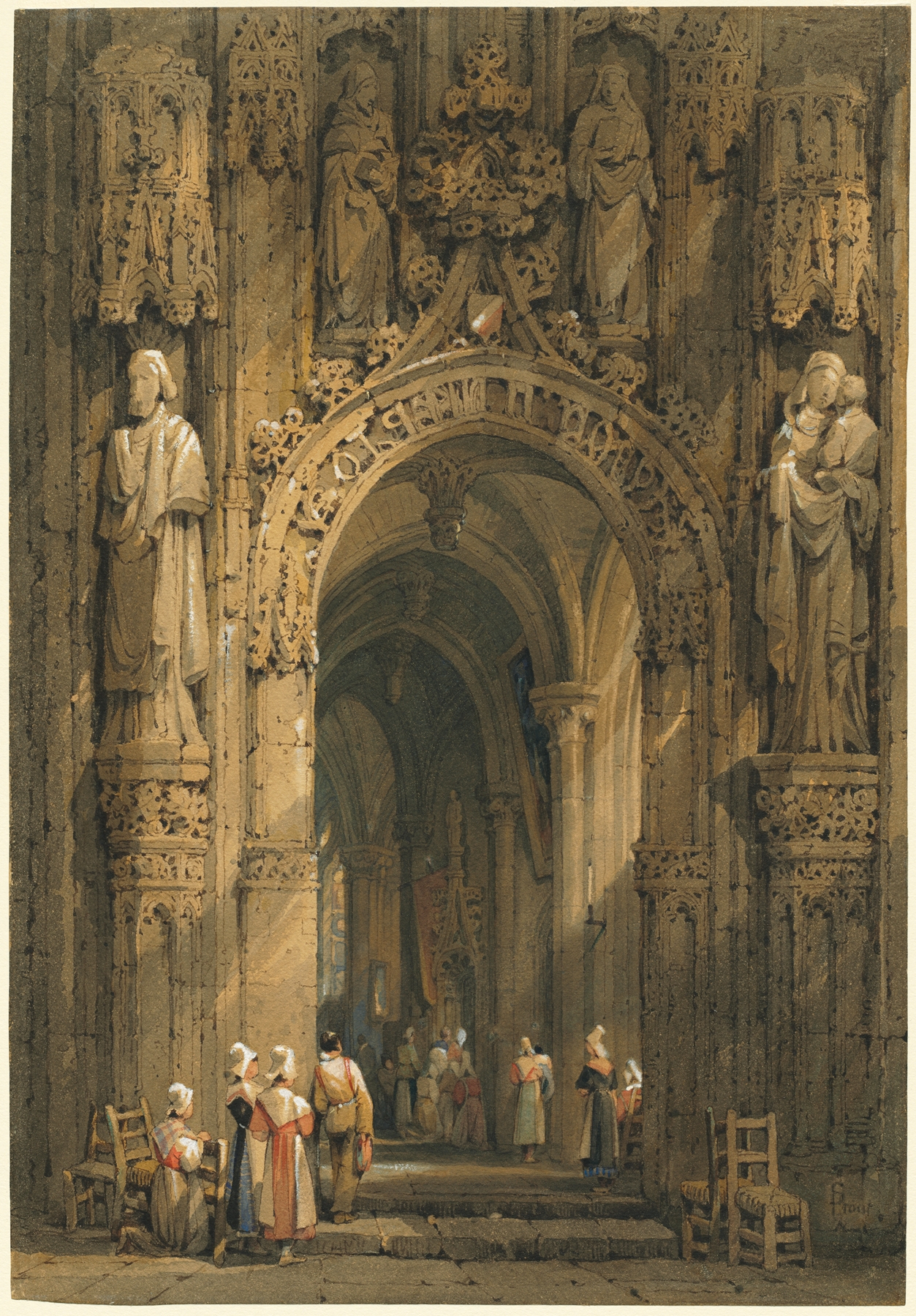
This contrast reveals a deeper narrative—of a serene exterior masking the emotional weight of isolation. Samuel Prout created this work during the early 19th century, a period marked by a growing interest in the picturesque and the sublime in British art. He worked primarily throughout England, capturing the essence of rural life and architecture. At this time, artists were transitioning from Romanticism to a more nuanced exploration of the landscape, reflecting both the beauty and the sometimes unspoken sorrows of isolation in rural settings.