The Tithe Barn at Abbotsbury with the Abbey on the hill… — History & Analysis
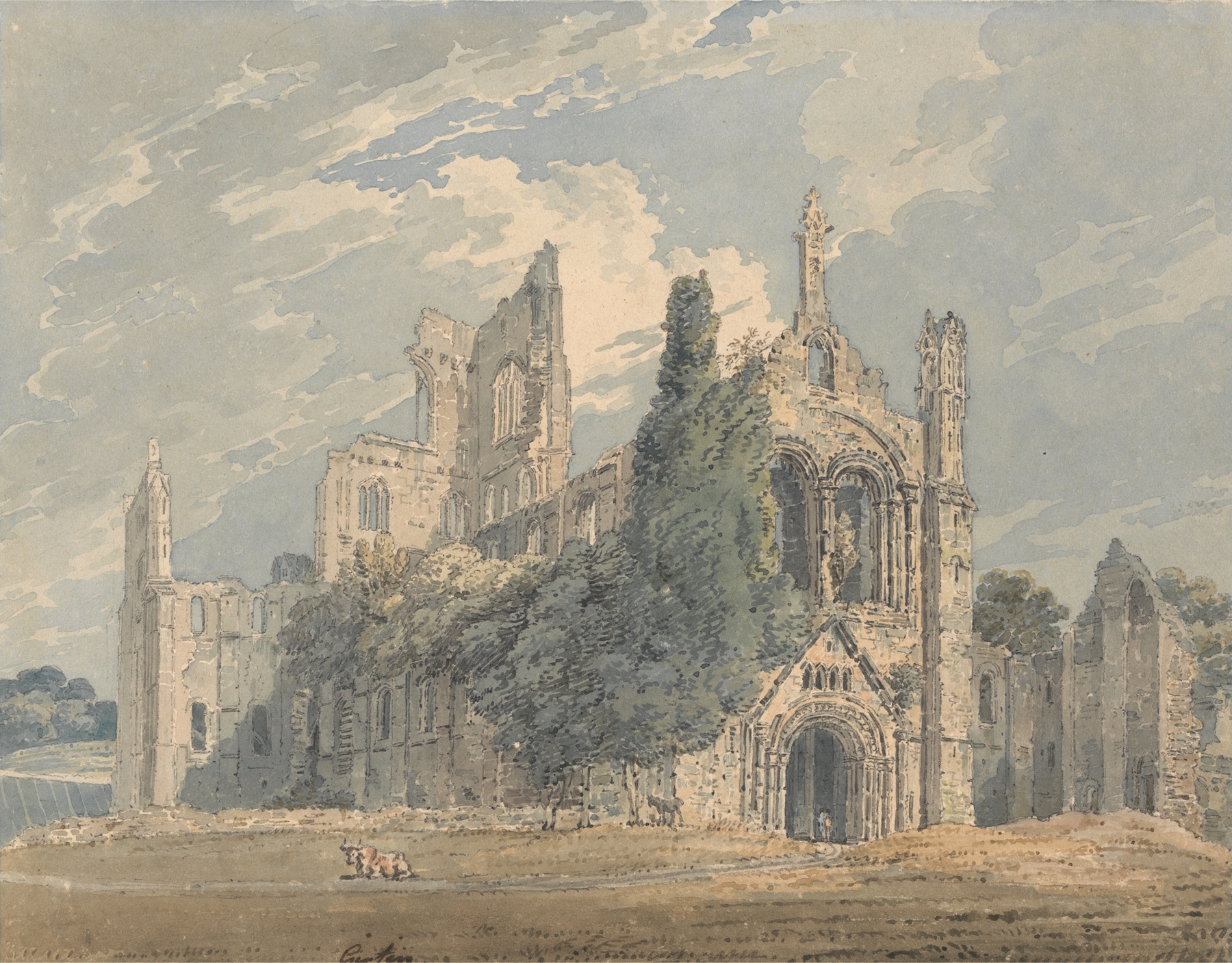
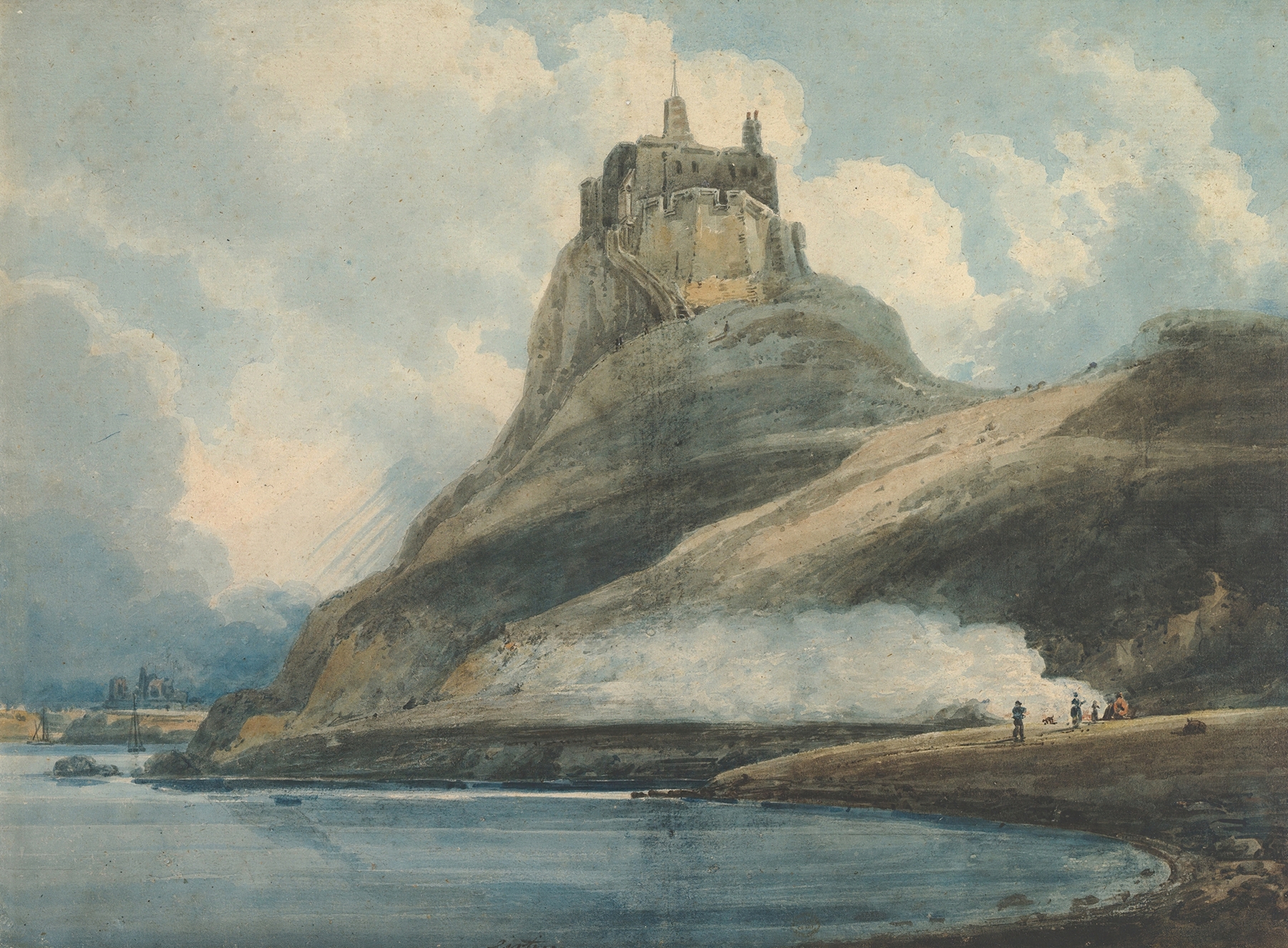
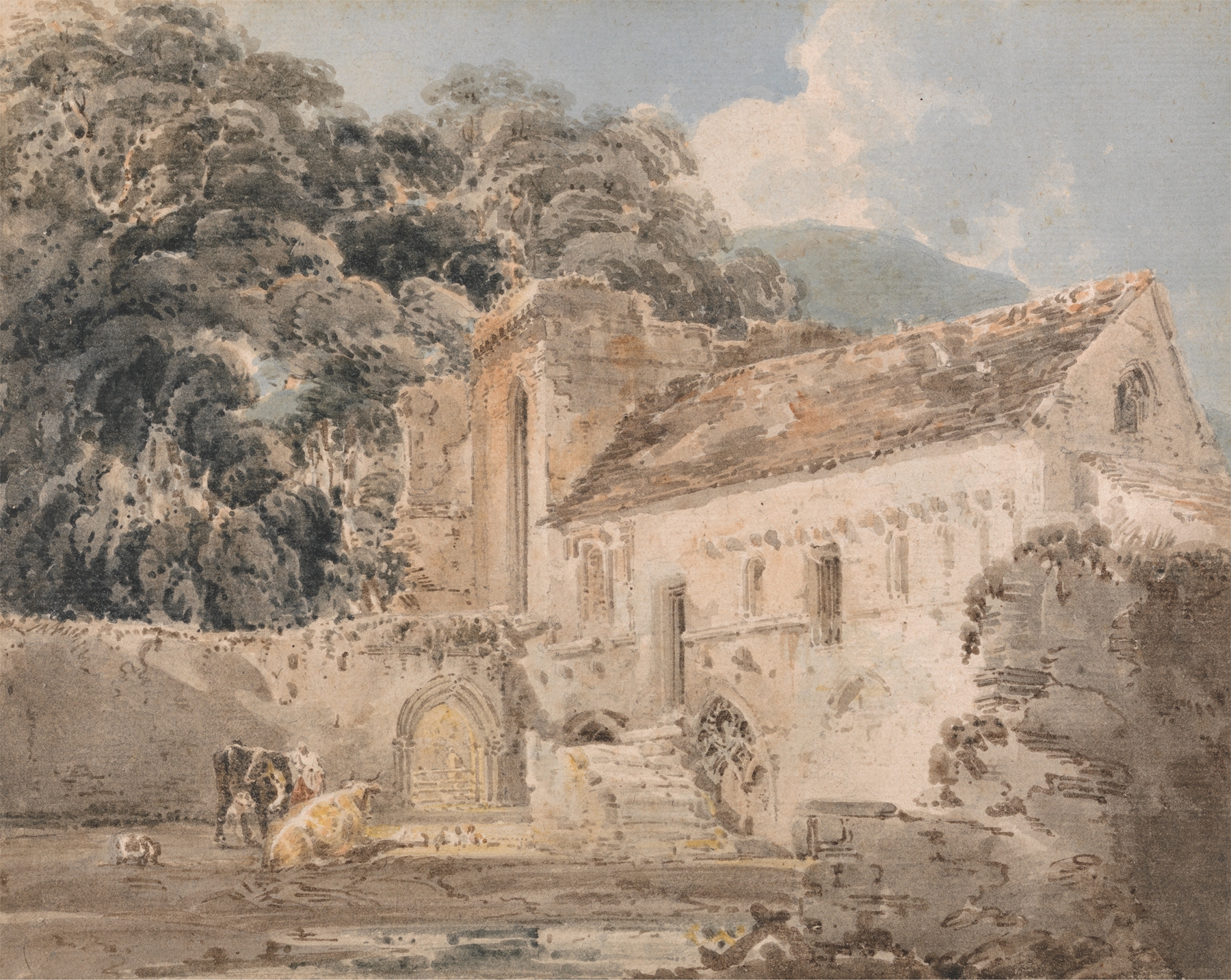
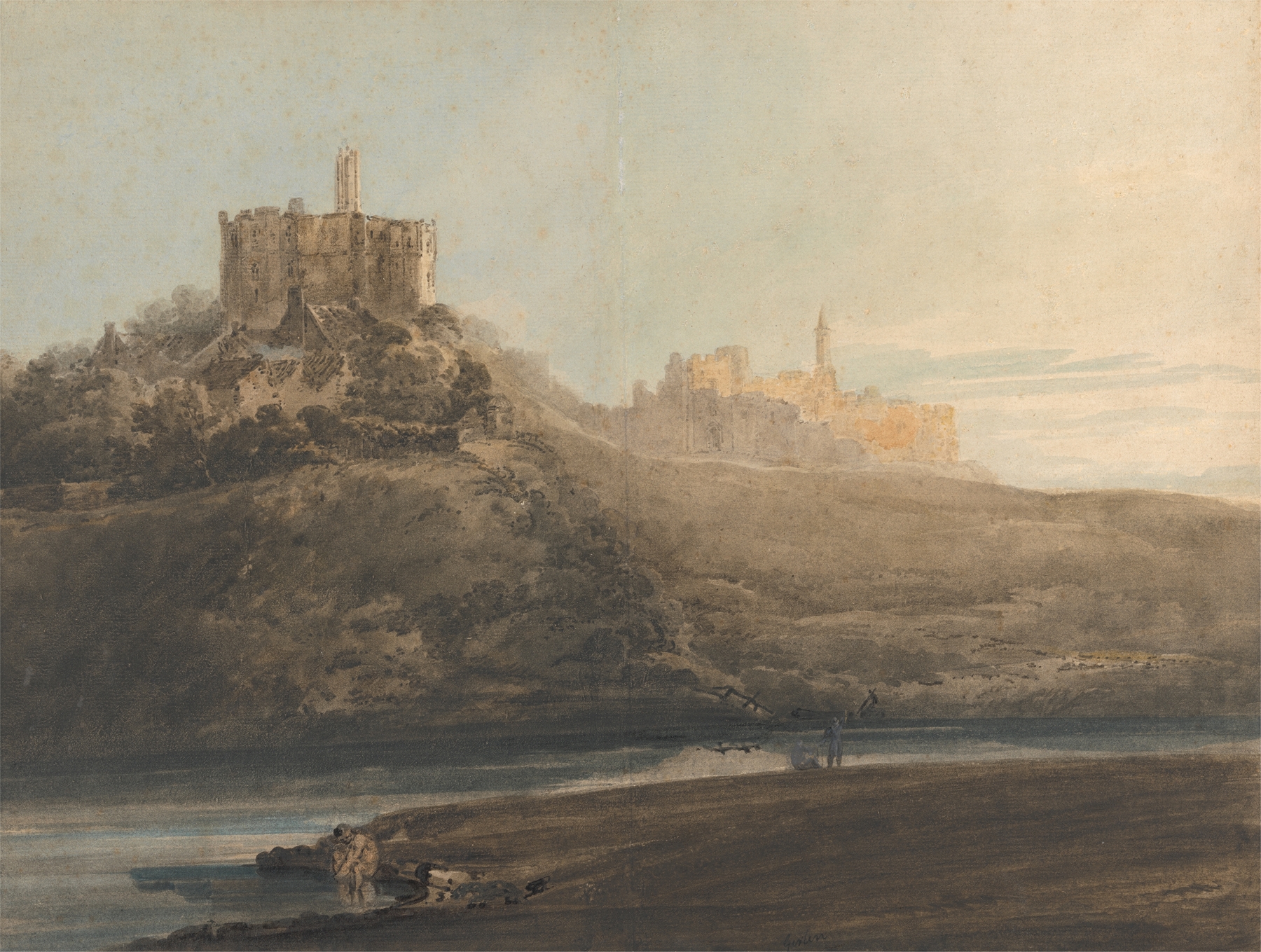
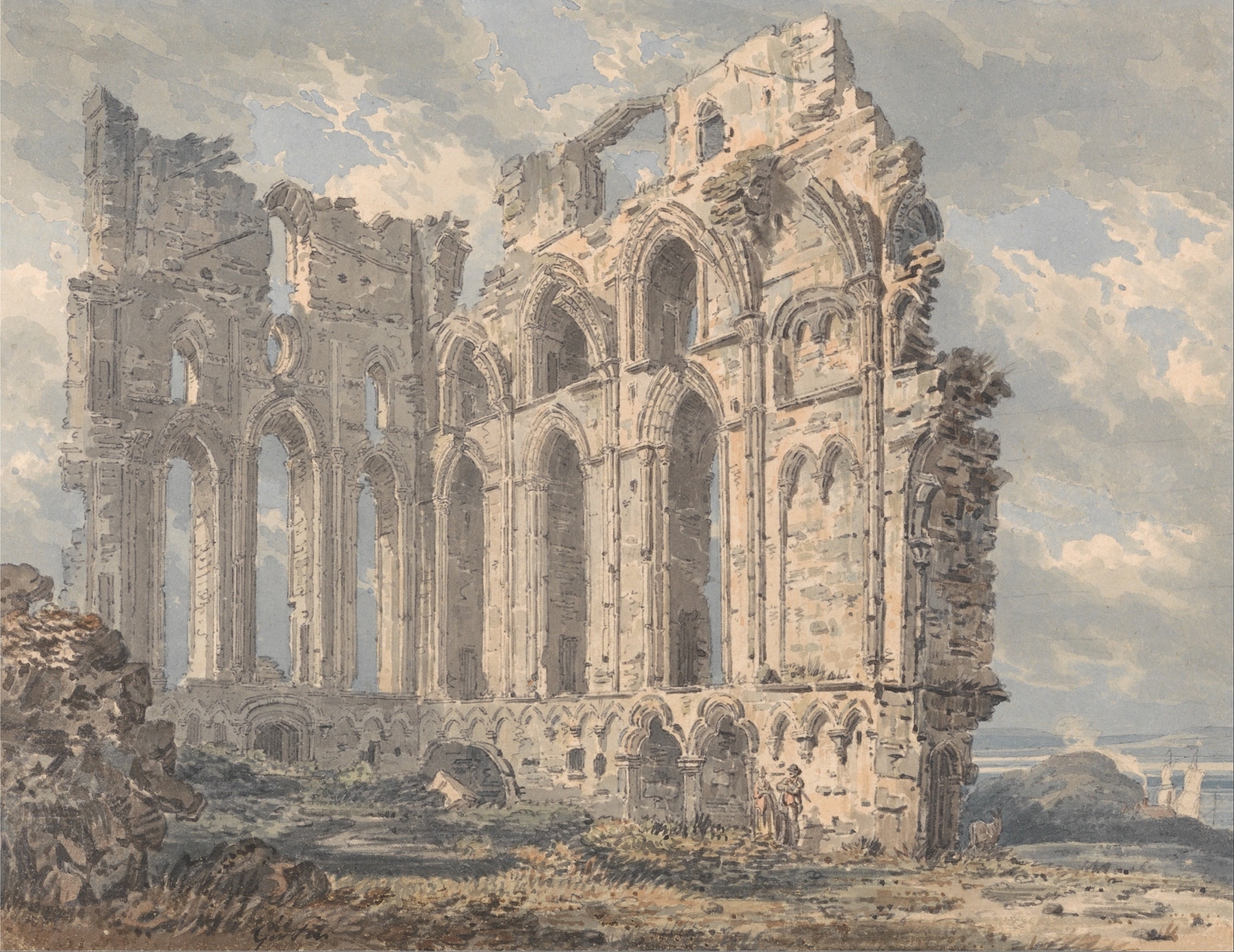
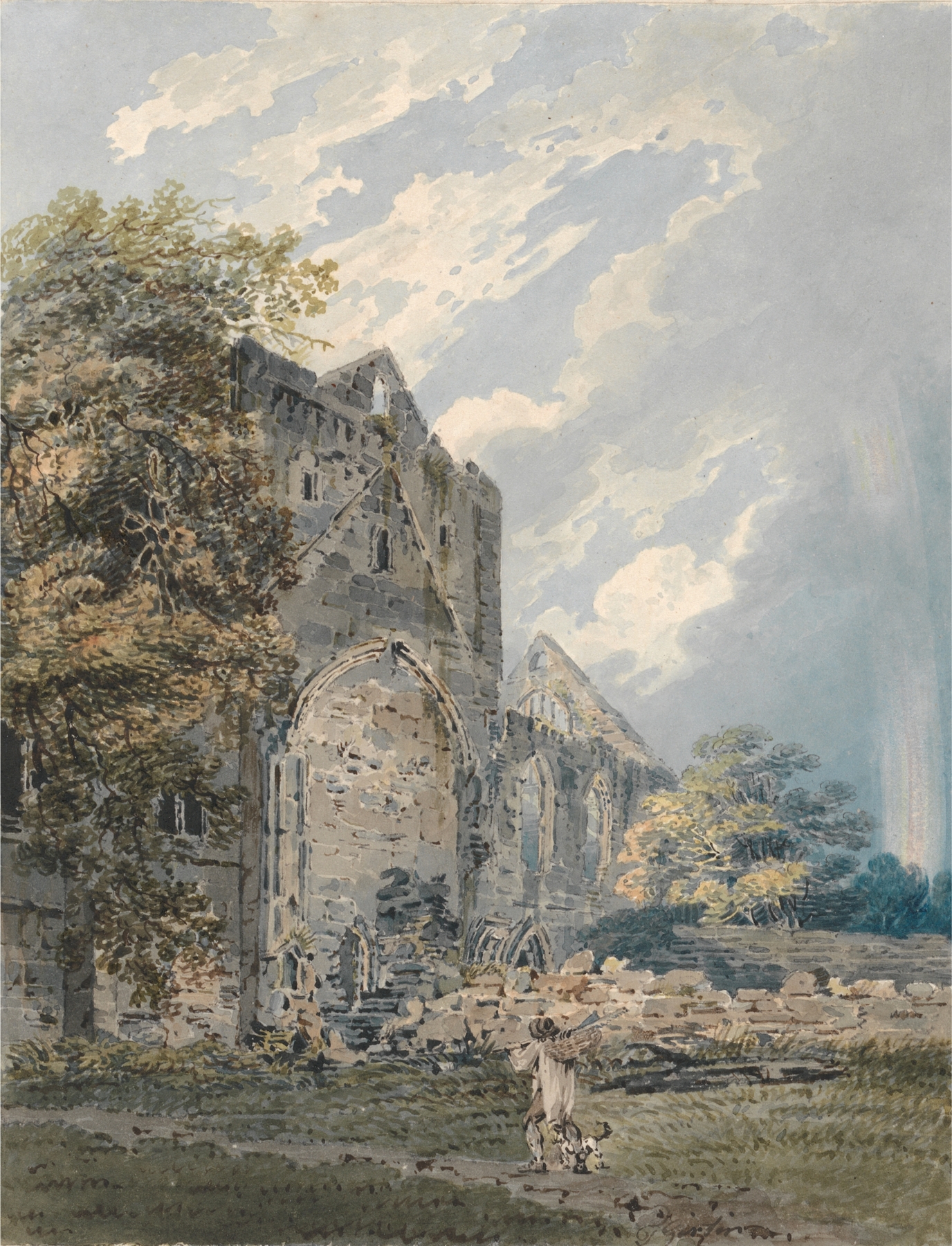
Where does light end, and longing begin? In the delicate interplay of shadow and illumination, The Tithe Barn at Abbotsbury invites contemplation of both place and spirit, revealing the profound connection between humanity and the landscapes that cradle it. Look to the left at the imposing silhouette of the barn, a sturdy structure standing resolute against the gentle undulations of the hill. The artist’s deft brushwork captures the sunlit façade with a golden warmth that contrasts starkly with the cooler tones of the surrounding foliage.
Notice how the soft clouds drift lazily above, casting playful shadows that dance across the ground, guiding your gaze toward the distant abbey crowned with light. This harmonious composition, marked by its rich palette, evokes a sense of serene nostalgia intertwined with the beauty of nature’s bounty. Within this scene, contrasts emerge: the rustic simplicity of the barn juxtaposed with the ethereal beauty of the abbey, suggesting a dialogue between earthly toil and spiritual aspiration. The barn represents the daily life of the villagers, their labor immortalized in its sturdy walls, while the abbey stands as a testament to higher ideals and aspirations.
The interplay of these elements raises questions about the balance between the sacred and the mundane, inviting viewers to reflect on their own place within this continuum of existence. In 1795, Thomas Girtin painted this landscape while living in London, a period marked by artistic experimentation and the rise of Romanticism. The natural world was increasingly being seen as a source of inspiration, reflecting both an appreciation for the sublime and the challenges of the industrial age encroaching upon rural life. Girtin’s work, characterized by its expressive use of color and form, captures a moment when the tension between nature and civilization was becoming ever more palpable.