The Valkhof at Nijmegen — History & Analysis
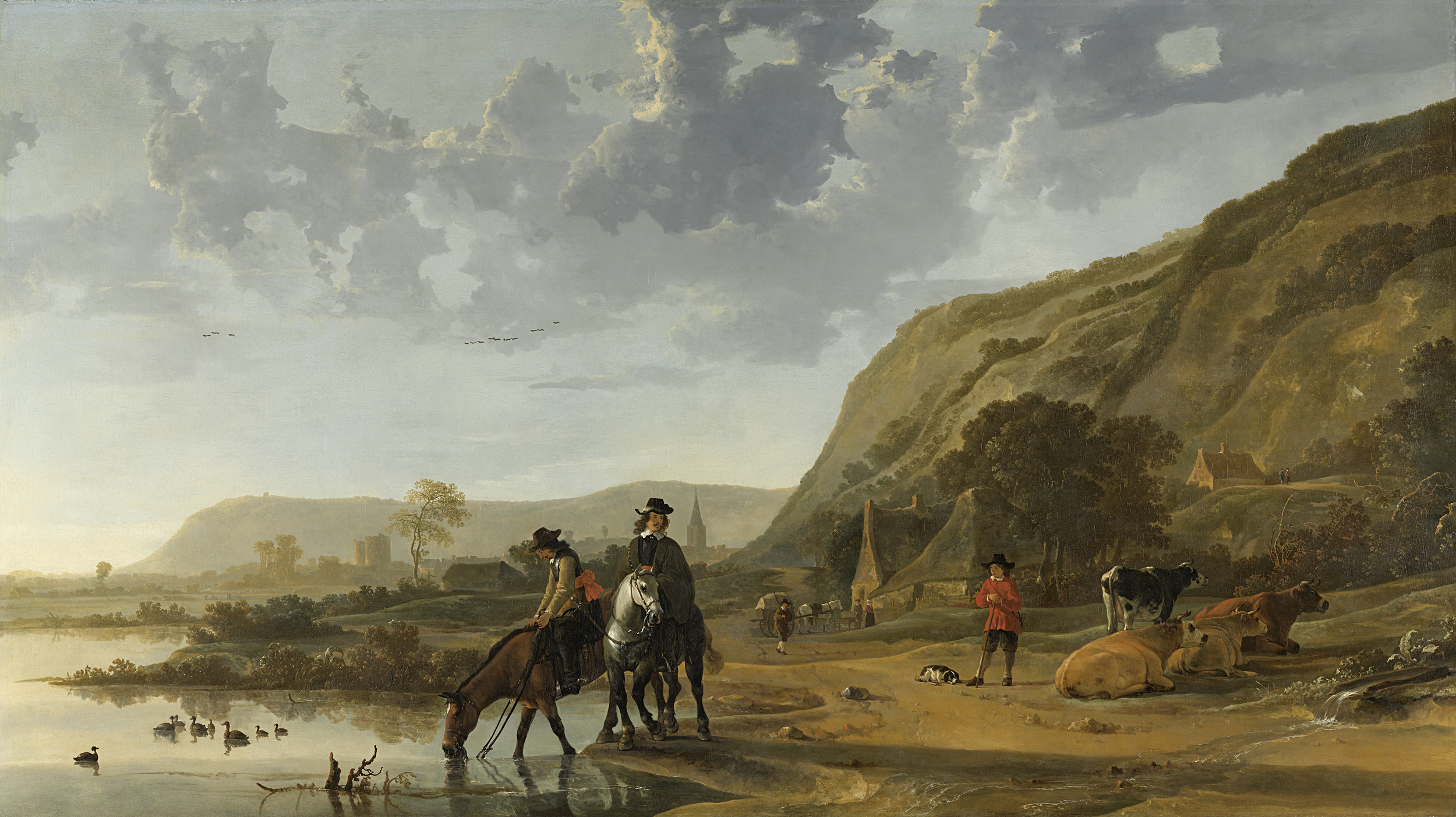
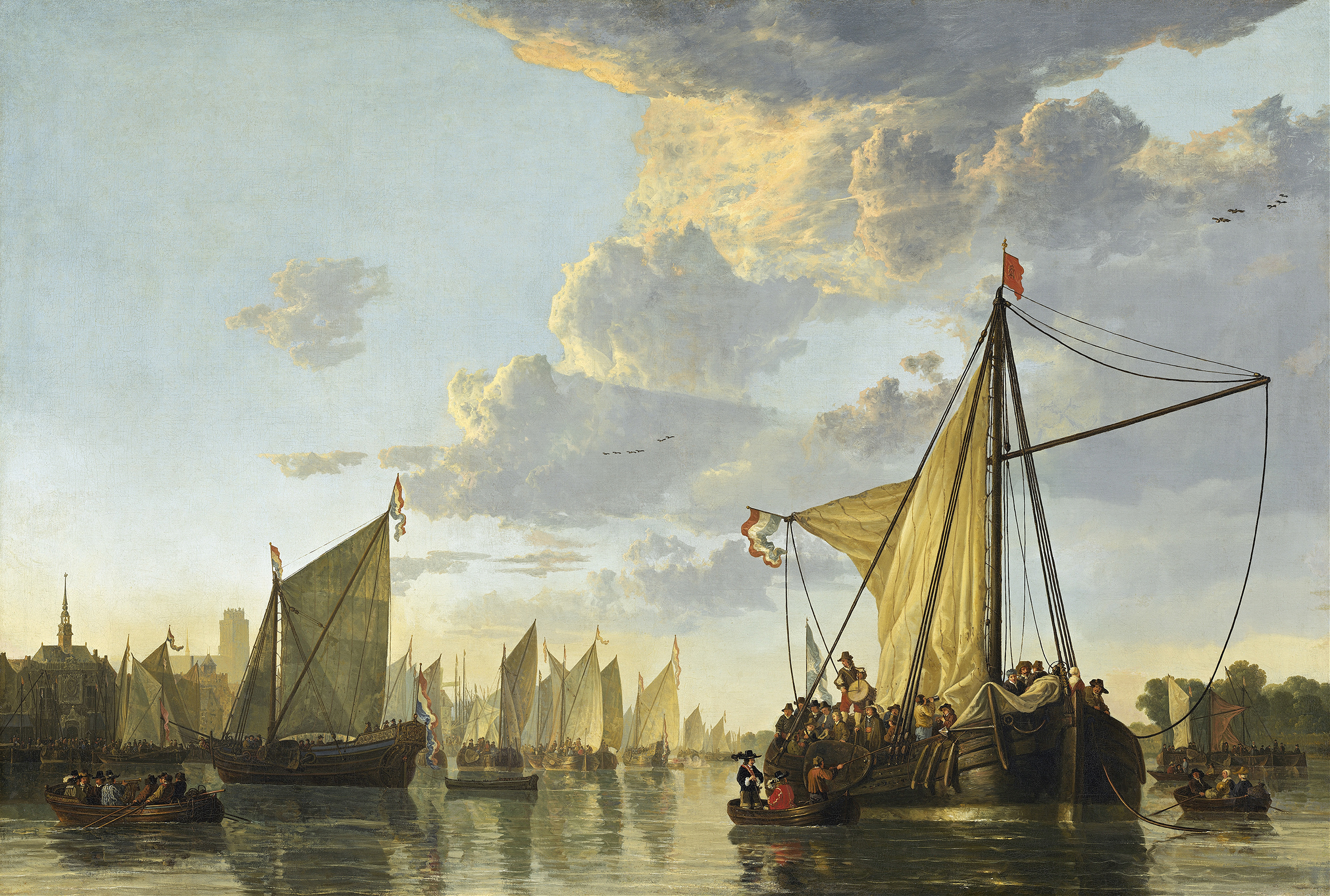
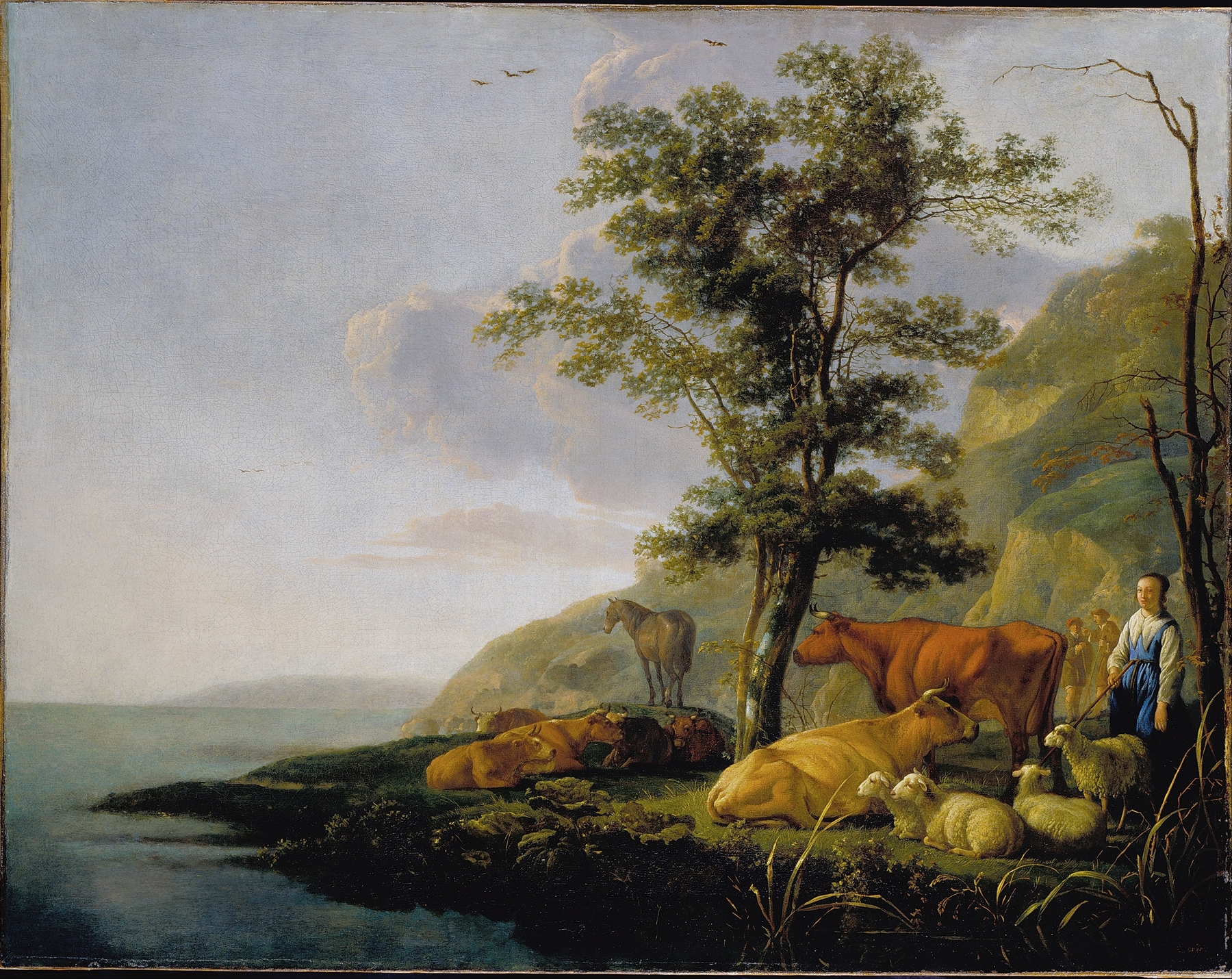
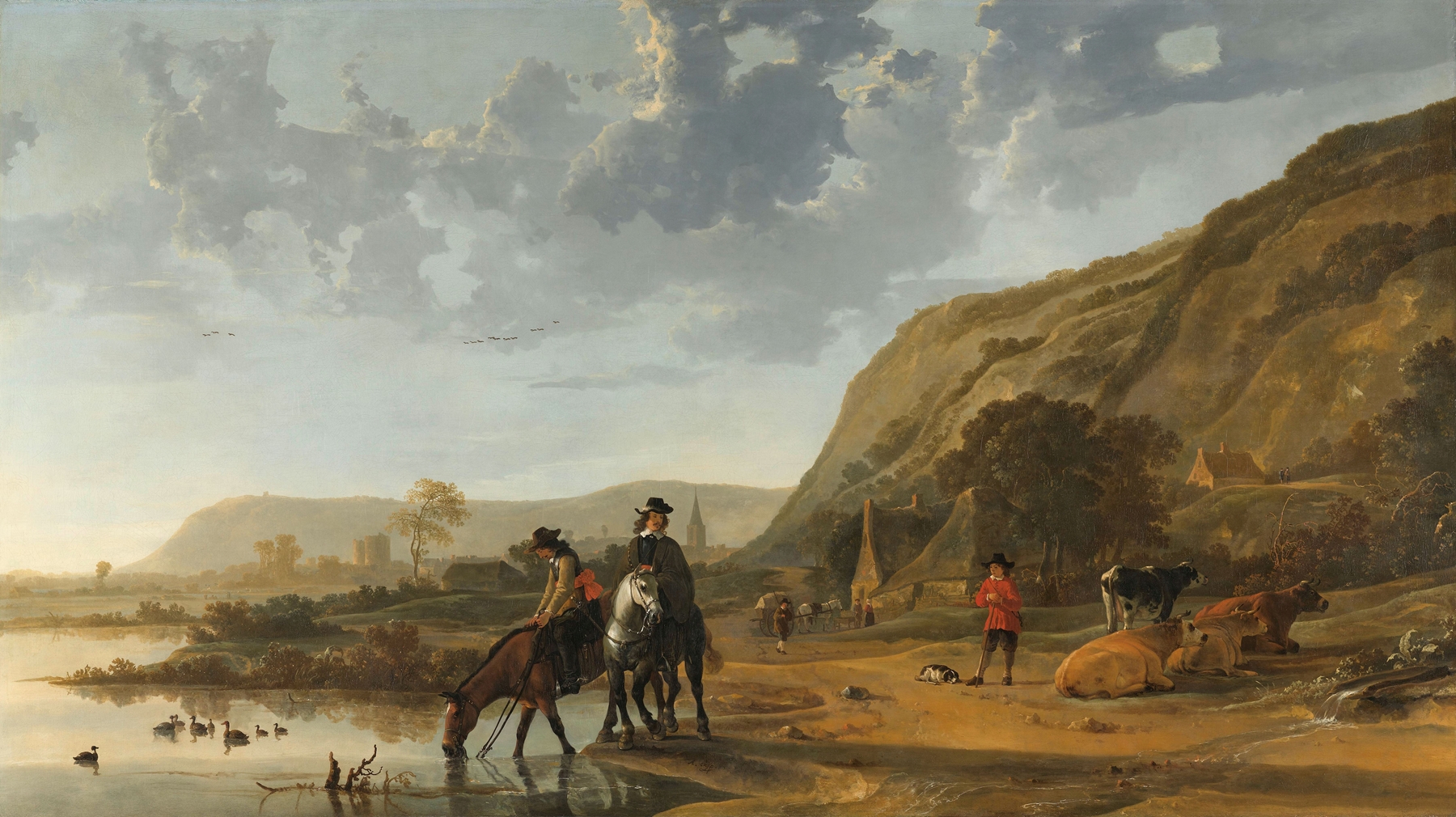
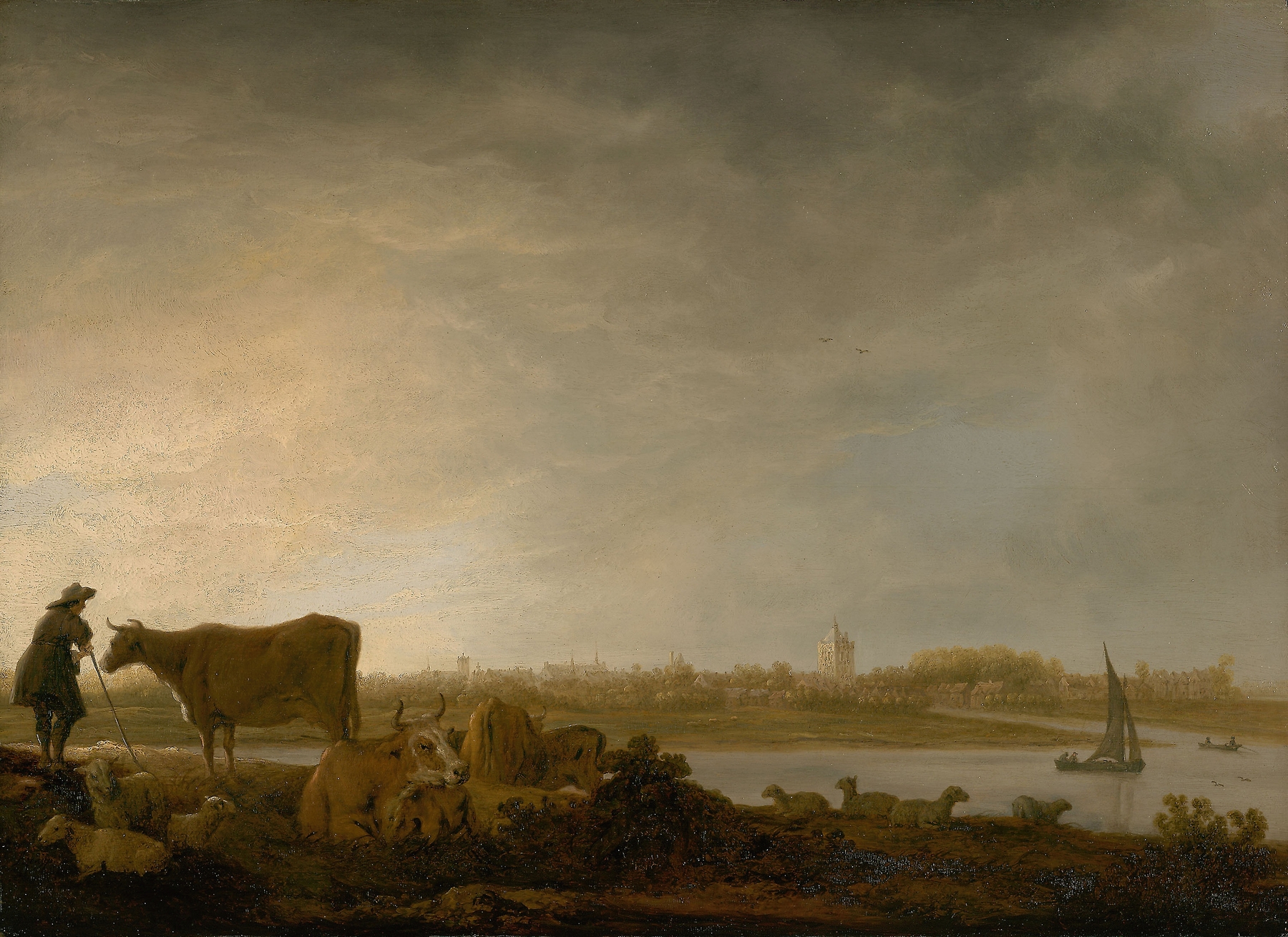
Can paint confess what words never could? In The Valkhof at Nijmegen, the stillness of time is palpable, inviting contemplation of moments lost and landscapes cherished. Look to the left at the softly lit castle ruins, their weathered stones bathed in the golden glow of late afternoon sun. The delicate brushwork captures the play of light and shadow, leading your gaze across the tranquil river, its surface reflecting a muted palette of blues and greens.
Notice how the figures in the foreground, seemingly engaged in quiet conversation, harmonize with the natural world, embodying a serene connection between humanity and nature. Within this scene lies a profound tension between permanence and transience. The majestic remnants of architecture stand sentinel against the passage of time, while the ephemeral beauty of the landscape, engulfed in warm hues, evokes a sense of nostalgia. The gentle ripples of the river further emphasize the flow of time, suggesting that though the past is etched in stone, it remains fluid and ever-changing.
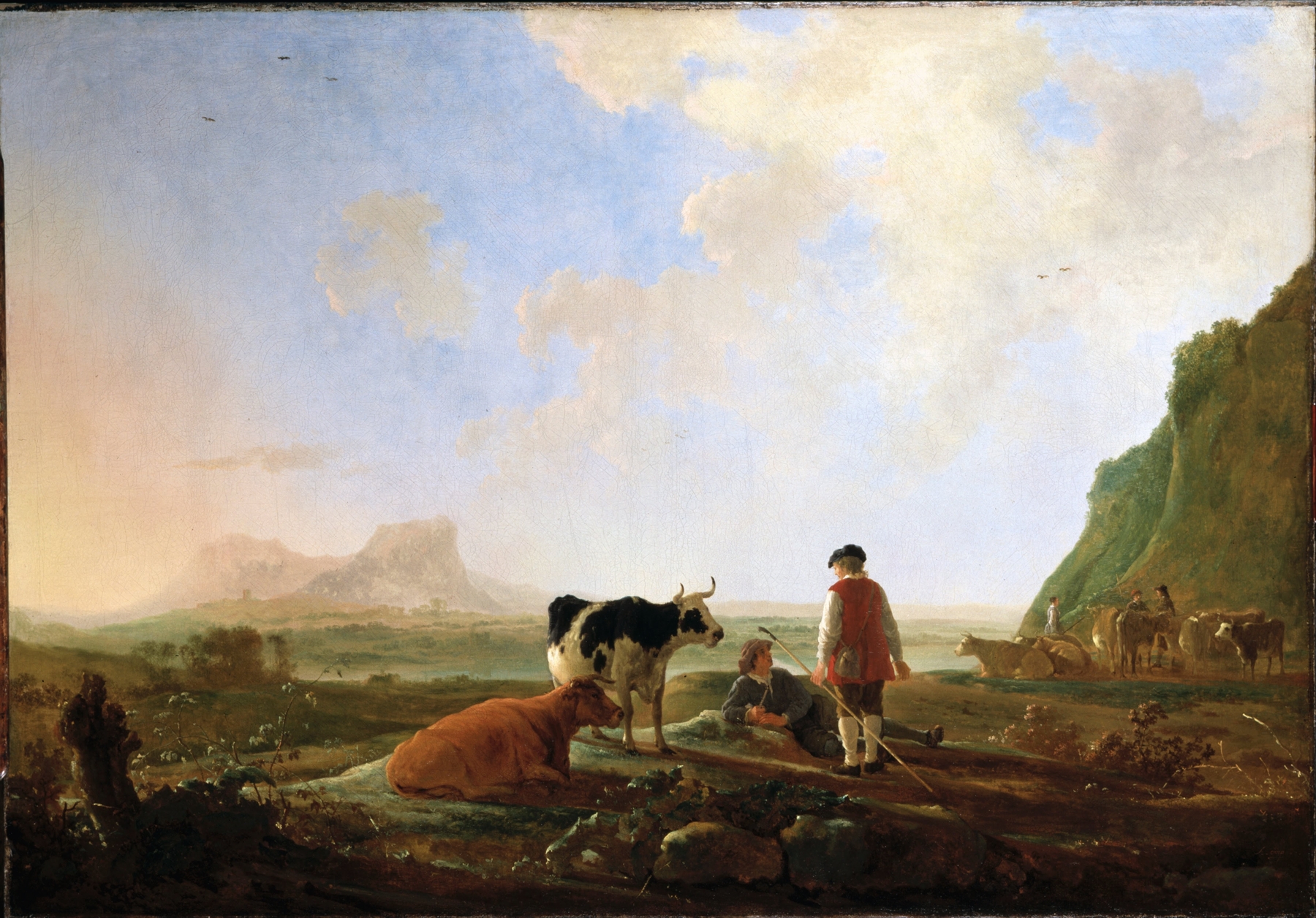
In the years 1652 to 1654, Aelbert Cuyp painted this work during a period marked by the burgeoning of the Dutch Golden Age. Living in Dordrecht, he was surrounded by the flourishing art scene that embraced realism and the complexities of light. The tranquility and grandeur of this piece reflect his desire to capture the essence of the Dutch landscape and the world around him, amidst a time of both personal exploration and cultural richness.