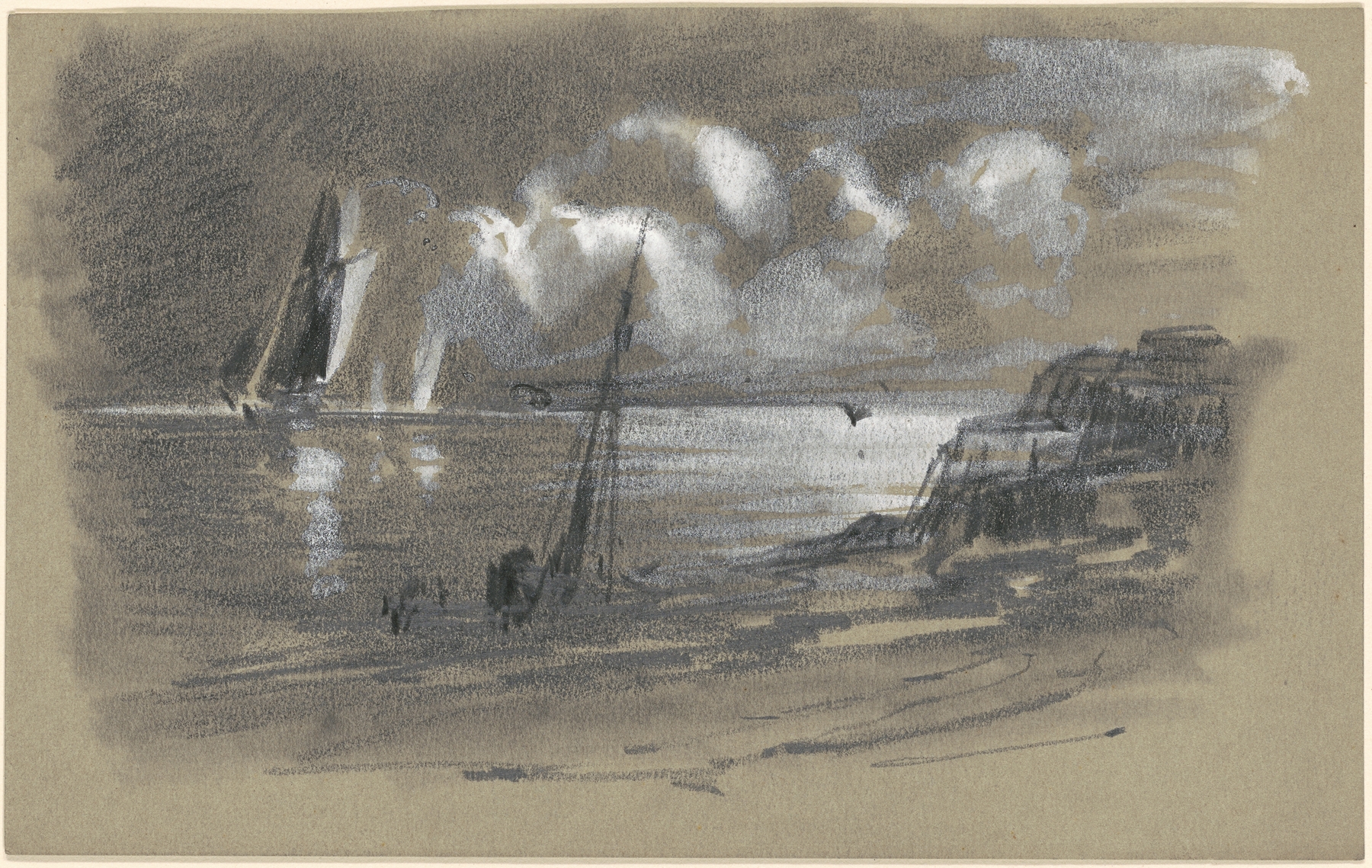
The Valley in the Sea — History & Analysis
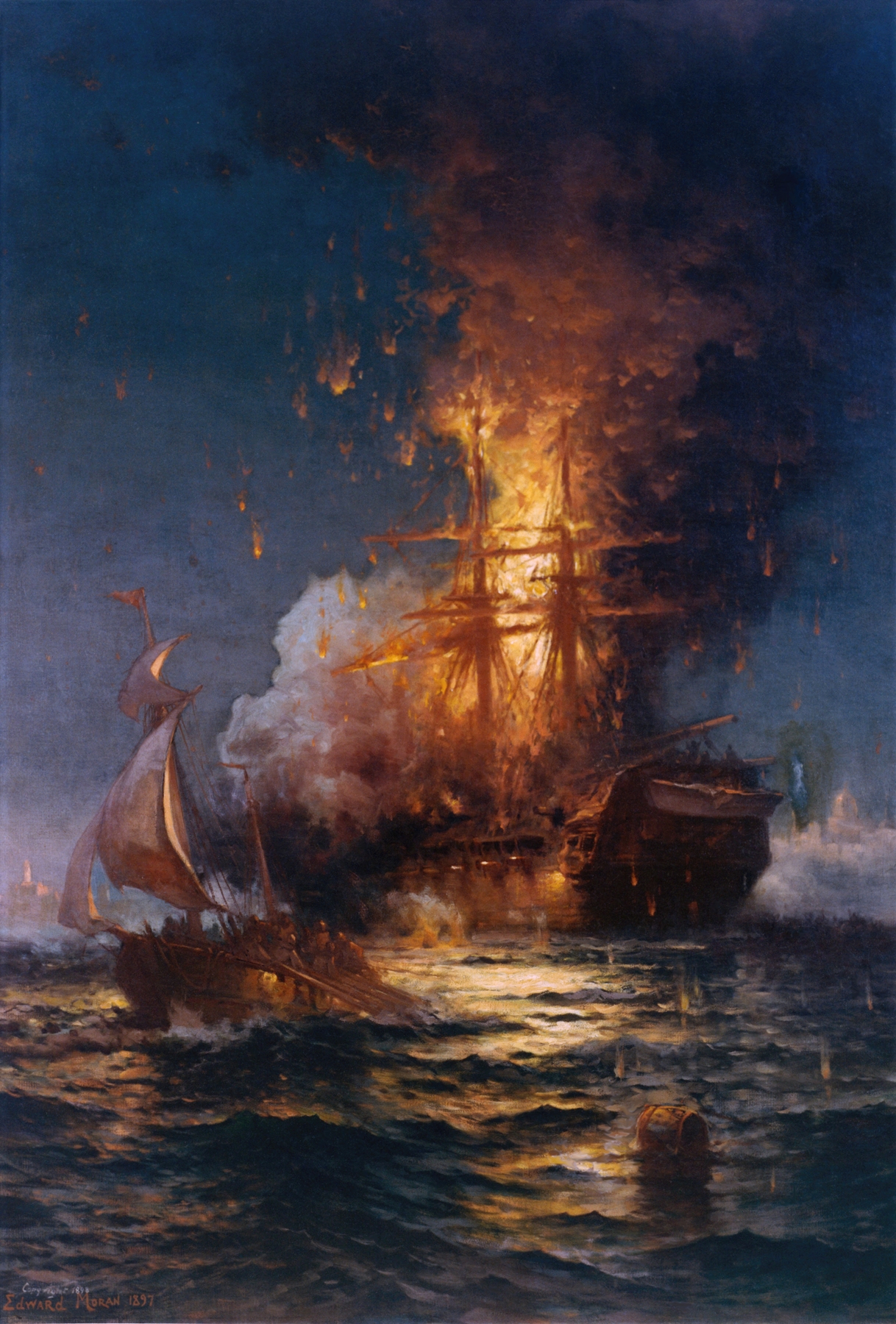
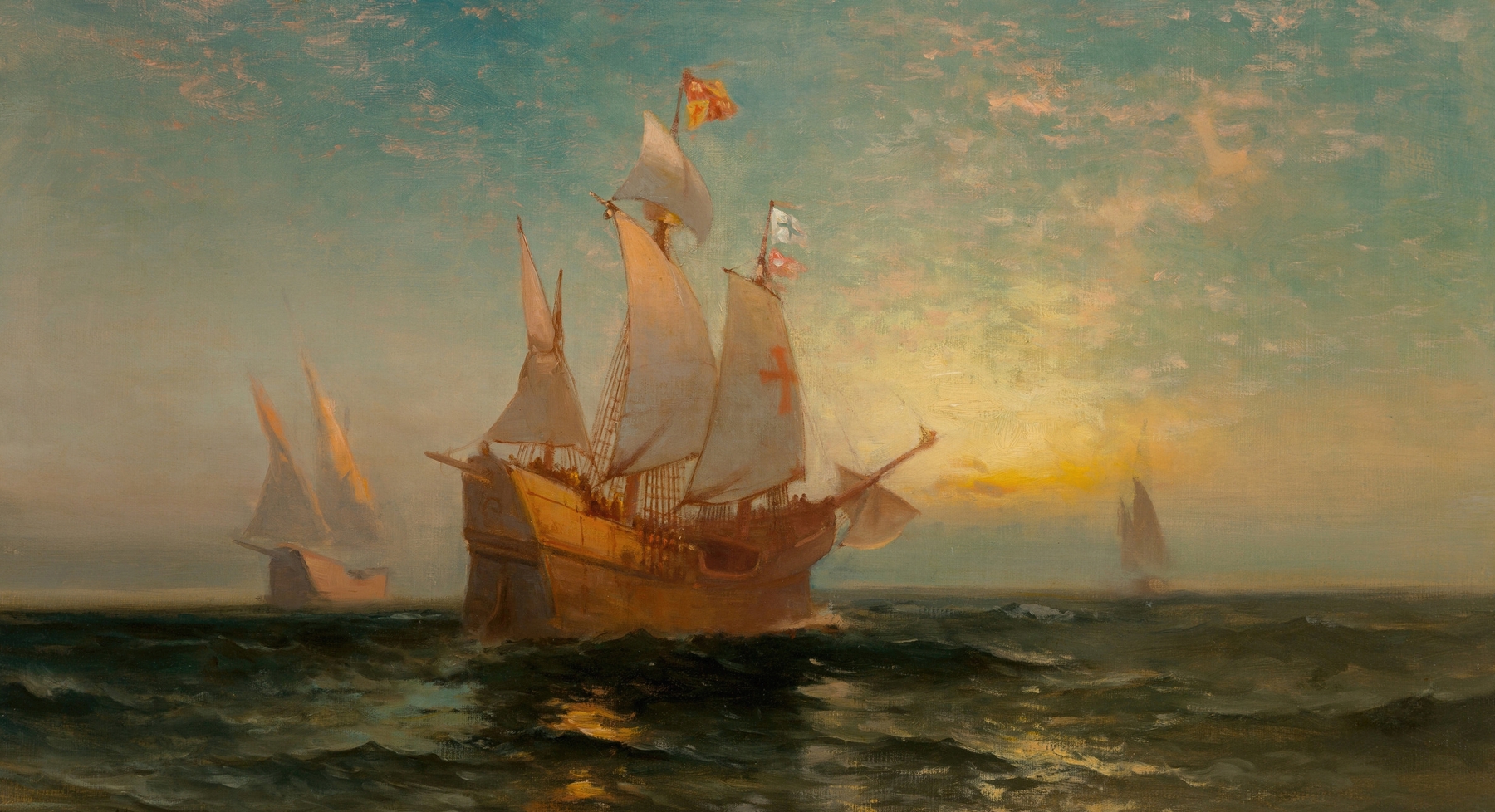
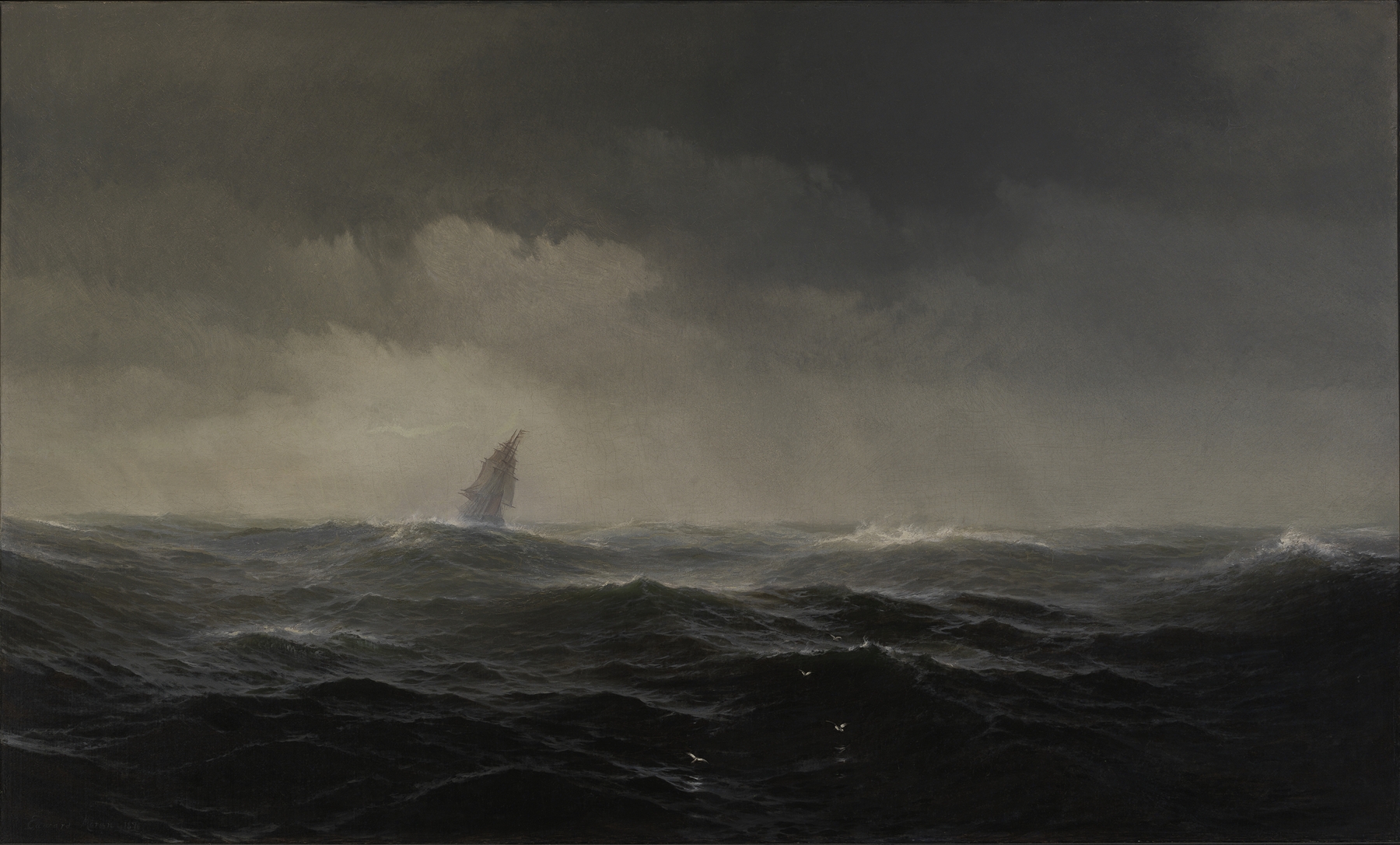
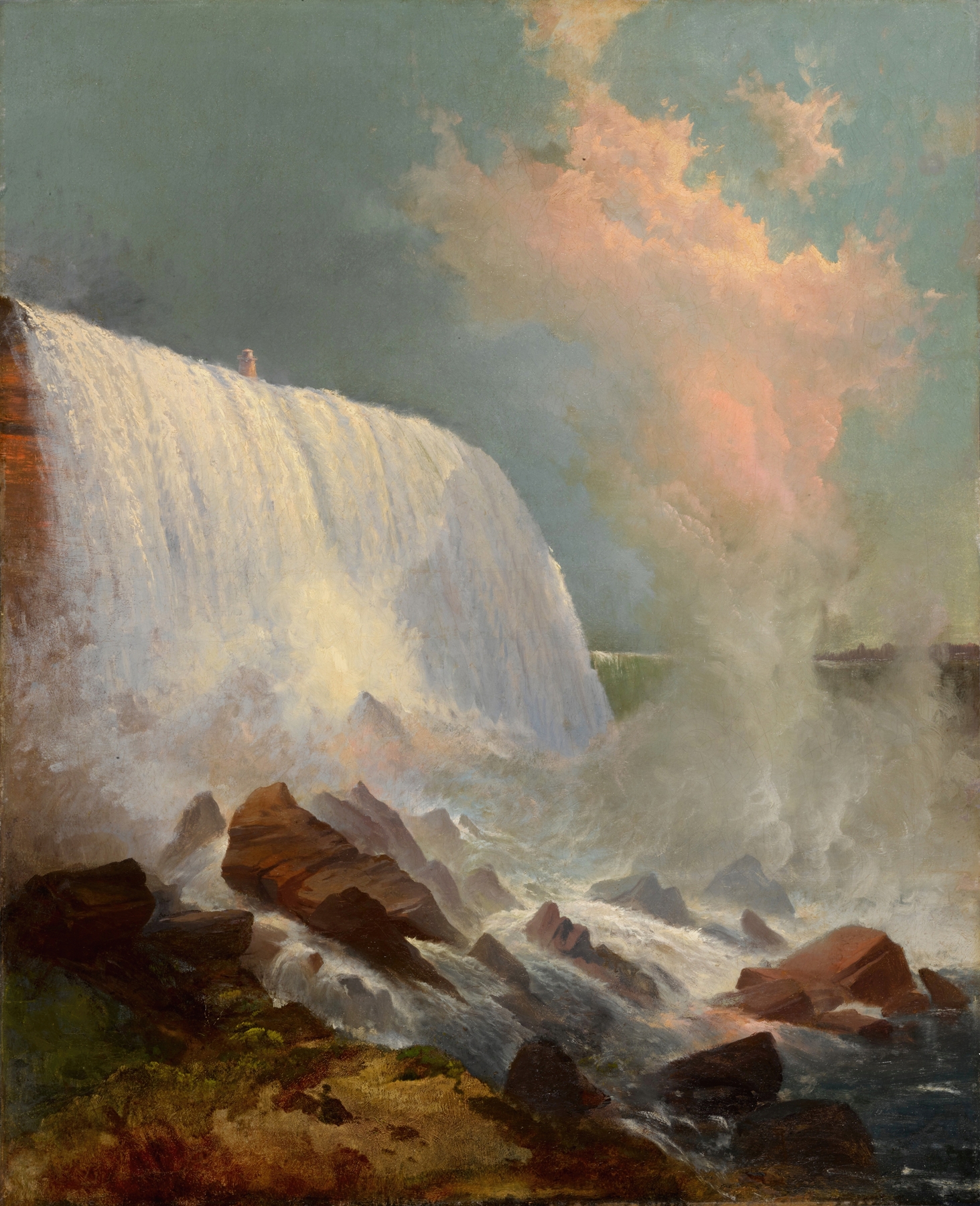
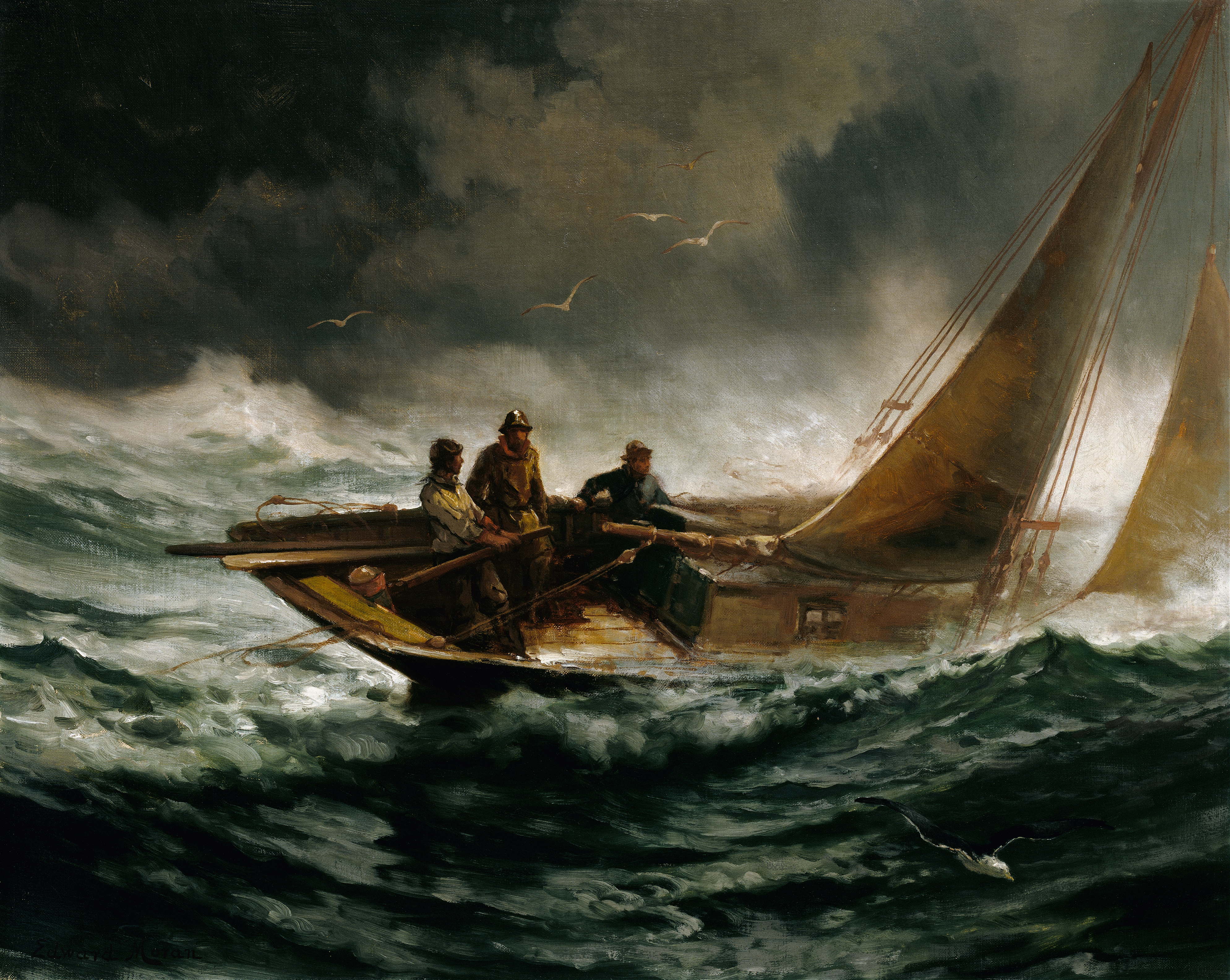
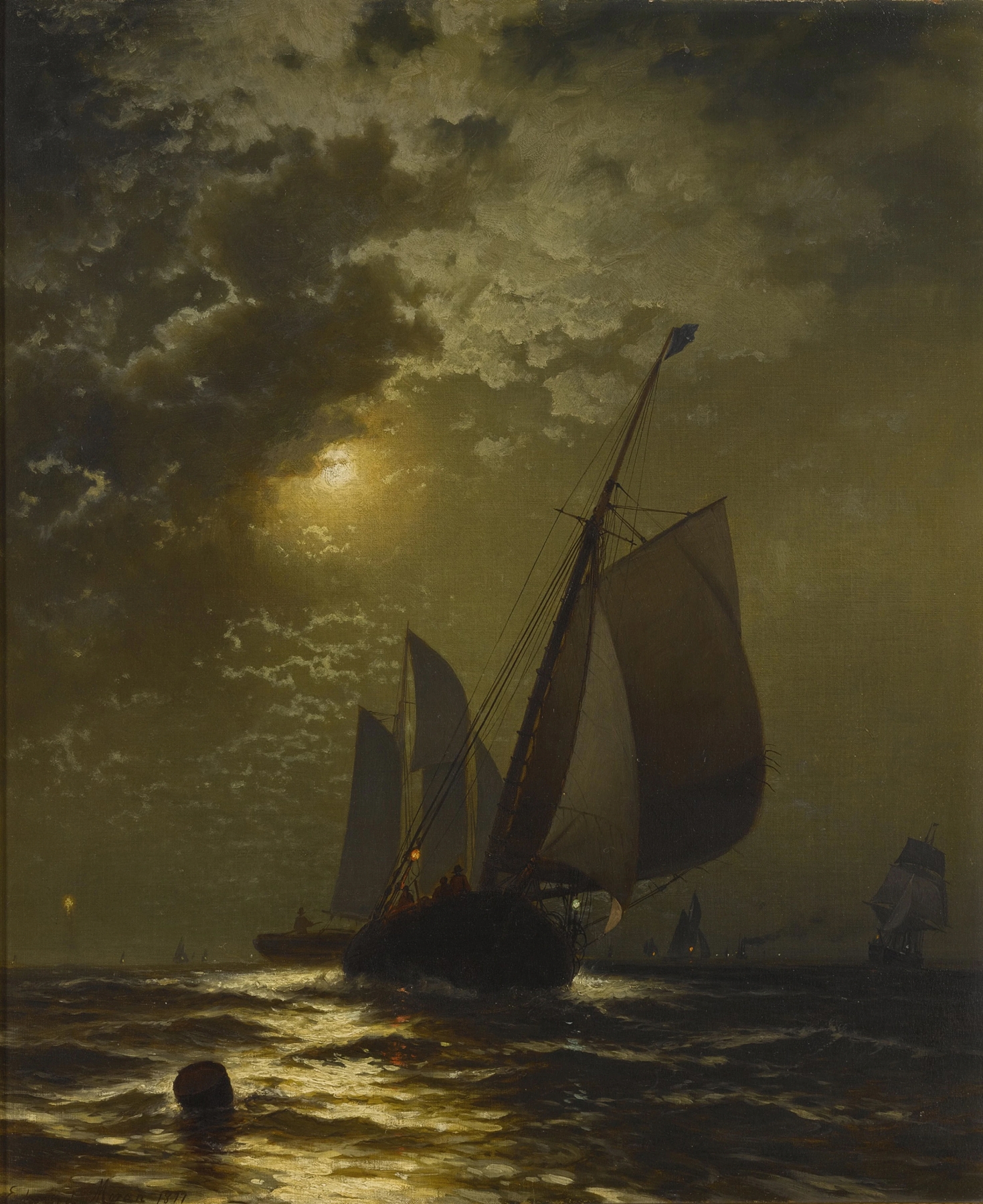
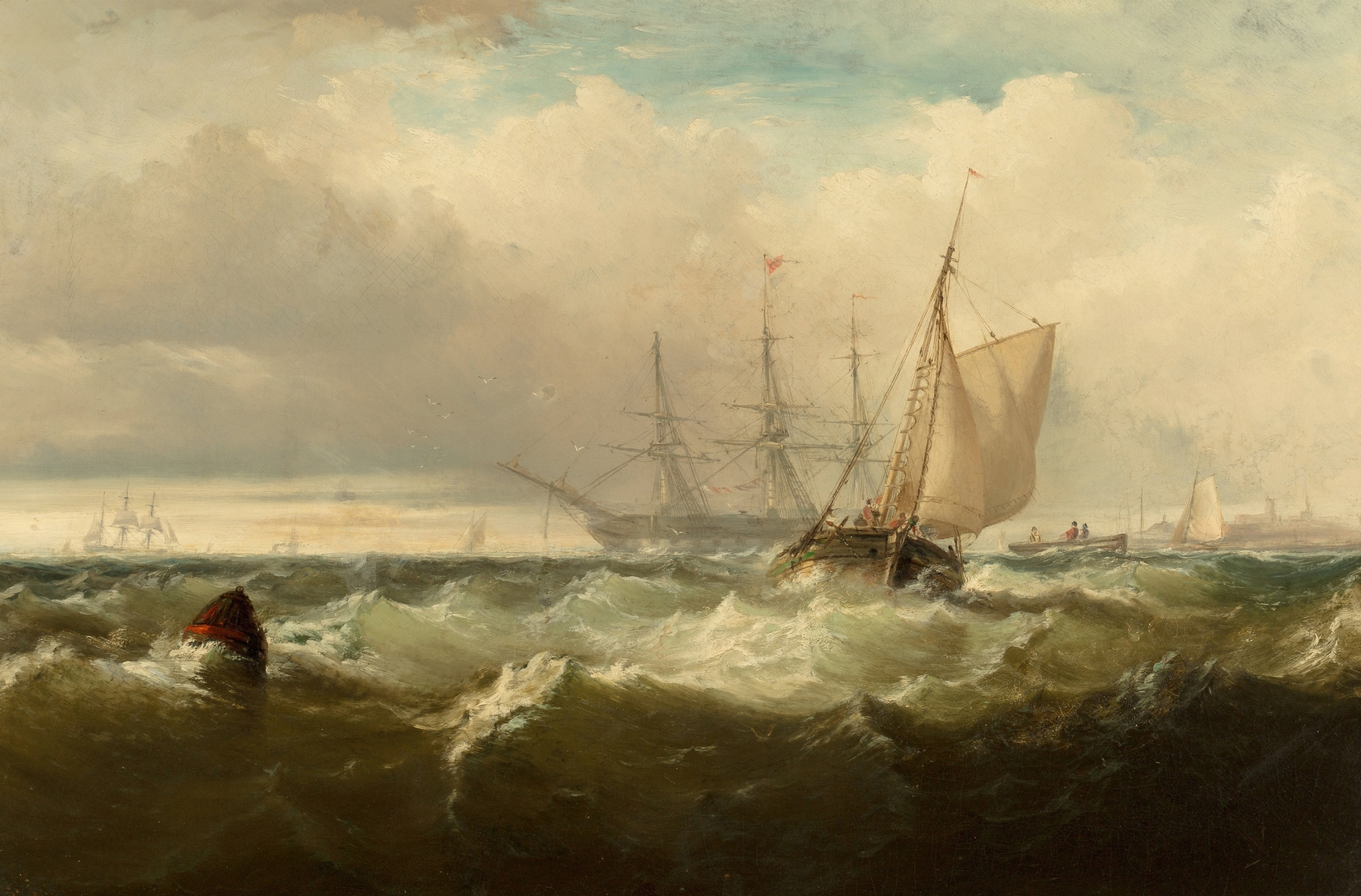
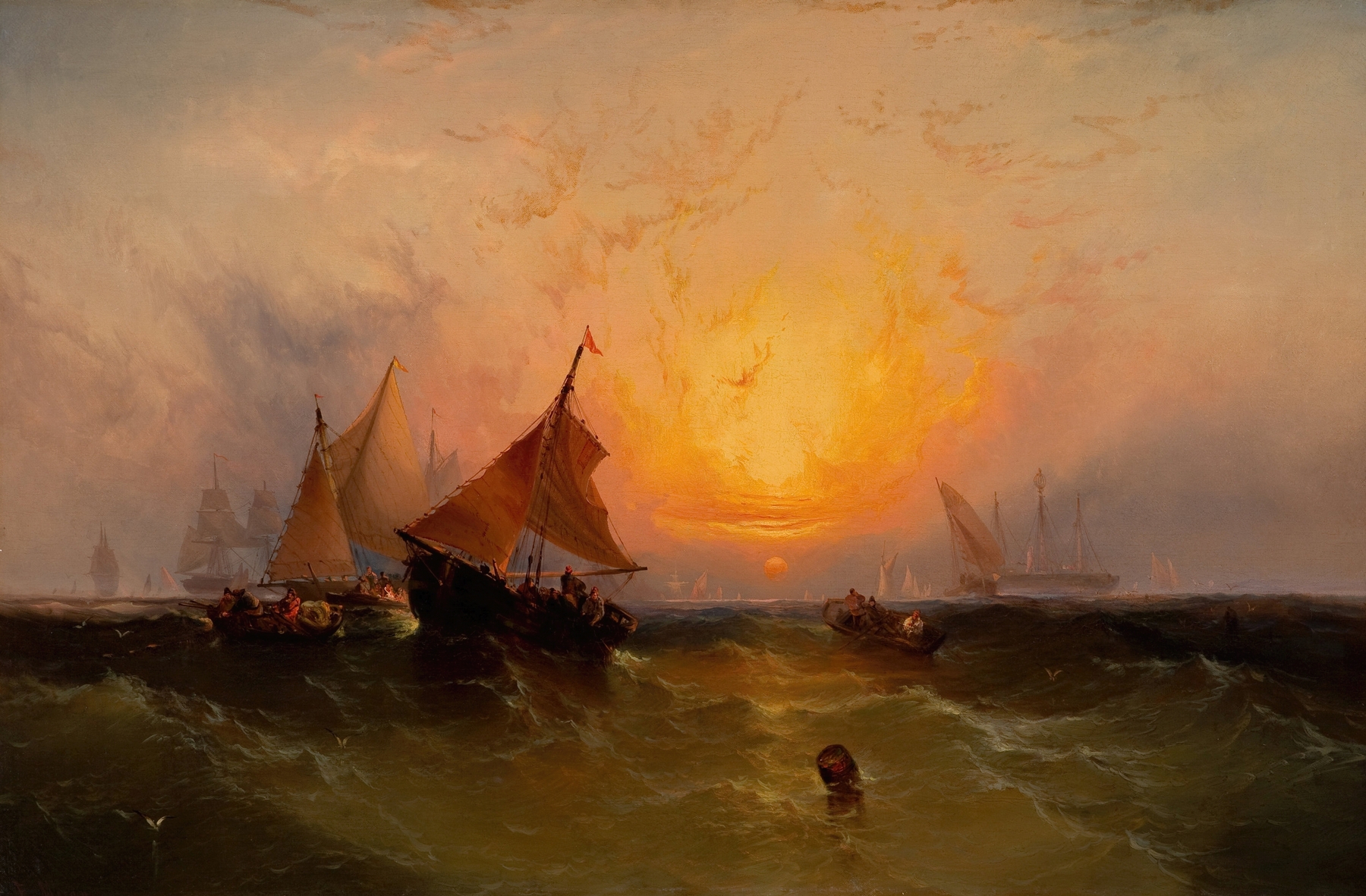
When did color learn to lie? The brilliant blues and greens may lull you into serenity, but beneath the surface, a tumult of violence brews, waiting to unravel. Look to the horizon, where the sky bleeds into the sea, a palette of atmospheric hues that seem to vibrate with tension. The waves, ferocious yet beautiful, crash against the rocky cliffs, creating a juxtaposition of calm and chaos. The meticulous brushwork draws the viewer's gaze, guiding it from the serene foreground teeming with life to the darker, turbulent realm beyond.
The light dances upon the water, amplifying both the allure and the menace of this maritime landscape. The interplay of light and shadow reveals deeper emotional tensions within the work. While the landscape appears idyllic at a glance, small details—like the jagged rocks and the churning waves—serve as whispers of impending peril. There's a latent violence in the energy of the ocean, as if it teeters on the brink of a storm; this is a reminder that beauty can coexist with danger.
In this valley of contrasts, tranquility masks the ferocity of nature, inviting contemplation on the duality of existence. In 1862, Edward Moran was emerging as a significant landscape painter in America. Working in a period of rapid industrialization and the chaos of the Civil War, he was captivated by the natural world, often merging romantic sensibilities with an acute awareness of nature's power. This painting reflects both personal and societal struggles, capturing a moment in time when the innocence of nature was confronted by the unrelenting forces of change.