The Valley of Les Puits-Noir — History & Analysis
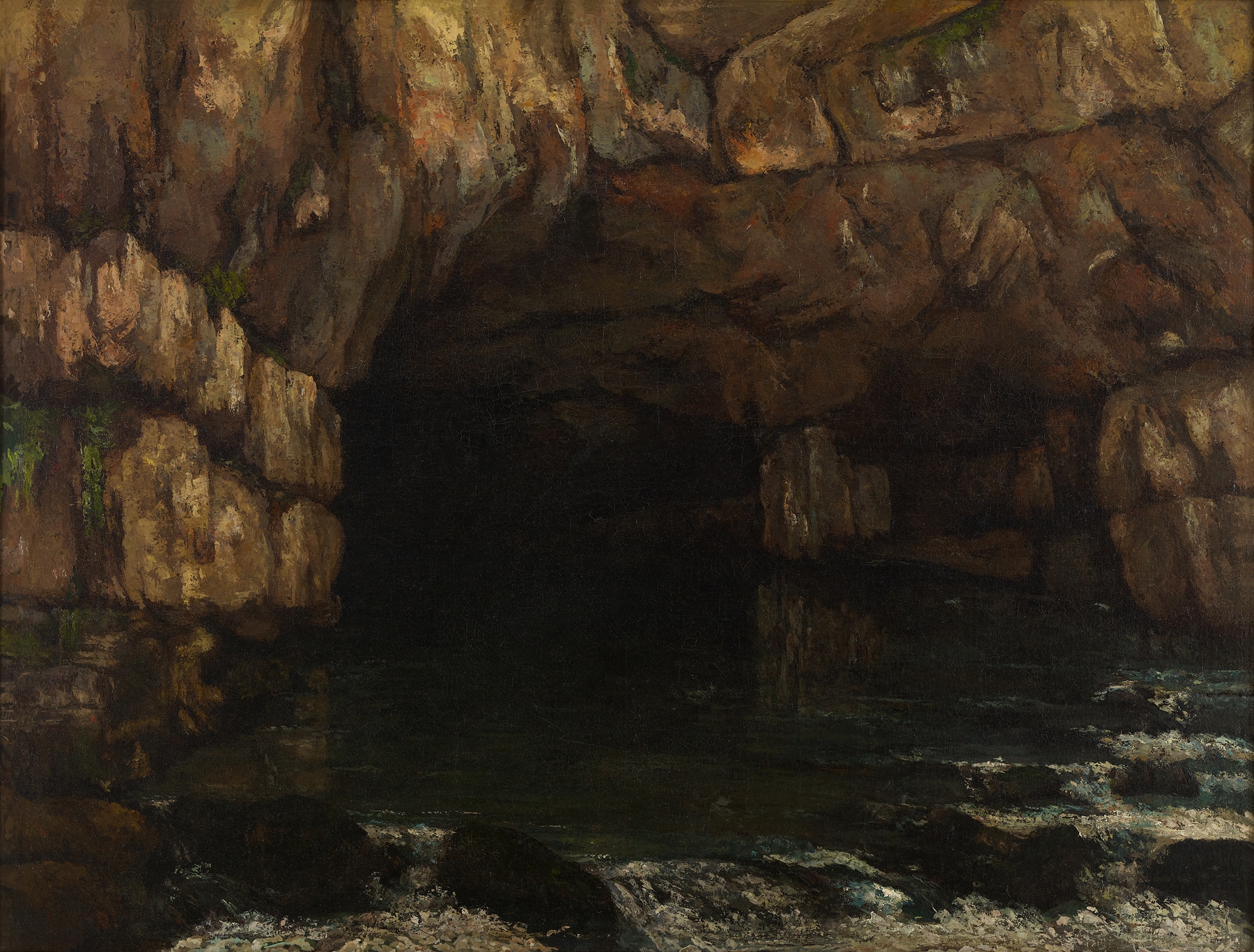
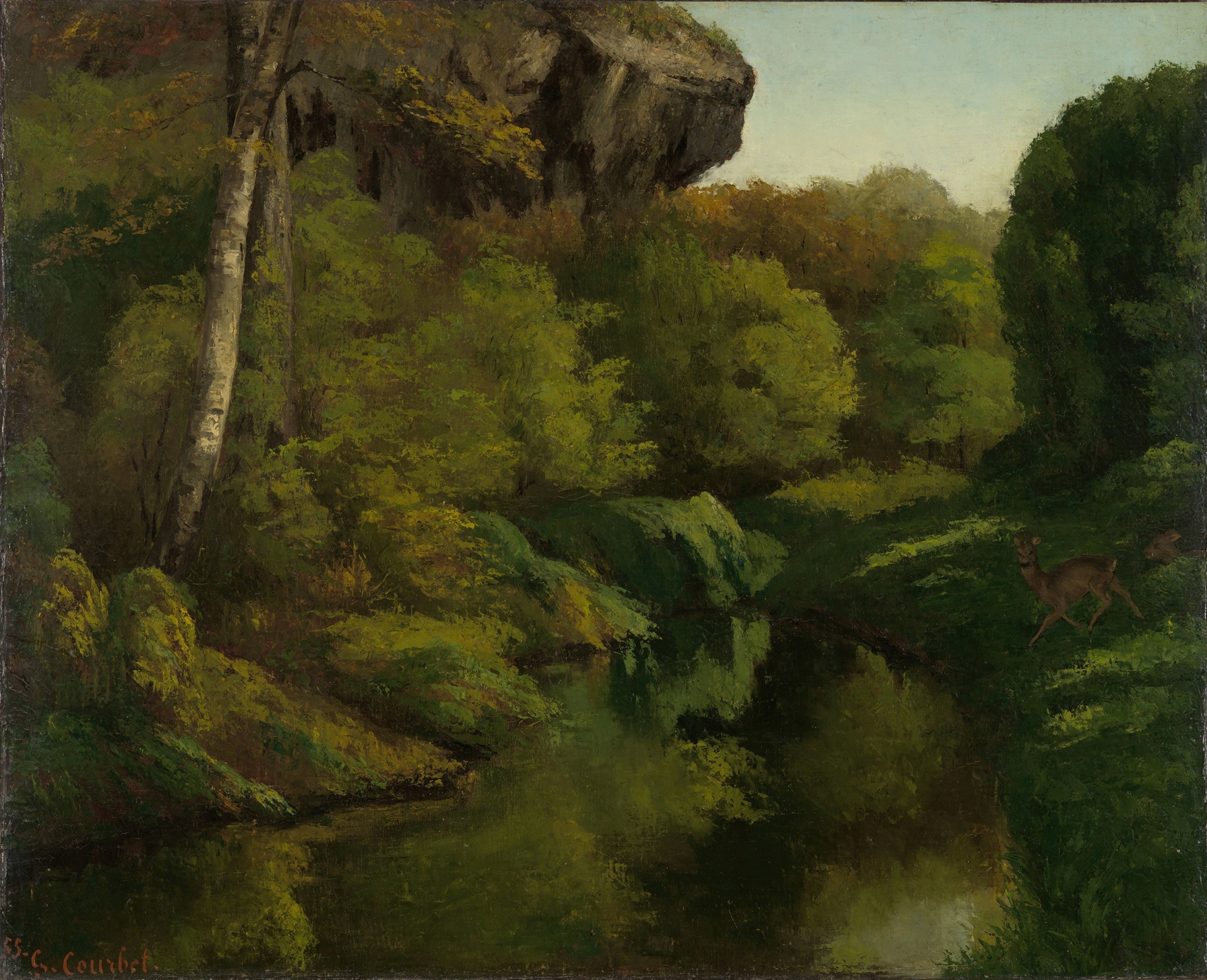
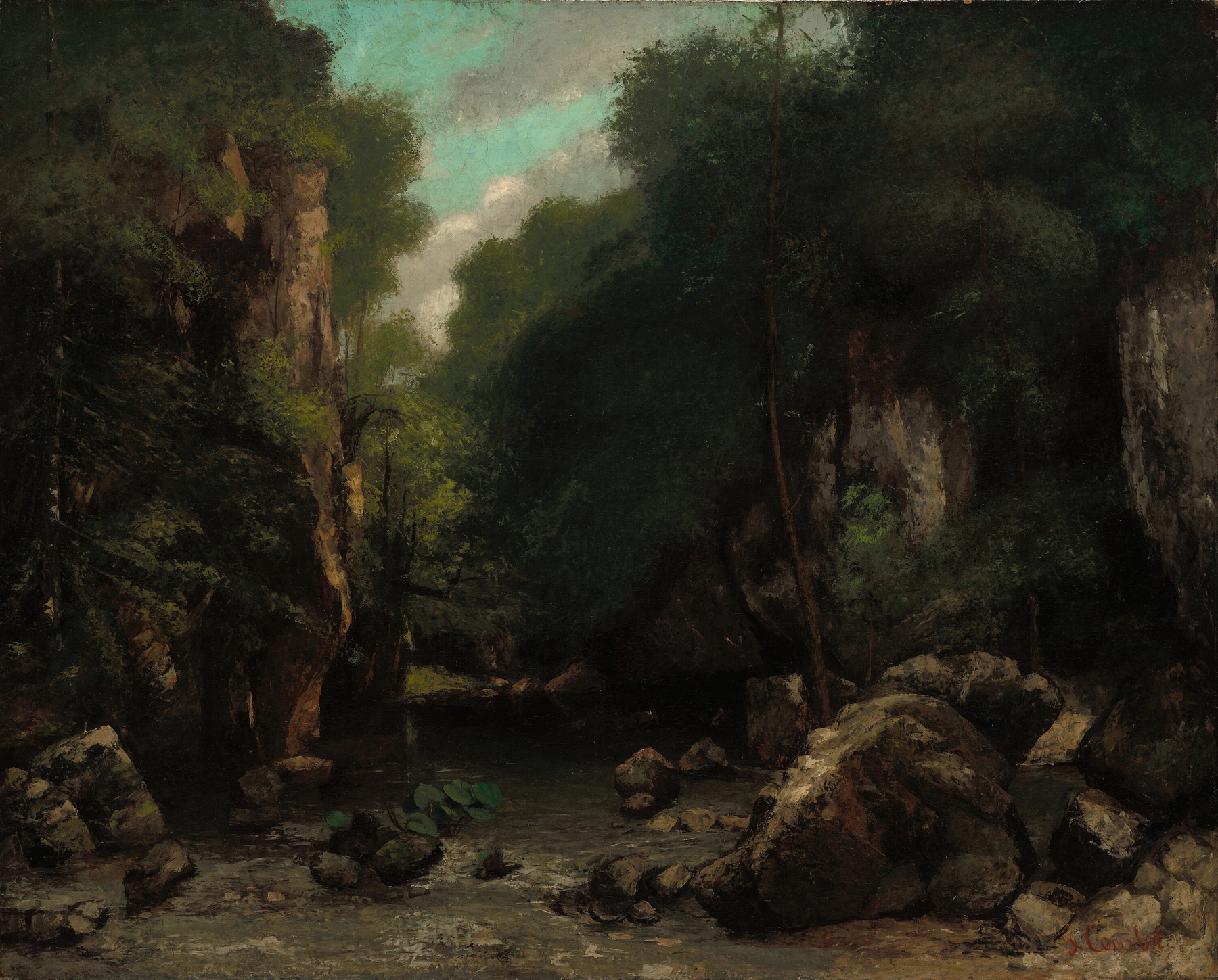
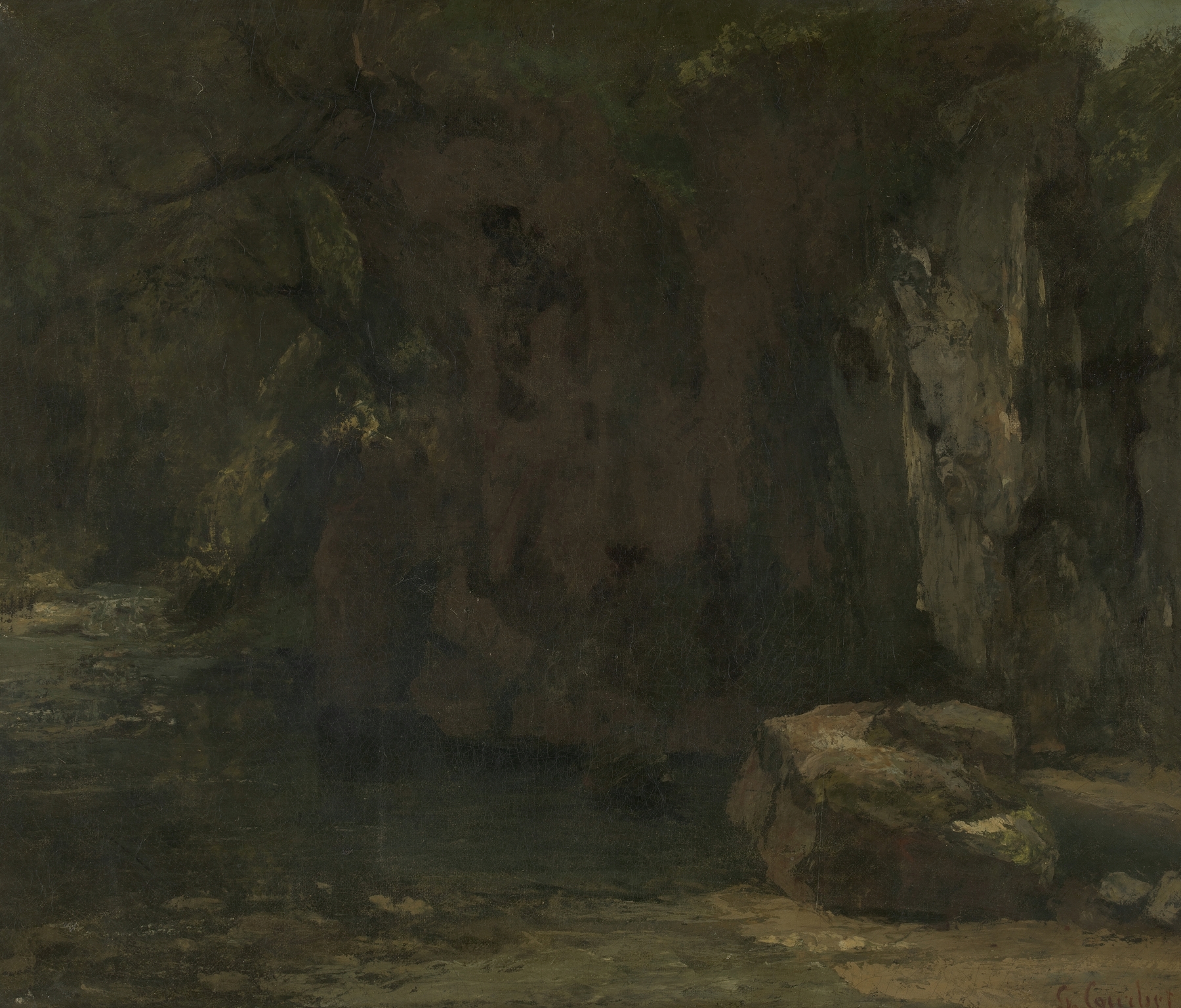
“Art reveals the soul when the world turns away.” In the quiet recesses of our minds, we long for connection, for understanding — emotions that resonate as deeply as the strokes of paint on canvas. The Valley of Les Puits-Noir captures this yearning, inviting contemplation of the natural world and our place within it. Focus first on the tranquil valley nestled between the hills, where earthy greens and deep blues harmonize. The composition leads your gaze along the winding river, which sparkles like a ribbon of silver under the soft light. Notice how the rugged cliffs frame the scene, their textured surfaces revealing the artist’s brushwork.
The sky, a delicate blend of clouds and light, creates a sense of openness, yet it hints at the isolation of this untouched landscape. Each color choice illustrates a delicate balance between serenity and solitude. The valley represents more than just a geographical location; it embodies the emotional landscape of longing and introspection. The juxtaposition of the dense foliage with the open sky suggests a contrast between the known and the unknown, between confinement and freedom.
This tension mirrors the universal search for belonging, evoking a deep sense of nostalgia while simultaneously igniting the desire for exploration. Created in 1868, Courbet painted The Valley of Les Puits-Noir during a period when he was actively promoting realism in art, positioning it against the romantic ideals of his time. Living in France amidst political upheaval and societal change, he sought to express a genuine connection to nature and the human experience. This work reflects not only his artistic intentions but also the emotional currents flowing through a society grappling with transformation.