The Watering Can – Garden at Le Raincy — History & Analysis
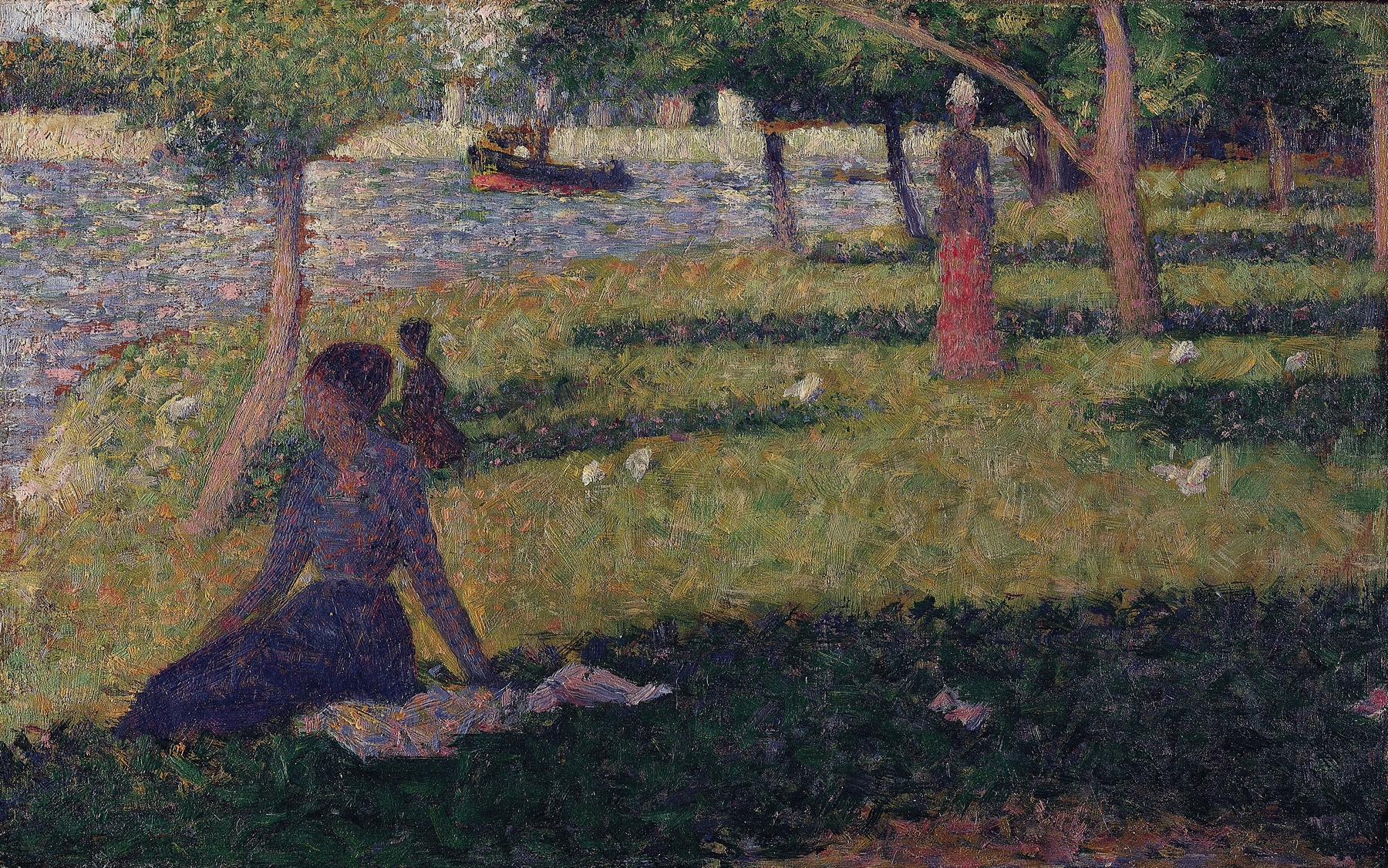
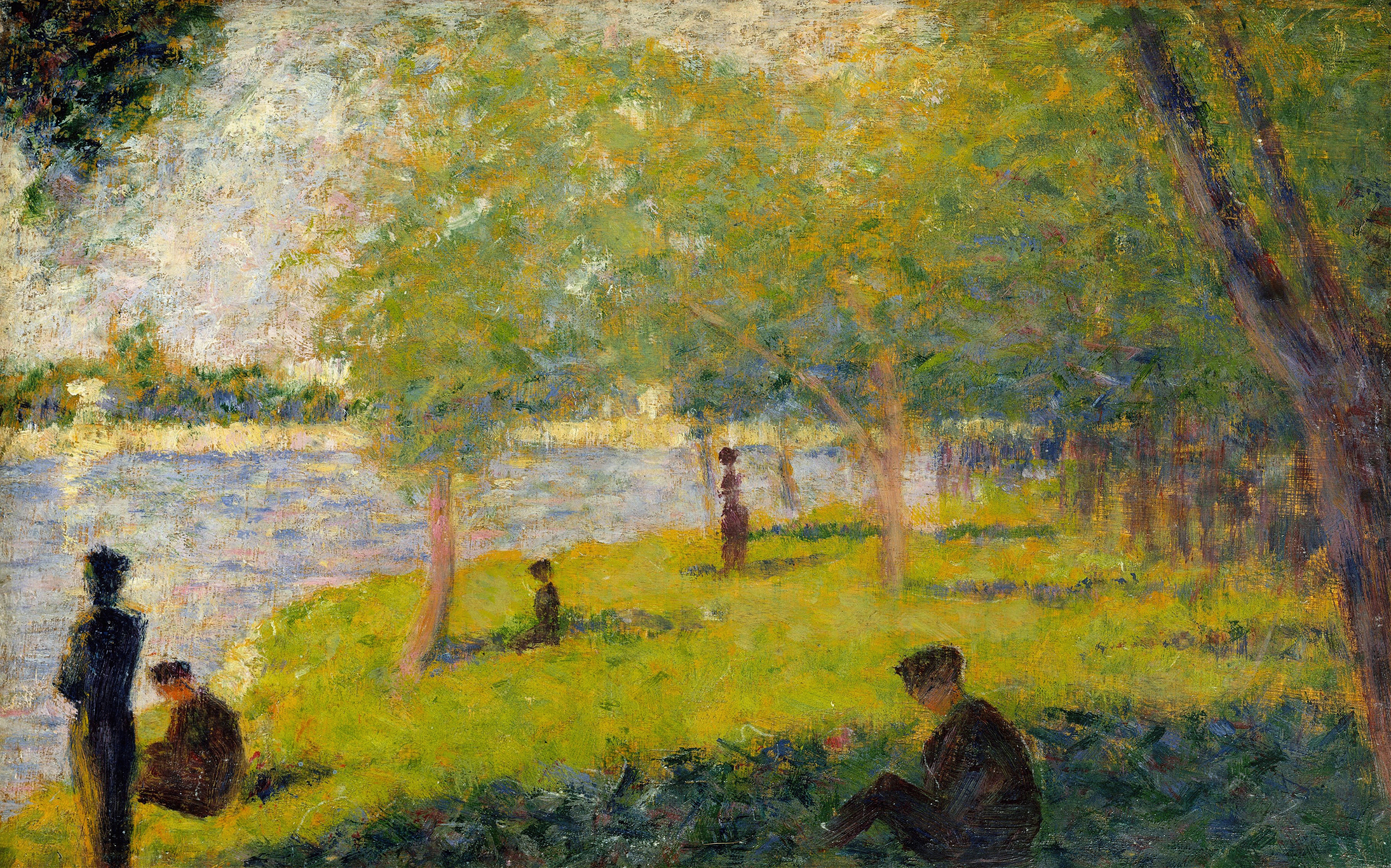
In the dappled sunlight of a late afternoon, a woman kneels amidst a garden bursting with life. Her hands, gentle yet purposeful, grasp a watering can, coaxing the earth to yield its beauty. Around her, blossoms sway in a soft breeze, casting fleeting shadows that dance across the path, where echoes of laughter and whispers of nature intertwine in a tender embrace. Look to the left, where the vivid colors of flowers create a striking contrast against the muted greens of the foliage.
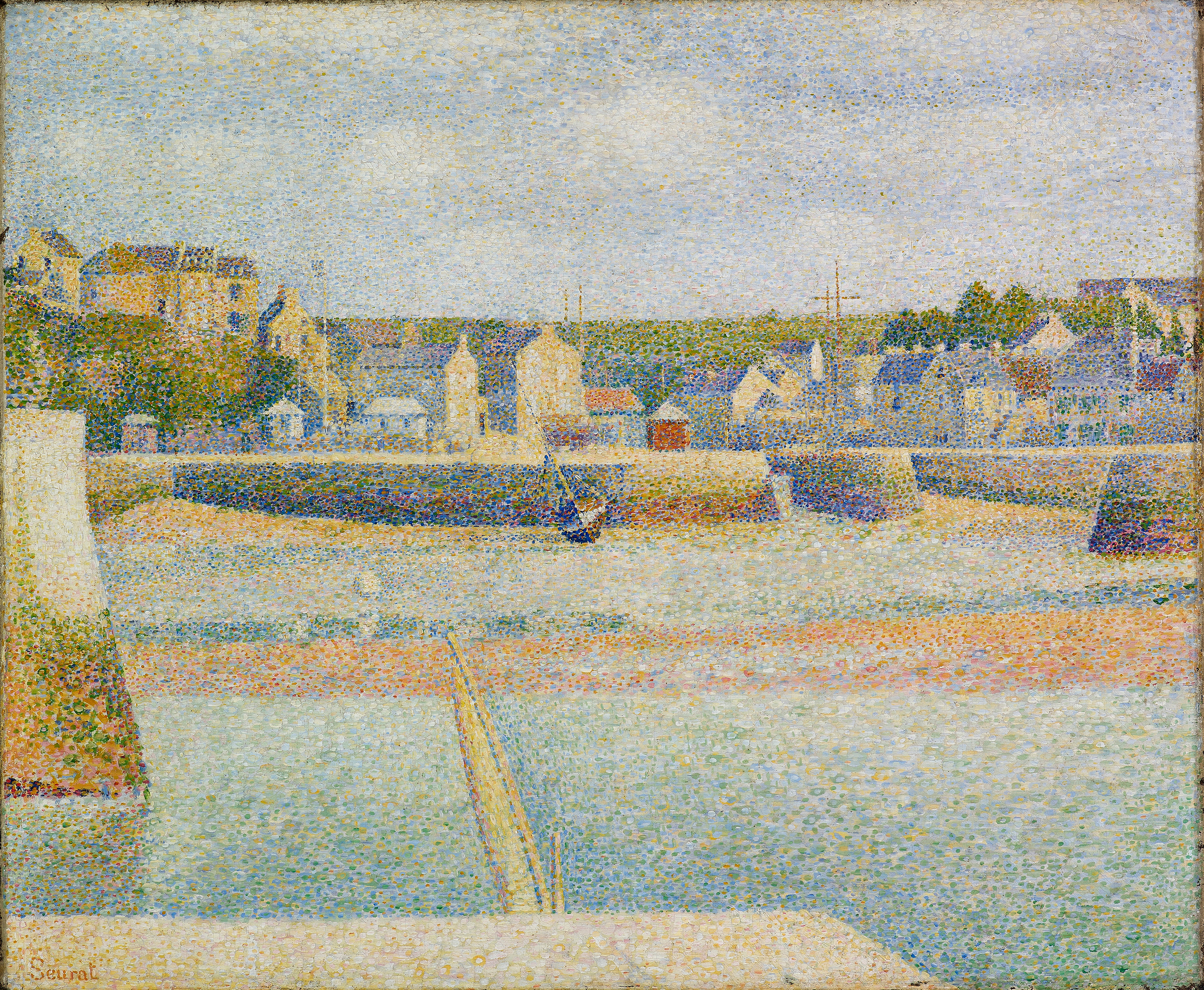
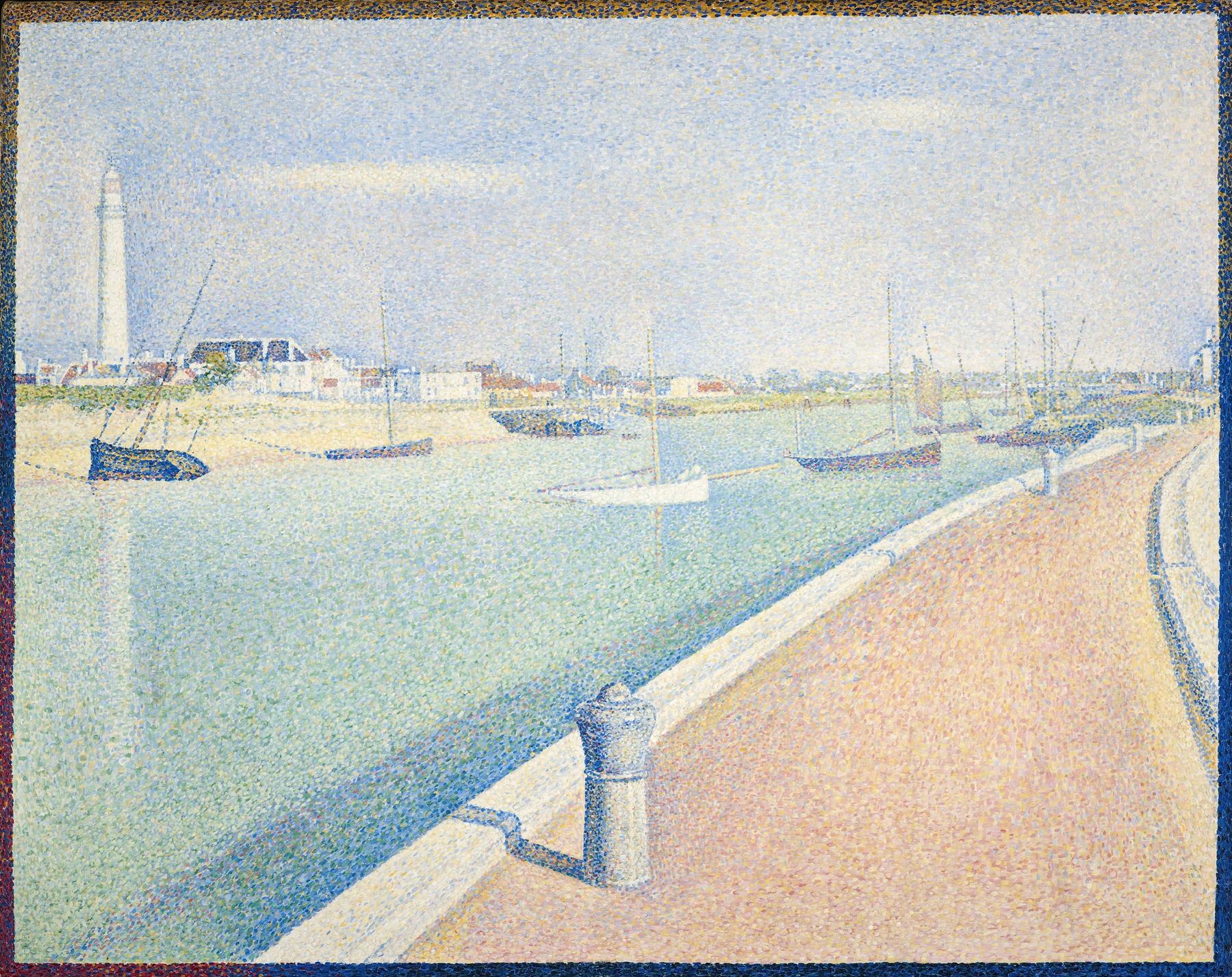
Notice how the light falls upon the petals, illuminating their delicate textures and revealing the artist's signature pointillist technique. Each dot, meticulously placed, serves to bind the scene in a harmonious composition, guiding your gaze around the canvas like a gentle stroll through the very garden it depicts. Yet beneath the surface of this idyllic moment lies a subtle tension—the decay of the once-vibrant blooms hints at the inevitable passage of time. The woman’s solitary figure, absorbed in her task, evokes a sense of fragility, reminding us that beauty is transient.
The juxtaposition of life and decay weaves a narrative of both hope and melancholy, inviting viewers to reflect on their own fleeting existence amidst the cycles of nature. Created in 1883, the artist was exploring the vibrant suburbs of Paris, where color and form began to merge into his groundbreaking style. At this point in his career, the world of art was on the cusp of modernism, with emerging movements challenging traditional forms. Seurat, delving into the science of color and perception, sought to capture moments that conveyed both the beauty and the ephemeral nature of life, a theme vividly encapsulated in this tranquil garden scene.