Thebes — History & Analysis
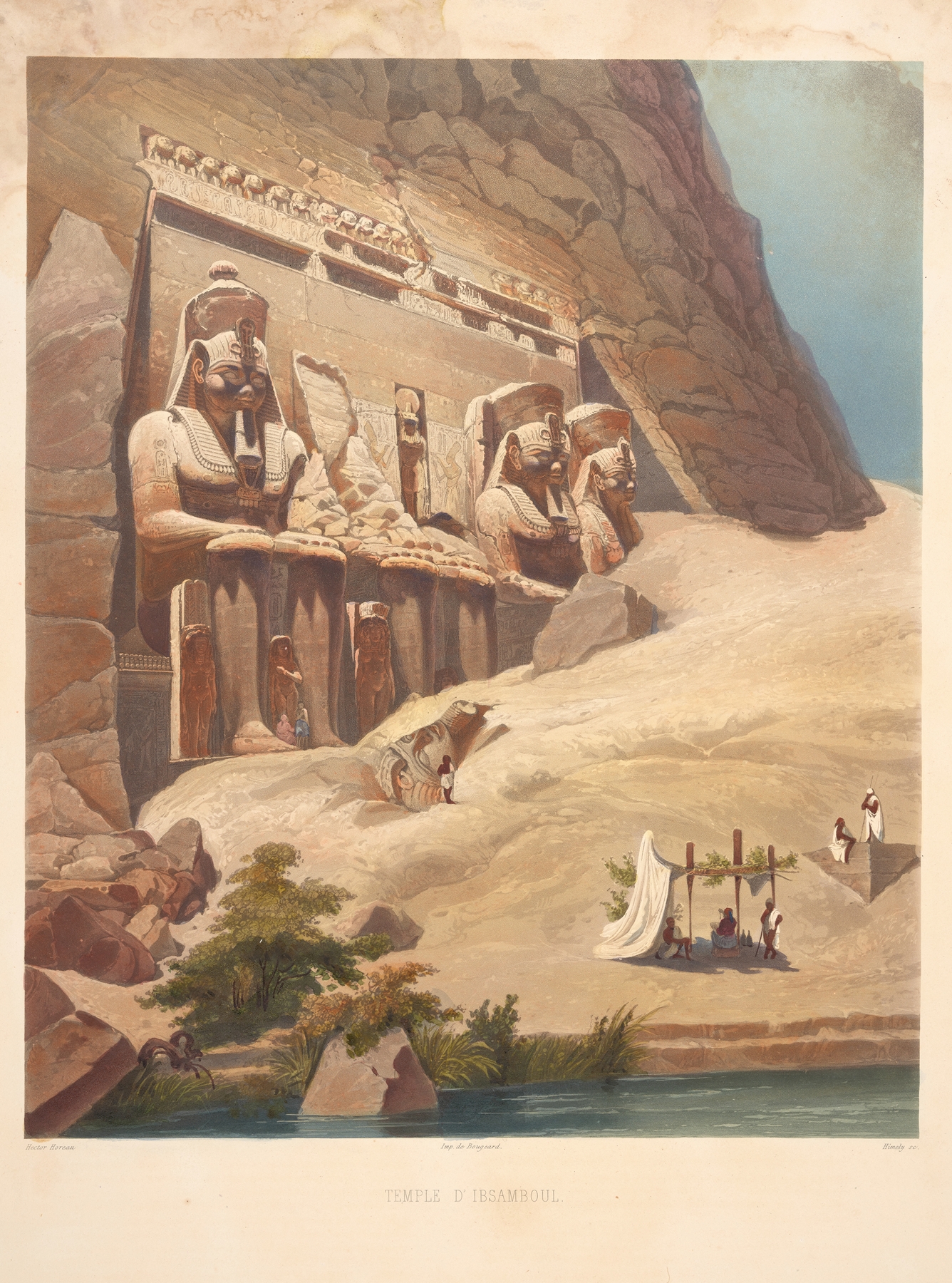
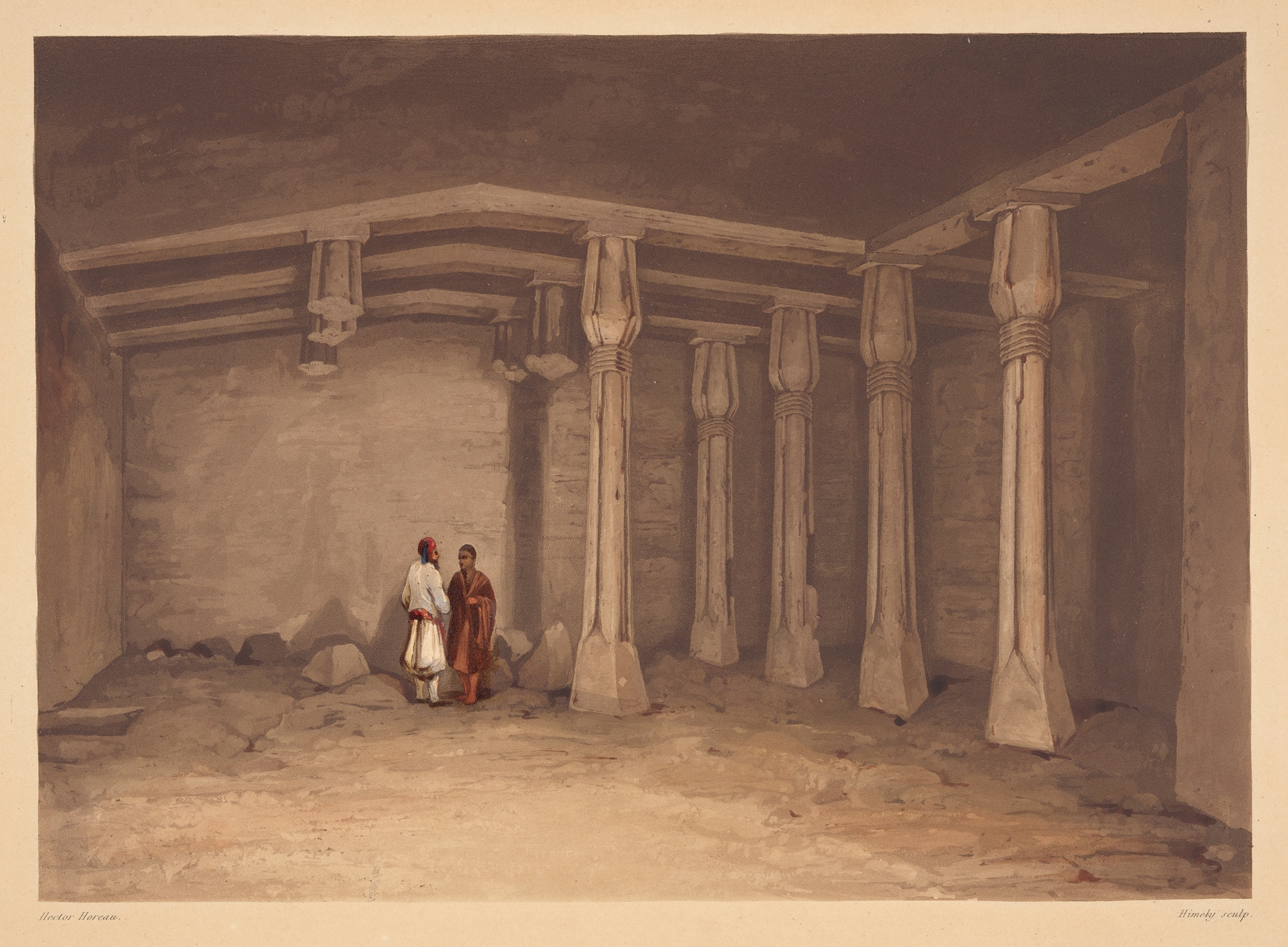
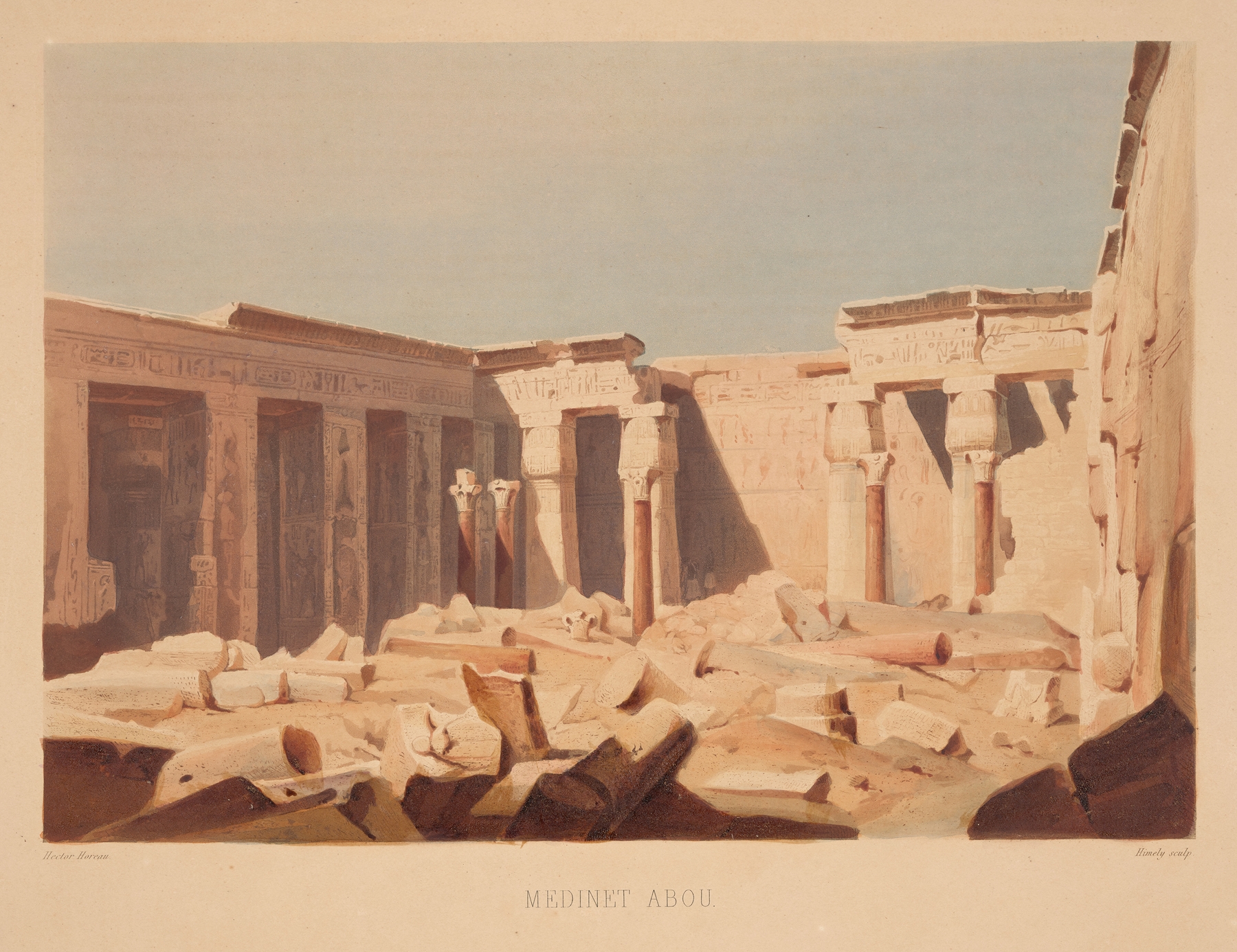
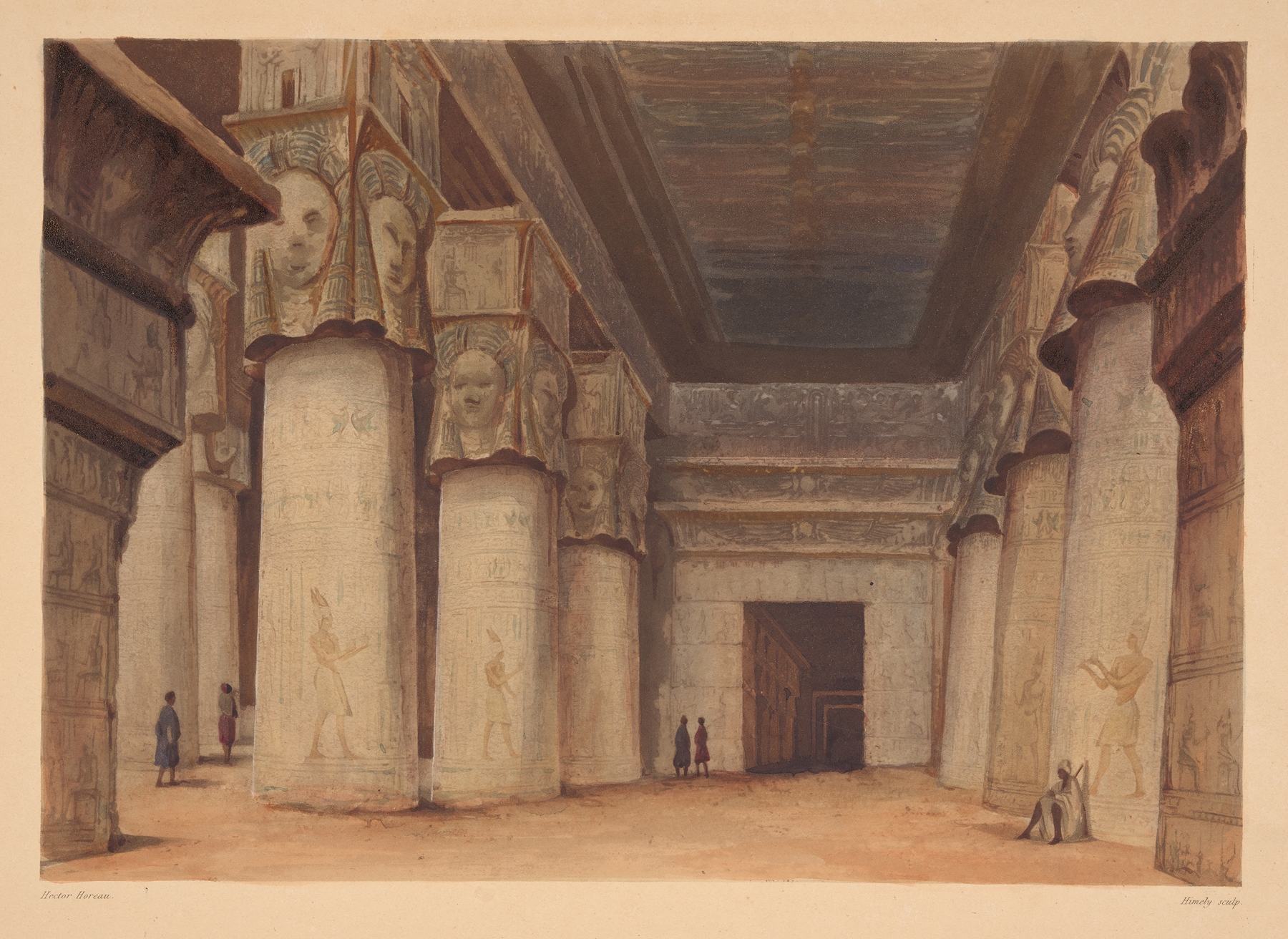
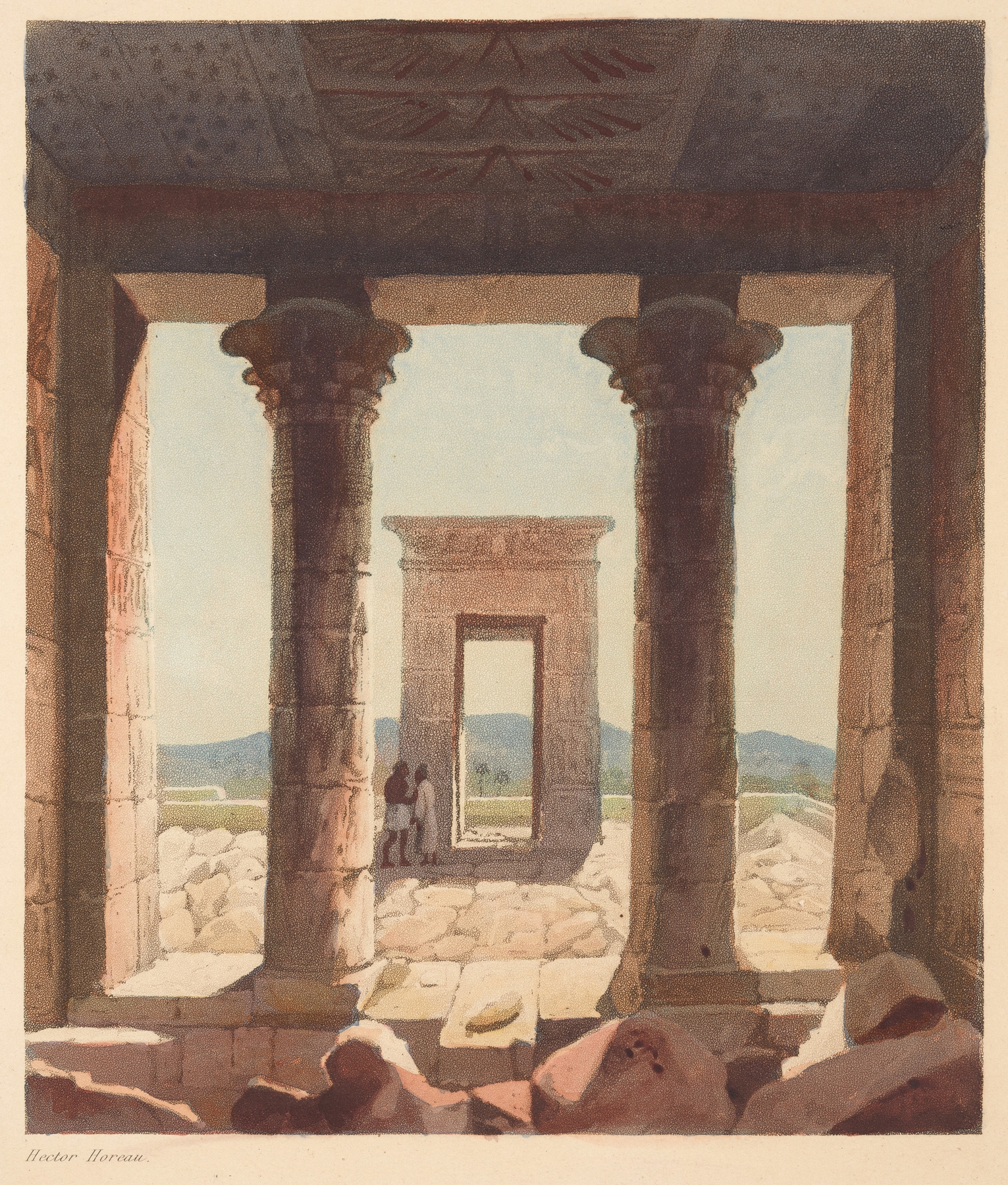
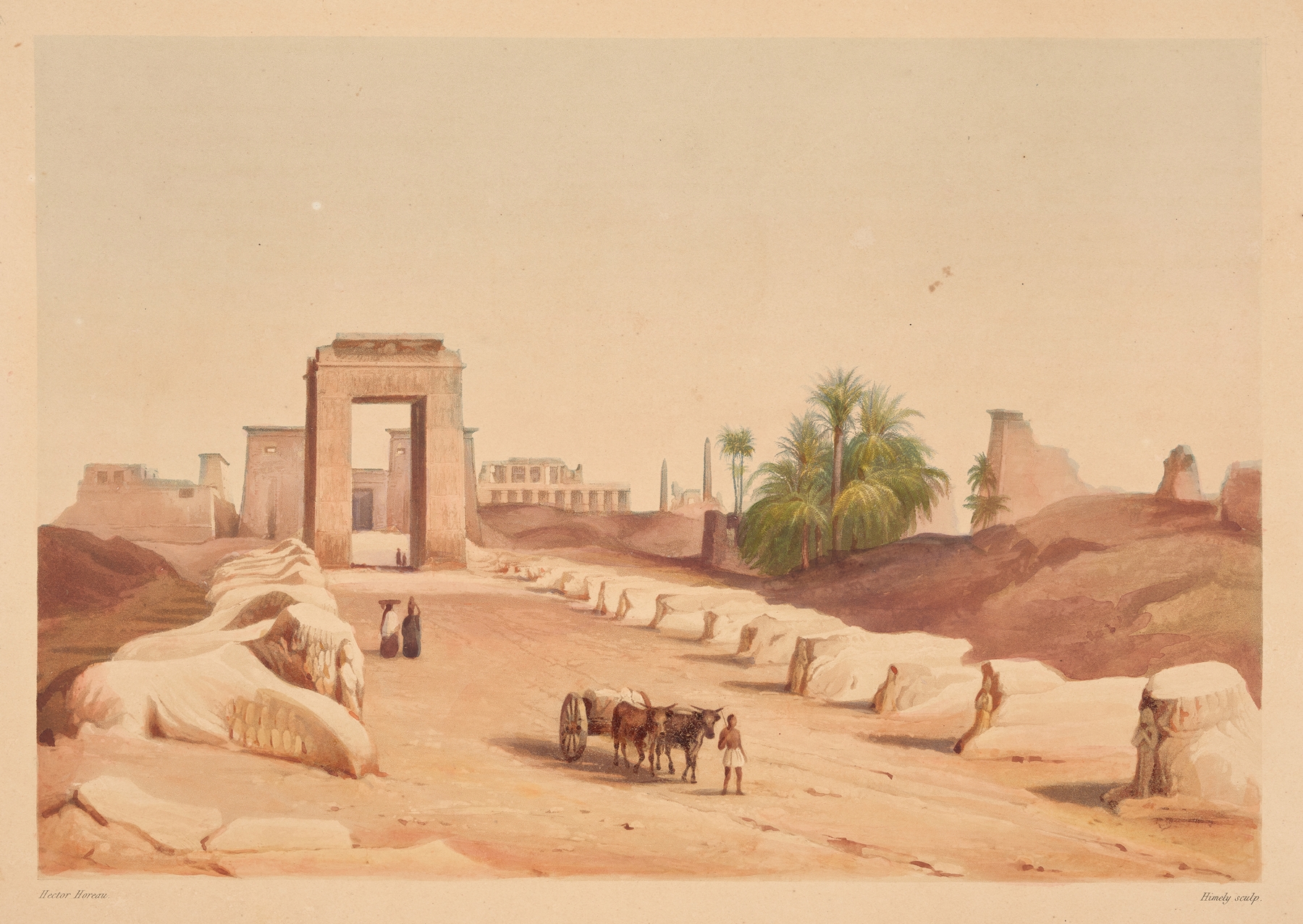
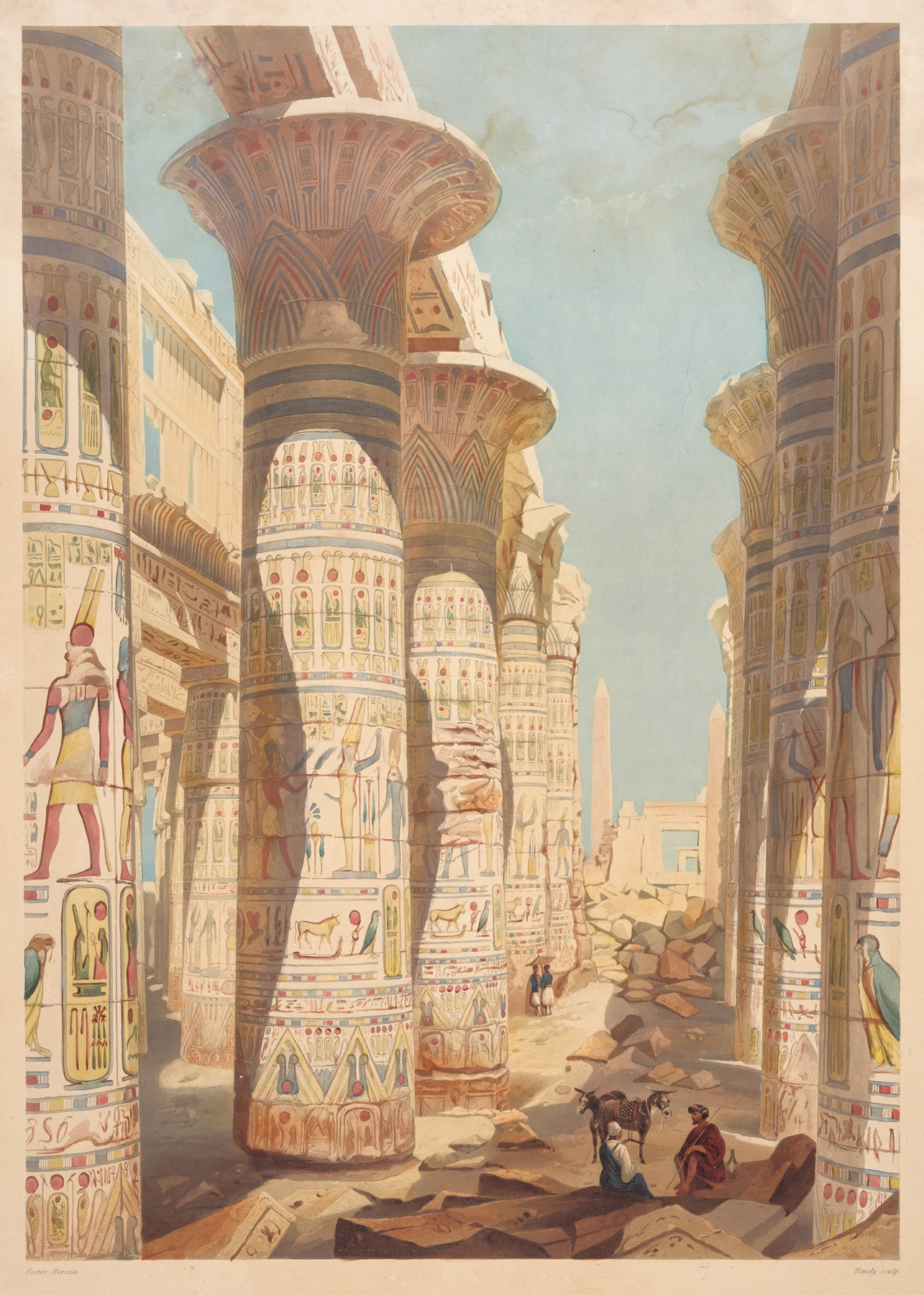
Who listens when art speaks of silence? In the stillness of Thebes, a profound conversation unfolds, inviting viewers to contemplate creation and the echoes of history. Look closely at the central architectural grandeur, where ancient columns rise majestically against the backdrop of a muted sky. The soft interplay of light and shadow enhances the intricate details, leading your gaze to the delicate carvings that speak of craftsmanship and time.
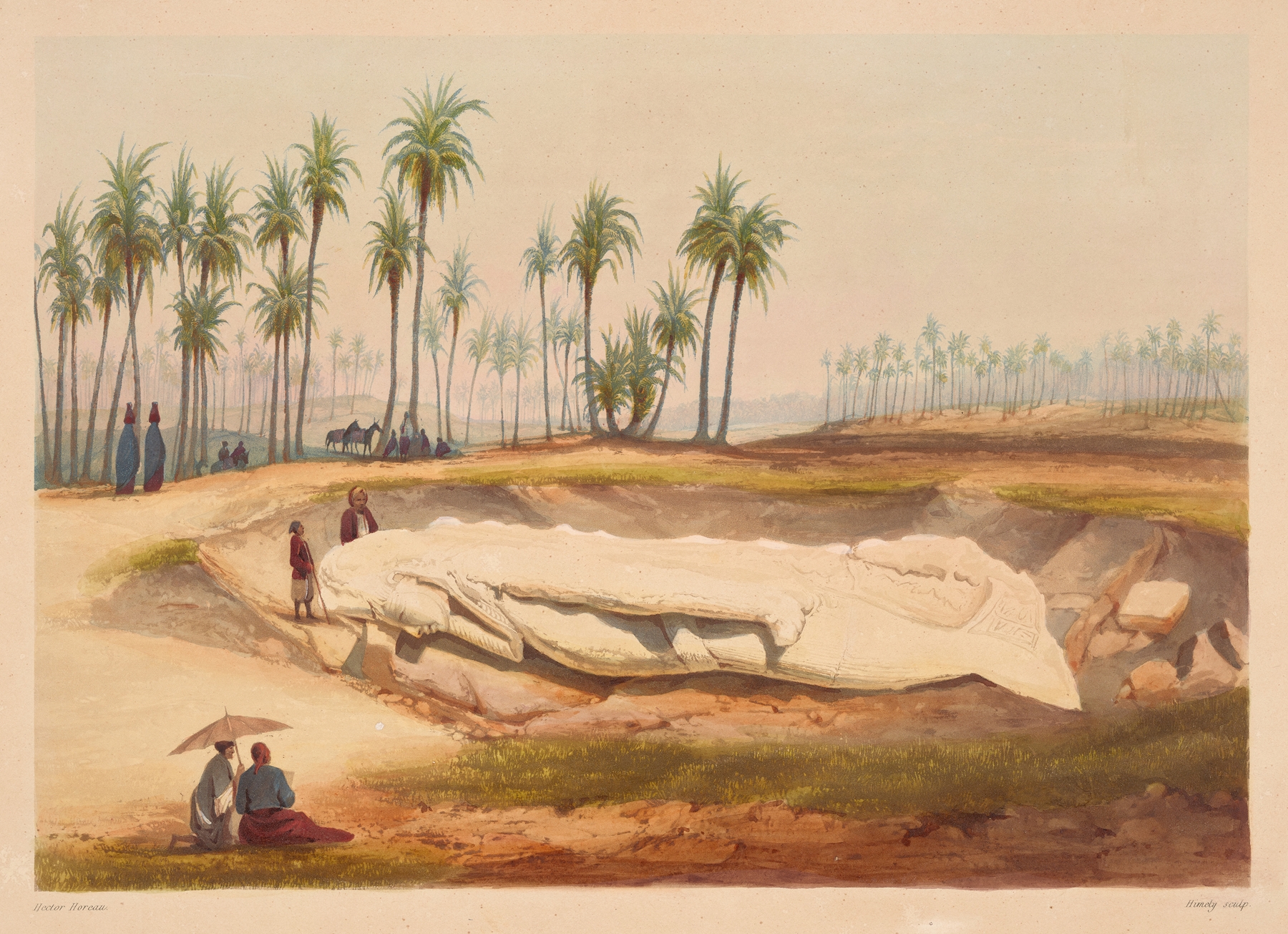
Notice how the palette, composed of earth tones and gentle highlights, evokes both reverence and nostalgia, making the structure feel both timeless and transient. Beneath its serene beauty lies a tension between decay and endurance. The crumbling stone hints at the passage of years, while the lifelike depiction of nature entwining with architecture suggests a persistent dialogue between civilization and the wild. In this work, Horeau captures not just the physical remnants of a once-grand city but also the emotional weight of loss and the hope of renewal, urging the viewer to ponder what it means to create amidst impermanence.
In 1841, Hector Horeau was entrenched in a world of burgeoning Romanticism, seeking to capture the essence of lost civilizations. Working in Paris and inspired by travels through Egypt and Greece, he was part of a movement that sought to blend the natural beauty of landscapes with architectural perfection. His exploration of history through art reflects a profound desire to preserve beauty in its many forms, resonating with a contemporary audience grappling with the fragility of existence.
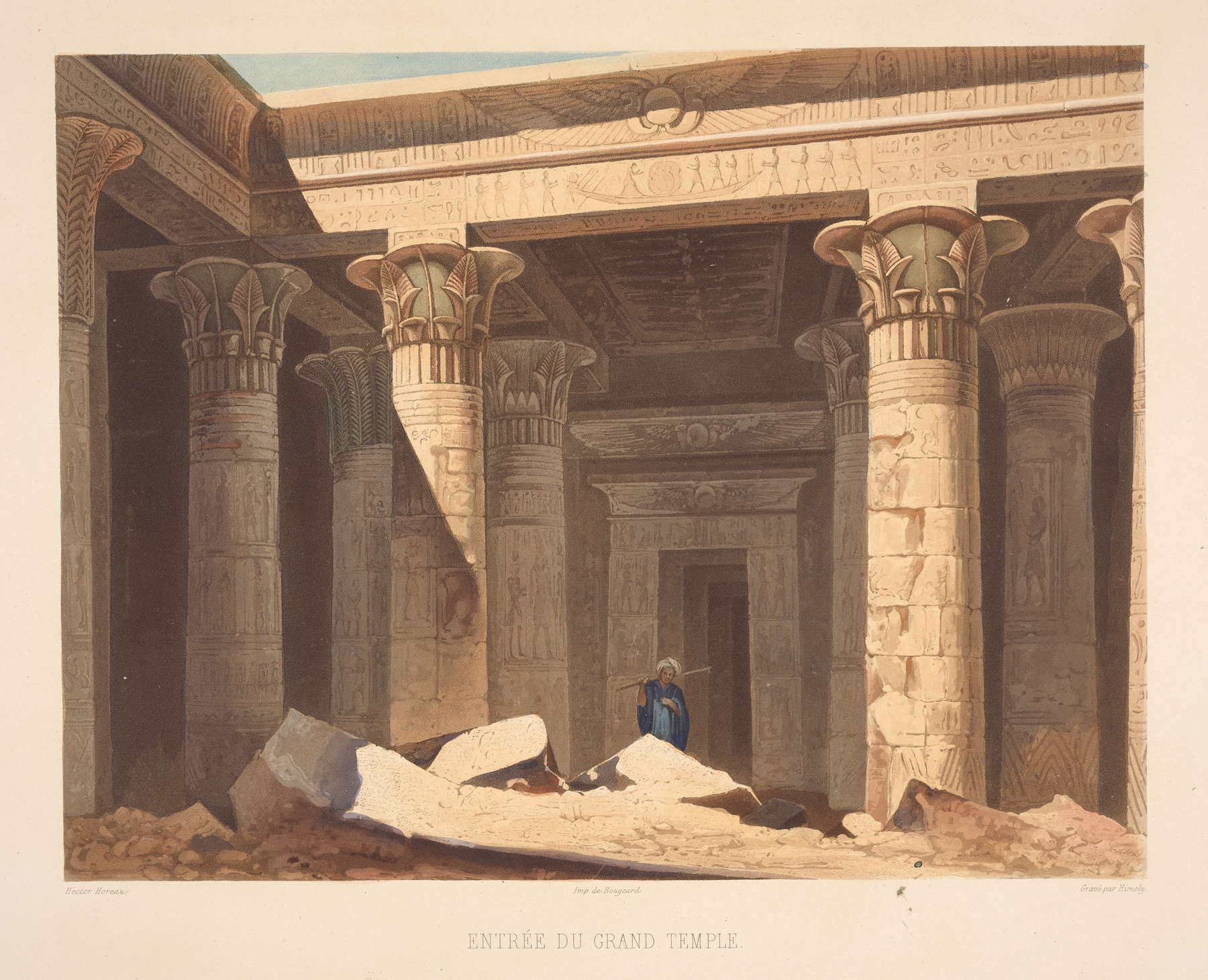
![Temple d’Ibsamboul [Interior view] (Temple of Abu Simbel), by Hector Horeau, public domain](https://froigstrpvutwqtqikzt.supabase.co/storage/v1/object/public/art-images/artworks/3156dbe8015f5681be442de2c2c50af40c84d5e10e8f68f04f9a54d6d857255f.jpg)